President calls special meeting of the ruling party

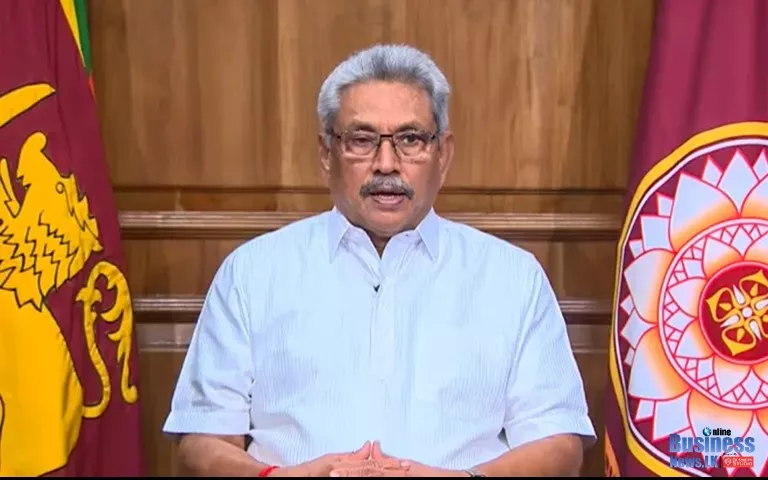
A special meeting of the ruling party is scheduled to be held tomorrow (22) under the patronage of President Gotabaya Rajapaksa.

The meeting is to be held at Temple Trees at around 6.00 pm tomorrow, government sources told Ada Derana.

All members of parliament (MPs) from the ruling party have reportedly been informed to attend the mandatory meeting.

It is reported that the discussion will focus on economic issues, including the dollar crisis in the country.

Prior to the special meeting to be held in the evening, the ruling party’s parliamentary group is scheduled to meet tomorrow morning under the leadership of Prime Minister Mahinda Rajapaksa.

The meeting will be held at the Parliament complex, according to government sources.

Posted in Uncategorized

Sri Lanka Bondholders Tap Legal Adviser for Sovereign-Debt Restructuring Talks

A group of investors in Sri Lanka’s sovereign bonds has hired law firm White & Case LLP to advise on debt negotiations as the indebted island nation contends with a severe economic downturn and growing political unrest, said people familiar with the matter.

The ad hoc group includes bondholders from BlackRock Inc. and Ashmore Group PLC, the people said. The group has yet to hire a financial adviser, said another person.

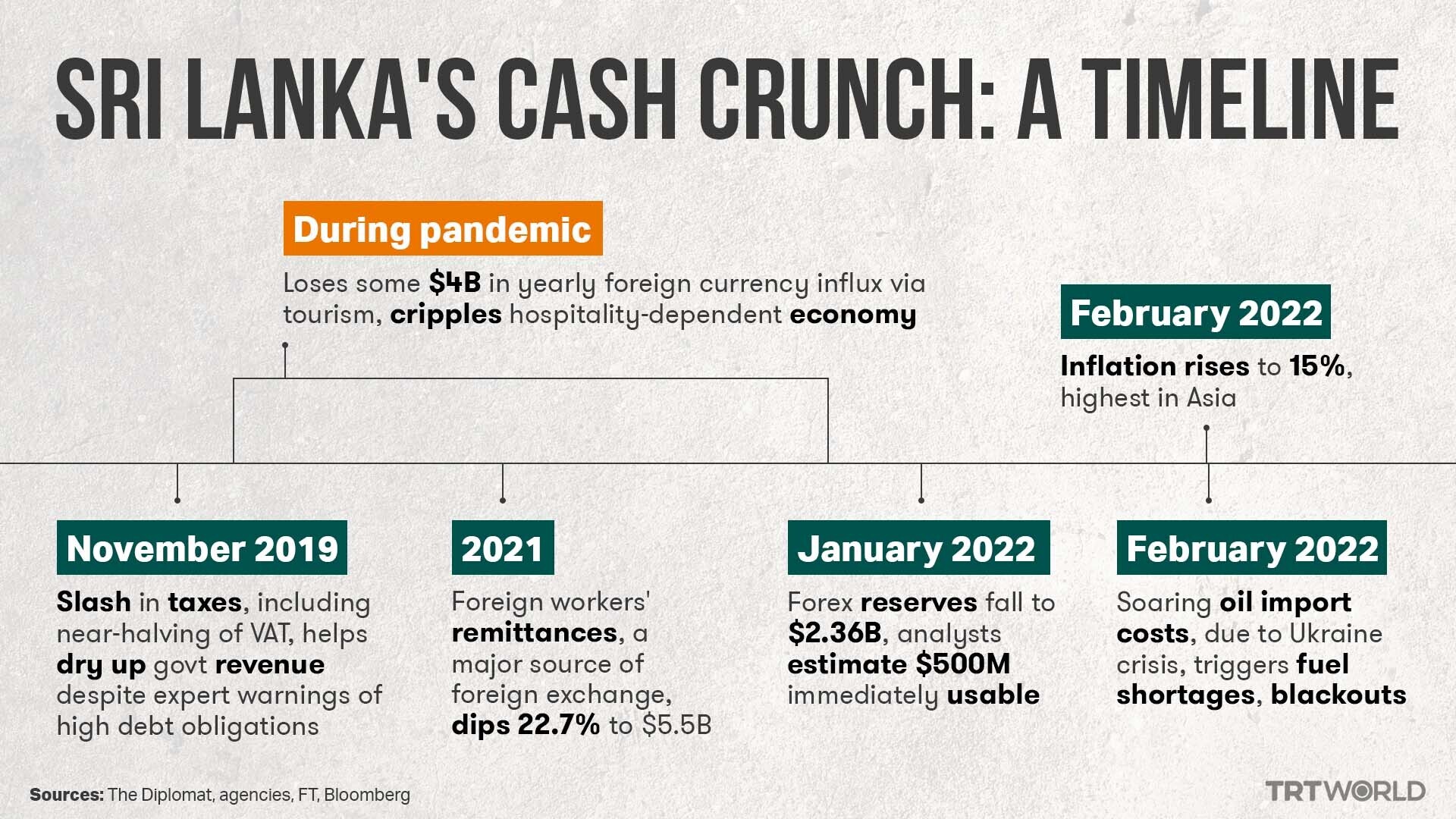
Sri Lanka is facing a balance of payments crisis as the country’s foreign-exchange reserves have declined by more than half since the beginning of the Covid-19 pandemic. The nation spends foreign exchange to import many of the goods it needs to power its economy.

Revenue from tourism, one of the country’s most important sources of foreign exchange, has declined in large part due to the pandemic. Meanwhile, remittances from Sri Lankans living abroad have dropped while a black market for foreign currencies has grown, economists say.

The Sri Lankan government owed more than $16 billion to international bondholders as of April 2021, according to government data. It also owed around $3 billion directly to China as well as to Japan, and around $1 billion to India. Sri Lanka also has outstanding debt to institutional creditors such as the World Bank and the Asian Development Bank. In total, Sri Lanka’s public debt to gross domestic product ratio in 2021 hovered at just below 120%, according to International Monetary Fund projections.

The country’s leaders stated for months that despite the runoff in foreign-exchange reserves, it had no plans to restructure its debts.

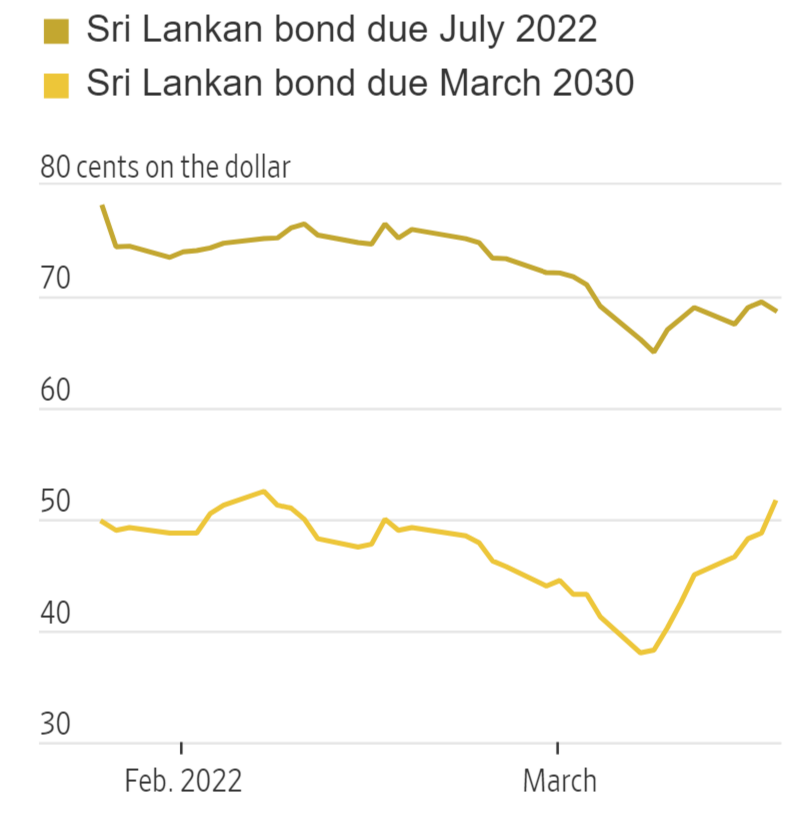
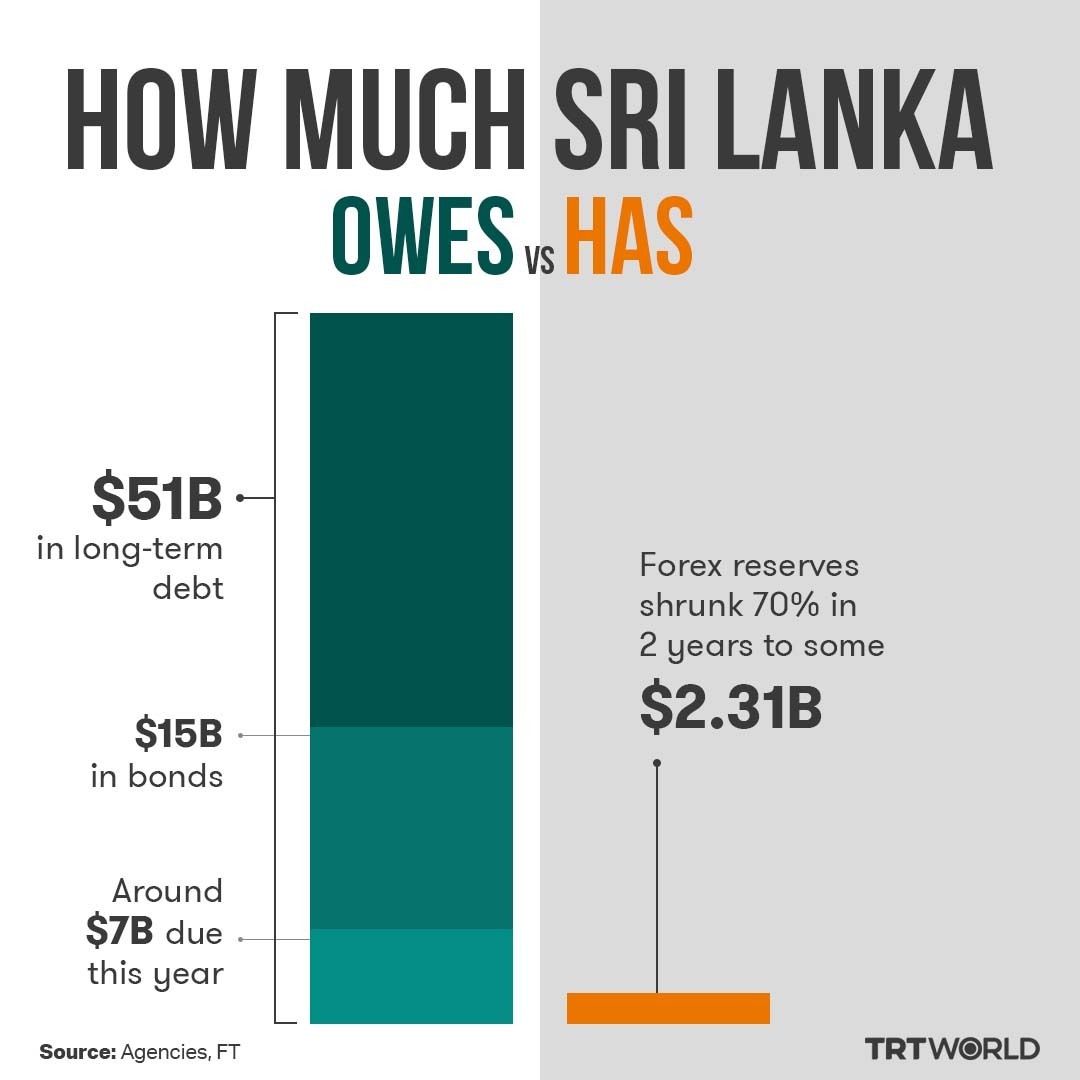
Sri Lanka faces about $7.5 billion in domestic and foreign debt payments this year, according to the federal government’s 2022 budget. Roughly $4 billion of that includes payments on foreign debts, including the $500 million bond it has already paid in January and the $1 billion bond maturing in July. However, the country’s foreign-currency reserves totalled $2.31 billion as of February, according to central bank data, and analysts have questioned whether some of that total can even be used for external debt payments, such as swap lines from the People’s Bank of China. Sri Lanka’s debt has traded at distressed levels for months as the country’s reserves have progressively dwindled.

Sri Lanka is looking at alternative strategies to raise funds from investors to deal with its coming debt payments. Recently, Sri Lankan officials have met with bankers from Rothschild & Co. and Lazard to discuss financing proposals. The country is also exploring a debt financing package that would be secured by remittances of foreign exchange into the country, according to one of the people familiar with the matter.

On Wednesday, Sri Lankan President Gotabaya Rajapaksa announced that the country was in early discussions with the IMF and other creditors on a plan to manage the country’s debt burden, following a day of antigovernment protests against goods and fuel shortages and inflation in the country’s capital. The IMF recently called the country’s public debts unsustainable, adding that pre-pandemic tax cuts plus the impact of Covid-19 had put the country’s financial wherewithal in jeopardy.

Depleting foreign-exchange reserves have recently led to severe shortages in Sri Lanka, given limits on the country’s ability to import essential goods, and has stoked inflation. Sri Lanka’s power grid instituted rolling blackouts in February amid persistent fuel shortages, worsened recently by the surge in oil and gas prices following Russia’s invasion of Ukraine.

In response to growing inflation and pressure on the rupee, Sri Lanka’s central bank announced in early March an increase in interest rates and devalued its fixed exchange rate, likely in a bid to curb the amount of currency entering the black market, analysts said.


Sri Lanka in talks with China for US$2.5 billion credit support: Chinese official

China is considering offering a US$1.5 billion credit facility to Sri Lanka and a decision is expected soon, a top Chinese official said on Monday (Mar 21), as part of efforts to help the island nation amid its worst economic crisis in decades.

Chinese ambassador to Sri Lanka Qi Zhenhong told reporters the two sides were also discussing a separate loan of up to US$1 billion which the Sri Lankan government had requested.

He added that the South Asian nation was offered a loan of US$500 million from the China Development Bank on Mar 18.

Sri Lanka has to repay about US$4 billion worth of debt this year, including a US$1 billion international sovereign bond maturing in July. But its reserves dipped to US$2.31 billion as of end February, down around 70 per cent from two years ago.

The country is also struggling to make payments for imports of essentials such as fuel and medicines and enforcing nationwide power cuts due to a lack of fuel for power generation.

“We believe our ultimate goal is to solve the problem but there may be different ways to do so,” Qi said in response to questions on possible restructuring of the Chinese loans.

China is Sri Lanka’s fourth biggest lender, behind international financial markets, the Asian Development Bank and Japan.

Over the last decade, China has lent Sri Lanka more than US$5 billion for the construction of highways, ports, an airport and a coal power plant. But critics say the funds were used for white elephant projects with low returns, which China has denied.

President Gotabaya Rajapaksa asked China to help restructure debt repayments when he met Chinese Foreign Minister Wang Yi in January, but China is yet to respond to the request.

Repayments to China are estimated at about US$400 to US$500 million, a finance ministry source told Reuters.

Rajapaksa said last week Sri Lanka will work with the International Monetary Fund to help solve the country’s economic crisis with official talks to begin in mid-April.

Before the pandemic, China was Sri Lanka’s main source of tourists and the island imports more goods from China than from any other country.

Sri Lanka is a key part of China’s Belt and Road Initiative, a long-term plan to fund and build infrastructure linking China to the rest of the world, but which others including the United States have labelled a “debt trap” for smaller nations.

How much Sri Lanka Owes vs Has – TRT World

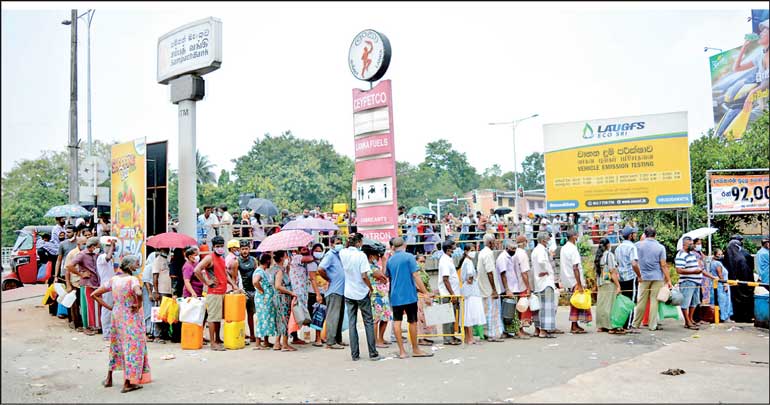
ri Lanka’s economic crisis has plunged the island into darkness due to 7-hour-power cuts as long queues form for basic necessities and anger against the government grows.

The IMF says it will discuss a bailout and India opened a $1B credit line to ease shortages as Sri Lanka struggles to afford crucial imports like gas, food and medicine amid mounting foreign debt.

Sri Lanka’s economic woes stem from a mix of debatable government policies, low tourism revenue triggered by the pandemic and Russia’s attack on Ukraine driving up fuel prices and threatening cash influx from key Ukrainian and Russian tourism markets.

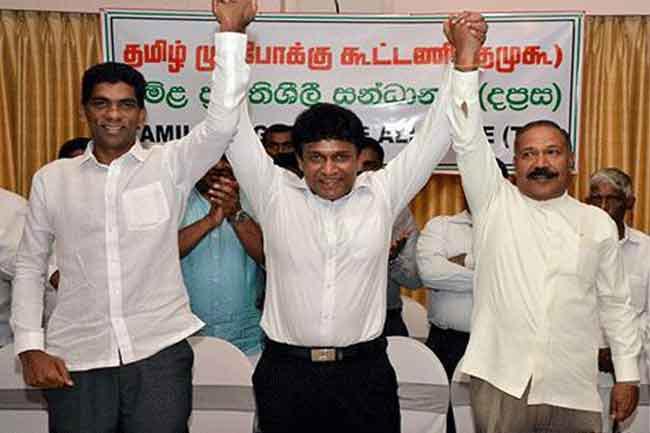
Tamil Progressive Alliance also boycotts All Party Conference

The Tamil Progressive Alliance has decided to boycott the All Party Conference scheduled to be held on Wednesday under the patronage of the President.

Leader of the Alliance Parliamentarian Mano Ganesan said the party decided to boycott the conference after careful consideration of the invitation.

MP Ganesan said the conference can be termed as an effort to lay blame on the opposition for the government’s shortcomings, and as an effort to appease the Sri Lanka Freedom Party.

Meanwhile, the Samagi Jana Balawegaya also decided against attending the All Party Conference.

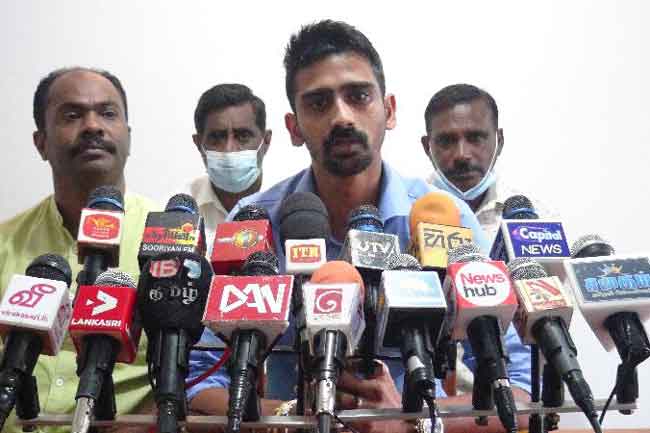
Leader of the National People’s Power Anura Kumara Dissanayake at a media briefing yesterday said the party will also boycott the conference.

However, the Tamil National Alliance decided to attend the summit.

Meanwhile, Former Prime Minister Ranil Wickremesinghe is expected to represent the United National Party at the conference.

Parliamentarians Wimal Weerawansa and Udaya Gammanpila and Minister Vasudeva Nanayakkara who represent parties affiliated to the government will also not be attending the conference.

Parliamentarian Udaya Gammanpila said they will instead field two representatives to represent the 11 affiliate parties of the government.

Posted in Uncategorized

CWC withdraws from talks with GR on economic crisis

The Ceylon Workers Congress (CWC) has decided to withdraw from talks with President Gotabaya Rajapaksa to discuss the economic crisis in the country.

CWC sources told Colombo Gazette that the CWC leadership led by State Minister Jeevan Thondaman has informed the Presidential Secretariat it will not attend the All-Party talks on Wednesday.

The opposition Samagi Jana Balawegaya (SJB) has also decided to boycott the All-Party Conference on Wednesday.

SJB leader Sajith Premadasa and other party leaders in the alliance will not attend the conference at the Presidential Secretariat.

The National People’s Power led by Anura Kumara Dissanayake has also decided to boycott the conference.

President Gotabaya Rajapaksa is to chair the conference to discuss proposals put forward by the Sri Lanka Freedom Party to resolve the crisis.

Posted in Uncategorized

JVP to boycott All-Party Conference

The Janatha Vimukthi Peramuna (JVP) would not participate at the All- Party Conference (APC) convened by the President, as it was not meant to resolve the economic crisis but to resolve the political crisis within the government, JVP leader Anura Kumara Dissanayake said today.

He told a news conference that the APC was convened as a result of the discussion held between the President and the Sri Lanka Freedom Party (SLFP) to iron out political differences within the government following the removal of two prominent Ministers.

He said the proposal of convening the all party conference itself was wrong.

Mr. Dissanayake said similar APC was convened by the President during the Covid pandemic and added that however, the government did not pay heed to the proposals of the Party leaders, but continued its own agenda.

He also said the government has not revealed the depth and width of the economic crisis despite repeated requests.

“The government is yet to present in Parliament the report issued by the International Monetary Fund (IMF) on Sri Lanka,” he said.

The JVP leader also said the government has convened the APC after the economic crisis had aggravated and pointed out that they had requested a joint proposal to the crisis situation one-and-a-half years ago.

He said considering the above matters, they have decided to boycott the conference.

SJB decides not to attend All-Party Conference

Samagi Jana Balawegaya (SJB) has decided to boycott the all party conference (APC) called by President Gotabaya Rajapaksa, SJB National Organizer Tissa Attanayake told Daily Mirror today.

“SJB parliamentary group decided to boycott the APC as we feel it is only a media gimmick which will not bring any fruitful result,” he said.

“This government has been a failure and we don’t expect it to come up with anything useful through the APC,” he added.

Attanayake said SJB leader and Leader of Opposition Sajith Premadasa will make a statement in Parliament tomorrow with regard to the decision made by the party to boycott the APC.

SJB is the second opposition party to boycott the APC as Jathika Jana Balawegaya has also decided to boycott it earlier.

Tea exports to Ukraine comes to a halt

The Sri Lanka Tea Board says that the export of tea to Ukraine has come to a complete halt.

Its Director General, Anura Siriwardena stated that the country will not be able to export tea again until the Ukraine-Russia crisis comes to an end.

The amount of tea exported to Ukraine annually is about 4 million kilograms.

He noted that tea exports to Russia have also declined slightly due to the current situation.

Accordingly, alternative ways of exporting tea to Russia are being studied, Siriwardena added.

Posted in Uncategorized

Second death in Sri Lanka fuel queue in 24 hours: police

A second senior citizen died Sunday (20) morning while waiting in line for fuel in cash-strapped Sri Lanka, police said, barely 24 hours after the death of a 71-year-old man under similar circumstances.

According to police spokesman SSP Nihal Thalduwa, the victim, a 70-year-old resident of Makola, Gamapaha, had collapsed while standing in a queue at a filling station in Kadawatha.

Thalduwa said the man, a threewheeler driver by profession, had only been standing in the queue for 15 minutes and had had a history of high blood sugar and medication for cardiac issues.

Sri Lanka is facing a fuel crisis after forex shortages were caused by money printed to keep interest rates low in a bid to build a ‘production economy.’