

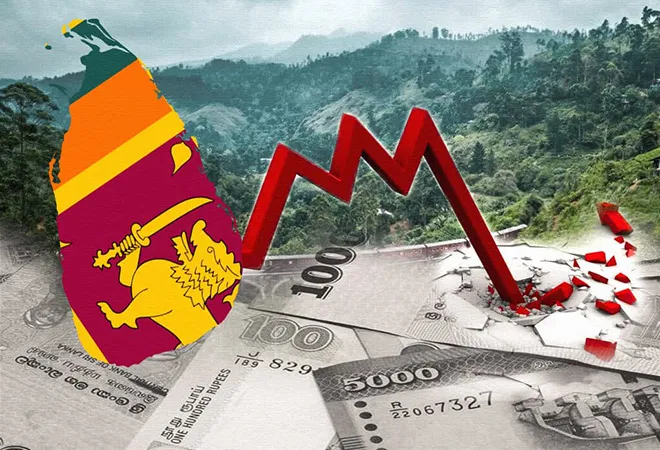
Sri Lanka is haemorrhaging approximately $ 70 million monthly due to the conflict in the Middle East, the Sri Lanka Tourism Development Authority (SLTDA) stated on Friday (3).
To mitigate the impact on the tourism industry from Middle East tensions following the Israel-US war on Iran, Sri Lankan authorities are scrambling to recalibrate tourism strategies by shifting focus towards Asian markets, where travel is less dependent on Middle Eastern transit hubs, it is learnt.
SLTDA Director General Malkanthi Rajapaksha told The Sunday Morning: “We were initially planning to carry out promotions in Europe, but now we are planning to increase promotions in India, Bangladesh, the Maldives, and other Asian markets to attract short-distance travellers.”
“Sri Lanka had a target of over three million tourist arrivals for this year. However, the current situation threatens to derail those expectations. We are now losing an estimated amount of around $ 70 million per month due to this situation,” Rajapaksha said.
Tourist arrivals in Sri Lanka declined sharply in March, with official figures from the SLTDA indicating a 19.7% drop compared to March 2025, raising concerns over the sector’s trajectory and its expectations for the year.
Total arrivals in March this year dropped to 183,979 compared to 229,298 in the same month last year, according to SLTDA data.
Rajapaksha said the crisis had severely impacted Sri Lanka’s access to long-haul international markets, particularly from Europe.
“This is primarily because of the Middle Eastern conflict affecting major transit hubs such as Dubai and Doha. With them disrupted, we are losing around 20% of tourist arrivals. Unfortunately, this situation might continue until the conflict concludes,” she said.
She noted that while cancellations were taking place, a significant number of travellers were postponing their trips instead.
“It is not just cancellations; there are flight rerouting issues, rescheduling, and delays. Some travellers are postponing their visits to later in the year, even to December. There are many factors involved in this drop. That is why we estimate it at around 20%; otherwise, it could have been closer to 50%,” Rajapaksha said.
She also highlighted broader psychological impacts affecting global travel demand, despite logistical disruptions. “There is no mental readiness or morale to travel. I think people around the world prefer to stay in their home countries due to the uncertainties of war,” she said.
According to Rajapaksha, despite the decline in long-distance travel, Sri Lanka continues to see consistent interest from short-haul markets, including India, Japan, and New Zealand.
Speaking on the economic impact, she said that the downturn had affected the entire tourism value chain, particularly Small and Medium-sized Enterprises (SMEs).
“SME sector businesses such as guest houses, homestays, and other small enterprises are losing their income,” she said.
Hotels and service providers outside the southern coastal belt, particularly in Kandy, Nuwara Eliya, and Badulla, had been further affected, having already been impacted by Cyclone Ditwah, she noted.
She added that the SLTDA was exploring measures to support struggling SMEs, including initiatives to sustain domestic tourism.