

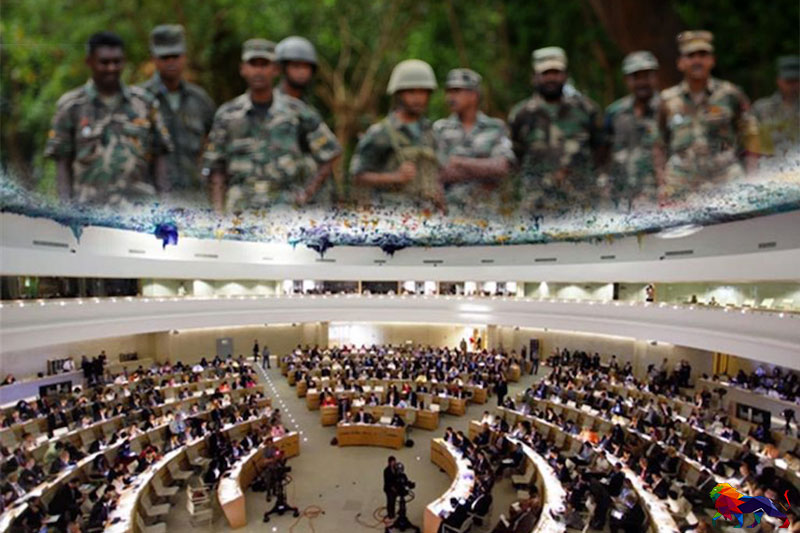
Sri Lanka continues to fail survivors of conflict-related sexual violence, with decades of alleged abuses by State security forces remaining largely uninvestigated and unpunished, according to a new report covering the period from 1985 to 2024.
The report documents a pattern of rape, sexual torture and other forms of sexual violence, primarily against civilians from marginalized Tamil communities, both during and after the armed conflict. It notes that while a small number of cases resulted in convictions, most investigations stalled, suspects were released on bail, or cases collapsed due to alleged evidentiary issues, reinforcing what the report describes as a culture of entrenched impunity.
According to the findings, security forces—including the Army, Navy, Air Force, Criminal Investigation Department and Terrorism Investigation Division—were repeatedly implicated in abuses, particularly in State-run detention facilities. Survivors reported violations occurring well beyond the end of the war in 2009, with incidents as recent as 2024 cited in consultations.
The report highlights that command responsibility has rarely been examined, even in cases where perpetrators testified that they acted under orders.
Despite Sri Lanka’s legal obligations under international human rights law, the report notes that prosecutions remain rare and that statutory limitations, prosecutorial discretion and systemic delays have further undermined accountability. Of hundreds of sexual violence complaints recorded by the Government in previous years, only a handful involved action against security personnel.
The report also finds that mechanisms intended to support survivors, including the Office for Reparations established in 2018, have failed to deliver meaningful compensation, rehabilitation or psychosocial support. None of the survivors consulted reported receiving reparations related to sexual violence.
Calling for urgent reform, the report urges the Government to publicly acknowledge past abuses, issue a formal apology, repeal laws such as the Prevention of Terrorism Act, and establish an independent investigative and prosecutorial body to handle conflict-related sexual violence cases free from political interference .
It warns that without decisive action, survivors will continue to live with unaddressed trauma, while Sri Lanka risks further international scrutiny for failing to meet its accountability obligations.