Army Commander meets foreign diplomats to brief on current situation

The armed forces of Sri Lanka would always comply with the Constitution and the Army is no exception. The Army as a professional outfit is always prepared to provide security and protection to the State as necessary”, so said Chief of Defence Staff and Commander of the Army, General Shavendra Silva, addressing a gathering of Defence Advisers/Attaches of Sri Lanka-based High Commissions and embassies, invited to the Office of Chief of Defence Staff today (4).

The meeting was meant to keep those foreign Defence Advisers/Attaches informed of the current situation.

Captain Ian Keith Cain, Defence Adviser (Australia), Commander, M Shafil Bari, Defence Adviser, Bangladesh, Senior Colonel Wan Dong, Military, Naval and Air Attaché (China), Lieutenant Colonel Chang Qianjin, Assistant Military Naval and Air Attache, (China), Captain Vikas Sood, Defence Adviser (India), Lieutenant Colonel Punnet Sushill, Assistant Defence Adviser, (India), Colonel Homayou Ali Yari, Military Attaché, (Iran), Captain Gaku Fukaura, Defence / Security Attaché, (Japan), Colonel Ismail Naseer, Defence Adviser, (Maldives), Colonel Muhammad Safdar Khan, Defence Adviser, (Pakistan), Colonel Aleksey A Bondarev, Military, Naval & Air Attaché, (Russia), Colonel P.J Clayton, Defence Adviser, (United Kingdom) and Lieutenant Commander Richard Lister, Naval Attaché (United States of America) were present at this meeting.

Posted in Uncategorized

Pakistan and Sri Lanka face political turmoil fueled by Chinese debt

It is the unfolding crisis in Pakistan and Sri Lanka which is forcing countries like Maldives, Nepal and Bangladesh to think again on Chinese infrastructure loans and being part of the BRI initiative.

During his trip to India last week, Nepal Prime Minister Sher Bahadur Deuba informally shared a conversation about Chinese foreign minister Wang Yi’s visit to Kathmandu in late March. The Nepalese PM, who has an equally political and erudite wife Arzu, told the visiting Wang that his country can only accept grants from Beijing and not loans for infrastructure projects. Fact is, not a single agreement on the much-touted Belt Road Initiative (BRI) was signed during Wang’s visit to Kathmandu.

With the Chinese debt in South Asia rising from USD 4.7 billion to upwards of USD 40 billion, Nepal under Deuba chose to walk out of the debt trap of the Middle Kingdom after seeing the mounting political crisis in Beijing’s tributary state of Pakistan and Sri Lanka. With more than 10 per cent of Pakistan’s external debt owed to China, the milk and honey relationship no longer tastes sweet with the Islamic Republic descending into political chaos with all democratic institutions made vulnerable by a self-serving Prime Minister in Imran Ahmed Khan Niazi and his cronies.

The situation in Sri Lanka is no different and this time they don’t have India to blame for the country staring into an economic and political abyss with hardly any foreign reserves to buy fuel and oil. The blame squarely lies on the door of the Rajapaksa Incorporated, which brought the country under severe economic stress by taking high-interest loans from China in the name of infrastructure development. Today, the island nation is under lockdown with the public having no options but to protest the state of governance of the Rajapaksa family.

It is the unfolding crisis in Pakistan and Sri Lanka which is forcing countries like Maldives, Nepal and Bangladesh to think again on Chinese infrastructure loans and being part of the BRI initiative. It was not long ago that the Chinese ambassador to Nepal used to be the Queen Bee in Nepali politics with Maoist and Communist politicians paying obeisance to Beijing’s representative.

While it seems that Sri Lanka has realized the soup its economy is in, Pakistan has doubly complicated its economic recovery with PM Niazi plunging the country into a full-blown political crisis for his own survival. He is trying to whip up public sentiment in his support by singling out the Biden administration for covertly conspiring with the Opposition to topple his regime. As if the US has Pakistan still on its high priority at a time when the Russian President has invaded Ukraine.

EU mulls tougher sanctions following Bucha ‘atrocities’

Brussels is pushing for a tougher fifth round of sanctions against Moscow following the ‘atrocities’ revealed over the weekend in the Ukrainian town of Bucha. The EU’s foreign policy chief Josep Borrell said the bloc “will advance, as a matter of urgency, work on further sanctions against Russia”. “The massacres in the town of Bucha and other Ukrainian…

While Imran Niazi’s rant against the US may be music to Beijing’s ears, China should also be worried about the future of BRI in Pakistan and about the recovery of the multi-billion-dollar loan given to Islamabad. A weak Islamabad will give strength to fissiparous forces within Pakistan as nationalist movements are building up in Balochistan, Sindh, and Khyber Pakhtunkhwa. Given the US control on global financial institutions, both Pakistan and Sri Lanka will find it very hard to recover as the two countries had shifted loyalties to Beijing in the past two decades.

Source: Hindustan Times

Posted in Uncategorized

Sri Lanka crisis: Trading on stock exchange halted after share market crashes

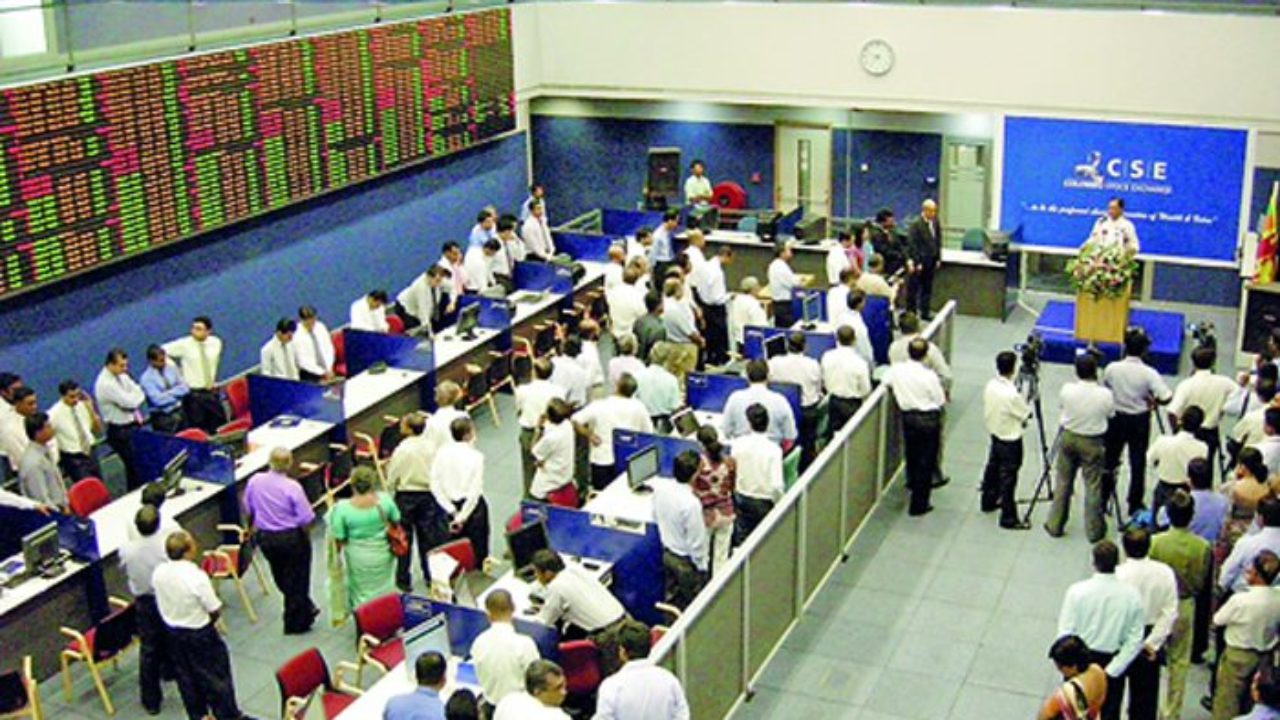
Trading on the Sri Lankan stock exchange has been halted after the share market crashed amid an economic crisis in the country.

Authorities on Monday halted trading on Sri Lanka’s stock exchange after the share market plunged 5.9 per cent, according to a report by AFP.

This comes even as Sri Lanka’s president Gotabaya Rajapaksa is all set to appoint a new cabinet Monday as security forces brace for possible violence with more protests expected against worsening shortages of food, fuel and medicines, the AFP report said.

The son of Sri Lanka’s prime minister resigned from the cabinet on Monday and several other members have offered to do so, a minister said, just days after President Gotabaya Rajapaksa declared a state of emergency following protests over an economic crisis, as per a Reuters report.

The debt-laden country is struggling to pay for imports of fuel and other essentials due to a severe shortage of foreign currency, leading to hours-long power cuts and widespread demonstrations that continued despite a weekend curfew

Traffic was back on the streets of the country’s main city Colombo on Monday, but there were reports of sporadic and peaceful protests from across the country.

Youth and Sports Minister Namal Rajapaksa, nephew of Gotabaya and the son of Prime Minister Mahinda Rajapaksa, said on Twitter on Monday he had told the president’s secretary about his resignation with immediate effect.

The island nation of 22 million, is also grappling with soaring inflation after the government steeply devalued its currency last month ahead of talks with the International Monetary Fund for a loan programme.

The country’s expenditure has exceeded its income under successive governments while its production of tradable goods and services has been inadequate. The twin deficits were badly exposed by the COVID-19 pandemic that crippled its economic mainstay, the tourism industry.

Maha Nayaka thera calls for Cabinet and PM dissolution

The Chief Prelates of the Asgiri, Malwathu, Amarapura, and Ramanna Maha Nikaya have called on President Gotabaya Rajapaksa to immediately dissolve the Cabinet including the post of Prime Minister in accordance with powers vested with him.

The Maha Nayaka Thera directed a letter in this regard to President Rajapaksa.

The venerable said the country should be handed over to an interim government comprising representatives of all parties that represent Parliament until a government is elected through a Parliamentary Election.

The letter states that an expert advisory board must be appointed to obtain necessary advice and guidance in the interim for the purpose of administration.

The letter added that the proposal of the advisory board should be taken up for debate in Parliament and implemented void of party politics based on a national policy.

The Chief Incumbents also claimed that an independent committee must be appointed to follow up on the proposals tabled by the advisory board that should be appointed to resolve the economic crisis while such actions should be subject to judicial questioning and a formal audit and made public periodically.

The Maha Nayaka Thera are of the view that the President, as the pioneer of the government during this period, must be held accountable to act in accordance with the decisions of the board.

SLFP quits the government; 14 MPs to remain independent

The parliamentary group of the Sri Lanka Freedom Party (SLFP) has decided to leave the government and function as an independent group in Parliament.

This was confirmed by SLFP member and State Minister Duminda Dissanayake, speaking to Ada Derana.

He said the parliamentary group of the party had convened a meeting today while the fourteen parliamentarians of the SLFP had decided to quit the government and act independently at tomorrow’s parliamentary session.

Meanwhile the state ministers Lasantha Alagiyawanna, Duminda Dissanayake and Priyankara Jayaratne have resigned from their respective ministerial portfolios.

Posted in Uncategorized

Worse-than-ever forex crunch killing businesses, industries

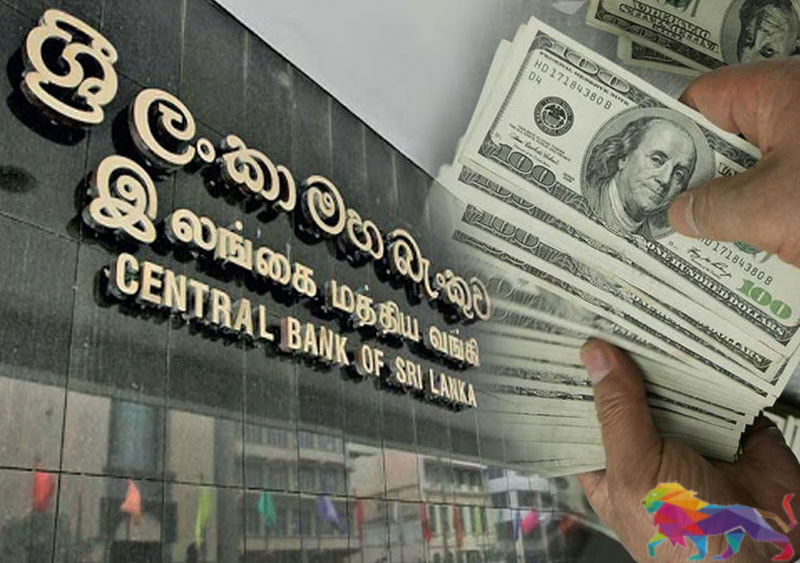
Sri Lanka’s foreign currency crunch in the country is worse than before despite the depreciation in the rupee, further affecting businesses amidst the threat of wiping out industries.

Banks are not opening letters of credit (LC) with importers and businesses in need of raw materials are struggling daily, industry officials say.

LCs opening has gotten from bad to worse, an importer said noting that there’s no end in sight for this issue.

On Wednesday, the Bank of Ceylon (BoC) had suspended telegraphic transfers as they didn’t have any US dollars to execute transactions, a senior BoC official told the Business Times. The gray market for US dollar is trading at Rs. 350 to 390 rates. There are virtually no inward remittances owing to this disparity, this official as well as several other bankers said. They said the 50 per cent export earnings surrender stipulated by the Central Bank is also posing a challenge to shore up forex reserves.

“There’s no confidence in the system and migrant workers aren’t sending their hard-earned money through the banking system,” a senior banker added. The same status quo prior to the currency depreciation had only got worse, he said. He said the expected upside of the currency depreciation isn’t seen.

Kapila Ariyaratne, CEO Seylan Bank told the Business Times on Thursday that there was an uptick in inward remittances during the first two weeks after the rupee was depreciated but since then has declined drastically. “The inflows must increase.”

An importer said there’s ‘runaway depreciation’ which the banks cannot beat. Mahendra Jayasekera, Managing Director Lanka Tiles PLC

said that his company is struggling to import machinery to meet production demand. “We are struggling to open Euro 6 million import LC to bring large machines for the past four months,” he told the Business Times on Thursday. He feared that in the future importing raw materials will also be a challenge. “Our appeal is for all political parties to get together and to come up with a viable solution.”

A second banker said that honouring customer LCs is a big challenge as some are paying large bills. “We need to be reasonable and control the foreign currency outflow,” he said adding that the capacity of each bank to manage and accommodate LCs is diminishing fast.

Small transactions are driving up the exchange rates in leaps and bounds, bankers lament. A third banker said the situation has become so bad that they cannot spare US$1, 000 for foreign travel per individual. He said the impact on import-dependent businesses especially in the small and medium enterprise sector is quite uncertain, noting:. “It will be at least six months before the International Monetary Fund standby facility will be negotiated – if at all. Sustaining these businesses till then is a real challenge.”

Economists say the move to depreciate the rupee was too little too late.

Posted in Uncategorized

SJB to focus on abolishing 20A first

The Samagi Jana Balawegeya (SJB) said yesterday (3) that they are in discussions with a number of political parties, organisations, and individuals on what next steps to take, with priority being given to revoke the 20th Amendment from the Constitution.

“We are going step by step. We are telling those who are saying that they are opposed to the Government, but within the Government, let’s get together and vote against the 20th Amendment. That is step one. Then we can see all these people who professed to be against the Government, whether they are actually against the Government,” SJB MP Eran Wickremaratne told The Morning yesterday, speaking during the protest organised by the main parliamentary Opposition Samagi Jana Balawegaya (SJB) near Independence Square in Colombo yesterday, demanding the resignation of President Gotabaya Rajapaksa and the incumbent Sri Lanka Podujana Peramuna (SLPP)- led Government.

He added that there were discussions yesterday regarding the matter.

“Today, a lot of the Opposition came together and discussed it. We will build on that,” said Wickremaratne, adding: “Ultimately, we are the alternative government – we are doing our homework. We have two main objectives: in the short term how to end the queues and secondly, how to reform the economy and make some hard decisions.”

Speaking to The Morning, SJB National Organiser and MP Tissa Attanayake said that the SJB has appointed a four-member committee to reach out to political parties, organisations, and individuals who are not sitting with the SJB.

The four-member committee includes Attanayake, SJB General Secretary Ranjith Madduma Bandara, and SJB MPs Kabir Hashim and Eran Wickremaratne.

Meanwhile, SJB MP Field Marshal Sarath Fonseka told The Morning that a no-confidence motion against the Government will not take place at the time.

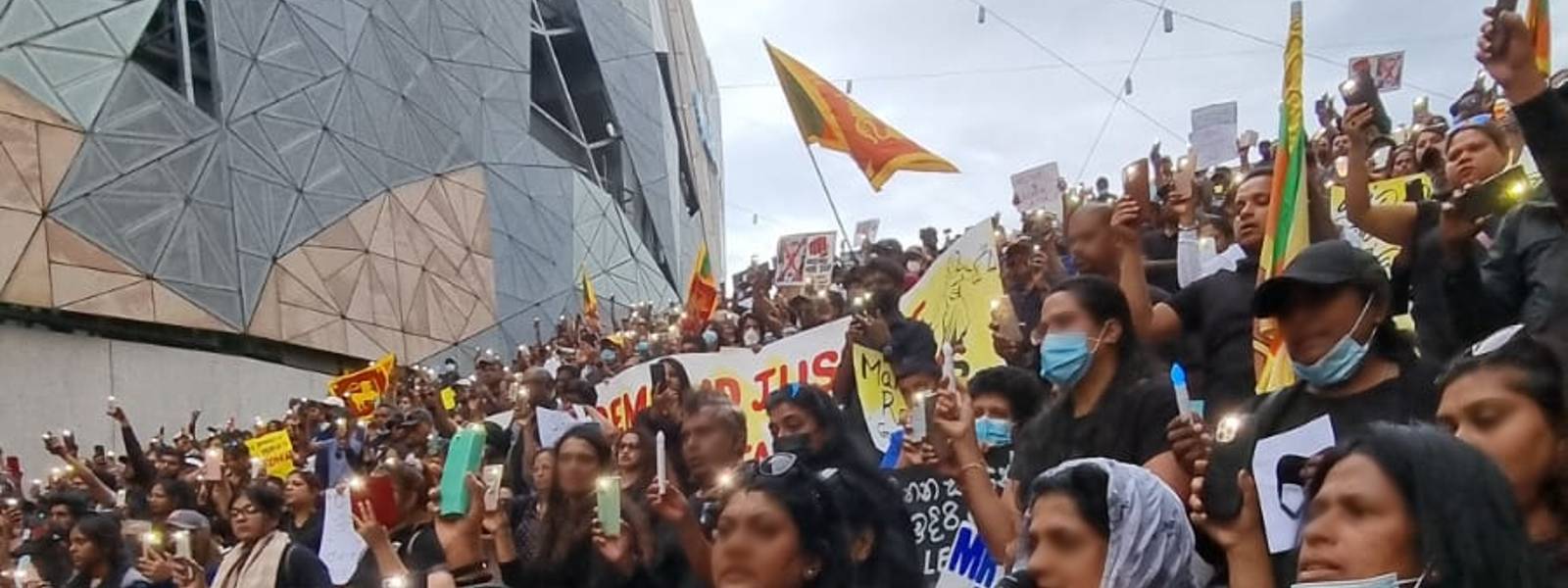
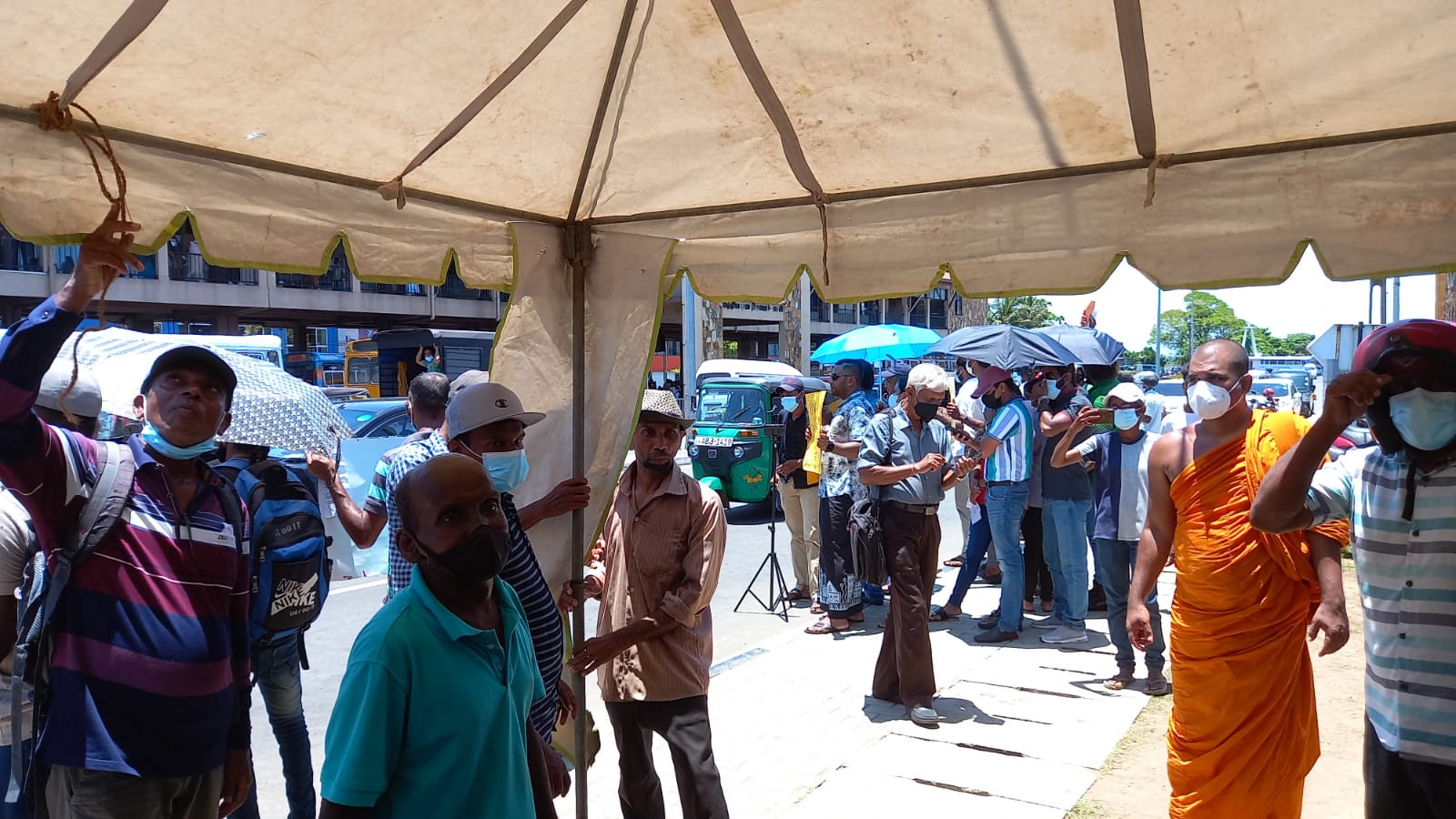
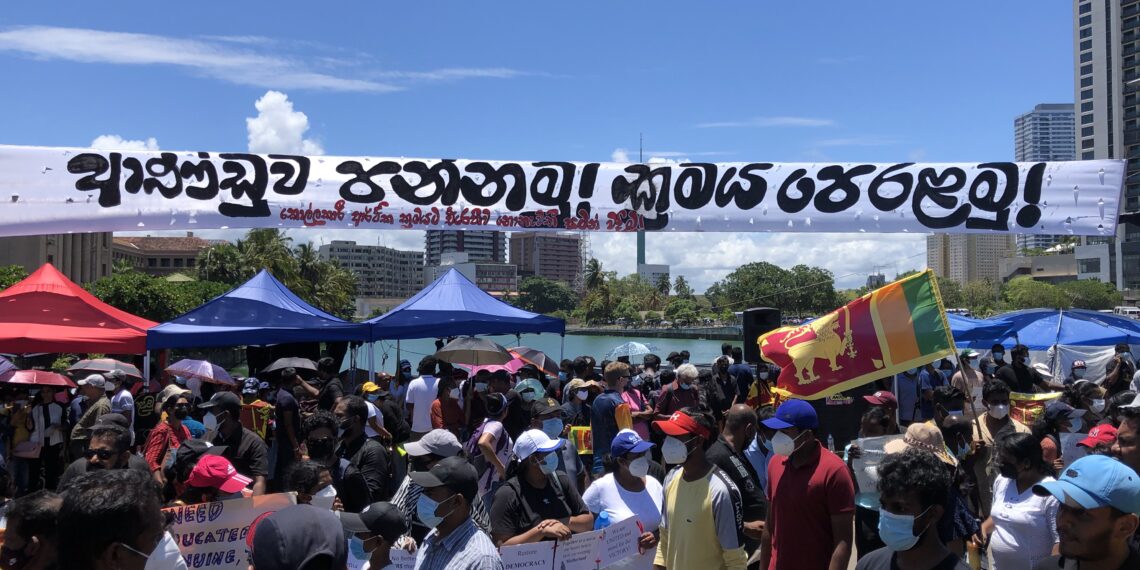
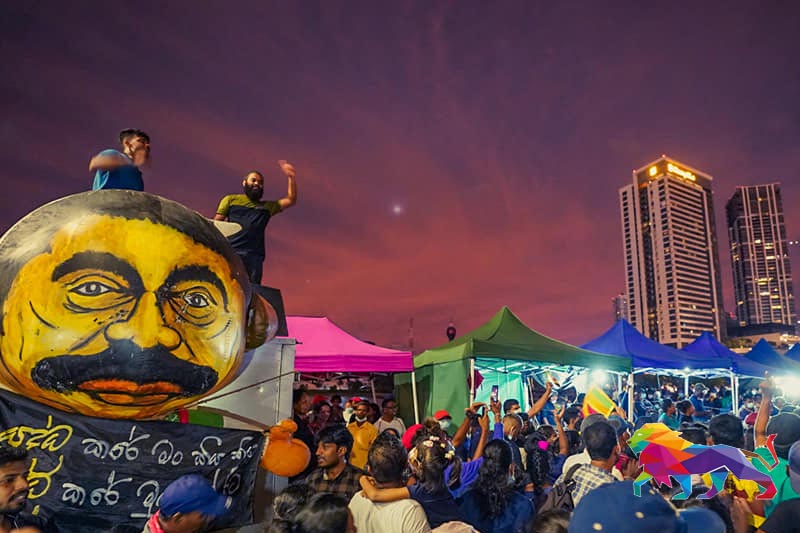
Protests have become a common sight around the island in the past three months, as citizens’ calls for the supply of basic essentials, such as fuel, electricity, food items, and gas have been increasing. Alongside this, the “#GoHomeGota” hashtag has been popularised across social media. A state of emergency was declared over the weekend, followed by a curfew and a ban on social media applications, as dissent against the Government continues to grow.

A tense situation arose at around 9.30 a.m. yesterday, when a group of SJB Parliamentarians, including SJB and Opposition Leader Sajith Premadasa, attempted to enter the Independence Square premises in Colombo. However, the Police and the Army had set up roadblocks at the scene.

Speaking to police and army personnel at the time, Premadasa said that the Police and the Army were bound not to protect the Rajapaksa family (a reference to the family of President Rajapaksa and Prime Minister Mahinda Rajapaksa), but to protect the people of the country. He also said that no one can violate the Constitution of the country for the protection of one family.

“Neither the Government nor the President nor anyone else can suppress public opinion. We have come to this place today (3) for the sake of the millions of people. Today the people have become helpless to the fullest. They have no milk powder, no gas, no electricity. However, the Government is suppressing the people’s voice against the current rule.” he said yesterday.

Claiming that not a single person or property would be harmed in the protest, Premadasa called on the security personnel to allow them to enter Independence Square. He also said that no one has the power to obstruct the activities of the elected MPs, including the Opposition Leader.

“We do not threaten anyone in the security forces, but do not act in a way that destroys our respect towards you. What you are doing today is completely unconstitutional. The Rajapaksas will finally flee to the US, but you all will have to end up going to courts,” he told the police and army personnel.

Meanwhile, commenting during the protest, SJB MP Field Marshal Sarath Fonseka said: “The current President and Government are misusing the emergency law and oppressing the people. Therefore, the security forces should not turn their guns on us, instead, guns must be aimed at corrupt rulers.”

After protesting near the Independence Square for about one hour, the group of SJB MPs including Premadasa was seen leaving the premises.

Over the past few months, several protests have been held on a daily basis during which people demanded solutions for the issues including the prevailing shortages of essential commodities. Moreover, despite the President having declared a state of emergency and imposed a curfew until 6 a.m. today (4), both political and non-political groups had organised several protests islandwide yesterday.

Sri Lankan Cabinet decides to resign; Mahinda Rajapaksa to remain as PM

The Sri Lankan Cabinet of Ministers have decided to resign and have submitted their letters of resignation to Prime Minister Mahinda Rajapaksa.

However, Rajapaksa will continue to function as the Prime Minister, said Dinesh Gunwardena who was the Minister of Education until today (3).

Jaishankar’s meeting with TNA – Sunday Times

A significant event in Colombo this week was the meeting between Indian External Affairs Minister (EAM), Subrahmaniyam Jaishanker and a delegation from the Tamil National Alliance (TNA). Jaishankar was in Colombo for the BIMSTEC summit.

“Vanakkam,” intoned Dr Jaishankar greeting TNA leader Rajavarothayam Sampanthan last Monday at the India House. He then asked him” Saukiyama?” or are you well. That was in Tamil. The Indian EAM was born in New Delhi and is one of three sons of Krishnaswamy Subramaniyam and Sulochana Jaishanker who have their origins from Tiruchirapalli and Chennai in Tamil Nadu respectively.

Samapanthan gave an overview of the discussions they had with President Gotabaya Rajapaksa on March 18 and asked Sumanthiran to explain the details. Sumanthiran declared that the President and his team wanted to discuss and negotiate a long-term political solution for the Tamil’s demand for devolution of power once the draft constitution is translated within the next two months. This, he declared, was agreed. However, he said, that the President further agreed to resolve several immediate issues faced by the people of North and the East — releasing persons detained under the Prevention of Terrorism Act (PTA) and held over a long term (over 10 years), and the cases of others in custody should reviewed; an immediate halt to land takeover by the military and the Government for reported archaeological investigations, wildlife and forest preservation etc; addressing the need for investigation of the disappeared and establishing a North-East Development Fund. There is no finality on this. However, TNA sources said that they hoped to receive funds from the Tamil diaspora and Tamil Nadu through this mechanism for development purposes.

Jaishankar had nodded in agreement and commented at the end that he felt satisfied that a process of negotiation had started and seemed to be clearly defining scope. He said the Indian government fully supported this process and encouraged the TNA to be proactive. He said for the first time he had heard by and large the same details being shared by the Government side as well as the TNA.

Jaishankar said India would encourage both parties to remain proactively engaged with belief and sincerity. He said President Rajapaksa has assured him that he is fully committed to delivering on the four immediate confidence building measures identified by the TNA as immediate issues to be resolved.

According to sources familiar with the discussion, the TNA team was also advised by a key member of the Indian team to enhance its dialogue with opposition political parties. In other words, it was felt that they were not interacting with the opposition groups very much. A TNA source said the remarks were “very significant” but declined to elaborate. Associated with the meeting was Indian High Commissioner Gopal Baglay.

TELO Leader Selvam Adaikalanathan intervened and tried to explain his party’s decision to boycott last Friday’s meeting with the President and said in Tamil that if India too was involved in the discussions as a possible mediator, then the TELO might reconsider attending future meetings with the Government. In response, Jaishankar said in Tamil that there were no plans or intentions for any direct involvement of India in any such talks.

Ahead of TNA’s talks with President Rajapaksa, diplomatic sources said, Adaikalanathan had been told to take part in the event. According to these sources, the TELO decision to boycott, despite advice, was the result of one of its key members holding office in a friendship organization where China is involved. However, TELO members deny the charge though they concede one of their top- rungers is a Joint Deputy Chairman of the organization.

In the same week, a delegation from the London-based Global Tamil Forum (GTF) led by Suren Surendiran, a group banned in Sri Lanka, had a meeting with top officials in the US Department of State. A tweet from the Department said: “The US values our relationship with diaspora communities who helped build bridges of understanding between Americans and the rest of the world. Assistant Secretary (David) Lu met with Global Tamil Forum at GTF online to discuss democracy, human rights, and economic challenges in Sri Lanka.”

With the State of Emergency in place, and a 36-hour curfew declared from 6 p.m. Saturday till 6 a.m. tomorrow, the government has already deployed troops district wise. It is determined to ensure no countrywide protests take place today. Thus, the battle lines are clearly drawn between the government and the public who are protesting.

This is whilst considerable international attention is being focused on developments in Sri Lanka, as the following tweets, will indicate:

The US Senate Foreign Relations Committee: Closely monitoring the situation in Sri Lanka. Out of an abundance of caution …..

The European Union: Concerned by the state of emergency, EU strongly urges Sri Lankan authorities to safeguard democratic rights of all citizens, including right to free assembly and dissent, which has to be peaceful. Challenging times for Sri Lankan people- EU continues to follow situation closely….

Sarah Hulton, British High Commissioner in Sri Lanka: Concerned by reports of the use of force against journalists and protesters, and the recently imposed Emergency Laws. A citizen’s right to protest peacefully is an essential part of democracy.

Julie Chung, United States Ambassador in Sri Lanka: Sri Lankans have a right to protest peacefully – essential for democratic expression. I am watching the situation closely, and hope the coming days bring restraint from all sides, as well as much needed economic stability and relief for those suffering.

Posted in Uncategorized

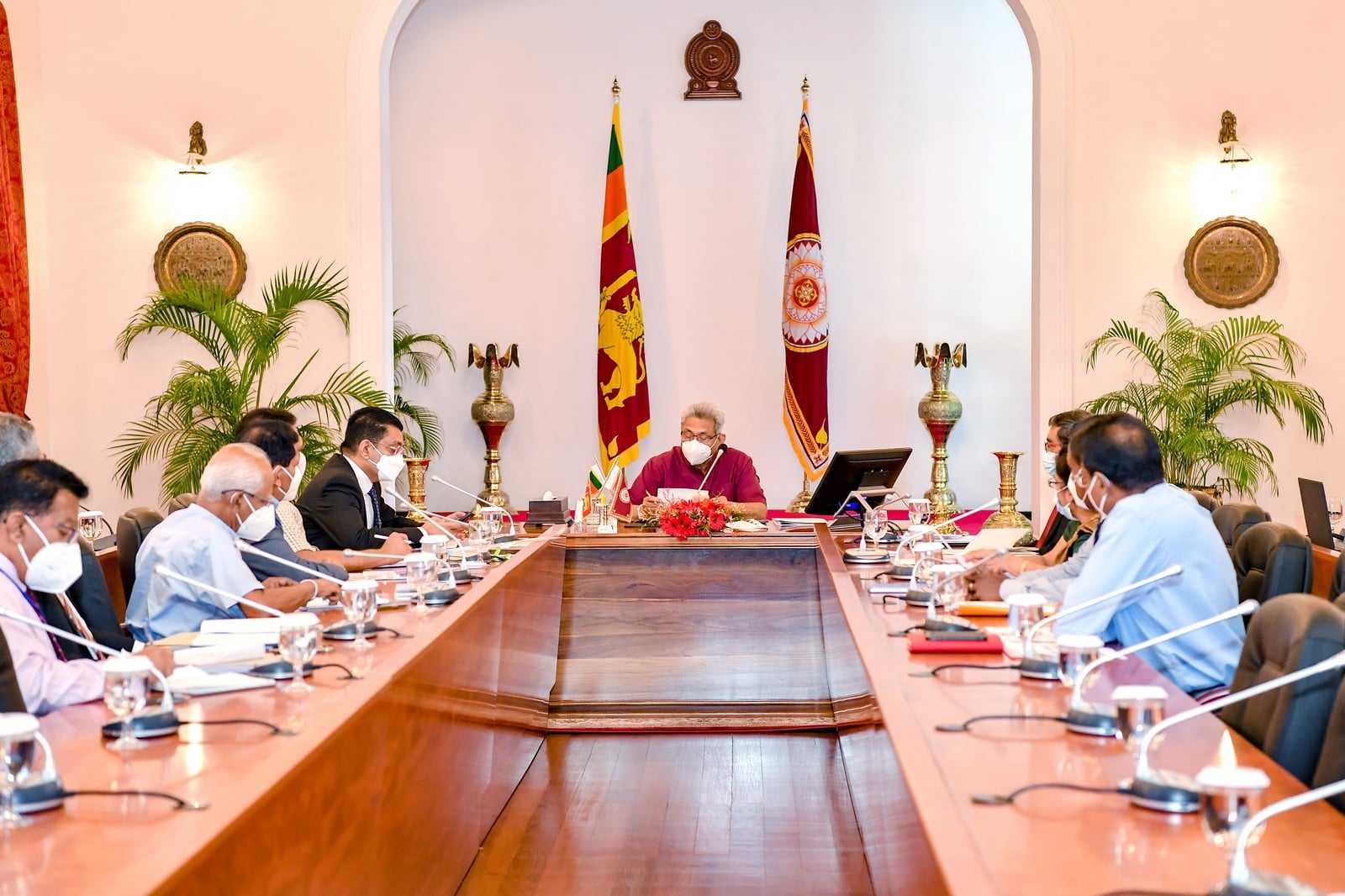
Decisive meeting between President and PM?

Prime Minister Mahinda Rajapaksa has left for a crucial meeting with President Gotabaya Rajapaksa, internal sources told Ada Derana.

According to the source, several important political decisions are expected to be taken during this meeting.

The source further added that the Cabinet of Ministers is likely to resign after the meeting, however further discussion with regard to this are still ongoing.