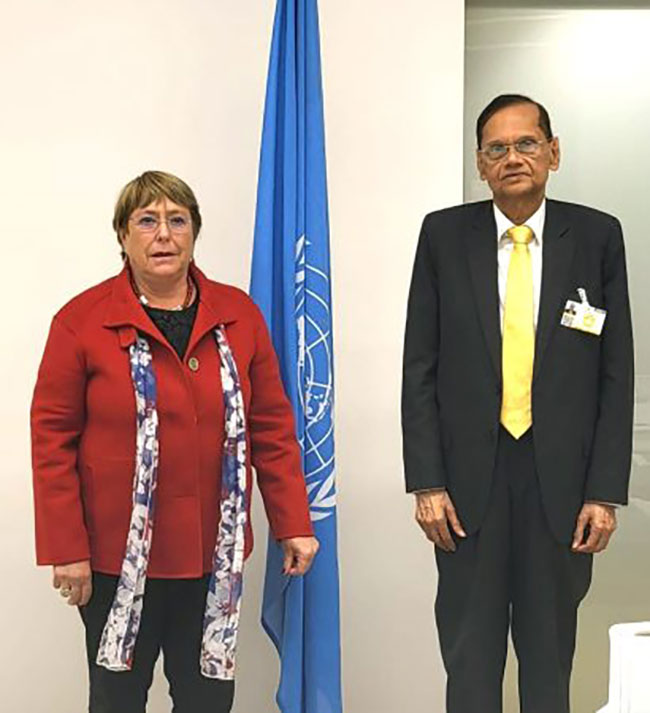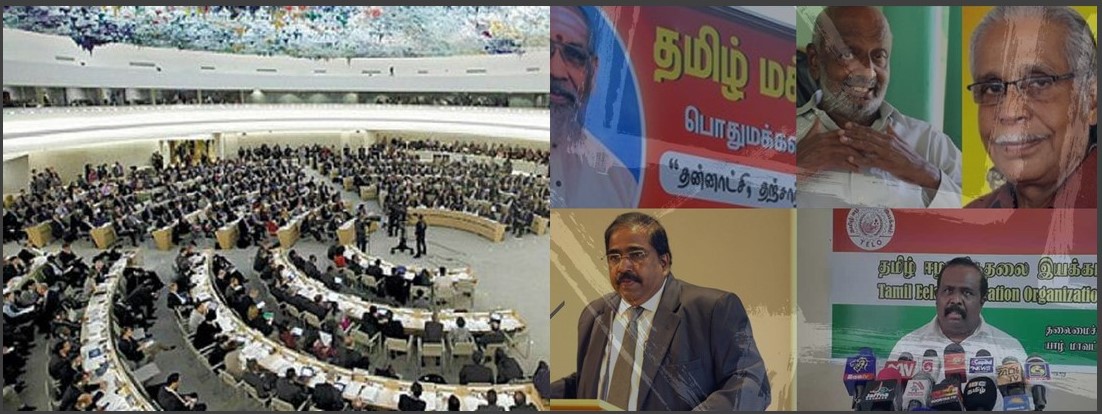
Five main Tamil political parties from Sri Lanka have jointly wrote a letter to UN High Commissioner for Human Rights Michelle Bachelet calling for “Referendum as the only way to bring permanent political solution to the ethnic conflict, thereby stopping mass atrocities against the Tamil people.”
“We would like to point out that repeated mass killings of Tamils amounting to genocide is due to lack of permanent political solution to the protracted ethic conflict in Sri Lanka. We strongly feel that an internationally conducted and monitored referendum is the only way to bring permanent political solution to the ethnic conflict, thereby stopping mass atrocities against the Tamil people.” said the letter.
The letter appreciated High Commissioner’s Report to the UN Human Rights Council on Jan 12, 2021 referring to accountability as:
“Member states have a number of options to advance criminal accountability and provide measures of redress for victims. In addition to taking steps towards the referral of the situation in Sri Lanka to the International Criminal Court….”
In addition to calling for Referendum, the letter also appealed the High Commissioner to:
“take decisive steps to stop government sponsored Sinhala – Buddhist settlements in Tamil areas, to stop demarcation of divisional boundaries to incorporate Sinhala – Buddhist areas into Tamil districts and to reduce the overwhelming Sri Lankan military presence in Tamil areas even after the war ended over twelve years ago.”
The letter also highlighted the continued abuses faced by the Tamil people as:
* Suffering Tamil women continue to face numerous challenges in their life since the war ended. International Truth and Justice Project (ITJP) in February 2017 handed over details to UN of Sri Lankan Military run “Rape Camps”, where Tamil women are being held as “sex slaves”.
* According to UK Foreign and Commonwealth Office report in April 2013, there are over 90 thousand Tamil war widows in the North and East of Sri Lanka.
* Thousands of Tamils had disappeared, including babies and children. UN Working Group on Enforced Disappearances stated in 2020 that the second highest number of enforced disappearance cases in the world is from Sri Lanka. Families of the disappeared who seek their loved ones are harassed, threatened and intimidated by the Terrorist Investigation Department (TID), Criminal Investigation Department (CID) and other Government intelligence agencies. Peaceful protests of these families face numerous challenges.
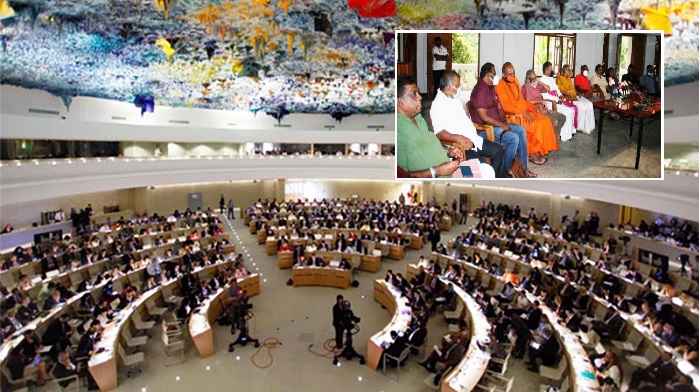
This letter was written ahead of UN Human Rights Council Session currently taking place in Geneva. High Commissioner will table a report on Sri Lanka during this Session.
** BELOW, PLEASE FIND THE FULL LETTER:
February 25, 2022
Honourable Michelle Bachelet
UN High Commissioner for Human Rights
Geneva
Dear Madam High Commissioner!
As you are preparing to deliver a written update to the UN Human Rights Council about Sri Lanka, we, from the Tamil political parties in Sri Lanka wish to bring to your kind attention our assessment of the situation of Tamils since the adoption of UN Resolution 46/1 in March 2021.
We also want to express our appreciation for your below report on Sri Lanka on Jan 12, 2021 referring accountability as:
“Member states have a number of options to advance criminal accountability and provide measures of redress for victims. In addition to taking steps towards the referral of the situation in Sri Lanka to the International Criminal Court, Member States can actively pursue investigation and prosecution of international crimes committed by all parties in Sri Lanka before their own national courts, including under the principles of extraterritorial or universal jurisdiction. The High Commissioner encourages Member States to work with OHCHR, victims and their representatives to promote such avenues for accountability, including through opening investigations into possible international crimes, and to support a dedicated capacity to advance these efforts. Member States can also apply targeted sanctions, such as asset freezes and travel bans against State officials and other actors credibly alleged to have committed or be responsible for grave human rights violations or abuses, as well as support initiatives that provide practical benefits to victims and their families.” https://undocs.org/A/HRC/46/20
We also would like to bring to your kind attention an open letter from 20 former high-level UN officials on February 18, 2021. The signatories included all four former UN High Commissioners for Human Rights – four former high officials of the UN, nine former Special Rapporteurs who had visited and written reports on Sri Lanka, and, all three members of the Secretary-General’s Panel of Experts on Sri Lanka.
As the signatories noted, “The recently released report on Sri Lanka by UN High Commissioner for Human Rights underlines, yet again, the country’s lack of progress on justice and accountability. Based largely on an analysis of emerging trends, it makes a compelling case for decisive international action to ensure justice and accountability for mass human rights violations and atrocities in Sri Lanka as a central element of the search for sustained
reconciliation and the prevention of the recurrence of rights abuses and conflict.” They concluded, “Given the continued reluctance of the Sri Lankan Government to meaningfully uphold the human rights of all, only decisive, international action to ensure justice and accountability can interrupt Sri Lanka’s periodic cycles of violence. https://chrgi.org/wp-content/uploads/2021/02/Sowing-the-Seeds-of-Conflict.pdf
During the last six months, there was continued impunity for violations committed during the war that ended in 2009 and the government ignored repeated UN Human Rights Council Resolutions calling for justice and accountability. As such, justice stalled and impunity prevailed. Tamil victim groups, Human rights defenders, Civil society leaders, Journalists and others were increasingly intimidated and harassed by Sri Lankan authorities. Increased use of Covid-19 restrictions and counter-terror laws by the Sri Lankan law enforcement authorities restrict the space for peaceful protests while discrimination against and marginalization of the Tamil people continues.
Under the guise of “development projects,” government – driven Sinhalese – Buddhist colonization (settlements) is growing in traditional Tamil areas with the intent to change the demography, disturb the contiguity of the North East Tamil speaking areas and deny Tamil people access to their lands. Several government departments, including the Mahaweli Authority, Archaeological Department, Forest Department, and Wildlife Department are deployed in this initiative. This encroachment is facilitated by the overwhelming presence of the Sri Lankan military which is comprised almost exclusively of Sinhala – Buddhist persons. The present ethnocratic government is bent on disturbing the demography of the North and East areas and plant Sinhala settlements within predominantly Tamil speaking areas.
We also wish to bring to your attention that Sri Lankan government is also engaged in a program of demarcation of divisional boundaries to incorporate Sinhala – Buddhist into Tamil districts, thereby increasing the Sinhala – Buddhist population in the Tamil areas.
Suffering Tamil women continue to face numerous challenges in their life since the war ended. International Truth and Justice Project (ITJP) in February 2017 handed over details to UN of Sri Lankan Military run “Rape Camps”, where Tamil women are being held as “sex slaves”. Also, according to UK Foreign and Commonwealth Office report in April 2013, there are over 90 thousand Tamil war widows in the North and East of Sri Lanka. Thousands of Tamils had disappeared, including babies and children. UN Working Group on Enforced Disappearances stated in 2020 that the second highest number of enforced disappearance cases in the world is from Sri Lanka. Families of the disappeared who seek their loved ones are harassed, threatened and intimidated by the Terrorist Investigation Department (TID), Criminal Investigation Department (CID) and other Government intelligence agencies. Peaceful protests of these families face numerous challenges.
Despite numerous appeals and Resolutions by the UN Human Rights Council, Sri Lanka continues to use draconian Prevention of Terrorism Act (PTA). While numerous Tamil political prisoners are imprisoned for years without charge or trial or convicted after unfair trials, not a single member of the Sri Lankan security forces was arrested or charged for committing atrocity crimes against Tamils. It is pertinent to mention that members of the security forces have been released from their convictions or charges of crimes by the current Government.
We would like to point out that repeated mass killings of Tamils amounting to genocide is due to lack of permanent political solution to the protracted ethic conflict in Sri Lanka. We strongly feel that an internationally conducted and monitored referendum is the only way to bring permanent political solution to the ethnic conflict, thereby stopping mass atrocities against the Tamil people.
We appeal to you to take decisive steps to stop government sponsored Sinhala – Buddhist settlements in Tamil areas, to stop demarcation of divisional boundaries to incorporate Sinhala – Buddhist areas into Tamil districts and to reduce the overwhelming Sri Lankan military presence in Tamil areas even after the war ended over twelve years ago. We also appeal to you to strongly consider calling for a referendum to prevent further atrocity crimes against Tamil people.
We submit these facts for your kind attention, consideration and necessary action and to support your commitment and untiring efforts to ensure justice to the Tamil people of Sri Lanka.
Thanking you, Sincerely
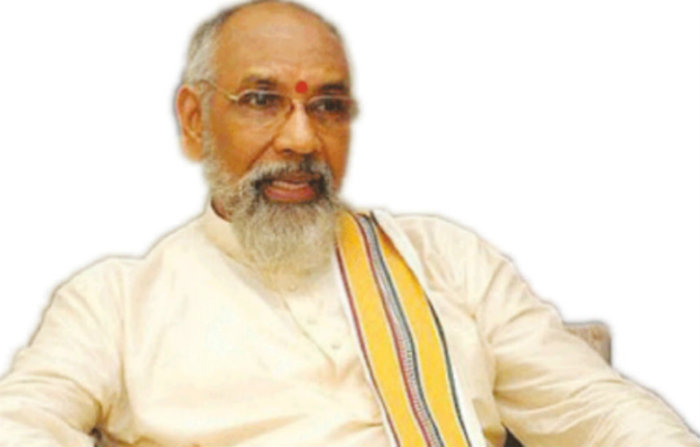
1) Hon. Justice C.V. Wigneswaran, MP Member of Parliament, Jaffna District.
Leader – Tamil Makkal Kootani (TMK) / Tamil Makkal Thesiya Kootani (TMTK)
No. 232, Temple Road, Nallur, Jaffna, Sri Lanka.
Tel: +94 21 221 4295 – Email: cvwoffice18@gmail.com
2) Hon. Selvam Adaikalanathan, MP Member of Parliament, Vanni District.
President – Tamil Eelam Liberation Organization (TELO) (TNA)
St. Sebastian Road, Mannar, Sri Lanka.
Tel: + 94 23 222 2100 – Email: selvamtelo@yahoo.com
3) Hon. Dharmalingam Sithadthan, MP Member of Parliament, Jaffna District.
Leader – Peoples Liberation Organization of Tamil Eelam (PLOTE) (TNA)
Kantharodai, Chunnakam, Jaffna, Sri Lanka.
Tel: +94 11 258 6289 – Email: sithadthan@gmail.com
4) Mr. Kandiah Premachandran, Former Member of Parliament, Jaffna District
President – Eelam People’s Revolutionary Liberation Front (EPRLF) (TMTK)
Kattappiriai, Irupaalai, Jaffna, Sri Lanka.
Email: akpchandran@gmail.com
5) Mr. Nallathamby Srikantha, Former member of Parliament, Jaffna District
Leader – Tamil National Party (TNP) (TMTK)
138A. Pointpedro Road, Aanaipanthi, Jaffna, Sri Lanka.
Email: nsrikanthampsl@gmail.com