

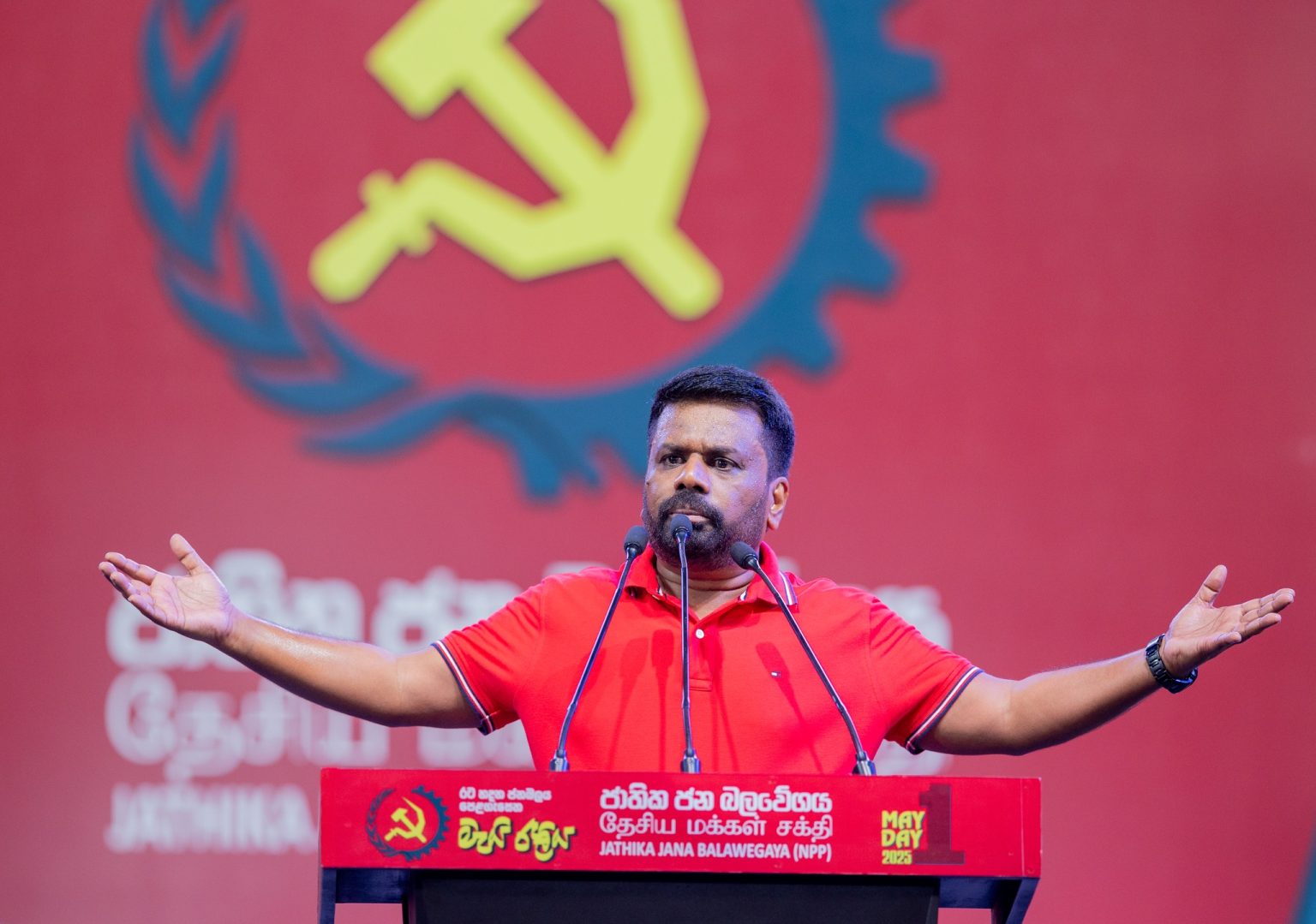
In response to the prevailing wartime situation, President Anura Kumara Dissanayake delivered a special statement in Parliament on 7 April 2026, announcing a massive relief package worth Rs. 10,000 crore (Rs. 100 billion) aimed at supporting affected communities and multiple sectors.
The President elaborated on direct fuel subsidies for diesel and petrol, special allowances for the fisheries and agriculture sectors, increases in “Aswesuma” welfare benefits, and the Government’s intervention in addressing the electricity crisis. He also outlined diplomatic support received from countries such as India, China, and Russia to ensure the continuous supply of fuel, gas, and fertiliser.
Several sectors have been adversely affected due to the current wartime situation. As a government, our responsibility is to identify these affected sectors and implement relief-oriented programmes. That is the most appropriate course of action.
When examining the nature of this crisis, we identify two main pressure points: fuel and electricity—essentially the broader energy sector, including gas.
One approach proposed was to sell fuel at cost-reflective market prices. This was suggested during the party leaders’ meeting. It is true that institutions such as the Ceylon Electricity Board and the Ceylon Petroleum Corporation have incurred heavy losses, and therefore aligning prices with costs is one possible solution.
The second approach is to maintain a subsidy system without fully adjusting prices to market rates.
If we move entirely to cost-reflective pricing, it will not burden the Treasury. However, it will have a severe impact on the economy, industries, businesses, and the general public. Therefore, a balanced approach is necessary.
Based on current trends, if fuel prices are fully adjusted to market rates, a litre of diesel would exceed Rs. 600. While some have suggested removing taxes entirely, doing so would only reduce the price by about Rs. 50 per litre. Instead, we have decided to maintain existing taxes while allocating up to Rs. 100 per litre of diesel as a subsidy from the Treasury. This adjustment will take place around 1 May, based on actual data from the previous month. Petrol will receive a subsidy of up to Rs. 20 per litre.
We estimate this will cost around Rs. 20 billion per month, and the proposal has been structured for a three-month period.
Subsidies must be targeted. If we provide a blanket subsidy, those who consume more fuel will benefit disproportionately. Since we currently lack a robust data system to precisely target beneficiaries, we have decided to allow super diesel and super petrol to be sold at market prices, assuming these are primarily consumed by higher-income groups.
Overall, the Government will bear a cost of Rs. 100 per litre of diesel, amounting to Rs. 2,000 crore per month, with Rs. 6,000 crore allocated over three months for fuel subsidies.
We have also identified specific groups that require additional support. The fisheries sector, which depends heavily on fuel, will receive an additional Rs. 50 per litre subsidy on top of the general subsidy. For a standard fishing boat, this translates to a benefit of Rs. 31,250 per month, which will be credited directly to bank accounts. Multi-day fishing vessels will receive a monthly fuel allowance of Rs. 150,000.
Another key issue is fertiliser, particularly urea. Stocks purchased at previous prices are available, and companies have agreed to supply their existing stocks. This will be sufficient for two cultivation seasons, but the third season will require higher-priced imports.
Given rising global prices, ranging from $680 to $850 per metric tonne—we will maintain a fixed price of Rs. 10,200 for farmers. The Government will bear a subsidy of approximately Rs. 3,000 per unit, costing Rs. 1.7 billion.
Additionally, fertiliser subsidies will be increased. Paddy farmers will receive Rs. 30,000 (up from Rs. 25,000), while those cultivating other crops will receive Rs. 18,000 (up from Rs. 15,000). Small-scale tea growers will receive an additional Rs. 5,000 allowance. Altogether, this will cost Rs. 6.5 billion.
For low-income groups, we will use the existing “Aswesuma” programme as the targeting mechanism. For April, benefits will be increased as follows:
Rs. 17,500 category increased to Rs. 25,000
Rs. 10,000 category increased to Rs. 15,000
Transitional category increased by Rs. 2,500
This will require an additional Rs. 8.5 billion.
The electricity issue arises from several factors: reduced water levels in reservoirs, increased reliance on thermal power, rising fuel costs, and lower efficiency due to substandard coal.
We have taken steps to ensure that additional costs resulting from poor-quality coal will not be passed on to consumers but recovered from suppliers through penalties.
However, due to unavoidable factors such as fuel costs and reduced hydro generation, some increase in electricity tariffs is inevitable. We propose that the burden be shared among the Government, institutions, and consumers.
We will allocate Rs. 500 crore per month to provide targeted relief on electricity bills, amounting to Rs. 1,500 crore over three months.
We estimate total losses of around Rs. 32 billion, of which the Government will absorb Rs. 15 billion. Losses due to coal issues will be recovered, while a portion may be reflected in tariffs.
Unlike in 2022, when excessive money printing led to inflation reaching 70%, we will not resort to such measures. This relief package is funded entirely within the existing budget, without increasing public debt or money supply.
We aim to maintain interest rates below 10% and inflation below 5%.
If global fuel prices continue to rise, Sri Lanka will incur an additional $1.5 billion in import costs. Therefore, fuel consumption must also be managed carefully.
This Rs. 100 billion relief package has been designed to stabilise livelihoods while preventing economic disruption. If conditions worsen, we will return with further proposals.
We assure the public of uninterrupted fuel supply at least until the end of May. Discussions with India, China, and Russia have secured additional support for fuel, gas, coal, and fertiliser supplies.
As a Government, we will continue to act cautiously, taking into account both parliamentary and public input in addressing this crisis.