India extends Rs 600 million for emergency unit at Mannar hospital

India has extended a grant of LKR 600 million to Sri Lanka for the construction of a new Accident and Emergency (A&E) unit at the District General Hospital in Mannar.

The initiative is aimed at significantly improving emergency healthcare in the Northern Province.

A Memorandum of Understanding was signed on 9 September by Indian High Commissioner Santosh Jha and Dr. Anil Jasinghe, Secretary to the Ministry of Health and Mass Media.

Sri Lanka’s Health Minister, Dr. Nalinda Jayatissa, was also present at the signing ceremony.

The project will see the construction of a two-storey emergency unit and the procurement of advanced medical equipment.

Officials say the facility will be crucial in addressing emergency cases during the “golden hour,” a critical period that can determine patient survival.

This initiative is part of India’s broader development partnership with Sri Lanka in the health sector.

Previous Indian-funded projects include the island-wide Suwa Seriya ‘1990’ ambulance service, medical aid during the COVID-19 pandemic, and the construction of a multi-specialty hospital in Dickoya.

India is also considering additional healthcare investments, including expansion of the Suwa Seriya service and a new medical ward complex at Mullaitivu.

Posted in Uncategorized

Parliament Overwhelmingly Votes to End Ex-Presidents’ Privileges

Parliament Speaker Dr. Jagath Wickramaratne endorsed the certification on Presidents’ Entitlements (Repeal) Bill which was passed in Parliament today (10) by a majority of 150 votes.

Accordingly, this Bill will come into force as the Presidents’ Entitlements (Repeal) Act, No. 18 of 2025.

The debate on the second reading of the Bill began at 11.30 am today and was followed by a second reading vote at around 3.30 pm, with 151 votes in favour and 1 vote against.

This Bill, which was presented to Parliament on 7th August 2025 by the Minister of Justice and National Integration, is a Bill to repeal the Presidents’ Entitlements Act, No. 4 of 1986.

Accordingly, any residence provided to, or monthly allowance paid to, a former President or the widow of a former President in terms of the provisions of section 2 of the repealed Act; monthly secretarial allowance paid to, and official transport and such other facilities provided to, a former President or the widow of a former President in terms of the provisions of section 3 of the repealed Act; and monthly pension paid to the widow of a former President in terms of the provisions of section 4 of the repealed Act, will be abolished.

SL committed to domestic accountability mechanism with technical support from UNHRC – FM tells UN Rights Chief

The Sri Lankan government is prepared to pursue accountability for alleged human rights violations through a domestic mechanism, with technical assistance from the Human Rights Council, Minister of Foreign Affairs Vijitha Herath has informed UN High Commissioner for Human Rights Volker Türk.

Minister Herath, who is currently attending the 60th session of the UN Human Rights Council in Geneva, met with High Commissioner Türk today (10).

During the meeting, an in-depth discussion was held on the report presented by High Commissioner Volker Türk, the Ministry of Foreign Affairs said in a statement.

Minister Herath provided a detailed explanation of Sri Lanka’s position on the matters raised in the report.

The High Commissioner expressed hope that the new government in Sri Lanka would mark a turning point in the protection of human rights, and that the country would not miss the opportunity to establish a proper independent investigation and accountability mechanism to address past human rights violations, the Foreign Ministry added further.

UK Urges concerns around arbitrary detention, custodial deaths, intimidation of human rights defenders, and targeting of minority communities

The United Kingdom thanks the High Commissioner for his report on Sri Lanka and recent visit.

We welcome the government’s commitments on human rights and accountability whilst also stressing the importance of tangible and sustained progress.

Action by the Sri Lankan authorities to exhume and investigate mass grave sites is vital. This should be carried out in line with international standards.

We share the High Commissioner’s continuing concerns around arbitrary detention, custodial deaths, intimidation of human rights defenders, and targeting of minority communities.

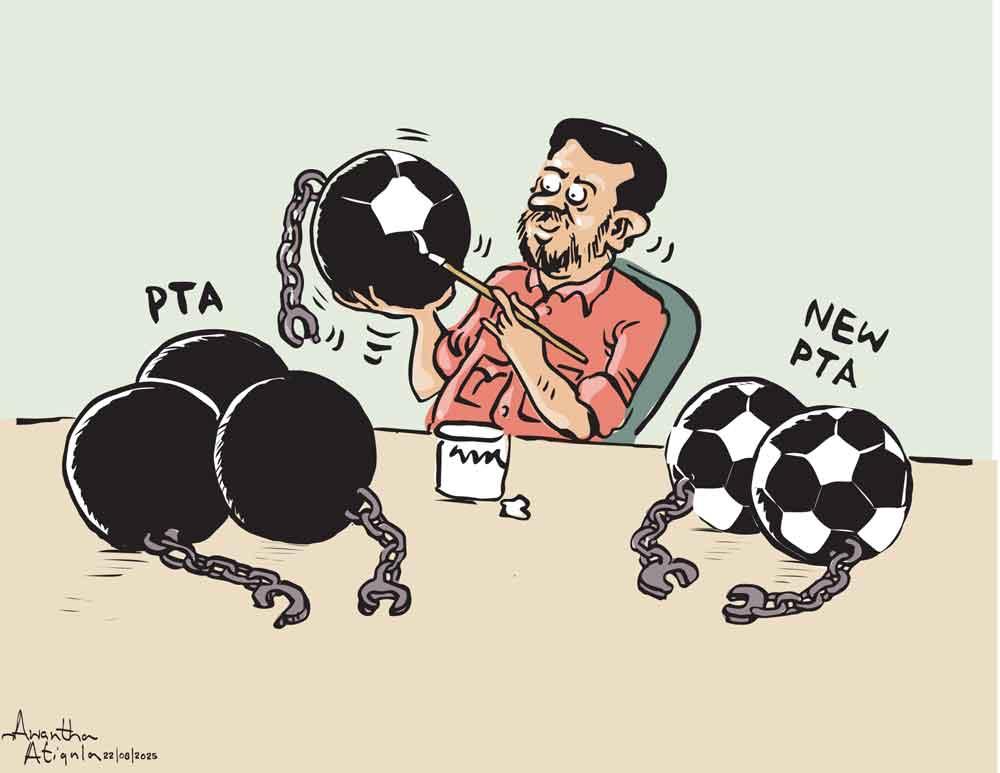
We remain deeply concerned about the continued use of legislation such as the Prevention of Terrorism Act to restrict fundamental freedoms despite public commitments to abolish it.

We also encourage the government to re-invigorate the work of domestic institutions focused on reparations and missing persons.

It is crucial that any reconciliation and accountability process is inclusive and comprehensive, has the support of affected communities, builds on past recommendations and meets international standards.

High Commissioner,

We encourage you to take forward your Office’s important work on conflict-related sexual violence and stress the need for this issue to be addressed as a matter of priority in Sri Lanka.

We reaffirm our willingness to work constructively with the government on these issues.

Thank you.

Published 8 September 2025

EU concerned over the continued use of PTA in Sri Lanka

The European Union (EU) is concerned over the continued use of the Prevention of Terrorism Act (PTA) in Sri Lanka while recognizing on-going steps towards repealing the legislation.

Speaking at the 60th session of the Human Rights Council in Geneva, the EU delegation recalled the increasing need for transitional justice in Sri Lanka.

“We acknowledge the government’s efforts, including the initiative to establish an independent public prosecution office. However, we remain concerned over the lack of significant progress on accountability and justice for the victims, especially with respect to the many cases of dead and still missing persons. This situation needs to be addressed urgently and with decisive commitment. Accountability is central to the rule of law and for guarantees of non-repetition,” the EU said.

The European Union said it monitors the human rights situation in Sri Lanka and remains concerned about the continued use of the Prevention of Terrorism Act, while recognizing on-going steps towards repealing this legislation.

“We recall the importance of legal and institutional reforms as well as the need to bring new legislation fully in line with international human rights obligations,” the EU said.

The European Union said it stands ready to support Sri Lanka in implementing transformative reforms and strengthening the protection of human rights.

Posted in Uncategorized

India Urges Early Provincial Elections in Sri Lanka

India has called for the full and effective implementation of the Sri Lankan Constitution as a cornerstone for reconciliation and durable peace, reaffirming its support for the aspirations of the Tamil community within the framework of Sri Lanka’s sovereignty and territorial integrity.

Speaking at the 60th Session of the United Nations Human Rights Council in Geneva, the Representative of India emphasized that meaningful devolution of powers and early provincial council elections are essential steps toward genuine reconciliation. “India believes that meaningful devolution and genuine reconciliation through an inclusive approach would contribute to nation-building and a durable peace,” the representative stated.

India’s position reflects its long-standing commitment to supporting Sri Lanka’s post-conflict recovery, dating back to 2009.

The representative noted that India has consistently backed relief, rehabilitation, resettlement, and reconstruction efforts, and continues to advocate for equality, justice, dignity, and peace for all communities.

“Sri Lanka holds a special place in India’s Neighbourhood First Policy and Vision Mahasagar,” the representative added.

Posted in Uncategorized

CP Radhakrishnan elected as India’s 15th Vice President

BJP veteran and former Maharashtra governor CP Radhakrishnan was elected the Vice President of India on Tuesday, defeating Opposition INDIA bloc nominee Justice (retd) B. Sudershan Reddy in a largely one-sided contest.

Radhakrishnan, 68, secured 542 votes, while Reddy, fielded as a symbolic challenger by the Opposition, polled 300 votes. With the ruling NDA commanding a comfortable majority, the outcome was widely anticipated.

A lifelong member of the RSS and a two-time MP from Coimbatore, Radhakrishnan has been known for his conciliatory style of politics, earning the moniker “Vajpayee of Coimbatore.”

His elevation, political observers say, signals the BJP’s intent to deepen its influence in southern India, particularly Tamil Nadu, which heads for polls next year.

The choice of Radhakrishnan also highlights the BJP’s strategy of OBC consolidation, as he belongs to the Gounder community, influential in western Tamil Nadu.

His election marks a break from his predecessor Jagdeep Dhankhar’s diverse political past, instead reaffirming BJP’s preference for loyalty to the Sangh Parivar.

As Vice President, Radhakrishnan will assume the role of Chairperson of the Rajya Sabha, where his soft-spoken demeanor and long experience across party lines are expected to shape the tenor of proceedings.

For the Opposition, Sudershan Reddy’s candidacy was intended to underscore ideological resistance, with INDIA bloc leaders labeling the BJP “anti-Constitution.”

UN Pushes Sri Lanka to End PTA, Reform Laws

Sri Lanka stands at a crossroads, with what the United Nations calls a “historic opportunity” to break free from decades of violence, impunity, and division.

Addressing the Human Rights Council, UN High Commissioner for Human Rights Volker Türk urged the government to transform its pledges into a coherent, time-bound plan for justice, reconciliation, and reform.

“Justice and accountability are essential to fostering a future of healing, reconciliation, and sustainable peace,” Türk declared, presenting his latest report on Sri Lanka. He welcomed the government’s commitment to strengthen the rule of law and end ethnic discrimination but warned that promises alone will not suffice.

The report identifies three critical pillars for progress:

-Delivering accountability and justice
-Undertaking deep constitutional, legal, and institutional reforms
-Eliminating discrimination and political division

Türk’s appeal was deeply rooted in the stories of victims he met during his recent visit. At the Chemmani mass gravesite, he encountered families still searching for loved ones decades after the civil war. One woman from the south told him she has been looking for her husband for 30 years.

“Impunity can be a second form of violence,” Türk warned, stressing that victims’ voices must guide policies on truth, justice, and reparations. He called for formal acknowledgment of violations by both state forces and non-state actors such as the LTTE, and for a shared national understanding of the facts.

The High Commissioner welcomed the government’s plan to establish an independent public prosecution office and urged the creation of a special judicial mechanism with an independent counsel to investigate serious human rights and humanitarian law violations.

He also pressed for urgent legislative reforms, including:

-Immediate moratorium on the Prevention of Terrorism Act (PTA), which continues to enable arbitrary arrests despite promises of repeal.
-Amendment or repeal of restrictive laws, such as the Online Safety Act, the ICCPR Act, the Draft NGO Bill, and the Draft Personal Data Protection Act.

Türk warned that harassment of human rights defenders, victims’ groups, and journalists persists, underlining the need for security sector reform, demilitarisation of the North and East, and the return of military-held land.

Turning to the economy, Türk noted that Sri Lanka is still reeling from its worst financial crisis in living memory. Poverty and food prices have nearly doubled in five years, while malnutrition and childhood stunting have surged.

He urged prioritised support for vulnerable communities, including the Malayaha Tamils, and called for a human rights-based economy where budgets reflect social and economic rights.

With 60% of state revenue going to debt interest payments, Türk appealed to international creditors for fiscal space and warned that new trade tariffs could hit the apparel sector hard, threatening livelihoods.

Türk reaffirmed the UN’s readiness to assist Sri Lanka, highlighting the Sri Lanka Accountability Project, which has compiled over 105,000 pieces of evidence to support justice and truth-seeking. He urged member states to cooperate in prosecuting alleged perpetrators under universal jurisdiction and to consider targeted sanctions against those credibly accused of gross violations.

“Together, the international community can help Sri Lankans escape the twin threats of persistent impunity and deep inequality,” Türk concluded.

Sri Lanka insists on local mechanism to address rights abuses amid UN scrutiny

Sri Lanka Foreign Minister Vijitha Herath told the United Nations Human Rights Council (UNHRC) on Monday that it remains committed to addressing past rights concerns through its own domestic mechanisms rather than accepting external interventions.

Speaking during the 60th Session of the Council in Geneva, the Sri Lankan delegation stressed that President Anura Kumara Dissanayake’s government, elected almost a year ago, is already implementing reforms to promote accountability, reconciliation, and good governance.

Delivering the country statement on September 8, Minister Herath said the government had embarked on “a historic journey towards transformational change” since assuming power in late 2024.

Highlighting progress in democracy, inclusion, and rights protection, he underscored that the administration’s approach to human rights was “not merely driven by the need to comply with the Human Rights Council,” but stemmed from principles shaped by Sri Lanka’s own political experience.

“Our commitment… arises from our genuine belief in the fundamental importance of human rights and the need to ensure the rights and well-being of our own people,” he said in his statement.

“We are also committed to ensuring that any person alleged to have committed any unlawful act is investigated, prosecuted and brought before courts through an independent national process, irrespective of their social status, background or any other ground.”

“In keeping with this policy, proactive measures have been taken to investigate and prosecute alleged violations of laws, irrespective of the background of the persons concerned. All of you observing the developments in Sri Lanka would have witnessed several examples in this regard.”

The government has pointed to reforms already underway, such as the drafting of a new counter-terrorism law to replace the controversial Prevention of Terrorism Act (PTA), a proposed Organised Crime Bill, and amendments to the Online Safety Act amid continuous concerns from the UN and international community over those laws.

New rights-focused legislation on domestic violence, children, and disability is also being prepared, Herath said.

At the same time, Colombo also highlighted its anti-corruption drive, the launch of the Clean Sri Lanka program to reshape political culture, and initiatives to empower vulnerable communities, including plantation workers and persons with disabilities.

On reconciliation, the government cited measures such as reopening roads in the Northern Province after decades, inviting Tamil-speaking youth to join the police, strengthening the Office on Missing Persons and the Office for Reparations, and committing Rs. 375 million in additional funding to accelerate inquiries into disappearances.

It also confirmed that a Truth and Reconciliation Commission (TRC) process had been set in motion, while land releases to civilians continued, with the government pledging to return all lands not deemed essential for security.

The statement sought to counter international criticism of Sri Lanka’s accountability record by pointing to independent investigations into mass graves, new prosecutions on corruption, and a judiciary that has demonstrated independence in recent rulings.

Sri Lanka rejected the UN High Commissioner for Human Rights’ suggestion of an external accountability process such as the Sri Lanka Accountability Project.

Colombo warned that such international mechanisms could undermine trust and create fresh divisions within society.

“External action will only serve to create divisions, thereby jeopardising the genuine and tangible national processes already in motion,” the Minister said, insisting that space should be given for domestic solutions to mature.

President Dissanayake administration has presented itself as a break from past governments accused of shielding alleged war crimes and stifling dissent.

It emphasized its inclusive political mandate, with significant representation from minority communities and women in Parliament, and pointed to free and fair elections without violence or misuse of state resources as evidence of a changing political culture.

Internationally, Sri Lanka underlined its cooperation with the UN system, including the High Commissioner’s visit to Colombo in June 2025, which officials said allowed him to witness “the real momentum of change across all segments of society.”

However, the government urged UNHRC member states to recognize the sincerity of its efforts and support domestic processes rather than impose external accountability.

“We urge that all of you assist us in seizing this historic opportunity to advance the rights and well-being of all Sri Lankans through our own domestic processes,” the Foreign Minister said, reaffirming Colombo’s opposition to international mechanisms but promising continued reform at home.

Posted in Uncategorized

US and Sri Lanka launch multilateral ‘Pac Angel 25’ exercise to enhance disaster response

The United States and Sri Lanka today officially launched PACIFIC ANGEL (Pac Angel) 25 at Katunayake Air Base, with U.S. Defense Attaché Lt. Col. Matthew House joining Sri Lanka Air Force leaders to open the exercise.

The five-day multilateral program, running from September 8–12, brings together nearly 90 U.S. and 120 Sri Lanka Air Force personnel, along with participants and observers from Australia, Bangladesh, India, Japan, and Maldives, to strengthen disaster response and save lives, the US Embassy in Colombo said.

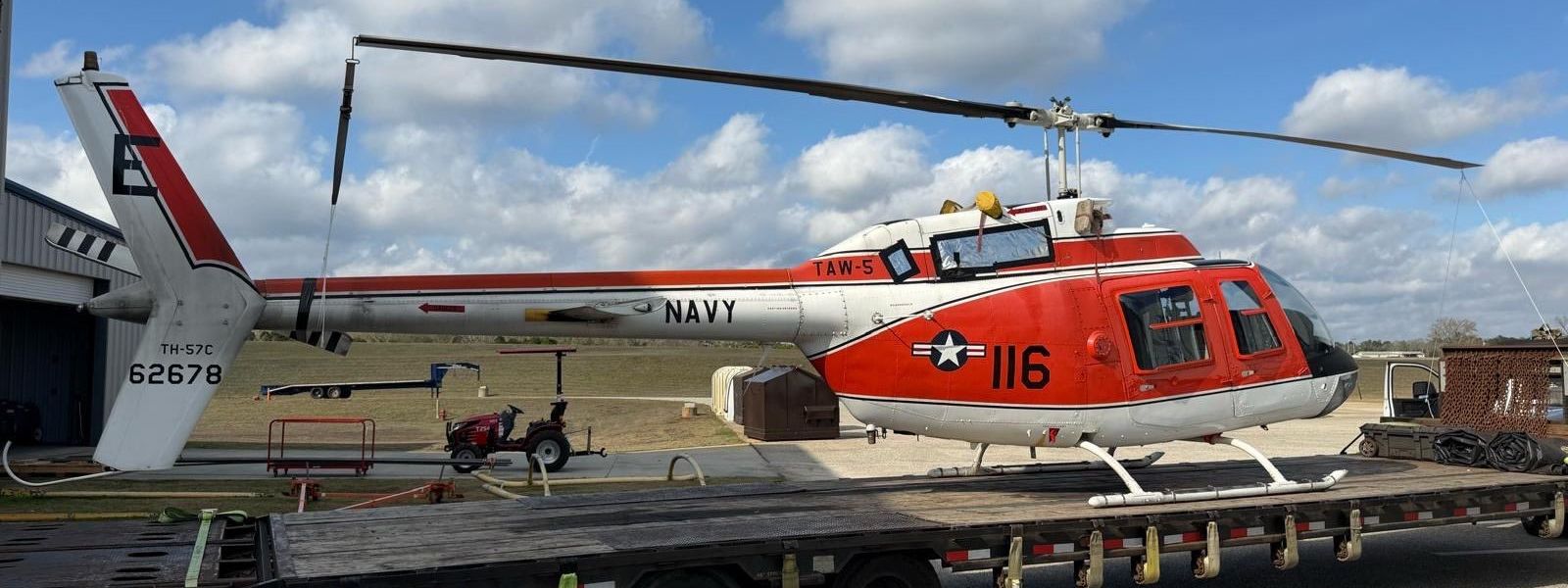
Training focuses on search and rescue, medical readiness, air safety, and engineering cooperation. Supported by two U.S. C-130J aircraft and Sri Lanka’s Bell 412, B-212 helicopter, and King Air 350, Pac Angel 25 builds the teamwork and trust needed for faster, stronger responses to real-world crises.

U.S. Ambassador to Sri Lanka Julie Chung commenting on the exercise noted that, “PACIFIC ANGEL 25 is the largest multilateral exercise hosted in Sri Lanka this year, and we are proud to welcome participants from Australia, Bangladesh, India, Japan, Maldives, Sri Lanka, and the United States. This exercise shows how our nations are working side-by-side to prepare for real-world challenges—from disaster response to humanitarian crises.”

“As Indo-Pacific partners, we safeguard security and open commerce, and exercises like Pac Angel strengthen our ability to face challenges together to protect the peace and stability on which our region depends,” she said.

U.S. Defense Attaché to Sri Lanka Lt. Col. Matthew House welcomed participants on behalf of the United States, highlighting the practical impact of the exercise:

“Pac Angel is more than just an exercise; it is about forging real-world cooperation with our allies and partners that enables rapid, coordinated responses to crises. By training together, we strengthen trust, deter threats, and ensure that when disaster strikes, we can respond swiftly and effectively. What we build together today is a foundation for tomorrow’s shared security.”

Pacific Angel, now in its 18th year, is a recurring humanitarian response exercise led by the U.S. Pacific Air Forces and sponsored by U.S. Indo-Pacific Command (USINDOPACOM).

Officially launched in 2008, Pacific Angel builds on the success of its inaugural mission in 2007, which provided critical aid to Kiribati, Nauru, and Vanuatu.

Since then, Pac Angel has become a cornerstone of U.S. engagement in the Indo-Pacific region, reflecting the United States’ enduring commitment to its Pacific neighbors.

Pacific Angel exercises are conducted at the request of host nation governments and are planned months in advance. These engagements are not in response to any current real-world crises but are designed to enhance the capacity of host nations to support their citizens and respond effectively to natural disasters and other challenges, the statement said.