Global animal rights groups condemn the proposed mass sale of monkeys to China

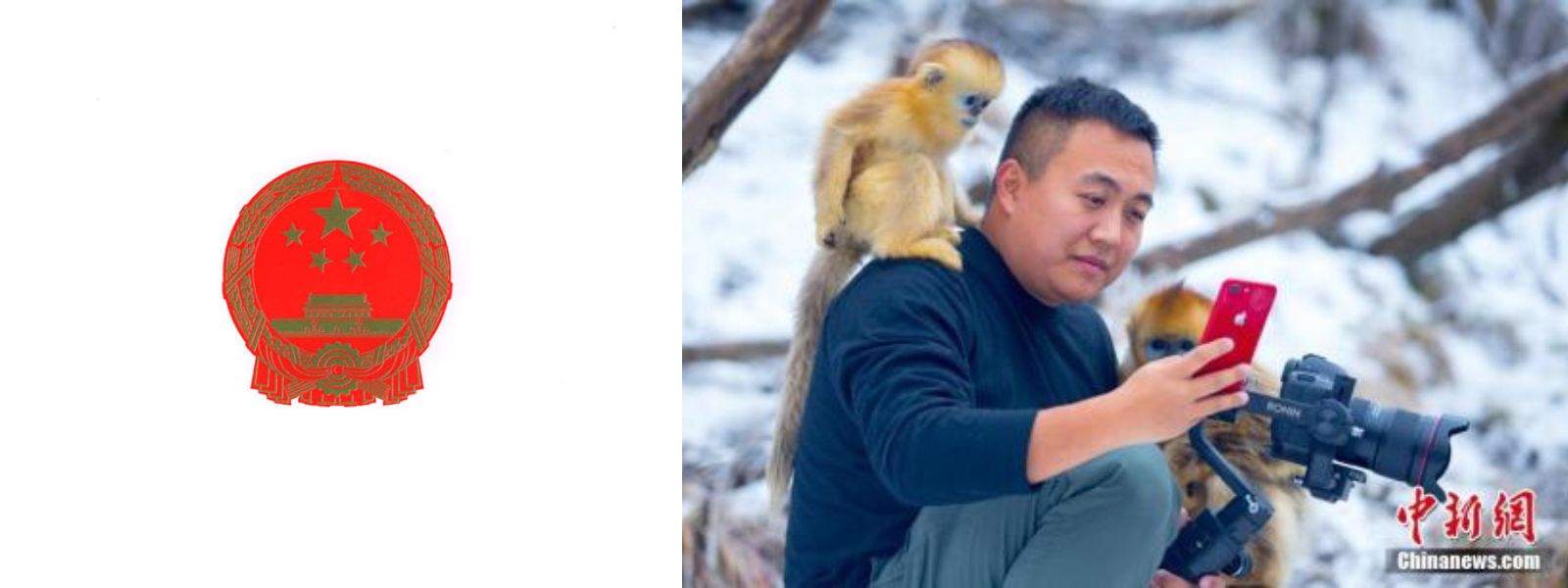
The Asia for Animals Coalition (AFA) which is a network of local, national and international animal protection and conservation organizations with a particular focus on Asian animal advocacy and the Macaque Coalition (MACC) have condemned the widely-reported proposal to remove up to 100,000 toque macaques from the wild in Sri Lanka and send them to China, ostensibly for placement in the country’s zoos.

Here is the full text of the statement:

“The Asia for Animals Coalition (AFA) and Macaque Coalition (MACC) member organizations wholeheartedly support the call by Wildlife & Nature Protection Society (WNPS), Centre for Environmental Justice (CEJ), Federation of Environmental Organizations (FEO), and RARE Sri Lanka to halt these plans, and to instead invest in the development of sound, well-researched interventions that protect both people and wildlife.”

“Further, AFA and MACC share the doubts expressed by the above mentioned organizations that these animals are feasibly destined for lives in zoos. Given the numbers involved and the present global demand for primates as subjects for biomedical research, we fear it is more likely that these endangered macaques are intended for use by the research industry.”

“Media reports on this issue are confusing, with conflicting statements about whether either the Sri Lankan or the Chinese governments are seriously considering moving forward with the proposed plan.”

“Additionally, details of the private company said to have approached Sri Lanka’s Agricultural Department about the export of macaques are missing and raise questions; no contact person is provided on the letter, the company’s seal is backwards, and, while they told one source by telephone that their company is “not yet in full operation”, the company appears to be involved in lawsuits with two other breeding companies in Northeast China.”

“Toque macaques (Macaca sinica) are found only on the island of Sri Lanka. They have been classified as Endangered since 2008, with one subspecies (M.s. opishtomelas) recently reassessed as Critically Endangered.”

“Though these monkeys can appear to be overabundant in areas where they have learned to take advantage of easy access to food, these sites are “highly localized and do not represent macaque population numbers countywide.”

“At least 70 % of the species’ habitat has been converted to other uses over the past 65 years, and concurrent with this, the toque macaque population has declined by more than 50% over the last 40 years.”

“Furthermore, there is every indication that these declines will continue as toque macaques have no legal protection and are managed as a pest species, despite the fact they represent an integral part of the natural biodiversity heritage of Sri Lanka.”

“The removal of any substantial number of toque macaques from the wild would not only cause immense suffering to the individual animals involved, it could also cause irreversible ecological damage which would negatively affect the people and wildlife of Sri Lanka for years to come.”

“The survival of the species, already edging towards extinction, would become even more fragile. Sri Lankan citizens, and the world, would be deprived of a unique and ecologically important animal species.”

“Macaques play important roles in the ecosystems they inhabit. The disappearance of key species like macaques can degrade entire habitats, in turn compromising other species’ ability to survive – and ultimately our own.”

“We understand that crop losses can be devastating to people’s livelihoods and encounters with monkeys that have become dependent on human food can be dangerous. However, neither the ad hoc killing nor the mass removal of macaques is a sustainable or humane solution.”

“The resources that would be allocated to the location, trapping and transport of hundreds or thousands of monkeys should instead be invested in addressing the root causes of local overabundance and the development of truly effective measures that protect both crops and wildlife and promote continued coexistence.”

“Human-monkey conflict mitigation strategies for Sri Lanka have been discussed and developed in recent years. Such strategies should be evaluated and, where feasible, implemented prior to any consideration of the capture or lethal control of monkeys.”

“The organizations we are supporting with this statement are working in consultation with well-established experts on toque macaques, Sri Lankan ecology and conservation, who we know are prepared to advise on these very issues. Organizations within our Coalition may also be available to assist.”

“The undersigned organizations from around the globe, on behalf of the many millions of members they represent, have considerable collective experience and expertise in human-wildlife conflict and its mitigation, and respectfully ask that the Sri Lankan authorities listen to their experts in this matter, and invest in real, effective and lasting solutions that do not place an entire species at risk.”
Ranil has lost faith among SLPP MPs – ‘Aruna’

President Ranil Wickremesinghe has lost faith among a vast majority of SLPP MPs, sources close to the party said.

The sources dismissed claims by minister Prasanna Ranatunga that 126 SLPP MPs support Wickremesinghe, whom he said would be their presidential candidate.

Around 80 percent in the party, including several cabinet ministers, are deeply disappointed with the president’s delaying tactics and with the conduct of certain UNP members.

Another reason for their dejection is that they are yet to be compensated for their properties destroyed by anti-government protestors.

Despite the president’s having given instructions to compensate for Dr. Seetha Arambepola’s damaged car, a powerful minister has prevented the payment to aggravate the situation.

Ministers Susil Premajayantha, Wijeyadasa Rajapakshe and Tiran Alles want to act independently, but are displeased with interferences and interventions by several cabinet hopefuls, said the sources.

Even as matters stand thus, Ranatunga is speaking in support of Wickremesinghe in order to escape punishment from court cases pending against him, certain SLPP members alleged.

Posted in Uncategorized

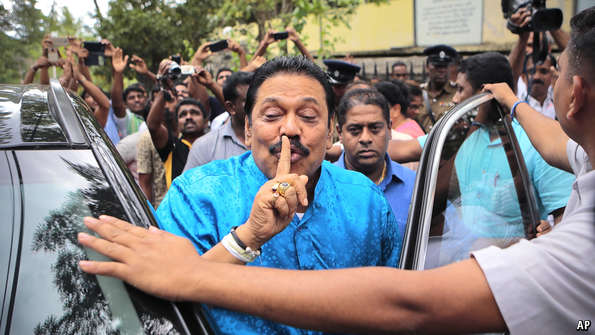
Will MR take up a new role?

Former President Mahinda Rajapaksa says he will strive to find solutions to the issues faced by the public through the present administration.

Speaking to media, former President Rajapaksa said he will continue to support any faction that fulfills the aspirations of the people.

The Leader of the Sri Lanka Podujana Party also said the public should stand up against injustice and work together to help Sri Lanka progress.

Although former President Rajapaksa was noncommittal when asked by media about taking up a new position, he said he will extend his support to any party that works towards the progress of the country.

Housing Project with Chinese assistance to be launched

The Ministry of Urban Development and Housing will launch a new housing project for the underprivileged community in Colombo, with the assistance of China.

The Chinese assistance will include US $450 million.

1,995 houses will be built across five areas in Colombo, Secretary of the Ministry of Urban Development and Housing W.S. Satyananda said.

The Ministry of Urban Development and Housing will be completed in the next two years.

Posted in Uncategorized

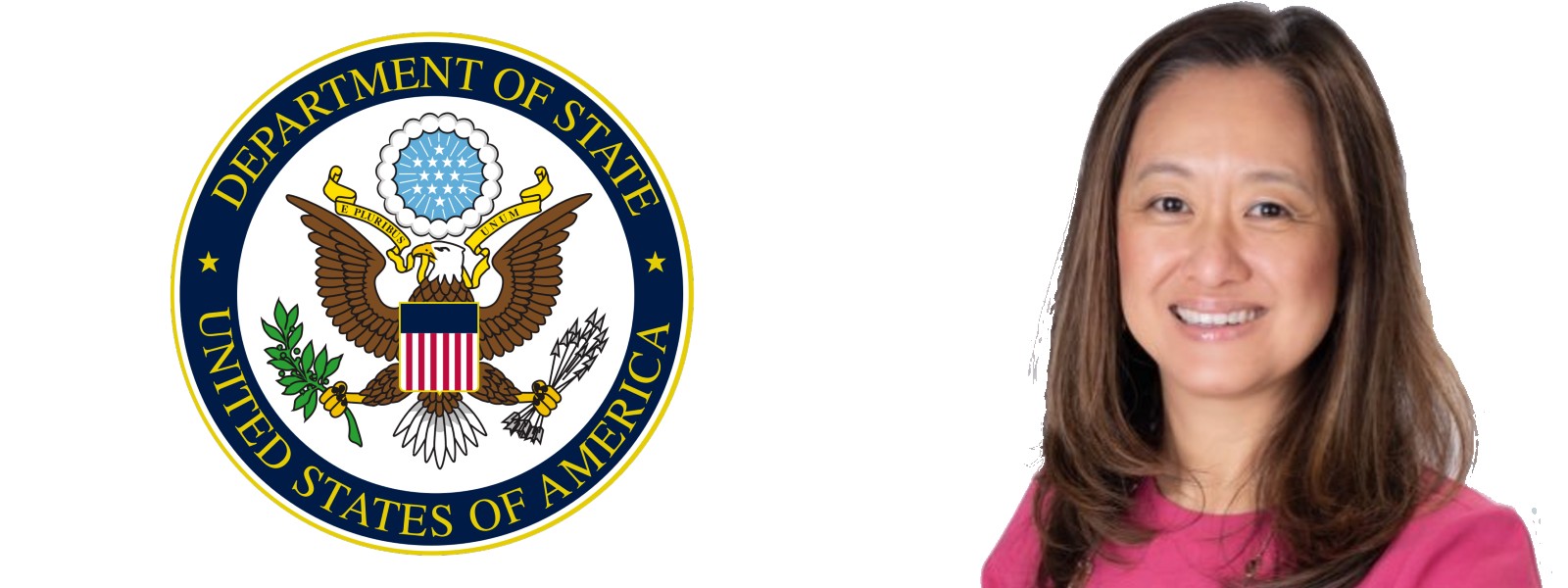
Blinken hails contribution of US envoy to Sri Lanka Julie Chung

US Secretary of State Antony J. Blinken has noted the extraordinary contribution made by the current US Ambassador to Sri Lanka Julie Chung on the 120th anniversary of the arrival of the first Korean immigrants to America.

Speaking a State luncheon in Washington held in honor of visiting Republic of Korea President Yoon Suk-Yeol, Blinken noted that Julie was just five years old when, in 1977, her family moved from Seoul to California.

“She didn’t speak a word of English. Her dad got a job on the drafting floor of an engineering company. Her mom worked nights washing dishes in a restaurant. Julie’s mom went on to become a librarian and a church deacon. Her dad later designed a heating system to prevent O-rings from freezing on space shuttles – that’s what had caused the Challenger explosion – allowing NASA to restart the space missions. And Julie joined the first cohort of Pickering fellows at the State Department, which encourages the service of historically underrepresented minorities,” he said.

The Secretary of State said that today, Julie’s dad’s engineering company is working on technology that will help the United States, Korea, and other partners who are joined in the Artemis Accord return astronauts to the Moon, including the first woman and first person of color. And Julie is the United States Ambassador to Sri Lanka.

“If these are the threads that are connecting the United States and Korea through a single family, just think how rich, how deep the ties are that are binding our nations together,” he said.

The Vice President of the United States of America Kamala D. Harris also attended the luncheon.

Posted in Uncategorized

China assures to set up refinery in Sri Lanka

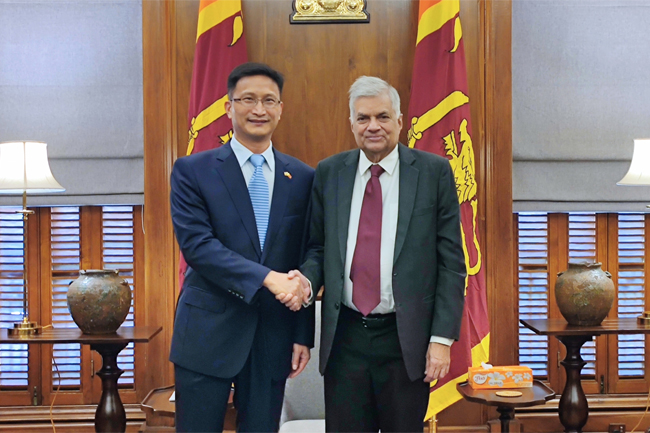
Chinese Ambassador Qi Zhenhong said that a refinery with state-of-the-art technology capable of refining four tons of crude oil per day will be established in Sri Lanka as a Chinese investment.

The Chinese Ambassador said this when he called on Asgiri Mahanayaka Most Venerable Warakagoda Sri Gnanarathana Thera and Malwathu Mahanayaka Thibbatuwawe Sri Siddhartha Sumangala Thera yesterday (27).

The Ambassador said that the existing crude oil refinery in Sri Lanka was built in the sixties and the new refinery will revolutionize the fuel distribution sector in Sri Lanka.

He also said that China has planned to open 150 filling stations in Sri Lanka soon.

Posted in Uncategorized

RTI reveals monthly cost incurred by Govt for Gotabaya spends Rs 1,329,387 per month

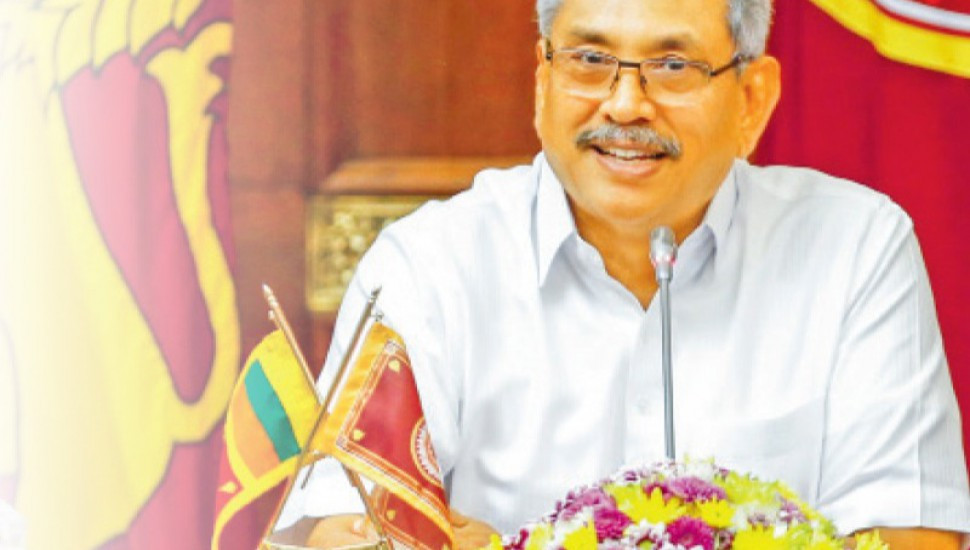
The Sri Lankan government spends Rs 1,329,387 per month for former president Gotabaya Rajapaksa, a report by factseeker.lk states.

Quoting the Presidential Secretariat, the fact-checking website states Rs 991,000 was spent on pension, fuel allowance and secretarial allowance for Rajapaksa in December.

The report further stated that Rs. 338,387.60 was spent on telephone, electricity, water and other expenses.

However, the Presidential Secretariat is yet to reveal details on the vehicles currently being used by former President Gotabaya Rajapaksa.

The details have been revealed in response to a Right To Information (RTI) request made by The FactSeeker on 24 January from the Presidential Secretariat.

The RTI was filed following speculation on social media and mainstream media about the government expenditure for Gotabaya Rajapaksa who resigned from the presidency in July, last year.

Posted in Uncategorized

Sri Lanka parliament passes resolution on IMF agreement by majority votes

The Resolution for the Implementation of the Arrangement under the Extended Fund Facility (EFF) of the International Monetary Fund (IMF) for Sri Lanka was passed in the parliament today (April 28) with majority votes.

Members of Parliament voted for the resolution on the implementation of the IMF-supported program following a three-day debate from April 26 – 28.

A total of 120 MPs voted in favour of the Resolution while 25 voted against it. Thereby, the resolution was passed by 95 majority votes.

The main opposition Samagi Jana Balawegaya (SJB), the Tamil National Alliance (TNA), Sri Lanka Freedom Party did not back the resolution.

President Wickremesinghe had previously noted that the key points of the IMF agreement would be enacted into law, once the resolution on the implementation of the EFF program is passed in the parliament.

On March 20, 2023, the Executive Board of the IMF green-lighted a 48-month extended arrangement under the EFF program of SDR 2.286 billion (approximately USD 3 billion) for Sri Lanka.

The EFF program opens doors for Sri Lanka to access financing up to USD 7 billion from the IMF, international financial institutions and multilateral organizations.

The program is expected to provide much-needed policy space to drive the economy out of the unprecedented challenges and instill confidence amongst all the stakeholders.

Soon after receiving the IMF’s board approval, Sri Lanka received an initial disbursement of USD 333 million (amounting to SDR 254 million) from the EFF arrangement, which is expected to catalyze new external financing including from the ADB and the World Bank.

Sri Lanka reached a Staff-Level Agreement with the IMF on a four-year program supported by the Extended Fund Facility on September 01, 2022.

The government is currently negotiating debt restructuring with bondholders and creditors before the IMF reviews the agreement in September.

Earlier this month, Japan, India and France launched a common platform for talks among bilateral creditors to coordinate restructuring of Sri Lanka’s debt.

The three creditor countries have been working closely for a coordinated debt restructuring process for the island nation.

China, Sri Lanka’s largest bilateral creditor, did not join the initiative at the outset, however, on several occasions, reiterated support for Sri Lanka’s debt restructuring process. The Asian economic giant says it has been in close communication with the island nation and supports Chinese financial institutions in actively discussing debt treatment arrangements with Sri Lanka.

Rebuilding north: Weaving hopes and dreams through apparel sector

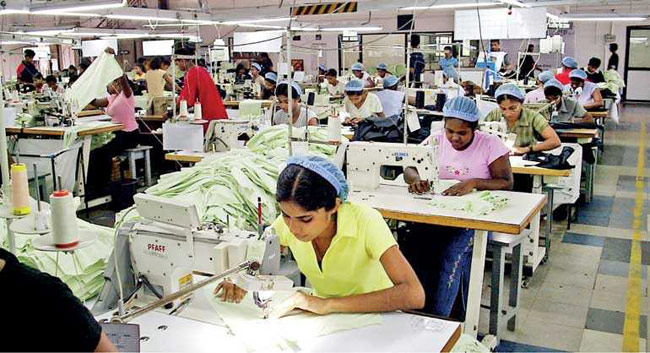
When the civil war in Sri Lanka ended in 2009, the apparel sector was one of the first industries to enter the Northern Province, hoping to infuse much-needed investment to rebuild the community. Over a decade later, the apparel industry remains the only large manufacturing sector that has ventured North to set up large-scale operations employing over 8000 individuals in the region.

Among them are Dianna, Durkadevi and Harshani, who have been dedicated employees with leading apparel manufacturing companies in the north for nearly a decade. They share their stories of dreams, personal growth, opportunities manifested and how employment through the apparel sector has placed within reach a future filled with possibilities.

Located over 340 kilometres from Sri Lanka’s capital city of Colombo – Kilinochchi and Vavuniya have been in the throes of a thirty-year civil war which ended in 2009. While this brought about post-war socio-economic challenges, an urgent need to rebuild the livelihoods of the community was imperative.

Recognising the role the sector plays in the development of the country, this paved the way for companies like MAS Kreeda Vaanavil, Omega Line Vavuniya and Hirdaramani Industries, who were among six companies to enter the Northern Province, to provide job opportunities in the war-torn region and infuse further investment into the economy.

It is no easy feat to set up operations in a rural location. It took at least three years until factories could open their doors. But its impact on employment and the communities have been immense. With over 80% of employees being women in these factories, the female labour force participation rate has steadily increased over the years. For a number of these women this was their first entry into formal employment. This saw the need to introduce programmes that uplift women and create further opportunities towards financial independence.

Creating a workspace that considers the well-being of its employees and environment has also been a critical factor for which the industry already had established a track record of moving factories out of congested Industrial zones to more remote locations. Manufacturing plants are set up on greenfield sites with an emphasis on sustainable operations and reducing the industry’s environmental footprint. From creating LEED or green building certified facilities, introducing renewable energy sources like biomass and solar energy, to responsible chemical use to attain zero toxic status in all products and processes, factories in the north have made a long journey to go beyond just compliance with regulatory frameworks and building sustainability into their core operations.

A large part of the exports of these companies are to the EU and qualify for the EU’s GSP+ scheme. The current scheme comes to an end in 2023 and Sri Lanka will need to reapply for the new scheme that comes into effect in 2024. Many companies in the north and east are dependent on GSP+ which is essential to their growth strategy, especially for the workforce which produces apparel primarily for European countries. These factories are a testament to the effectiveness of the scheme which have then benefitted these communities like no other industry.

Empowering women
With a name alluding to the ‘Rainbow’ usually attached with hope, MAS Kreeda Vaanavil currently employs over 2000 individuals in the Northern Province. Having opened its doors in 2012, the factory produces over eight million pieces annually for its primary market in Belgium, with over 80% of its products exported under the GSP+ scheme.

Under the MAS 2025 Social Sustainability Strategy, “Empowering Women” was recognised as a standalone pillar, for which a number of initiatives including Women Go Beyond (WGB) have played an essential part to ensure career advancement and skills development.

As part of the company’s journey in sustainable systematic change, empowering 100% of women on the factory floor, creating a world-class workplace and introducing meaningful employment have been an ethos for MAS Holdings.

This commitment was reflected on the factory floor, where women like Dianna, who has been working with the company for nearly ten years and hails from Jaffna, were provided growth opportunities for single mothers like herself. From a sewing operator to now a team leader heading seventy associates, her goal is to only move upward in life.

“My family’s, and my future would have been uncertain if factories like this did not exist in Kilinochchi. When I joined the industry, I did not know how to operate a sewing machine, but I was trained by my supervisors and given the opportunity to grow, even though I did not finish school. I joined the company during a critical time in my life when I didn’t even have a source of income. When I saw how the women were working here, I was inspired to know that I, too, could be financially independent. This is hope,”she says with a smile.

Cross-collaboration and learning opportunities
Travelling further south within the Northern Province is Omega Line, which commenced operations in Vavuniya in 2013. The company supports the livelihoods of over 2600, amongst whom over 88% are women. The apparel manufacturer produces over 34 million pieces annually under the GSP+ scheme.

The heart and soul of the company are women from the region which has enabled Omega Line to spearhead several female empowerment programmes, some of which provide growth opportunities for operator-level staff to enter management.

Under Calzedonia, its parent company in Italy, Omega Line gives its team the opportunity to experience cross-collaboration training in its headquarters in Verona, Italy, a unique initiative given to selected factory-level staff.

Residing close to the factory with her mother and sister is Durkadevi, one of the few female technicians at Omega Line. She looks forward to travelling to Italy to visit the parent company for further training. Her entrance to the apparel industry was one of self-reflection. She says that although she initially joined as an auditor, she shifted to the technical department as her management saw her capabilities in this area.

“When I stepped foot in the factory for the first time, I told myself this opportunity is for me. I came with hopes and dreams of one day being able to put food on the table without difficulty or purchase new clothes, which was something I could not afford to do earlier. But never did I think that I would get to travel overseas for training opportunities which would give me exposure to learn skills from countries like Italy,” she said proudly.

Promoting equal opportunity
Located a few minutes away from the Vavuniya Town, Hirdaramani Fashions commenced operations in 2012 and is also a company that gives prominence to women empowerment programmes. During the war, the abandoned building was once riddled with bullet-holes. Today, the building has been transformed into a state-of-the-art facility, housing over 1400 employees who produce over 2.5 million pieces a month. 80% of the products are exported to the EU under the GSP+ scheme.

With a largely female workforce, the ‘The Wonders of Wellbeing’ (WOW) programme is a holistic strategy that integrates well being into the business agenda and culture. It’s based around five key pillars – mental, relational, physiological, economic, and environmental – and includes a wide range of tools and initiatives to achieve measurable impact.

From teaching tools to improving financial literacy among employees, to creating equal workplace opportunities, the company also appoints wellbeing champions to embed wellness into the organisational culture by advocating it daily at factory level.

Harshani Priyarathne, who has been with the factory since its inception as a recorder in the cutting department, says companies like Hirdaramani have provided learning opportunities for her, even though she could not complete her Advanced Levels due to financial difficulties. Her husband too has been working at the factory for over two years as a store supervisor for which both have been given the opportunity to rise up the ladder and earn a stable income to look after their child.

“I always say the factory is like a campus, where you are allowed to learn various skills in apparel manufacturing compared to other industries,” Harshani stressed. “When I began at Hirdaramani Industries, there was only one building. I was sent to Colombo for training to learn Enterprise Resource Planning (ERP) to be implemented in the Vavuniya factory, where I also trained my colleagues. This was a great learning opportunity which gave me the confidence to build a career in the apparel sector.”

“I want to be a manager and I am currently doing a diploma in apparel management. I take pride in the work I do because the contribution of the apparel sector is immeasurable. I always say there are opportunities in the apparel sector for everyone, and it doesn’t matter if you are qualified or not.”

Though Dianna, Durgadevi and Harshani entered the apparel sector by chance, it paved the way for career growth and learning opportunities. Their stories are among hundreds in the Northern region where women are given financial freedom to support families and discover their potential. To unleash the true potential of the North for exemplary women like them, requires concerted efforts by the Government and relevant stakeholders. This means further strengthening relationships built with countries in the EU, and availing of the benefits of GSP+ to boost trade for the development of the community at large.

Karannagoda says former military official, US ambassador behind his ban

While expressing surprise on the US decision to blacklist him and his family from entering US, North Western Province Governor Wasantha Karannagoda yesterday said that there is ‘something else’ behind the move.

“I have some doubts about the move and believed that there is something else behind this,” the former Navy Commander Karannagoda said adding that, “It was a surprise to me that 14 years after the war, suddenly the US has taken a decision to blacklist me.”

He also said he believed that a former military official and the US ambassador are behind the move.

The former Commander also accused the State Department for refereeing information that were documented by NGOs and other investigations to impose the ban on him. “It is a shame for the State Department to refer some NGOs reports to designate me,” he said.

Posted in Uncategorized