

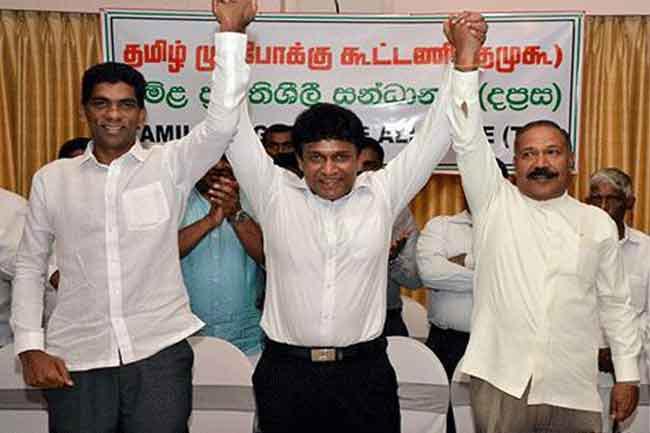
President Anura Kumara Dissanayake has invited the Tamil Progressive Alliance (TPA) for an urgent meeting next week, extending the invitation to TPA Leader Mano Ganesan, MP, during a phone conversation.
According to Barath Arullsamy, Vice President of the Democratic People’s Front (DPF–TPA), the return of queues highlights a growing gap between government assurances and ground realities. “The President told Parliament there is sufficient fuel stock and no need to panic. But today, people are standing in queues again, the QR system is back, and gas shortages are looming,” he said, adding that the issue lies in implementation rather than intent.
He warned that Sri Lanka’s heavy reliance on Middle Eastern energy supplies has left it vulnerable to external shocks, particularly the ongoing Iran–Israel conflict. Nearly 20% of global oil passes through the Strait of Hormuz, while about 38% of Sri Lanka’s petroleum imports are linked to the UAE, he noted.
“The impact is already being felt across multiple sectors,” Arullsamy said, citing research indicating that around 70% of cooking gas and over 20% of fertilizer imports are tied to the Middle East, along with a significant share of remittances and exports. “This is not a distant war. It is now a Sri Lankan economic problem,” he stressed.
He added that daily wage earners, three-wheeler drivers and small businesses are among the hardest hit, as rising fuel costs drive up transport charges and market prices.
On disaster recovery, Arullsamy criticised delays in fulfilling promises made following the December Ditwah disaster. He said that despite assurances of Rs. 5 million per affected family and proper resettlement, many families in Kandy, Nuwara Eliya and Badulla remain in temporary shelters.
Citing available figures, he noted that over 45,000 families are staying with relatives or friends, while more than 1,100 families remain in government-run temporary shelters, with rental assistance yet to be fully delivered.
Turning to the energy sector, Arullsamy also raised concerns over an ongoing coal procurement controversy, warning of a possible electricity tariff increase of around 13%. “The global crisis is one thing, but local mismanagement is making it worse. The government cannot hide behind the Middle East war for everything,” he said.
Describing the current policy approach as inconsistent, he said, “Sri Lankans can handle hard truths. What they cannot handle is being told everything is under control in the morning and standing in queues by evening.”
Despite his criticism, Arullsamy said the President continues to enjoy goodwill among minority communities but cautioned that delays in delivering on promises risk undermining public confidence.