

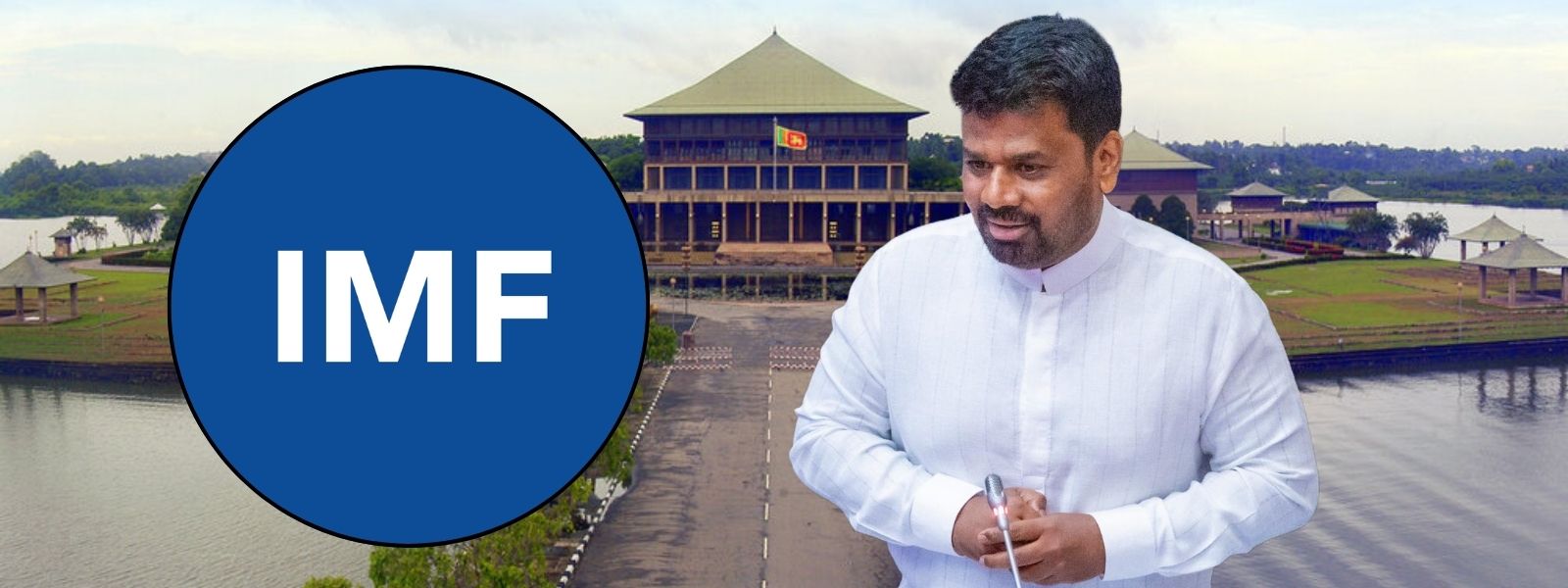
Sri Lanka’s economic recovery faces fresh scrutiny this week, as the International Monetary Fund (IMF) checks whether the government has stuck to tough reform pledges under its USD 2.9 billion bailout — even after winning some breathing room following recent shocks.
A nine-member IMF team, led by Mission Chief Evan Papageorgiou, is in Colombo from 24-30 June for the seventh review of the Extended Fund Facility programme.
The talks cover emergency fiscal measures, customs reforms and a revised Medium-Term Revenue Strategy.
Officials also inspected Sri Lanka Customs to assess digitalisation efforts aimed at boosting transparency and revenue. Wellnessdestination guide
Why it matters:
The review will decide whether Sri Lanka gets its hands on the eighth tranche — roughly USD 335-350 million — strengthening the country’s fragile external finances.
The backdrop:
Sri Lanka’s outlook has darkened. The Middle East conflict and Cyclone Ditwah are pushing up inflation and fuel costs, weakening the current account and denting tourism earnings.
The IMF’s response:
Some flexibility, but with strings attached. A Rs.500 billion supplementary budget will help cyclone-hit families and rebuild damaged infrastructure.
The primary budget surplus target for 2026 has been eased — but Sri Lanka must return to 2.3% of GDP by 2027.
The Fund has been blunt: emergency spending is not a licence for fiscal indiscipline. Officials are combing through mid-year budget data to confirm spending stays within approved limits.
What to watch:
– Debt repayments – Staying current on restructuring obligations remains non-negotiable for restoring investor confidence.
– Money printing – Net monetary financing must stay at zero — no printing money to fund government spending.
– Reserves – The Central Bank must keep building reserves, even as it intervenes to prop up the rupee.
– Anti-corruption – CIABOC needs independent commissioners and proper funding for forensic investigations — still a work in progress.
– State enterprises – Loss-making SOEs remain a drag on the Treasury; the IMF wants visible progress on restructuring or divestment.
The bottom line:
The IMF has handed Colombo some short-term relief. Whether that translates into long-term funding depends on whether the government can show the reform momentum hasn’t stalled.