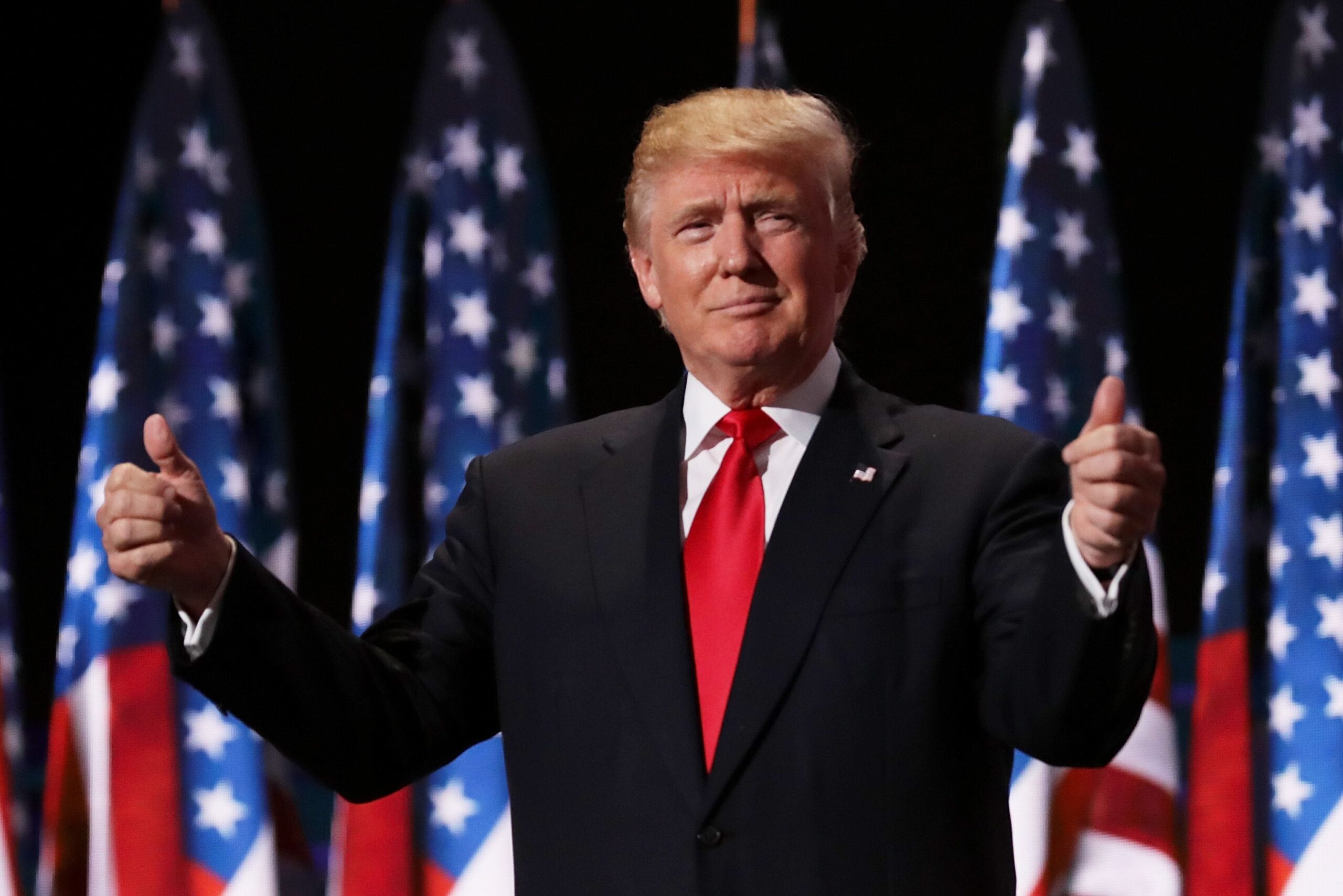
ITAK to take final decision on supporting presidential candidate

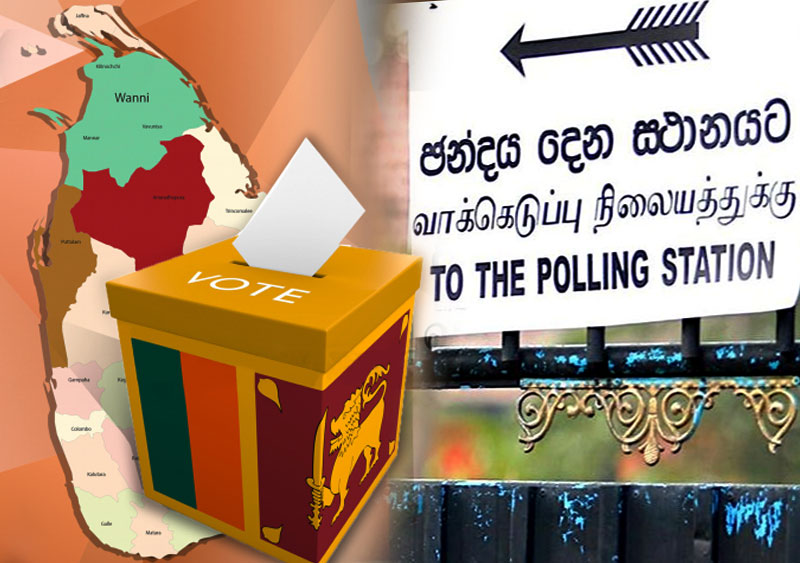
The leader of Ilankai Tamil Arasu Kachchi (ITAK) MP Mavai Senathirajah has stated that the final decision as to which candidate the party will support in the upcoming presidential election will be announced on September 15.

ITAK had initially decided on September 01 to support the presidential candidate of the Samagi Jana Balawegaya-led alliance, Sajith Premadasa, as communicated by ITAK MP M.A. Sumanthiran during a press briefing on the same day. Sumanthiran had pointed out that this decision was reached at the party’s Central Committee meeting.

However, the representatives of ITAK’s Kilinochchi branch had called a special meeting last Monday and reversed their decision to support Sajith Premadasa. They have now unanimously decided to support the Tamil common candidate, P. Ariyanenthiran.

Meanwhile, President Ranil Wickremesinghe had met with ITAK leader Mavai Senathirajah at his residence in Kankasanthurai, Jaffna, on September 07 for a discussion.

Additionally, a special committee meeting of ITAK chaired by Mavai Senathirajah was held in Vavuniya yesterday (10).

Accordingly, it was decided that the final decision as to which presidential candidate the party will support in the presidential election will be announced on September 15, Mavai Senathirajah told Ada Derana.

Posted in Uncategorized

Sri Lanka must implement significant security sector reform – UN human rights chief

As Sri Lanka approaches presidential and parliamentary elections later this year, the newly elected administration must commit to the concrete transformational changes needed to ensure accountability, justice and reconciliation, says the UN Human Rights chief.

The United Nations High Commissioner for Human Rights (OHCHR), Volker Türk, delivered remarks at the Interactive Dialogue on the OHCHR report on Sri Lanka during the UN Human Rights Council session in Geneva on Monday (9), urging Sri Lanka to break from its past and chart a new path forward.

Highlighting concerning trends over the past two years, Türk emphasized the need for the continued attention and support of the international community.

“Two years have passed since mass protests demanded democratic reforms and an end to corruption and the abuse of power. Today, despite promises of a new beginning, those demands remain largely unfulfilled. And while 15 years have passed since the end of the devastating civil war, victims and their families are still waiting for truth, for justice, and for reparation,” he said.

Further, he warned that the persistent sense of impunity hampers progress and perpetuates violations and corruption.

The economic situation in Sri Lanka remains dire, with the poverty rate doubling between 2021 and 2023, forcing many households to make difficult choices between basic needs like food, healthcare, education, and energy, he said.

As Sri Lanka approaches presidential and parliamentary elections later this year, Türk called on the new administration to commit to transformative changes that ensure accountability, justice, and reconciliation.

“Those in power must protect fully the rights to freedom of expression, association, and peaceful assembly prior to, during, and after the upcoming elections. And the international community must support this transformation. It is important for Sri Lanka’s creditors to provide the Government with the fiscal space necessary to realize all human rights, including economic, social, and cultural rights,” he said.

The UN High Commissioner for Human Rights expressed particular concern over new and proposed laws that grant broad powers to security forces and restrict civil liberties.

“One such example, the draft NGOs Registration and Supervision Bill, has a range of problematic provisions – including broad discretion given to authorities to deny registration of civil society organisations – which carry major risks threatening civic space.”

He further said that reports of persistent harassment, surveillance, and intimidation of journalists, civil society actors, victims and human rights defenders are unacceptable.

Türk highlighted the absence of accountability for both past and present violations, noting a lack of progress in emblematic cases such as the 2006 massacres of humanitarian workers in Muttur, the killing of five Tamil students in Trincomalee, and the murder of journalist Lasantha Wickrematunge in 2009.

Additionally, the criminal investigation into the 2019 Easter Sunday bombings has seen limited advancement. Türk pointed out that individuals allegedly responsible for gross violations continue to be appointed to senior positions, further entrenching impunity.

Addressing enforced disappearances, the High Commissioner lamented that the fate and whereabouts of tens of thousands of people remain unknown, leaving their families in anguish.

He stressed that acknowledging past violations, the state’s responsibility, and the legacy of these atrocities is crucial for rebuilding trust and addressing polarization in Sri Lanka.

“This must change, and that would start with a formal acknowledgement of the serious violations that occurred during the war, of the responsibility of the State and security forces for the conduct of their own personnel, and of the legacy of those atrocities for victims and communities. A clear, public change of narrative along these lines would help to re-establish trust in the authorities and begin to address the deep polarization in the country,” he said.

A public change in narrative would support processes of truth, reconciliation, and healing, ultimately helping to rebuild the social contract.

Further, Türk underscored the broader implications of failing to address past violations, noting that the lack of accountability for international crimes can renew old conflicts and sow seeds for future unrest.

He stated that without accountability, the cycle of violence will continue. However, he offered hope, suggesting that a path paved with justice and accountability could lead to healing, reconciliation, and peace.

He urged Sri Lanka to pursue an inclusive national vision that addresses the root causes of conflict and undertakes fundamental reforms to strengthen democracy and advance accountability and reconciliation.

Türk called on the Sri Lankan government to implement significant security sector reforms and hold accountable those implicated in serious violations. He also urged the government to take immediate steps to prevent future human rights violations.

“The Government must implement significant security sector reform – including holding to account those individuals implicated in serious violations. And it must take immediate steps to prevent human rights violations.”

He assured that the Office of the High Commissioner for Human Rights stands ready to support Sri Lanka on its journey toward change, reflecting the voices of Sri Lankans from all communities who desire progress.

“My Office is not here to point the finger, but to lend a hand. We are reflecting what Sri Lankans from all communities are telling us. They want change, and my Office is ready to support Sri Lanka on that journey. In the meantime, it is important for this Council and UN Member States to continue to address the accountability gap in Sri Lanka – including by supporting the work of my Office.”

Türk emphasized the role of the Human Rights Council and UN Member States in closing the accountability gap in Sri Lanka. He encouraged States to take action through their domestic systems and international forums to support meaningful accountability and reconciliation in Sri Lanka.

The High Commissioner concluded by acknowledging the prolonged distress experienced by Sri Lankan communities and stressed that it is time to bring closure to the past, break the destructive cycle of violence, and begin an inclusive journey toward a just and sustainable future for all Sri Lankans.

EU concerned over lack of progress on accountability and truth in Sri Lanka

During the 57th session of the Human Rights Council’s interactive dialogue on the OHCHR report on Sri Lanka, the European Union (EU) delivered a statement welcoming the report on the human rights situation in the country.

“The EU recognizes the challenges the country has addressed over these past two years, especially with regard to the financial crisis of 2022. We welcome the efforts underway to prepare for fair and democratic presidential elections on September 21st, and stand ready to support the process through an EU election observation mission,” EU said in a statement.

While recognizing the planned establishment of the “Commission for Truth, Unity and Reconciliation,” the EU expressed a desire for a clearer understanding of its work. The EU said it remains concerned about the lack of progress on accountability and truth.

Additionally, it highlighted the importance of preserving civic space and stated that it would closely monitor the implementation and impact of new and proposed laws, including the “Anti-Terrorism Bill” and the “Online Safety Bill,” with particular regard to freedom of opinion and expression.

The EU urged Sri Lanka to uphold freedom of opinion and expression, ensure full space for civil society engagement, and advance efforts in accountability and reconciliation. The EU also wished Sri Lanka peaceful and democratic elections.

In closing, the EU questioned the High Commissioner or Deputy High Commissioner on what actions are necessary to ensure the success of the “Commission for Truth, Unity and Reconciliation” in promoting accountability and reconciliation in the country.

China Defends Sri Lanka Against UNHRC’s Politicized Resolution

China has commended Sri Lanka’s efforts to promote and protect human rights during a recent session.

It representative to the UNHRC criticized a Human Rights Council resolution, which calls for an evidence collection and accountability mechanism, arguing that it disregards Sri Lanka’s efforts and achievements.

Li Xiaomei, Minister-Counsellor at the Permanent Mission of China to the UN in Geneva highlighted Sri Lanka’s establishment of the Truth and Reconciliation Committee, cooperation with human rights mechanisms, anti-terrorism measures, protection of vulnerable groups, economic recovery initiatives, and improvements in living standards.

“China appreciates Sri Lanka’s efforts to promote and protect human rights,” Li stated. She reaffirmed China’s steadfast support for Sri Lanka in maintaining political stability, focusing on economic construction, achieving national independence, and fostering sustainable development.

Li emphasized China’s advocacy for addressing human rights differences through dialogue and cooperation, opposing the politicization of human rights issues.

She criticized Human Rights Council Resolution 51/1, which calls for an evidence collection and accountability mechanism, arguing that it disregards Sri Lanka’s efforts and achievements, the will of its people, and interferes in the country’s internal affairs under the guise of human rights.

“This is a typical case in point of politicisation of human rights issues,” Li remarked. She urged other countries to respect Sri Lanka’s independently chosen path of human rights development, abandon practices of interference and political pressure, and return to dialogue and cooperation.

India Highlights implementation of the 13th Amendment ,along with holding Provincial Council elections at UNHRC

At the 57th session of the UN Human Rights Council in Geneva, Indian Counsellor Gaurav Kumar Thakur highlighted that Sri Lanka’s upcoming elections are crucial for advancing national reconciliation. Thakur reiterated India’s ongoing support for Sri Lanka’s recovery efforts, including over USD 4 billion in aid provided in 2022 to address economic challenges and support debt restructuring.

Thakur underscored India’s commitment to Sri Lanka’s relief, rehabilitation, resettlement, and reconstruction since 2009. He stressed the importance of addressing the aspirations of the Sri Lankan Tamil community and urged the implementation of the 13th Amendment to the Constitution, along with holding Provincial Council elections.

Posted in Uncategorized

US Urges Sri Lanka to Address Torture and Land Grabs

At the 54th session of the Human Rights Council, U.S. Ambassador Michéle Taylor praised Sri Lanka’s progress in women’s empowerment and economic recovery. However, she urged the Sri Lankan government to enhance transparency in its anti-corruption efforts and sustainable development initiatives.

Posted in Uncategorized

Sri Lanka debt tumbles as investors see rising political risk – report

A selloff in Sri Lanka dollar bonds intensified on Monday (Sep 9) as investors reduced their country exposure over rising political uncertainties before elections later this month.

The country’s dollar bonds due in 2030 fell 3 US cents on the dollar to 49.9 US cents, the lowest level since February, extending their decline from their peak this year to about 15 per cent. Notes due in 2027 dropped more than 1 US cent to 49.6 US cents.

Market pressure has intensified before elections on September 21 as investors worry that a shakeup in leadership could upset debt talks that have stalled near the finish line. Opposition leaders have said they would look to renegotiate the terms of Sri Lanka’s programme with the International Monetary Fund.

“It is looking probable that Sri Lanka will need to further refine the terms of the deal agreed with bondholders” and will struggle to do so before the election, said Eng Tat Low, an emerging-market sovereign analyst at Columbia Threadneedle Investment. “Whilst I expect volatility to persist, the sharp selloff we have seen over the past few sessions may attract some ‘bargain hunting’ activities.”

Anura Kumara Dissanayake, popularly known as AKD, leads the National People’s Power, a coalition of leftist political parties and groups backed by protesters who ousted the Rajapaksa government in 2022. He is campaigning on a platform of clean governance and eliminating corruption and has vowed to reopen negotiations with the IMF. His party opposes the debt restructuring framework agreed with the multilateral lender.

Dissanayake emerged as a key challenger to incumbent President Ranil Wickremesinghe, who remains unpopular for carrying out austerity measures in exchange for an IMF bailout.

“I think investors are adjusting position ahead of the election,” said Eric Fang, fund manager at Eastspring Investments in Singapore. “We think any big price correction present an opportunity to buy as the sovereign is on a recovery path and the debt deal presents a fair outcome for both issuer and investors.”

Source: BLOOMBERG

Nagapattinam-SL ferry service adds Saturday

It was revealed that the passenger ferry service between Nagapattinam in Tamil Nadu and Kankesanthurai in Sri Lanka was increased by one more day in a week.

The service, which was reduced to three days a week due to lower-than-expected bookings, will now be operated on Saturdays, from 21 September onwards.

The ferry service, which resumed on 16 August with the new vessel ‘Sivagangai’, initially operated daily.

However, passenger demand prompted the company to reduce the frequency to thrice weekly, running on Tuesdays, Thursdays, and Sundays, with this schedule maintained until 15 September.

The addition of the extra weekly sailing is part of IndSri’s efforts to better serve the growing demand for cross-border travel between India and Sri Lanka.

UNHRC to Address Sri Lanka Report Today (9)

The 57th session of the United Nations Human Rights Council is set to commence on Monday, September 9, in Geneva.

This session will feature a significant discussion on the report concerning Sri Lanka, prepared by the Office of the High Commissioner for Human Rights (OHCHR).

According to the official website of the United Nations Human Rights Council (UNHRC), the report on Sri Lanka will be taken up for discussion on the opening day.

In a recent report, the UN Human Rights Office has called on Sri Lanka’s creditors to provide the Government with the fiscal space needed to realize economic, social, and cultural rights.

UN Human Rights Chief Volker Türk in a new report said that economic policy decisions must align with Sri Lanka’s international human rights obligations.

He added that the ongoing effects of the 2022 economic crisis and subsequent austerity measures have particularly impacted the poor, especially women.

A report issued by the UN Human Rights Office has also identified renewed threats to fundamental freedoms in Sri Lanka, highlighting new or proposed regressive laws, erosion of democratic checks and balances, ongoing threats and intimidation against civil society and journalists, and the recurrence of serious human rights violations from the past.

UN Human Rights Chief Volker Türk emphasized the importance of the upcoming presidential and parliamentary elections as an opportunity for Sri Lanka to recommit to the transformational changes demanded by a broad cross-section of its citizens, including accountability and reconciliation.

The report points to several laws and bills introduced by the Government since 2023, which grant security forces broad powers and significantly expand restrictions on freedoms of expression, opinion, and association.

This trend is particularly concerning during the pre-election period, Türk noted.

Despite a promised moratorium, authorities have continued to use the Prevention of Terrorism Act to arrest and detain individuals. The report highlights recent cases of arbitrary arrests, detentions, torture, and deaths in custody.

Impunity and lack of accountability for crimes committed during and after the civil war, which ended in 2009, persist. Türk urged the newly elected Government to address the root causes of conflict and undertake fundamental constitutional and institutional reforms to close the accountability gap and work towards reconciliation.

The report also describes a long-standing pattern of intimidation and harassment of journalists and civil society actors, especially those working on enforced disappearances, land disputes, and environmental issues. Families of the forcibly disappeared face intimidation, arrest, and surveillance by security services in their attempts to seek the truth or commemorate their loved ones.

Türk emphasized that crimes and violations committed during and after the civil war, including the 2019 Easter Sunday bombings, must not go unpunished. He called for thorough investigations and accountability for those responsible.

In the absence of the Sri Lankan State’s willingness or ability to prosecute and punish perpetrators, the report urges the international community to pursue complementary strategies to support accountability in Sri Lanka. These strategies include the use of extraterritorial and universal jurisdiction, targeted sanctions against credibly alleged perpetrators, and other measures consistent with international law.

Posted in Uncategorized

Schools to Close for Election Preparation

The Ministry of Education has announced that schools will close temporarily to support the upcoming election.

The Election Commission has informed the ministry that schools designated as polling centers will be prepared on the 19th and 20th of this month, after the Grade 5 scholarship examination.

The Ministry had previously indicated it would accommodate the Commission’s request by granting holidays to the affected schools to facilitate the preparation of counting centers and ensure a smooth electoral process.