India grants USD 61.5 million to develop KKS Port

The Indian Government has agreed to provide a grant of USD 61.5 million to fully develop the Kankesanthurai (KKS) Port.

This was revealed during a recent meeting between Ports, Shipping, and Aviation Minister Nimal Siripala de Silva and Indian High Commissioner to Sri Lanka, Santosh Jha.

As part of the project, a new breakwater will be constructed and the port will be dredged to a depth of 30 metres to accommodate deep-draft vessels.

During the discussion, the Indian High Commissioner expressed India’s commitment to enhancing regional cooperation between the two nations and pledged the fullest assistance to attract more Indian tourists to Sri Lanka. He also stated that the Indian government has designated Sri Lanka as the top travel destination for Indian tourists.

In response, the Minister conveyed gratitude on behalf of the Sri Lankan Government and his Ministry for the support provided by the Indian Government in the fields of aviation and shipping. He particularly praised the commencement of flights between Chennai and Jaffna.

Furthermore, the Minister mentioned the construction of a new terminal costing Rs. 600 million at the KKS port to cater to the convenience of Indian tourists. He highlighted that over the past nine months, a significant number of Indian tourists have visited the island.

The Minister stressed to the Indian High Commissioner that the USD 61.5 million grant will be utilized for the swift implementation of development projects at the KKS port.

Posted in Uncategorized

Cabinet approval to draft laws to amend Sri Lanka’s electoral system

The Cabinet of Ministers have approved a proposal to draft the necessary laws to amend the electoral system to elect 160 Members of Parliament directly from the voters of the respective constituencies, also known as the First-Past-the-Post (FPTP) system, and for the remaining 65 MPs to be elected according to the proportional voting system at the national or provincial level.

The need to revise the current electoral system has been identified in order to meet the objectives of the Election Expenses Regulation Act No. 3 of 2023 and to achieve a fully democratic election, the Government Information Department said.

Accordingly, a Cabinet sub-committee was appointed to ask the views of all party leaders and other relevant parties representing the Parliament and submit a report to the Cabinet with relevant recommendations.

Suggestions have been presented to the committee to elect 160 Members of Parliament directly from the voters of the respective constituencies and the remaining 65 Members of Parliament to be elected at the national or provincial level according to the proportional voting system and the agreement of the majority has been received for this, the statement said.

Accordingly, the Cabinet of Ministers approved the proposal submitted by the Minister of Justice, Prison Affairs and Constitutional Reforms to advise the Legal Draftsman to draft the necessary laws taking into account the recommendations made by the committee appointed under the chairmanship of the Prime Minister to amend the electoral system.

Japanese Ambassador meets Anura Kumara, discusses upcoming Presidential election

Japanese Ambassador to Sri Lanka Mizukoshi Hideaki met NPP leader Anura Kumara Dissanayake at the JVP head office this morning.

Deputy Head of the Japanese Embassy Katsuki Kotaro and the Second Secretary Imai Kaori also attended the meeting.

NPP MP Vijitha Herath also participated in the discussion.

Both sides discussed the current economic crisis and the political situation in Sri Lanka at length, and attention was also paid to the upcoming Presidential election.

The NPP explained its position regarding the intervention of the International Monetary Fund (IMF) to the Japanese diplomatic representatives, and the Japanese delegation emphasized Japan’s readiness to continue investing in Sri Lanka.

China protests against Sri Lanka allowing German research ship amid 1-year ban: sources

Chinese Embassy in Colombo has raised strong protest against a move by Sri Lanka to allow a German research vessel for a port call, diplomatic and government sources said, amid a one year ban on foreign research vessels.

The protest comes after Sri Lankan authorities turned down a Beijing request for a research vessel in February. It was not immediately clear how the German research ship got the approval under the ban.

President Ranil Wickremesinghe’s government has temporarily halted foreign research ships after strong security concerns raised by neighbour India and the United States after the visit of two Chinese research vessels last year.

The government’s one-year ban came into effect ahead of upcoming presidential polls in the second half of 2024.

“China has protested on allowing the German research vessel. China would not have bothered about the matter if the decision was taken by Sri Lankan government on all the foreign vessels,” a diplomat from an Asian country, who is aware of the protest, told EconomyNext.

Another government source confirmed the visit of German research vessel and said China also might seek similar port call since Colombo now has allowed the Berlin vessel.

Sri Lanka’s Foreign Ministry officials and Chinese Embassy in Colombo could not be reached for a comment on the protest by the Embassy.

When the ban was announced, Sri Lanka’s Foreign Ministry individually conveyed to the countries which had been sending foreign vessels to Sri Lanka in the last decade.

However, the government failed to specifically its stance on requests for replenishment or crew change for foreign research vessels, the government official said.

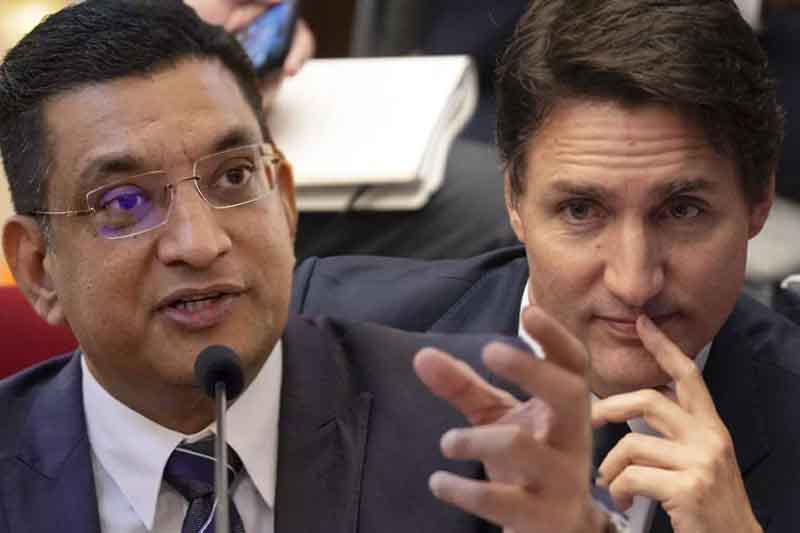
Foreign Minister Ali Sabry in December said the government has introduced a SOP (Standard Operation Procedure) for foreign research vessels and all other vessels circulated among the countries which have sent their military vessels during the last 10 years.

Two Chinese research ships were allowed to dock in Sri Lanka ports within 14 months with one called for replenishment and the other for research.

Chinese research ship Shi Yan 6 arrived in Sri Lanka in October 2023 and docked in Colombo port, for what Beijing citing was for “geophysical scientific research” in collaboration with the island nation’s National Aquatic Resources Research and Development Agency (NARA).

Both drew strong Indian protests citing security concerns in the Indian Ocean.

India uses the Colombo port as its main transshipment hub and accounts for around 70 percent of the total transshipment volume of the port.

In August 2022, Chinese navy vessel Yuan Wang 5 docked at Hambantota in southern Sri Lanka for replenishment.

Chinese protest also comes ahead of Prime Minister Dinesh Gunawardena’s official visit to Beijing on March 25 to discuss a raft of bilateral issues.

Posted in Uncategorized

India, Japan, China to help develop North

Fisheries Minister Douglas Devananda announced that countries such as India, China and Japan have pledged substantial financial assistance totalling over Rs 4,900 million to develop the Northern Province.

Minister Devananda assured that these funds would be utilised efficiently to implement planned development projects, ensuring benefits for all residents regardless of political affiliations.

He credited the timely and prudent actions of the government, led by President Ranil Wickremesinghe, for steering the country’s collapsed economy towards recovery by systematically addressing various challenges.

Due to favorable diplomatic relations, the Chinese Government has agreed to provide Rs 1,500 million for development projects in the Northern Province. Of this, Rs 500 million will be allocated for provincial relief efforts, while another Rs 500 million will be used to equip fishermen with necessary gear, including fishing nets.

Devananda anticipates the signing of this grant agreement during Prime Minister Dinesh Gunawardena’s upcoming visit to China on 22 March.

Additionally, the Indian Government has committed Rs 3,000 million for marine research and large-scale fish breeding initiatives.

Meanwhile, the Japanese Government has agreed to provide Rs 415 million for various improvements benefiting the people of Sri Lanka, Devananda said.

Posted in Uncategorized

Sri Lanka president told cabinet he’ll contest election: UNP gen secy

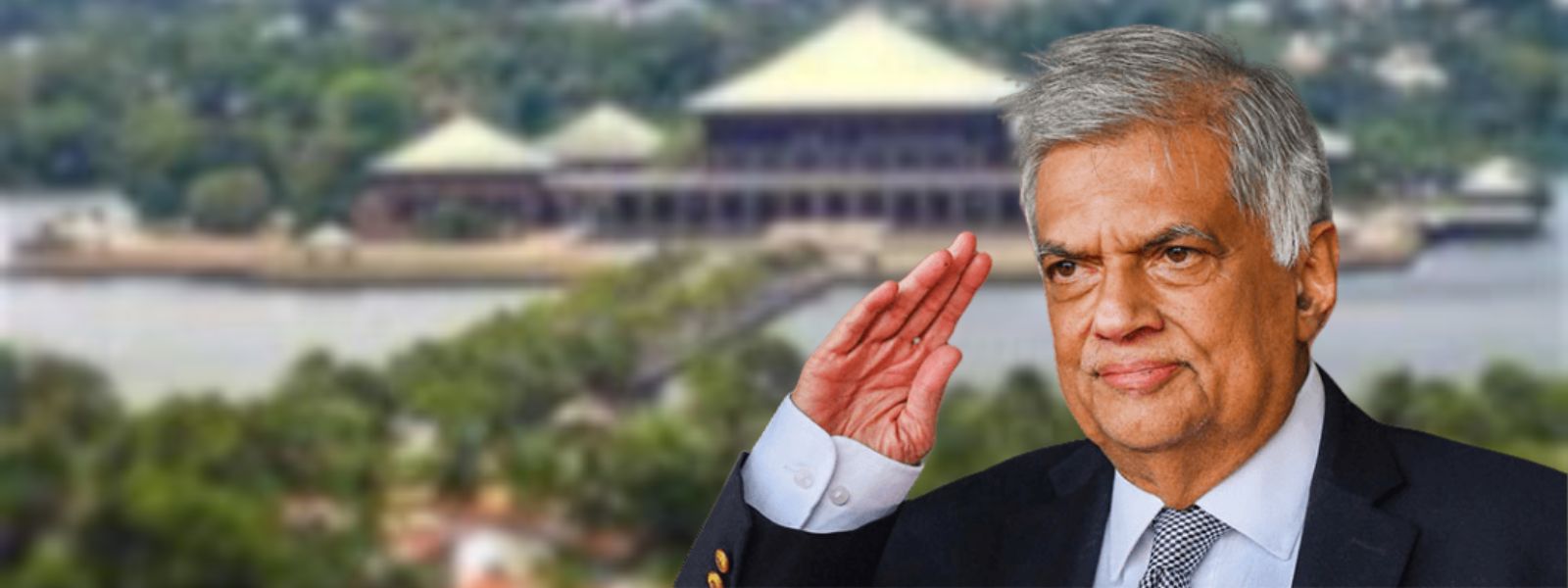
Sri Lanka President Ranil Wickremesinghe has informed the cabinet of ministers that he intends to contest the presidential election, United National Party (UNP) general secretary Palitha Range Bandara said.

The former parliamentarian told a television talk show on the privately owned Swarnavahani on Monday March 18 that Wickremesinghe will contest the election, not from the UNP, but as a neutral candidate. Bandara was ostensibly referring to a grand alliance that has been speculated to be formed under the UNP leadership.

President Wickremesinghe, however, has yet to officially announce his candidacy. At what had all the appearance of a campaign launch event held on March 10, he did not explicitly express his intention to run.

Pressed by the interviewer, Bandara said: “If he hasn’t said anything, why would we go around the country and organise?”

“He told the cabinet. He said today too. He has said which election would be held and that he’d be running,” he said.

The UNP general secretary claimed that there was a “national expectation” that Sri Lanka can only be salvaged under Wickremesinghe’s leadership.

“So he will contest at the next election.”

Pressed again on when an official announcement from Wickremesinghe himself can be expected, Bandara said: “There’s nothing to announce. It’ll be seen when it happens. ”

“Mr Wickremesinghe is the candidate. The person who will win and become next president is also Wickremesinghe. What more is there to say? Do you not trust what I say?”

But Wickremesinghe hasn’t yet said definitively that he intends to contest the election. Government spokesmen have also alluded to proposals of abolishing the executive presidency this year, which would effectively render the prospects of a presidential election null and void.

Meanwhile, Sri Lanka Podujana Peramuna (SLPP) national organiser Basil Rajapaksa has proposed that parliamentary elections be held first.

Dilemmas of Lankan political parties in facing the Presidential election By Veeragathy Thanabalasingham

Sri Lanka has so far witnessed eight Presidential elections. But in no previous election have we seen the kind of confusion prevailing among the main political parties in the run-up to a Presidential election.

President Ranil Wickremesinghe has not yet announced his candidacy, though the election is only six months away. He cannot think of entering the fray relying only on his United National Party (UNP).

After the three decades of Wickremesinghe’s leadership, the UNP is now at its weakest in its history. Wickremesinghe believes that his popularity among the people is gradually increasing as a result of the economic restructuring programme being carried out by his government with the help of the International Monetary Fund(IMF).

Moves by the President to forge a grand alliance ahead of his bid for the Presidency have not seen significant progress so far. He is relying entirely on a section of the Sri Lanka Podujana Peramuna (SLPP ) parliamentarians who defected from the Rajapaksas after the popular uprising the Aragalaya.

At the same time, the President is having talks with Rajapaksas also. It was reported that during their talks last week SLPP leaders Mahinda Rajapaksa and Basil Rajapaksa were unable to take a final decision on forming an alliance. The Rajapaksa brothers are said to have vehemently objected to the President approaching the ministers and MPs of their party bypassing the leadership.

The Rajapaksas, who are not ready to understand the current extent of their support among the people, do believe that their party has the capacity to decide the future of Sri Lanka. They say whoever gets their support will become the next President.

As for the Rajapaksas, they must either come to power or ensure that someone who does not hold them accountable for the past mistakes comes to power.

Although it is widely believed that President Wickramasinghe will contest the presidential election with the support of the Rajapaksas, it cannot be said that their support will be of great benefit to him either. But both sides almost have no choice but to support each other.

On the other hand, as far as Wickramasinghe is concerned, he always has the option of avoiding contesting if he finds that there is no conducive situation for his victory.

The Janata Vimukti Peramuna (JVP)-led National People’s Power ( NPP ), which is said to be at the forefront of popular support in the South has been carrying out its campaign with great enthusiasm and conviction. Important foreign powers are also paying attention to its leader, Anura Kumara Dissanayake, who is seen as a front-runner for the Presidency. NPP leaders are talking about their future government’s plans as if they are forming the next government.

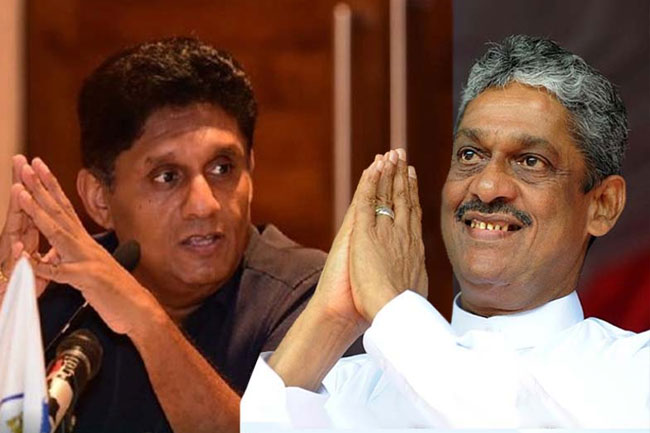
There is confusion within the Samagi Jana Balawegaya (United People’s Power – SJB) led by opposition leader Sajith Premadasa also. He is unable to keep many MPs of the party including chairman Sarath Fonseka who has been openly critical of him under his control.

Premadasa seems to be imitating the NPP in several political strategies, including inducting ex-army and police officers into the party and mobilizing women’s support across the country.

Though President Wickremesinghe has not yet announced his candidacy, it is widely expected that the Presidential election will be a three-way contest between him, Anura Kumara and Premadasa.

Candidates from many other parties are also likely to contest the election. It is noteworthy that as many as 35 candidates contested the 2019 presidential election.

Former President Maithripala Sirisena, the leader of the Sri Lanka Freedom Party (SLFP), had earlier announced that he would also contest the Presidential election. But he hasn’t been talking about it in recent weeks.

The President of the United Republic Front (URF ) Champika Ranawaka has been meeting leaders of various parties including the President with his policy plan. He even said that he was ready to consider contesting as a common candidate if he was approached. It is unlikely that anyone will be fielded as common candidate of the opposition this time.

It is reported that many SLPP MPs want parliamentary elections to be held before the Presidential election. Basil Rajapaksa said in a television interview last week that people do not vote rationally when a parliamentary election is held after the Presidential election and if the parliamentary election is held first, there is a better chance for a balanced parliament.

This is a strange argument. When almost all the recent opinion polls showed clearly that it is impossible for any party to get an absolute majority in the next parliamentary elections, one is at a loss to understand as on what basis Basil Rajapaksa says that a strong government can be formed if the parliamentary elections are held before the Presidential one.

The President currently has the power to dissolve Parliament at any time. But it is not clear whether he would like to dissolve Parliament at the moment. A motion requesting the President to dissolve Parliament can be passed with a two-thirds majority. But with the ruling party lacking a two-thirds majority it is certain that the opposition will not support such a motion. Those parties are firm in their stance that the Presidential election should be held first.

Common Tamil Candidate

Meanwhile, an idea of fielding a Tamil common candidate has been floated in the Northern Province.

The leaders of the Democratic Tamil National Alliance, comprising five Tamil parties, have agreed in principle on the need for a Tamil common candidate. Politicians and observers have already commented on its pros and cons.

Even as 15 years have passed since the end of the civil war, the numerous humanitarian problems resulting from the conflict and the national ethnic problem have not been resolved. The argument presented to justify the idea of a Tamil common candidate is that the Presidential election should be used as a referendum in the Tamil North and East to tell the Sinhala South and the world about the current stance of the Tamil people regarding a solution to their problems.

A civil society organisation called ‘Makkal Manu’ (People’s Petition) has taken the initiative to take this idea among the Tamil people. Last week this organisation arranged a public seminar at Thanthai Chelva Art Gallery in Jaffna under the topic of ‘How to face the Presidential election?’.

Apart from the three political analysts who were invited to address the gathering, leaders of some Tamil parties also presented their views in this regard.

Since the Tamil people of the North and East have so far voted in Presidential elections mostly with the intention of defeating the Southern candidates they despised, the essence of the speeches of the analysts at the seminar was that the Tamil people should abandon the behaviour of voting in this way and treat it as a referendum using their votes to tell their present predicament to the world.

It was argued that the person who can be nominated as a common candidate should have no personal political ambitions. He should be an eminent figure in the society who enjoys the respect of the Tamil people of both provinces. That is, he will only be a symbol that will be used to tell the world about the political aspirations of the Tamil people today. It may be very difficult to find such a person in the Tamil community in the present context.

It cannot be expected that the Tamil people will be able to decide for themselves how to advance the next phase of their struggle for political rights or what kind of political solution to the ethnic problem should be found in the new internal and international political climate.

It requires a visionary political leadership with clarity of thought. It should have learnt proper lessons from past experiences. Such a leadership is absent among the Tamil people today.

While the Tamil polity is severely fragmented into various parties and groups with their leaders having different agendas, it should be understood that today’s Northern and Eastern Tamil community does not possess any characteristics of being a society that has gone through a three-decade of liberation struggle marked by great sacrifices.

Before thinking about a Tamil common candidate, the Tamil parties should come to a unified stance on the ways to find solutions to the immediate problems faced by the Tamil people and also on the short-term and long-term political solutions to the national problem.

Some Tamil politicians with extremist views have demanded for a long time that a referendum should be held to know the present opinion of the Tamil people regarding the national problem without a proper understanding of the exercise. There are those who asked that the referendum should include the Tamil Diaspora as well, but nobody heeded that.

In the end, the idea has been put forwarded that the Tamils themselves should think of the Presidential election as a referendum in the North and East.

The leaders of the Tamil United Liberation Front (TULF ) who put forward the demand for a separate state, used the July 1977 parliamentary elections to claim a mandate of the Tamil people and captured 18 seats in the North and East. Appapillai Amirthalingam became the Leader of the Opposition in Parliament and made history as the first ever Opposition Leader from the Tamil community. History tells us what Tamil leaders could achieve with such a “mandate”.

In the absence of a clear unified stance by the Tamil parties to guide the Tamil people in a prudent way the attempt to field a Tamil common candidate would not only become a political farce but render the votes of the Tamil people meaningless. It will create the risk of undermining the legitimate political aspirations of the Tamil people.

Posted in Uncategorized

SJB is a party committed to furthering Buddhism – Sajith

Sajith Premadasa has described the SJB as a party committed to furthering Buddhism.

It should be looked into if the foremost place given to Buddhism from the constitution is a reality today, he said.

Premadasa was addressing an advisory council of monks for a disciplined society in Kalutara yesterday (16).

He promised to introduce a foster scheme for the country’s temples to rescue them from dependence on politicians.

Report to UNHRC against Deshabandu

Extrajudicial killings and tortures by police and prison authorities in Sri Lanka have been alleged in a report submitted to the UN Human Rights Council.

A prisoner rights group, Committee for Protecting Rights of Prisoners, has handed it over, along with another relating the appointment of a person sentenced by courts as the police chief.

Head of CPRP Sudesh Nandimal Silva has issued a video statement from Geneva about the handover of the reports.

UNP Counters SLPP’s Call for Early Parliamentary Election, Advocates Adherence to Constitution

The Sri Lanka Podujana Peramuna (SLPP) advocating for an early parliamentary election, the United National Party (UNP) has issued a rebuttal, emphasizing the need to adhere to constitutional protocols.

UNP General Secretary Palitha Range Bandara asserted that conducting the presidential election first aligns with constitutional precedence. He highlighted the importance of upholding the Constitution to avoid past instances of civil unrest and government instability. Bandara specified the timeframe for the presidential poll as stipulated in the Constitution, advocating for discipline and transparency in the electoral process. He cautioned against catering to opportunistic individuals, whom he referred to as “jumping fish,” who seek to exploit political shifts for personal gain.

Additionally, the Samagi Jana Balawegaya (SJB) expressed readiness for either major election but acknowledged the division within the government caused by the call for an early parliamentary election. SLPP member Basil Rajapaksa’s suggestion for a general election preceding the presidential election was described as merely an idea by him.