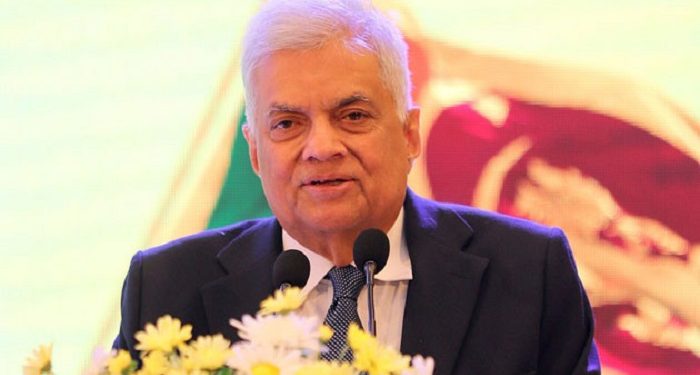
President Ranil Wickremesinghe underscored the imperative to fortify the nation’s economy, ensuring that forthcoming generations are spared from enduring the unfortunate period that both the country and its people have weathered in the past two years.
These remarks were made during his participation in the 150th Anniversary celebration of St. Thomas College in Matale today (13 Aug).
President Wickremesinghe highlighted that resolving the country’s economic challenges goes beyond the success of the debt optimization programme, and emphasised the need to promptly initiate an economy-building strategy guided by sound decisions.
He cautioned that failure to proactively adopt a new program would inevitably result in the country facing another economic hurdle within a decade.
The President expressed his vision of propelling the country forward through comprehensive modernization. To achieve this, he announced the establishment of the Technology Promotion Council and the Digital Transformation Commission, aimed at accelerating the nation’s digital evolution.
In an unprecedented event, President Wickremesinghe visited St. Thomas College in Matale, unveiling a commemorative plaque that marked the institution’s 150th Anniversary. He also graciously posed for a group photograph with the Alumni Association.
During the same occasion, the President also conferred certificates upon students who secured the top position in the district during the general education certificate examination.
Following is the speech delivered by President Ranil Wickremesinghe at this event;
It has been a century and a half since the inception of St. Thomas College in Matale. During its establishment, the country relied on a plantation-based economy with a significant focus on coffee cultivation. However, within a few years, the coffee industry collapsed, causing a severe economic downturn and depriving the government of its revenue stream. The economy struggled until the introduction of tea and rubber cultivation, which revitalized the nation’s financial standing.
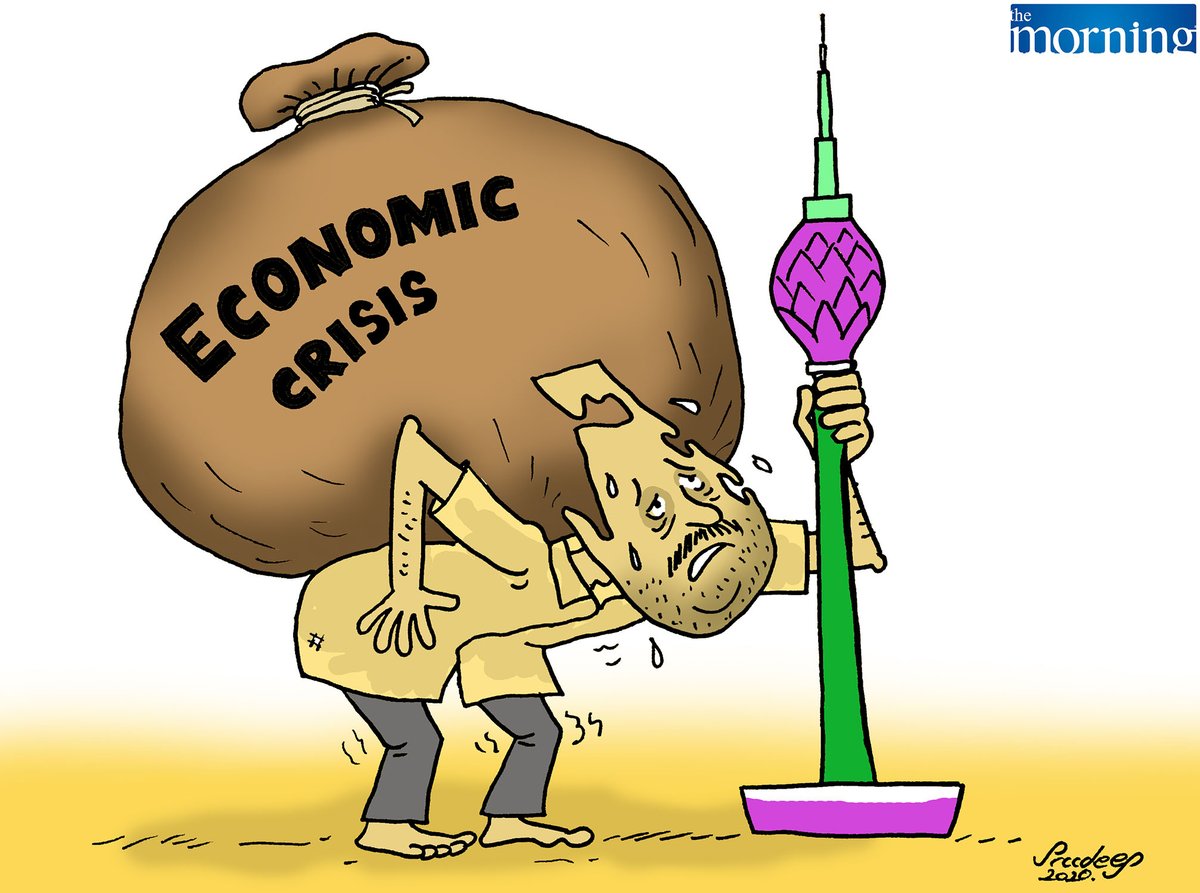
As the 150th Anniversary of St. Thomas College in Matale is commemorated today, the country finds itself grappling with an ongoing economic crisis. The previous year’s economic turmoil left deep impacts on the nation’s economic, social, and political landscapes. During that period, the prospect of recovery seemed bleak. A poignant example of this was the lack of volunteers to assume the role of Prime Minister after Mr. Mahinda Rajapaksa’s resignation. Typically, such vacancies are eagerly pursued, but in this case, no one stepped forward.
Taking up the mantle of the presidency, I assumed responsibility, formed a cabinet, and embarked on finding both short-term and long-term solutions to address the economic crisis. Through decisive actions, we managed to eliminate the prevalent queues that had become emblematic of the nation’s struggles. The outcomes of our government’s decisions in September, January, and April of the previous year have been embraced positively by the populace.
As this year draws to a close, we hold the belief that our nation can overcome bankruptcy by successfully executing the credit appreciation program. Achieving this necessitates stringent control over public expenditures and a shift toward a more productive economy. We have already begun implementing these measures. However, it is essential to recognize that while our current endeavours may alleviate the “bankrupt” label unless further steps are taken promptly, we risk facing the same fate within a decade.
Consequently, the government’s course must be charted anew, underpinned by a revamped system. Sound financial discipline should guide our governance approach, extracting maximal benefits from each government institution. Initiatives to trim superfluous expenses within ministries are in the pipeline. Moreover, an inventory of government-owned land, buildings, and vehicles is being compiled under the Prime Minister’s Secretary’s leadership, with expectations of its completion by year-end.
The proposed measures for domestic debt optimization have been successfully passed in the Parliament, despite attempts to hinder the process through legal channels.
The EPF has introduced a draft law aimed at providing a 9% interest rate to all members, and this initiative is currently in progress. Consequently, there are no grounds to impede the advancement of this program. As stipulated in Article 04 of the Constitution, financial authority rests with the Parliament, thereby vesting it with the responsibility and competence to execute these actions. All legal cases related to this matter have been dismissed by the Supreme Court.
Upon the completion of the debt optimization endeavour, our focus should shift to the effective implementation of the subsequent economic program. Presently, there is a significant exodus of individuals from our nation. The departure of skilled experts and professionals has created a substantial void that cannot be easily filled. It is essential to reaffirm our commitment to establishing a robust economic foundation conducive to the well-being of all citizens.
Challenges confront our country today, primarily driven by insufficient government revenue and a trade imbalance skewed towards higher import costs relative to exports. A reliance on daily credit is not a sustainable solution.
Once the debt consolidation process concludes, the same question emerges anew. We must proactively address this concern by bolstering our Gross Domestic Product (GDP) at a rapid pace, as an increased GDP directly translates to heightened national income.
Parallelly, we must intensify our efforts in the realm of exports. A comprehensive strategy for this endeavour should be formulated within the next decade.
In the current landscape, conventional political slogans have lost their relevance, even within both ruling and opposition parties. Instead, it is imperative to assess the country’s challenges and forge ahead with practical solutions. If the proposed solutions fail to gain traction, alternatives should be presented to address the issues at hand.
To propel the nation’s economic development, an annual influx of at least one billion dollars in foreign exchange is essential. The initial step toward achieving this goal involves augmenting foreign exchange inflows from existing sectors.
Our primary income sources are foreign employment and export earnings. Unfortunately, the economic situation in countries like Europe and America, particularly affecting the garment industry, has shown regression. Consequently, we shouldn’t anticipate substantial revenue from these sectors this year. Thus, our attention must pivot to tourism. Accordingly, we have devised comprehensive plans to significantly enhance our country’s tourism sector throughout this year and the following year.
Additionally, there is a pressing need to double our export revenue. To achieve this, attracting investors and providing them with the requisite facilities is essential. New initiatives such as the development of the port city have been set in motion.
Furthermore, advancing rapidly over the next decade with technologies like artificial intelligence is paramount; our success or failure hinges on our ability to maintain this momentum.
In line with these objectives, plans are underway to establish several government and private universities. A subsidized loan program for students entering these institutions is also on the horizon. Our aim is to annually produce a minimum of 10,000 engineers and 7,500 doctors from Sri Lankan universities. The demand for IT expertise is also substantial, necessitating consistent efforts to meet these requirements.
Our aspiration is to construct a prosperous future for generations to come. It is our collective responsibility to fortify the economy to prevent a recurrence of last year’s adversities.
The government has undertaken numerous novel measures in pursuit of this goal.
However, anticipated outcomes from the Board of Investment and the Export Board have fallen short. To address this, we have established an economic commission tasked with centralizing relevant powers. This will streamline the investment approval process, eliminating the need to navigate various ministries for clearance, and consolidating all procedures in one location.
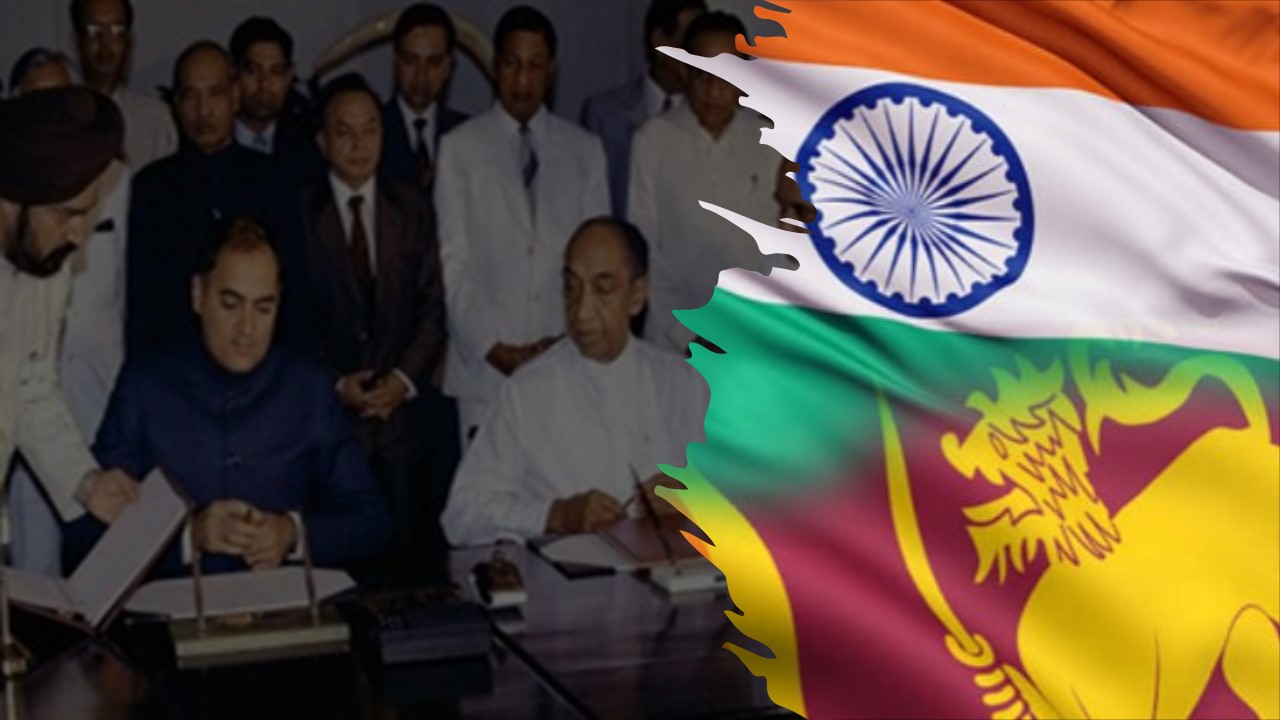
Drawing inspiration from Mr. J.R. Jayawardena’s establishment of the Greater Colombo Economic Commission in 1978, we also aim to create a dedicated board to provide the necessary infrastructure for investments.
In tandem, we aspire to double the annual influx of tourists to our country from 2.5 million to 5 million. The Matale district possesses immense potential to contribute significantly to the burgeoning tourism industry.
Within the next two months, we intend to unveil an agricultural modernization program. Our current agricultural output, whether in terms of rice or other crops, falls short. It is imperative to promote the cultivation of these products.
Furthermore, we are in the process of establishing a Technology Promotion Council with the aim of acquiring the necessary technical expertise for our nation. Concurrently, a Digital Transformation Commission will be formed to propel digitization across the country. Envisioning comprehensive modernization across all sectors, our objective is to shape a developed Sri Lanka by the year 2048.
The event was attended by a multitude of individuals, including Education Minister Dr. Susil Premajayantha, Prime Minister’s Secretary Anura Dissanayake, Central Province Governor Lalith Y. Gamage, Ministry of Education Secretary Nihal Ranasinghe, former judge and Chairman of the Human Rights Commission M.P.B. Dehideniya, Professor Chaminda Ratnayake, Vice Chancellor of NSBM Green University, General Shavendra Silva, Chief of Staff of the Tri forces, Kaushalya Navaratne, President of the Sri Lanka Bar Association Dhammika Hewawasam, Principal of St. Thomas College in Matale, and a substantial gathering of faculty members, parents, and alumni.