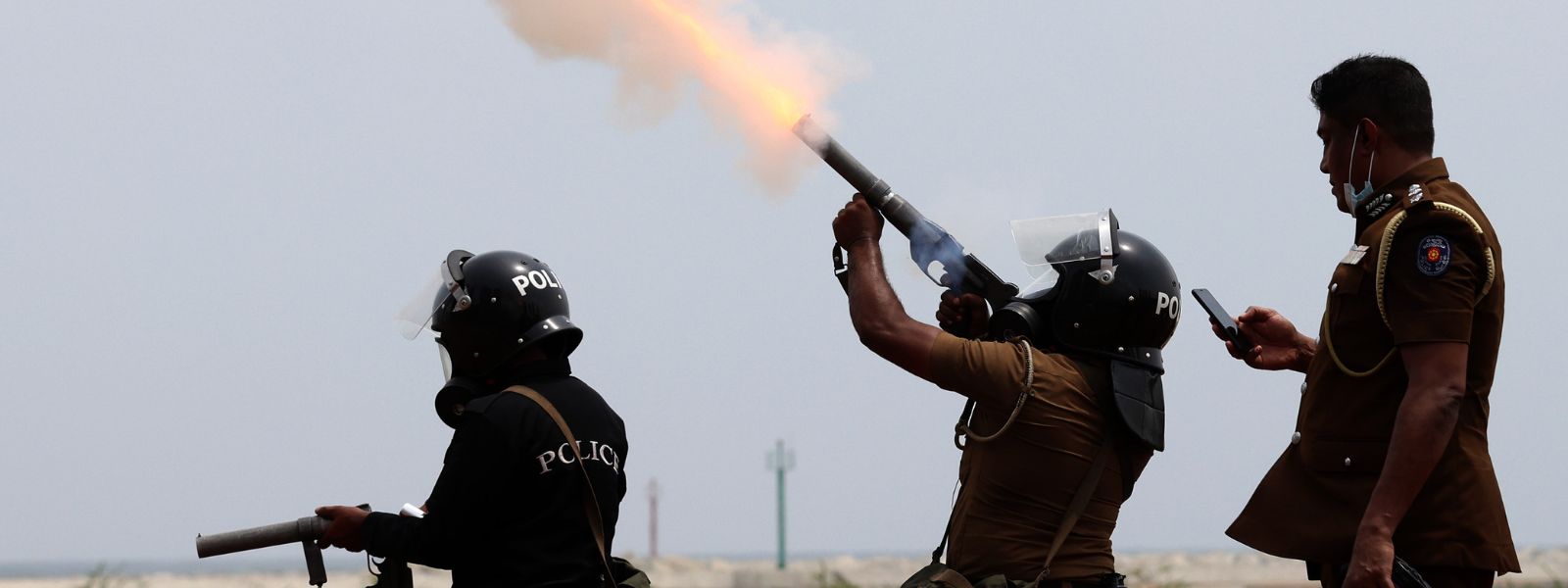
Sri Lanka using expired tear gas on protests?

A report prepared by the Centre for Society and Religion on the use of tear gas in Sri Lanka has revealed that Sri Lanka Police has not conducted any laboratory test over the contents of tear gas munitions.

The report filed based on the information obtained via the Right to Information Act revealed that Sri Lanka Police had used expired tear gas munitions to disperse protests in 2022, and some of those munitions were produced back in 2000.

It noted that in 2012, a total of 20,000 tear gas munitions were procured and until 2016 only 2,306 of those units were used.

The report adds that the remaining munitions were to expire in 2017, however they were not disposed.

It added that from 2012 to 2019 a total of over 40,000 tear gas munitions were to expire, and during that period 8,265 tear gas munitions were used on protests, and another 31,735 expired tear gas munitions remain in service.

The report from the Centre for Society and Religion notes that the handling of tear gas munitions by Sri Lanka Police totally violates all instructions given by the manufacturers, including to not deploy the munitions close to live firearms, and not to fire them directly at protestors.

It added that from March to July 2022, during the period of the worst economic crisis in the country, Sri Lanka Police deployed 6,722 tear gas munitions on 84 separate occasions at a cost of Rs. 26 Million.

It also notes the highest number of tear gas munitions fired by Sri Lanka Police on a single day was recorded during protests in 2022, where around 100 munitions were fired on protests daily.

Sri Lanka post-default rating linked to IMF debt reduction path: Fitch

Sri Lanka’s post default ratings would depend on the speed at which the debt is reduced under an International Monetary Fund program, while a ‘restricted default’ label would be taken off after commercial debt is re-structured, Fitch, a rating agency said.

Sri Lanka’s foreign currency rating was lowered to restricted default (RD), after the country defaulted on bilateral and private debt but continued to service multilateral loans.

The RD rating would be removed after a successful “completion of a commercial debt restructuring that we judge to have normalised the relationship with the international financial community,” the rating agency said.

A slower debt reduction path would make it easier to re-structure debt, but it may result in higher debt levels for a longer period, delaying quick upgrades.

“Sri Lanka’s post-default ratings would depend upon our assessment of its credit profile,” the agency said.

“If the key parameters for returning to debt sustainability under the IMF programme allow for a moderate and extended debt reduction process, this could facilitate debt restructuring talks, but may weigh on the sovereign’s post-default credit ratings.”

Sri Lanka is planning to reduce debt and return to ‘debt sustainability’ under an IMF program.

According to data in a debt assurance letter given by India, Sri Lanka plans to reduce the debt to GDP ratio to 95 percent of GDP by 2032 from around 140 percent now and the annual gross financing requirement to around 13 percent of GDP from the current 30 percent.

Sri Lanka has high interest rates and high levels accumulated foreign and local debt after operating a so-called flexible inflation targeting framework with an ad hoc pegged arrangement called a ‘flexible exchange rate’ which triggered serial currency crises and output shocks.

After large volumes of money were printed and taxes were cut to end what economic bureaucrats called a ‘persistent output gap’ the country ran out of reserves and defaulted, leaving the central bank also in debt.

Other countries with similar monetary arrangements including but no tax cuts including Ghana, Zambia and Pakistan, have also defaulted or are near default after they also cut rates amid a post-covid recovery.

The full statement is reproduced below:

Sri Lanka’s Probable IMF Support Deal Positive for Debt Negotiations

Fri 10 Mar, 2023 – 1:56 AM ET

Fitch Ratings-Hong Kong-10 March 2023: Fitch Ratings believes Sri Lanka is likely to secure financing support from the IMF after the fund’s Executive Board set a date of 20 March to review the USD2.9 billion staff-level agreement that the country signed with the IMF in September 2022. IMF funding should improve Sri Lanka’s external liquidity, but the timing of any debt restructuring agreement with official and private creditors remains uncertain.

We view the announcement of a date for the Executive Board review as an indication that the IMF regards the financing assurances it has received from key official creditors as sufficiently credible to move forward. Sri Lanka’s president on 7 March indicated that China had provided its support, following earlier assurances from India and Paris Club official creditors. The president also indicated that Sri Lanka had completed all prior actions required under the IMF programme, although the IMF Board will make its own assessment on this in deciding whether to approve the package.

Board approval of the programme would release IMF funding and should unlock additional financing from multilateral creditors. This would bolster official foreign-exchange reserves, which have already risen 30% from their trough in October 2022. Nonetheless, reserves remain very low, at USD2.2 billion in February, equivalent to around one month of imports.

We expect improved external liquidity to support a broader strengthening of macroeconomic stability. The exchange rate has appreciated since late February 2023. Month-on-month inflation had already moderated over 2H22, but the strengthening of the currency should further restrain price growth if it is sustained.

Nonetheless, potential upsides to Sri Lanka’s economic outlook will remain constrained until its debt restructuring is agreed upon. The prospects for a deal with creditors remain unclear for now. We view recent developments as positive for debt negotiations, partly because they suggest that official creditors’ financing assurances are consistent with the parameters of the IMF’s programme that seeks to return debt to sustainable levels. However, restructuring talks could continue for a long time yet.

The example of Zambia (Restricted Default, or RD), where an IMF support package was approved by the Board in August 2022 but debt restructuring talks are still ongoing, highlights this risk. We believe that even if official creditors are more aligned in Sri Lanka’s case, talks with private-sector creditors could raise further complications.

The issue of whether to include local-currency debt in any restructuring will be one of the factors complicating debt negotiations. We downgraded Sri Lanka’s Long-Term Local-Currency Issuer Default Rating (IDR) to ‘CC’, from ‘CCC’, in December 2022, reflecting our view that a local-currency debt default is probable in light of an untenably high domestic interest payment/revenue ratio, high interest costs, tight domestic financing conditions and rising local-currency debt/GDP in the context of high domestic fiscal financing requirements, which authorities forecast at about 8% of GDP in 2022. The Long-Term Local-Currency IDR would be further downgraded if the government announces plans to restructure or defaults on its local-currency debt.

Fitch rates Sri Lanka’s Long-Term Foreign-Currency IDR at ‘RD’. We may move the IDR out of ‘RD’ upon the sovereign’s completion of a commercial debt restructuring that we judge to have normalised the relationship with the international financial community. Sri Lanka’s post-default ratings would depend upon our assessment of its credit profile. If the key parameters for returning to debt sustainability under the IMF programme allow for a moderate and extended debt reduction process, this could facilitate debt restructuring talks, but may weigh on the sovereign’s post-default credit ratings.

Gazette issued by District Returning officers to conduct LG polls on April 25

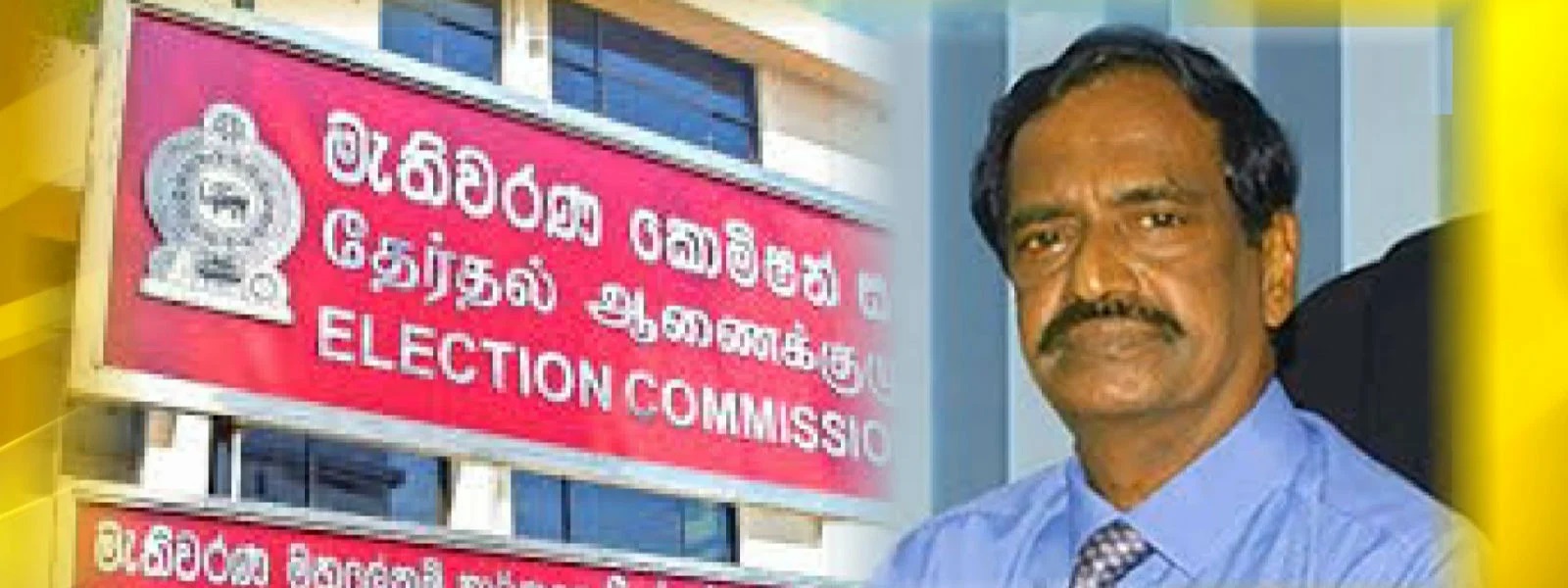
The District Returning officers of respective districts have issued gazette notifications to hold the Local Government election on April 25, 2023 as per the Local Authorities Elections Ordinance, the Elections Commission announced today.

It said the Government Printer agreed to print and submit the postal ballot papers within five days and other ballot papers within 20 to 25 days.
The EC said in a statement that Senior DIG (Elections) has agreed to assign the required number of police personnel during the printing of ballot papers as requested by the Government Printer.

The officials of the Power and Energy Ministry and Ceylon Petroleum Cooperation (CPC) have agreed to provide the required fuel stocks as requested by the EC within the next few days.

The Commission said these agreements were reached during a meeting with relevant state institutions to remove the obstacles to holding the election as per the Supreme Court interim order.

Posted in Uncategorized

Sri Lanka needs institutional changes for long-term debt sustainability, expert says

Sri Lanka needs institutional reforms in order to achieve long-term debt sustainability, said Steve Hanke, who played a key role in establishing new currency regimes in emerging markets like Argentina and Montenegro.

The South Asian country is grappling with its worst financial crisis in decades and needs to unlock a $2.9 billion IMF loan that was agreed to in September, to get its public finances in order.

“Unless you change the institutions and the rules of the game governing these countries, they’re always going to remain in the same … situation that they’ve been in for a long time,” Hanke, who is now professor of applied economics at Johns Hopkins University, told CNBC’s “Squawk Box Asia” on Thursday.

“In fact, most of the personalities involved in Sri Lanka at the high level are exactly the same as they’ve been for years. So nothing has changed.”

Sri Lanka has struggled with severe shortages of food, medicine, fuel and electricity since last year. This has led to angry protests that forced then-President Gotabaya Rajapaksa to flee from the country and resign. The country’s lawmakers chose six-time Prime Minister Ranil Wickremesinghe as president last July as his successor.

Hanke, who was previously economic advisor to former U.S. President Ronald Reagan, was also skeptical whether the IMF bailouts will help Sri Lanka’s crisis-stricken economy in the long term. He pointed out that the country has gone to the fund several times cap in hand for relief.

“You have to remember that we have a country that since 1965 has had 16 IMF programs and they’ve all failed,” he said. “You get temporary relief in anticipation of a bailout. But in the long run … none of these IMF programs work.”

In September, the IMF outlined a series of steps that it wanted Sri Lanka’s government to implement prior to loan approval, which included major tax reforms.

“Debt relief from Sri Lanka’s creditors and additional financing from multilateral partners will be required to help ensure debt sustainability and close financing gaps,” the fund said at the time.

The IMF declined to comment to CNBC.

China support

On Tuesday, Wickremesinghe said that China has given crucial debt restructuring assurances that could pave the way for final approval of the IMF’s $2.9 billion four-year bailout.

“We received the letter of financial assurance from EXIM Bank of China last night. Accordingly, on the same night, I and the Governor of the Central Bank signed the letter of agreement and forwarded it to the IMF. Now our duties are done,” he told parliament, according to the transcript in local media.

“I hope that before the end of this month, by the fourth week, the IMF will do its duty.”

In a follow up tweet, the president said he has spoken with IMF Managing Director Kristalina Georgieva and U.S. Treasury Secretary Janet Yellen on this matter.

He also mentioned he expects financial assistance from the World Bank and the Asian Development Bank to start coming soon after the IMF deal is reached.

In its readout, the U.S. Treasury Department said: “During their meeting, Secretary Yellen expressed support for Sri Lanka’s steps towards an IMF-supported program to advance economic reform and achieve a strong and durable recovery.”

“The Secretary welcomed Sri Lanka’s commitments to transparency and comparable treatment for all bilateral official and private creditors.”

IMF’s Georgieva also commended Sri Lanka on its progress in resolving its financial situation.

“I welcome the progress made by Sri Lankan authorities in taking decisive policy actions & obtaining financing assurances from all their major creditors, incl. China, India & the Paris Club,” she wrote in a tweet.

“Look forward to presenting the IMF-supported program to our Exec. Board on March 20.”

Still, JHU’s Hanke said IMF programs do not tend to go down well with the Sri Lankan people.

“You get the IMF in there trying to manage something,” said Hanke. “The IMF tends to be … very unpopular because they’re going to try to introduce and ram through these old institutions that they have in Sri Lanka all kinds of things that the Sri Lankans won’t like.”

During his speech Tuesday, Sri Lanka’s president underlined “there is no room for failure in completing every task agreed upon with the IMF, unlike the previous 16 occasions.”

“The agreement with the IMF is of special importance to restore our economy, and there is no alternative path to be seen at present,” said Wickremesinghe.

Source: CNBC

Rupee appreciation a flash in the pan: Economists

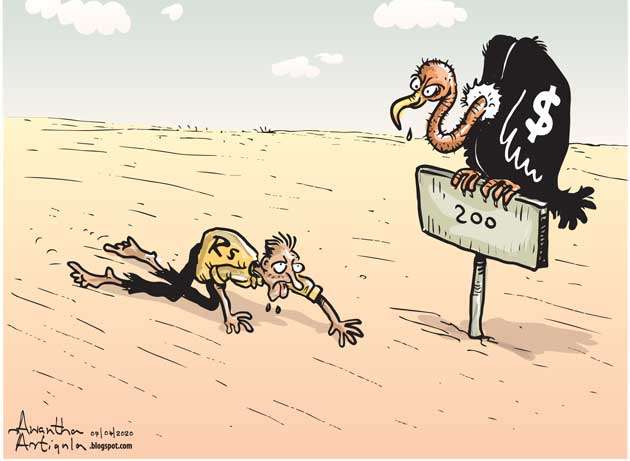
The appreciation of the Sri Lankan rupee (LKR) that has taken place over the last few days is temporary, say local economists emphatically.

Speaking to The Daily Morning Business, former Central Bank Deputy Governor Dr. W.A. Wijewardena stated: “The factors that will contribute to a permanent stabilisation of the rupee-dollar rate aren’t present in the economy as yet. They consist of a surplus in the current account of the balance of payments,” adding that the reason behind the rupee depreciation is likely to be temporary despite the measures taken by the Central Bank of Sri Lanka (CBSL).

Expressing the circumstances that have been created for the rupee’s appreciation against the dollar (USD), Dr. Wijewardena said that it is due to a “temporary” oversupply of the forex market of Sri Lanka which is thin as a result of the forex crisis.

He added: “The daily transactions are even less than $ 10 million. Hence, it cannot be used to gauge the development of the forex market.”

Therefore, he noted that the current appreciation is “not supported by existing macroeconomic developments”, while forecasting rupee appreciation will reverse within about a one-to-two-month period.

The Daily Morning Business also contacted University of Peradeniya Professor in Economics Prof. J.M. Ananda Jayawickrama in this regard who had a similar opinion on the rupee appreciation.

The International Monetary Fund (IMF) has given a green light on the Extended Fund Facility (EFF) and created a market expectation of receiving dollars to the market.

Prof. Jayawickrema further said: “The increase of dollar supply/earning would increase at a similar or beyond the spending rate,” once people start spending dollars such as by travelling abroad.

The cause for the rupee appreciation is that there is a dollar (USD) inflow due to tourism picking up and dollars being brought to the forex market to be converted to rupees, expecting further devaluation of the USD while the Government of Sri Lanka is receiving millions of dollars in aid or assurances of such. Thus, due to the supply of dollars, the LKR has been subjected to an appreciation, Prof. Jayawickrama elaborated.

Further, he noted that the country has not been importing goods as in previous times such as vehicles and food items (apple, grapes), and as the price of imported commodities are higher, the demand has come down even though certain bans have been removed. He also highlighted that Sri Lankans have not been spending much dollars despite the improved forex inflows. Simultaneously, the CBSL announced that foreign exchange reserves had increased.

University of Peradeniya Professor in Economics Prof. W.L. Prasanna Perera commented: “In the exchange market, one cannot predict permanent changes as it is determined by market forces. This is temporary because we (Sri Lanka) are not currently serving foreign debt. We (GoSL) are restricting imports, but when it is gradually allowed, the demand for dollars will increase. That will result in the depreciation of the currency in the future. That is the theory.”

For the time being, supply has increased which has resulted in the appreciation of the rupee, Prof. Perera highlighted.

Meanwhile, a tweet on the verified account of Minister of Tourism and Lands Harin Fernando with the caption “LKR best-performing currency in the world!” was subjected to both criticism and applause from netizens. The tweet referenced a graph on YTD Best Spot Returns indicating the LKR topping the charts with a 13.45% improvement from among a few appreciated currencies in the world by Wednesday (8).

Posted in Uncategorized

Sri Lankan war criminal to represent country at the UNHCR

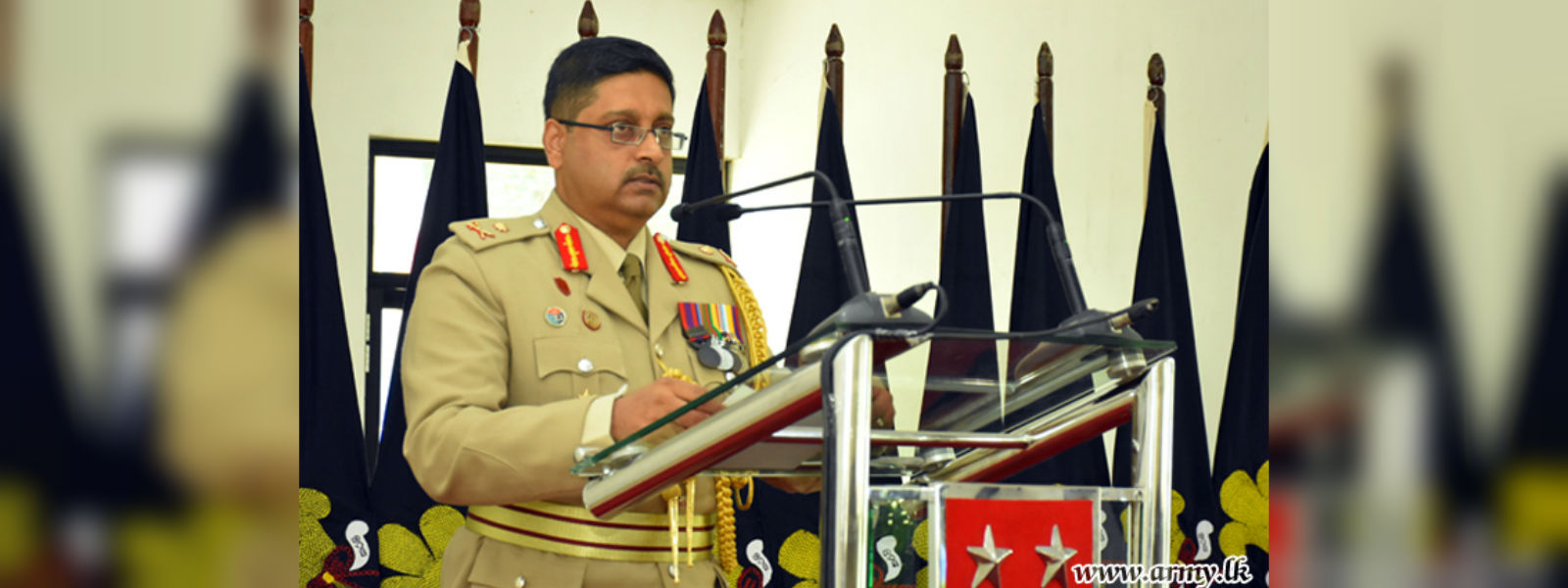
Sri Lanka’s Chief of National Intelligence, and accused war criminal, Ruwan Kulatunga, is to virtually attend the UN Human Rights Committee’s 6th periodic review, on behalf of the government despite concern over his human rights record.

Kulatunga served as Commander of the notorious Wanni Security Force Headquarters in Vavuniya, commonly referred to as the Joseph Camp, from 2016-2017. The camp has been marked by repeated accounts of torture and sexual violence throughout the armed conflict, with more recent accounts of torture dated as late as 2017.

In March 2017, the International Truth and Justice Project (ITJP) released a report documenting accounts of torture.

“Witnesses provided ITJP with searing testimony of torture in Joseph Camp that included rape with objects such as cricket wickets and glass bottles, as well as in two cases barbed wire inserted inside a pipe and then withdrawn to tear the flesh of the rectum. All of the women and 18 of the men described being raped and sexually violated”, the report reads.

Kulatunga played a vital role in Sri Lanka’s war efforts and served for over 25 years in the North and East. During this time the military faced severe criticism for its dire human rights record.

Responding to his presence, former BBC correspondent Frances Harrison noted that he should answer questions over the alleged human rights abuses that took place in the Joseph camp.

Tamil activists have echoed these urging for members of the committee to question Kulatunga’s record.

“The fact that Sri Lanka will be represented by a war criminal speaks to the lack of accountability on the island. Member states must question his conduct and shed light on these human rights abuses”.

Posted in Uncategorized

The G20 could help fix Sri Lanka’s debt crisis. Will it step up? -Al Jazeera

In February, the finance ministers of G20 countries met to discuss the challenges facing the global economy. It was a missed opportunity to help Sri Lanka, a country on the front line of the debt crisis that has enveloped dozens of nations around the world in recent years.

It was disappointing that the final chair’s summary and outcome document only paid lip service to alleviating the challenges faced by people in Sri Lanka.

While it recognised the “urgency to address debt vulnerabilities” globally, and “look[ed] forward to a swift resolution to Sri Lanka’s debt situation”, no concrete commitments were made or actions taken.

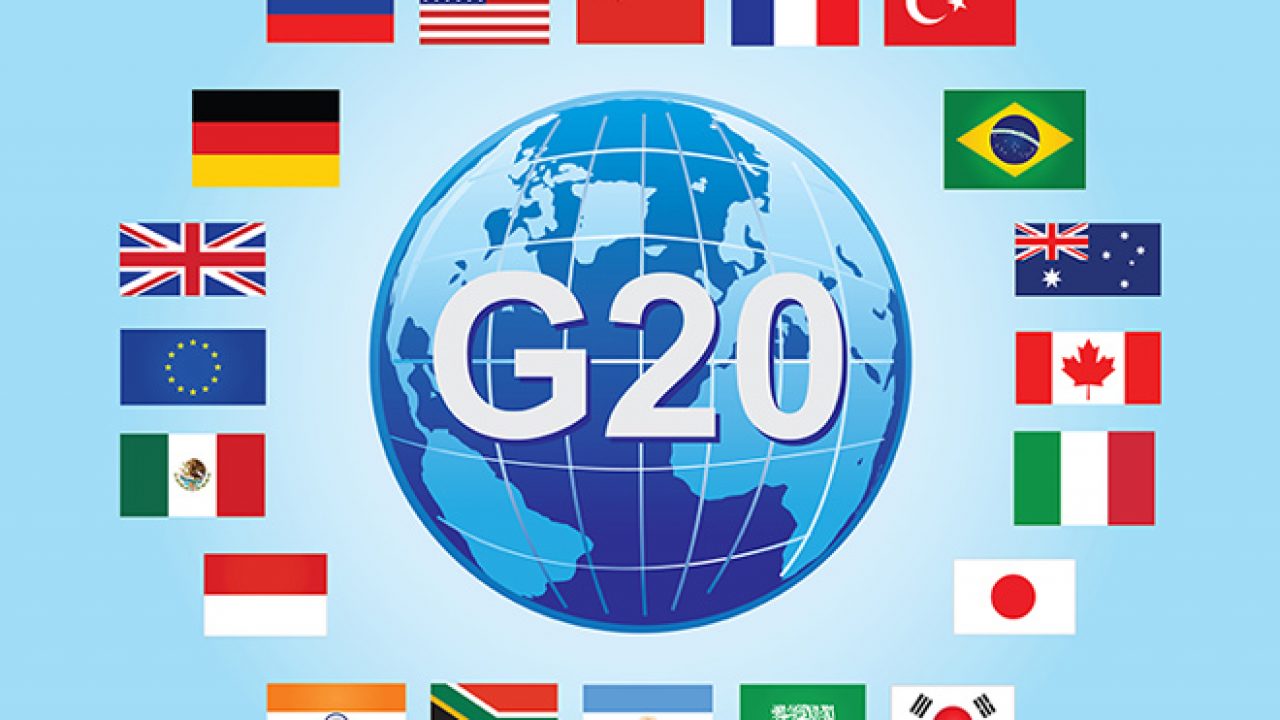
The G20 countries include Sri Lanka’s main bilateral creditors including China, India, Japan and South Korea; as well as influential members of multilateral creditor organisations, including the United States and European nations. If this group collaborated effectively, it could make debt relief available to Sri Lanka, and strengthen the protections of people’s economic and social rights during a moment of crisis.

Because while the news cycle may have moved on, Sri Lanka’s economic crisis is still raging and having a devastating impact on people. High inflation and limited social protection, combined with difficulties accessing essentials like food and healthcare, are exacting a heavy toll on their lives and rights.

According to the World Food Programme, for example, one in three households was food insecure in December 2022. Prospects for 2023 are also not encouraging: a quarter of people are projected to remain in poverty, and according to the World Bank, a significant economic contraction is likely.

Sri Lanka’s debt burden affects the ability of the government to guarantee human rights. The public debt-to-GDP ratio increased from 93.6 percent at the end of 2019 to 114 percent at the end of 2021.

Even before the economic crisis made international headlines, Sri Lanka was a global outlier in the amount it spent to service its debt. In 2020, before the most recent crisis, an incredible 71.4 percent of government revenue was spent simply on paying interest versus a global average of 6 percent and a regional average of 21.1 percent.

Interest payments are the single largest category of government expenditure, and a lot of fresh government borrowing was used simply to pay the interest on Sri Lanka’s previous loans.

Servicing this debt has reduced the government’s ability to spend on sectors like health, education and social protection, which directly impact people’s welfare. A survey this month found that half of the families in Sri Lanka are forced to reduce the amount they feed their children.

It is essential to release Sri Lanka from this debt trap, to break a spiral that is eroding the human rights of too many of the island’s 22 million people.

Sri Lanka’s government is currently engaged in complex debt negotiations, which are vital to access financial support from the International Monetary Fund. The IMF concluded a staff-level agreement with the government last year, offering to lend about $2.9bn. However, the terms of the IMF agreement required sufficient assurances of debt restructuring and relief from Sri Lanka’s creditors before the loan was finalised and money disbursed.

While IMF financing may be the reason Sri Lanka’s debt is in the news today, creditors should focus on resolving debt so economic and social rights can be better guaranteed. Past IMF programmes have included conditions which had adverse human rights impacts, such as cuts in public spending and other austerity measures. Workers in Sri Lanka recently went on strike against measures the government implemented to purportedly secure IMF financing, such as increased taxes.

Sri Lanka’s debt negotiations are complicated for several reasons, including the range of parties involved. Almost half of Sri Lanka’s total external debt is in bonds on the open market and owned in part by private entities such as hedge funds. One of these private creditors has already sued the Sri Lankan government in an American court for debt repayment. Then there are bilateral creditors, and some debt is also held by multilateral institutions like the Asian Development Bank and the World Bank Group.

While there appears to have been some progress in these negotiations in recent weeks, no resolution appears in sight. A lack of transparency in how talks are being conducted means it is unclear what the blockages are and how long the process might take.

How these negotiations are conducted is important. The very fact that Sri Lanka’s existing debt repayments are so onerous raises questions about how such agreements were entered into in the first place. Transparency, participation and accountability are essential to ensure that the current crisis is not repeated.

Sri Lanka’s creditors cannot only be guided by their commercial or national interests. As an Amnesty International report on Sri Lanka’s economic crisis from October 2022 noted, international financial organisations, multilateral developmental banks and private corporations have obligations and responsibilities to respect international human rights.

As these negotiations progress, debt restructuring and relief should enable Sri Lanka to service its external debts without compromising its capacity to fulfil its human rights obligations, and guarantee people’s economic and social rights. All options for debt relief should be on the table, including debt cancellation if necessary.

Urgent, coordinated international action is key to ensuring that the Sri Lankan government can effectively tackle the crisis and protect people’s rights. It is almost a year since Sri Lanka first defaulted on its debt, and six months since the IMF staff-level agreement was concluded.

More G20 meetings are scheduled for this year, and they must prioritise debt relief for Sri Lanka in line with human rights standards. Postponing decisive action on Sri Lanka only delays recovery and adds to the human suffering people are experiencing in the country.

The views expressed in this article are the author’s own and do not necessarily reflect Al Jazeera’s editorial stance.


Posted in Uncategorized

Buddha Sasana Task Force sends letter to President; urges to hold Local Government Election

The Buddha Sasana Task Force addressed a letter to President Ranil Wickremesinghe stressing on the need to hold the local government election without delay for national and diplomatic stability.

It calls to limit the number of ministers to 15, and remove State Ministers. It also calls to move the administration of all ministries under the relevant secretary, and suspend all state festivities.

In addition, the letter notes to suspend imports of luxury goods and suspend non-essential expenses of the ministries and provide the required funds for the Local Government Election.

Posted in Uncategorized

Japan contributes additional US$ 6.6 million to help Sri Lanka

The Government of Japan has contributed an additional US$6.6 million to the United Nations World Food Programme (WFP) to provide critical food and nutrition assistance to over one million Sri Lankans.

Through this funding, WFP will provide families with food baskets comprising rice, pulses and cooking oil, to meet half their monthly food needs for a period of two months. The donation will also be used to procure maize and soybean for the production of Thriposha, a fortified food product, for a period of four months, which will be supplied to pregnant and breastfeeding mothers and young children at risk of malnutrition.

Mizukoshi Hideaki, Ambassador of Japan to Sri Lanka said, “We are pleased to announce that the Government of Japan has decided to provide additional humanitarian support to Sri Lanka in this critical moment. Food aid through WFP by the Government of Japan has reached a total of USD10 million since the economic crisis began last year. This support is being used to provide essential food and nutrition to communities across the nation.”

WFP’s latest surveys indicate that food insecurity is still at a concerningly high level. Seven in every 10 households are adopting negative coping strategies such as cutting back on nutritious food like protein and dairy or skipping meals altogether.
“Our biggest concern is for the women and children who are among those affected by the impacts of the economic crisis,“ said Abdur Rahim Siddiqui, Representative and Country Director of WFP Sri Lanka. “We are grateful for the continuous support from the Government of Japan which enables us to scale up our efforts so that vulnerable communities receive the food and nutrition they need.”

Japan has been a long-standing donor to the Government of Sri Lanka and WFP for over a decade, providing critical assistance in emergencies, while supporting longer-term recovery and development efforts to strengthen food and nutrition security in the country. Japan’s latest funding is an extension of its support to the people of Sri Lanka to help safeguard communities affected by the economic crisis.

WFP has reached over two million people since commencing its emergency operation in June last year and is moving closer to its target of reaching 3.4 million people with food and nutrition assistance.

Govt Printer repeats requests for funding and security to print ballot papers

Government Printer Gangani Liyanage says the process of printing ballot papers for the upcoming Local Government polls will resume based on the response of the Treasury to her request for funds. Liyanage said the Government Press in a letter to the Treasury Secretary Mahinda Siriwardana yesterday requested that he releases the funds needed for the preliminary printing of ballot papers and other preparations for the election. She said it is estimated over Rs 400 million will be required for printing purposes. The Government Press yesterday also requested IGP C.D Wickramaratne to provide the necessary police protection to ensure the safety of the printing process.

Liayange’s requests come after the Supreme Court issued an interim order last week on the Secretary to the Ministry of Finance and the Attorney General representing the Minister of Finance, preventing them from withholding funds allocated in the budget for the Local Government elections of 2023. The Supreme Court also issued another order preventing the withholding of any funds from the Government Printer on the day. Previously the Government Press halted the printing process claiming it was unable to continue due to the lack of funds and security. Previously Liayange claimed despite repeated reminders the IGP had failed to provide the requested number of police personnel to the Government Press.

Meanwhile, the Election Commission of Sri Lanka (ECSL) also announced the new dates for postal voting ahead of the Local Government polls to be held on 25 April. Accordingly, the ECSL is now in the process of preparing to conduct the postal voting from 28 – 31 March. The Government Printer said ballot papers for postal voting have been printed in 17 districts to date. The ECSL said the secured envelopes containing the postal ballots will be handed over to the Sri Lanka Post on 21 March. Commissioner General of Elections Saman Sri Ratnayake confirmed the postal vote will therefore go ahead in March.