LG polls: SLPP rebels ask EC to set process in motion forthwith

Prof. G.L.Peiris yesterday (03) said that if Local Government polls were to be held by March 20, 2023 as scheduled, the Election Commission (EC) should take tangible measures to set the process in motion.The former Foreign Minister Prof. Peiris said that the EC should ask for required funds from the government and make the necessary administrative appointments to prepare the groundwork.

However, the EC was yet to request for the necessary funding, the SLPP Chairman and National List MP told the media at the Nawala office of Nidahas Janatha Sabhawa comprising over a dozen rebel government members.Prof. Peiris said that his group had received an assurance from the EC about two weeks back that it would take steps to conduct LG polls by March 20, 2023. Appreciating the assurance given by Chairman of the EC Attorney-at-Law Nimal Punchihewa, Prof. Peiris said that as far as he was aware the EC was yet to ask for required funding.

Referring to the recent proposals made by Justice Minister Dr. Wijeyadasa Rajapakse, PC, to Speaker Mahinda Yapa Abeywardena for the appointment of a Parliamentary Select Committee (PSC) for electoral reforms, including at the level of LG, Prof. Peiris alleged that it was nothing but a ruse to put off the polls.The academic asked how the ruling party could even consider such a proposal against the backdrop of a comprehensive set of proposals made by a PSC headed by none other than the current Prime Minister Dinesh Gunawardena, leader of the Mahajana Eksath Peramuna (MEP).

Prof. Peiris pointed out that Dinesh Gunawardena’s committee produced the report that was handed over to the government about four years ago after nearly eight years of deliberations. The former minister said that the government should be ashamed of its efforts to further put off the scheduled elections at a time even the International Monetary Fund (IMF) questioned the legitimacy of the government.

At the onset of the briefing, the National List MP explained how the government, now engaged in talks with the IMF could benefit by conducting the scheduled polls regardless of the outcome. Prof. Peiris stressed that the responsibility on the part of the government to secure legitimacy if it was keen to finalise the agreement on USD 2.9 bn loan facility by end of this year. The postponement of LG polls against the backdrop of the indefinite delay in Provincial Council polls wouldn’t be acceptable to the IMF, he asserted.

Prof. Peiris maintained that the government was so unpopular it couldn’t win even 20 percent of the votes cast at the next election.The ex-minister said that political parties and groups in the Opposition recently reached an understanding as regards counter measures against government bid to put off LG polls. “We’ll move the Supreme Court if the government sought to further postpone scheduled elections,” Prof. Peiris said.

Referring to several Supreme Court decisions given over the years in respect of matters concerning elections, Prof. Peiris stressed that one particular ruling stressed the responsibility on the part of the government to provide required funding. Another ruling underscored that LG polls couldn’t be put off unless approved by the electorate at a referendum.The rebel leader said that the Opposition wouldn’t accept under any circumstances the change of the composition of the EC comprising five persons.

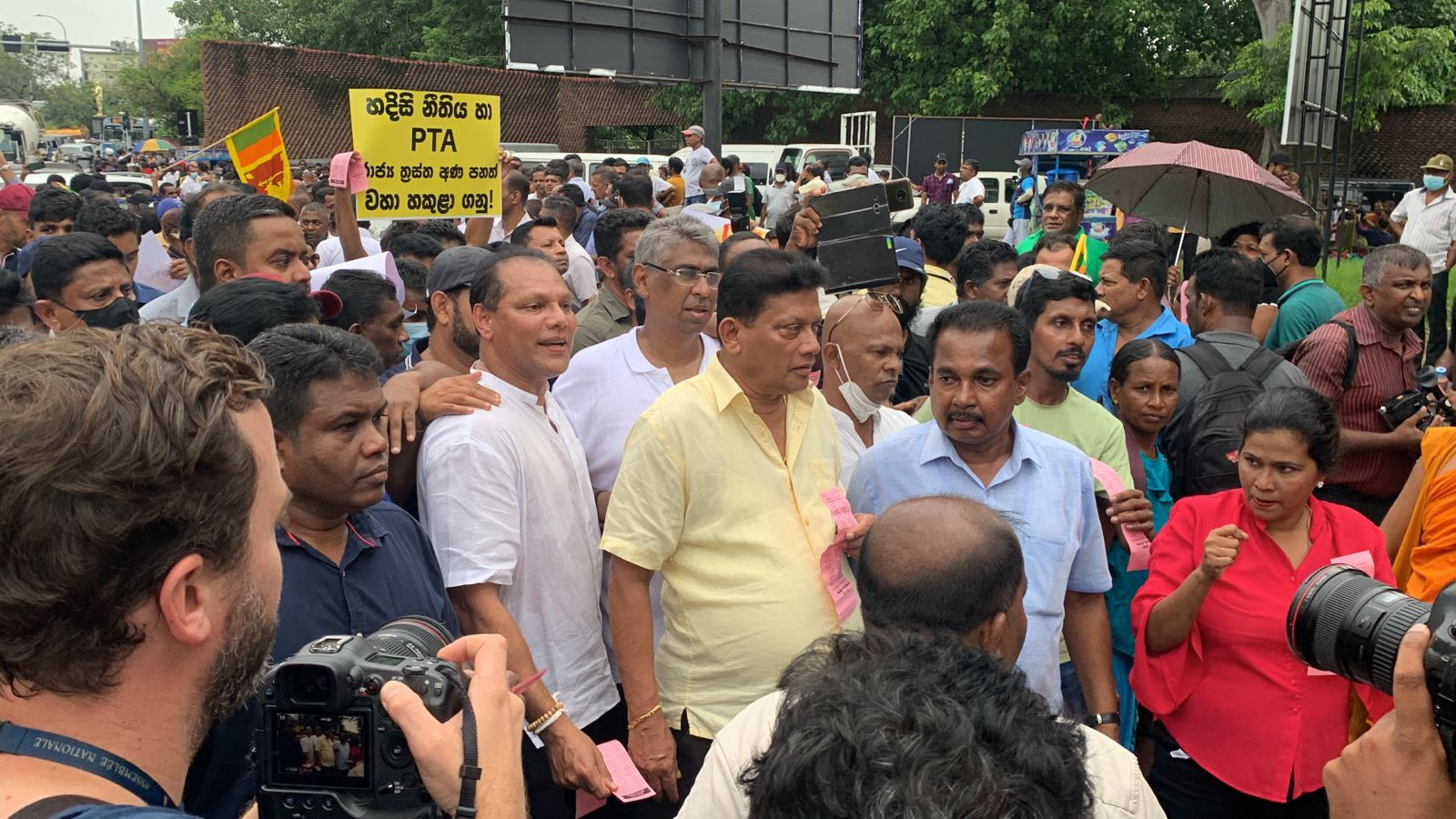
Responding to a spate of questions regarding Wednesday’s protest in Colombo called by an Opposition political grouping, Prof. Peiris said that the rebel SLPP group backed that initiative. The genuine Opposition backed such protests meant to pressure the government to stop arrests in terms of the draconian Prevention of Terrorism Act (PTA), the former minister said.

IMF bailout unlikely by this December

Sri Lanka will likely miss the December 2022 deadline to secure an International Monetary Fund (IMF) loan, and will have to wait for March 2023, the Hindustan Times reported, quoting an unnamed financial analyst based in Washington DC, USA, where the IMF is headquartered.

It further reported that Sri Lanka will miss the December deadline for securing an IMF loan, as the main bilateral debtor, China, was involved in the 20th Chinese Communist Party (CCP) National Congress, and had little time for holding debt restructuring talks with Colombo. The next meeting of the IMF Executive Board is in March 2023.

Meanwhile, President Ranil Wickremesinghe, addressing the 32nd Annual General Meeting of the Sri Lanka Tea Factory Owners’ Association on 30 October, said: “Now, this is the process. We had to move to reach an agreement by December, which means coming to an agreement by mid-November, and going to the IMF Board in mid-December. In this scenario, we are at an advantage. However, I don’t know whether we can achieve this, for the simple reason that in China, focus on the issue has started only now, after the Chinese Communist Party conference.

“However, we must aim to secure the IMF agreement by January. The first issue is to ensure that we can restructure bankruptcy. We have to start talks with our creditors. I first went to the Paris Club, where all the creditors were from the West and Japan. However, we are in a unique position today where, out of our three main creditors, only one belongs to the Paris Club, which is Japan. The other two are not in the Paris Club – they are India and China.

“China only started dealing with bankruptcy in Zambia; I think that India has done so for the first time with Sri Lanka. I have already started discussions with Japan, and now, with India and China. We can come to a common platform of how we can resolve these issues, while we also have discussions on bilateral issues that affect each other’s countries.”

Further, the Hindustan Times reported that while debtors India and Japan have already initiated a dialogue with Colombo on debt reconciliation and restructuring, China is yet to engage in the dialogue, as Beijing was involved in the 20th CCP National Congress and had little time for Sri Lanka.

It also reported that Sri Lanka’s total debt was $ 36 billion at the end of 2021. Of this, Sri Lanka owes $ 7.1 billion to China, which is 20% percent of its debt. The total public debt, which was 115.3% of the gross domestic product (GDP) at the end of December 2021, has now gone up to 143.7% of GDP by end-June 2022. Of this, the bilateral debt has climbed from 12.7% of GDP to 20.4% of GDP.

Sri Lanka is to secure a $ 2.9 billion loan from the IMF in eight equal tranches.

Monk arrested for escaping without paying 18-day five-star hotel stay

The Criminal Investigations Department (CID) arrested a monk who stayed at a five-star hotel in Colombo for 18 days and slipped away without settling the hotel charges.

It was reported that the monk from a temple in the Mahiyangana area checked in to the hotel on August 31 and stayed there at least 18 days.

However, the monk was reportedly admitted to the Colombo National Hospital after having developed a sudden illness and informed the hotel that the charges amounting to Rs. 527,820 for his stay would be settled once his health condition turns better.

The hotel management has complained to the CID after the monk has failed to pay the hotel charges when he was discharged from the hospital and left for his temple in Mahiyangana.

Accordingly, the CID arrested the monk from his temple.

The monk was remanded till November 11 after being produced before the Fort Magistrate.

Posted in Uncategorized

US Ambassador hails 21st Amendment; Govt.’s efforts to prevent corruption

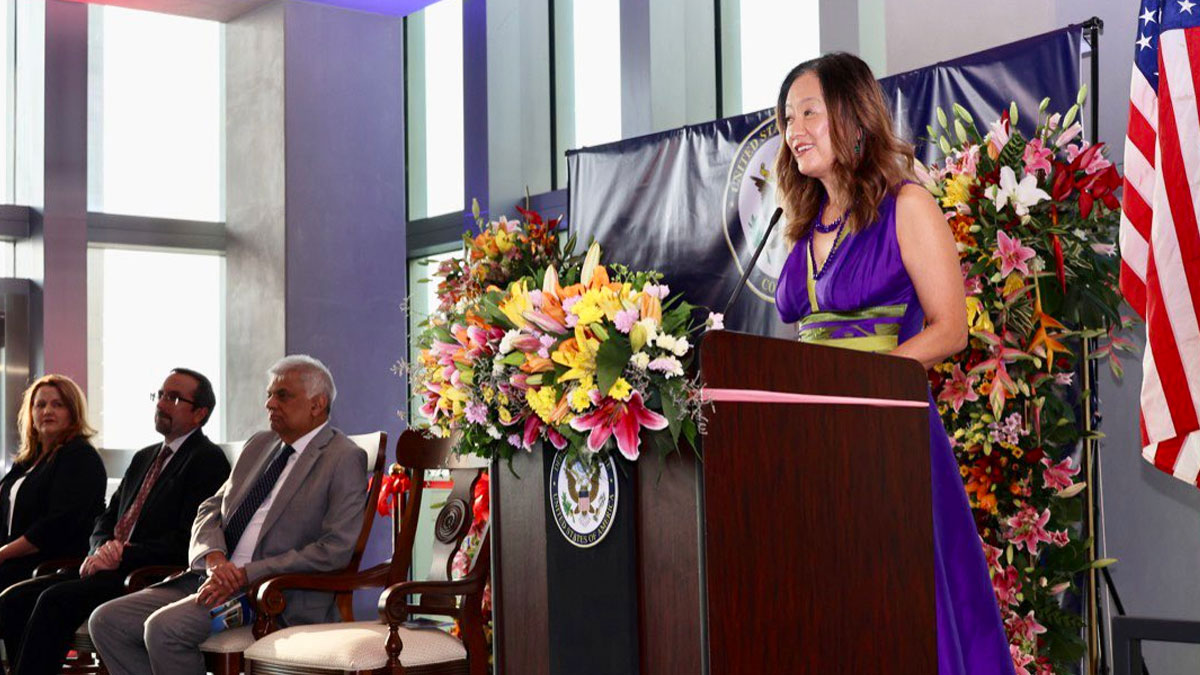
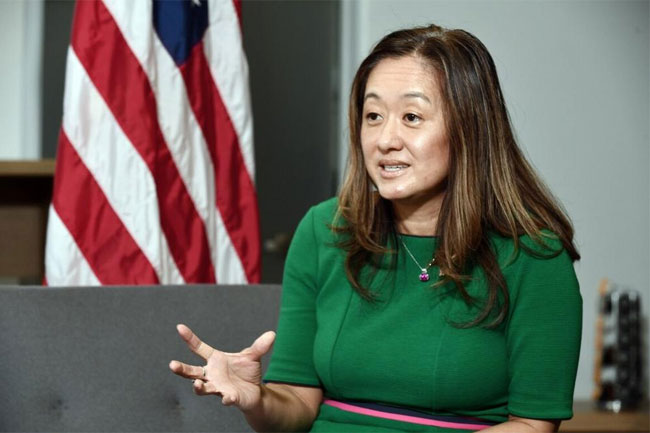
A meeting between Justice, Prison Affairs and Constitutional Reform Minister Wijeyadasa Rajapakshe and US Ambassador to Sri Lanka Julie Chang was held at the Ministry of Justice yesterday.

The Ambassador praised the adoption of the 21st Constitution Amendment Bill to strengthen democracy in Sri Lanka despite the various challenges and the adoption of many new laws to bring the legal system up to date.

Ambassador Chung also appreciated the measures taken by the current Government to bring a new anti-corruption act, especially, to prevent corruption in Sri Lanka and overcome the economic crisis.

Talks were held with the aim of further improving existing ties between the two countries while the Ambassador also expressed her gratitude to the Minister for attending the opening ceremony of the new US Embassy in Sri Lanka and for the support rendered by the Government in this regard.

The Ambassador appreciated the welfare programs including mobile services implemented with the aim of providing relief to the people of the Northern and Eastern provinces and their progress.

The Minister meanwhile, informed that all investigations related to persons who have been reported missing will be completed by 31 December next year.

Following the meeting, Ambassador Chung in a Twitter post said: “Great to meet Sri Lanka’s Minister of Justice again for a conversation about efforts that support rule of law & Sri Lanka’s ongoing efforts to reform the constitution and justice sector.”

Ministry of Justice, Prison Affairs and Constitutional Reforms Secretary Wasantha Perera also joined the occasion.

India urges Sri Lanka to stop mid-sea refueling of Chinese warships

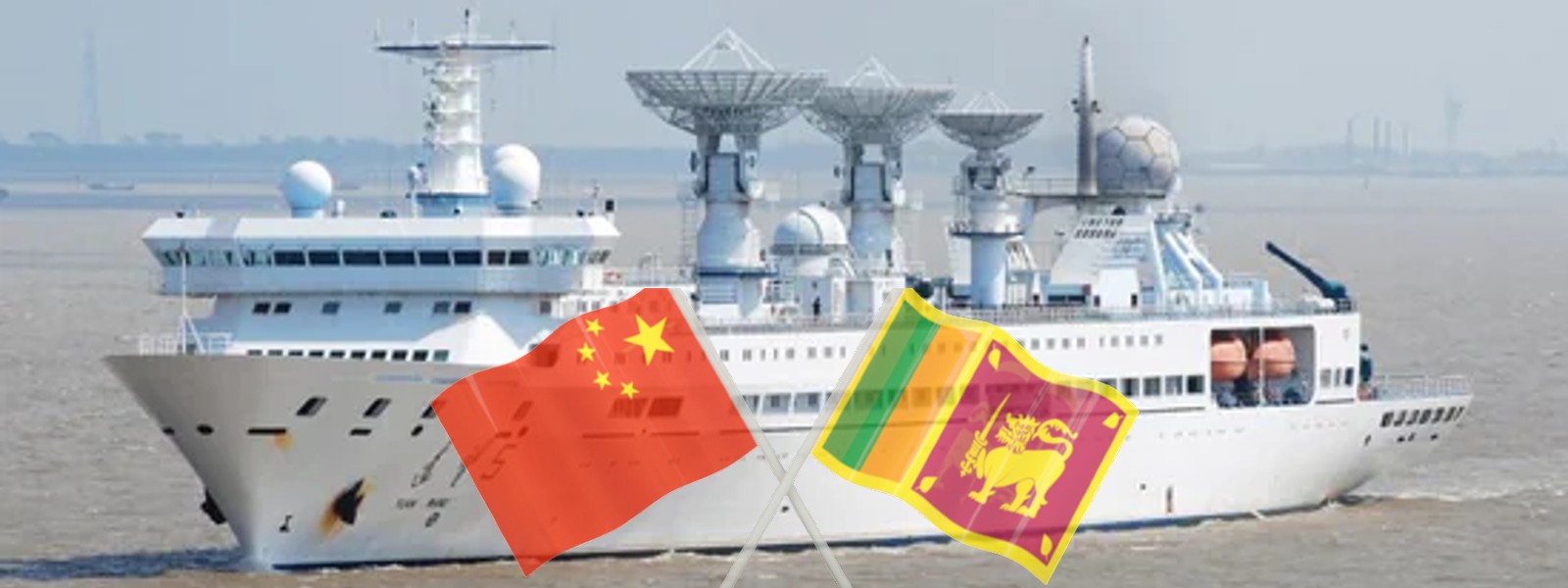
India has expressed its displeasure at Sri Lanka allowing Chinese warships to refuel from the Hambantota port, reported Hindustan Times citing multiple sources. The port was leased out to China for 99 years in 2017 and it hosted the Yuan Wang 5 warship couple of months ago.

While tensions between India and China continue to brew in the region, Sri Lanka has also entered the conversation due to the complicated nature of its relationship with Beijing. The Hambantota port provides the perfect solution for Chinese warships to refuel without Indian or United States interference.

As a result, the Indian authorities have requested Sri Lanka to take cognisance of the matter and demanded a transparent standard operation procedure (SOPs) for refuelling and docking ships.

According to Hindustan Times, the US has joined India in asking Sri Lanka not to allow Chinese warships to use the port to avoid surveillance. This has also resulted in Colombo finding itself in a difficult situation as it required aid from China to control the prevalent economic crisis.

While the accusations continue to haunt China, reports suggest that no warships from the country are currently active in the Indian Ocean and they are now preferring the course through East Africa.

“The Chinese warships continue to ply off the coast of East Africa and the Gulf of Aden while there is hardly any pirate activity in the region. It was the anti-piracy pretext that China used to secure a base in Djibouti,” a Beijing watcher told Hindustan Times when asked about the situation.

Posted in Uncategorized

US urges protesters in Sri Lanka to exercise rights peacefully

The United States today urged protesters in Sri Lanka to exercise their rights peacefully.

The US Ambassador to Sri Lanka, Julie Chung said that freedom of assembly is fundamental to democracy.

She urged the Sri Lanka Government to ensure space to support the rights of citizens.

The Ambassador also urged protesters to exercise their rights peacefully.

The Police had warned earlier that it will crackdown on the mass protest held in Colombo today (Wednesday).

The Police had issued letters to the protest leaders today saying they have not been given permission to go ahead with the protest.

Posted in Uncategorized

EU expresses concern to Sri Lanka on the recent use of PTA

The European Union (EU) has re-affirmed its commitment to support Sri Lanka’s efforts to successfully overcome the current unprecedented economic crisis.

It has also assured to assist with the necessary reforms and social protection measures, which would mitigate the adverse impact of the crisis and lead the country towards sustainable growth and prosperity, according to the EU.

During the meeting of the Sixth Working Group on Governance, Rule of Law and Human Rights held in Colombo on October 28, which took place in the context of regular bilateral interactions between Sri Lanka and the EU, they have reiterated the importance of social, economic and political inclusion through justice and reconciliation in the advancement of human rights.

The two parties have further discussed the recent developments in Sri Lanka and the EU, and the implementation of relevant action and legislative initiatives regarding the promotion and protection of human rights. Sri Lanka has briefed the EU on its progress in reconciliation.

Sri Lanka has apprised the EU of the 21st Amendment to the Constitution, which is aimed at strengthening democratic governance and independent oversight of key institutions, public scrutiny, as well as anti-corruption measures, with the re-establishment of the Constitutional Council and Independent Commissions.

The EU acknowledged the steps taken by Sri Lanka in March 2022 to reform the Prevention of Terrorism Act (PTA) and pointed to the need for further action in line with its commitments.

The EU has further expressed concern on the recent use of the PTA. Sri Lanka has assured that the PTA has been invoked only in instances of extreme necessity.

The EU has noted Sri Lanka’s update on the release of detainees under the PTA in 2021-2022 and encouraged the release of long-term detainees under the PTA who have not been charged.

Sri Lanka has expressed its strong commitment to preparing a comprehensive legislative proposal to replace the PTA in accordance with the Constitution, and in line with international norms and best practices, with a view to its finalisation in 2023.

The Working Group was co-chaired by Ms. Varuni Muthukumarana, the Director General of Europe, Central Asia, EU and Commonwealth, Ministry of Foreign Affairs of Sri Lanka and Ms. Rensje Teerink, Deputy Director and Head of South Asia Division, European External Action Service.

Posted in Uncategorized

Menike Mage Hithe and Suranganee sway Indians but the Indian-built Cultural Center in Jaffna remains inactive

A short period after the Sinhala song Menike Mage Hithe by Yohani de Silva hit the Indian silver screen, another all-time Sinhala song Suranganita Malu Genawa became a hit there, with none other than Premier Narendra Modi dancing to this catchy “baila” with the heroic Indian soldiers posted on the India-Pakistan border in Kargil on Deepavali day.

In a video circulated on social media, Prime Minister Modi was seen clapping as soldiers were singing Surangani in Sinhala and Tamil. The PM was standing at the center while some of the soldiers were tuning guitars and other instruments.

The Indian Prime Minister has been celebrating Deepavali with soldiers for several years now. He would distribute sweets among soldiers as a mark of happiness and camaraderie.

Lankan singer Yohani’s Manike Mage Hithe became an international hit and attracted Super Star Amitabh Bachchan as well. It paved the way for Yohani to sing for a blockbuster Hindi movie too.

These are some instances of strong cultural ties between India and Sri Lanka. While political relations have seen ups and downs, cultural bonds have not been affected even during trying times.

But much more could be done. Glaring loopholes could be plugged. Consider the modern Cultural Centre that India has helped build in Jaffna. Even after completion of the construction, the center remains closed due to some administrative issues.

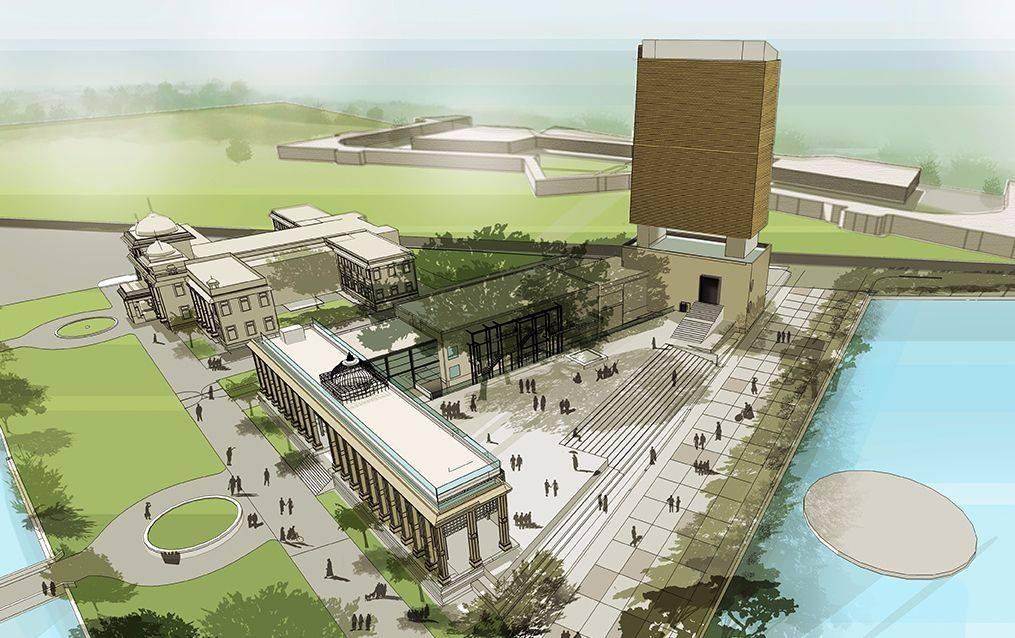
The eleven-storied Jaffna Cultural Centre, located next to the iconic Jaffna Library, was inaugurated virtually by Indian Prime Minister Narendra Modi in March 2022. However, there is no sign of it becoming fully functional.

Lovers of cultural activities in the Northern Province expected this massive structure to become a happening place with its 11 floors and varied facilities. It has a conference hall-cum-seminar room, an amphitheater, a multimedia library with online research facilities, an exhibition and gallery space, and an auditorium that can accommodate around 600 persons. The Centre could provide everyone with much-needed space for culture and the arts to flourish.

So far, the building has been used only twice – first, in March, when it was virtually opened by Indian Prime Minister Modi, and then, on 15 August, when the 75th Indian Independence Day was celebrated by the Jaffna-based Indian Consulate.

India and Sri Lanka entered into a Memorandum of Understanding (MoU) under which India constructed the Indian Cultural Centre and the eleven-storied building was completed last year. After the soft opening, it was to be handed over to the Government of Sri Lanka under the provisions of the MoU. The agreement also stated that the Centre would be administered by the Jaffna Municipal Council. But once the building – built with an Indian grant of USD 11 million – was ready in 2020, the handover was not completed.

While the Indian Government agreed to provide funds for the maintenance of the Centre for 5 years, there seem to be differences over continuation after that period. There was also the issue of whether the municipality had the financial resources to maintain the building with its limited budget.

Jaffna Mayor V. Manivannan blamed the Government for the delay. He told the Indian media that the two governments had failed to decide on the handover of the Centre to the Jaffna municipality.

“We have informed the Government that we are ready to run it,” Manivannan said. “We have also spoken to the Indian Government… But the (Sri Lankan) Government doesn’t seem to like the idea that we will run the Cultural Centre. We can do it but they are not keen. Keeping the Cultural Centre closed like this is a total waste,” Manivannan said

C.V.K. Sivagnanam, the former commissioner of the Northern Provincial Council, told the Indian media that he could not understand why the Cultural Centre was not opened. “I heard there were some financial issues… But India has said it will meet the running cost for five years. So, what is the hitch?” he asked, and quickly added that these were his “personal views.”

He suggested that some of the floors of the building could be rented out to raise funds to maintain the Centre as the cultural activities will not require the entire building. He affirmed that the Cultural Centre will be useful to the Tamil population in Jaffna. “The question is how to effectively manage all the floors. Some space can be rented out. The building can generate income too,” he said.

The Indian media service, The Wire quoted Jekhan Aruliah, a Tamil resident of Jaffna, who had attended the 15 August event at the Cultural Centre as saying he was very impressed with the “excellent air-conditioned theatre, high-quality audience chairs, super sound system, and lighting.” He also hailed the outdoor restaurant area, which he described as the best such facility on this scale in Jaffna, and better than many of the star hotels in the rest of the country.

Aruliah wrote on Facebook saying he was upset that the Cultural Centre opened for only two days.

“There has been no such beacon since the Jaffna Library was burned down in 1981… The restored Jaffna Library reopened in 2003, is an impressive repository of printed material, books, and other publications. But culture is more than books, it is about music and dance and theatre and art and food and no doubt many other things.”

The Indian High Commission and the Ministry of Buddhasasana, Religious and Cultural Affairs have formed a governing body to run the Indian Cultural Centre and both are confident that the Centre will commence activities and become the epicenter of Indo-Lanka cultural relations.

Posted in Uncategorized

Northern Province to get 1,000-acre safari sanctuary

On the instructions of President Ranil Wickremesinghe, the Ministry of Wildlife and Forest Resources Conservation is currently focused on setting up a 1,000-acre safari sanctuary in the Northern Province.

Speaking to The Morning, an official of the ministry said that the President has instructed Minister of Agriculture, Wildlife, and Forest Resources Conservation Mahinda Amaraweera to explore possibilities for suitable land in the Northern Province to set up a 1,000-acre safari sanctuary.

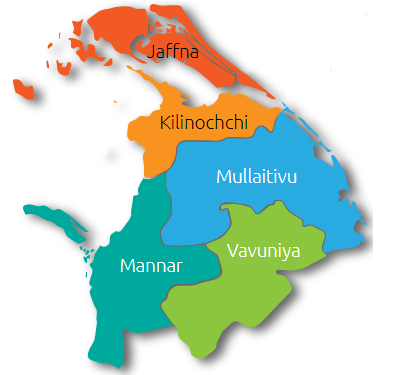
He noted that in the absence of a safari sanctuary in the Northern Province, the people of the Jaffna, Kilinochchi, Mannar, Mullaitivu, and Vavuniya Districts belonging to the Northern Province, are required to travel to other parts of the country to visit zoos.

According to the official, Amaraweera has informed the ministry’s Secretary Chandra Herath and the Directors General of the Departments of Wildlife Conservation, and Forest, to look into suitable land for the said purpose.

Amaraweera has also instructed the relevant officials to look into the possibility of introducing certain species of animals that are currently present in national zoos and those that are populated in urban areas and causing damage to cultivations and gardens to the proposed sanctuary.

The officials have pointed out to Amaraweera that if necessary, afforestation can be done on the lands that will be identified in the Northern Province, and that steps can be taken to introduce wild animals to such.

During the relevant meeting to discuss the matter, attention was also drawn to the issue relating to herds of deer that have spread around the Homagama area which had prompted various parties to request Amaraweera and the relevant officials to take steps to relocate the deer herds to a forest reserve or sanctuary.

However, as there have been several reports of deer dying of rabies, it has been decided that the deer should first be tested for rabies before being released to a forest reserve or sanctuary, as releasing rabid deer into such is likely to pose a danger to other animals.

Protest fizzles out amidst infighting

The much-hyped protest organised by several political parties, including the main Parliamentary Opposition – the Samagi Jana Balawegaya (SJB) – alongside civil organisations and trade unions, fizzled out to an anti-climax amidst protestors arguing with each other about the level of aggression and perseverance that should be employed, as well as the true intent of the MPs leading the protest.

Mainstream political parties and MPs including Opposition and SJB Leader Sajith Premadasa were seen being criticised by the protestors, and the protest ended with the Frontline Socialist Party (FSP), the “aragalaya” activists, the Inter-University Students’ Federation (IUSF), and the Ceylon Teachers’ Union (CTU) warning of another “aragalaya” soon.

The protest was organised by a number of political parties including the SJB, the Sri Lanka Freedom Party (SLFP), the FSP, civil organisations and trade unions, including the CTU against President Wickremesinghe and the Government started yesterday evening from near the Elphinstone Theatre in Colombo 10.

It was scheduled to proceed towards the Colombo Fort Railway Station in the form of a protest march. Premadasa and SJB MPs Ranjith Madduma Bandara, Field Marshal Sarath Fonseka, Dr. Harsha de Silva, Hesha Withanage and Mujibur Rahman, SLFP MP Dayasiri Jayasekara, “independent” MPs Patali Champika Ranawaka and Chandima Weerakkody, the Samagi Vanita Balawegaya National Organiser Hirunika Premachandra, Pubudu Jayagoda and Duminda Nagamuwa of the FSP, and CTU General Secretary Joseph Stalin were present when the protest march commenced.

By the time the protest march started to proceed towards the Colombo Fort Railway Station, Army, Police, Police Riot Unit, and Police Special Task Force (STF) personnel had been deployed around the area where the Railways Department Headquarters is located. More than 500 Police officers and STF officers with shields and Army soldiers with firearms were deployed around the area and three water cannon trucks were also seen parked. The Police took steps to block those who were marching towards the Colombo Fort Railway Station chanting slogans and carrying placards with various phrases, by putting up a human barrier from the area near the Railways Headquarters. By that time, a large number of Police officers had been deployed to completely block the road and the STF had been deployed behind them.

A heated situation then arose between the Police and the protestors as the Police did not allow them to move towards the Colombo Fort Railway Station. In the meantime, a group of police officers carrying batons were also seen deployed around the area. In addition, some police officers and Army personnel were seen recording what was taking place using cameras and mobile phones. Several MPs including Premadasa stayed close to the police human barrier. Around 4.30 p.m., many protestors were seen saying that they should break the human barrier and resume the protest march towards their destination, the Colombo Fort Railway Station, but Premadasa and other MPs wanted to stop the protest at that point and told the protestors not to break the barrier, said a participant in the protest who spoke to The Morning.

After some time, when Premadasa and his security personnel were moving to the back of the protest, the protestors were seen criticising him severely. Some protestors were claiming that Premadasa had taken the people to the protest and was trying to leave the premises, thus leaving those attending the protest helpless. It was also observed that the protestors were saying that he had only come to the protest for political gain. While the protest was going on in this manner, Premadasa was seen talking to the media on the side of the road and someone threw some water at him. With that, a heated situation arose between a group of people who could be thought to be Premadasa’s supporters and another group. After some time in that situation, Premadasa was no longer seen at the site where the protest was being held.

When these events were taking place, it was also observed that Premachandra was trying to break the Police human barrier and was trying to move forward. She was also seen strongly criticising some police officers who did not allow her to do so. It was observed that she was criticising Premadasa, due to the latter’s opposition to breaking the Police human barrier.

By the time of these incidents, Field Marshal Fonseka and many SJB MPs who were attending the protest during its beginning were not seen at the site. Rahman, who had also left the front of the protest, was also seen facing criticism from the protestors. However, he said that it was difficult for him to be amidst the large crowd at the front, and that he had therefore come to the back. After some time, he too left the protest.

Jayasekara, Weerakkody, and Ranawaka were also criticised by the protestors. A person present there was observed throwing an empty water bottle at Jayasekara. At that time, some of the protestors claimed that people who have been employed by some party may have done such things with the intention of disrupting the protest and creating a conflict between the groups who participated in it.

Between 5.30 p.m. and 6 p.m., none of the participating MPs were seen at the protest site. At that time, the known figures who remained at the protest were Jayagoda, Nagamuwa, Stalin, and aragalaya activist Attorney-at-Law Nuwan Bopage. Apart from that, a group of supporters who could be thought to be FSP supporters, activists of the IUSF and the Inter-University Bhikkhu’ Federation (IUBF), and the Young Journalists Association (YJA) stayed at the site. Addressing the gathering at this time, Bopage and Nagamuwa stated that during the protest organised with the participation of many political parties, politicians, especially MPs, had left in the middle of it. However, they said that the people who were really involved in the people’s struggle were the ones who remained till its end. Bopage also commented on IUSF Convenor Wasantha Mudalige and IUBF Convenir Ven. Galwewa Siridhamma Thera, both of whom are currently detained under the Prevention of Terrorism (Temporary Provisions) Act. He emphasised that the authorities should work to release them as their detention order will expire soon.

Addressing the crowd, Stalin said that yesterday’s protest was only the first step in a larger people’s struggle. He said that all the parties were united against the President and the Government and that it has been proved that the people are not afraid of the Government’s repression. He said that in a few days, they will return to Colombo with a large group of people, adding that the security forces and the Police would not be able to stop them on that day.

After those speeches, the protestors were seen leaving the place. However, by the time the protest was over, Premachandra had taken a different route to the front of the Colombo Fort Railway Station, avoiding the Police human barriers. She reached the Railway Station with several others, and was seen sitting on the ground in front of the Railway Station and protesting against President Wickremesinghe and the Government in the videos that circulated on social media platforms.

Over 20 political parties, and more than 100 trade unions, student movements, and civil organisations, including the SJB, the SLFP, the FSP, the CTU, the IUSF, and the YJA, which signed a joint statement to defeat the “suppressive programme of the current Government led by Wickremesinghe” on 25 October, announced earlier that they would hold a massive protest in Colombo yesterday.

The attendance at yesterday’s protest was however seen to be less than the pre-“aragalaya” SJB protest at the Galle Face.