Charitha hits back: First culprit of Economic Crisis was Cabinet including Minister Sabry

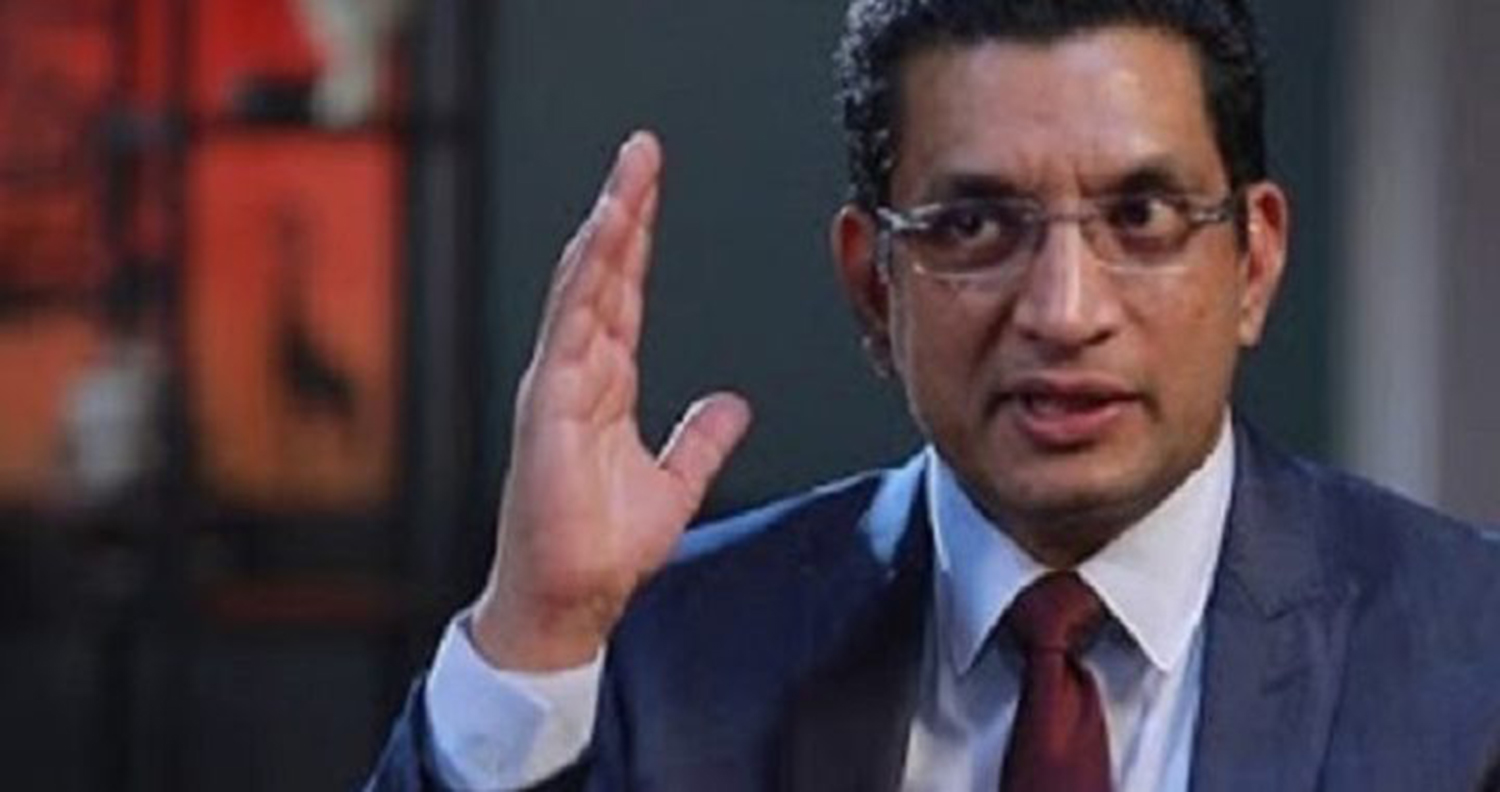
The former Chairman of the COPE Prof. Charitha Herath today hit back at the former Minister of Justice and the current Foreign Affairs Minister Ali Sabry against his remarks that the Cabinet of Ministers was clueless with regard to the economic crisis.

Taking to twitter, the former COPE Chair released a document which included a Notice to the Cabinet by the former Finance Minister Basil Rajapaksa with regard to the country’s foreign currency outflows and the distribution of responsibility on foreign currency inflow.

The annexure attached to the document, which included the expected outflows and inflows during 2022, underlined the debt servicing payments, maturing sovereign bonds and expenses with regard to goods imports.

Minister Ali Sabry on Friday (14) said that the Cabinet of Ministers “thought everything was ok” and failed to recognise the depth of the economic crisis, and were more invested in their own subjects and portfolios.

The former COPE Chairman shared the documents and pointed out that such is evidence that the financial issue was discussed at the Cabinet though no solution was found.

“True, first culprit of this disaster is the Cabinet of which Ali Sabry was a part.” he tweeted.

Forex shortage: $ 50 m weekly spending cap for energy

The Central Bank of Sri Lanka (CBSL) and the Treasury have informed the Ministry of Power and Energy that the State can only afford to make a $ 50 million payment for energy imports per week, Minister Kanchana Wijesekera revealed yesterday (15).

Wijesekera made this observation while explaining the challenges faced by the Government in importing fuel, in response to a question from media on whether the fuel quota would be increased.

“Due to the shortage of dollars in our banking system, the Central Bank has informed us that the State can only afford to issue a maximum of $ 50 million per week for the import of energy products. This now applies to coal imports as well, as we no longer have the credit line for coal. We will also have to allocate funds for coal from this $ 50 million. This is the difficult situation we are in,” Wijesekera told the media last afternoon (15).

He explained that an ordinary shipment of 35,000 MT of petrol or diesel would cost between $ 40-50 million while a 100,000 MT consignment of crude oil cost between $ 75-85 million to order.

“When I took over in April, the banking system at the time did not allow us to open Letters of Credit (LCs) from our banks. This was due to Sri Lanka being downgraded and later declaring bankruptcy. The arrears are from the LCs that were opened earlier.”

According to Wijesekera, in April the Ceylon Petroleum Corporation (CPC) owed fuel suppliers $ 751 million in arrears. Approximately $ 350 million in arrears has now been settled, leaving an outstanding $ 400 million.

Earlier this year, CBSL Governor Dr. Nandalal Weerasinghe informed the Government that Sri Lanka could only afford to import a maximum of $ 200 million worth of fuel for the second half of 2022, causing the Government to ration fuel and effect a fuel price hike.

Petroleum suppliers have been reluctant to bid for term and spot tenders issued by the CPC due to colossal unpaid dues from the State, an increase in risk insurance premium, and Sri Lanka’s declaration of bankruptcy.

Minister Wijesekera also said that a decision would have to be taken by the Cabinet on whether to reconsider a fuel price revision or increase the quota.

Sri Lanka will remain a middle-income country despite GDP decline

The Deputy Director of the Asia and Pacific Department of the International Monetary Fund, Anne-Marie Gulde-Wolf has said that Sri Lanka will remain a middle-income country despite the decline in GDP.

Speaking at an IMF press conference on the Asia and Pacific Region’s Economic Outlook, the Deputy Director of the Asia and Pacific Department of the IMF responded to questions raised about Sri Lanka’s progress toward debt restructuring negotiation, the IMF’s program timeline, and whether Sri Lanka could be downgraded to low-income status.

She pointed out that it is difficult to predict a timeline because the process of debt negotiations takes time, and mentioned that timelines differ depending on who the creditors are and what is involved.

“We certainly are supporting the process as much as we can. And we hope that everybody can work expeditiously to get a process underway, and discussions have started, including with support of all bilateral creditors that are involved,” she said.

Anne-Marie Gulde-Wolf further speaking noted that with regard to the other multilateral lenders, the IMF is working very closely with the World Bank, the Asian Development Bank, the Asian Investment Bank, on programs for Sri Lanka, which would assist in closing the financing gap.

“But I want to say also very importantly that the policies under the other multilateral lenders in their areas of expertise will be important to resolve Sri Lanka’s longer term growth problems,” Anne-Marie Gulde-Wolf emphasized.

Posted in Uncategorized

SLAF rejects RTI request

The Sri Lanka Air Force (SLAF) rejected the Right to Information (RTI) request on the details of former President Gotabaya Rajapaksa’s visit to Maldives on an Air Force aircraft on 13 July.

The former President fled to the Maldives a few days after protesters occupied both the President’s House in Fort and the Presidential Secretariat on 9 July, following a mass protest in Colombo.

Both Information Officer and Designated Officer for RTI at Air Force Headquarters rejected the application and said requested details cannot be released as per the provision of Section 5 (1) (b) (i) of the Right to Information Act No. 12 of 2016.

SLAF confirmed on 13 July that former President Gotabaya Rajapaksa, his wife, and two bodyguards boarded an Air Force flight to the Maldives early that day. “In accordance with the powers vested in an Executive President in the Constitution of Sri Lanka, at the request of the existing Government, subject to the full approval of the Ministry of Defence, and subject to Immigration, Customs and all other laws at the BIA, the President along with the First Lady and two security guards departed on an Air Force aircraft to the Maldives early this morning,” the SLAF said in a statement, of its services to Rajapaksa, who held the positions of Minister of Defence and Commander-in-Chief, until his resignation.

Restructuring Sri Lanka’s debt talks – Author: Soumya Bhowmick, ORF

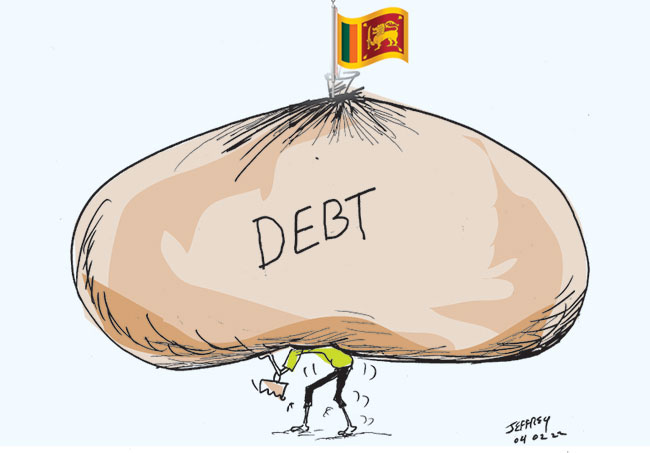
There is no doubt that International Monetary Fund (IMF) loans often come with a set of conditionalities that most countries find unfavourable to implement. With its ongoing economic crisis and complex multilateral debt negotiations between creditor nations, Sri Lanka is no exception.

Fumio Kishida, Japan’s Prime Minister, right, meets Ranil Wickremesinghe, Sri Lanka’s President, at Akasaka Palace state guest house in Tokyo, Japan, 28 September, 2022 (Kiyoshi Ota/Pool via Reuters).
The IMF extended a loan of US$2.6 billion to Sri Lanka in 2009 on the condition that Colombo reduces the country’s budget deficit to around 5 per cent of GDP. But the island nation failed to improve its exports or growth, so it requested another IMF debt facility of about US$1.5 billion in 2016. That was also ineffective due to internal issues ranging from multiple monsoon failures derailing agricultural productivity to the politically destabilising constitutional crisis of October 2018.

Between 2015 and 2019, the country’s growth rate fell from 5 per cent to 2.9 per cent and government revenue contracted from 14.1 per cent to 12.6 per cent of GDP. The bitter coincidence of falling output and revenue made Sri Lanka reluctant to seek an IMF bailout in the early stages of its 2022 sovereign debt crisis — diminishing its options to avert the current economic disaster.

The COVID-19 pandemic has been harsh for the entire South Asian region, with countries seeking hefty assistance from the IMF. Apart from Sri Lanka, the IMF has approved a loan tranche of US$1.17 billion to flood-hit Pakistan. Bangladesh formally requested an IMF loan of US$4.5 billion in June 2022 due to inflationary pressures, a volatile taka and depleted foreign exchange reserves.

Given the interconnectedness of global value chains and the regional economy, Sri Lanka’s recent economic woes cannot be understood in isolation.

In early April 2022, Sri Lanka declared it would default on its external debts comprising International Sovereign Bonds and syndicated and bilateral loans worth approximately US$51 billion. It then awaited a bailout from bilateral and multilateral creditors.

The subsequent months saw a humanitarian disaster and massive civil unrest that triggered the resignation of Sri Lankan government ministers, including the former president, Gotabaya Rajapaksa, and the former prime minister, Mahinda Rajapaksa. Sri Lanka reached a preliminary agreement with the IMF for a US$2.9 billion loan in early September 2022. It requires Sri Lanka to restructure all of its debt held by external and private creditors.

On the request of Sri Lankan President Ranil Wickremesinghe, Japan will lead the debt restructuring talks with creditor nations. Japanese Finance Minister Shunichi Suzuki emphasised the role that bilateral creditors like India and China should play in dragging Colombo out of its worst economic crisis since gaining independence in 1948.

The restructuring of Sri Lanka’s debt held by India and China provides Sri Lanka with a certain amount of leverage in the IMF negotiations. Interestingly, this also reflects the changing regional dynamics of the last few years. Sri Lanka is of strategic interest to China for its trade and infrastructure connectivity in the Indian Ocean region as part of the Belt and Road Initiative (BRI). It became more crucial after India announced its non-participation in the BRI.

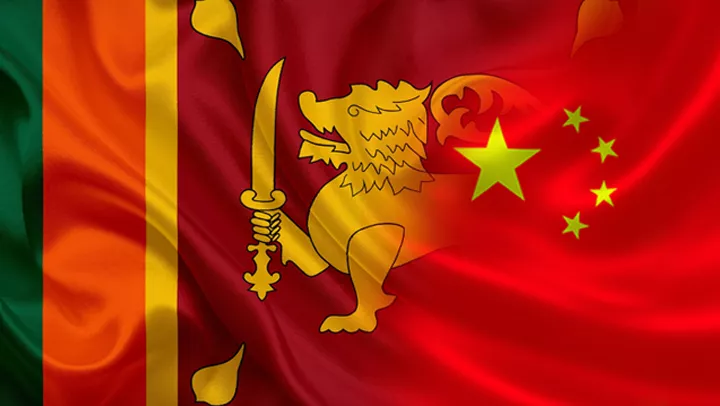
China has been accused of engaging in debt-trap diplomacy with Sri Lanka, especially after the Hambantota Port incident in which the China Merchants Port Holdings Company paid $US1.12 billion for an 85 per cent share in the port on a 99-year lease in 2017. But in the post-pandemic world, the BRI, like China’s general dedication towards Sri Lanka, is losing steam.

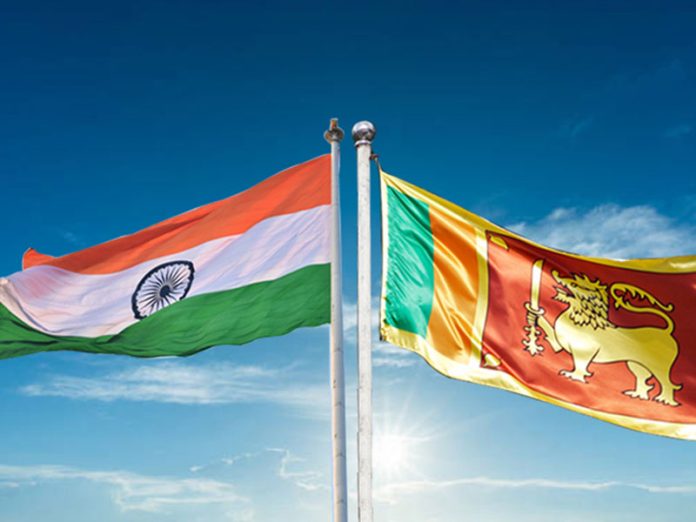
India and Sri Lanka’s bilateral ties have seen an uptick in the recent past — they boast the largest trade relationship within the South Asian Association for Regional Cooperation. According to India’s Ministry of External Affairs, India provided Sri Lanka with unprecedented crisis support to the tune of US$3.8 billion in the first half of 2022, in line with its Neighbourhood First policy.

Japan’s unbiased leadership in the debt restructuring talks is crucial to achieving a positive outcome considering the diplomatic tensions between India and China. These tensions range from border skirmishes in Ladakh and Sikkim to the recent Indian crackdown on Chinese firms for ‘financial crimes detrimental to [India’s] financial security’.

India marginally surpassed China in 2022 to become Sri Lanka’s largest bilateral lender. But the resolution of Sri Lanka’s debt relief talks needs to spread the debt relief costs across all the creditor nations, with India now holding a larger stake in the process.

As Sri Lanka graduated from a low-income country to a low-middle-income country in the late 1990s, its access to concessionary loans declined. They were replaced by commercial loans with unfavourable conditions such as higher interest rates and shorter repayment durations.

Commercial loans, mostly denominated in International Sovereign Bonds, were often used to fund the economy’s current account deficits, adding to Sri Lanka’s macroeconomic vulnerabilities. Sri Lanka’s recovery efforts need to address the long-term precarity of this external debt structure.

While the world braves the macroeconomic impacts of the pandemic, the Russia–Ukraine conflict adds soaring fuel prices and food insecurity to the list of problems faced by the Global South. That volatility underscores the importance of a careful and swift recovery for Sri Lanka.

Soumya Bhowmick is an Associate Fellow at the Centre for New Economic Diplomacy, Observer Research Foundation.


Posted in Uncategorized

Crisis-hit Sri Lanka looks for foster parents to face malnutrition among children

Sri Lanka is in the process of implementing a foster parent concept to feed extreme malnourished kids as over 20,000 children are starving due to economic hardships with the island nation’s unprecedented financial crisis, Health Minister Keheliya Rambukwella said.

An estimated 6.3 million people in Sri Lanka are facing moderate to severe acute food insecurity and their situation is expected to worsen if adequate life-saving assistance and livelihood support is not provided, a report by the Food and Agriculture Organization (FAO) of the United Nations (FAO) and the United Nations World Food Programme (WFP) warned last month.

A UNICEF report last month showed that over 5.7 million people, including 2.3 million children, require humanitarian assistance in Sri Lanka, making it among the top ten countries with the highest number of malnourished children with the numbers expected to to rise further.

Health Minister Rambukwella said the authorities are in the process to get some funds from donors to address extreme malnutrition among the kids who are yet to start school.

“There are (rich) parents who want to do that. It costs about 5000 rupees per month per child. One has already taken 20 children and another one has taken 100 children,” Ramkukwella told in an interview with EconomyNext on Thursday (13).

“The malnutrition has increased by 2 percent. It is not alarming, but we need to be watchful.”

“There could be 5-10 extreme malnourished children in each grama sevaka division. Things are not going to improve overnight and the food supply chain is not going to improve. The ground reality is people are feeling.”

Under the scheme a parent or a sponsor will take care of at least one child and make sure the kids recover from acute malnutition.

The minister said the proposed foster parent model is targeting up to 30,000 extreme malnourished children and the funds raised for the programme will be spent to improve their nutrition level and keep them healthy until the food supply improves.

Sri Lanka is facing a food shortage as a result of former president Gotabaya Rajapaksa banned imports of agrochemicals overnight without giving any alternatives for farmers to secure healthy and large harvest.

“This malnutrition will reflect perhaps when we are not there. There will be weak children when they are becoming 10-12 years. It will be a huge challenge for us. So this situation has to be arrested,” the minister said.

“The harvest in the next cultivation season is going to be good with the fertilizer usage. Basically we have a gap of about three months to manage,” he said referring to the time period the foster parent scheme may required.

Under the scheme, the minister said children will be helped by periodical check while ensuring additional food quota for the malnourished kids according to their requirements.

“Once we see the success of the trial, we will start with Nuwara Eliya and Monaragala which are most affected area,” he said.

Posted in Uncategorized

Indian LOC: $ 50 m allocated for meds unused

Sri Lanka is yet to utilise nearly $ 50 million from the $ 110 million allocation made to the pharmaceutical sector from the $ 1 billion Indian Line of Credit (LOC), The Sunday Morning learns.

Health Ministry Secretary Janaka Sri Chandraguptha confirmed that only around $ 60 million had been utilised from the allocations given to the health sector so far.

“We have called for tenders from private parties too. There is a complex process involving LOC funds. We have submitted documents to the Indian High Commission too,” he said.

The funds allocated from the LOC were distributed among institutes attached to the Ministry including the State Pharmaceuticals Manufacturing Corporation (SPMC), State Pharmaceuticals Corporation (SPC) and private sector, according to Chandraguptha.

For some tenders, the procurement has already been commenced, he said, adding that discussions were ongoing to see the possibilities of importing necessary medical equipment from India. “It is not finalised yet,” he added.

Posted in Uncategorized

China pledges to deliver five billion rupees worth of medicines to Sri Lanka soon

China will deliver five billion rupees worth of medicines to Sri Lanka in the near future, Qi Zhenhong Ambassador of China to Sri Lanka, said yesterday at the Lady Ridgeway Hospital, after making a donation.He said that China is one of the biggest providers of medical aid to Sri Lanka in recent years. Since China and Sri Lanka established diplomatic relations, 65 years ago, the two countries and peoples have always been understanding and supporting each other, he said. The COVID-19 pandemic, and the domestic economic crisis, have brought severe difficulties to Sri Lanka, and its public health sector is especially faced with unprecedented challenges, Zhenhong said.

“China has been the biggest donor and supplier of PPEs, test kits and vaccines to Sri Lanka, throughout the pandemic, which largely helped the island to win the battle against COVID-19. To tackle the CKDu (chronic kidney disease of unknown etiology) in Sri Lanka, China has handed over the National Nephrology Hospital, in Polonnaruwa, the Joint Research and Demonstration Centre for Water Technology in the University of Peradeniya, and eight kidney disease mobile labs to the Ministry of Health of Sri Lanka and brought into operation in the last year,” he said.

China has also donated medicines worth 1.2 billion rupees, under its 500 million RMB emergency humanitarian assistance. In the coming months, more medical supplies, with a total value of five billion rupees, will be handed over to Sri Lanka and delivered to hospitals and patients across the island, he said.The Ambassador added that the biggest China-aid project so far, a brand-new National Hospital OPD Centre, in Colombo, which can accommodate 6,000 patients daily, will be soon opened to the Sri Lankan people.In conclusion, the Ambassador said: “I reiterate that at this moment of difficulty, we will stand by your side, hand in hand, shoulder to shoulder, heart to heart, and jointly overcome the current challenges to contribute more to the well-being of our two peoples.”

Posted in Uncategorized

Sri Lanka’s creditworthiness discussed with World Bank VP

State Minister of Finance Shehan Semasinghe met with the World Bank Vice President for the South Asia Region, Martin Raiser, and a World Bank delegation during the World Bank Annual Meetings 2022, to discuss options available to recover Sri Lanka’s economy.

The discussions were focused on the current creditworthiness of Sri Lanka, which is no longer entitled to source funding through the World Bank’s International Bank for Reconstruction and
Development (IBRD), instead to work with the International Development Association (IDA) rating, which will grant Sri Lanka to obtain concessional loans.

This process, which will entail a “reverse graduation” to IDA, will move Sri Lanka from an IBRD-only country to an IDA country.

However, Sri Lanka will remain listed as a middle-income country.

The IMF/WB also emphasized that access to this potential new concessional funding remains linked to deep reforms, an IMF program, and progress with a comprehensive debt treatment
the process by the authorities of Sri Lanka.

The VP and the WB Delegation said that sustained improvements in economic and social conditions by the Sri Lankan government could pave the way for Sri Lanka to graduate from IDA in the future.

Parents form national body to join ‘aragalaya’

A group of parents have formed the National Parents’ Association (NPA) to “protect the future of the Sri Lankan community” with the aim of actively contributing to any future “aragalaya” (people’s struggle) that may take place, to overcome the socio-economic crisis that has arisen in the country.

Speaking at a media briefing recently, members of the NPA stated that it is the parents who have been most affected due to the prevailing socio-economic crisis. As they cannot fulfil the needs of their children, they said, they have been put in a very stressful situation in the recent past, and that they should therefore, work towards the resolution of the crisis.

“As we felt that we also have some way to contribute to overcoming this crisis, we decided to form the NPA. This consists of the office bearers and an advisory board. It is the parents who are honestly thinking of the wellbeing of their children. Every individual in the society is either a parent, or a child. Therefore, everyone is invited to join us,” they added.

The NPA members also stated that they would expand the organisation by forming branches in all districts in the coming months. By joining hands with other civil organisations that are working towards the resolution of the economic crisis and are engaged in similar struggles, they said, the NPA would also contribute to making the country a better place for the children to live.

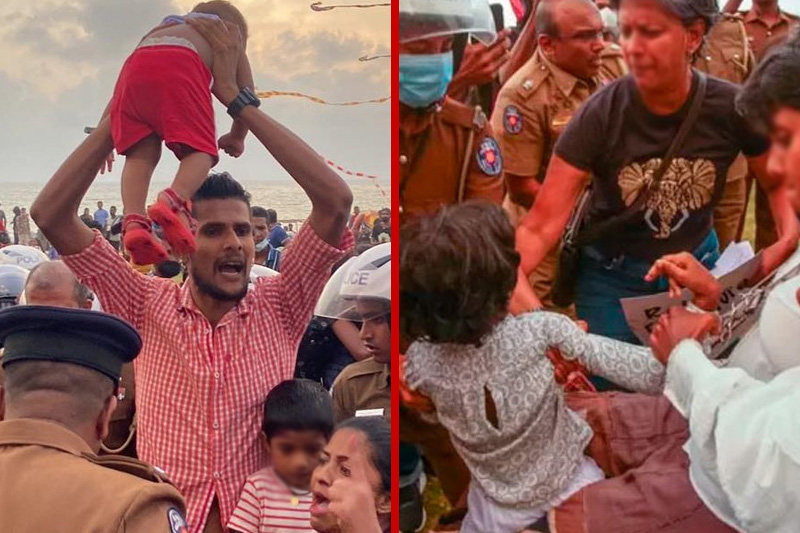
The participation of parents in the protests which are being held against the Government’s failure to provide solutions to prevailing issues, including with children, has been talked about in the recent days, following the Police obstructing a peaceful protest at the Galle Face Green in which a number of parents attended with their children on 9 October. The National Child Protection Authority said that it would investigate allegations of parents using their children as human shields at the said protest.

Meanwhile, equating those who take their children to protest demonstrations as being akin to slain Liberation Tigers of Tamil Eelam (LTTE) Leader Velupillai Prabhakaran’s use of children as human shields, President Ranil Wickremesinghe stated on Wednesday (12) that all measures will be taken in consultation with Attorney General Sanjay Rajaratnam (PC) to prevent young children from being brought to protests.

Speaking during a discussion at the Presidential Secretariat on the protection of children’s rights, he said: “Taking children to protest demonstrations should be stopped. They are taking children to protests, not because they cannot be left alone at home, but to be used as a human shield, similar to what Prabhakaran did. The Police should be instructed to prevent such incidents from happening. If this is to continue, everyone will bring their children to protests and even university students will bring children.”