30% hotels, canteens, restaurants, food carts, 50% of school canteens closed: AICOA

All Island Canteen Owners’ Association (AICOA) Chief Asela Sampath today said that 30 percent of the hotels, canteens, and 50 percent of school canteens have closed due to the price increase of essential commodities and the price increase of chicken and eggs in the local market.

He told the Daily Mirror that about 10,000 of the 30,000 hotels across the country are completely closed due to a shortage of bread, flour, eggs, meat, and fish.

He said around 3,000 canteens in government institutions and 4,600 canteens in schools were operating across the country.

The food and beverage supply services (catering) for events (wedding houses, funeral homes) have completely stopped due to the shortage of bread flour, eggs, meat, and fish.

More than 60,000 people who used to produce food items such as cakes, puddings and watalappan with bread flour and eggs at home have also stopped due to the lack of raw materials. Street food sales have also come to an end.

Most of the restaurants, stalls, canteens, hotels, and street food carts were closed as they were unable to pay their rent and the salaries of their employees. Even though the food was made, we could not sell them at a higher price, the association’s chairman added.

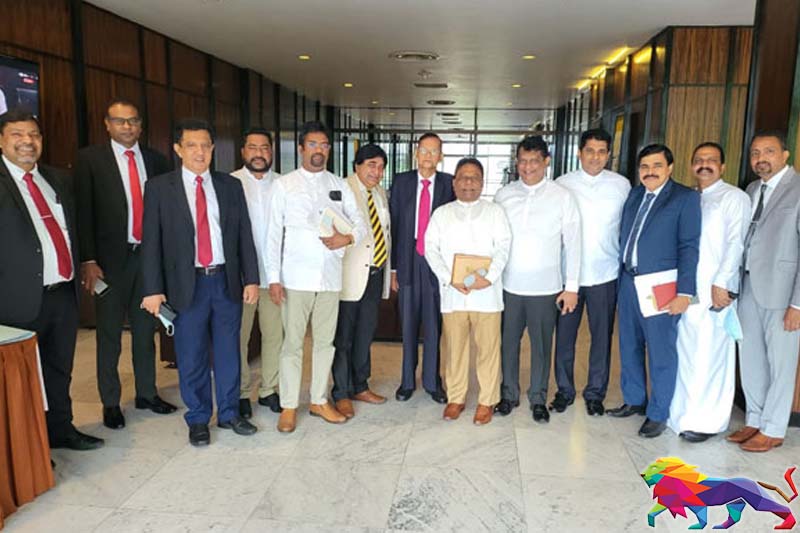
SLPP ‘independents’ reject SLPP reunion

The group of Parliamentarians including MPs Dullas Alahapperuma and Sri Lanka Podujana Peramuna (SLPP) Chairman Prof. G.L. Peiris, who recently left the SLPP and since declared themselves as “independent” MPs in the Opposition, stated that even though there is no hope of re-engaging with the SLPP, they are ready to support a progressive programme through the committees operating in the Parliament, without obtaining any privileges.

Speaking to The Morning, MP Dr. Nalaka Godahewa, who is among the said group of MPs, said that although they had informed President Ranil Wickremesinghe that they were ready to support any progressive programme of the current Government through the committees within Parliament following the latter’s appointment as the President, all 13 MPs of the group were expelled from committees such as the Committee on Public Enterprises (COPE) and the Committee on Public Accounts (COPA).

“When the President asked us to support the Government, we officially met him and informed him that we were ready to support the Government through committees, but without obtaining any privileges such as vehicles, security personnel, and staff. However, we were all thrown out of the committees of which we were members of at that time. That means that the Government did not want our support,” he said.

When queried as to whether they would accept any future invitation to join such committees, Dr. Godahewa said that they would not deny an invitation to support progressive programmes through committees within the Parliament. Noting that such committees are not linked to any political party or group, he said that they would be willing to join them accordingly. However, he emphasised that they would not accept any privileges which are similar to those of a Cabinet Minister that have been tipped by President Wickremesinghe for Chairpersons of such committees.

Meanwhile, commenting on their political future, he said that the SLPP does not seem to be moving on a progressive path, and that therefore, they would not rejoin the party. Instead, he said that the group of MPs would continue discussions with all Opposition political parties and groups, including the Supreme Lanka Alliance (SLA) chaired by “independent” MP Wimal Weerawansa, towards a progressive programme.

“We will be discussing with all Opposition parties and groups. Such discussions are also going on with the SLA. We are engaged in such discussions as there are certain junctures where we, the Opposition parties, can work together. However, we are not part of any Alliance. Also, the SLPP does not seem to be going on the right path. It does not work up to what the people expected. There is only a Government made up of MPs who are greedy for positions,” said Dr. Godahewa.

A total of 13 MPs including Prof. Peiris crossed over to the Opposition in the Parliament on 31 August. Announcing the decision to sit in the Opposition, Prof. Peiris said that the decision was taken to oppose the actions of the SLPP in violation of the mandate given by 6.9 million people, and to protect the aspirations of the voters of the SLPP, and move forward. In addition to him, the said group of MPs include Alahapperuma, Dr. Godahewa, Dilan Perera, Prof. Charitha Herath, Prof. Channa Jayasumana, K.P.S. Kumarasiri, Dr. Gunapala Rathnasekara, Udayana Kirindigoda, Dr. Upul Galappaththi, Dr. Thilak Rajapakshe, Wasantha Yapa Bandara, and Lalith Ellawala.

India seeks full implementation of 13th Amendment, & PC elections at the earliest

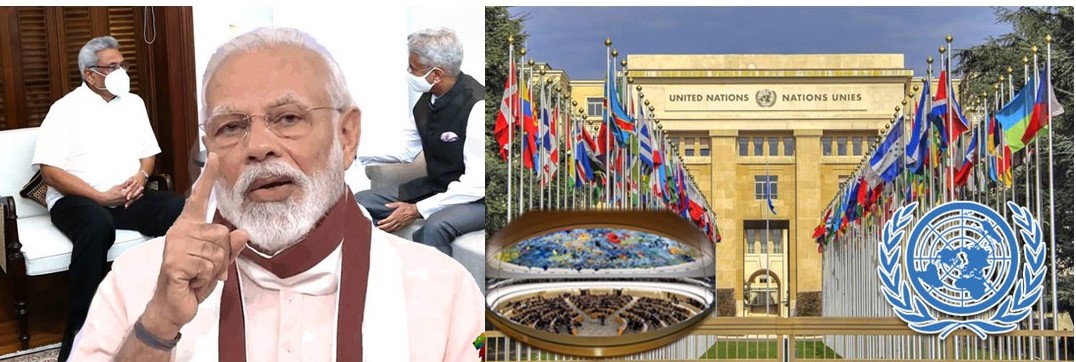
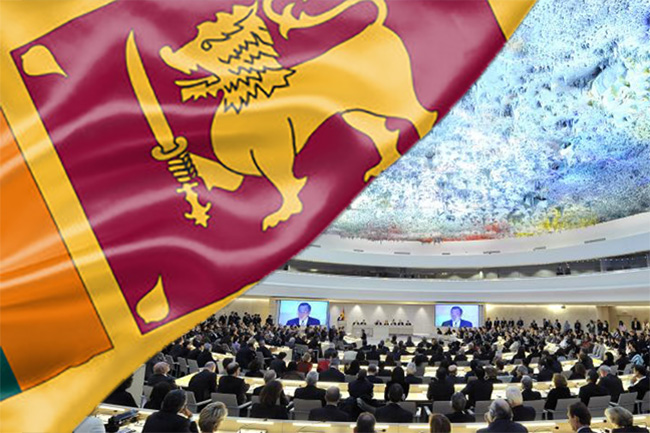
India has called for full implementation of the 13th Amendment of the Constitution, delegation of powers to Provincial Councils and holding of Provincial Council elections at the earliest, said its representative to the United Nations Human Rights Council.

“India’s consistent view on peace and reconciliation in Sri Lanka has been for a political settlement within the framework of an united Sri Lanka, ensuring justice, peace, equality and dignity for the Tamils of Sri Lanka,” said the representative.

He added that the current crisis in Sri Lanka has demonstrated the limitations of debt driven economy and the impact it has on the standard of living.

“It is in Sri Lanka’s best interests to build capacity of its citizens and work towards their empowerment, for which devolution of power to the grassroots level is a pre-requisite,” the representative told the UNHRC on Monday (12).

In this connection, operationalization of Provincial Councils through early conduct of elections will enable all citizens of Sri Lanka to achieve their aspirations for a prosperous future, he added.

Posted in Uncategorized

EU tells Sri Lanka to suspend the PTA

The European Union (EU) today called on Sri Lanka to suspend the Prevention of Terrorism Act (PTA) until it is in full compliance with international human rights law and standards.

The EU delegation at the UN Human Rights Council today condemned the unwarranted use of force against peaceful demonstrators.

The delegation also called for accountability and immediate acts to end impunity.

The EU thanked the Office of the High Commissioner for Human Rights for the report on Sri Lanka which was tabled at the Council during its 51st Session today.

“We reaffirm our commitment to Human Rights, reconciliation and accountability in Sri Lanka,” the EU said.

The EU said that it recognizes the challenges Sri Lanka is facing following months of protest and the recent change of Government, while underlining the need of upholding all human rights and fundamental freedoms, especially freedom of opinion and expression of all persons in Sri Lanka, including persons and groups in vulnerable and marginalized situations.

“We also underline the need for effective and equal fulfilment of economic, social and cultural rights of all,” the EU said.

The EU encouraged the Government of Sri Lanka to remain engaged with the UN and international partners as well as fully cooperate with the High Commissioner.

The EU said that it will continue to support Sri Lanka’s efforts towards a fully inclusive dialogue on governance, rule of law, democratic values, and devolution and human rights.

Sri Lanka rejects any follow-up action on UNHRC resolution: FM

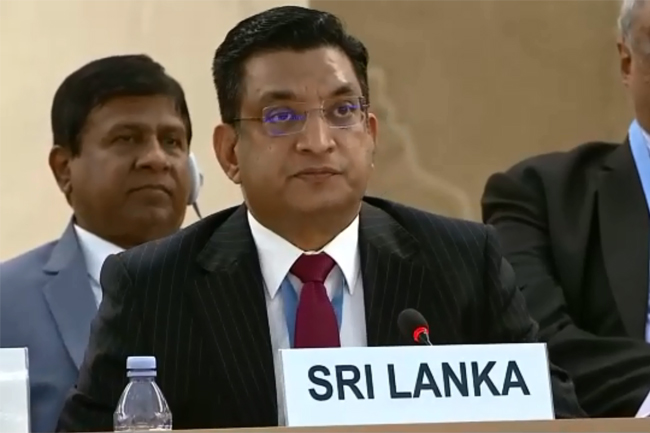
Foreign Minister Ali Sabry, in his address to the UNHRC, said Sri Lanka would reject any follow up action to the resolution 46/1.

In his statement, the Minister said Sri Lanka along with several Members of this Council had opposed resolution 46/1, fundamentally disagreeing with its legitimacy and objectives.

“We have consistently highlighted that the content of the resolution, its operative paragraph 06 in particular, violates the sovereignty of the people of Sri Lanka and the principles of the UN Charter. Once again, we are compelled to categorically reject any follow-up measures to the resolution, as well as the related recommendations and conclusions by the High Commissioner,” he said.

“In keeping with our commitment, notwithstanding our categorical rejection of resolution 46/1, we have submitted Sri Lanka’s detailed written response to the High Commissioner’s Report. We have requested that Sri Lanka’s comments be placed as an Addendum to the Report, to accord with best practices.

We remain cognizant of and acutely sensitive to the events that have taken place in the recent past. The severe economic crisis emanating from factors both internal and external offer many lessons for all of us. We recall in this context the indivisibility of human rights, as enshrined in the Vienna Declaration and Programme of Action. The Government is extremely sensitive to the socio-economic hardships faced by our people, and has initiated immediate multi-pronged measures to address the challenges and to ensure their wellbeing through the provision of supplies essential to the life of the community. A staff level agreement has been reached with the International Monetary Fund, and discussions on debt restructuring are in progress. The Government is in dialogue with UN agencies as well as bilateral partners to protect the most vulnerable from the adverse impacts of the crisis. In spite of multiple challenges, Sri Lanka would endeavour to remain on course in meeting the goals of the 2030 Agenda for Sustainable Development.

The recent changes that have taken place bear testimony to our continued commitment to upholding our longstanding democratic principles and norms. The constitutional rights to peaceful assembly and expression guaranteed the democratic space for our people to exercise their rights. In this regard, transgressions of the law resulting in criminal and unlawful activity were addressed in accord with the law and the Constitution, in circumstances where such freedoms were abused by elements with vested interests to achieve undemocratic political ends.

Mr. President,

Notwithstanding the severe constraints and challenges, Sri Lanka remains firmly committed to pursuing tangible progress in the protection of human rights and reconcilation through independent domestic institutions.

Sri Lanka along with several Members of this Council have opposed resolution 46/1, fundamentally disagreeing with its legitimacy and objectives. We have consistently highlighted that the content of the resolution, its operative paragraph 06 in particular, violates the sovereignty of the people of Sri Lanka and the principles of the UN Charter. Once again, we are compelled to categorically reject any follow-up measures to the resolution, as well as the related recommendations and conclusions by the High Commissioner.

Mr. President,

Notwithstanding, Sri Lanka has continued to brief the Council on the comprehensive legal framework that is being established to further strengthen governance and combat corruption. The proposed 22nd Amendment to the Constitution introduces several salient changes which would strengthen democratic governance and independent oversight of key institutions, as well as public scrutiny, participation in governance, and combatting corruption including the constitutional recognition of the United Nations Convention Against Corruption (UNCAC). This will include, inter alia, the composition of the Constitutional Council, and the reintroduction of the National Procurement Commission and the Audit Service Commission. The proposed legal framework will also strengthen the asset declaration system, protect the rights of whistle blowers, and increase the independence of the Commission to Investigate Allegations of Bribery or Corruption. A proposal to establish a system similar to an Inspector General tasked with overseeing government expenses by detecting and preventing fraud, waste and abuse in public institutions, is under consideration.

The recommendations of the Presidential Commission of Inquiry on “Appraisal of the Findings of Previous Commissions and Committees and the Way Forward” have, inter alia, resulted in the establishment of an Advisory Board under the Prevention of Terrorism Act (PTA), progressive amendments to the PTA, and the release of detainees,” he said.

Posted in Uncategorized

UN Human Rights Chief calls for transparent probe on Easter Attacks

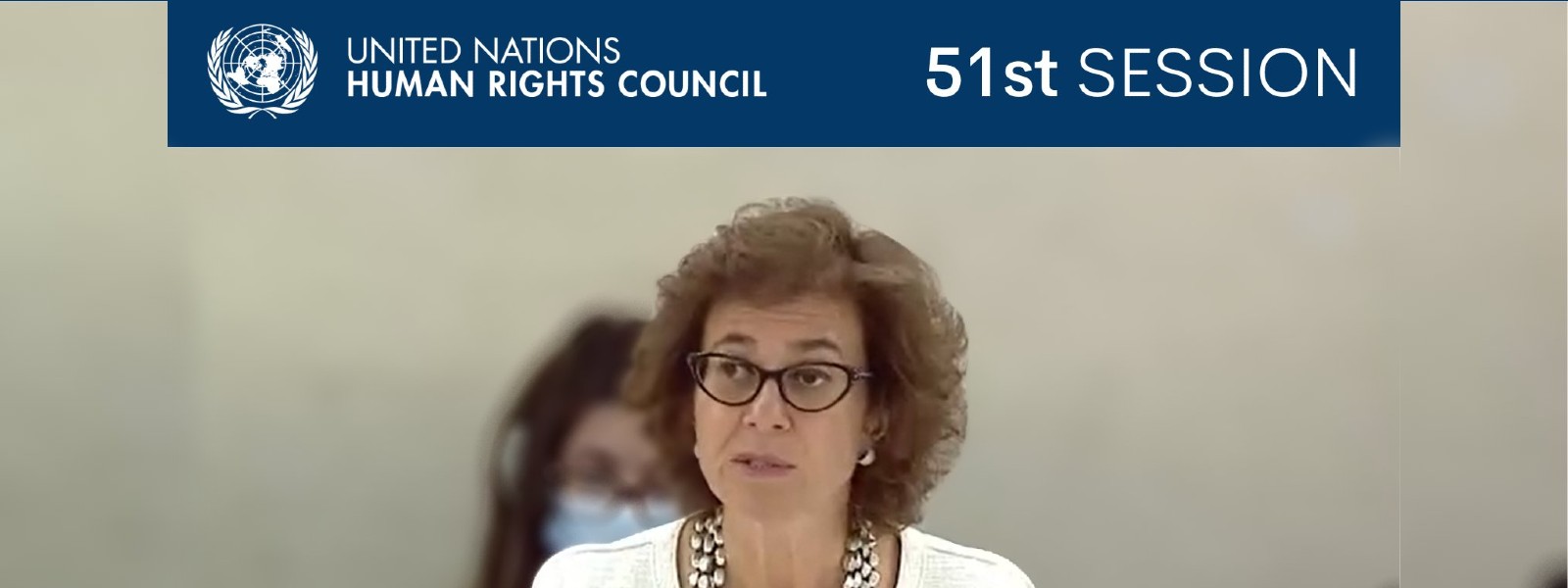
UN Acting High Commissioner for Human Rights Nada Al- Nashif has called on the UN Human Rights Council Member States and international financial institutions to ensure Sri Lanka has fiscal space to fulfil its core economic and social rights obligations.

Delivering her statement in the UNHRC Comprehensive report and Interactive dialogue on Sri Lanka on Monday (12), the Acting High Commissioner it is essential the Government ensures an environment that respects and promotes free expression, peaceful assembly and inclusive democratic
participation.

She added that the Sri Lankan Government has a fresh opportunity to steer the country on the path towards justice and reconciliation and to address the legacy of conflict.

“Continued reports of surveillance and intimidation of civil society organisations, victim groups, human rights defenders, journalists and former LTTE cadres by police, military and intelligence services are of concern. Without fundamental security-sector reforms and de-militarization of the North and the East, this pervasive culture of surveillance and oppression will not end,” added the Acting High Commissioner.

She further noted that he Sri Lankan State has repeatedly failed to pursue an effective transitional justice process and uphold victims’ rights to truth, justice and reparations, adding that successive governments have created political obstacles to accountability, actively promoted and incorporated some military and former paramilitary officials credibly implicated in alleged war crimes into the highest levels of government, and have failed to present a shared understanding of the conflict and its root causes.

“Similarly, despite some suspects being charged, there has been no further progress to establish the truth about the terrible Easter Sunday bombings of 2019. OHCHR calls for an independent and transparent investigation, with international assistance should it be necessary, to pursue further lines of inquiry, in particular the role of the security establishment, in a process that guarantees the full participation of victims and their representatives,” she further noted.

The Acting UN High Commissioner for Human Rights noted that the mandate granted by this Council under resolution 46/1 – to continue monitoring the human rights situation and pursue accountability for crimes under international law – is now more important than ever, and responds to the broadbased aspirations for change being expressed by Sri Lankans from all communities.

Posted in Uncategorized

Muslim diaspora to take PTA use to UNHRC

Sri Lankan Muslim expatriates yesterday (11) voiced disappointment over the current implementation of the Prevention of Terrorism Act (PTA) against muslims in Sri Lanka, and stressed that they would take up the human rights violations in relation to this rigid law at the 51st United Nations Human Rights Council (UNHRC) sessions scheduled to commence today (12) in Geneva, Switzerland.

Sri Lanka Muslim Expatriates’ Council International Affairs Co-ordinator Aiyoob Azmin told The Morning that human rights violations relating to the PTA should be raised during the UNHRC sessions, and that their organisation would mainly focus on the implementation of this draconian law against the muslims in Sri Lanka.

“Sri Lanka’s economic crisis is yet unsolved and continues to create immense human suffering, but the PTA continues to be in force. State-level abuse of this law, illegal arrests, detentions, and repression continues,” he added.

Azmin further noted that more than 300 young muslim men and women have been detained for months under the PTA in connection to the Easter Bombings, while bans on selected muslim organisations continue, and legal proceedings against muslim detainees who have already been illegally arrested are yet to be completed. Thus, Sri Lankan muslims, in particular, are facing the consequences of various human rights violations in connection with the PTA, he stated.

On these grounds, Sri Lankan muslim human rights activists living internationally demand that the UNHRC should continue to implement measures to ensure Sri Lanka’s accountability, and inter-community reconciliation, as well as to ensure the co-operation of the international community in response to Sri Lanka’s economic crisis, including justice for country’s economic mismanagement and corruption, he added.

“Sri Lanka faces an unprecedented economic crisis and political challenges. Regardless, Sri Lanka can never escape from its accountability in human rights matters before the international community and the UNHRC. It is a general observation that the governments responsible for human rights violations in Sri Lanka over the past two decades have not taken any promising progressive steps. In this situation, it has now been revealed that the governments in power are involved in several major economic irregularities. The data available from Sri Lanka also indicate that human rights violations have taken place through economic abuses as well, during the crisis period,” Azmin said.

Sri Lanka’s human rights issues are set to be focused on at the 51st session of the United Nations Human Rights Commission to be held from 12 September to 7 October 2022. As the 46/1 Human Rights Commission’s proposals will expire by this session, the UK is expected to re-table the proposals afresh. In this context, the General Reporting of the United Nations Human Rights Commission, and the Reporting of the Special Representatives have now been published ([A/HRC/51/5] and [A/HRC/51/26/Add.1]). Based on this, representatives of Sri Lankan Muslim civil societies, and human rights activists living internationally, have put forward the observations above.

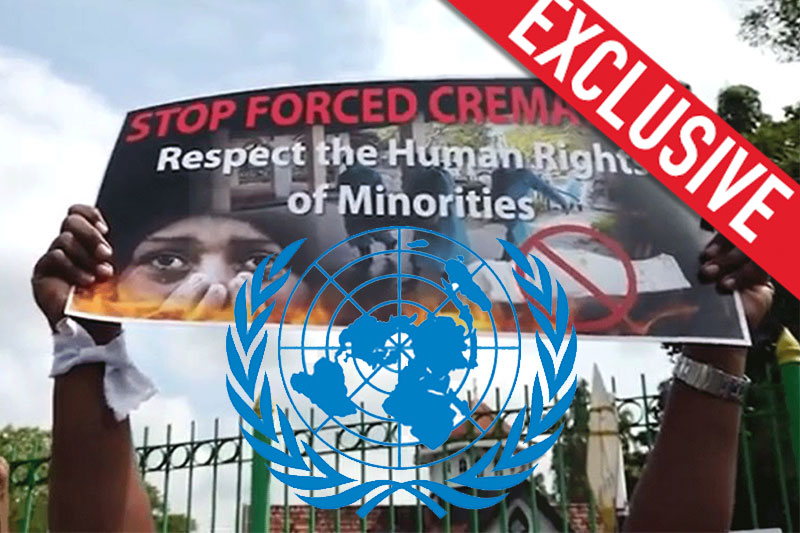
Minister of Justice Dr. Wijeyadasa Rajapakshe PC recently noted that the less stringent National Security Bill is being currently formulated and that would repeal the Prevention of Terrorism Act No. 48 of 1979.

Additionally, the Tamil National Alliance (TNA) had re-launched its mobile signature campaign demanding to repeal the PTA on 10 September in Kankesanthurai. TNA and ITAK MP M.A. Sumanthiran PC said that President Ranil Wickremesinghe promised to repeal the PTA in 2017 in Brussels.

“It has been five years since, and it is still to be repealed,” he said.

“Early this year they gave a guarantee of a moratorium placed on PTA that it won’t be used. This was stated in Parliament and various international bodies. Despite all these promises, they have started using the PTA. The President had signed three detention orders recently under the PTA. Therefore, we re-energised the mobile campaign, and in the second phase from Kankesanthurai to Hambantota. It will go through all 25 districts, at least one day in each district, and reach Hambantota.”


Posted in Uncategorized

Enabling sustainable mobility in Sri Lanka through stakeholder engagement: sessions convened by Netherlands Embassy

he Embassy of the Kingdom of The Netherlands continues to bring together a diverse group of stakeholders to strategize on pushing sustainable mobility in Sri Lanka through shared visions on cycling and sustainable transport.

Having earlier partnered with the Colombo Municipal Council to pilot ‘CarFreeCMB’, the Netherlands now also supports sustainable mobility in Sri Lanka working closely with Ride for Life Sri Lanka, a group of Sri Lankan citizens who have been promoting cycling as a primary mode of mobility in Sri Lanka. And as the Sri Lankan Government started looking at adopting sustainable mobility practices, the Dutch supported through technical assistance and capacity development to institutions such as the Road Development Authority and Urban Development Authority.

To engage the private sector, the Embassy also hosted an event on World Bicycle Day in June to award winners of the Bike to Work call for proposals with Dutch cycling and urban planning consultancy services to implement their ideas.

In this background, the Embassy of the Netherlands in Sri Lanka convened a virtual co-design session on 31 August to bring together key stakeholders from all sectors to discuss the required steps to mainstream sustainable mobility in the country. The co-design workshop was facilitated by Citra Social Innovation Lab, South Asia’s first social innovation lab which is a joint initiative of the United Nations Development Programme and the Government of Sri Lanka.

The first stakeholder session focused on understanding the current challenges, key stakeholders and ideation of solutions and key actions needed to promote cycling among the public. Subsequent sessions are planned to continue the deliberations and develop an action plan to effectively mainstream cycling in the country. Are you/your organization/company interested in joining this movement for sustainable mobility, please contact innovations.lk@undp.org.

Posted in Uncategorized

New Govt. and the UNHRC sessions in Geneva BY M.M.Zuhair

At a time when the country is increasingly dependent on the assistance of foreign countries to tackle the deepening economic crisis and the steeply rising cost of living, the Government must objectively address the human rights concerns alleged against Sri Lanka in the UN Human Rights Council (UN HRC) commencing sittings in Geneva.

Addressing the media in Colombo last Monday, Foreign Minister M. Ali Sabry was quoted by Associated Press (AP), that the Government cannot agree to any “external mechanism, external evidence gathering mechanism, charging citizens outside the country, getting hybrid judges to come and hear the cases, all these are against the Constitution. So we can’t agree to that”.

While welcoming the Foreign Minister’s assertion that ‘Sri Lankan citizens will not be allowed to be charged outside the country’ and ‘foreign judges will not be permitted to sit in judgment over cases in Sri Lanka’, the question that needs to be raised is, how can the Government delegation to UN HRC now refuse UN HRC mechanism to gather evidence of human rights violations in Sri Lanka, having in 2019 allowed foreign agencies to freely investigate 21/4 Easter Sunday attacks? That too without approval of the relevant Sri Lankan Magistrates!

As a respected lawyer, Minister Ali Sabry must surely be aware that none of these foreign non-accountable investigators were authorised by any Magistrate to visit the sites of the explosions, give instructions to the Sri Lankan investigators or to be a part of the investigative team! There were also well known locals, who were not authorised police officers and who too were allowed without any judicial approval to enter protected crime sites, talk to alleged witnesses resulting in polluted investigations. At that time, I cautioned publicly through media statements that those who allowed ‘external investigative mechanisms’ into the country on Easter attacks were virtually laying the groundwork for others to argue later to allow foreign judges to hear cases in Sri Lanka.

The then Minister of Public Security told Parliament on 19 May 2021, during the Gotabaya Rajapaksa presidency that the US Federal Bureau of Investigations (FBI) and Australian Federal Police (AFP) were conducting investigations into the Easter attacks together with the CID.

These and other similar agencies are not similar to the UNHRC gathering evidence of human rights violations. If a US Federal intelligence and security agency, whose Government had been notorious for invading several Middle East and regional countries for over 40 years under various pretexts, often false pretexts, could have been allowed to investigate 21/4, what form of credible unbiased investigations could Sri Lankan investigators claim in Courts? Foreign invasion of third world countries was an issue raised by a 21/4 suicide bomber shortly prior to the reprehensible attacks!

In October 2021, British Member of Parliament Sir David Amess was killed, stabbed multiple times at his Essex constituency in the UK. Father Jeffrey Woolnough who rushed to perform the sacrament on the devout Catholic MP was refused access by the Essex Police to perform a simple religious rite. Essex Police told the priest that preserving the integrity of the crime scene was a fundamental part of any investigation and refused entry.

US author William C. Chasey in his 1995 book ‘Pan Am 103-The Lockerbie Cover Up’ reveals how the “United States, Great Britain and Scotland conspired to cover up the true identities of those responsible for the world’s most heinous terrorist bomb explosions in Pan Am 103”. The doomed flight exploded in mid-air 31,000 feet over Lockerbie in Scotland killing all 270 persons on board on 21 December 1988. Chasey exposes how the FBI and the CIA tried to keep out the true story of who did it. Chasey reveals how the crime scene was prostituted to accuse Libya of Muammar Gadhafi fame and that the real master minds were others!

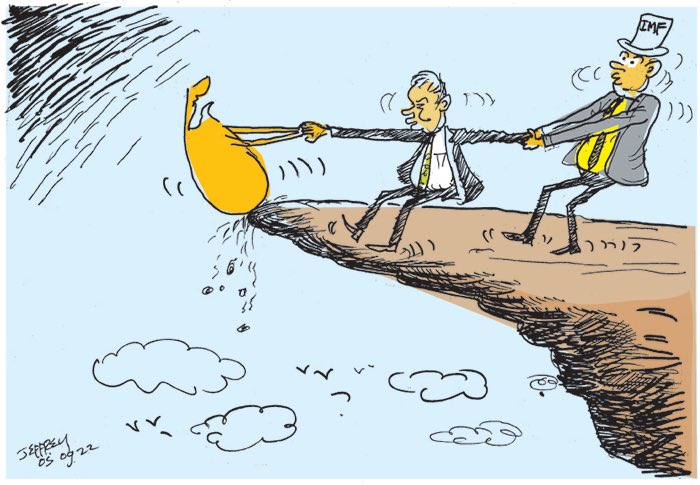
Will Minister Ali Sabry and co-delegate Justice Minister Wijeyadasa Rajapakshe find a way to cooperate with UNHRC than confront, as that would be at present the wiser course for the country, similar to the 22 million Sri Lankans now having to take the IMF decoctions?

(The writer is a former Member of Parliament.)

Sri Lanka at Geneva: human rights & accountability take center stage

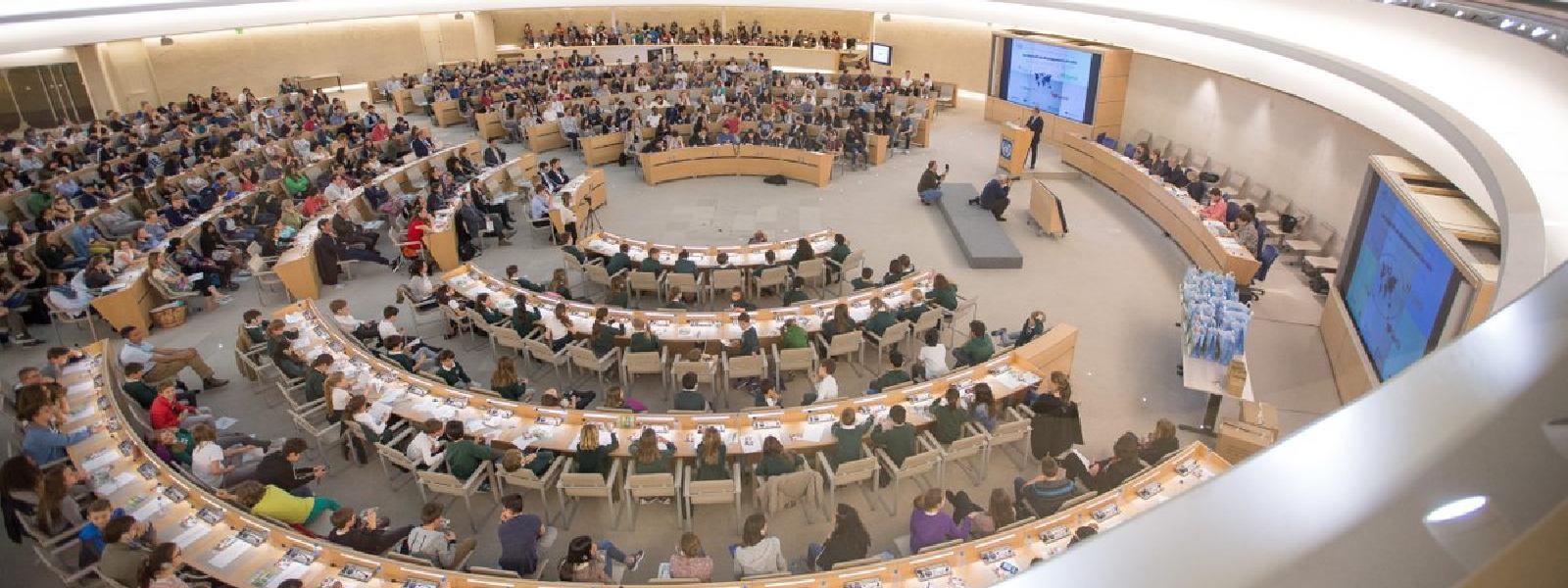
The 51st session of the United Nations Human Rights Council is scheduled to be held from 12th of September and the 7th of October.

During this period, the situation with regard to human rights in Sri Lanka and ways to promote accountability are due to be discussed.

The Minister of Foreign Affairs Ali Sabry PC and the Minister of Justice Wijeyadasa Rajapaksa PC have left for Geneva to represent Sri Lanka at the session.

Meanwhile, representing the Opposition, Samagi Jana Balawegaya’s head of human rights MP Dr. Kavinda Jayawardena, MP Mujibur Rahuman and Attorney-at-law Eranda Weliange have also left for Geneva.

SJB MP Jayawardena stated that he hopes to discuss the lack of reconciliation for people for nearly three years after the Easter Sunday attacks, and furthermore, hopes to discuss the difficult economic situation in the country, in addition to the necessity of support from the international community.

“We hope that the leaders at the UNHRC would provide us with the necessary political leadership to provide justice and equality to the people of our country to recover from this economic crisis and to establish democracy, rule of law, equality and human rights in the country,” he said.

Meanwhile, Attorney-at-law Nuwan Bopage also left for Geneva on Saturday (10) to participate in the UNHRC sessions.

Minister Ali Sabry met with the Core Group on Sri Lanka at the UNHRC and held further discussions on constructive engagement and working together to achieve effective and sustainable progress.

Moreover, he had met with Nadia Nashif, the acting UN High Commissioner for Human Rights and discussed the progress Sri Lanka has made and the current steps being taken to improve human rights practices in Sri Lanka.