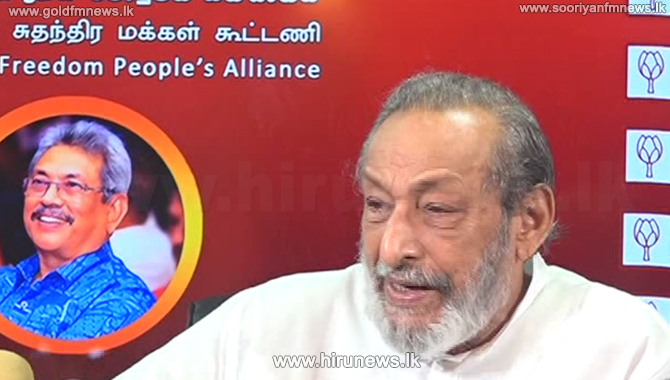
“MR Not Active In Govt.: 11 Constituent Parties Will Have To Leave The Govt. Soon If Current Trends Continue”: Vasu

Minister Vasudeva Nanayakkara reveals that 11 allied parties in the government will have to leave the government soon, if the current political trends continue.

In an interview with a YouTube channel, Nanayakkara has pointed out that the government’s current path is not line with the thinking of the constituent partners of the ruling camp.

The Minister states that these two paths are not compatible, pointing out that the government is moving in one direction and the 11 constituent parties are moving in a nationalist-leftist direction.

He also stated that the government was destroying the expectations of the people who voted for President Gotabhaya Rajapaksa.

The Minister pointed out that holding a different opinion is not an act of hostility.

“Although Mahinda Rajapaksa is the Prime Minister, he is not playing an active role and all decisions of the government are taken by the President and Basil Rajapaksa, the Minister of Finance, “Nanayakkara said.

China considered setting up military base in Sri Lanka – Pentagon

The Pentagon says China has likely considered setting up a military base in Sri Lanka.

This was revealed when the Pentagon released a report titled “Military and Security Developments Involving the People’s Republic of China” yesterday (03).

The report said China is seeking to sustain military power at greater distances, and added that China may have have considered establishing military bases or logistic facilities in 13 countries including Sri Lanka.

Other countries include Singapore, Pakistan, Myanmar, United Arab Emirates and Thailand.

The Pentagon said China may establish these facilities to increase the strength of its naval, air, and ground forces.

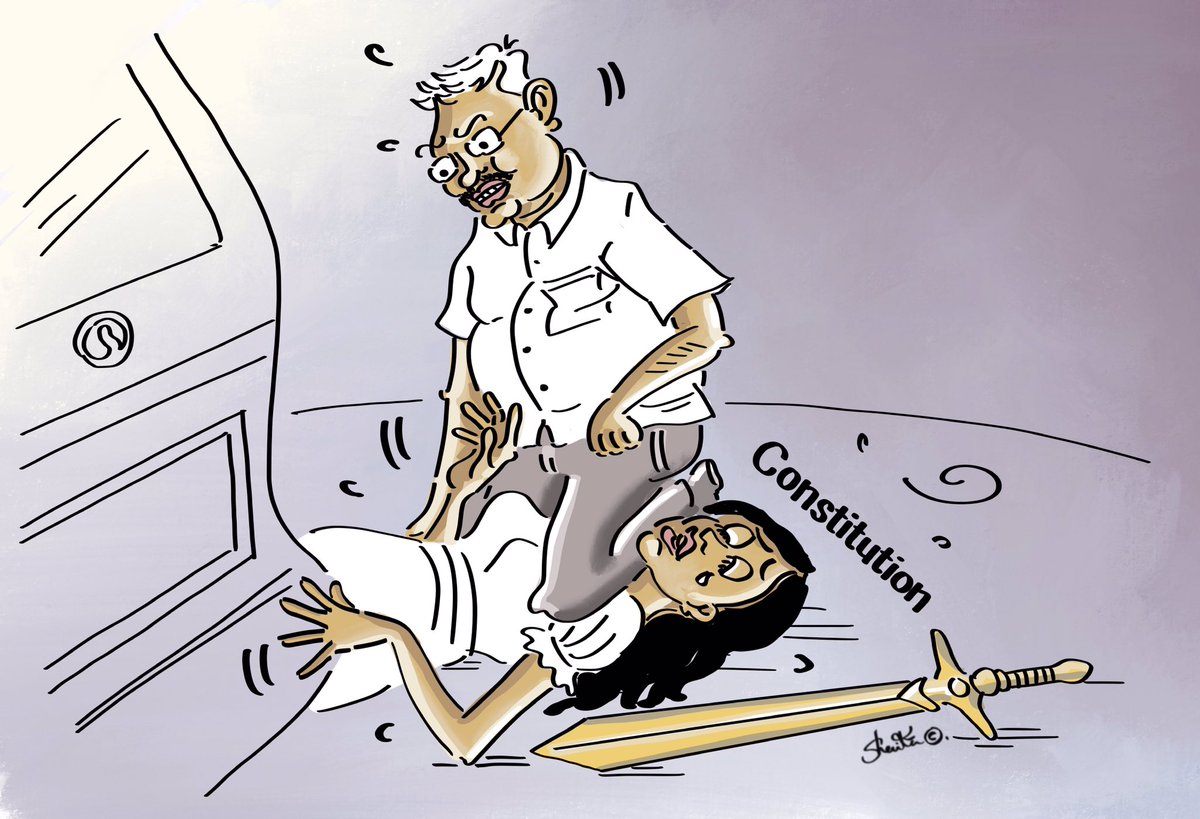
Beware: The third readymade Constitution is coming

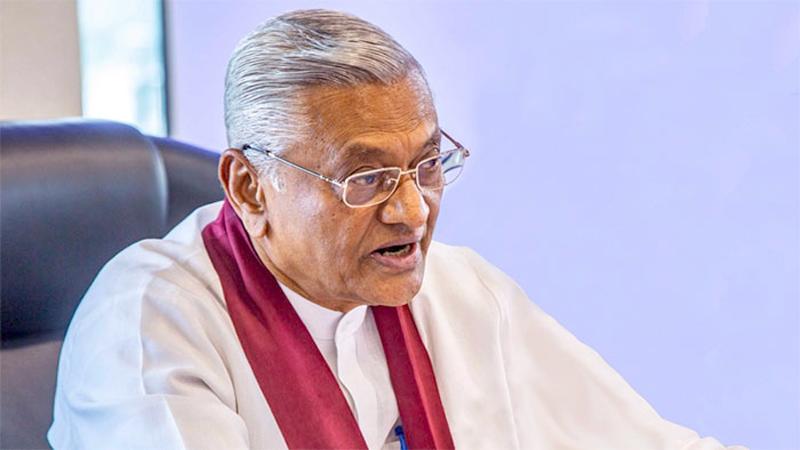
Foreign Affairs Minister Prof. G.L. Peiris has announced that the drafting process of the Constitution is over and that now, the text is ready. He further said that it is expected that in January next year, it would be presented to the Parliament. President Gotabaya Rajpaksa also, in a televised speech, referred to the Constitution being made within the course of next year.

This should be alarming news for all citizens who are concerned about their own lives and their Constitutional rights. Under the Constitution, the people are sovereign. It is the sovereign people who have the right to give themselves the Constitution. The process as envisaged by Prof. Peiris and this Government completely violates the best principles of making the Constitution and also violates the notion of the sovereignty of the people.

The consequences of the proposed process is that it would have a disastrous effect on the state, all public institutions including the public financial institutions and the entire fabric of the society in the future. This Constitution that is envisaged will not only bind the present generation but it would have an enormously adverse impact on the future generations.

The people need to intervene to stop this proposed process and insist on their rights as citizens to participate in this process and in order to bring into the Constitution the matters that they think are of vital importance to their nation as well as to each of the members of that nation who have everything at stake in the manner in which the Constitution provides for their protection and functioning in the future.

Constitutions are not made for the enslavement of the people and to trap them under various kinds of designs and formulas, by which, things that are harmful to the nation and to the people could be achieved. The struggle against the proposed process should be a struggle to prevent a serious future harm to the nation.

Constitutions are not made as some kind of abstract document that could be designed by constitutional pundits. There are a few people who have designs of their own for how to exploit the national resources for their own benefits and not for the benefit of the nation. Constitutions are made to address the most pressing problems of the times in which such Constitutions are made so that a legal framework would be developed within which the future relationship within the nation could take place for the benefit of everyone within the nation. For this reason, everyone has a right to their say in the making of their Constitution.

By now, twice, people have been cheated in the process of the making of the Constitution. The first was in 1972 when a Constitution was promulgated which undermined the independence of all public institutions in favour of politicians directly running the basic institutions of the country. That Constitution also started the process of undermining the independence of the Judiciary.

The second most disastrous Constitution was the 1978 Constitution, which has been condemned by everybody, including by the leading politicians who came to power at different times, but which became a noose on the neck of the people who wanted to participate in the political and social processes to bring about the wellbeing of everybody. All the present disasters that are faced by the nation and which are known to everyone can be traced to these two Constitutions.

It was unfortunate that these two Constitutions were passed without strong resistance from the people. Perhaps the people did not yet understand what kind of political, economic and social disasters could be brought about by Constitutional processes which undermine the rights of the people rather than enhancing their rights. The present situation provides an opportunity for interventions in order for people to ensure that what they want is included in the Constitution.

What would the people want to include in the Constitution? In fact, this can be easily identified in terms of the disasters that the country is faced with now. It seems that these kinds of disasters could be prevented through proper legal frameworks in the future. Some of these major problems could be mentioned as follows.

Prevent the abuse of national finances

A proper process of dealing with national finance should be incorporated into the Constitution so that the kind of economic malevolence that now exists will not be repeated in the future. The US dollar crisis clearly shows that there were no adequate Constitutional safeguards for the seeking of loans and also about the ways of monitoring such monies obtained through such loans.

Regulating such loans received and processed is an essential element for the protection of Sri Lanka as a nation and also particularly of younger generations of Sri Lanka’s future. The provisions that have been made so far in the existing Constitution have proved inadequate to create the necessary facilities and limitations for the proper functioning of national institutions which are dealing with the control of finances in the country.

Constitutions should provide a necessary framework for creating a functional corruption control mechanism. The existing laws as well as enforcement means, for the control of corruption, have proved enormously disadvantageous to the nation. Corruption is more rampant than ever before.

Mere assurances given by the President or anybody else will not change that situation. There should be a Constitutional means to ensure the development of a functioning system which could bring about the stability that is required to attract investments and also at the same time, safeguard the interests of the nation.

Ensure the proper control of international agreements

The Constitution must clearly provide a process to control international agreements that have been made in order to facilitate the possibility of bringing about a healthy environment for foreign investments.

These processes of the making of agreements should be transparent to an extent that the people could intervene to prevent the abuse of these processes and also all sorts of obtaining of commissions and other things of an illegal nature in entering into these agreements. Above all, the Constitution must ensure that nothing threatening the sovereignty and the territorial integrity of the nation could be brought about by entering into agreements which will have long term consequences on the sovereignty of the nation.

Ensure the protection of national resources

The protection of Sri Lanka’s national resources and the environment should find a clear provision within the Constitution so that the new laws and the law enforcement systems can be developed to ensure such protection. For example, today, there is a threat to the control of the sea around Sri Lanka. Fisherfolk in Sri Lanka are threatened by the intrusion of others who virtually steal the local fishing resources and thereby threaten the livelihood of the fisher folk.

Similarly, the environment is threatened throughout the country by the improper allocation of land, purportedly for development purposes but which is creating environmental disasters everywhere including concerning Sri Lanka’s water resources. All these problems which are associated with the protection of Sri Lankan resources and the environment should receive priority on the point of view of the development of an overarching framework of proper regulation on all matters concerned with this.

Protect agriculture and the people’s ownership of land and other resources

One of the most urgent issues that people are faced with is the agricultural environment in Sri Lanka. The authorities including the Government should be prevented from taking ad hoc decisions which bring about untold misery to the lives of the people. Some of these miseries are the breakdown of the agricultural sector which has already led to widespread malnutrition and which could lead to situations of starvation.

The problems of the farmers and the improvement of their livelihood and stability within the framework of the law should be the basis of the modernisation of agriculture as well as the introduction of new technologies into the agricultural sector. If these things are done without the proper legal protection mechanism, all these things could cause a severe catastrophe which will affect not only the farmers but also the whole nation.

Associated in the areas of regulating the agricultural setup is the control of the monopolies that take undue advantage of the agricultural produce. The supreme law of the country should have provisions to provide a proper regulatory system within which competing parties could take part within an acceptable framework where all parties share the benefits of the agricultural products and the sales.

A Constitution must provide an overarching legal framework within which national policies could be developed in order to achieve the overarching goals that the Constitution is created for. Thus, such frameworks should be created into the issues relating to exports and imports and all other matters relating to commerce so that arbitrary exploitation could be prevented. And this cannot be done purely through the existing commercial laws.

Ensure the creation of a functional system for the administration of justice

Above all things, a country requires a functional system for the administration of justice. There is acknowledgement that the existing framework has been purposefully undermined in order to make unprincipled forms of exploitation possible. The country’s criminal justice system is at the lowest ebb now.

In a similar way, the country’s prosecution system has suffered severe setbacks and lost the confidence of the people. The judicial role, judicial function and judicial independence have been undermined. These are all matters that have not been dealt with adequately in the Constitution. Therefore, the Constitution making process taking place now should pave the way for these matters.

Ensure media freedom and prevent repression

In terms of media freedom, the situation prevailing in the country at the moment is dangerously inadequate. This situation is a reflection that the existing Constitutional provisions for the protection of the freedoms of expression, association or assembly are inadequate.

Therefore, the Constitution must deliberately go into addressing the methods by which the wrongs done at previous times could be prevented from recurring. The killing of journalists and having no inquiries into these matters remain and also other forms of punishments to journalists like the breaking of the legs of one of the journalists and many other forms also remain major problems in Sri Lanka, and the Constitution must therefore provide for, if the Constitution is to have any meaning, to prevent these situations.

Hold politicians accountable

Holding politicians accountable is one of the major themes that people are discussing all the time. Thus, if the people have a say in the making of a Constitution, they would want to see that this matter is dealt with properly within the framework of the Constitution. All the possibility of corruption by politicians requires a preventive mechanism, and for that, the principles that should be followed must be articulated within a clear framework within the Constitution.

Firmly entrench judicial power and judicial independence

For all these to be of any meaning, the judicial role, the judicial function and judicial independence should be rescued from the severe undermining it has suffered during the operation of the last two Constitutions.

Resurrecting of the judicial role, the judicial function and judicial independence is at the core of any kind of legally based society. The Constitution is supposed to create the framework for such a legally based society. Therefore, it should be well within the framework of the Constitution to review the failures of the past and to find ways to correct these matters.

This list is not exhaustive

Many more other aspects can be added to the list in terms of the experiences of others such as trade unionists, prisoners, children, differently abled persons, women, and the future, particularly of the law enforcement sections of the country.

Prevent the fusion of civilian and military functions

The Constitution must clearly state the civilian character of the state. Any attempt to create a fusion of the civilian and military complex as a state will be the rejection of all the fundamentals on which the legal system and the Constitutional system has been based on, in the past.

It is most likely that the Constitution proposed now is going in the direction of making a fusion between the civilian character of the state and the military character. This would have a disastrous impact on every aspect including international relations and the future of Sri Lanka.

The protection for the Sri Lankans employed overseas through express recognition in the articulating of the principles of protection for the people means that such an overarching framework should provide for the institutional protection of the future of these workers.

Of paramount importance is the manner in which the issues of minorities are dealt with within the framework of the Constitution in such a manner that all people live in harmony as equal citizens, enjoying equal rights and equal protections, while at the same time enjoying the recognition of their differences within the framework of a democratic state.

It is not enough to say these things as generalisations but a proper legal framework should be articulated within which one of the major problems facing the country for a long time could lead to a better resolution.

The people need to intervene now to stop the Government from proceeding with the passing of the proposed readymade Constitution. They must demand the right to participate in making a Constitution that they can call their own.

(The writer is the Asian Human Rights Commission’s Policy and Programmes Director)

The views and opinions expressed in this column are those of the author, and do not necessarily reflect those of this publication.


Posted in Uncategorized

Sri Lanka continues to deny entry for contentious fertilizer vessel ‘Hoppo Spirit’

Sri Lanka’s Agriculture Ministry continues to deny entry to the Hippo Spirit carrier that is carrying rejected Chinese Fertilizer.

Dr. Ajantha De Silva, the Director-General of the Department of Agriculture said Sri Lanka rejected the Chinese Organic Fertilizer as samples tested for the presence of pathogens that are harmful to Sri Lanka’s agriculture sector.

“We did not grant the bulk permit to import stocks of the fertilizer. So without that permit, we cannot accept this ship even if it comes here. There are no provisions under the Plant quarantine act for us to accept this ship,” said the Director-General.

However, the Hippo Spirit vessel carrying rejected Chinese Organic Fertilizer is still in the Sea of Sri Lanka.

International vessel trackers indicate that this Chinese Ship continues to sail in the sea of Sri Lanka while intermittently disconnecting links with satellites.

The Hippo Spirit is carrying tonnes of rejected Chinese Fertilizer from Qingdao Seawin Biotech Group Co., Ltd to Sri Lanka.

Earlier, it was reported that the Hippo Spirit, the ship carrying Chinese Organic Fertilizer, did not return to China after the first samples were rejected by Sri Lanka.

Instead, the Hippo Spirit had sailed to Singapore and altered its course back to Sri Lanka, without returning to China.

On the 22nd of September, the Hippo Spirit ship carrying 20,000 metric tonnes of organic fertilizer left for Colombo from China’s Qingdao Port.

But the ship was diverted to Singapore after harmful bacteria was detected in the samples of this fertilizer shipment.

The Hippo Spirit ship that didn’t return to China had left Singapore declaring it would be heading to the Colombo Port.

But on the 14th of this month, the automatic identification system (AIS) used to track the ship had been deactivated at the Malakka Strait.

Vessel trackers showed the last position of the ship as the Malakka Strait before it went out of range.

Data available online showed the Hippo Spirit ship in Hambantota on the 24th of this month under the name Seiyo Explorer.

The Hippo Spirit and the Seiyo Explorer both share the same IMO number, and therefore it can be confirmed the Hippo Spirit is the Seioy Explorer.

The IMO Ship Identification Number is a unique seven-digit number that remains unchanged through a vessel’s lifetime and is linked to its hull, regardless of any changes of names, flags, or owners.

Although the ship was seen in Sri Lanka’s waters off the Hambantota District on the 24th of this month, the ship has gone out of range on tracking systems.

But on Sunday (31), marine traffic websites confirmed that the ship has entered the Sea of Sri Lanka and on 2nd November, it was further confirmed that the vessel is off the coast of Weligama, some 61 nautical miles away.

‘Chamal Rajapaksa insulted country’s food culture’

The All Ceylon Farmers’ Federation says the statement made by Minister Chamal Rajapaksa has gravely insulted the country’s food culture.

Speaking during a media briefing in Embilipitiya, National Organiser of the Federation Namal Karunaratne said there are suspicions whether the Minister’s statement on manioc was an attempt to deceive the farming community.

Karunaratne said Minister Rajapaksa spoke of manioc as if it is an inedible substance.

Posted in Uncategorized

China funds project to strengthen fruit value-chains in Sri Lanka

A project to provide technical assistance to improve the production and commercialization of fruit value-chains in Sri Lanka has been launched by the Food and Agriculture Organization of the United Nations (FAO) and the Ministry of Agriculture with financial assistance from China.

The project, valued at over USD 1.1 million is implemented under the FAO-China South-South Cooperation Tripartite Agreement between FAO, the People’s Republic of China and the Democratic Socialist Republic of Sri Lanka.

Sri Lanka has a rich diversity of fruits with approximately 100 edible fruit crops and the potential for a more profitable industry. However the fruit sector remains under-developed and suffers from poor cultivation and high post-harvest losses leading to low yield and inadequate adherence to international quality standards. The FAO-China South-South Cooperation Project which will be implemented in the Kalutara, Gampaha, Moneragala, Anuradhapura and Kilinochchi districts in Sri Lanka, will prioritize the productivity, production and commercialization of three main fruit value-chains; banana, mango and pineapple in the domestic and export markets.

Aimed at developing an inclusive and efficient agribusiness sector in Sri Lanka, the project will increase capacities of processors, traders and other value chain actors to adopt improved post-harvest and processing practices, technologies, business skills and quality standards allowing better domestic and export market opportunities. Public-private partnerships will be promoted to attract medium to large scale investments in fruit orchards and processing.

Speaking at the project inception meeting in Colombo, Secretary to the Ministry of Agriculture Senior Professor Udith K. Jayasinhe expressed his gratitude to the Government of China, noting that support towards the development of market-oriented inclusive agri-food value chains, particularly high value commercial crops such as fruits is in-line with the priorities of Sri Lanka’s agricultural policy.

Prof. Jayasinghe also stated that the project will create opportunities to explore new export markets including in China for fruits, in both fresh and processed forms, from Sri Lanka.

Xie Jianmin, Counsel (Director-General level), Department of International Cooperation of the Ministry of Agriculture and Rural Affairs of China (MARA) stated that China attaches great importance to agricultural development.

Jianmin, said that while addressing and ensuring national food security, China also actively participates in multilateral South-South Cooperation in agriculture, promoting agricultural development and food security in developing countries.

“We look forward to collaborating closely with Sri Lanka and FAO to develop innovative models and create new prospects for cooperation in agriculture,” Jianmin said.

Experts and technicians will be fielded over a period of two years to offer technical guidance to communities through practical field-based trainings including the setting-up of model fruit farms, training of trainers, and farmer field schools.

Director of FAO’s South-South and Triangular Cooperation Division, Ye Anping highlighted the important role of the experts from Sri Lanka, noting that “the experts and institutions from Sri Lanka have a critical role to play in ensuring that the technologies and practices from China are relevant, replicable and adapted to the local conditions.”

Underscoring the importance of partnerships for innovations, FAO Representative for Sri Lanka and the Maldives, Vimlendra Sharan stated that innovative forms of knowledge and technology transfers led by the global South are transforming lives all around the world. “In Sri Lanka too this partnership to promote commercial fruit production will boost the livelihoods of smallholder farmers and all value-chain actors, and will contribute to the food and nutrition security of Sri Lankans.”’

Li Zhiping, Deputy Director-General, Foreign Economic Cooperation Centre (FECC), Ministry of Agriculture and Rural Affairs (MARA) of China added that “it is hoped that this joint effort will be a model for China-Sri Lanka cooperation in the agricultural sector particularly in times of uncertainties such as the COVID-19 pandemic and impacts of climate change.”

The South-South Cooperation initiatives help developing countries share and transfer agricultural knowledge and expertise among themselves, so that innovation and good practices that have been tested elsewhere in the global South can benefit other countries facing similar challenges. China has been an active participant, strong supporter and major contributor of FAO’s South-South Cooperation, granting USD 130 million to the programme in support of knowledge sharing and technology transfer among southern countries.

Since 2009, the FAO-China South-South Cooperation Programme has conducted about 30 projects at national, regional and global levels, benefitting more than 100,000 people directly from the Global South.

Posted in Uncategorized

Gazette issued removing price controls on multiple food items

A special gazette has been issued removing the price control on a number of food items including sugar, dhal, chicken, canned fish, corn, big onions, wheat flour, potatoes and milk powder.

The Consumer Affairs Authority (CAA) said the gazette is effective from Wednesday (November 03).

Thereby, seven gazette notifications previously published by the CAA have been rescinded by the new communiqué:

• Order No. 39 published in Gazette Extraordinary No. 1975/68 on July 14, 2016 for MRP on chickpeas, wheat flour and imported milk powder
• Order No. 40 published in Gazette Extraordinary No. 2003/44 on January 27, 2017 for MRP on dried sprats, green grams and imported potatoes
• Order No. 48 published in Gazette Extraordinary No. 2048/30 on December 06, 2017 for MRP on dried fish, coconut, dried chilies, Maldive fish and several other items
• Order No. 59 published in Gazette Extraordinary No. 2166/29 on March 12, 2020 for MRP on chicken
• Order No. 60 published in Gazette Extraordinary No. 2166/30 on March 12, 2020 for MRP on corn
• Order No. 61 published in Gazette Extraordinary No. 2167/9 on March 17, 2020 for MRP on Masoor Dhal, big onions and canned fish
• Order No. 76 published in Gazette Extraordinary No. 2243/13 on September 02, 2021 for MRP on white sugar and brown sugar

Posted in Uncategorized

15 more COVID-19 deaths reported: Death toll surges to 13,806

A total of 15 more COVID-19 related deaths that occurred yesterday (03) were confirmed by the Director-General of Health Services today pushing the death toll to 13,806.

According to the Government Information Department, 07 females and 08 males are among the deceased.

A total of 12 people who are above 60 years of age are among the deceased while 03 of them are between 30 and 59 years of age.

Posted in Uncategorized

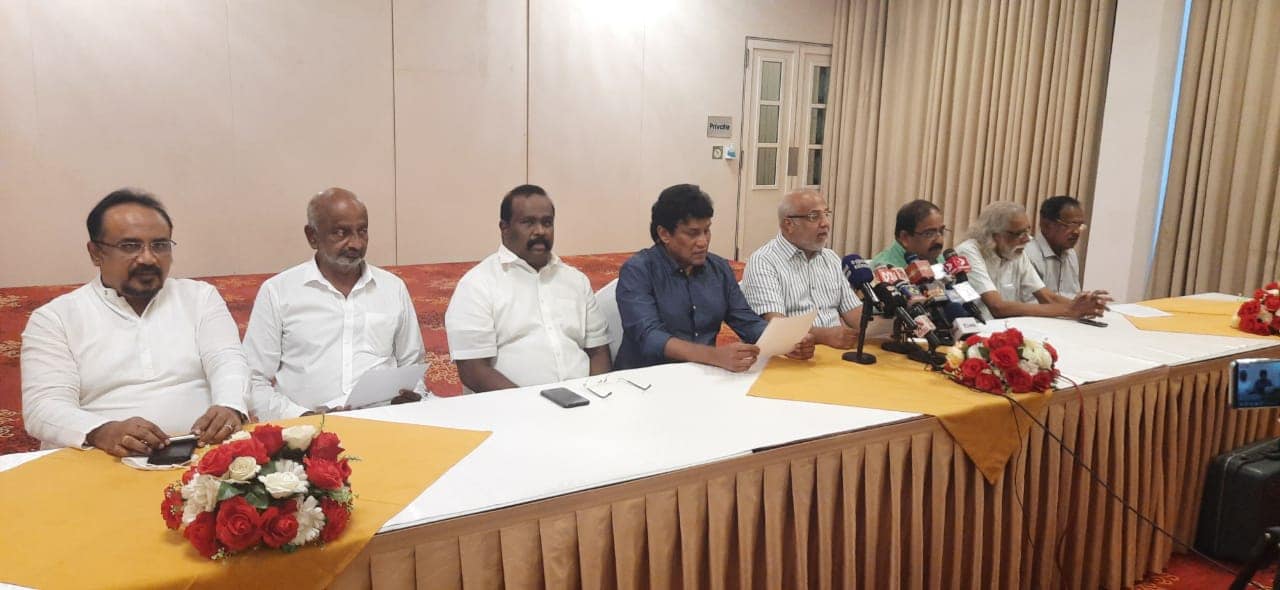
Tamil and Muslim Parties meet, demand to conduct of PC polls – Daily News

Tamil and Muslim Parties met in Jaffna yesterday (02) and decided to enlist other Parties including Southern progressive forces.

Among the demands discussed during their meeting were;

●. Implementation of the 13th Amendment to the Constitution in full
●. The conduct of Provincial Council Elections
●. The dismissal of Ven. Gnanasara Thera as the Chair of the ‘One Country One Law’ Presidential Task Force.
● Removal of the Prevention of Terrorism Act (PTA) and the release of prisoners detained under the PTA
●. Halting of land grabs in the North and East of the country

Among those who attended the meeting were, Rauf Hakeem of the Sri Lanka Muslim Congress (SLMC), Mano Ganesan of the Tamil Progressive Alliance (TPA), Selvam Adaikalanathan of the Tamil Eelam Liberation Organization (TELO), Dharmalingam Siddharthan of the Democratic People’s Liberation Front (DPLF), Suresh Premachandran of the Eelam People’s Revolutionary Liberation Front (EPRLF), Srikantha of the Tamil National People’s Front (TNPF) and Prof. Sivapalan representing the Tamil Makkal Kootani (TMK) headed by C.V. Wigneswaran

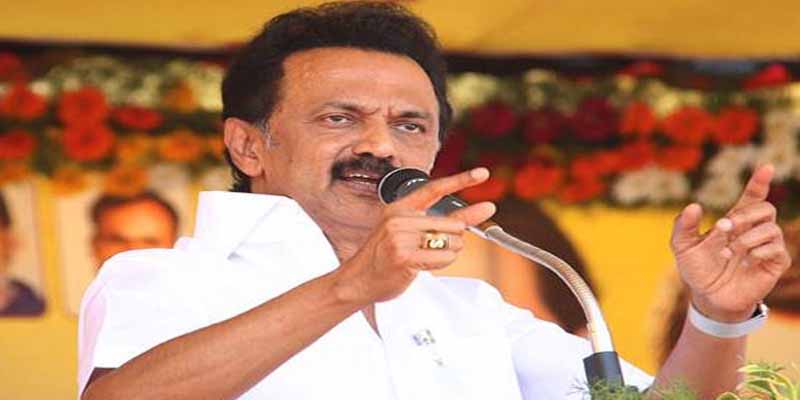
CM Stalin starts mega housing scheme for Sri Lankan Tamils

VELLORE: Chief minister M K Stalin on Tuesday laid the foundation stone for the first phase of a mega project to construct 3,510 houses at a cost of Rs 142.16 crore for Sri Lankan Tamil people residing at Melmonavur rehabilitation camp in Vellore district.

The government has proposed to construct houses and extend all basic amenities for Sri Lankan Tamil people in all the 106 rehabilitation camps across the state.

Speaking after launching the project, Stalin said Sri Lankan Tamil people are not refugees or destitute but are like Tamils living in any part of the world and connected by race, language, culture and civilization. He recalled that he had made an announcement in the assembly that Sri Lankan refugees’ camps would be christened as Sri Lankan rehabilitation camps.

He said Sri Lankan Tamil people started arriving in Tamil Nadu after fleeing from the war-ravaged island nation in 1983. He said the previous DMK government implemented several welfare schemes for them in 1997. The schemes benefitted them to some extent but not fully, he said. But the previous AIADMK government did not care for Sri Lankan Tamil people during its previous two tenures. The DMK government, as soon as it assumed office, resumed all welfare schemes for them. He said the DMK government had allotted Rs 100 crore to provide basic amenities in the camps across the state in 2009.

Stalin also launched a series of other projects like providing basic amenities including pucca roads, clean drinking water and power supply among others. He announced that the government would bear the tuition and hostel fees of the wards of Sri Lankan Tamil people pursuing engineering, agriculture and agricultural engineering and postgraduate courses.

He added that the government would extend enhanced financial assistance for the wards of Sri Lankan Tamil people pursuing art and science courses besides organizing capacity building programmes for them to boost their employment opportunities. He said the cash incentive for the self-help groups functioning in the camps, which was not enhanced for the last 10 years, would be hiked.

The government has allocated Rs 12.4 crore for extending enhanced cash incentive to the SHGs, Rs 3 crore for providing quality cloth to the Sri Lankan Tamil people, Rs 2.4 crore to provide five types of stainless steel utensils instead of aluminium utensils provided earlier and Rs 8.7 crore to provide LPG connections.