Pilleyan files FR petition challenging arrest and detention by CID

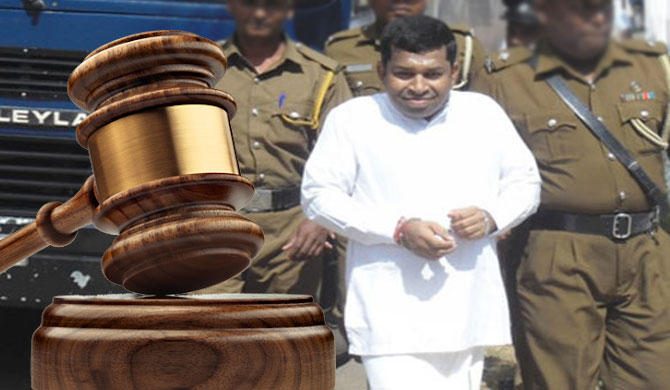
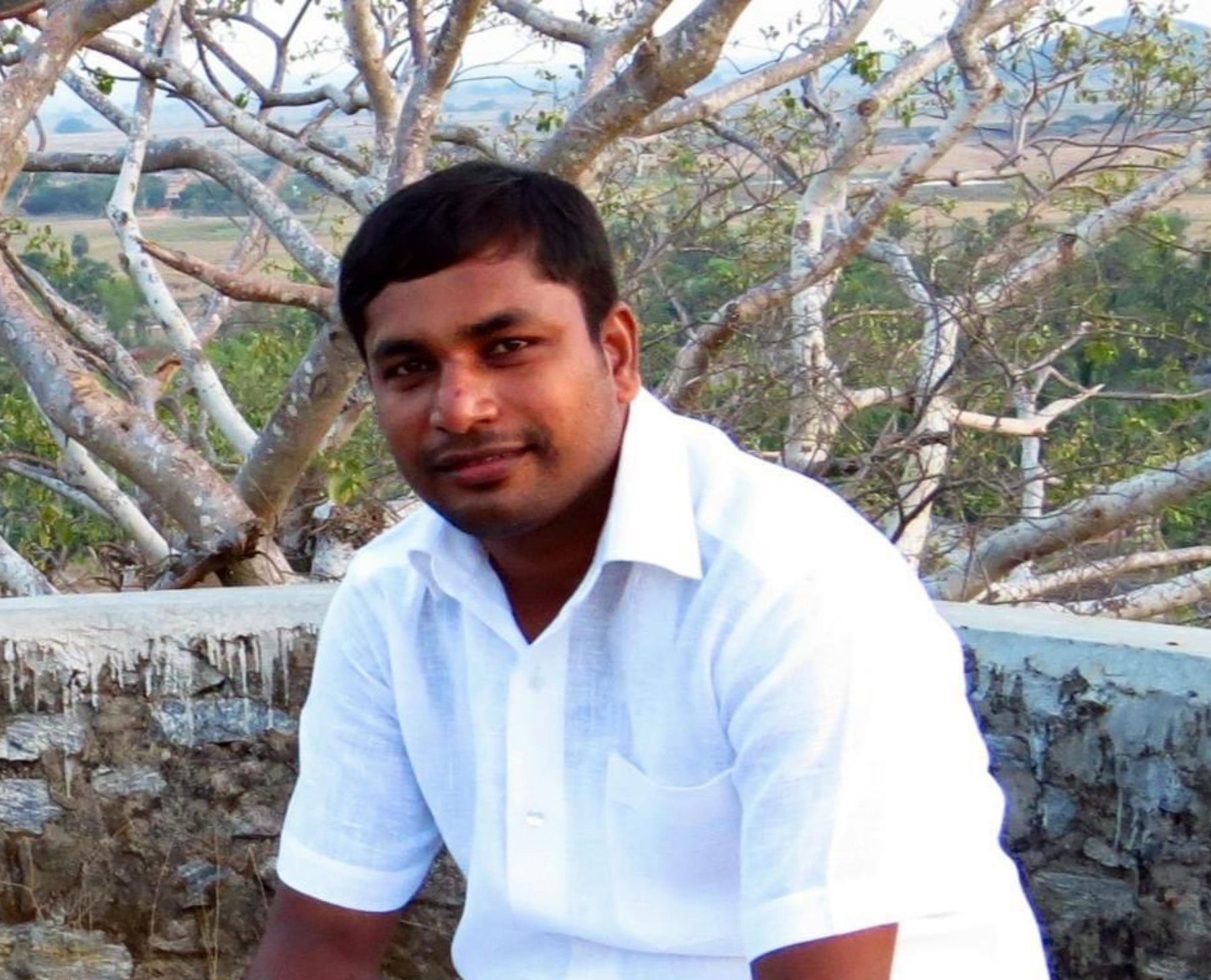
Former State Minister Sivanesathurai Chandrakanthan, alias Pilleyan, has filed a Fundamental Rights petition before the Supreme Court through his legal counsel.

The petition seeks an order declaring that his arrest and detention by the Criminal Investigation Department (CID) for the purpose of questioning constitutes a violation of his Fundamental Rights, said Ada Derana reporter.

The petitioner is seeking a ruling that the CID’s decision to arrest and detain him under the Prevention of Terrorism Act (PTA), in connection with the abduction and disappearance of the Vice Chancellor of the Eastern University, violates his fundamental human rights.

The respondents named in the petition include the Officer-in-Charge (OIC) of the Special Investigation Unit of the CID, Madhava Gunawardena; Director of the CID, SSP Imesha Muthumala; Acting IGP Priyantha Weerasuriya; the Minister of Defence; and the Attorney General.

Posted in Uncategorized

JVP’s 60th anniversary falls today

The 60th anniversary of the Janatha Vimukthi Peramuna falls today (14).

A commemoration ceremony and cultural festival to mark the occasion will be held at 3.30 pm at the Viharamahadevi Open Air Theatre in Colombo today (14).

Leaders of the Janatha Vimukthi Peramuna, members and supporters will participate.

Media freedom under threat as Govt restricts journalists’ access to Cabinet briefings

A decision by the government to restrict access to a key Cabinet press briefing has drawn sharp criticism from the Sri Lanka Working Journalists Association (SLWJA),

which accuses the administration of threatening media freedom.

The controversy erupted after Shantha Wijesuriya, editor of the Lanka Sky News website and a member of the SLWJA, was denied entry to the weekly Cabinet media briefing on May 8.

Officials cited the lack of a government-issued media ID, despite Wijesuriya holding a press card issued by the International Federation of Journalists and his outlet.

The SLWJA condemned the move, calling it a targeted attempt to silence independent journalists and suppress criticism.

In a letter to Media Minister Dr. Nalinda Jayatissa and other top officials, the association warned that restricting access based on government-issued accreditation risks eroding press freedom and the public’s right to information.

The incident follows the Minister’s recent remarks stating that only journalists with official government IDs would be allowed into such briefings going forward, a policy seen by critics as exclusionary and undemocratic.

With Sri Lanka already ranking 139 out of 180 in the latest global press freedom index by Reporters Without Borders, media watchdogs say the incident reflects a deepening intolerance for dissent.

The SLWJA is calling for the introduction of an independent body to handle journalist accreditation and for immediate steps to ensure fair access to all legitimate media professionals.

High costs keep Sri Lanka’s poor children out of pre-primary education: Human Rights Watch

In many countries, including Sri Lanka, where early childhood education or pre-primary education is not available for free, cost prevents children from low-income families from participating, Human Rights Watch has said.

“Although at least 68 percent of national constitutions explicitly protect the right to primary education, constitutional references to early childhood education are almost non-existent,” HRW said in a statement.

“When pre-primary education is not available free, cost prevents children from low-income families from participating.”

“Quality pre-primary education builds cognitive, social, and emotional skills during the most formative years,” HRW said.

In Sri Lanka, primary, secondary and even tertiary education in public institutions is free.

However, many families earn below the international poverty line, of under Rs. 1000 a day or under Rs.30,000 a month preventing them from enrolling children in pre-primary education institutions, which are not free.

“In Sri Lanka, a preschool teacher reported to Human Rights Watch in 2025 that students must pay 1000 LRK (US$3.50) monthly,” HRW said. “When families cannot pay, children do not come “for some months,” she said. In January 2025, only 3 out of 20 students in her class paid.”

“A Sri Lankan education officer said, “If you can’t afford to pay there is no space in the system… Only the families that have money can send their children to preschool.””

“Reasons for low attendance rates in some districts may include the unavailability of preschools near the home, high enrolment and tuition fees, and parents not seeing the benefit of a preschool education for their children and thus not demanding such services,” Sri Lanka’s National Policy on preschool education has told Human Rights Watch.

According to the National Census of Early Childhood Development Centres in Sri Lanka’s 2018 data, 19.8 percent of 19,668 preschools are public. 88.2 percent of the preschools in Sri Lanka charge a fee.

Studies have shown thar the early years of a child’s life are fundamental for overall development. The lack of access to quality education services can have long-term negative effects on cognitive, emotional, and social well-being.

HRW quoted a manager of a primary school in an area in Sri Lanka with high levels of children living in poverty as saying that 70 percent of incoming students had not benefited from any pre-primary education, and cited this as a reason for them facing learning challenges once in primary.

Ireland expanded free preschool to children aged 4 in 2010, and enrollment quickly became almost universal, HRW pointed out.

Pre-primary education is crucial for children with learning and physical disabilities.

Early exposure could strengthen the capacity to benefit from education and reduce stigmatization and discrimination against children with special needs.

The United Nations Sustainable Development goals aim to “By 2030, ensure that all girls and boys have access to quality early childhood development, care and pre-primary education so that they are ready for primary education.”

Sri Lanka, which is said to have a literacy rate of 92 percent, grapples in early childhood education with low enrolment rates as fees discriminate against the poor.

Election Commission Requests Names of Elected Local Government Members Within 7 Days

The National Election Commission of Sri Lanka has instructed political parties and independent groups to submit the names of candidates elected through the recent local government elections within seven days, based on the number of votes each entity received.

According to the Commission, notifications have already been sent to the general secretaries of the relevant political parties and the leaders of independent groups, informing them of this requirement.

The Commission also issued guidelines regarding the inclusion of female representation in the nomination lists, emphasising the importance of adhering to gender quotas when finalising the elected members.

Once the names are submitted, the list of elected members at the divisional level will be officially published through a government gazette.

Furthermore, the Election Commission announced that the establishment of local government bodies is expected to begin on the 2nd of June.

Posted in Uncategorized

Court grants leave for petition to disqualify Ramanathan Archchuna as MP

The Court of Appeal has fixed for hearing a case filed seeking to disqualify Jaffna District Independent MP Ramanathan Archchuna from holding a parliamentary seat.

Accordingly, the court ordered the petition to be taken up to confirm the facts on June 26, 2025.

The petition, filed by social activist Oshala Herath, was taken up before the two-member Appeals Court bench comprising Justices Mayadunne Corea and Mahen Gopallawa this morning (14).

Posted in Uncategorized

Terms of new Local Government authorities to commence on June 2

Elections Commission Chairman R.M.A.L. Rathnayake announced that the official term of the newly elected Local Government authorities will commence on June 2.

Before convening the inaugural meetings of these bodies, the names of the elected members must be gazetted at Divisional level, he added.

Accordingly, the Elections Commission has requested political Parties and Independent Groups that secured majorities in their respective local authorities to submit, within one week, the names of individuals nominated for the positions of Mayor, Deputy Mayor, Chairman and Vice Chairman of those institutions.

Now every terrorist knows price of removing women’s ‘Sindoor’: PM Modi

Prime Minister Narendra Modi on Monday praised Operation Sindoor, stating that it is not just a name but a reflection of the nation’s countless emotions.

He added that the operation embodies India’s unwavering commitment to justice, highlighting how Pakistan, after slumping into gloom following the attack on terror camps, dared to attack instead of helping fight terror.

He said that today, every terrorist knows the consequences of wiping sindoor (vermilion) from the foreheads of our sisters and daughters.

“The terrorists removed the ‘sindoor’ of our sisters. That’s why India annihilated the terror headquarters. More than 100 dreaded terrorists were slaughtered in an Indian attack. Terrorists who were openly conspiring against India were openly roaming in Pakistan, but India slaughtered them in just one go. India’s actions were a huge setback for Pakistan,” PM Modi said in his address to the nation.

He also said that Operation Sindoor has redefined the fight against terror, setting a new benchmark and establishing a new normal. He added that while Pakistan had prepared to strike at our borders, India hit them directly at their core.

“We have only paused our retaliatory action on Pakistan’s terrorist and military infrastructures for now. In upcoming days, every step taken by Pakistan will be keenly observed based on the approach and conduct it adopts,” said PM Modi.

Under Operation Sindoor, terror headquarters of the banned Jaish-e-Mohammed, Lashkar-e-Taiba, and Hizbul Mujahideen were targeted, with the Indian Air Force conducting night raids on nine hideouts in Pakistan and Pakistan-occupied-Kashmir, officials confirmed on Wednesday.

Among the precise targets hit were the Markaz Subhan Allah at Bahawalpur, Sarjal at Tehra Kalan, Markaz Abbas in Kotli, and Syedna Bilal camp in Muzaffarabad, all linked to the banned Jaish-e-Mohammed.

Other targets included the Markaz Taiba at Murdike, Markaz Ahle Hadith at Barnala, and Shwawai Nalla camp at Muzaffarabad, all associated with the banned Lashkar-e-Taiba. Additionally, Makaz Raheel Shahid in Kotli and Mehmoona Joya in Sialkot, belonging to Hizbul Mujahideen, were also hit.

Of the nine targets, four were located in Pakistan and five in Pakistan-occupied-Kashmir.

Source: Hindustan Times

Cabinet approves exploration of four petroleum and gas blocks in Mannar Basin

In a renewed push to attract foreign investment into the energy sector, the Cabinet of Ministers at their meeting on Wednesday approved the exploration and potential production of petroleum and natural gas in four offshore plots within the Mannar Basin.

To support this initiative, the Cabinet of Ministers also approved the engagement of a qualified marketing consultant to develop and implement a targeted promotion strategy.

Addressing the weekly post-Cabinet meeting media briefing yesterday, Cabinet Spokesman and Minister Dr. Nalinda Jayatissa said the aim is to woo credible investors with the technical and financial capacity to explore and develop the identified blocks.

The move follows earlier discoveries made by Cairn Lanka Ltd., in 2011, which confirmed two viable natural gas deposits in the M2 exploration block.

These findings validated the existence of a functioning hydrocarbon system in the region, raising the Basin’s profile as a prospective area for offshore energy development.

In accordance with the provisions of the Petroleum Resources Act, No. 21 of 2021, the Sri Lanka Petroleum Development Authority (SLPDA) has been vested the powers to call for investment proposals for the offshore petroleum and natural gas exploration plots in terms of the prescribed procedures of the regulations approved by the Cabinet of Ministers.

In 2021, a Government Gazette notification published a map of blocks for joint exploration for oil and gas in the Mannar Basin (https://www.ft.lk/front-page/Oil-and-gas-exploration-in-Mannar-Basin-mapped/44-721329).

Responding to questions about the outcomes of earlier exploration efforts, Dr. Jayatissa said the fresh push for investors is to secure new partnerships and commercialise the untapped resources, based on those studies conducted under previous administrations.

“It has been identified that two natural gas deposits are in the Basin. Now, we want to attract possible investors for these,” he added.

Posted in Uncategorized

Japan a victim of corruption in Sri Lanka : Ambassador

Japanese Ambassador Akio Isomata said that Japan was a victim of corruption in Sri Lanka , and expressed optimism that the government would tackle the issue.

The Ambassador made these remarks in response to a query raised during a round table discussion organised by Pathfinder Foundation last week in Colombo.

Earlier, there were reports about some Japanese companies facing issues in Sri Lanka in securing investments. Japanese companies are strictly observe compliance obligations and therefore never offer bribes or kickbacks. Former Japanese Ambassador Mizukoshi Hideaki said in an interview with Daily Mirror last year that Sri Lanka has a very high potential of growth considering the strategic location in the Indian Ocean, but Sri Lanka needs improvement in creating a fair, credible, transparent business environment.

Ambassador Isomata , meanwhile said at last week’s round table discussion, he also attended the function to mark the launch of the National Anti -corruption Action Plan and listened to President Anura Kumara Dissanayake speaking of efforts to address the issue. The ambassador emphasized the need to implement the plan.

Responding to the President’s remarks that politicians belonging to his National People’s Power (NPP) are not involved in any form of corruption, he said it is equally important to address the same involving bureaucrats.

Commenting on Japan- Sri Lanka bilateral relations , he said Sri Lanka is a very important partner for Japan in many ways.” As Sri Lanka’s economy is getting back on track with the IMF( International Monetary Fund) agreement, with debt restructuring agreement, I don’t think Japanese companies will come immediately to make new investments at this stage. But as Sri Lankan economy goes back on track in a stable manner, I think we can cultivate interest of Japanese investors to take a closer look at opportunities in Sri Lanka for further investment. We need cooperation with Sri Lankan people,” he said.

“We are seeing increasing numbers of young Sri Lankans going to Japan for employment in Japanese companies. There are two kind of programmes for inviting young foreign workers in Japan right now. One is called the TITP -Technical Intern Training Programme . The second one, a newly started one several years ago, is SSW -Specified Skilled Worker Programme. Under these two programmes, an increasing number of Sri Lankan youngsters are going to Japan right now. We have opened up eight industrial sectors for Sri Lankan workers, starting with caregiving, hotel accommodation, food industry, agriculture, construction, and most recently, transportation sector like bus driver, truck driver. This will strengthen Japan’s labour market. We need young labour force because Japan is facing a problem of ageing society,” he said.

Asked whether Japan is ready to undertake fresh loan projects since the country has completed debt restructuring, he said Japan is ready to consider if there is a request from the Sri Lankan end. However, he said that it depends on Sri Lanka’s debt servicing ability