Colombo-Kankesanturai train operations to recommence in July

Train operations along the Northern Line between Colombo and Kankesanturai are expected to recommence in July.

Train operations along the Northern Railway line have been restricted to Anuradhapura since January due to the modernisation project of the railway line between Maho junction and Omanthai.

At present, the railway track between Anuradhapura and Vavuniya is being modernised leading to the restrictions.

The renovation project is being carried out under Indian assistance at a cost of USD 91 million.

Minister of Transport Bandula Gunawardena meanwhile has said, the upgrade of the track between Anuradhapura and Omanthai is being carried out expeditiously.

He said once completed, trains will be able to run at an average speed of 100m/h along the Northern Line.

Minister of Transport Bandula Gunawardena added the completion of the renovation work along the Northern Railway line will result in the journey time between Kankesanturai and Colombo reducing by around one hour and 30 minutes.

According to a senior spokesman of Sri Lanka Railways, renovations of the railway track between Anuradhapura and Vavuniya are expected to be completed in July.

Following the completion of the renovations, train operations between Colombo and Kankesanturai are scheduled to recommence on the 15th of July.

Sri Lanka President bets for China-inclusive Asia-led economy

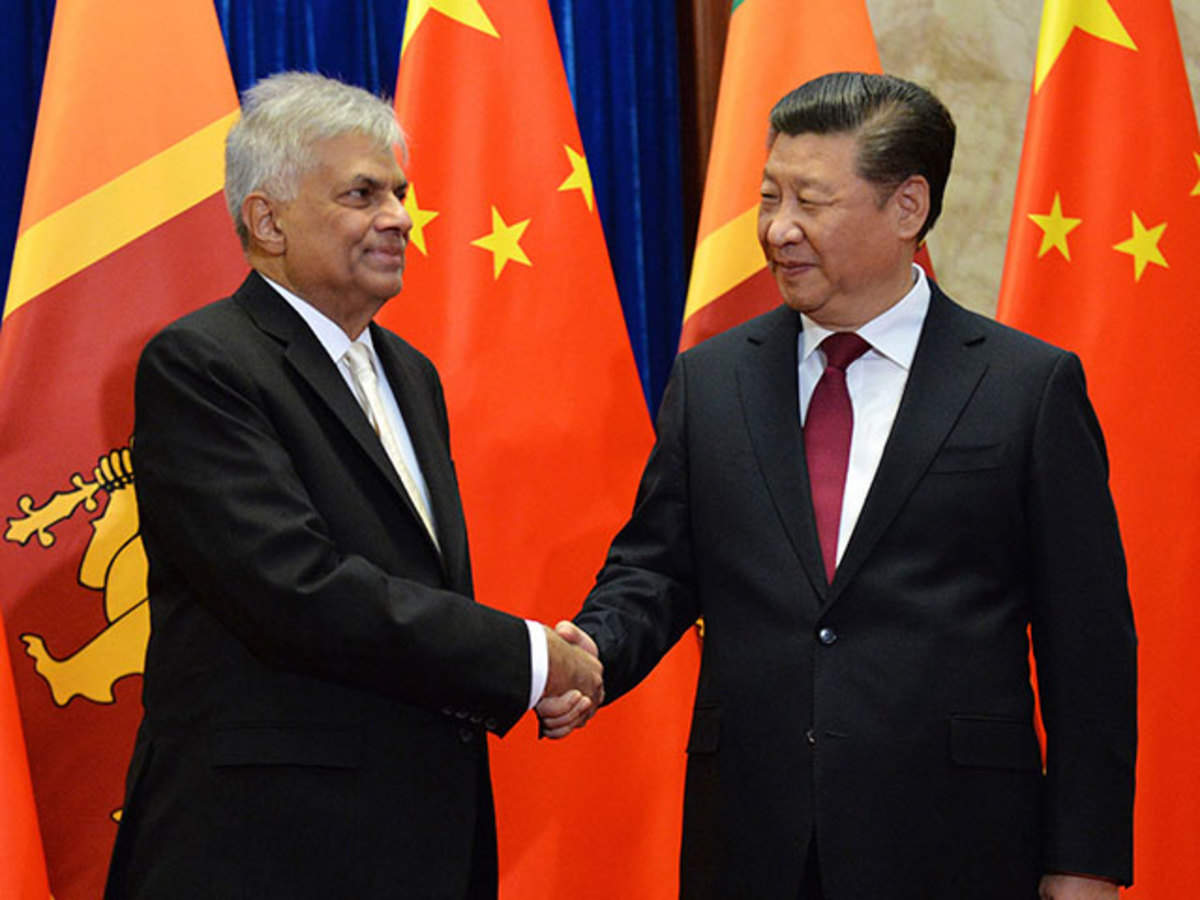
Sri Lanka President Ranil Wickremesinghe has said many Asian nations have already made a choice between China and the United States in a polarizing geopolitical situation and that choice is Asia accommodating the ambitious projects by both Beijing and Washington.

Wickremesinghe made these comments when he addressed at “Nikkei Forum: Future of Asia‟ held in Tokyo, Japan today on Thursday (25) and highlighted the importance of Asian states having a voice in shaping the region’s role amidst the evolving geopolitics on the global stage.

“We in Asia don’t want to choose between the U.S. and China,” Wickremesinghe told the gathering.

“Many of us cannot make that choice because we have already made our choice, and that choice is Asia,” he said.

Future of Asia is an international gathering where political, economic, and academic leaders from the Asia-Pacific region offer their opinions frankly and freely on regional issues and the role of Asia in the world.

The forum has been held by Nikkei every year since 1995 and it is considered to be one of the most important global conferences in Asia.

Wickremesinghe, invited in his capacity as Sri Lanka’s Finance Minister for the forum , said that all the Asian nations have benefited from the cooperation between the US and China in the post-Cold War era, but the subsequent rapid rise of China and the inability of the two countries to agree on China‟s role on the international stage have led to rivalry, which he referred as “needless tensions in our part of the world”.

China has launched an ambitious Belt Road Initiative (BRI) covering mainly Asia and Africa while the US, as an alternative, has pushed for Indo-Pacific Strategy in the region, stretching from our Pacific coastline to the Indian Ocean, home to more than half of the world’s people, nearly two-thirds of the world’s economy, and seven of the world’s largest militaries.

“We want an Asia that can accommodate the Indo-Pacific, the BRI, as well as the ASEAN Outlook on the Indo- Pacific,” Wickremesinghe said.

“The BRI is a strategy to increase China‟s influence in Asia and Africa through economic means. We, the members of the BRI, have no security arrangements with China, nor do we intend to enter into any security agreements with China.”

“The Indo-Pacific is an evolving concept with unanswered questions.”

Center of Geopolitics

Sri Lanka has become the center of geopolitical war between China and the US in South Asia with India, the world’s sixth largest economy is being a strong ally of the US. The island nation has been under pressure by both India and the West for allowing Chinese investments into the country, citing possible security concerns in the Indian Ocean, government sources have said.

Wickremesinghe said the US – China rivalry has given rise to a number of responses by the West especially to economic coercion and weaponizing of economic vulnerabilities.

“Yet some of these responses may result in a setback to trade integration in the region. Unlike the West, Asia is dominated by middle-income and low-income economies.”

“Of the 12 high-income economies in Asia, only 6 are outside West Asia. The rest of us, including China, India, and Indonesia, are middle income economies. We have to overcome the middle-income trap of economic stagnation.”

In addition to economic coercion, Wickremesinghe said, economic decoupling in which different asset classes that typically rise and fall together start to move in opposite directions, and similar measures contrary to the World Trade Organization rules are other impediments to trade integration.

“Needless to say that we in Sri Lanka and many other Asian nations are opposed to economic coercion: whether it be by one country coercing another using its economic power; or by indirect methods such as de-coupling, or friend-shoring – manufacturing and sourcing only from geopolitical allies – contrary to the WTO,” he said.

“Thus, the WTO system put in place three decades ago should not be by-passed for short term geo-strategic gains. The rules of the game cannot be changed arbitrarily. The losers will be the middle-income Asian countries.”

Posted in Uncategorized

Sri Lanka president apologises to Japan for cancellation of light rail project

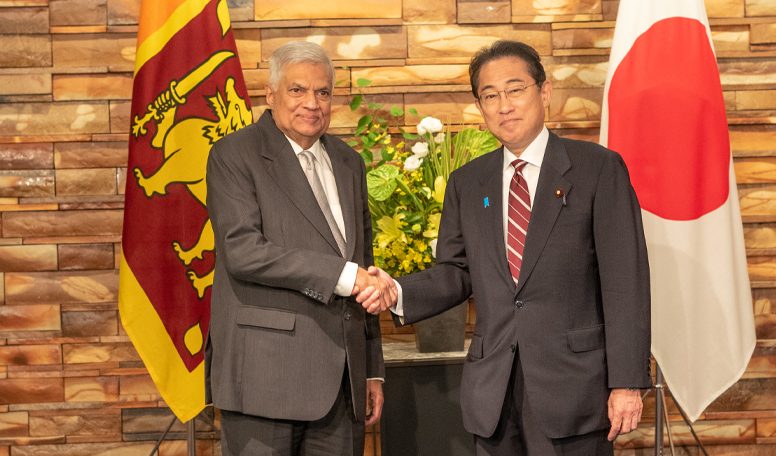
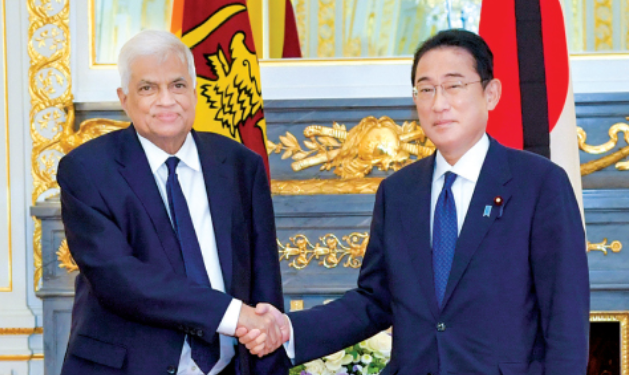
Sri Lanka President Ranil Wickremesinghe has apologised to the Japanese government for the unilateral cancellation of a Japan-funded 1.5 billion dollar light rail transit (LRT) project.

Wickremesinghe, who met Japanese Prime Minister Fumio Kishida in Tokyo on Thursday May 25, spoke on the need for legislation to ensure that large-scale bilateral projects cannot be cancelled without mutual agreement, a statement from Wickremesinghe’s office said.

The cancellation of the Japan International Cooperation Agency (JICA)-funded project was controversial in Sri Lanka after the government under then President Gotabaya Rajapaksa, which was closer to Beijing, unilaterally suspended the project as well as another 500-million US dollar tripartite deal to develop the Colombo Port’s Eastern Container Terminal (ETC) together with India. Relations soured between Sri Lanka and Japan as a result. The east Asian nation has long been considered a friend of Sri Lanka with mutually beneficial diplomatic ties going back decades.

Since his appointment as prime minister in the wake of widespread protests in Sri Lanka after its currency crashed in early 2022, Wickremesinghe has shown a keen interest in repairing ties between the two countries.

Blaming poor foreign policy on the country’s international “marginalisation”, Prime Minister Wickremesinghe in June 2022 said: “Japan is our long time friend; a nation that has helped our country greatly. But they are now unhappy with us due to the unfortunate events of the past.”

The statement from President Wickremesinghe’s office on Thursday said he had expressed his gratitude to Japan during his meeting with Prime Minister Kishida for Tokyo’s support in helping Sri Lanka recover from its ongoing macroeconomic crisis. New opportunities to enhance cooperation between the two countries were also discussed, the statement said.

In another meeting held on the same day with Japanese Finance Minister Shunichi Suzuki, Sri Lanka’s debt restructuring and the island nation’s ongoing International Monetary Fund (IMF) programme were discussed. A subsequent meeting with Foreign Minister Yoshimasa Hayashi had focused on strengthening long-term bilateral relations including increased cooperation in economic and cultural fields.

Wickremesinghe and former Prime Minister of Japan Yasuo Fukuda had participated in a breakfast meeting earlier Thursday organised by by the Japan-Sri Lanka Association where the latter had been briefed on Sri Lanka’s recovery efforts.

The statement said the president had highlighted the favourable investment climate in Sri Lanka and extended an invitation to Japanese investors to return and invest in the country.

In another meeting with a former Japanese premier, Taro Aso, Wickremesinghe had discussed potential steps to strengthen the existing close and friendly relationship with Sri Lanka, the statement said.

In a separate round of discussions with Singapore’s Deputy Prime Minister Lawrence Wong, also in Tokyo, President Wickremesinghe had reaffirmed Sri Lanka’s commitment to implementing the Singapore Free Trade Agreement (FTA), the statement added.

The president’s office said quoting Wickremesinghe that many Asian nations have already made a choice between China and the United States in a polarising geopolitical situation and that choice is Asia accommodating the ambitious projects by both Beijing and Washington.

The president had made these comments when he addressed the “Nikkei Forum: Future of Asia‟ held in Tokyo, where, according to the statement, he had highlighted the importance of Asian states having a voice in shaping the region’s role amidst the evolving geopolitics on the global stage.

“We in Asia don’t want to choose between the U.S. and China,” Wickremesinghe said.

“Many of us cannot make that choice because we have already made our choice, and that choice is Asia,” he said.

Sinopec issues clarification on fuel station project in Sri Lanka

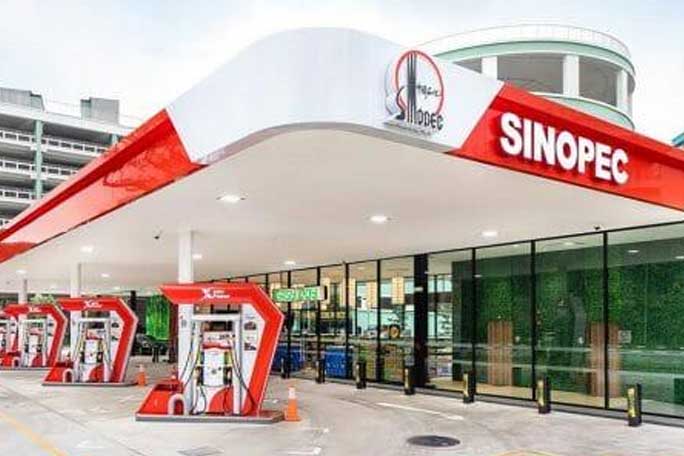
Sinopec Fuel Oil Lanka (Pvt) Ltd. today refuted the “unfounded claims” suggesting that the company has hired agencies to manage certain aspects of their operations in carrying out the fuel station business in Sri Lanka.

Issuing a clarification regarding its fuel station project in Sri Lanka, Sinopec categorically denied those claims, emphasizing that the company has not engaged any external agencies or third parties to handle any part of the fuel station operation or related business activities.

Furthermore, it clarifies that Sinopec Fuel Oil Lanka has no intentions whatsoever to transfer any right of the license of fuel station supply to any other entity.

In addition, the statement mentioned that Sinopec is “committed to upholding the integrity and reliability associated with the SINOPEC brand, and that they reserve the right to take further legal measurements to protect ‘Sinopec’ brand image.”

Posted in Uncategorized

SL among 15 most miserable countries

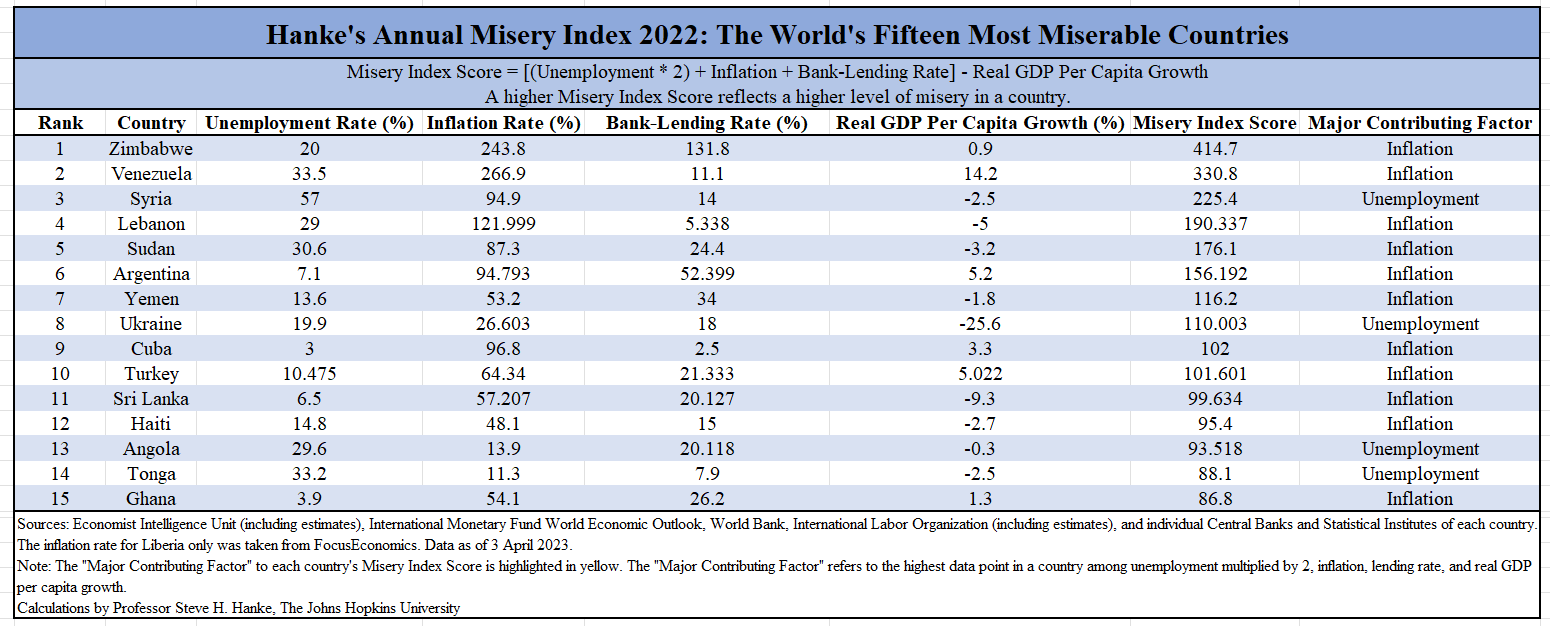
Sri Lanka has been ranked as the 11th most miserable country in the Hanke’s Annual Misery Index (HAMI) 2022.

Economist Steve Hanke’s index provided rankings for a total of 157 countries. The index is the sum of the year-end unemployment, inflation, and bank-lending rates, minus the annual percentage change in real GDP per capita.

Zimbabwe has been ranked as the ‘most miserable country’ in the Index.

Among the countries ranked, Zimbabwe, Venezuela, Syria, Lebanon, Sudan, Argentina, Yemen, Ukraine, Cuba, Turkey, Sri Lanka, Haiti, Angola, Tonga, and Ghana emerged as the 15 most miserable countries worldwide.

Among the 157 countries analysed, Switzerland emerged as the least miserable, occupying the top position (157) on the list.

Image

Posted in Uncategorized

Wickremesinghe’s visit to Japan signals a key change in Sri Lanka’s foreign policy By P.K.Balachandran/Counterpoint

The Sri Lankan President, Ranil Wickremesinghe, will be in Japan from May 24 to 27 for talks with his Japanese counterpart Fumio Kishida and other Japanese leaders. The visit is expected to signal a key change in Sri Lanka’s foreign policy as it moves away from China and ties up with the Western powers and India to execute its developmental plans.

A statement from the Japanese foreign office says that Kishida and Wickremesinghe are to “exchange views on bilateral relations between Japan and Sri Lanka and regional and international affairs.” The statement also said that Japan expects President Wickremesinghe’s visit to “further deepen the friendly relations between Japan and Sri Lanka.”

This will be the second summit between Kishida and Wickremesinghe in less than a year. The first was held in September 2022 on the sidelines of the funeral of former Prime Minister Shinzo Abe.

The Wickremesinghe-Kishida talks this time round is expected to result in the announcement of some developmental projects including the US$ 2 billion Light Railway Transit (LRT) project for Colombo, which was abandoned by the Sri Lankan government led by Gotabaya Rajapaksa in 2020, a year after Japan had agreed to fund the project with a very soft loan with a long grace period.

Informed political sources said that the LRT project was stopped over the issue of commissions. Japan was hurt not only because of this but also because the government did not take it into confidence before announcing the cancellation.

The Gotabaya Rajapaksa administration led Japan up the garden path in regard to the construction of the East Container Terminal (ECT) in Colombo port in partnership with India. Under pressure from trade unions, that were allegedly in cahoots with a foreign power, the Gotabaya government reneged on the agreement citing its election manifesto. It declared that the ECT will be constructed by Sri Lankan organizations.

Coincidentally, a project to improve the Bandaranaike International Airport in Colombo at a cost of US$ 1 billion was abandoned in July 2021, this time by Japan. The BIA Development Project Phase II Stage 2, was suspended after the Japan International Corporation Agency (JICA) decided not to make further disbursement of funds citing the inability of the Sri Lanka Government to repay the loan. Sri Lanka had defaulted on its international debts in April 2021.

Seeing an opening, the China Harbor Engineering Company (CHEC), which had constructed the Colombo Port City, bid for the airport project on BOT basis and promised to complete it fast.

However, the economic and political situation in Sri Lanka was changing at that time and the CHEC had to be put in cold storage. That was an era when Sri Lanka was in the grip of the pandemic. It had defaulted on foreign loans. There were severe economic shortages. Political unrest was the order of the day.

Seeing an opportunity in this, India rushed in with a US$ 4.5 billion aid package with alacrity. And along with the Western powers, it helped Sri Lanka negotiate a bailout of US$ 2.9 billion with the IMF.

At this critical juncture, incredibly, China was found wanting. Piqued by Sri Lanka’s resort to the IMF at the instance of India and the West, China arrogantly advised Sri Lanka to exercise financial prudence and offered only short-term relief on debt repayment. It dragged its feet on coordinating with the Paris Club of lenders which was working on debt restructuring for Sri Lanka.

President Wickremesinghe, who is pro-West with a history of conflict with China on its investments in Sri Lanka, ignored China’s advice and went ahead with negotiations with the IMF with India’s help.

When Wickremesinghe was last in power as Prime Minister, in 2015, he had ordered the suspension of Chinese projects to investigate corruption charges. However, the investigations were abandoned and the projects were resumed after a gap of a year and a half.

Put off with Wickremesinghe for this and his supposed closeness to India, the Chinese supported anti-Wickremesinghe and anti-Indian politicians like Wimal Weerawansa, Vasudeva Nanayakkara, Sarath Weerasekara, and the Janatha Vimukthi Peramuna (JVP). When a controversial Chinese “research” vessel ‘Yuan Wang 6’ docked at Hambantota port in August 2022 against India’s objections, the leaders cite above welcomed the vessel at the port.

The Chinese are believed to be wishing for the exit of Wickremesinghe from power and the return of the Rajapaksas. But this wish is unlikely to be fulfilled in the foreseeable future because the Rajapaksa-led Sri Lanka Podujana Peramuna (SLPP), the single-largest party in the Lankan parliament, supports Wickremesinghe, enabling him to fulfill the IMF’s conditions.

Meanwhile, India’s influence over Wickremesinghe is increasing and China’s is decreasing. A front-page report in ‘Daily Mirror’ of May 22 said that a number of Chinese proposals in a variety of fields are in the doldrums now and the reason cited is the demand for commissions by Sri Lankan officials.

But an informed source said that the real reason is that President Wickremesinghe has turned away from China-funded projects. China-funded projects are suspect in the eyes of Wickremesinghe’s overseas supports – India and the West. These not only have security concerns but also maintain that these projects, attractive though they may be, have landed Sri Lanka in deep debt and will continue to do so if the government continues to take loans from China.

Sources close to Wickremesinghe said that his aim is to get commercial investments and loans from the World Bank, ADB and other such reputed institutions which give sustainable solutions and are transparent in their terms and conditions in contrast to the “opaque” Chinese terms.

However, given Sri Lanka’s geostrategic location and China’s ambitions in the Indian Ocean, the Chinese will continue to enlarge and deepen their foothold in the island. They are particularly keen on challenging India’s desire to dominate the Northern and Eastern provinces on the grounds that these have a preponderance of Tamils.

Towards this end, China is cultivating various constituencies in the North and East, like fishermen, universities and schools. In the North, the Chinese have set up sea cucumber and shrimp farms with locals. But their bid to set up wind energy plants in three islands close to India failed as these were called off by the Lankan government following India’s expression of security concerns.

In the Eastern Province, India is concerned that China is eyeing the Trincomalee harbor which New Delhi believes is vital for its security and dominance over the Bay of Bengal. Earlier, India had succeeded in scuttling a Sri Lankan-Chinese project to have an air force aircraft repair facility at Trincomalee.

Recently, a proposal to link Eastern Province with Yunan Province in China, made by Anuradha Yahampath when she was Governor of the Province, was reportedly shot down by Wickremesinghe because it had raised the hackles in New Delhi.

Yahampath was recently replaced by a pro-Indian Tamil politician, Senthil Thondaman, as Governor. Thondaman is expected to vibe better with the Tamil politicians in the East besides cubing Chinese influence. Incidentally, Thondaman is aslo close to Mahinda Rajapaksa, the most important of the Rajapaksas.

While in the view of the Chinese, the Rajapaksas are innately pro-China and that it would be good to have them back in power, the Rajapaksas are shrewed enough to learn lessons from the past and not alienate India and the West whose help is necessary for the progress of Sri Lanka.

However, this is not to say that any of the above-mentioned forces wants China to be eliminated in Sri Lanka. As the G7 resolved at its summit in Hiroshima recently, the plan of the West (and India too) is not to eliminate China or “de-couple” from it, but to “de-risk” it so that it is not a threat.

India and the West will be closely watching the activities of China in Sri Lanka and get the Sri Lankan government to take corrective action whenever China crosses security red lines.

Given Sri Lanka’s economic dependence on the West and India in terms of exports and imports as well as concessional trade agreements (GSP plus with the EU and FTA with India), Colombo is likely to fall in line with the expectations of India and the West.


Posted in Uncategorized

Lankan envoy to India presents Sinhala translation of the Holy Quran to the Hazrat Nizamuddin Aulia Dargah in Delhi

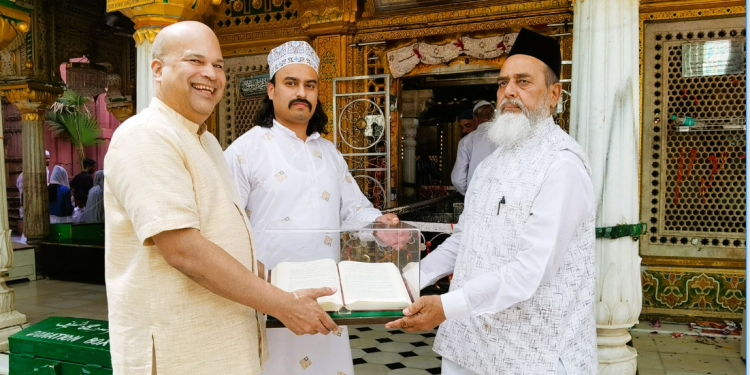
In keeping with its policy of promoting dialogue with all major religions in India, the High Commission of Sri Lanka in New Delhi presented a Sinhala translation of the Holy Quran to the historical Hazrat Nizamuddin Aulia Dargahof Delhi for permanent display.

Situated in the Nizamuddin West area of Delhi, Nizamuddin Dargah is the mausoleum of the Sufi saint Khwaja Nizamuddin Auliya (1238–1325 CE). The Dargah is visited by thousands of pilgrims every day. The site is also known for its evening qawwali devotional music sessions. The descendants of Nizamuddin Auliya look after the whole management of Dargah.

The impressive Sinhala translation of the Holy Quran, published by the All Ceylon Jamiyyathul Ulama (ACJU) of Sri Lanka, was presented to the Chief of the Dargah Syed Muzammil Nizami this afternoon by Sri Lanka’s High Commissioner Milinda Moragoda. The copy of the Holy Quran, fixed inside a transparent display box, was placed at a prominent place in the Dargah.

High Commissioner Moragoda and the accompanying senior officials of the High Commission also paid their respect to the tomb of Saint Khwaja Nizamuddin Auliya.

Previously, High Commissioner Moragoda had presented copies of the Sinhala Quran to the Jama Masjid of Delhi, the Jamiat Ulama-i-Hind (Council of Muslim Theologians of India) as well as to the Ambassadors of Morocco, Bahrain and Saudi Arabia and the High Commissioner of Nigeria in New Delhi.

Posted in Uncategorized

Pakistan High Commission awards Jinnah scholarships to Lankan students

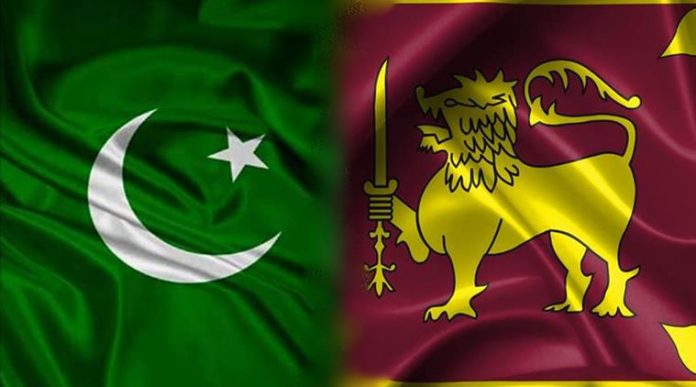
As in previous years, the Pakistan High Commission organized the Jinnah Scholarship ceremony at the Bandaranaike Memorial International Conference Hall (BMICH), to award scholarships to bright and deserving A-Level students of Sri Lanka.

These scholarships have been awarded by the Government of Pakistan to Sri Lankan students of A Level since 2006. So far, more than 2400 Sri Lankan students have benefitted from this program, named after Muhammad Ali Jinnah, the revered founding father of Pakistan.

Vidura Wickramanayaka, Minister for Buddhasasana, Religious & Cultural Affairs, Sri Lanka graced the occasion as Chief Guest.

In his speech the Chief Guest highly appreciated the gracious gesture from the people and Government of Pakistan. He added that such efforts will be very fruitful in strengthening bilateral relations between the two friendly countries. He further said that the youth are our future and through such scholarship programs, we strengthen future generations.

In his remarks, High Commissioner Major General (Retd) Umar Farooq Burki thanked the honorable Chief Guest for gracing the occasion. He emphasized upon the importance of the relationship that both the countries enjoy and the fact that Pakistan aims at strengthening these strong ties manifold. He added that the Jinnah Scholarship is a testament to the strong bond between Pakistan and Sri Lanka, and reflects the commitment to enhancing the capabilities of youth with better educational opportunities.

The High Commissioner informed the audience that the Government of Pakistan has been awarding the Jinnah Scholarship for bright Sri Lankan students since 2006. Students who qualified for this prestigious scholarship came from all provinces of the island.

The ratio of Sinhalese, Tamil (67) and Muslim (74) students was also almost equal. It was very encouraging to see that the number of female students (87) was almost double as compared to that of the male students (44).

Moreover, Government of Pakistan takes pride in producing hundreds of doctors, engineers and other professionals in various faculties through separate fully funded scholarship programs.

During the Jinnah scholarship awarding ceremony, certificates were awarded by Vedura Wickramanayaka, Minister of Buddhasasana, Religious & Cultural Affairs, Governor of Central Bank of Sri Lanka, Dr. Nandalal Weerasinghe, the High Commissioner of Pakistan to Sri Lanka and Deputy High Commissioner.

Professors representing Universities, Ambassadors, political personalities and friends of Pakistan were also present at the occasion.

India did not demand money from Sri Lanka for ship disaster help: HC

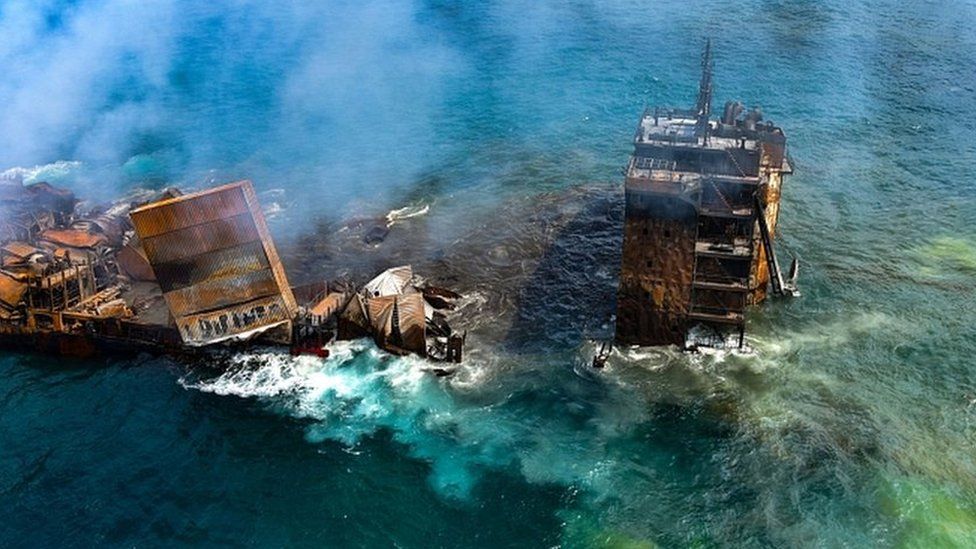
India did not demand money from Sri Lanka to cover the cost of helping with MT New Diamond or X-Press Pearl marine disaster, but only submitted cost to be claimed from insurers based on international practice, the country’s High Commission in Colombo said.

The full statement is reproduced below

High Commission of India
Colombo

PRESS STATEMENT

High Commission of India has come across media reports which suggest that Government of India has demanded compensation/damages from Government of Sri Lanka towards the assistance provided during the fire incidents onboard MT New Diamond and MV Xpress Pearl in September 2020 and May-June 2021. Such reports are completely false and incorrect.

2. It may be recalled that Government of India immediately deployed ships of the Indian Coast Guard (ICG) in response to specific requests from Sri Lanka Navy for providing expeditious assistance to fight the fire incidents onboard MT New Diamond and MV Xpress Pearl. Rescue operations conducted by these ships were instrumental in curtailing the hazardous effects of the two fire incidents and thereby limiting the damage on the maritime and marine environment of Sri Lanka.

3. In line with ‘Polluter Pay Principle’ as per international norms, we have raised a claim for deployment, salvage activities and items/stores undertaken by these ships. Government of Sri Lanka has been requested to join our claims with that of the Sri Lankan side in the respective forum. It is emphasized that the request has been for presenting these claims to the Insurer/Owner for settlement and reimbursing the compensation received through established channels.

4. It is reiterated that India has not demanded any damages/compensation from Government of Sri Lanka and Government of India’s immediate deployment of ships are in line with ‘Neighbourhood First’ policy and Security And Growth for All (S.A.G.A.R) doctrine.

Remember our history, recognise our labour, say Sri Lanka’s Malaiyaha Tamils

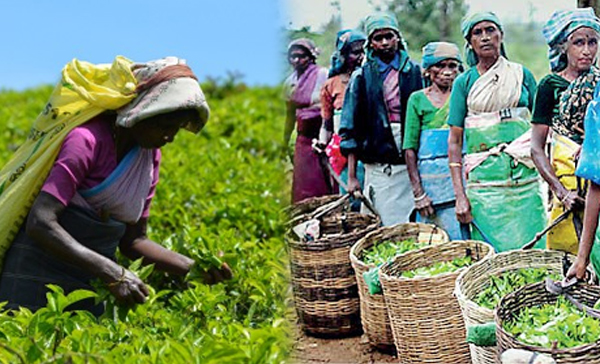
Marking 200 years since their arrival in Sri Lanka from southern India, to work in the British-run plantations, members of the island nation’s historically marginalised Malaiyaha [hill country] Tamil community have sought greater recognition, political rights, and improved living and working conditions.

“Design, resource, and implement a 10-year development plan that is explicitly based on the principle of affirmative action in response to the decades of structural exclusion that has resulted in poor human development indices of Malaiyaha Tamil community when compared with all other communities,” a key demand read, in a declaration released after a recent three-day public event held in the central Nuwara Eliya city.

The development plan must aim to reduce poverty, provide land and housing, enhance public health and education access, while ensuring labour rights, including a fair living wage and legal protection, the declaration said. Further, it asked the Sri Lankan government to recognise the Malaiyaha Tamils as a community with “a distinct identity and as equal citizens”, and ensure appropriate political power sharing and proportional system of electoral arrangements.

Organised by the Institute of Social Development, an NGO working on addressing challenges facing the Malaiyaha Tamils, the event sought to highlight the centuries-long struggle of the much-neglected community, while demanding long-pending solutions to their enduring problems. From being deprived of their citizenship in 1948 — the struggle for citizenship continued until 2003 — to being subjected to discrimination and exploitation, Sri Lanka’s Malaiyaha Tamil community has been enduring incessant injustices.

Around 1.5 lakh people from the million-strong community currently work in tea and rubber estates, bringing in crucial foreign exchange to Sri Lanka. A majority works outside the plantation ecosystem, including as professionals across sectors.

The estate-bound families, living in the Central, Southern and Uva provinces, are among Sri Lanka’s poorest, with some still residing in colonial-era line rooms, without basic amenities. India committed financial assistance to build 14,000 houses in the estate areas, but the slow pace of the project has come under frequent criticism.

The financial crisis that shook Sri Lanka last year has further compounded Malaiyaha Tamils’ economic distress, pushing more than half the population living in estate areas into acute poverty, a recent World Bank report noted.

Along with Sri Lankan legislators, scholars, workers, artistes and activists from the Malaiayah Tamil community, popular Tamil rapper Arivu, of ‘Enjoy Enjaami fame’ participated and performed at last weekend’s event.

In the declaration released, the community resolved to foster the linkages and solidarity between Malaiyaha Tamils living in different parts of Sri Lanka and those that have migrated to India.

Source:The Hindu

Posted in Uncategorized