US Envoy pushes for Indian stake in ECT

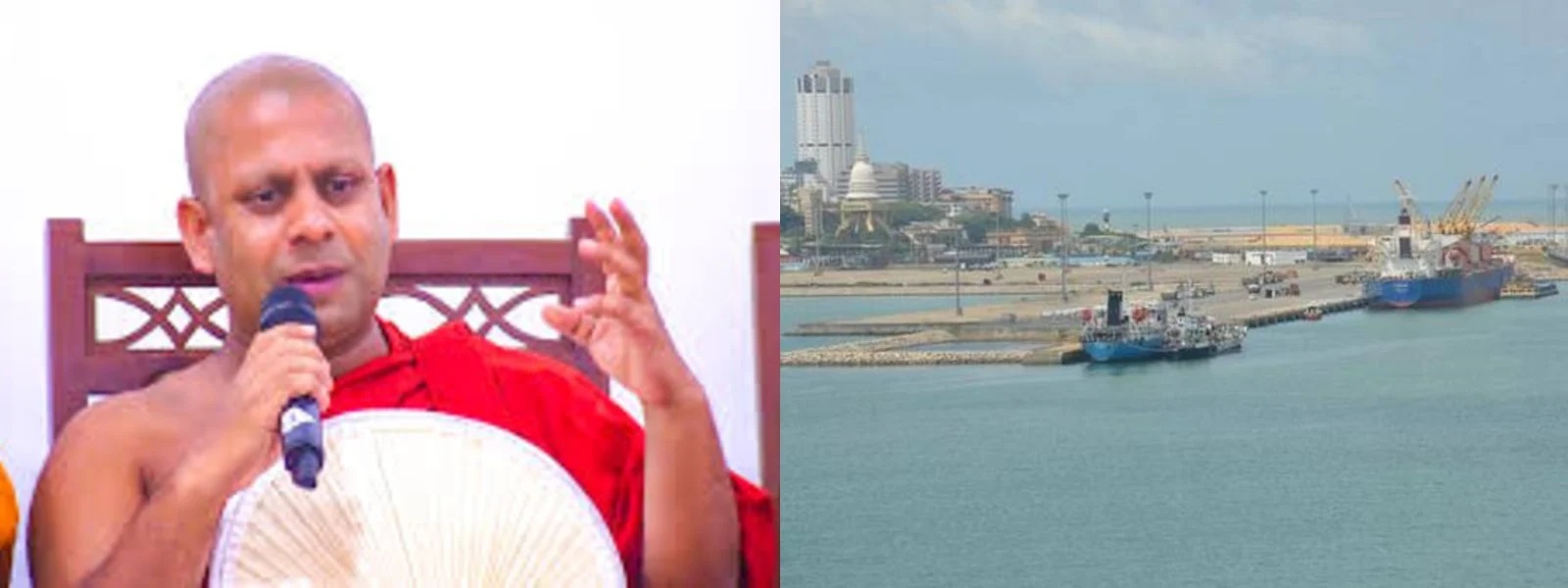
Amidst heated nationwide debates on the matter, US Ambassador Alaina B. Teplitz believes that India should have a stake in the Colombo Port’s East Container Terminal (ECT).

“Obviously, with India being the beneficiary of Sri Lanka’s port facilities through all trans-shipment activities that take place, along with the unloading and shipments to smaller Indian ports, having an Indian company with a stake here, I would think, is essential to Sri Lanka’s maritime future,” she told reporters yesterday (26).

She expressed these views in response to a question posed during a virtual meeting held with a group of journalists.

Much controversy has arisen over the ECT with the trade unions attached to the Port opposing the Government’s decision to give a 49% stake of it to parties outside of Sri Lanka. The Indian company whose name has come up in connection with the matter is the Adani Group while the other country that is associated with the matter is Japan.

Ambassador Teplitz added that Sri Lanka should be looking for the best value in its economic arrangements and that in this regard, having private sector involvement was “very good”.

“Looking at the business arrangements, and finding something that is sustainable and beneficial and gives your key business partner a stake, is a no-brainer in terms of a deal for this country,” she added.

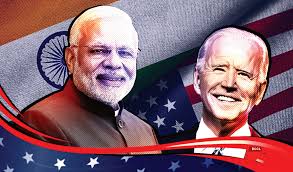
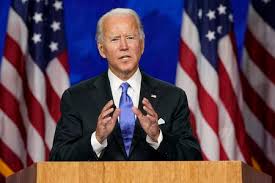
US and India enjoy a strong relationship, with the former viewing the latter as its greatest ally in Asia, and a counterforce to its main rival China’s dominance in the region, due to the similar populations of the two Asian giants and India’s economic potential. The relationship between US and India is expected to be strengthened further under new US President Joe Biden.

Posted in Uncategorized

Biden administration to maintain push on human rights issue in Sri Lanka

The Joe Biden administration in the United States will maintain the push on the human rights issue in Sri Lanka.

The US Ambassador to Sri Lanka Alaina B. Teplitz told reporters in Colombo today that it is too early to say if the US will rejoin the UN Human Rights Council (UNHRC) in Geneva.

However, she asserted the US will continue to work with other countries to ensure there is real peace in Sri Lanka.

The Trump administration withdrew from the UN Human Rights Council in Geneva accusing it of being biased.

The US Ambassador noted that there has been slow progress on the human rights issue by the former Government and the current Governemnt.

She also asserted that support for human rights should not be seen as an attempt to bully Sri Lanka.

India strikes hard bargain in Sri Lanka for stake in Colombo port -NIKKEI Asia

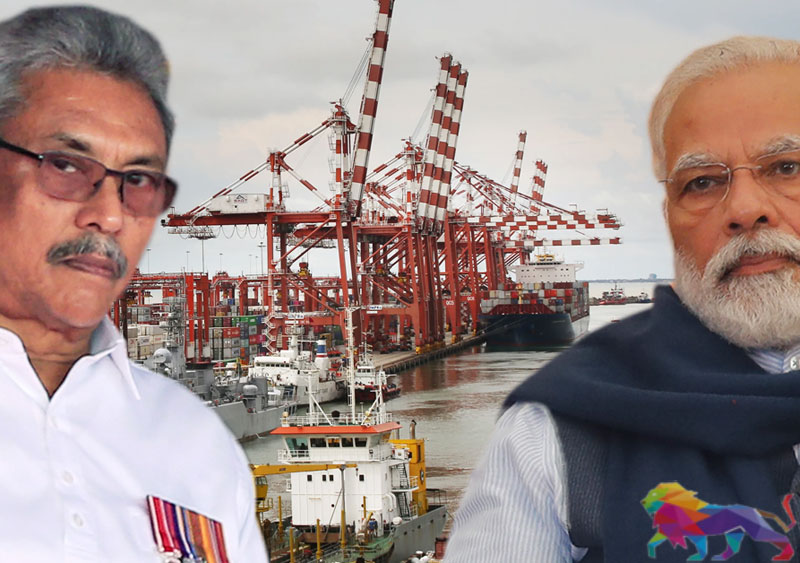
BANGKOK — Sri Lanka’s hawkish President Gotabaya Rajapaksa has caved in to Indian pressure for a stake in the Port of Colombo, the busiest harbor in the strategically located South Asian island where China already has a foothold.

Rajapaksa’s retreat came on the heels of a visit earlier this month by Indian External Affairs Minister Subrahmanyam Jaishankar to India’s smaller southern neighbor, where he laid down unequivocal terms for Indian-backed development of a container jetty in the port. The Sri Lankan government has given the nod after taking into account “regional geopolitical concerns,” a statement from Rajapaksa’s office said after the talks.

Under the terms, the Eastern Container Terminal will be developed to ensure that the Sri Lankan government will have a 51% stake and the remaining 49% will be handed to Adani Group, an Indian business empire with investments in domestic and foreign megaprojects. The Indian conglomerate’s founder, Gautam Adani, is often said to have close ties to Indian Prime Minister Narendra Modi.

For the Colombo-based diplomatic community, the muscle that Jaishankar flexed over the port deal has left little room for doubt that New Delhi will “assert its regional weight” selectively. “India has sufficient strings to pull to remind the Sri Lankan government that its interests should be a priority over others,” a diplomatic source told Nikkei Asia. “The ECT has become a new strategic marker by which India-Sri Lankan ties will henceforth be measured.”

Foreign affairs observers in India reckon that its assertive role in Sri Lanka is part of a broader push back against the strategic ground it has lost to its Asian rival China in its own backyard, a trend that has unsettled New Delhi.

“India is a hegemon in South Asia and would not allow countries like China to exert influence,” said Pankaj Kumar Jha, professor of defense and strategic studies at the New Delhi-based O.P. Jindal Global University. “India feels that the accommodative stances toward the Maldives, Sri Lanka and Nepal have ceded too much strategic space to China [resulting in] China building bases and at times stationing its naval vessels for longer time in those ports [of Sri Lanka and the Maldives].”

Such alarm is not misplaced in Sri Lanka. The Port of Colombo already has the Colombo International Container Terminal, a $500 million project built by the Chinese, in which it maintains an 85% stake, with the state-run Sri Lanka Ports Authority holding the remaining 15%. It was to this terminal, commissioned in 2013, that Chinese submarines made an unannounced call in 2014, exposing the then Sri Lankan government’s tilt toward China.

The pro-Western government that was elected soon after, in January 2015, sought to make amends by offering the development of the ECT to a “non-Chinese venture,” as a government official revealed to Nikkei at that time. It paved the way for a tri-partite deal between the Sri Lankans, Indians and Japanese to extend the deep-sea, half-built quay from its existing 600m to its full length of 1,350m.

But Indian patience was tested after an agreement that was finally signed in 2019 by the then government — including terms about financing the planned ECT through two concessionary loans from the Japanese, totaling $690 million for both phases — was nixed by the Rajapaksa government in a display of its ultra-nationalist fervor after its electoral triumph at the November 2019 presidential polls. That was the second multimillion-dollar Japanese funded infrastructure project that the Rajapaksa government unilaterally scrapped.

The concessions Rajapaksa made to India for the ECT come at a time when Sri Lanka has sounded increasingly desperate to seek New Delhi’s favors. The Rajapaksa government has been holding out a virtual begging bowl for a $2 billion financial lifeline — a $1 billion currency swap and $1 billion debt moratorium — from India to save it from sinking into a sea of foreign debt.


According to the Central Bank of Sri Lanka, the $88 billion economy has been burdened by $51.6 billion in foreign debt as of September 2020. The country’s bill to service this debt stands at $4 billion annually through 2024. The situation is growing worse due to shrinking foreign reserves, which dropped to $5.5 billion as of November 2020, down from the $7.6 billion held as of December 2019.

Consequently, the Sri Lankan leader’s image on this front runs counter to the one he has cultivated of a tough-talking ultranationalist who has been governing to champion the interests of the country’s Sinhala-Buddhist majority. The shift has already angered politically active Buddhist monks and ultra-nationalist trade unions, with some snipping at Rajapaksa’s concessions to India — foreshadowing the troubled waters he could find himself in over the port deal.

According to political observers, global trends will make it unlikely for Rajapaksa to stick to his guns and sound anti-Indian in the hope that the Chinese will bail his government out, as Beijing did before 2015 for the previous Rajapaksa regime, then headed by former President Mahinda Rajapakasa, Gotabaya’s elder brother. “The China card may backfire,” said Ram Manikkalingam, a visiting political science professor at the University of Amsterdam.

“There may be a domestic political price to pay as China is suffering adverse publicity due to what many consider predatory investments and loans, and an international price as Delhi openly aligns with the U.S., Japan and Australia,” Manikkalingam added.

India’s eye on the Port of Colombo raises its value as the most prized of Sri Lanka’s three main maritime assets. The harbors have consequently propelled the country into the heart of geopolitical conflict involving India, China, Japan and the U.S. in the latest version of the South Asian Great Game. Besides the Colombo harbor, where 70% of the transshipment cargo is linked to India, the island has another in the northeast, the Trincomalee harbor, which is the world’s second-deepest natural harbor.

The newest is in the south, the $1.2 billion Hambantota harbor. It was built with Chinese loans and subsequently handed over to a Chinese company to run on a 99-year lease as debt-strapped Sri Lanka sought dollars to settle its multimillion dollar international sovereign bonds. The harbor sits on the edge of one of the world’s busiest shipping lanes, plied by over 60,000 vessels annually.


Posted in Uncategorized

Sri Lanka’s compulsory cremation of COVID-19 bodies cannot continue, say UN experts

UN human rights experts have urged the Sri Lankan Government to end its policy of forced cremation of the COVID-19 deceased, saying it ran contrary to the beliefs of Muslims and other minorities in the country, and could foment existing prejudices, intolerance and violence.

“The imposition of cremation as the only option for handling the bodies confirmed or suspected of COVID-19 amounts to a human rights violation. There has been no established medical or scientific evidence in Sri Lanka or other countries that burial of dead bodies leads to increased risk of spreading communicable diseases such as COVID-19,” said the experts.

The Office of the UN High Commissioner for Human Rights stated that as of 21 January 2021, 274 COVID-19 related deaths have been reported in Sri Lanka, with a significant number of the deaths belonging to Muslim minorities. All of the bodies were cremated according to the fourth amendment of the Provisional Clinical Practice Guidelines on COVID-19 suspected and confirmed patients issued on 31 March 2020.

The decision to make cremation mandatory followed alleged expert advice, including by the chief epidemiologist who claimed that burials could contaminate ground drinking water. However, the World Health Organization has reiterated there is no evidence to suggest that cremation prevents the spread of the disease, while the College of Community Physicians of Sri Lanka and the Sri Lanka Medical Association issued statements recently clarifying that there has been no proof that burial of COVID-19 dead bodies constitutes a public health hazard, the statement said.

“While we must be alert to the serious public health challenges posed by the pandemic, COVID-19 measures must respect and protect the dignity of the dead, their cultural and religious traditions or beliefs, and their families throughout,” the experts said.

“We deplore the implementation of such public health decisions based on discrimination, aggressive nationalism and ethnocentrism amounting to persecution of Muslims and other minorities in the country,” added the experts. “Such hostility against the minorities exacerbates existing prejudices, intercommunal tensions, and religious intolerance, sowing fear and distrust while inciting further hatred and violence.

“We are equally concerned that such a policy deters the poor and the most vulnerable from accessing public healthcare over fears of discrimination,” the experts said, adding this would further negatively impact the public health measures to contain the pandemic.

Information received by the experts indicates that cremation often takes place immediately upon the notification of the test results without granting family members reasonable time or the opportunity to cross check or receive the final test results. There have been several cases of cremations based on erroneous information about COVID-19 test results, the experts said.

The experts noted that the President and Prime Minister had instructed the health authorities to explore options for burials in Sri Lanka. “However, we are concerned to learn that the recommendation to include both cremation and burial options for the disposal of bodies of COVID-19 victims by a panel of experts appointed by the State Minister for Primary Health Services, Pandemics and COVID Prevention was reportedly disregarded by the Government,” they said.

“We hope that the report of local burial options by the main committee referred to by the Health Minister will be available soon and that the authorities will stop pursuing a burial solution in a foreign country.

“We strongly urge the Government of Sri Lanka to stop the forced cremation of COVID-19 bodies, to take all necessary measures to combat disinformation, hate speech and stigmatization of the Muslims and other minorities as a vector of the pandemic; and to provide remedy and ensure accountability for cremations that were carried out by error.”

Government will not fully comply with OHCHR report

The Government says it will not fully comply with the report on Sri Lanka by the Office of the High Commissioner for Human Rights (OHCHR).

Cabinet Spokesman Keheliya Rambukwella said that Sri Lanka is not prepared to take any steps which harm the sovereignty of Sri Lanka.

The Government is expected to formally submit its response to the report today.

Rambukwella told reporters at the post Cabinet press briefing today that Sri Lanka has a right to address the human rights issue in a manner that it deems fit.

The Minister said that Sri Lanka will not implement the UN Human Rights Council Resolution co-sponsored by the former Government as it is not in the best interest of the country.

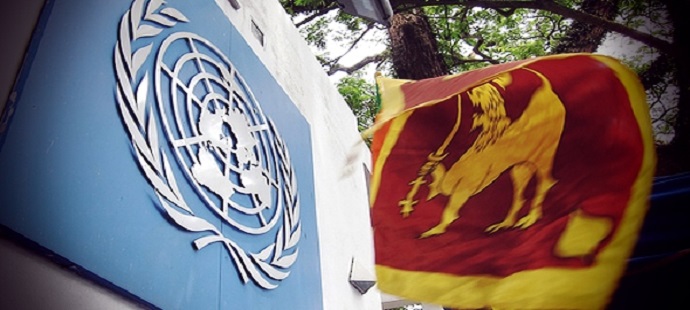
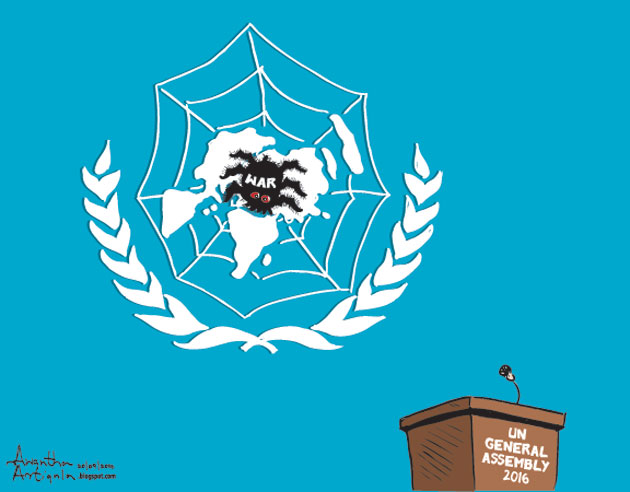
The UN High Commissioner for Human Rights Michelle Bachelet is to table a damning report on Sri Lanka at the UN Human Rights Council in Geneva next month.

A copy of the report has been sent to the Sri Lankan Government for its right of reply before it is made public.

Sri Lanka is on the agenda of the 46th Session of the UN Human Rights Council set to take place between 22 February – 19 March 2021.

During the session, Bachelet will submit a comprehensive report on Sri Lanka on the implementation of Council Resolution 30/1 on promoting reconciliation, accountability and human rights in Sri Lanka.

Bachelet will raise criticism over the failure of the Government (both current and former) to ensure its commitments to the Council were met on the human rights issue.

The current Government has already withdrawn from Resolution 30/1 and the subsequent Resolution 40/1, which were cosponsored by the UNP Government.

The Government was given time from 2015 to March this year through the two Resolutions, to show progress on the human rights issue.

However, the international community and human rights groups have accused the Government of failing to meet its commitments.

In September last year Bachelet had said she was troubled that the new Government was swiftly reneging on its commitments to the Human Rights Council since it withdrew its support for resolution 30/1.

She had encouraged the Council to give renewed attention to Sri Lanka, in view of the need to prevent threats to peace, reconciliation and sustainable development.

Posted in Uncategorized

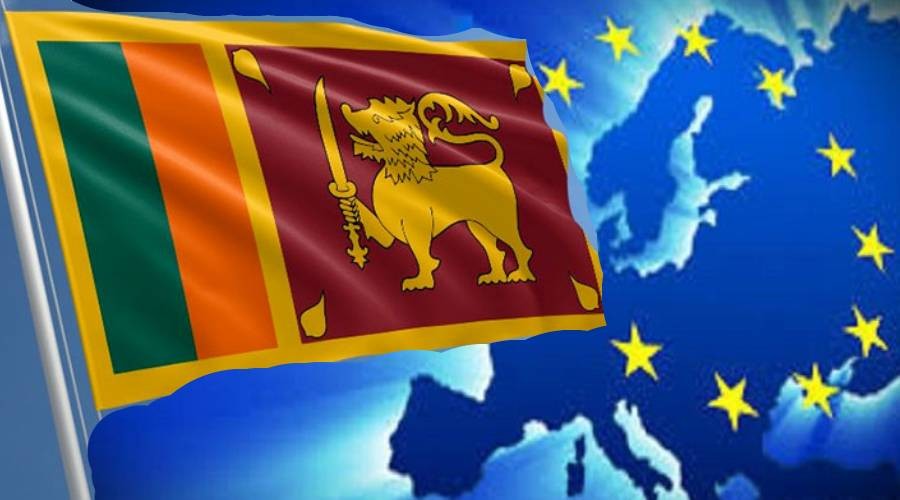
EU reiterates need for Sri Lanka to amend the Prevention of Terrorism Act

The European Union (EU) and the Democratic Socialist Republic of Sri Lanka held their 23rd meeting of the Joint Commission on 25 January 2021, via video conference. This was the first Joint Commission under the new leadership in both the European Union and Sri Lanka.

The EU and Sri Lanka agreed on the importance of enhancing trade ties and continuing to work closely together on human rights and reconciliation issues which were on the agenda of the meeting.

Sri Lanka thanked the EU for its contribution of €22 million grant to support the Sri Lankan government efforts to deal with the COVID 19 pandemic targeting the health, agriculture, and tourism sectors.

Sri Lanka and the EU concurred that the EU’s unilateral tariff preferences granted under the Special Incentive Arrangement for Sustainable Development and Good Governance (GSP+) have made a significant contribution to Sri Lanka’s economy. Exports from Sri Lanka to the EU have increased to reach €2.3 billion (Sri Lankan currency equivalent), thus making the EU Sri Lanka’s second-largest export market.

The Joint Commission acknowledged that there was potential for Sri Lanka to make even better use of the tariff concessions granted. In this regard, among other things, the EU also stressed that open and fair trade requires a level playing field, and expressed its strong concerns about Sri Lanka’s import restrictions imposed since April 2020, following COVID, which have a negative impact on European businesses.

The EU urged Sri Lanka to notify these measures to the World Trade Organisation. The EU and Sri Lanka committed to further enhance the regular EU-Sri Lanka Investor Dialogue to address impediments affecting trade and investment from the EU.

Sri Lanka reaffirmed the commitments made to effectively implement the 27 international Conventions covered by the GSP+ scheme on human and labour rights, environment and good governance.

In this context, the EU reiterated the need for Sri Lanka to amend the Prevention of Terrorism Act and bring it in line with international standards.

The Sri Lankan government confirmed its intent on revisiting the provisions of the PTA with a view to making the appropriate amendments.

The EU regrets Sri Lanka’s withdrawal from its co-sponsorship of the UN Human Rights Council Resolution 30/1and subsequent resolutions that incorporated and built on it. Sri Lanka explained how it would advance national reconciliation and action taken in accordance with its Constitution and laws.

Sri Lanka announced the appointment of a Commission of Inquiry to investigate alleged human rights violations. The EU reiterated the importance of fostering reconciliation, justice, accountability and peaceful coexistence among Sri Lanka’s diverse communities, and underlined the important role of the independent institutions established in recent years, notably the Office on Missing Persons, the Office for Reparations and the Human Rights Commission.

The EU stressed the value of a fully empowered and resilient civil society, in all its diversity for any democracy. The EU expressed its continued readiness to support Sri Lanka in these efforts.

Regarding the use of the death penalty, the EU welcomed Sri Lanka’s record on maintaining its moratorium on executions and encouraged it to legally abolish the death penalty. The EU also reiterated its opposition to the use of the death penalty in all circumstances.

The Joint Commission was informed about the proceedings of the fourth EU-Sri Lanka Working Group on Development Cooperation held in Brussels on 28 October 2020. In addition to the support for Sri Lanka’s COVID-19 response, the Working Group appraised positively another three grants from the European Union worth €35.75 million, which will support Sri Lanka’s justice sector, help improve food safety, and strengthen efforts to mitigate climate change. Implementation is planned for 2021 and beyond. The EU and Sri Lanka committed to working together in the coming years on the preparation of possible new actions aiming at addressing green recovery, promotion of inclusive and peaceful society, and water management.

The European Union and Sri Lanka explored possibilities for future cooperation on climate change, in particular on the implementation of the Paris Agreement. It was agreed that recovery from the global COVID-19 crisis should be used as an opportunity to rebuild the economies in a sustainable manner. The EU welcomed Sri Lanka’s commitment to the implementation of the environmental and climate change conventions, notably the revision of the Nationally Determined Contributions, which will be submitted timely to the UN Framework Convention on Climate Change (UNFCCC) in February 2021. The EU also appreciated Sri Lanka’s positive approach towards a Global Agreement on Plastics and President Rajapaksa’s commitment to reversing biodiversity loss by 2030 [through the Leader’s Pledge for Nature at the UN Summit for Biodiversity]. The EU stressed its recent actions to enhance its climate ambition, including climate neutrality by 2050 and the increased 2030 targets of reducing its greenhouse gas emissions by at least 55% compared to 1990. Sri Lanka confirmed its commitment to taking ambitious action to ensure a sustainable, low-carbon and climate resilient development. The EU and Sri Lanka agreed that the upcoming UN conferences – the UN Conference of the Parties (COP26) to the UNFCCC and the 15th Conference of the Parties (COP15) to the Convention on Biodiversity (CBD) will present vital opportunities for the international community to make ambitious, meaningful commitments.

The European Union and Sri Lanka took note of the ad-hoc Counter-Terrorism Dialogue, which took place in Colombo in July 2019 and reviewed on-going cooperation provided through an EU funded project with UN Office on Drugs and Crime (UNODC) and Interpol. The EU stressed the importance of applying international human rights standards in the fight against terrorism. Sri Lanka looks forward to continuing the Counter Terrorism Dialogue and Security Cooperation.

Issues related to mobility and migrationwere also on the agenda. Ways to enhance cooperation on higher education, with a particular reference to the Horizon 2020, the EU framework programme for research and innovation, were also addressed.

Cooperation in the framework of the Indian Ocean Tuna Commission (IOTC) and towards the common goals of preservation of healthy oceans, conservation and sustainable use of marine living resources was discussed.

The EU and Sri Lanka agreed on a series of actions for follow-up before the next Joint Commission meeting in Brussels in 2021.

Posted in Uncategorized

Sri Lanka to canvass support from like-minded countries

Sri Lanka is planning to canvass the support of the like-minded countries to present its case at the next session of the United Nations Human Rights Council (UNHRC), an official said yesterday.

Sri Lanka is listed to come under scrutiny by the UNHRC during its 46th session scheduled for between February 22 and March 19 in terms of performance on the implementations of matters outlined in the resolution 30/1 adopted in 2015 and the two subsequent rollover resolutions.

The core group in Geneva- the UK, Canada, Macedonia, Germany and Montenegro- is working on a consensual resolution at the moment. Sri Lanka insists that the text of it should be acceptable to it.

Foreign Secretary Admiral Prof. Jayanath Colombage told Daily Mirror there had been some indication about the content of this resolution. He said the government had appointed a core group to work on measures to face the UNHRC this time. Asked about the support from the like-minded countries, he said,“we are going to canvass for it.we want to tell them our narrative.we want to tell that today it is us, and it will be you tomorrow. Therefore, we need to have a unified stand against this bullying tactic of supranational organisations.” Ahead of the session, Sri Lanka has also worked out a dossier containing details about the atrocities committed by the LTTE and dispatched copies of it to the authorities of the respective countries where the Tamil Diaspora groups were glorifying the cause of Tamil Eelam.

UK raises human rights concerns with SL

UK has raised human rights concerns with Sri Lanka, including forced cremation of COVID-19 victims.

High Commissioner to Sri Lanka, Sarah Hulton OBE said in Tweeter message that the UN report in this regard is to be published next week and she would inform the approach to UN Human Rights Council.

“UK raising human rights concerns with Sri Lanka, including forced cremation of #COVID19 victims. UN report to be published next week, will inform the approach to @UN_HRC,” she tweeted.

Sri Lanka facing Indian invasion, warns Ven. Medagoda Abhayatissa

Involving an Indian company for the implementation of the East Container Terminal of the Colombo Harbour, is part of an Indian invasion, warned Venerable Professor Medagoda Abhayatissa Thero.

On Monday (25), representatives of the Port Joint Trade Union called on the Venerable Thero to hand over their report on protecting ECT.

It is evident a program is in play for a prolonged period to make Sri Lanka an Indian state, said the Venerable Thero adding a victory for Indian Prime Minister Narendra Modi over ECT would be similar to Rama’s win over Ravana.

When this happens, Sri Lanka will become a failed state, he said adding Indian does not like to see Sri Lanka prosper.

If Sri Lanka loses the East Container Terminal, the government will never be able to raise its head again, warned the Venerable Thero.

Shyamal Sumanaratne, the General Secretary of the Progressive Trade Union on Commerce, Industry, and Services following the meeting with the Venerable Thero said if the government does not respond positively to the ECT issue, it would face strong opposition from the entire population.

ECT will be a turning point for Sri Lanka, he said adding the President and Prime Minister must give due consideration to the matter.

Posted in Uncategorized

EU-Sri Lanka Joint Commission: Joint Press Release

The European Union (EU) and the Democratic Socialist Republic of Sri Lanka held their 23rd meeting of the Joint Commission on 25 January 2021, via video conference. This was the first Joint Commission under the new leadership in both the European Union and Sri Lanka.

The Joint Commission meeting, was held in a cordial and open atmosphere and the EU and Sri Lanka exchanged views on a wide array of subjects, reaffirming the deep cooperation ties and the willingness to strengthen the relationship between the people of the EU and Sri Lanka further. The EU and Sri Lanka agreed on the importance of enhancing trade ties and continuing to work closely together on human rights and reconciliation issues which were on the agenda of the meeting.

Sri Lanka thanked the EU for its contribution of €22 million (5,279 million Sri Lankan Rupees [LKR]) in grants to support the Sri Lanka Governments efforts to deal with the COVID 19 pandemic targeting the health, agriculture, and tourism sectors. The EU and Sri Lanka highlighted the role played by the World Health Organisation (WHO) and noted the importance of an effective multilateral system in addressing the challenges related to the pandemic.

Sri Lanka and the EU concurred that the EU’s unilateral tariff preferences granted under the Special Incentive Arrangement for Sustainable Development and Good Governance (GSP+) have made a significant contribution to Sri Lanka’s economy. Exports from Sri Lanka to the EU have increased to reach €2.3 billion (over 552 billion LKR), thus making the EU Sri Lanka’s second largest export market.

The Joint Commission acknowledged that there was potential for Sri Lanka to make even better use of the tariff concessions granted. In this regard, among other things, the EU also stressed that open and fair trade requires a level playing field, and expressed its strong concerns about Sri Lanka’s import restrictions imposed since April 2020, following COVID-19, which have a negative impact on European businesses. The EU urged Sri Lanka to notify these measures to the World Trade Organisation. The EU and Sri Lanka committed to further enhance the regular EU-Sri Lanka Investor Dialogue to address impediments affecting trade and investment from the EU.

Sri Lanka reaffirmed the commitments made to effectively implement the 27 international Conventions covered by the GSP+ scheme on human and labour rights, environment and good governance. In this context, the EU reiterated the need for Sri Lanka to amend the Prevention of Terrorism Act and bring it in line with international standards. The Sri Lankan government confirmed its intent on revisiting the provisions of the PTA with a view to making the appropriate amendments.

The EU regrets Sri Lanka’s withdrawal from its co-sponsorship of the UN Human Rights Council Resolution 30/1and subsequent resolutions that incorporated and built on it. Sri Lanka explained how it would advance national reconciliation and action taken in accordance with its Constitution and laws. Sri Lanka announced the appointment of a Commission of Inquiry to investigate alleged human rights violations. The EU reiterated the importance of fostering reconciliation, justice, accountability and peaceful coexistence among Sri Lanka’s diverse communities, and underlined the important role of the independent institutions established in recent years, notably the Office on Missing Persons, the Office for Reparations and the Human Rights Commission. The EU stressed the value of a fully empowered and resilient civil society, in all its diversity for any democracy. The EU expressed its continued readiness to support Sri Lanka in these efforts.

Regarding the use of the death penalty, the EU welcomed Sri Lanka’s record on maintaining its moratorium on executions and encouraged it to legally abolish the death penalty. The EU also reiterated its opposition to the use of the death penalty in all circumstances.

The Joint Commission was informed about the proceedings of the fourth EU-Sri Lanka Working Group on Development Cooperation held in Brussels on 28 October 2020. In addition to the support for Sri Lanka’s COVID-19 response, the Working Group appraised positively another three grants from the European Union worth €35.75 million (currency equivalent), which will support Sri Lanka’s justice sector, help improve food safety, and strengthen efforts to mitigate climate change. Implementation is planned for 2021 and beyond. The EU and Sri Lanka committed to working together in the coming years on the preparation of possible new actions aiming at addressing green recovery, promotion of inclusive and peaceful society, and water management.

The European Union and Sri Lanka explored possibilities for future cooperation on climate change, in particular on the implementation of the Paris Agreement. It was agreed that recovery from the global COVID-19 crisis should be used as an opportunity to rebuild the economies in a sustainable manner. The EU welcomed Sri Lanka’s commitment to the implementation of the environmental and climate change conventions, notably the revision of the Nationally Determined Contributions, which will be submitted timely to the UN Framework Convention on Climate Change (UNFCCC) in February 2021. The EU also appreciated Sri Lanka’s positive approach towards a Global Agreement on Plastics and President Rajapaksa’s commitment to reversing biodiversity loss by 2030 through the Leader’s Pledge for Nature at the UN Summit for Biodiversity. The EU stressed its recent actions to enhance its climate ambition, including climate neutrality by 2050 and the increased 2030 targets of reducing its greenhouse gas emissions by at least 55% compared to 1990. Sri Lanka confirmed its commitment to taking ambitious action to ensure a sustainable, low-carbon and climate resilient development. The EU and Sri Lanka agreed that the upcoming UN conferences – the UN Conference of the Parties (COP26) to the UNFCCC and the 15th Conference of the Parties (COP15) to the Convention on Biodiversity (CBD) will present vital opportunities for the international community to make ambitious, meaningful commitments.

The European Union and Sri Lanka took note of the ad-hoc Counter-Terrorism Dialogue, which took place in Colombo in July 2019 and reviewed on-going cooperation provided through an EU funded project with UN Office on Drugs and Crime (UNODC) and Interpol. The EU stressed the importance of applying international human rights standards in the fight against terrorism. Sri Lanka looks forward to continuing the Counter Terrorism Dialogue and Security Cooperation.
Issues related to mobility and migration were also on the agenda. Ways to enhance cooperation on higher education, with a particular reference to the Horizon 2020, the EU framework programme for research and innovation, were also addressed.
Cooperation in the framework of the Indian Ocean Tuna Commission (IOTC) and towards the common goals of preservation of healthy oceans, conservation and sustainable use of marine living resources was discussed.

The EU and Sri Lanka agreed on a series of actions for follow-up before the next Joint Commission meeting in Brussels in 2021.

The meeting was co-chaired by Ms Paola Pampaloni, Deputy Managing Director for Asia and the Pacific at the European External Action Service, and Mr A.M.J Sadiq, Additional Secretary of the Foreign Ministry of Sri Lanka.

The Joint Commission, which oversees the 1995 EU-Sri Lanka Cooperation Agreement on Partnership and Development, deals with a broad range of bilateral and multilateral issues of mutual interest. Its tasks are to: ensure the proper functioning and implementation of the Agreement; set priorities; and make recommendations.

All three Working Groups established under the terms of the Joint Commission reported back from their respective meetings: the Working Group on Governance, Rule of Law and Human Rights in August 2019; the Working Group on Trade and Economic Cooperation Issues in October 2019; and the Working Group on Development Cooperation on 28 October 2020.

Nabila MASSRALI(link sends e-mail)
Spokesperson for Foreign Affairs and Security Policy
+32 (0) 2 29 88093
+32 (0) 460 79 52 44
Adam KAZNOWSKI(link sends e-mail)
Press Officer for Foreign Affairs and Security Policy
+32 (0) 2 29 89359
+32 (0)460 768 088