Rumours of PM’s resignation false – Yoshitha

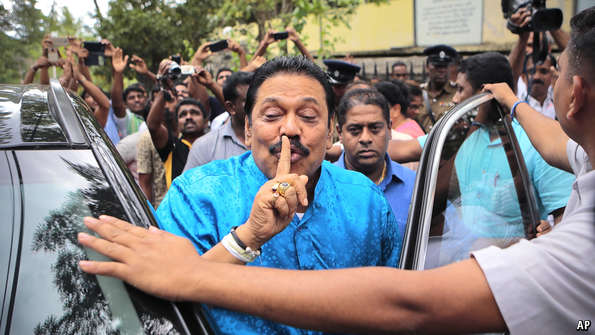
Rumours which circulated on social media late last evening, announcing that Prime Minister Mahinda Rajapaksa will resign from his Premiership post today are false and there have been no such discussions, Prime Minister’s Chief of Staff,yoshitha Rajapaksa told Daily Mirror yesterday.

A video news clip, quoting Minister Namal Rajapaksa as stating that Prime Minister Rajapaksa will step down from the Premiership post, spread rapidly on Whatsapp last evening, leading to questions if Rajapaksa would resign today.

However, the said news clip is one from 2018 when Rajapaksa remained in office for 52 days after which he eventually resigned. Yoshitha said the clip which has resurfaced on Whatsapp was false and there had been no such discussion for the Premier to resign. “This is nothing but fake news,” he said.

US envoy questions poor coverage of P2P protest by Colombo media

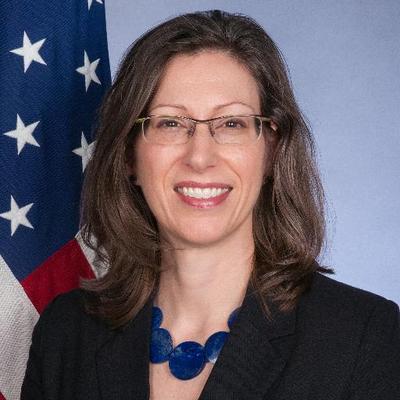
The United States (US) Ambassador to Sri Lanka has questioned the poor coverage of the Pottuvil to Point Pedro (P2P) protest by the by Colombo-based media.

Ambassador Alaina B. Teplitz tweeted saying a peaceful protest is an important right in any democracy.

She also said that significant and legitimate concerns should be heard.

“I saw Tamil media coverage of the march from Pottuvil to Point Pedro and wondered why it was not more widely covered by Colombo-based media?” the Ambassador tweeted.

Tamils in the North-East staged the massive protest last week to drawn attention to several of their demands.

However, Minster of Public Security, Law and Order Sarath Weerasekera said that legal action is to be taken against the protesters.

Speaking on a private television station, Weerasekera said that the vehicles used by the protesters will also be confiscated.

The Minister had already ordered special security provided to Tamil National Alliance Parliamentarian M.A Sumanthiran to be withdrawn after he had participated in the protest.

Posted in Uncategorized

Tamils up the ante to put Lankan government in a spot By P.K.Balachandran

Due to the high profile majority supremacist policies of the Gotabaya Rajapaksa government, disparate and mutually antagonistic Tamil-speaking communities of Sri Lanka have come together to jointly struggle against the Rajapaksa regime.

Though the complaint about Sinhala-Buddhist majoritarian dominance was decades old, the minority Tamils and Muslims were stung by President Gotabaya Rajapaksa’s assertion of his Sinhala-Buddhist identity in his Independence Day oration on February 4.

The President had said in the very beginning of his speech: “I am a Sinhala Buddhist leader and I will never hesitate to state so.”

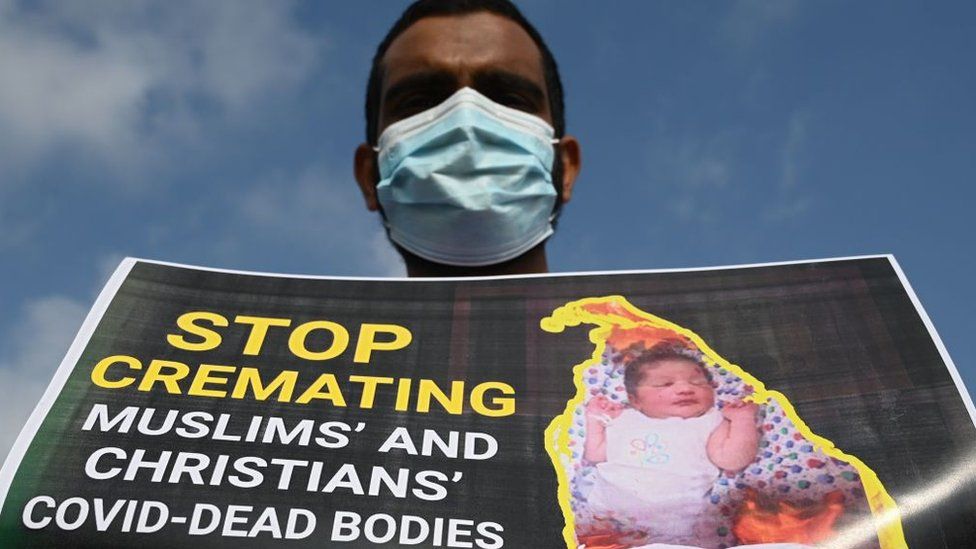
The Pottuvil to Poligandy (P to P) long march through the Eastern and Northern provinces of Sri Lanka from February 3 to 7, was primarily meant to highlight the festering grievances and the long standing demands of the North-Eastern Sri Lankan Tamils. But for the first time, Sri Lankan Tamil marchers shouted slogans highlighting the grievances of the Indian Origin Tamils working in the plantations, and of the Muslims, who are hurt by the government’s refusal to allow them to bury their COVID dead when their religion enjoins them to bury and not cremate their dead.

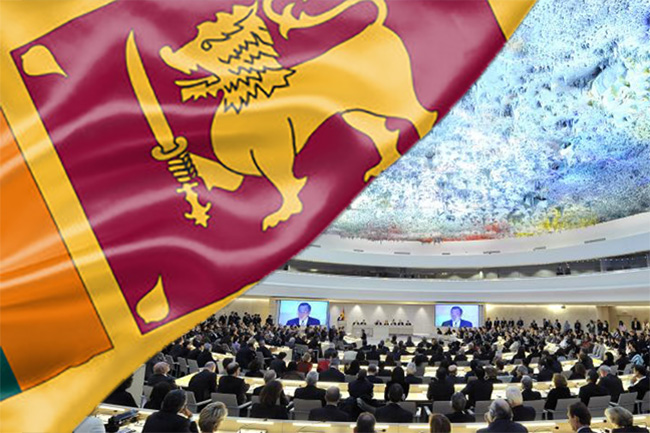
The P to P march was also meant to whip up support for the Tamils at the March session of the UN Human Rights Council (UNHRC) where there could be vote on a resolution condemning Sri Lanka for alleged failure to investigate charges of “genocide, war crimes, and violations of human rights and international humanitarian law.” The report of the High Commissioner for Human Rights, Michelle Bachelet, has recommended “targeted sanctions” and reference to the International Criminal Court (ICC). The last recommendation stemmed from a demand made earlier by a united front of Sri Lankan Tamil political parties.

Tamil Parties Sink Differences

The exclusionary politics of the incumbent Lankan regime have brought together not only Tamils and Muslims but created a rationale for unity among the disparate and mutually antagonistic Tamil political parties. The long and hard struggle of the Indian Origin Tamil plantation workers for a daily wage of Rs.1000/- was also highlighted by the marchers. For the first time, leaders of the Indian Origin Tamils, who had earlier kept away from the movements of the Sri Lankan Tamils, threw in their lot with the latter.

Marchers’ Demands

The marchers demanded from the UNHRC the following: (a) a reference to the International Criminal Court (ICC) for War Crimes, Crimes Against Humanity and Genocide; (b) a guarantee that the genocide that (allegedly) took place against Tamils is not repeated; (c) a permanent political solution which should be founded on an internationally conducted and monitored referendum among the Tamils of Sri Lanka.

Exploiting Indo-Lankan Rift

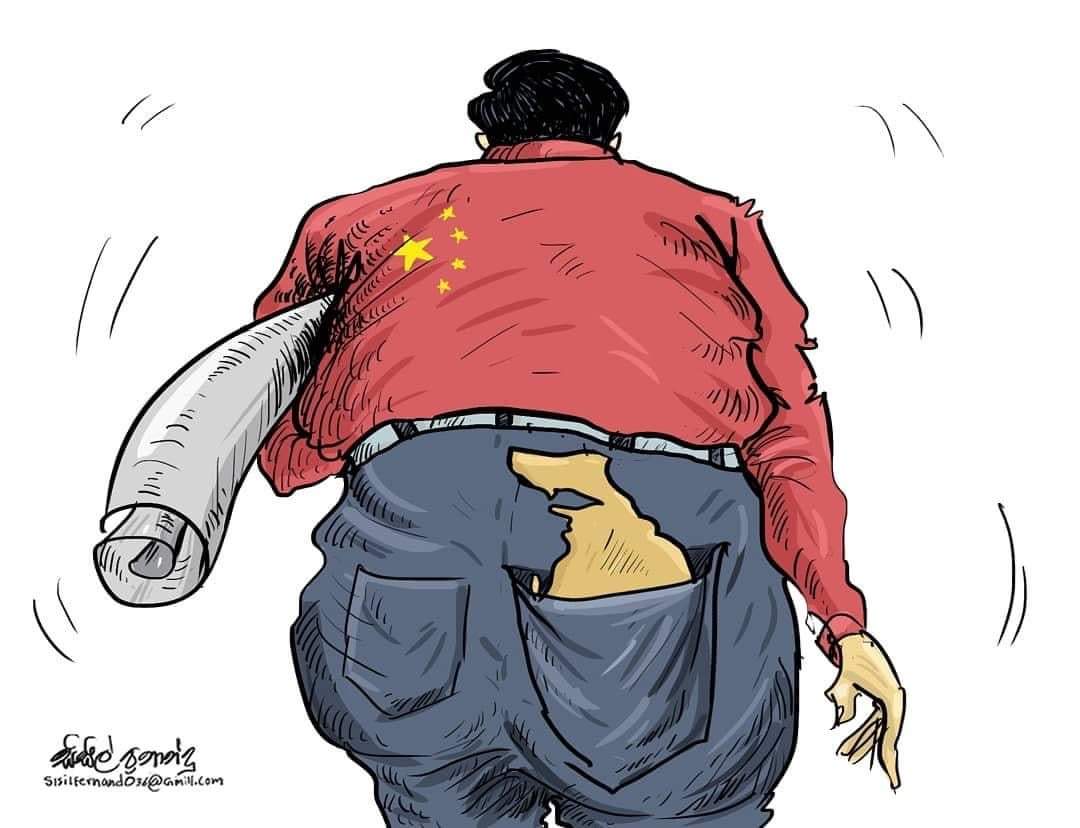
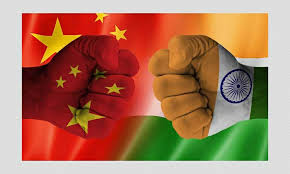
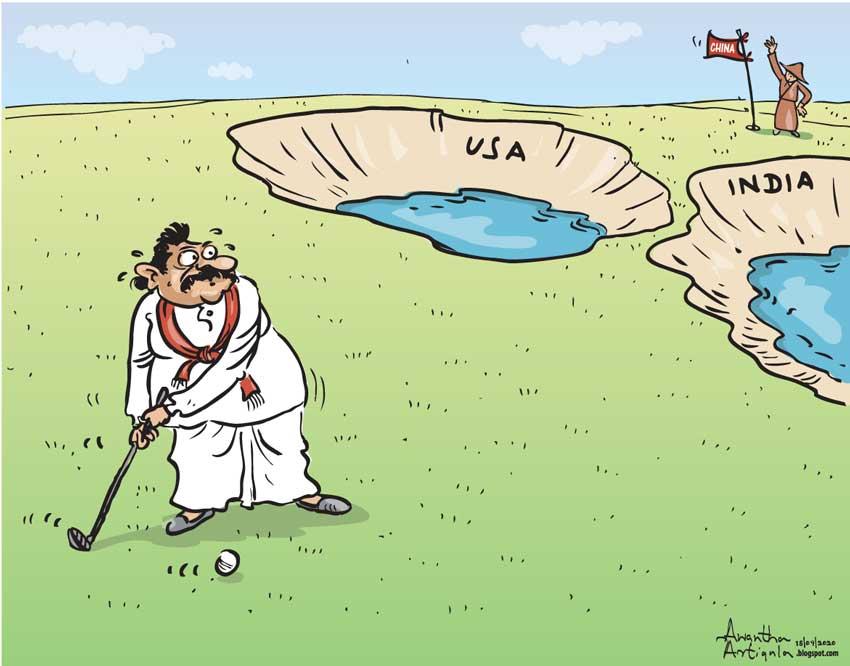
The Tamils are also poised to exploit the present strain in the relations between Sri Lanka and India over the Eastern Container Terminal (ECT) in the Colombo port, and the grant of contracts to a Chinese firm to build and operate renewable energy power stations in the islands off Jaffna, not far from India.

India had strongly protested against Sri Lanka’s non-adherence to an existing agreement over the ECT and the grant of the power projects to China creating a security concern for India.

Commenting on the issue of the ECT and the northern power projects, current Member of Parliament and former Chief Minister of the Tamil majority Northern Province, C.V.Wigneswaran, said: “It is no secret that successive Sri Lankan Governments have cheated India many a time. This is another example. I expected this to happen after the Geneva sittings. I mentioned this in an interview with the media a few weeks ago. But it has happened slightly earlier.”

“There is news that the Sri Lankan Government wishes to lease out three of the Islands close to Jaffna to a Chinese organization to start certain projects to generate electricity. This is a serious matter. It is high time India identified the Tamils of the North East of Sri Lanka as their dependable friends and changed their present political stance making sure that the Tamil speaking in the North and East were granted the right to govern themselves while ensuring their safety.”

“If the Southern Block of India (the Indian Foreign Ministry) is to be safe, India must ensure self-determination for the Tamils of the North and East of Sri Lanka. It is appropriate for India to take the leadership to ensure a referendum in the North and East to be conducted by the International Community so that the Tamil speaking people would decide their political future.”

“What happened to the Eastern Terminal will sure happen to the 13th Amendment soon. India must realize that any solution to the ethnic problem within a Unitary State of Government is bound to fail.”

In 1987 during discussions preceding the Indo Sri Lankan Agreement there was speculation that India preferred the same rights given to their Regional States be given to the Provinces in Sri Lanka. But J.R.(President J.R.Jayewardene) tricked the Indians and brought out a toothless Thirteenth Amendment which gave very little powers to the periphery. After him President R.Premadasa went a step further and pulled out the Government Agents, Divisional Secretaries and Grama Sevakas from under the Provincial Administration and brought them under the Centre. Even the meagre Land and Police powers given under the Thirteenth Amendment have been denied to the Provinces up to date by successive Sinhala majority Governments.”

Finally, Wigneswaran warned: “The Sinhalese are generally adepts at giving ropes, meaning giving false hopes. They would be subservient until they get their things done. Once done they will take high ground. India must realize this. Unless India gains the goodwill of the Tamils of the North and East both will suffer in the long run.”

Chinese firm to carry out three energy projects in Sri Lanka

The Hindu newspaper has reported that Sri Lanka has granted approval for an energy project on three islands located off Sri Lanka’s coast.

The report noted that Sri Lanka’s recent decision to pull out of the East Container Terminal deal with India and Japan is not the only challenge to New Delhi’s interests emerging this year.

It added that Sri Lanka had cleared a Chinese energy project in three islands off the Jaffna peninsula, barely 50 km from the Tamil Nadu coast, a week before reneging on the 2019 East Container terminal agreement.

According to the report, hybrid renewable energy systems are to be installed in the Nainativu, Delft, and Analaitivu islands based on cabinet approval received on the 18th of January.

The tender for these projects had been handed over to the Sinosoar-Etechwin joint venture in China upon receiving the approval of the cabinet.

Meanwhile, the Sri Lanka Tea Board has signed a Memorandum of Understanding with Fujian Star China International Trade Company Ltd., to promote Pure Ceylon Tea in the Chinese market.

Under the 15-year agreement, Fujian Star China International Trade Company will purchase more than 4 million kilos of tea from Sri Lanka annually.

Although the Sri Lankan Embassy in China said that the Chinese company will purchase tea on a pre-agreed price, the Sri Lanka Tea Board said that tea would be exported under the existing market rates in Sri Lanka.

As reports emerge on trade and investment ties between China and Sri Lanka, Imran Khan, the Prime Minister of Pakistan that is a close ally of China, is due to visit Sri Lanka this month.

The Pakistani Prime Minister will visit Sri Lanka on February 22 of this month and will deliver a special address in Parliament at 2 pm on February 24.

Against such a backdrop, cabinet spokesperson Keheliya Rambukwella has said that Sri Lanka will hold talks on the UN human rights chief’s report before the 46th UNHRC sessions begin on February 22.

Posted in Uncategorized

Sri Lanka confirms India has objected to power projects given to China on Northern islands

Co-Cabinet Spokesman Keheliya Rambukwella confirmed that the Sri Lankan government has received complaints from the Indian Government over the power projects handed to China on islands in the sea close to the Indian coast.

He told reporters this morning that those power projects were already approved and the complaints will be looked into and discussed in detail with relevant authorities.

The Sunday Times reported that India has lodged a strong protest with Sri Lanka on the award of a tender to a Chinese company to set up three renewable energy projects in outlying islands off the Jaffna peninsula.

It reported that this decision came even before the Cabinet of Ministers decided not to give India and Japan the East Container Terminal in the Colombo Port. The protest was triggered by the Department of Information releasing the decisions of the Cabinet about the approval of the Hybrid Renewable Energy Systems in the northern islands on January 18.

The Sunday Times quoted diplomatic sources as saying that India’s protest was on the grounds that such a move would raise security concerns for it. The islands concerned are the Delft Island, Analativu and Nainativu.

The islands, separated by the Palk Strait from India, were in close proximity to India’s coast.
It was also reported that energy project’s local partner, the Ceylon Electricity Board, has finalized matters related to the project by identifying lands for the joint venture with Etechwin of China. The funds for the project are to come from the Asian Development Bank.

The USD 12 million projects have been awarded to MS/Sinosar-Etechwin Joint Venture in China based on the recommendation given by the Cabinet-Appointed Standing Committee on Procurement.

Under the project, international competitive bids were called to install hybrid renewable energy systems in the three islands utilizing accessible energy resources to improve the efficiency of the prevailing energy network.

However, the Indian High Commission in Colombo refused to comment on the matter when inquired by EconomyNext.

Posted in Uncategorized

Core Group confirms Resolution to be submitted on Sri Lanka

The Core Group on Sri Lanka has confirmed it will be submitting a Resolution on Sri Lanka at the upcoming session of the UN Human Rights Council (UNHRC) in Geneva.

The British Ambassador and Permanent Representative to the UK in Geneva, Julian Braithwaite, informed the UNHRC yesterday (Monday) of the decision to submit the Resolution.

The confirmation was made as the UNHRC met to discuss its plans for the 46th Session of the UNHRC which will be held from 22 February 2021 to 23 March 2021.

The Core Group on Sri Lanka consists of Canada, Germany, Montenegro, North Macedonia, and the United Kingdom.

Braithwaite said that a Resolution will be submitted to the Council on promoting reconciliation, accountability and human rights in Sri Lanka.

The Resolution is a follow-up to one already co-sponsored by the former government, from which the current administration withdrew last year.

Braithwaite said the Resolution will be based on the recent damning report on Sri Lanka by the UN High Commissioner for Human Rights, Michelle Bachelet.

Bachelet had last month made public a damning report on Sri Lanka and has proposed targeted sanctions, such as asset freezes and travel bans against credibly alleged perpetrators of grave human rights violations and abuses.

The UN report warns that the failure of Sri Lanka to address past human rights violations has significantly heightened the risk of such violations being repeated. It highlights worrying trends over the past year, such as deepening impunity, and increased militarisation of governmental functions, ethno-nationalist rhetoric, and intimidation of civil society.

Nearly 12 years after the armed conflict in Sri Lanka ended, impunity for grave human rights violations and abuses by all sides is more entrenched than ever, with the current Government proactively obstructing investigations and trials, and reversing the limited progress that had been previously made, states the report, mandated by UN Human Rights Council Resolution 40/1.

The report urges enhanced monitoring and strong preventive action by the international community, warning that “Sri Lanka’s current trajectory sets the scene for the recurrence of the policies and practices that gave rise to grave human rights violations”.

Among the early warning signals the report highlights are the accelerating militarisation of civilian governmental functions, reversal of important constitutional safeguards, political obstruction of accountability, exclusionary rhetoric, intimidation of civil society, and the use of anti-terrorism laws.

Posted in Uncategorized

Schools to reopen for all grades from March 15

All schools in the country will reopen for all grades from March 15, Minister of Education Prof. G. L. Peiris announced today (February 09).

Meanwhile, many schools in the Western Province will be able to reopen from February 15 once the approval is granted for the district recommendations forwarded to health authorities, he said.

The District Development Committee has recommended that 412 out of 495 schools in the Colombo District will be able to open for academic activities from February 15.

However, the reopening of 80 schools in the district has not been recommended by the committee.

Education Minister stated that once the G. C. E. Ordinary Level Exam ends on March 11, steps will be taken to reopen all schools for all grades from March 15 under the consent of health authorities.

The Ministry of Education recently obtained recommendations from District Development Committees on reopening schools in non-isolated areas of the Colombo, Gampaha, and Kalutara Districts.

Posted in Uncategorized

UK Muslims complain to UN over Sri Lanka’s cremation policy

Muslim families in the United Kingdom whose loved ones have been cremated in Sri Lanka have submitted a complaint to the United Nations, branding the South Asian country’s controversial policy “unjust and discriminatory” and calling for its immediate suspension.

Buddhist-majority Sri Lanka made cremation mandatory last March for people who die, or are suspected to have died, with coronavirus.

The move has deeply upset Muslims, because according to Islam, the dead should be buried.

Christians bury their dead, too, and some in Sri Lanka have also been hurt by the move, which came despite World Health Organization (WHO) guidelines which permit burials for people who die from COVID.

The UK complaint was lodged to the UN’s Human Rights Council (UNHRC) on Friday by the Muslim Council of Britain (MCB) in partnership with UK-based law firm Bindmans on behalf of the families.

Zara Mohammed, the secretary general of the MCB, described the country’s cremation policy as “unprecedented”.

“No other state has carried out such unjust and discriminatory measures,” she said in a statement issued on Monday. “We very much hope that the Sri Lankan government will change its policy in line with the World Health Organization advice.”

Tayab Ali, a partner at Bindmans who represents the MCB and the families, described the practice as “heartless”.

“Our clients were already suffering from the distress of losing a family member to COVID,” he said in a statement. “It is truly heartless for the Sri Lankan government to add to that distress by unnecessarily forcing the bodies of loved ones to be cremated.”

Ali also called for the UNHRC to “take immediate action on receipt of this complaint by granting interim measures to halt these cremations”.

UN experts urge policy rethink

The complaint said there was “no justification, on the facts, for the prohibition of burial maintained by the Sri Lankan government”.

“This has been recognised by multiple institutions of the UN,” it said. “There are, as scientific experts have already advised, multiple protection measures that can be put in place to protect public health without the blanket denial of the right of individuals to practise their religion and to be buried in accordance with their faith.”

Sri Lankan officials have claimed that bodies of COVID victims would contaminate the groundwater if buried.

But several experts have countered this claim, noting that if burial locations are well planned, the groundwater would not be affected.

In January, an expert panel appointed by Sri Lanka’s Ministry of Health said burying those who had died from COVID-19 was allowed, in line with precautions to curtail the pandemic.

UN special rapporteurs, for their part, have twice called on Sri Lanka’s government to reconsider its mandatory cremation policy in letters sent to authorities in January this year and last April.

In their latest note, UN experts said the practice ran contrary to the beliefs of Muslims and other minority communities in Sri Lanka, and could “foment existing prejudices, intolerance and violence”.

The WHO has said there is no evidence to suggest that cremation prevents the spread of coronavirus.

“While we must be alert to the serious public health challenges posed by the pandemic, COVID-19 measures must respect and protect the dignity of the dead, their cultural and religious traditions or beliefs, and their families throughout,” the UN experts said.

Critics of Sri Lankan Prime Minister Mahinda Rajapaksa have accused his government of using the pandemic to marginalise Muslims, who make up roughly 10 percent of Sri Lanka’s 21 million people.

More than 70,000 COVID-19 infections have been recorded in Sri Lanka since the pandemic erupted, and 365 people have died after contracting the virus, according to data collated by Johns Hopkins University School of Medicine.

SOURCE : AL JAZEERA

Sri Lanka- Shifting the goal-post on economic front, too By N Sathiya Moorthy

If there is one thing that continues under the Rajapaksas’ regime after a gap of governance by their political rivals, it is their ability and consistency, if it’s any, to keep shifting the goal-posts, and at a global level. Earlier, under President Mahinda Rajapaksa, now Prime Minister, the international community (read: West) was peeved at what they claimed as such, especially on post-war commitments to ethnic reconciliation.

Today, under incumbent Gotabaya Rajapaksa, the trend has extended to cover bilateral commercial relations, this one though entered into by the predecessor regime. In modern international vocabulary, it is ‘protectionism’ by another name – or, in the name of ‘nationalism’ and ‘sovereignty’.

India is only the latest, along with Japan, to feel peeved at the Government going back on the trilateral Memorandum of Cooperation (MoC) for developing the Eastern Container Terminal (ECT), with the other two. Then, there was the light rail project with Japanese funding, again a product of an agreement entered into by the previous Government, which again the present incumbent has dumped.

If this Government uses the specious plea that they were not the ones to give a commitment of the kind, and were only reviewing all major agreements of the kind, initiated by the previous Government, it is not how international trade and investments are conducted. Just as successive Governments in Colombo are expected to honour global commitments made by the Sri Lankan State as an entity, independent of which party or leader is in power at a given point in the long history of a nation-State.

Before India and Japan, the US felt the same way, when the incumbent Government went back on the predecessor’s commitment on the MCC grant MoU, the very same way. Both the Rajapaksas, and also their Chinese principal should be wondering what if the predecessor Government had similarly gone back on President Mahinda’s earlier commitment on the debt-for-development funding at Hambantota, and asked Beijing to take a walk.

It is still possible for future Governments in Colombo to do the same thing, on other projects in which China has put in money, notwithstanding the Chinese presence in Hambantota for a 90-year-long period, no thanks to the debt-equity deal struck by the previous Government of President Maithripala Sirisena and Prime Minister Ranil Wickremesinghe.

It is thus ironical that the Sirisena-led rump SLFP should be among the parties now declaring that the ECT deal with India and Japan should be taken off the board. It is worse than anything to say that in Government I will initiate something, or acquiesce to whatever my Prime Minister initiates and has it initialled – but out of power, I will dishonour my own commitments from the past. Ironically, the SLFP, if not Sirisena personally is now a part of this Government, too, and yet…

Not the first time…

Incidentally, this is not the first time that the Sri Lankan State has gone back on its commitment, incidentally, one of them to India, earlier – though not of the commercial kind like the ECT. In 2006, the maiden Mahinda Government went back on the commitment made decades earlier by a rival political dispensation, on the North-East merger. In that case, the Government cited a Supreme Court decision on the merger, which flowed from an international commitment under the Indo-Sri Lanka Accord of 1987 – or, two decades earlier.

Of course, the Supreme Court’s decision was not on the Accord but on the specific provisions of the Provincial Councils Act, 1987, which formed a part of the 13th Amendment of the same year, which in turn had its genesis in the Accord. It is another matter that the Court had upheld the Accord, when agitated before it, soon after Parliament had cleared it. It is not about the political part of who was right and who was wrong on the Accord and the Amendment, but it was/is still all about the Sri Lankan State not keeping up a promise.

The same applies now to the ECT, too, in a different and more distinct way. The real problems started during the run-up to the parliamentary polls in August last. When the labour unions wanted the ECT deal thrown into the sea, both President Gota and Prime Minister Mahinda had given the impression that they would back it, and back out of the previous commitment.

But soon, both of them turned around, and said that around 70 per cent of the transhipment business of Colombo Ports involved Indian goods, either to or from, the northern neighbour. President Gotabaya in particular conceded that India was justified in seeking a stake in the Colombo Port as its strategic interests were involved, thus. The reference was in particular to the ECT, and was not open to the Western Container Terminal (WCT), as if now being reportedly offered to the private sector promoter from India.

In fact, that was also the situation when India’s External Affairs Minister S Jaishankar came calling on a three-day official visit in the first week of January. It can now be safely argued that no commitment was made on taking the MoC on ECT forward and making it into a full-fledged agreement, also involving Japan. But it cannot be gainsaid thus, as oral observations on a commitment already made are only reiteration of what is already on record – and does not indicate a review of unilateral rescinding of the same. Which is what it has now become.

Sole investor or what…

The way the Government is going about externally-funded projects, it is becoming increasingly clear that the nation would be deprived of further funding from the global investor, both Governments and private entities. This is particularly when the incumbent leadership has been openly urging foreign entities to put their moneys here, on viable projects, to create jobs for Sri Lankans nearer home, incomes for their families, and revenues for the host-Government.

Two, the three sacked overseas-funded projects come at a time when the nation’s economy is in dire straits. Blame it on the Easter blasts, the Covid pandemic or mismanagement by the predecessor Government, or all or any two of them put together, the fact remains, it is now left to the present dispensation to pull the nation out of the economic quagmire, into which it is admittedly sinking.

The foreign investor is already put off by international rating agencies’, which do not see a bright future for early economic recovery for the nation to be able to provide him with the wherewithal to take back his investments and with substantive benefits for their stock-holders, and in good time. Now, if you were to go back on past commitments, and also make an institutional habit of it, then, nations and enterprises would stay away from Sri Lanka, and for good.

Is it the kind of message that this Government wants to send out?

All of it can boil down to only one thing. Granting that China still wants to put in more of its money, then that could well mean more of land-grabbing by China and land-surrender by Sri Lanka, whenever repayments become due. In international political terms, it translates as the nation handing over its territory to a foreign power — which is precisely what the cancellation of the ECT deal purportedly wants to revert, and for good.

The fact is that even without the Easter attack and Covid pandemic, the nation has been sinking in debts of its own making. Translated into simple English, the nation has been living beyond its means, independent of whoever was in power and whatever leader has done it. If anything, no leader or party in power could exonerate itself, himself or herself from such a situation.

Beginning with the JVP insurgencies, followed or accompanied by LTTE terrorism, which was much more horrendous in terms of the duration and the economic-hit that the nation took, successive Governments have found reasons, justified and otherwise, to defend their borrowing from their own people and from outside the country. If news reports of the time were to be believed, the previous Wickremesinghe Government was believed to have taken a huge credit from a private European entity. According to Wickremesinghe, this Government was asking individual Sri Lankans to put in $ 10 m to purchase Covid vaccines. At least, that claim does nsot seem to have been denied.

Protectionism or what

All told, by going back on the Sri Lankan State’s commitment to go forward with the MCC, light rain project and now the ECT may fall into an unmistakable pattern, especially of the kind identifiable with the Rajapaksas – of shifting the goal-posts, time and again. On a single deal as the ECT, over the six months or so, the Government leaders who matter have been talking in multiple voices, whether intended or otherwise, whether their voices differed on specifics, and at different times.

Already, the Sri Lankan trade reputation is at the bottom of the pit, after this Government imposed unilateral ban on imports of certain commodities. It could well mean ‘protectionism’ at one level under WTO and other international norms. At a more plausible level, it could well mean reneging on import commitments, with the result, those nations can also renege on export commitments for Sri Lanka. This can create more job losses and income losses for individuals and industry in the country.

Already, the EU has taken it up with Foreign Minister Dinesh Gunawardena. But that is only one side of the action. On the more actionable side is the fading memory of the older generation of Sri Lankans, who may come to recall instances of early Governments under the SLFP, which is the parent party of the Rajapaksas and their SLPP.

If SLPP founder S W R D Bandananaike as Prime Minister, who created the mess that is still now the ‘naitonal problem’ of ethnic orientation, by introducing ‘Sinhala Only’. His wife and successor, Sirimavo, messed up the economy enough, by taking the ‘socialist model’ to the ends of democratic political existence, when raids, arrests and the State reneging on commitments of post-Independence Sri Lanka became the order of the day.

Are we back there?

(The writer is Distinguished Fellow Head-Chennai Initiative, Observer Research Foundation, the multi-disciplinary Indian public-policy think-tank, headquartered in New Delhi. email: [email protected] )


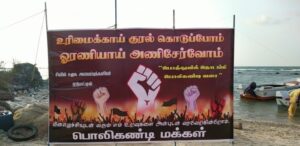
Tens of thousands march to Polikandy against oppression, injustice

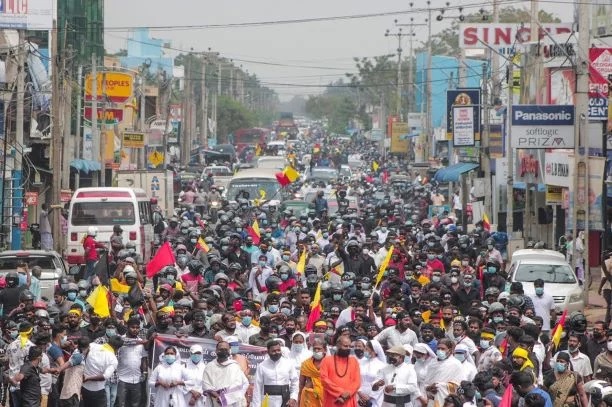
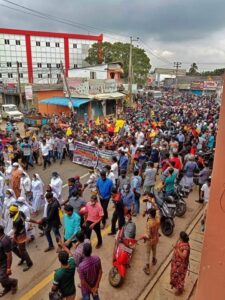
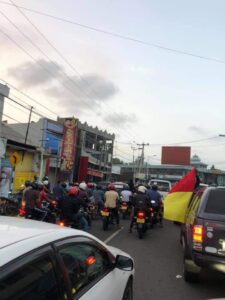
Tens of thousands of people have joined one of the largest rallies in the Tamil homeland since the end of the armed conflict in 2009, as they marched to Polikandi to conclude a five-day long campaign across the Tamil homeland.

The rally commenced from Kilinochchi and made its way to the northern-most point of the Tamil homeland in Polikandy. Over the past five days, it has crossed all eight districts in the North-East, starting from Pottuvil in Amparai.

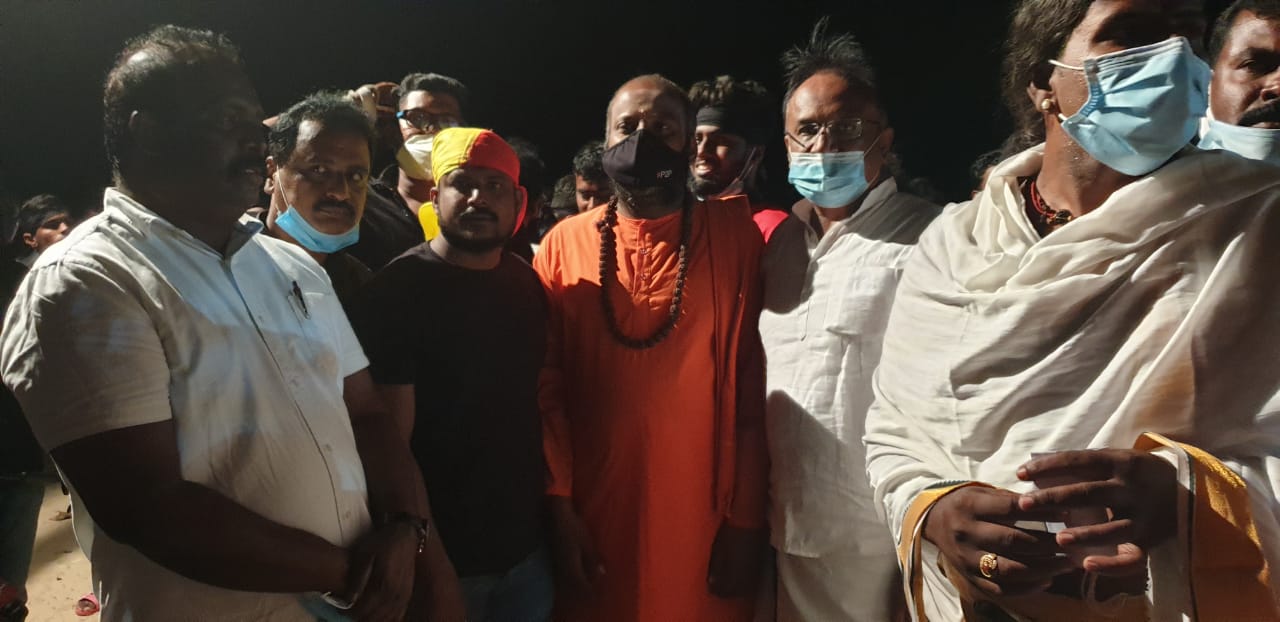
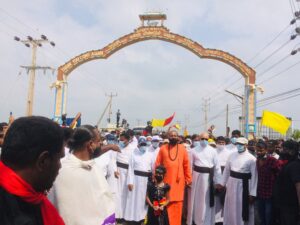
Religious leaders joined hundreds of Tamils and Muslims in a five-day Walk for Justice to raise key issues facing ethnic and religious minorities in Sri Lanka.

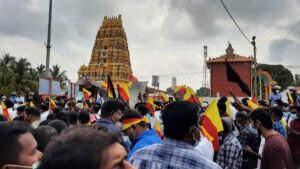
Civil society organizations, religious leaders, political parties, university students, relatives of the missing and rights activists hit the road carrying black flags and banners and chanting slogans against the oppression of minorities as they walked hundreds of kilometers.

The protest march focused on military land grabbing in the north, political prisoners, enforced disappearances, protests against the cremation of Muslims who died of the coronavirus, investigation of war crimes and the release of people falsely arrested after the Easter 2019 terror attacks.

Tamils and Muslims joined the Feb. 3-7 march despite roadblocks, harassment and intimidation from the eastern town of Pothuvil in Batticaloa to the northern town of Polikandi in Point Pedro.

Bishop Christian Noel Emmanuel of Trincomalee and several Tamil journalists and civil society leaders were issued with stay orders by police to prevent them from participating in the Walk for Justice.

Tamil lawmaker Shanakiyan Rajaputhiran Rasamanickam said they marched to protect the rights of Tamil and Muslim minorities.

“We hope the government will treat all of us as equal citizens of Sri Lanka. Don’t put iron nails on roads and deflate the tires of our vehicles. You can’t stop this protest march by doing such things,” he said.

According to the demonstrators, vehicles traveling with activists were stoned in Trincomalee, while iron nails were left on roads close to a military checkpoint.

Velan Suvamigal, a Hindu priest and a member of the Civil Society Forum, said Tamils and Muslims are fighting for freedom in the country.

“All continue the protest for five days to seek justice for Tamils, Muslims and those who face a lot of challenges and troubles in the country,” he said as the protest march entered the northern city of Mannar on Feb. 6.

Thousands were killed and disappeared during Sri Lanka’s 26-year civil war that ended in 2009 when the army defeated Tamil rebels. Both sides were accused of serious rights violations.

The controversial policy to cremate the bodies of Covid-19 victims has outraged Muslims, for whom cremation is forbidden. Activists say the decision isn’t based on scientific evidence but targets minorities.

Activists demanded the release of Tamil political prisoners who have been jailed for more than 25 years under the Prevention of Terrorism Act and the emergency.

UN High Commissioner for Human Rights Michelle Bachelet has called for member states to consider asset freezes and travel bans on Sri Lankan officials accused of rights abuses.

Father Leo Armstrong, parish priest of St. Fatima’s Church at Iranaipalai in Puthukkudiyiruppu, said they are not against anyone and it was a non-violent protest.

“We are all divided into races, castes, religions and political parties but we have been working together for the last five days to win our rights without any divisions,” he said.

Father Rohan of the Church of the American Ceylon Mission said in the past there was a division between Muslims and Tamils but now Muslims have realized that their fundamental rights have been violated by the government.

“We are happy that the Muslim community has shown solidarity with the march and the fight for the rights of minorities,” he said.

Another Catholic priest said minorities should also have the opportunity to live with dignity in the country.

“Many years have passed since the end of the civil war but justice has not yet been done to the Tamils,” said the priest who wished to remain anonymous.

“Political prisoners have been detained without hearing their cases, hundreds of war widows have no idea what happened to their husbands. Land taken by the military during the war has not yet been returned to rightful owners,” said the priest.

Although the Police in every district of the Northern Province had obtained court injunctions against the protest march, it was significant that the protest marches were held in defiance of those injunctions.

The protest march focused on archeological excavations in the North and East, the seizure of Tamil lands, the release of Tamil political prisoners, the payment of compensation for those missing in the war, the payment of 1,000 rupees to plantation workers, and the non-cremation of Muslims dying of the coronavirus.

The protest march was led by several Tamil and Muslim political parties led by the Tamil National Alliance (TNA) and was spearheaded by civil society organizations, university students, relatives of the missing and religious leaders.

It is noteworthy that yesterday(07-02-2021), the last day of the march, all the political parties that were divided in the North have joined the protest.

Posted in Uncategorized