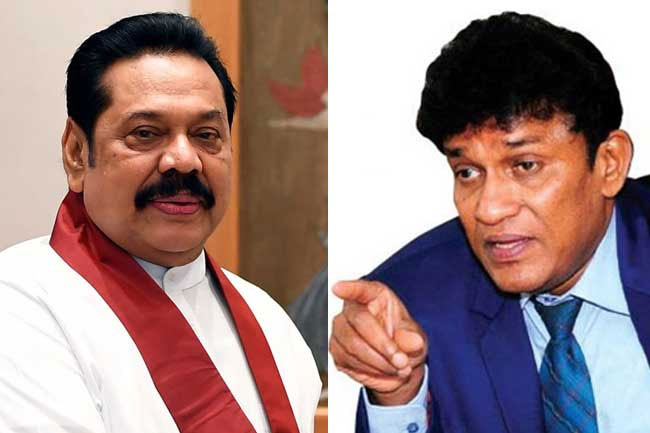
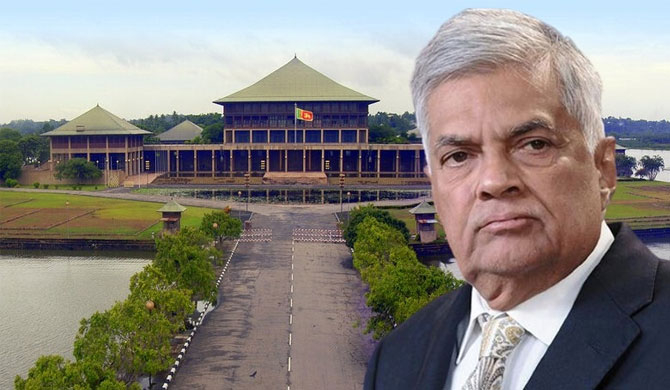
Wijeyadasa says Ranil can’t go for early Prez Poll

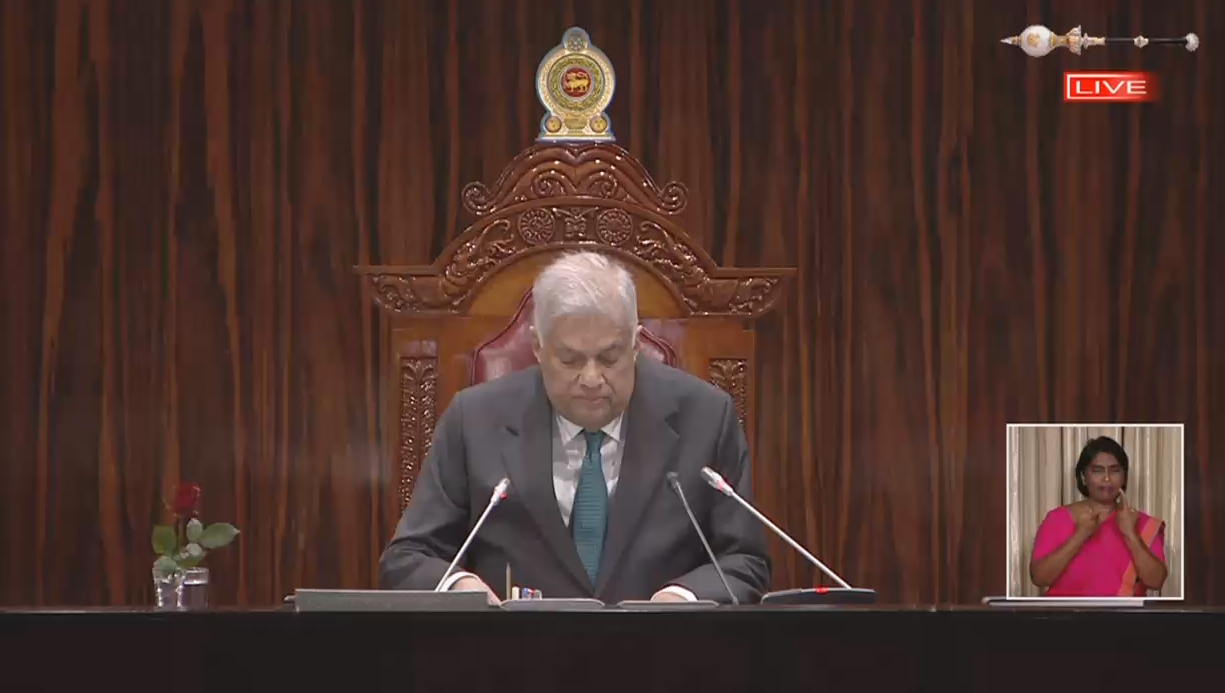
Minister of Justice, Prisons Affairs and Constitutional Reforms, President’s Counsel (PC) Dr. Wijeyadasa Rajapakshe said that being a President who was elected by the Parliament, incumbent President Ranil Wickremesinghe can seek a Supreme Court (SC) interpretation regarding the possibility of calling a Presidential Election before the stipulated date, as he is not capable of calling an early Election as per the provisions in the Constitution.

Speaking to The Daily Morning yesterday (16), in the wake of media reports circulating to the effect that President Wickremesinghe is looking into the possibility of amending the Constitution in order to call for an early Presidential Election, he also said that he, in his capacity as the Minister in charge of Constitutional Reforms, is not aware of such a decision being taken by the President.

He noted that only a President who is elected by the people can call a Presidential Election after four years lapse since the day when he/she assumed the Presidency. “I am not aware of such a decision. To my knowledge, he is not able to do so. According to the Constitution, only a President who is elected by the people can call a Presidential Election after four years lapse since the day when he/she assumed the Presidency. The incumbent was elected by the Parliament. Therefore, President Wickremesinghe will not be able to call an early Presidential Election in the present atmosphere,” he said.

He also said that it is all up to the SC to decide as to whether it is suitable to hold a Presidential Election in such a context.

Indian Naval Ship Batti Malv arrives at Sri Lanka’s port of Trincomalee on official visit

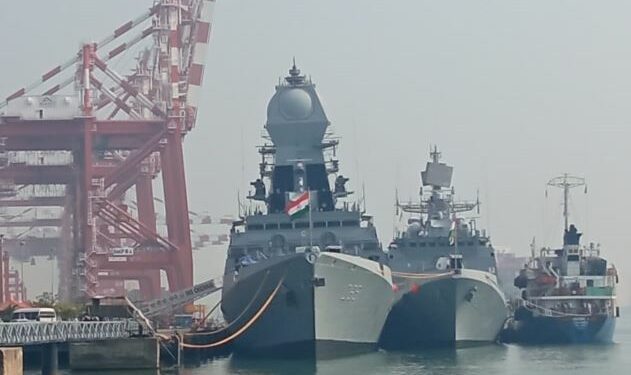
Sri Lanka Navy in compliance with naval traditions ceremonially welcomed the Indian Navy Ship (INS) Batti Malv arrived at the Port of Trincomalee on Tuesday morning (16th May 2023) on an official visit.

INS Batti Malv is a 46m long ship manned by a crew of 101 and commanded by Lieutenant Commander MAN Singh M Mane.

Following arrival, the Commanding Officer of the ship called on Commander Eastern Naval Area and Commandant Volunteer Naval Force, Rear Admiral Dammika Kumara at the Eastern Naval Command Headquarters.

Meanwhile, the ship’s crew was engaged in a Visit Board Search & Seize (VBSS) training exercise at the Special Boat Squadron Headquarters in Trincomalee.

During the ship’s stay, the crew will take part in several programs organized by the Sri Lanka Navy, with a view to promoting cooperation and goodwill between two navies. They are also expected to go on a sightseeing excursion in Trincomalee.

Concluding its official visit, INS Batti Malv will depart the island today and she is expected to engage in a Passage Exercise (PASSEX) with a ship of the Sri Lanka Navy off Trincomalee.

‘Colombo City – a military camp’, GL alleges

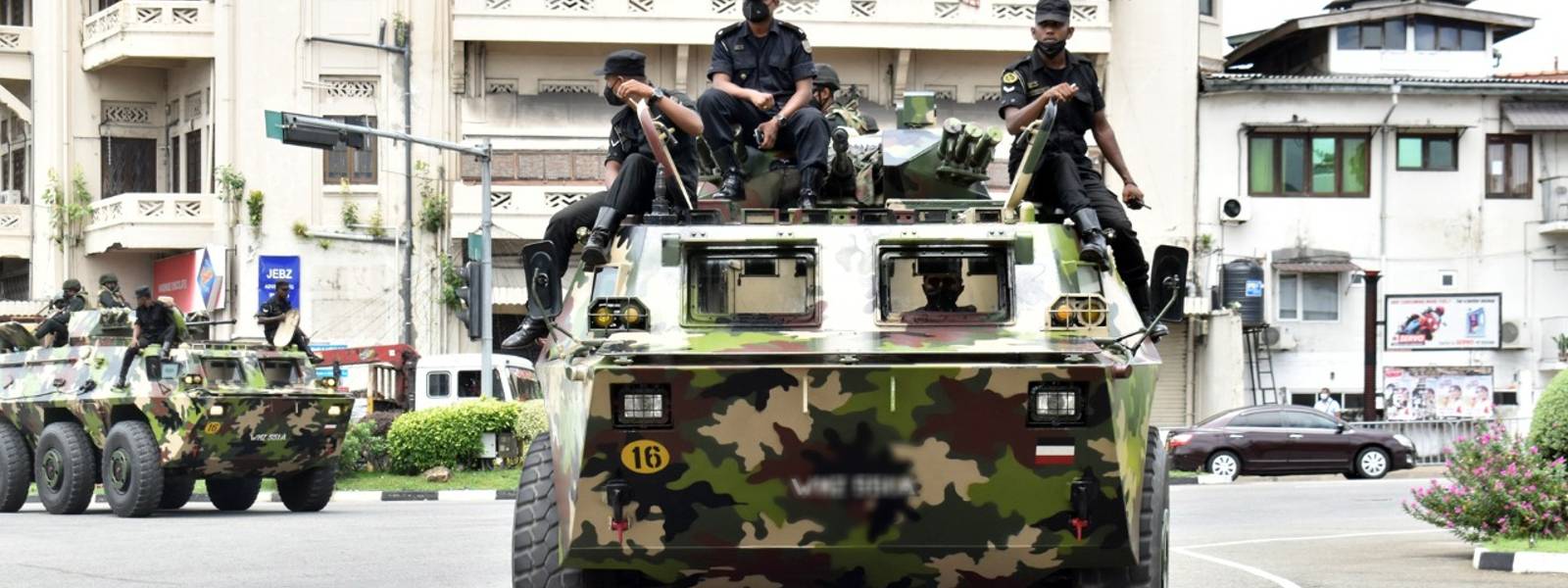
In the wake of deploying military personnel in the vicinity of the University of Colombo on information received by intelligence agencies, Opposition Parliamentarian Prof. G.L. Peiris yesterday (15) claimed that Colombo City has now become a military camp as a result of the Government’s campaign to control the public voice which is raised against the conduct of the Government.

Speaking at a press conference held yesterday, Prof. Peiris urged the Opposition to come together in good faith against this inhumane conduct of the Government while achieving the common goals of the Opposition to defeat the Government’s efforts to bring unconstitutional laws such as the Anti-Terrorism Bill and the Central Bank Bill.

“Every Opposition party has its own agenda. But, in matters which are directly affecting the people in this country, the Opposition should come forward and take the responsibility to speak on behalf of the people. As a joint Opposition, we have been doing it now for several months by working together with all the Opposition parties to defeat the efforts of the Government to end the freedom enjoyed by the people. The best example is the way how the Opposition behaved when the Anti-Terrorism Bill was taken to the Parliament. As a result of that, now, the people can enjoy the freedom that they have been given by the Constitution,” he said

Prof. Peiris also noted that the postponement of the Anti-Terrorism Bill can be considered as a major victory of the joint Opposition as now the Government has temporarily withdrawn it, even without a date to table it to the Parliament.

“By looking at Colombo City these days, the people should understand the danger that could have been created by the proposed Anti-Terrorism Bill if it had been made a law because every repressive incident which is happening now is taking place even without such dangerous laws. In that sense, we must be very happy that all the Opposition parties said in one voice that this Bill should not be passed. It was a good example provided by us that the Opposition must work in order to prevent such dangerous laws being enacted,” he said.

Posted in Uncategorized

Yunnan Province Governor to visit Sri Lanka on official five-day visit

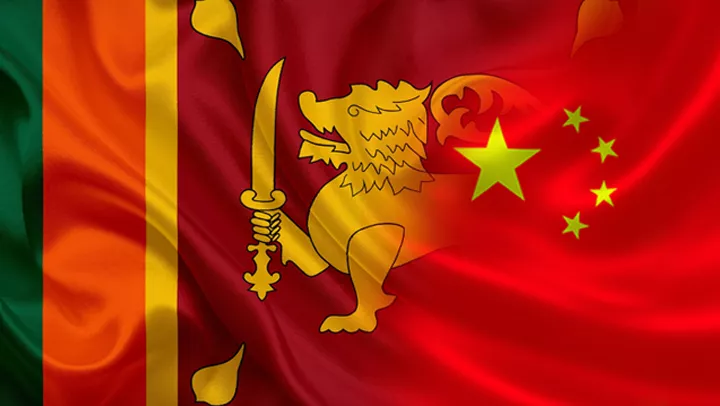
The governor of southwest China’s Yunnan Province Wang Yubo will visit Sri Lanka for a five-day official visit.

Cabinet Spokesperson Minister Bandula Gunawardena made the announcement during Tuesday’s (16) cabinet briefing and noted that Governor Wang Yubo will be in Sri Lanka from 16th to 20th May 2023.

According to the Department of Government of Information, the Cabinet of Ministers had also granted approval to sign a memorandum of understanding between the Foreign Affairs Office of Yunnan Province and the Department of External Resources in Sri Lanka during the visit of Wang Yougo, Governor of Yunnan Province of the People’s Republic of China.

Assistance to Sri Lanka in the sectors of tourism, economics, trade and commerce, education, tourism, agriculture, human cultural exchange, the living standard of people, and health is expected from this memorandum of understanding.

People’s Bank denies social media claims on loan write-offs

People’s Bank yesterday denied the views expressed on the bank’s non-performing loan write-offs as shared in certain social media groups.

The bank’s management said such statements are completely untrue.

“To save any future doubt, none of the loans so discussed in the said forums have been written off,” People’s Bank said in a brief media statement.

Posted in Uncategorized

Sri Lanka has less choices with debt becoming unsustainable: IMF Asia Pac Chief

Sri Lanka is showing commitment towards implementing an economic program with the International Monetary Fund and the country has less choices in with debt becoming unsustainable, an official said.

Sri Lanka went to IMF in the past mostly after mis-targeted rates, led to balance of payments crises, an economic problem associated with reserve collecting central banks that operate both money and exchange policies simultaneously.

“This program is slightly different in one critical way,” IMF’s director of Asia Pacific Region, Krishna Srinivasan told reporters in Colombo.

“And that is debt has been assessed to have been unsustainable. In the past you have had crises which were more balance of payments crises.”

“This is a crisis where your debt is assessed to have been unsustainable. That requires very strong reform efforts.

“If you talk about revenue based fiscal consolidation and so on it is pretty ambitious, but there is little by way of choice. If you do not do this reform your debt is going to get worse.”

Sri Lanka is implementing a challenging economic program to increase tax revenues, restore debt sustainability, keep inflation down, safeguard banks, combat corruption and boost growth, he said.

“Commendably, Sri Lanka has already started implementing many of the challenging policy actions in these five areas,” Srinivasas said.

“It is now essential to continue the reform momentum under strong ownership by the authorities and the Sri Lankan people, more broadly.”

A statement by Srinivsasan is reproduced below:

Good afternoon. Thank you for joining this press briefing. It is lovely to see all of you in person.

I am here in Colombo—my first visit to Sri Lanka—to further strengthen the IMF’s engagement with a broad spectrum of stakeholders in the country. In addition to meeting with the President and top leadership of the country, I have been able to engage with members of the opposition, civil society organizations, trade unions, think tanks, and other stakeholders. An IMF staff team, led by Peter Breuer, is also currently in Sri Lanka and will be here until May 23 for regular consultations ahead of the first review mission later this year. The team will communicate further with you at the end of its visit.

To put things in perspective, before I talk about Sri Lanka, let me offer a few thoughts on the global and regional outlook.

2023 looks to be a challenging year for the global economy. Global growth is expected to decelerate and bottom out in 2023, as rising interest rates and Russia’s war in Ukraine weigh on activity. Global inflation is easing but remains stubbornly high. And banking strains in the U.S. and Europe have injected greater uncertainty into an already complex landscape.

Against this uncertain global backdrop, Asia-Pacific remains a dynamic region. Despite weakening external demand and monetary tightening across major economies around the world, domestic demand has so far remained strong. Growth in Asia and the Pacific is projected to increase this year to 4.6 percent, up from 3.8 percent in 2022. As a result, the region would contribute around 70 percent to global growth. Asia’s dynamism will be driven primarily by the recovery in China and resilient growth in India, while growth in the rest of Asia is expected to bottom out in 2023, in line with other regions.

This dynamic outlook, however, does not imply that policymakers in the region can afford to be complacent. Headline inflation has been easing, but remains above targets in most countries, while core inflation has proven to be sticky. Although spillovers from turmoil in the European and US banking sectors have been limited thus far, vulnerabilities to global financial tightening and volatile market conditions, especially in the corporate and household sectors, remain elevated. Growth in the region is expected to fall to 3.9 percent five years out, the lowest medium-term forecast in recent history, reflecting a combination of factors, including an aging population, falling productivity, and scarring from the pandemic.

Risks to the outlook are to the downside, owing to the possibility of stickier global and regional price pressures, the disconnect between market views regarding the monetary policy path in advanced economies and what is being communicated by their central banks, the possibility of additional turmoil in global financial markets, adverse spillovers to the region from China’s medium-term growth slowdown, and deeper geo-economic fragmentation.

What does this challenging global environment mean for Sri Lanka?

Sri Lanka, as you know, has been facing a severe crisis because of past policy missteps and back-to-back economic shocks. We have been deeply concerned about the impact of the crisis on the Sri Lankan people, particularly the poor and vulnerable groups, and about the economic costs of the delay in the country’s access to external financing.

On March 20, the IMF Executive Board approved a 48-month Extended Fund Facility of about 3 billion U.S. dollars to support Sri Lanka’s economic policies and reforms. This marked an important step towards the resolution of the crisis. Sri Lanka immediately received an initial disbursement of about $330 million from the EFF arrangement, which is expected to catalyze new external financial including from the Asian Development Bank and the World Bank. Given the weak external environment and domestic policy tightening, aimed at restoring macroeconomic stability, the economy is expected to contract by 3 percent in 2023, before registering a modest growth of 1.5 percent in 2024. Prospects hinge quite critically on the implementation of the economic reform program.

As you know well by now, the reform program supported under the EFF arrangement is built on strong policy measures and prioritizes five key pillars.

First, an ambitious revenue-based fiscal consolidation,which is accompanied by stronger social safety nets, fiscal institutional reforms, and cost recovery-based energy pricing to ensure the state’s ability to support all its essential expenditures.

Second, restoration of public debt sustainability including through a debt restructuring to ensure stable financing of the government’s operations.

Third, a multi-pronged strategy to restore price stability and rebuild reserves under greater exchange rate flexibility to alleviate the burden of inflation, particularly on the poor, to foster an environment of investment and growth, and to ensure Sri Lanka’s ability to purchase essential goods from abroad.

Fourth, policies to safeguard financial sector stability, to ensure that the financial sector can play its key role in supporting economic growth.

And fifth, structural reforms to address corruption vulnerabilities and enhance growth . Anti-corruption and governance reforms are imperative to ensure the hard-won gains from the reforms benefit the Sri Lankan people. Sri Lanka is the first country in Asia that has undergone the IMF governance diagnostic exercise. The IMF governance diagnostic report is expected to be published by September this year—the mission visited Colombo in March and engaged closely with stakeholders and civil society organizations on this critical reform area. We look forward to further discussion with them.

Commendably, Sri Lanka has already started implementing many of the challenging policy actions in these five areas. It is now essential to continue the reform momentum under strong ownership by the authorities and the Sri Lankan people, more broadly.

Economic impact of the reforms on the poor and vulnerable needs to be mitigated with appropriate measures. In this regard, we welcome the authorities’ firm commitment to strengthen social safety nets, including through a minimum spending floor, well-targeted spending through the new social registry and establishment of objective eligibility criteria.

Let me conclude by saying that the IMF supported program is an opportunity for all Sri Lankans to come together to work through this crisis to restore economic stability and put the country on a sustainable growth path. The key is implementation. The IMF is here to help you along the way.


Posted in Uncategorized

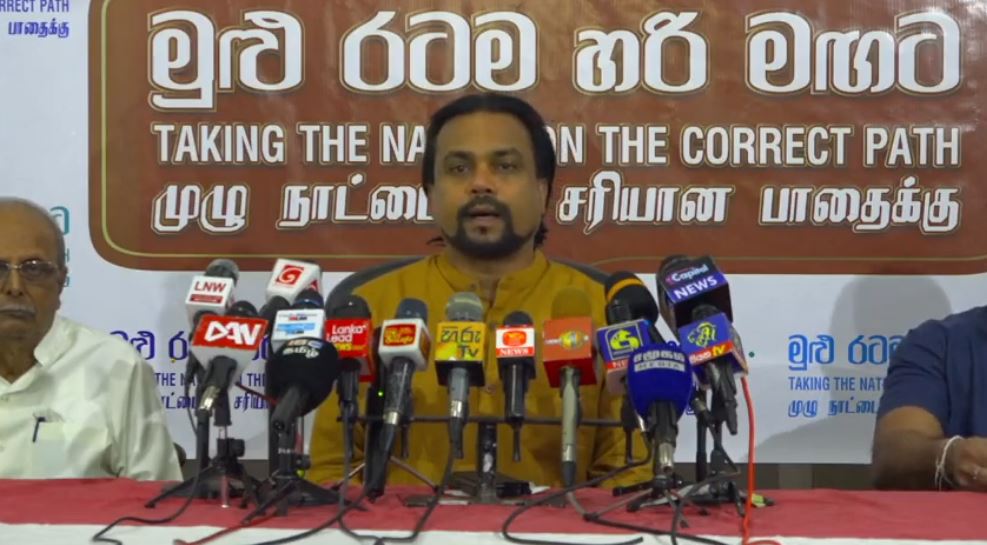
Judge Orders Speedy Decision On Corruption Case Against MP Wimal Weerawansa After Six-year Delay

The Colombo High Court was informed by the Additional Solicitor General Ayesha Jinasena that despite the Bribery Commission filing a case against former minister Wimal Weerawansa six years ago, it has not been possible to start the trial.

The case is related to Weerawansa allegedly earning over 75 million rupees in money and assets that could not be earned from his legitimate income and assets in a period of 10 years. The delay prompted the judge to order oral speeches related to the basic objections presented by the defense to be presented on June 16.

The Bribery Commission brought charges against Weerawansa during the Yahapalana government, accusing him of earning more than 75 million rupees more than his legal income while working as a minister between January 1, 2009 and December 31, 2014. The Commission stated that Weerawansa committed an offense punishable under the Bribery Act known as ‘corruption’ by acquiring assets and money exceeding the income of 75 million rupees.

When the case was called against Weerawansa, he appeared in court. His lawyer Jayantha Weerasinghe presented the fact that his client had filed an appeal in a higher court regarding another case similar to this case and requested an adjournment of this case until the decision of that case is heard. Weerasinghe also claimed that this case was filed against Weerawansa to take political revenge from his client.

The Additional Solicitor General argued that the prosecution has made written submissions regarding the initial objections presented by the defense that this case cannot be assigned and maintained and requested a prompt decision regarding the objection of the defense in consideration of this delay. The judge ruled that the presence of an appeal in another similar case in the higher court will not hinder the further proceedings of this case.

Posted in Uncategorized

Sri Lanka removes three provincial governors

The President’s Media Division announced that the President has removed the governors of the Northern, Eastern, and North Western Provinces.

It was recently reported that the President’s Office had requested the governors of the Sabaragamuwa, Uva, Northern, Easter, North-Western, and Western Provinces to step down.

However, the governors in response said that as no official communication was delivered to them, they would continue to function as governors.

On Monday (15) evening, the President had taken measures to remove Northern Province Governor Jeevan Thiagarajah, Eastern Province Governor Anuradha Yahampath, and North-Western Province Governor Admiral of the Fleet Wasantha Karannagoda.

The President’s Media Division said the new governors will be appointed on Wednesday (17).

Posted in Uncategorized

No issue with re-appointing Mahinda Rajapaksa as PM – Mano Ganesan

Samagi Jana Balavegaya (SJB) Parliamentarian Mano Ganesan says that there is no issue with re-appointing former President Mahinda Rajapaksa as the Prime Minister.

Speaking to the media in Colombo, MP Ganesan also emphasized that regardless of the appointments made for the posts, the President needs to take immediate actions to dissolve the Parliament and hold a parliamentary election.

“There’s a huge rave in the country that Mr. Mahinda Rajapaksa is requesting the PM post. We have no problem in appointing him as the PM”, he said.

“But dissolve the parliament immediately and hold an election for us. There’s no issue. We will form a government. Then you have the presidency. We have a government.”

“The other thing is that the country can know with whom the public mandate lies”, MP Ganesan claimed.

President to meet North and East MPs once again this evening

Another round of discussions between President Ranil Wickremesinghe and Members of Parliament mainly representing the North and East district will be held today.

The meeting is scheduled to be held at the President’s Office at 5.30pm.

During the meeting, discussions will mainly focus on power devolution, releasing of lands in the Northern and Eastern Province and the release of political prisoners.

A round of discussion was also held last week between the two factions.