Sri Lanka considers name change for politically-mired Chinese-built ‘Lotus Tower’- Official

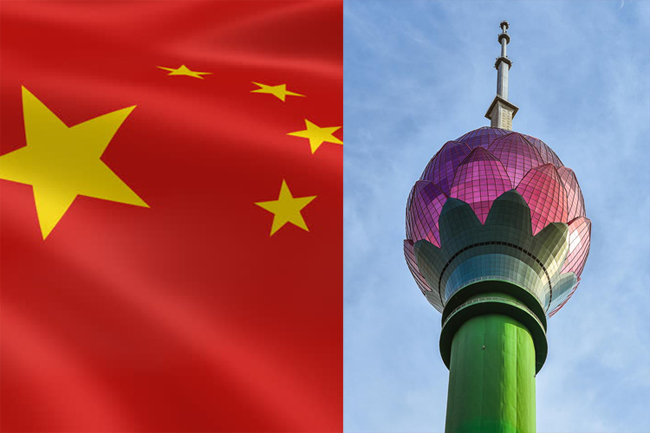
Sri Lanka President Ranil Wickremesinghe is considering changing the name of the Chinese-built Lotus Tower as its name and structure are similar to a key political party which was forced to step down from the government last year.

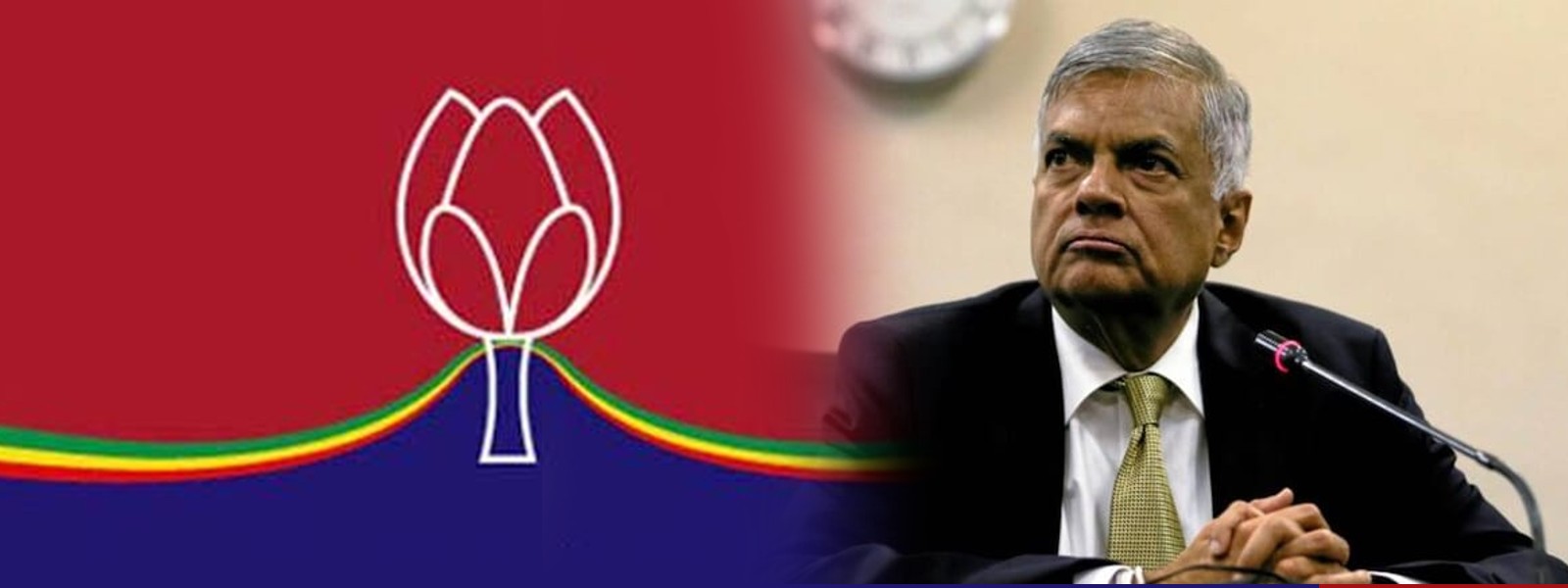
The Lotus Tower is built similar to lotus bud, which is the symbol of Buddhist nationalist Sri Lanka Podujana Peramuna (SLPP) led by ousted prime minister Mahinda Rajapaksa in the face of strong public protests on May 9, last year.

“The President is considering a name change but there is nothing officially about a change of name,” Lotus Tower’s Head of Marketing Bimsara Rosario told EconomyNext.

During the procedure of changing names it will deal with rebranding, remarketing and design changes,which will encounter further expenditure, Rosario said.

Shanuka Karunarathne, the director of the Presidential Media Division (PMD) told EconomyNext that they have not been informed about such a name change from President Ranil Wickremesinghe.

Many still call the tower as “Rajapaksa Tower”, which is criticized for being a prestige project of the Rajapaksa government and considered as a white elephant project.

The design is derived from the Lotus flower. The lotus symbolizes purity within Sri Lankan culture and is also said to symbolize the country’s flourishing development. The tower base is inspired by the lotus throne.

The 350-meter or 1,150-feet tower, the tallest tower in South Asia, was built with $104.3 million with the 80 percent of this being borrowed from Exim Bank of China and China National Electronics Importers and Exporters Corporation (CEIEC) and Aerospace Long March International Trade Co. Ltd, (ALIT) are the contractors.

Located in the commercial heart of Colombo, the tower has been called a symbolic landmark of Sri Lanka.

The state-run Telecommunications Regulatory Commission (TRC), which was under the purview of then President Rajapaksa in 2012 funded the local funding for the project.

“If an analysis is conducted, the name of the Tower is one of its strengths. The more controversial the tower, the higher the inquisitiveness to come visit the tower,” an official from the TRC said.

The tower triggered controversy when the Indian government raised concerns over its purpose as China was behind the construction amid concerns over spying, Sri Lanka government officials have said. Beijing has rejected Indian allegations.

The Tower has earned a revenue of 700 million rupees since its opening in September, last year through April 30, an official from the Lotus Tower said.

“All of the biddings are coming to an end and we only have two slots left and by next Christmas we hope to have the entire tower open,” Rosario said, referring to the shopping slots in the entire Tower.

Posted in Uncategorized

EU GSP Plus Relief in Jeopardy as Sri Lanka Refuses to Withdraw Anti-Terrorism Act, Warns Harsha

Sri Lanka’s eligibility for the Generalised Scheme of Preferences (GSP) plus relief granted by the European Union (EU) is in question due to the government’s refusal to withdraw the Anti-Terrorism Act. This was the warning issued by Dr. Harsha De Silva, Colombo District Member of Samagi Jana Balavega, during a parliamentary session.

According to De Silva, six Asian countries, including Sri Lanka, have to reapply for GSP relief after the EU ended the scheme. However, he cautioned that Sri Lanka may not receive the relief if the government does not withdraw the Anti-Terrorism Act.

The EU will decide on the countries that will receive GSP relief from 2024 to 2033. De Silva explained that there are 27 agreements in the EU for this purpose.

If Sri Lanka fails to secure the GSP plus relief, it will have a significant impact on the country’s economy. The GSP plus relief enables Sri Lankan exporters to sell their products to the EU at a reduced tariff rate, providing a vital boost to the country’s economy.

Betrayal of Trust: Child Abuse by Buddhist Monks

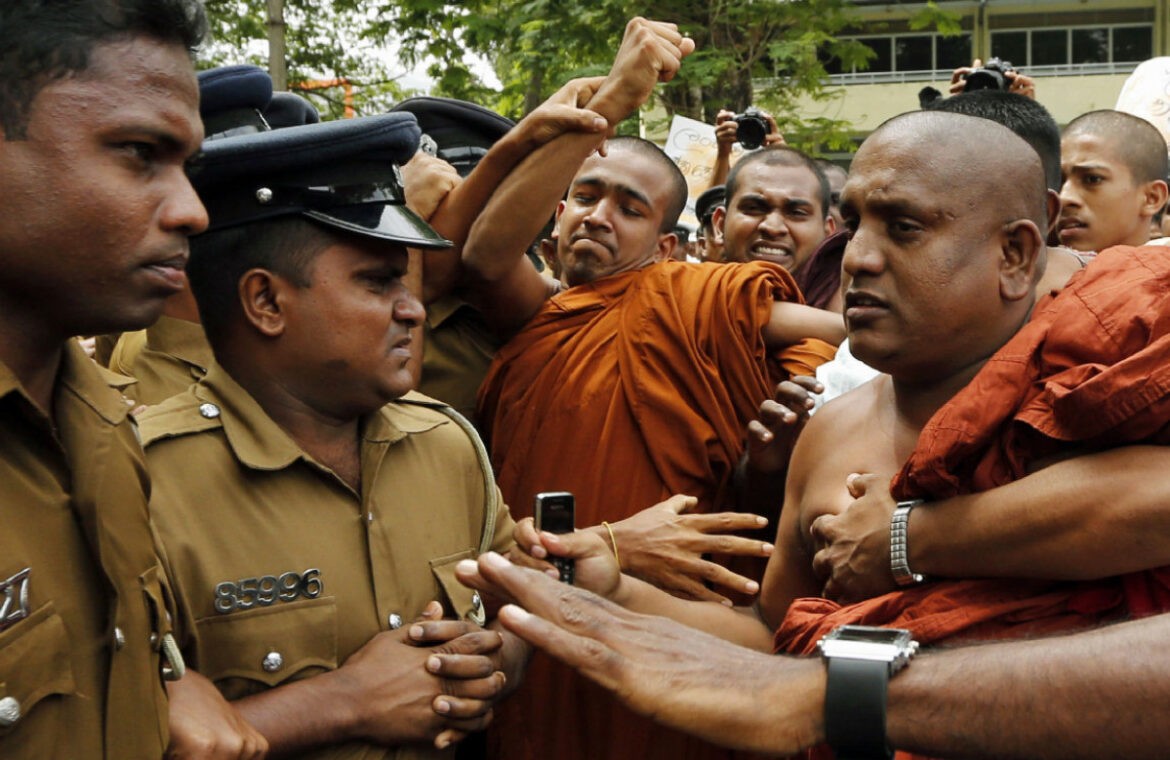
Buddhism has been a part of Sri Lanka’s culture for centuries and the ordination of young boys as novice monks is a well established tradition. It is a practice that is meant to instill discipline, self-control and religious values in the younger generation. However, recent incidents of abuse and mistreatment of young monks have brought the issue to the forefront. These incidents have revealed a systemic problem in the power dynamics of the monastic community where senior monks wield their authority to take advantage of younger and more vulnerable monks.

The abuse and mistreatment of young monks is a cause for concern and it requires urgent attention. The incidents that have come to light in recent years are disturbing and unacceptable. They range from physical abuse to sexual assault and they all highlight the vulnerability of young monks who are placed in the care of senior monks. The abuse has left a deep scar on the lives of these young boys and it has shattered their trust in the monastic community, which is supposed to be a safe haven for them.

Last week Chairman of National Child Protection Authority (NCPA), Udayakumara Amarasinghe, said it was the responsibility of the clergy to take measures within temples to prevent the abuse of novice monks. He said the NCPA had taken steps against offenders accused of abusing novice monks in temples and instructed the police to take further action when criminal offences were reported.

The abuse of young monks goes against the core teachings of Buddhism, which emphasizes compassion, kindness and respect for all living beings. It is a betrayal of the trust that the community places in its monks and a violation of the basic human rights of the young boys who are victimized.

One incident occurred on April 23 where an eight year old novice monk at a temple in Pussellawa was admitted to the Gampola hospital with severe injuries. The young monk alleged that three senior monks had brutally assaulted him as he failed to recite sermons properly and that they continue to beat him when the chief incumbent is not at the temple. According to the police, a statement had been recorded from the chief incumbent but no arrests have been made.

On April 25 a 14 year old novice monk at the Moragammana Mayurapada Rajamaha Viharaya was allegedly sexually abused while at the temple. According to the police media division, the monk was abused about two months ago by two monks who had visited the temple. The novice monk is currently receiving treatment under the supervision of the police. He had been subjected to grave sexual abuse on two occasions.

These are some other incidents of abuse that occurred this year:

On January 11 the National Child Protection Authority (NCPA) began an investigation into a monk accused of sexually abusing a 13 year-old child who was being cared for at a child development center in Kadawatha.

On January 13 Kelaniye Sudhamma Thero of Ranmuthugala, Kadawatha Viharaya, was arrested on the charge of abusing the children of Ranmuthugala Orphanage.

On January 24, a monk was granted bail after being arrested for severe physical abuse inflicted on a 12 year-old child in Beruwala.

On February 17 an old monk was arrested for sexually abusing an 8 year-old girl child in Anamaduwa.

On March 1 an 8 year-old child was sexually abused by a 70 year-old monk for over two months in Hettipola.

On March 2 a monk had assaulted a 13 year-old boy using a knife causing severe injuries to his leg in Pitigala.

On March 30 a monk assaulted a 16 year-old child for making fun of him in Wellawaya.

Monks are seen as religious leaders and are expected to uphold certain moral values. However, the power dynamics in the monastic community allows some monks to abuse their authority and take advantage of the younger monks. This abuse of power is not limited to sexual abuse but also includes physical and verbal abuse, which has long lasting psychological effects on the victims.

The abuse of young Buddhist monks takes place despite the existence of several institutions and mechanisms established to prevent and tackle such atrocities and ensure the welfare and protection of children. These include the Ministry of Buddha Sasana, The Ministry of Religious and Cultural Affairs, the National Child Protection Authority and the Police Children and Women Bureau.

It is clear that these mechanisms are not functioning effectively. The power dynamics within religious institutions and the fear of speaking out against senior monks contribute to the problem while political interference and lack of proper monitoring mechanisms within religious institutions exacerbate the problem.

It is imperative that a proper monitoring mechanism is established for all religious institutions without any political interference to ensure that perpetrators of abuse are identified and brought to justice. The safety and protection of vulnerable individuals, particularly children, is of utmost importance and should not be compromised for any reason. It is the responsibility of every member of society to raise their voices against such atrocities and work towards a safer and more just future for all.

Unfortunately, this issue has long been considered a taboo topic because it involves monks. Therefore, it is imperative that society openly addresses these issues without fear or hesitation. The authorities must take stringent action against the abusers regardless of their position or authority and enforce the law to protect the victims and ensure justice is served.

It is also important for parents and caregivers to be vigilant and aware of the risks that young boys face when they enter the monastic community. They must take steps to ensure their children are safe and not subjected to abuse. They should also encourage their children to report any abuse, no matter how small or insignificant it may seem. This can help prevent abuse and hold the abusers accountable.

In a letter to the Minister of Buddha Sasana, Religious and Cultural Affairs, the Child Protection Alliance (CPA) charged that the ministry had not taken steps to hold institutions accountable for failing to protect children and that religious institutions have failed to take steps to address systemic child abuse, including de-robing and expelling monks and priests charged with child abuse.

The CPA requested the minister to refrain from providing political protection to the accused and empower the police to arrest monks and implement legal procedures; acknowledge the global principle of “in the best interest of the child” and identify a minimum age to ordain children; prepare a policy jointly by CPA and the Social Services Department to regularize religious institutions before children are handed over; monitor the welfare of all monks below age of 18 years at least every six months; provide compulsory training on child rights and protection to all religious institutions, including responsibilities as guardians who are substituting as parents; and appoint an independent commission to investigate cases of child abuse in religious institutions in the past and present.

Source:Groundviews

SLPP to not interfere with Governors’ changes

“President Ranil Wickremesinghe will make the necessary decisions regarding the possible change of certain Provincial Governors and the ruling Sri Lanka Podujana Peramuna (SLPP) will not interfere with his decisions,” said SLPP General Secretary and Parliamentarian, Attorney Sagara Kariyawasam.

It was recently reported that the President had requested four Governors to resign, and that they would be replaced by senior members of the United National Party (UNP), of which Wickremesinghe is the Leader.

When queried by The Daily Morning as to whether the SLPP would have any concern about the possible replacements of Governors, Kariyawasam said that they would not interfere with the President in such matters. “It is up to him (Wickremesinghe) to make the necessary decisions. We are not going to interfere with his work. We have given that promise to the nation that we will support him in eradicating ‘terrorism’ and reviving the economy.”

Kariyawasam had earlier told The Daily Morning that the SLPP would prefer if a new Cabinet of Ministers is appointed by the President with more Ministerial posts being given to “real” SLPPers. When queried regarding their current stance on the matter, he said: “Right after Wickremesinghe was elected as the President, we made a request to appoint a new Cabinet of Ministers. That request is still valid, but we are not going to ask him over and over again.”

It was reported last week that the Presidential Secretariat had informed the Governors of four Provinces, including Eastern Provincial Governor Anuradha Yahampath, North Western Provincial Governor, Admiral of the Fleet Wasantha Karannagoda, Uva Provincial Governor A.J.M. Muzammil and Sabaragamuwa Provincial Governor Tikiri Kobbekaduwa, to resign.

Meanwhile, UNP General Secretary Palitha Range Bandara said on 7 May that no one representing the UNP had received any invitation to take the Governorship of any Province thus far, but that everyone in the Party is ready to accept the responsibility and extend their fullest support to Wickremesinghe if such is given.

China attends as observer first meeting of Sri Lanka’s creditor nations

China attended as an observer the first meeting of Sri Lanka’s creditor nations on Tuesday, offering policymakers some hope Beijing will become more engaged in talks to resolve debt woes of low- and middle-income countries across the world.

The meeting, within a new framework launched in Washington D.C. in April that creditors hope will serve as a model to resolve the debt difficulties of middle-income economies, was held online.

Japan, which initiated the launch together with India and France, invited all bilateral creditors, including the largest, China.

Masato Kanda, Japan’s top financial diplomat, told reporters after the meeting that China attended as an observer, adding he hoped it would participate as a full member in future meetings.

Last month, France, India and Japan unveiled a common platform for talks among bilateral creditors to co-ordinate restructuring of Sri Lanka’s debt.

Sri Lanka owes $7.1 billion to bilateral creditors, government data show, with $3 billion owed to China, followed by $2.4 billion to the Paris Club of creditor nations and $1.6 billion to India.

The government also needs to renegotiate more than $12 billion of debt in eurobonds with overseas private creditors, and $2.7 billion of other commercial loans.

Sri Lanka has kicked off talks to rework part of its domestic debt and aims to finalise a deal by May.

Source – Reuters

Posted in Uncategorized

India extends $1 bln credit line for Sri Lanka by a year -Reuters

India has extended a $1 billion credit line for Sri Lanka by one year, a Sri Lankan official told Reuters on Tuesday, giving the crisis-hit country a backup funds to pay for essential imports.

The credit line, part of about $4 billion in emergency assistance extended by India during the peak of Sri Lanka’s financial crisis early last year, was scheduled to end in March.

Post-negotiations, the credit line was extended until March 2024, said Sri Lanka’s Deputy Treasury Secretary Priyantha Rathnayake.

“There is about $350 million left of the credit line that can be utilised as needed,” he said.

“However, given the increase of foreign exchange availability in the market, the need is not as keen as it was last year.”

Reuters reported in March that Sri Lanka was negotiating with India to extend the facility, used so far mainly for medicines and food.

Sri Lanka’s reserves dropped to record lows in April last year, triggering its worst financial crisis since independence from British colonial rule in 1948. The island, off India’s southern coast, spent months struggling to pay for essential imports such as fuel, cooking gas and medicine and defaulted on its foreign debt.

The situation has now improved with Sri Lanka finalising a nearly $3 billion bailout package from the International Monetary Fund in March and kicking off debt restructuring talks with key bilateral creditors India, Japan and China.

Sri Lanka’s foreign exchange reserves hit $2.7 billion at the end of last month.

Posted in Uncategorized

TNA Won’t attend meeting with President unless Eastern MPs are also invited

The coordination committee meeting between the TNA alliance parties of TELO,PLOTE,EPRLF,TPLK and Ex Militant party was held Saturday( 6-05-23)evening at Tilco Private Guest House in Jaffna.

In this meeting, the party’s constitution and district level activities were discussed

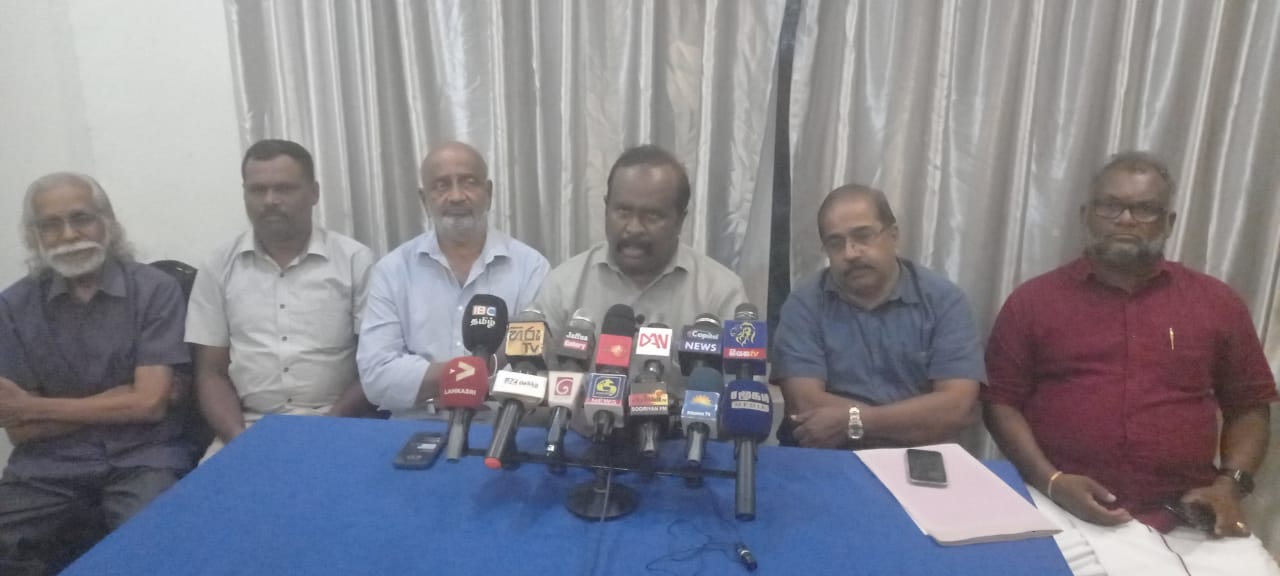
In addition, they said that the members of Parliament of Eastern Province should also be invited in the upcoming discussions on 11th, 12th and 13th, and if they are not invited, they will not participate in the talks.

This discussion is scheduled to be held focusing on resolving the ‘ethnic problem’ in the country and decentralising power.

Posted in Uncategorized

UN Special Rapporteurs write to President on Anti-Terrorism & Rehabilitation Bills

10 United Nations Special Rapporteurs have written an official letter to President Ranil Wickremesinghe regarding the proposed Anti-Terrorism Bill and Rehabilitation Bill in Sri Lanka. The letter highlights their concerns regarding the potential impact of these bills on human rights and fundamental freedoms.

The Special Rapporteurs have raised several issues concerning the recently proposed ATA, published on March 17th, 2023. The ATA represents the latest development of the Sri Lankan Government’s legislative amendments in response to the challenges posed by the Prevention of Terrorism Act of 1979 (PTA) and the Rehabilitation Bill passed by the Sri Lankan Parliament on January 18th, 2023.

The Special Rapporteurs have called on the Sri Lankan government to employ definitions of terrorism that comply with international norms and to ensure precision and legal certainty, especially when this legislation may impact the rights of freedom of expression, opinion, association, and religion or belief.

The letter also calls for provisions and measures to prevent and prohibit arbitrary deprivation of liberty, the enforcement of measures to prevent torture and enforced disappearance, and adherence to non-derogable prohibitions. Additionally, overarching due process and fair trial guarantees are called for.

The letter was signed by the following Special Rapporteurs: Fionnuala Ní Aoláin, Mathew Gillett, Aua Baldé, Irene Khan, Clement Nyaletsossi Voule, Mary Lawlor, Margaret Satterthwaite, Fernand de Varennes, Nazila Ghanea, and Alice Jill Edwards.

It is important to note that the revisions to the draft Rehabilitation Bill following a decision of the Supreme Court would not adhere in certain regards to fundamental rights enshrined in the Constitution and would place many of its provisions in direct contradiction with the international human rights law obligations of the Sri Lankan Government.

World Bank warns Sri Lanka of worsening poverty amid IMF adjustments

The World Bank has warned Sri Lanka of possible worsening of poverty if the crisis-hit island nation fails to address the needs of vulnerable groups when it implements painful adjustments in line with reforms for a $3 billion International Monetary Fund (IMF) loan.

According to the World Bank report, poverty has already doubled last year with higher inflation and rising unemployment.

“The negative economic outlook for 2023 and 2024 and adverse effects of revenue-mobilizing reforms could worsen poverty projections,” the World Bank said in the latest report on Sri Lanka’s poverty situation released last month.

“Mitigating these negative effects on the poor and vulnerable will remain critical during the adjustment. At the same time, a recovery and expansion of wage employment in the services and industry sectors will be key to shift employment from lower-paying agricultural jobs and make a dent on poverty.”

The multilateral lending agency also said rising inequality is also a concern while poverty in Urban areas has tripled and rural areas doubled.

“Poverty is projected to remain above 25 percent in the next few years due to the multiple risks to households’ livelihoods,” it said.

The increase in poverty comes after the island nation declared an unprecedented sovereign debt default in April last year following two years of Covid-19 controls. The default cut off the island nation’s access to all external fundings and hit its external trade.

Nearly 13 people out of 100 have been under the poverty line in 2020, increasing from 12 in the previous year. The number rose to 13 in 2021 and almost doubled to 25 last year, the World Bank report said.

“This increase has added an additional 2.5 million people into poverty in 2022.”

It said many households were impacted from different fronts as prices rose by 46 percent last year, jobs in services and industry contracted, pushing workers to lower-paying agricultural jobs. The decline in remittances also had hit the income level.

The income from agriculture also contracted due to an overnight ban on chemical fertilizers by the former president Gotabaya Rajapaksa in 2021. The move, among many others, also led to mass public protests that led to ousting Rajapaksa.

The world bank data indicated that households experiencing food insecurity are reducing their spending on health and education, a move that could result in poor human resources in the future.

The rise in food insecurity has also led to increases in malnutrition and stunting – up from 7.4 percent in 2021 to 9.4 percent in 2022, the report said.

According to the Central bank data, the updated national poverty line for Sri Lanka surged to 13,777 rupees in 2022, registering an annual increase of 74 percent.

A World Food Program survey has revealed 85 percent of the population was estimated to be relying on livelihood based coping strategies, such as borrowing money, reducing spending on education and health, spending savings, or deferring due debt payments.

Posted in Uncategorized

SJB decides to put forward candidate for presidential poll

Sri Lanka’s main opposition party, the Samagi Jana Balavega (SJB) has decided to put forward a candidate for the upcoming presidential election.

This decision was taken at the party’s working committee meeting held today (08).

In order to ensure that candidate’s victory, it has also been decided to build a broad alliance led by the ‘Samagi Jana Balawegaya’ and to delegate power to opposition leader Sajith Premadasa for this purpose.

Meanwhile, it has also been decided meeting to vest the necessary authority with party leader Sajith Premadasa to take disciplinary action against any member who opposes the decisions of the party’s working committee.