Zahran’s in-laws complain to HRCSL

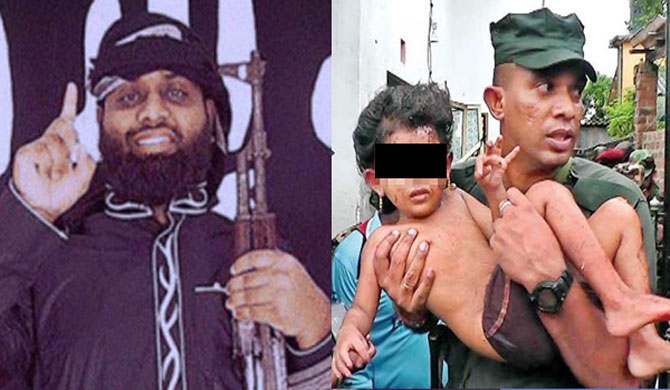
A complaint has been lodged with the Human Rights Commission of Sri Lanka (HRCSL) over an incident of Mohamed Abdul Cader Mohamed Azeem, who is the brother-in-law of the mastermind behind the Easter Sunday terror attacks of 2019, Mohamed Cassim Mohamed Zahran alias Zahran Hashim, and the former’s wife Mohamed Ziham Fathima, being arrested by the Police, allegedly without a proper charge.

The arrestees including Azeem and Fathima have been arrested by the Kochchikade Police on 9 April, and have subsequently been remanded by the Negombo Magistrate’s Court.

Speaking to The Daily Morning, a family member said that Azeem was recently released after spending several years in prison in connection with the Easter Sunday terror attacks. The duo has come to Fathima’s mother’s house in Kochchikade, Negombo from their residence in Narammala. He said that they (Azeem and Fathima) usually come to that house once a month, spend a few days and then leave.

“While they were sleeping in that house, the Kochchikade Police came at around 12.30 a.m. (00:30 hours) and told them that it was not safe for them to stay there. The Police had asked them to come to the Police Station. Then, they had asked the lawyer and gone to the Police Station as they had done nothing wrong. In the morning, the Police had said that they could go home after being produced before the Court formally. However, the Police had reported to the Court that it was suspicious that they had come to Negombo for some suspicious activity on Easter Sunday (which fell on 9 April),” he claimed.

The B report submitted by the Police to the Court regarding the two suspects, which was seen by The Daily Morning, states that based on the information given by two officers of the Police Special Investigation Unit (SIU), the house where the two suspects were staying was searched on 9 April. It is also stated that during the interrogation, it was revealed that the male suspect is Zahran’s brother-in-law and that he was in prison for three years in connection with the Easter Sunday terror attacks. The B report states that the suspects were arrested on suspicion that they had come to carry out a disruptive or destructive act in connection with the services held in the churches in the area on Easter Sunday.

It further states that the Criminal Investigations Department, the Terrorism Investigation Division, the SIU, and the Intelligence agencies have been asked over the phone as to whether the two suspects are wanted for any crime and whether there are any pending cases against them. Accordingly, the Police has requested the Court to remand them until 20 April till the investigations regarding them are completed and reported to the Court. Taking that request into consideration, the Negombo Acting Magistrate has ordered the remand of the suspects until the relevant case is recalled on 20 April. The Court has also ordered the Prison authorities to provide necessary medical facilities to the female suspect who is pregnant.

Meanwhile, a relative of the family told The Daily Morning that a complaint has been submitted to the HRCSL regarding the arrest of the duo, purportedly for no reasonable reason. He also mentioned that the two persons in question came to Negombo only to sell a stock of maize that they had grown and to spend a few days at the female arrestee’s mother’s house.

Attempts to contact Police Media Spokesman, Senior Superintendent of Police and Attorney-at-Law Nihal Thalduwa proved futile.

The St. Anthony’s Church in Kochchikade was the site of a suicide bomb attack on 21 April 2019.

Posted in Uncategorized

KKS harbour expansion for India-Sri Lanka ferry service

The government of Sri Lanka launched a project for a passenger ferry service between the port of Kankasanthurai, Sri Lanka and Pondicherry, India to provide a more affordable and convenient mode of transportation.

In support of this project, the Sri Lanka Navy has commenced facility expansion of the Kankasanthurai harbour, with a view to accommodate more traffic and provide better infrastructure.

The Navy is committed to nurturing a stable ocean region for the safe conduct of economic activities in Sri Lankan waters.

In addition, the Navy has often made its skilled manpower, efficiency and technical expertise available for the overall progress and prosperity of the nation.

Following the directives of the Commander of the Navy Vice Admiral Priyantha Perera, the Sri Lanka Navy has taken an active role in supporting the expansion of the Kankasanthurai harbour facility by enabling its manpower and expertise, in response to a request of the Ministry of Ports, Shipping and Aviation.

Accordingly, the project got underway on 01st February, with skilled manpower and industrial expertise enabled by the Navy.

Thus, the Sri Lanka Navy has undertaken the construction of a passenger terminal for immigration and customs clearance of people who intend to use this passenger ferry service. Required materials for the construction work are provided by the Sri Lanka Ports Authority.

Presently, a group of 60 naval personnel are engaged in construction of a 1000 square meter passenger terminal, under the supervision of naval civil engineering officers. The construction work of the passenger terminal will be completed soon and thereupon the facility will be handed over to the Sri Lanka Ports Authority for its operational purposes.

The passenger ferry service project is part of a larger effort to strengthen longstanding ties between India and Sri Lanka, with a focus on improving tourism.

Through the Navy’s contribution towards prompt implementation of the project, it will not only save a lot of public money, but also enable the public to enjoy the expected benefits of this project in due course.

SL to ‘export’ monkeys to China?

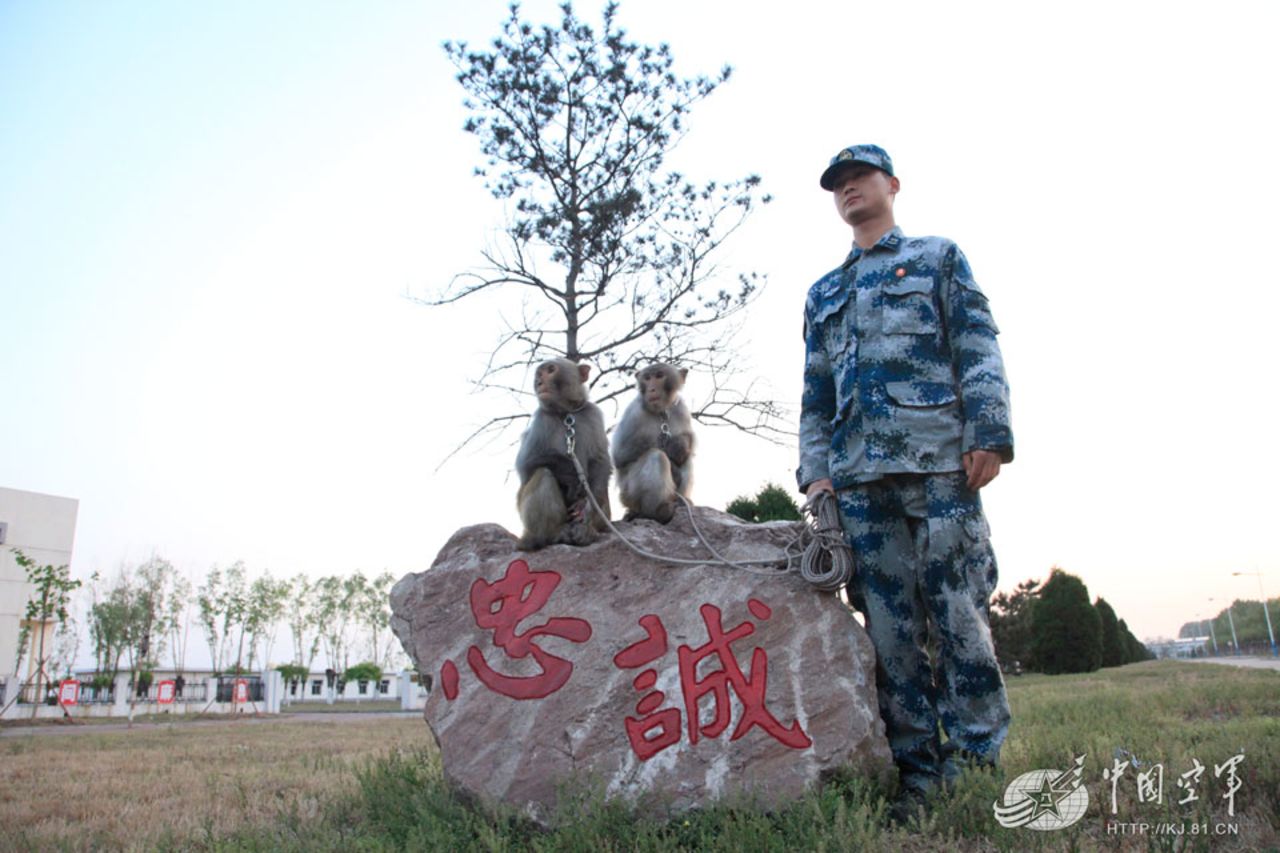
Authorities of the Department of Wildlife Conservation (DWC) and the Ministry of Agriculture are currently discussing the provision of 100,000 toque macaques (a reddish brown coloured Old World monkey endemic to Sri Lanka and known as the ‘rilawa’) to China, considering a request made by the latter to the same effect.

Speaking to The Daily Morning, the Media Director of the Ministry, Dharma Wanninayake said that a group of Chinese representatives has submitted a request to the Ministry to provide Sri Lankan toque macaques to zoological gardens in China. He said that a special meeting was held at the Ministry yesterday (11) to discuss the possibility of providing 100,000 toque macaques to China under the first phase of the programme. The meeting was attended by officials from the DWC, the Zoological Gardens Department, and the Attorney General’s Department.

During the meeting, Agriculture Minister Mahinda Amaraweera said that steps should be taken to appoint a committee consisting of officials from the relevant institutions to study the legal situation regarding the matter. He said that a proposal would be presented to the Cabinet of Ministers seeking approval for the appointment of the said committee.

The Ministry has meanwhile stated that the toque macaque population of the country is close to three million at present. A survey conducted by the Hector Kobbekaduwa Agricultural Training and Research Institute has confirmed that the highest intensity or severity of crop damage has been reported due to toque macaques. According to surveys conducted in 250 agricultural development areas, toque macaques have caused complete damages to crops in 110 areas, severe damages in 235 areas and partial damages in 155 areas.

The toque macaque is listed as endangered by the International Union for the Conservation of Nature due to habitat destruction and hunting, and also for the pet trade. Much of the original forested habitat of the toque macaque has been lost, between 1956 and 1993. Plantations and deforestation have been the main drivers of habitat loss.

China pushes Sri Lanka to sign FTA in guise of debt restructuring

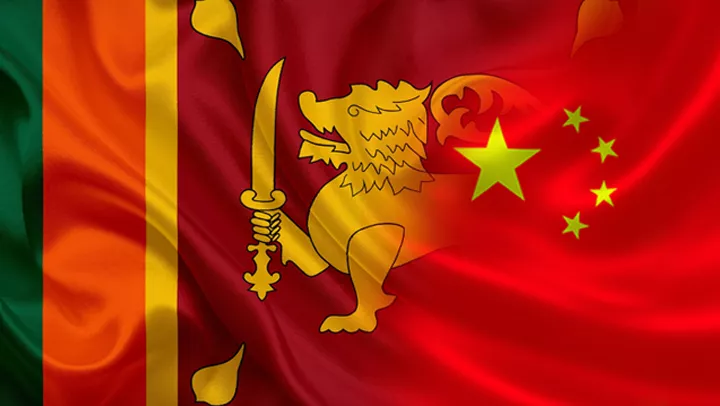
Negotiations for a possible FTA between China and Sri Lanka were launched in 2014 in the presence of Chinese President Xi Jinping and former Sri Lankan President Mahinda Rajapaksa when both sides continued to have several rounds of talks, Daily Mirror reported.

China had “awarded” Sri Lanka with a delayed response to its request for debt restructuring and now appears to pressure Sri Lanka into signing a Free Trade Agreement (FTA) under the guise of helping to restructure debt repayments.

The 5th round of China-Sri Lanka FTA negotiation was held in Colombo on Tuesday where the two sides exchanged views on issues concerning trade in goods, trade in service, investment, economic and technical cooperation, rule of origin, customs procedures and trade facilitation, technical barriers to trade (TBT), sanitary and phytosanitary measures (SPS) and trade remedy.

According to experts, the disadvantage for Sri Lanka is that China’s FTAs restrict the use of para-tariffs, such as the import levy used by Sri Lanka, Daily Mirror reported.

For a country like Sri Lanka, whose exports are limited to a few products, an agreement that reduces barriers to trade on thousands of other products but excludes these key exportable products from the world and from China will fail to facilitate Sri Lanka’s export growth.
Since the end of the Sri Lankan civil war in 2009, China has extended numerous loans to Sri Lanka for various infrastructure projects, including a port, an airport, highways, and other significant projects.

However, concerns have been raised about the nature of China’s financial assistance and the motivations behind its debt restructuring efforts. Critics argue that China’s financial assistance is part of a broader strategy to extend its economic and political influence in the region, with Sri Lanka serving as a key location for China’s ambitious Belt and Road Initiative (BRI), Daily Mirror reported.

Critics argue that the deal would be heavily skewed in favour of China, leading to a flood of cheap Chinese goods into Sri Lanka and undermining the country’s domestic industries.
Sri Lanka occupies a strategic location in the Indian Ocean, making it an essential part of China’s ambitious Belt and Road Initiative, which seeks to expand China’s economic and political influence in the region. The Chinese push for the FTA has faced opposition from critics suggesting that the deal would not be in the country’s best interests, Daily Mirror reported.

Furthermore, Sri Lanka is facing growing concerns about its growing economic dependence on China. Experts suggest that the country risks falling into a debt trap that could threaten its economic sovereignty.

To address these concerns, Sri Lanka plans to diversify its economic ties, exploring new opportunities for economic partnerships with other countries in the region.

The Sri Lankan government is also seeking renegotiation of its debt agreements with China, with some suggesting that the country wants to reduce its dependence on Chinese loans.

One of the potential disadvantages of signing the FTA with China is the risk of job losses. Sri Lanka’s labour-intensive industries, such as textiles and apparel, could face increased competition from cheaper Chinese imports, leading to potential job losses in these sectors.
This could be especially problematic for Sri Lanka, which is already facing high unemployment rates and a struggling economy, Daily Mirror reported.

Another potential disadvantage of signing an FTA with China is the risk of regulatory standards. As part of the FTA negotiations, Sri Lanka would require harmonizing its regulatory regime with China, potentially leading to a “race to the bottom” in terms of labour standards, environmental protection, and intellectual property rights.

Finally, signing an FTA with China could lead to a loss of policy autonomy for Sri Lanka. Sri Lanka might require abiding by certain rules and regulations set forth in the FTA, potentially limiting its ability to pursue certain policies in areas such as trade, labour standards, and the environment.

However, China’s efforts to push for the FTA continue and experts suggest that the country might be using its financial leverage to coerce Sri Lanka into signing the deal.

The situation in Sri Lanka highlights the risks associated with excessive reliance on foreign loans and the importance of balancing economic development with strategic interests. China’s debt restructuring efforts in Sri Lanka and its push for the FTA have raised concerns about the country’s growing economic and political influence in the region.

While Sri Lanka is seeking to reduce its dependence on China and diversify its economic ties, it remains to be seen whether the country will be successful in achieving these goals. The situation in Sri Lanka underscores the importance of balancing economic development with strategic interests and the risks associated with excessive dependence on foreign loans, Daily Mirror reported.

(ANI)

Lanka denies request or approval for China’s radar base in Southern Province: Foreign Minister

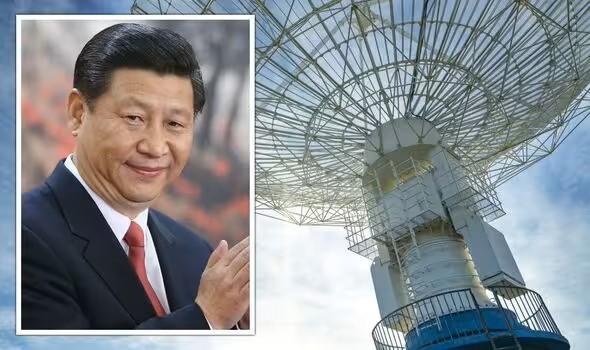
Minister of Foreign Affairs, President’s Counsel M.U.M. Ali Sabry has denied reports that Sri Lanka has granted permission to China to establish a radar base in the Southern Province.

During an interview on Television Derana on Monday (10), he clarified that the Ministry of Foreign Affairs has not received any request to establish a radar base, and no approval has been granted.

This statement comes amid concerns over Sri Lanka’s growing ties with China and speculation that the country’s relationship with China could lead to the establishment of a Chinese military base.

The Sri Lankan government has repeatedly denied these allegations, emphasizing that its relationship with China is based on economic cooperation and does not involve any military agreements.

The establishment of a radar base in the Southern Province could allow China to monitor shipping traffic in the Indian Ocean, which has raised concerns among some countries, particularly India and the United States.

They view China’s increasing influence in the region as a threat to their own strategic interests.

However, for now, the Sri Lankan government has made it clear that it has not approved any such plan.

Aivaree (Source)

Posted in Uncategorized

No LG Polls yet, but EC faces debt of Rs.375 mn

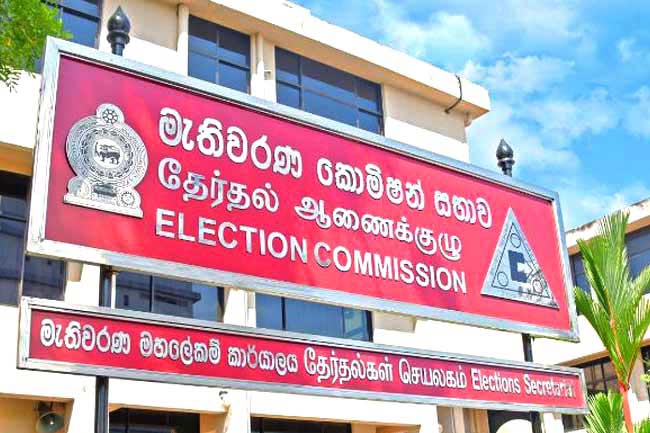
The Elections Commission is facing a debt of Rs.375 million which it has to pay to private contractors for the orders it had already placed for the Local Government Elections which was to be held on March 9 but was subsequently postponed due to the lack of funds, the Daily Mirror learns.

Sources within the Commission told Daily Mirror that the Elections Commission has written to the Treasury requesting for the funds to be released so that the private contractors could be paid and all dues cleared. The Treasury had already released Rs.188 million to the Elections Commission earlier but the Commission has asked for a further Rs.375 million to pay for the orders it has already placed such as printing of ballot cards, polythene, cardboard and other expenses.

The Elections Commission in a statement yesterday officially announced that the LG polls had been further postponed with no new date set.

Initially the LG Polls were declared to be held on March 9 but it was postponed for April 25. However due to the lack of funds to hold the Polls, it has been postponed indefinitely and will now be held only after a confirmation from the Treasury. However sources within the Commission said that with some legal cases ongoing, if the court rules that the LG Polls should be held, then the Elections Commission will discuss with the Treasury and declare a new date as per the order of the court.

The Daily Mirror learns that the LG polls are expected to cost an estimated Rs.10 billion and if the Elections Commission gets an advance payment of Rs.700 million, it can still go ahead with the polls as the remaining amounts can be paid after the polls are held.

However, with the present economic crisis, sources on ground said that it is highly unlikely that the LG polls will be held anytime soon and it may be possible that the next election that will be held is the Presidential Election next year.

According to law, the next Presidential Election will be held in November 2024.

Posted in Uncategorized

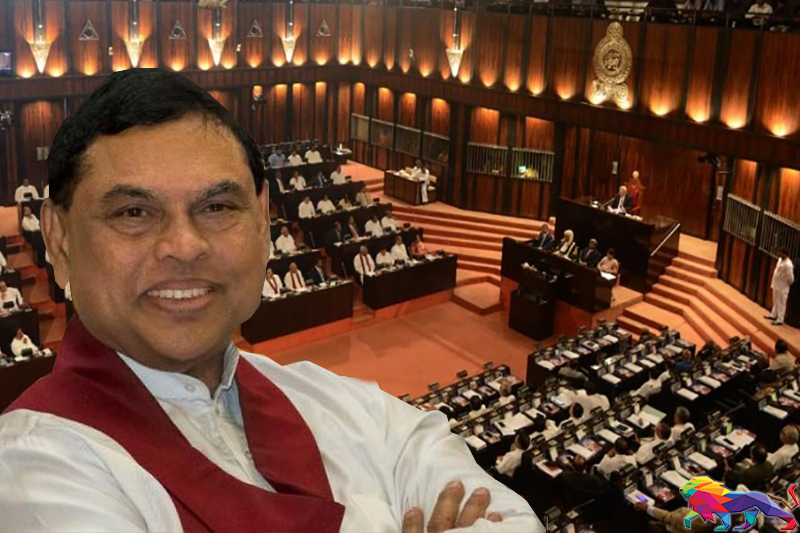
Basil, the next SLPP Prez candidate?

Sri Lanka Podujana Peramuna (SLPP) General Secretary and Government MP, Attorney Sagara Kariyawasam said that there are several politicians including the Party’s National Organiser, Basil Rajapaksa, who can be fielded as the SLPP’s candidate for the upcoming Presidential Election, instead of SLPP backed incumbent President and United National Party Leader Ranil Wickremesinghe.

During a media briefing held yesterday (11) the media queried Kariyawasam as to whether there is any other politician in the SLPP who can be fielded for the Presidential Election instead of Wickremesinghe who is not part of the SLPP, to which he said: “There are definitely. We will announce it at the right time.”

The media then pointed out the impossibility of fielding former President and incumbent Government MP Mahinda Rajapaksa as per the relevant Constitutional provisions, and queried as to whether Basil Rajapaksa would be a suitable politician to be nominated as the Presidential candidate. Responding to the query, Kariyawasam said: “We have several leaders in the SLPP. As you ask about Basil Rajapaksa, I will tell. He is a very suitable person to lead the country. We know that he has demonstrated his talents. He dealt with the international community during the civil war very well and got the international support needed for the war. After the war, he uplifted the poor people and worked as the Minister of Economic Development to make Sri Lanka a country that had one of the fastest growing economies in the world. He is a very suitable leader for this country as someone who recognised the heartbeat of the innocent, poor people and took many steps to build their economy.” Speaking further, he said that there were many allegations against Basil Rajapaksa in the past over acts of corruption such as demanding commissions, but all those allegations have since proven to be false. “There were many allegations against him. Even a committee which included persons such as the Janatha Vimukthi Peramuna and National People’s Power Leader and Opposition MP Anura Kumara Dissanayake was appointed to look into those allegations, and cases were filed. Basil Rajapaksa faced all those trials fearlessly and he was acquitted. We have such leaders,” he added.

Announcing his decision to resign from the SLPP National List Parliamentary seat, Basil Rajapaksa, who was also the former Finance Minister, said in June, last year (2022), that he took no responsibility for the present economic crisis, but placed the blame squarely on all, including the media and the people who voted the then Government into power. After his resignation as a MP, he left for the United States and returned to Sri Lanka on 20 November, 2022.

Posted in Uncategorized

Shelving an Indian economist’s report in 1966 caused Lanka’s economic downfall: Wickremesinghe By P.K.Balachandran/Daily Mirror

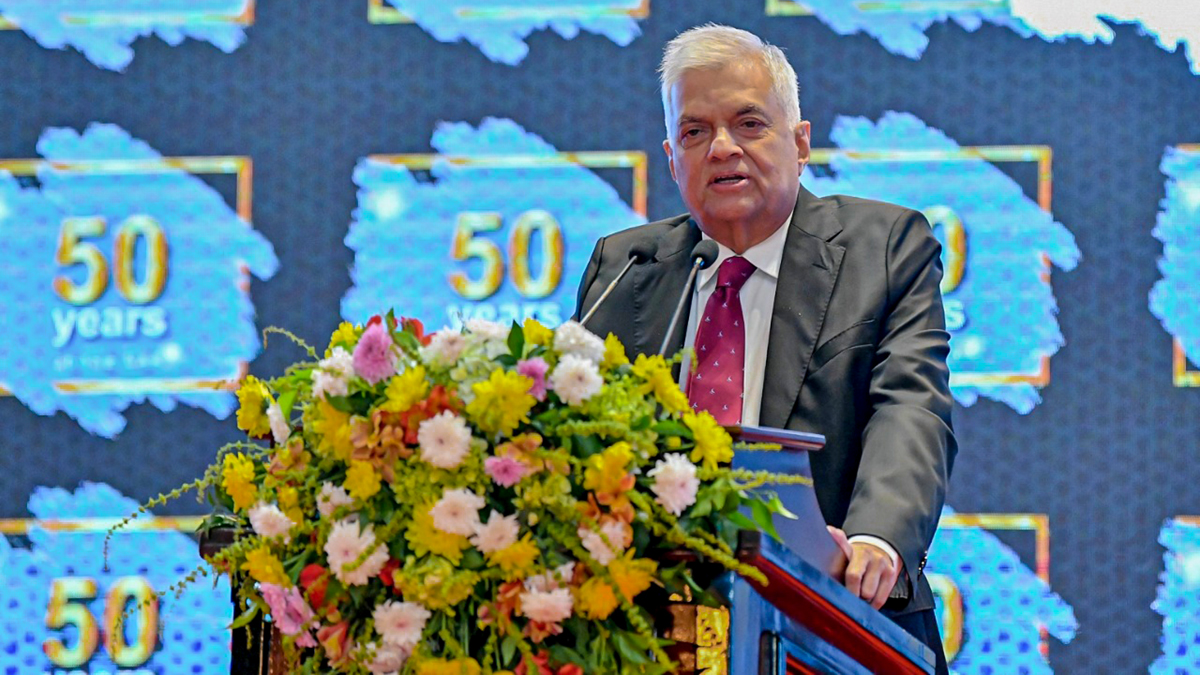
Giving the keynote address at a symposium on “Economic Dialogue – IMF and Beyond” here on March 30, President Ranil Wickremesinghe said that Sri Lanka’s economic problems would not have arisen if governments had implemented Indian economist B.R.Shenoy’s Report prepared at the request of the Ceylon government way back in 1966.

In the late 50s and mid-1960s, when Ceylon’s economy was experiencing an all-round slide due to the extreme left-wing policies of the time, the then Finance Minister J.R.Jayewardene, at the suggestion of Lake House chairman, Esmond Wickremesinghe, secured the services of the leading Indian right-wing economist Dr.Bellikoth Ragunath Shenoy (1905-1978) to advise him on restructuring the island nation’s economy and nursing it back to the healthy condition it was in, prior to 1957.

B.R. Shenoy, as he was known, was familiar with Ceylon’s economy, having been Assistant lecturer in Economics at the University College in Colombo in the late 1930s. He submitted an incisive report in 1966 entitled: Economic Situation and Trends in Ceylon: A Programme of Reform.

But given the dominant voice of the Left in the politics of Ceylon at that time, Prime Minister Dudley Senanayake, although a right winger, shelved Shenoy’s recommendations. Dudley also suspected that JR was trying to upstage him. The Prime Minister and his successors continued the debilitating policy of doling out subsidies and expanding the inefficient public sector. Continuance of this populist approach drove the country to wrack and ruin and a historic default in April 2022.

Resurrecting Shenoy’s report in 2015, W.A.Wijewardena, a former Deputy Governor of the Central Bank of Sri Lanka, wrote in India’s Swarajya magazine that in the mid-60s, Ceylon’s foreign exchange reserves had plummeted from 13.4 months of imports in 1948 to 1.9 months of imports in 1966. After 1956, the State kept committing its slender resources to expanding and maintaining inefficient state sector institutions and social welfare schemes. To service these, governments resorted to deficit financing.

“The total public debt which had stood at 18% of GDP in 1948 had shot up to 66% by 1966. And since the government was running a sizeable budget deficit, the repayment of public debt, as well as payment of interest thereon, was done by resorting to further borrowing, thereby entrapping the country in a vicious debt trap,” Wijewardena wrote.

He drew attention to the increase in money supply above the growth in the real economy, leading to higher prices. The money-GDP ratio had gone up from 17% in 1950 to 29% in 1966. The government was then forced to resort to price and foreign exchange controls.

Shenoy’s Report

In his report, Shenoy had noted that while the economy was growing at 2%, the population was growing at 2.7%. And while the majority of the population was finding it hard to make ends meet, the small Ceylonese elite was splurging. He warned of the consequences of this undemocratic trend. As Wijewardene pointed out, such glaring inequality led to the bloody Janatha Vimuthi Peramuna (JVP) insurgency in 1971.

Shenoy noted that heavy subsidies and price controls were masking the real cost of living. He pointed out that in the absence of adequate domestic savings, governments were resorting to bank financing to meet their capital expenditure. Savings had declined from 13.6% of GDP in 1959 to 10.7% in 1965. During the same period, Australia’s savings were at 29% and Canada’s at 24%, he pointed out.

Foreign aid went to the public sector which misused it. But the silver lining was tax revenue. Tax revenue was 24.6% of the national income at that time (in contrast to 12% in 2015). But the accrued income was spent on food subsidies, direct relief payments and social services in the health, education and a host of other sectors. These accounted for 45.7% of revenue collections. The bulk of the capital outlays in the budgets from 1960-61 to 1965-66 (74%) was for “economic services and government enterprises”. The revenue part of the budget was larger than the capital part.

Deficit financing reached its peak in 1959-60. Budget deficits increased money supply by 26% in the 1960-65 period creating inflation, Shenoy said. He pointed that consumption expenditure of this sort was unrelated to production and had a “debit effect” on national savings.

Shenoy did not recommend increase in taxes because taxes in Ceylon were already very high and any further increases would have been ruinous. According to Wijewadene, tax rates in Ceylon stood at 80% at the margin. Shenoy recommended that tax should be scaled down drastically in order to promote national savings. “Taxation destroys potential national savings into a bonfire of public consumption,” as he put it.

De-nationalization

Shenoy strongly recommended de-nationalization of select State corporations. He urged the government to withdraw from businesses and production activities as these could better run by private entrepreneurs.

Wijewardena noted that the Indian economist had suggested the listing of State corporations in the stock exchange “so that they would be disciplined by the market, instead of by political authorities.” Listing in the stock exchange would also “help them mobilize funds from the market for capital expenditure program, without relying on the government.”

This strategy would have succeeded in the 1950s and 60s, because the Ceylon stock exchange was then very vibrant thanks to the plantation companies, Shenoy pointed out.

The Indian economist urged the adoption of a freely floating exchange rate to address the persistent balance of payments difficulties in the wake of uncertainty about the receipt of donor funding. He also recommended the lifting of import and export restrictions and the liberalization of external trade.

“ Strict exchange and import controls have generated a massive black market for foreign exchange on the one hand and a thriving smuggling business on the other. The reaction of the authorities was to impose more and more penalties on the culprits. Hence, there was a substantial disparity between the official exchange rate and black market rate; the result was the over-invoicing of imports and under-invoicing of exports so that saved foreign exchange could be lucratively sold in the black market,” he pointed out.

Changing Food Subsidy System

Shenoy recommended replacing the existing food subsidy by a cash subsidy in a phased manner. He said that consumer subsidies ate up an average of 11% of the GNP and 53% of budget revenues. “In a background of declining savings and capital decay, there can be no justification for continuing these subsidies at this ruinously high level,” he argued.

Shenoy suggested a change in the technique of giving subsidies. “In place of selling rice at 25 cents per measure, it may be sold at actual cost i.e. the average cost per measure to the Government of imported rice (the landed cost of this rice is 50-56 cents per measure) and of rice purchased under the GPS scheme (the cost of this rice is Rs. 12 per bushel of paddy or Rs. 24 per bushel of rice) — plus a small margin to cover the administrative expenses of handling imports.”

“At the same time, every rice ration cardholder may be paid, outright, in cash, the amount of the de facto payment which he now receives in the form of rice at below cost.”

“It is important for purposes of this scheme to separate the payment of the cash subsidy and the payments for rice by the ration card holders. The two transactions must be effected by two different agencies. The cash subsidy may be paid through, say, the Post Offices, while rice will continue to be sold through ration shops,” he added.

Wijewardena points out that Shenoy was deeply influenced by his teacher, Friedrich A. Hayek at the London School of Economics, who advised Margaret Thatcher when she reformed the British economy in 1979.

“Sri Lanka was literally one period ahead of Britain when it engaged Hayek’s disciple to do the same job 13 years earlier. The difference was that while Britain implemented most of Hayek’s recommendations, Ceylon ignored them,” Wijewardena rued.


Proposal to privatize fertilizer distribution opposed by Wanni farmers

A government proposal to handover the distribution of fertilizer to the private sector could lead to farmers becoming slaves of companies, a farming leader in the Wanni has warned.

Secretary of the agricultural organization in Iranamadu Muttu Sivamohan denounced the proposal by agriculture minister Mahinda Amaraweera, which is proposed to be implemented from Maha season this year.

Speaking to the media in Kilinochchi, Sivamohan said this could result in companies becoming the decision-maker in both production and sale of agri-crops.

That could even deny farmers the ownership of their land in the future, he said further.

He urged the government to think about its privatization policy in depth, or else it will strike a severe blow to public life.

Sivamohan pointed out a similar situation in India, where its farmers continue to rise up against the Adani Group.

Hundreds of thousands of farmers took to the streets in protest after the New Delhi government relaxed sales, pricing and storage regulations in November 2020.

Posted in Uncategorized

Recommendation sought to pay full salary of candidates

The Ministry of Public Administration, Home Affairs, Provincial Councils and Local Government has requested for a recommendation from the Election Commission to award the full salary instead of the basic salary for the Public Sector employees who submitted nominations to contest the Local Government Election.

Sri Lanka’s Election Commission is expected to meet on Tuesday (11) to decide on the Local Government Election 2023.

A senior spokesperson for the Election Commission told News 1st that a decision on whether the 2023 Local Government Election will take place or not, will most likely be reached at this meeting.

State Minister of Provincial Councils and Local Government, Janaka Wakkumbura said that it would be difficult to conduct the Local Government Election on the 25th of April.

Speaking to reporters following a meeting between the Election Commission and the Prime Minister, he said that the Election Commission will announce the date of the election before the 25th of April.