The G20 could help fix Sri Lanka’s debt crisis. Will it step up? -Al Jazeera

In February, the finance ministers of G20 countries met to discuss the challenges facing the global economy. It was a missed opportunity to help Sri Lanka, a country on the front line of the debt crisis that has enveloped dozens of nations around the world in recent years.

It was disappointing that the final chair’s summary and outcome document only paid lip service to alleviating the challenges faced by people in Sri Lanka.

While it recognised the “urgency to address debt vulnerabilities” globally, and “look[ed] forward to a swift resolution to Sri Lanka’s debt situation”, no concrete commitments were made or actions taken.

The G20 countries include Sri Lanka’s main bilateral creditors including China, India, Japan and South Korea; as well as influential members of multilateral creditor organisations, including the United States and European nations. If this group collaborated effectively, it could make debt relief available to Sri Lanka, and strengthen the protections of people’s economic and social rights during a moment of crisis.

Because while the news cycle may have moved on, Sri Lanka’s economic crisis is still raging and having a devastating impact on people. High inflation and limited social protection, combined with difficulties accessing essentials like food and healthcare, are exacting a heavy toll on their lives and rights.

According to the World Food Programme, for example, one in three households was food insecure in December 2022. Prospects for 2023 are also not encouraging: a quarter of people are projected to remain in poverty, and according to the World Bank, a significant economic contraction is likely.

Sri Lanka’s debt burden affects the ability of the government to guarantee human rights. The public debt-to-GDP ratio increased from 93.6 percent at the end of 2019 to 114 percent at the end of 2021.

Even before the economic crisis made international headlines, Sri Lanka was a global outlier in the amount it spent to service its debt. In 2020, before the most recent crisis, an incredible 71.4 percent of government revenue was spent simply on paying interest versus a global average of 6 percent and a regional average of 21.1 percent.

Interest payments are the single largest category of government expenditure, and a lot of fresh government borrowing was used simply to pay the interest on Sri Lanka’s previous loans.

Servicing this debt has reduced the government’s ability to spend on sectors like health, education and social protection, which directly impact people’s welfare. A survey this month found that half of the families in Sri Lanka are forced to reduce the amount they feed their children.

It is essential to release Sri Lanka from this debt trap, to break a spiral that is eroding the human rights of too many of the island’s 22 million people.

Sri Lanka’s government is currently engaged in complex debt negotiations, which are vital to access financial support from the International Monetary Fund. The IMF concluded a staff-level agreement with the government last year, offering to lend about $2.9bn. However, the terms of the IMF agreement required sufficient assurances of debt restructuring and relief from Sri Lanka’s creditors before the loan was finalised and money disbursed.

While IMF financing may be the reason Sri Lanka’s debt is in the news today, creditors should focus on resolving debt so economic and social rights can be better guaranteed. Past IMF programmes have included conditions which had adverse human rights impacts, such as cuts in public spending and other austerity measures. Workers in Sri Lanka recently went on strike against measures the government implemented to purportedly secure IMF financing, such as increased taxes.

Sri Lanka’s debt negotiations are complicated for several reasons, including the range of parties involved. Almost half of Sri Lanka’s total external debt is in bonds on the open market and owned in part by private entities such as hedge funds. One of these private creditors has already sued the Sri Lankan government in an American court for debt repayment. Then there are bilateral creditors, and some debt is also held by multilateral institutions like the Asian Development Bank and the World Bank Group.

While there appears to have been some progress in these negotiations in recent weeks, no resolution appears in sight. A lack of transparency in how talks are being conducted means it is unclear what the blockages are and how long the process might take.

How these negotiations are conducted is important. The very fact that Sri Lanka’s existing debt repayments are so onerous raises questions about how such agreements were entered into in the first place. Transparency, participation and accountability are essential to ensure that the current crisis is not repeated.

Sri Lanka’s creditors cannot only be guided by their commercial or national interests. As an Amnesty International report on Sri Lanka’s economic crisis from October 2022 noted, international financial organisations, multilateral developmental banks and private corporations have obligations and responsibilities to respect international human rights.

As these negotiations progress, debt restructuring and relief should enable Sri Lanka to service its external debts without compromising its capacity to fulfil its human rights obligations, and guarantee people’s economic and social rights. All options for debt relief should be on the table, including debt cancellation if necessary.

Urgent, coordinated international action is key to ensuring that the Sri Lankan government can effectively tackle the crisis and protect people’s rights. It is almost a year since Sri Lanka first defaulted on its debt, and six months since the IMF staff-level agreement was concluded.

More G20 meetings are scheduled for this year, and they must prioritise debt relief for Sri Lanka in line with human rights standards. Postponing decisive action on Sri Lanka only delays recovery and adds to the human suffering people are experiencing in the country.

The views expressed in this article are the author’s own and do not necessarily reflect Al Jazeera’s editorial stance.

Posted in Uncategorized

Buddha Sasana Task Force sends letter to President; urges to hold Local Government Election

The Buddha Sasana Task Force addressed a letter to President Ranil Wickremesinghe stressing on the need to hold the local government election without delay for national and diplomatic stability.

It calls to limit the number of ministers to 15, and remove State Ministers. It also calls to move the administration of all ministries under the relevant secretary, and suspend all state festivities.

In addition, the letter notes to suspend imports of luxury goods and suspend non-essential expenses of the ministries and provide the required funds for the Local Government Election.

Japan contributes additional US$ 6.6 million to help Sri Lanka

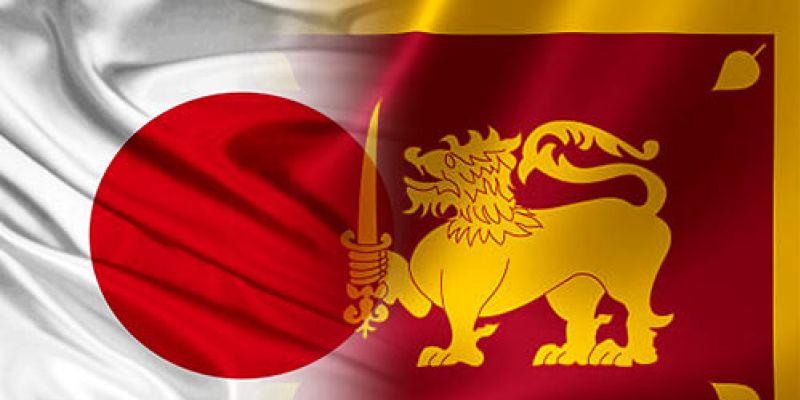
The Government of Japan has contributed an additional US$6.6 million to the United Nations World Food Programme (WFP) to provide critical food and nutrition assistance to over one million Sri Lankans.

Through this funding, WFP will provide families with food baskets comprising rice, pulses and cooking oil, to meet half their monthly food needs for a period of two months. The donation will also be used to procure maize and soybean for the production of Thriposha, a fortified food product, for a period of four months, which will be supplied to pregnant and breastfeeding mothers and young children at risk of malnutrition.

Mizukoshi Hideaki, Ambassador of Japan to Sri Lanka said, “We are pleased to announce that the Government of Japan has decided to provide additional humanitarian support to Sri Lanka in this critical moment. Food aid through WFP by the Government of Japan has reached a total of USD10 million since the economic crisis began last year. This support is being used to provide essential food and nutrition to communities across the nation.”

WFP’s latest surveys indicate that food insecurity is still at a concerningly high level. Seven in every 10 households are adopting negative coping strategies such as cutting back on nutritious food like protein and dairy or skipping meals altogether.
“Our biggest concern is for the women and children who are among those affected by the impacts of the economic crisis,“ said Abdur Rahim Siddiqui, Representative and Country Director of WFP Sri Lanka. “We are grateful for the continuous support from the Government of Japan which enables us to scale up our efforts so that vulnerable communities receive the food and nutrition they need.”

Japan has been a long-standing donor to the Government of Sri Lanka and WFP for over a decade, providing critical assistance in emergencies, while supporting longer-term recovery and development efforts to strengthen food and nutrition security in the country. Japan’s latest funding is an extension of its support to the people of Sri Lanka to help safeguard communities affected by the economic crisis.

WFP has reached over two million people since commencing its emergency operation in June last year and is moving closer to its target of reaching 3.4 million people with food and nutrition assistance.

Govt Printer repeats requests for funding and security to print ballot papers

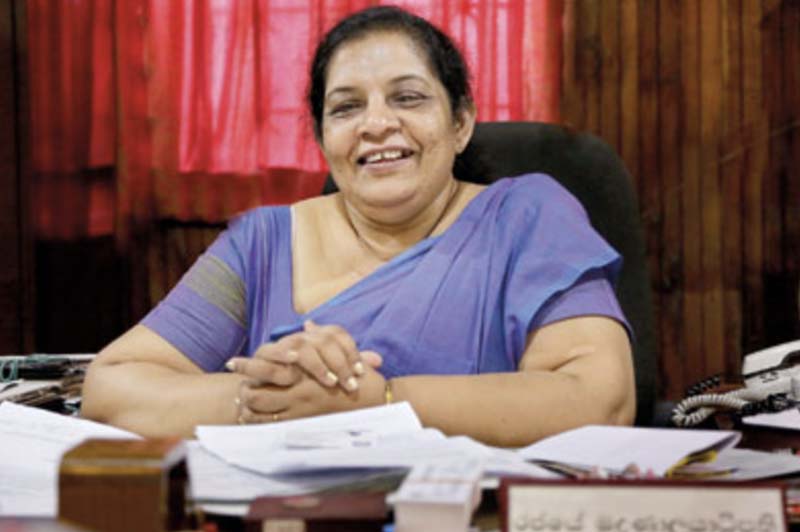
Government Printer Gangani Liyanage says the process of printing ballot papers for the upcoming Local Government polls will resume based on the response of the Treasury to her request for funds. Liyanage said the Government Press in a letter to the Treasury Secretary Mahinda Siriwardana yesterday requested that he releases the funds needed for the preliminary printing of ballot papers and other preparations for the election. She said it is estimated over Rs 400 million will be required for printing purposes. The Government Press yesterday also requested IGP C.D Wickramaratne to provide the necessary police protection to ensure the safety of the printing process.

Liayange’s requests come after the Supreme Court issued an interim order last week on the Secretary to the Ministry of Finance and the Attorney General representing the Minister of Finance, preventing them from withholding funds allocated in the budget for the Local Government elections of 2023. The Supreme Court also issued another order preventing the withholding of any funds from the Government Printer on the day. Previously the Government Press halted the printing process claiming it was unable to continue due to the lack of funds and security. Previously Liayange claimed despite repeated reminders the IGP had failed to provide the requested number of police personnel to the Government Press.

Meanwhile, the Election Commission of Sri Lanka (ECSL) also announced the new dates for postal voting ahead of the Local Government polls to be held on 25 April. Accordingly, the ECSL is now in the process of preparing to conduct the postal voting from 28 – 31 March. The Government Printer said ballot papers for postal voting have been printed in 17 districts to date. The ECSL said the secured envelopes containing the postal ballots will be handed over to the Sri Lanka Post on 21 March. Commissioner General of Elections Saman Sri Ratnayake confirmed the postal vote will therefore go ahead in March.

Postal Dept. ready to distribute postal voting ballot papers as scheduled

The newly-appointed Postmaster General Ruwan Sarath Kumara says that the postal voting ballot papers can be distributed within the stipulated time period, if they are received on the due date.

Speaking to media after assuming duties as the new Postmaster General, Mr. Sarath Kumara pointed out that the Department of Posts was already prepared for holding the postal voting in the 2023 Local Government (LG) polls, mentioning that the voting can be done within the scheduled time period.

Although the 2023 LG election was scheduled to be held on March 09, the Election Commission announced that the polls will not be held on the scheduled date due to various reasons including the lack of funds.

On Tuesday (March 07), the commission announced that it deems April 25 as the ‘most suitable’ date to hold the 2023 Local Government polls.

The chairman of the election body, Attorney-at-Law Nimal G. Punchihewa stated yesterday (March 09) that necessary measures are being taken to conduct the postal voting from March 28 to 31 accordingly.

Thus, the delivery of the reserved packets containing the postal ballot papers to the Postal Department is scheduled to be carried out on March 21.

Meanwhile, an all-party meeting organized by the March 12th Movement was held in Colombo this afternoon (March 09) in order to discuss the obstacles to holding the LG polls.

There, a minute’s silence was observed to mark the inability to hold the election today, as scheduled.

In the meantime, MP Dullas Alahepperuma stressed that an election will not be provided and that it will have to be obtained.

He also alleged that the government is questioning when and where the election will be held, having kept Rs. 180 million of election deposits in their possession.

Posted in Uncategorized

Schoolchildren affected by tear gas, water cannons during Colombo Uni protest

A protest organised by university teachers and the Inter-University Students’ Federation (IUSF) in Colombo yesterday (8) opposing the Police’s use of tear gas and water cannons against the the IUSF-organised protest Tuesday (7) near the University of Colombo was also met with tear gas and water cannon attacks by the Police, which had reportedly affected after-school transportation in the vicinity.

During the protest – which started near the university premises with the participation of more than 500 university teachers and students, including IUSF members – protestors chanted slogans against President Ranil Wickremesinghe, the current Government, and the Police while holding up placards that read various slogans. The protest progressed towards the Town Hall area along the road in front of Thurston College, Colombo 7. At the time, a heavy Police presence, including officers of the Police Special Task Force, Anti-Riot Unit Officers, and Army personnel, was observed around the area and water cannon trucks were seen parked on the side of the main road. As the protest moved forward, protestors were observed stopping and shouting towards the private residence of Wickremesinghe on Fifth Lane in Colombo 3. In response, a large group of police officers was deployed to the location of the President’s residence.

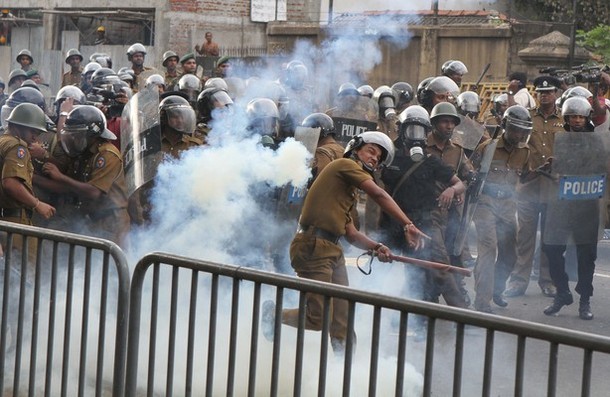
The protestors then proceeded to move further towards the Town Hall area, prompting the Police to use tear gas and water cannons on them at Cambridge Place in Colombo 7. The tear gas and water cannon attack by the Police had also affected schoolchildren in school vehicles. As seen in video footage, schoolchildren were greatly inconvenienced by the tear gas and water cannon attacks. Meanwhile, a student in a school bus was seen holding a placard which read: “Victory to the people’s struggle (“aragalayata jayawewa”)”.

The protest held by the IUSF on Tuesday – which was based on a number of demands, including the repeal of the Prevention of Terrorism (Temporary Provisions) Act, the release of student activists arrested for what the IUSF claims to be were unjust reasons, and the holding of the Local Government election as scheduled – was met with tear gas and water cannon attacks by the Police in the area surrounding the university. During the Police’s tear gas and water cannons attack, protestors had entered the university premises, following which a group of Police and Anti Riot Unit Officers had also entered and allegedly assaulted several protestors.

Posted in Uncategorized

Police fire tear gas to disperse protesters near Kelaniya Uni.

Police has fired tear gas and used water cannons to disperse a protest march organized by the students of the University of Kelaniya, a short while ago, Ada Derana reporter said.

The protest march has reportedly staged by the students demanding the release of Students’ Union President of Kelaniya University Kelum Mudannayake and student activist Harshana Dissanayake who are currently under remand custody.

The two students’ union activists were arrested on January 02, 2023 by Thalangama Police after they appeared before Thalangama Police. The arrests had been carried out over the charges of damaging public property during a protest near the Education Ministry on June 10, 2022.

Posted in Uncategorized

Consumer market to shrink by 60% by April, unemployment rate to rise

If the Central Bank Governor is unable to take a firm decision to prevent the contraction of the economy, the consumer market will shrink by 60% by April, the Sri Lanka United National Businesses Alliance (SLUNBA) said.

The consumer market had shrunk by 40% last December and due to this, the unemployment rate had increased.

The small and medium-sized enterprises (SMEs) will be forced to close their companies and while facing the current situation, the government is requesting that Sri Lanka should downsize the SME facilities, the SLUNBA said.

Therefore, SLUNBA Chairman Tanya Abesundara requested the government to take immediate action to protect the SMEs.

Meanwhile, National Construction Association of Sri Lanka (NCASL) Chairman Susantha Liyanaarachchi said the government did not control the dollar, but it had controlled inflation and created a recession while contracting the economy.

While describing the devaluation of the dollar and appreciation of the Sri Lankan rupee, he said the Etham market had not operated since March 2022 and the dollars in Sri Lanka had been saved.

“The dollar exchange rate was reduced, and people were forced to release their dollar reserves because they couldn’t get more Sri Lankan rupees. Now people have no buying power. People do not have rupees in their hands,” he said.

Sri Lanka in talks with India to extend a $1 billion credit line

Sri Lanka is reportedly negotiating with India to extend the USD 1 billion credit line by a few months.

The credit line is to due to expire on the 17th of March with Sri Lanka having used only about two-thirds of it, mainly for medicines and food.

The Reuters News Agency quoting sources reported that negotiations are underway as Sri Lanka tries to line up funds for the rest of the year while the International Monetary Fund looks set to approve a USD 2.9 billion loan for it shortly.

The extension talks come as data suggest that the economy is recovering and the forex reserves have increased in the past few months.

The Reuters report said the government wants to extend the credit line by 6-12 months because there was about USD 300 million of it left unused.

No agreement had been reached thus far.

The Central Bank of Sri Lanka meanwhile earlier said the country’s official reserves had risen 4.5% to USD 2.22 billion in February from a month earlier.

Yesterday, President Ranil Wickremesinghe in Parliament said there are signs the economy was improving but there was still insufficient foreign currency for all imports, making the IMF deal crucial so other creditors could also start releasing funds.

The President announced that China, Sri Lanka’s biggest lender, extended support for the IMF programme on Monday, clearing the way for the loan.

The IMF said its board would meet on the 20th of March to review a preliminary staff-level agreement first signed with Sri Lanka in September.

It said Sri Lanka had secured financing assurances from all major bilateral creditors.

Posted in Uncategorized

Ballots for postal voting to be handed over to the Department of Posts on the 21st

The Election Commission says the secure envelopes containing the postal ballots for the local government election will be handed over to the post offices on the 21st of March.

Commissioner General of elections Saman Sri Ratnayake says that postal voting will take place in March.

The Election Commission says that the extradordinary gazette regarding the holding of the local government election on the 25th of April is due to be issued by the District reterning Officers.

Meanwhile, the Government printer says that they are to send a letter to the Secretary of the Ministry of Finance on Wednesday (8) requesting funds for the preliminary printing of ballot papers and other preperations for the election.

The Government Printer says that it is estimated over 400 million Rupees will be required for printing purposes.

She further added that the printing of ballot papers will resume based on the response of the Finance Ministry.

The Government Printer says that they will request the Inspector General of Police today to provide additional security for the printing of ballot papers.

They also noted that ballot papers for postal voting have been printed in 17 districts so far.