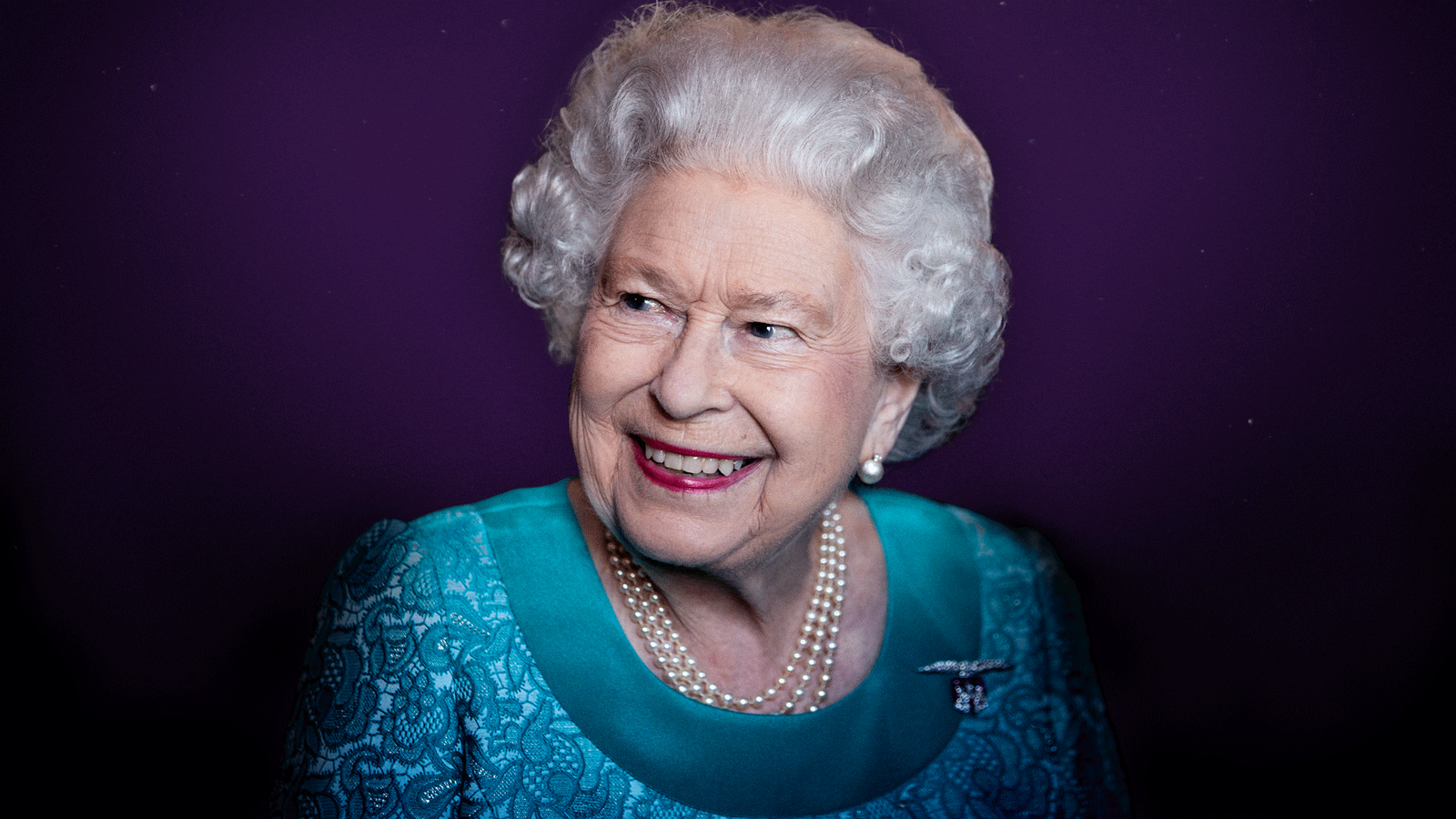
Queen Elizabeth II has died aged 96, Buckingham Palace announces

The Queen has died aged 96, Buckingham Palace has announced.

“The Queen died peacefully at Balmoral this afternoon. The King and the Queen Consort will remain at Balmoral this evening and will return to London tomorrow,” Buckingham Palace said.

Queen Elizabeth II was the longest-reigning monarch in British history and the world’s oldest head of state.

On her death, the Queen’s eldest son and heir, Charles, the former Prince of Wales, has become King of the United Kingdom and 14 Commonwealth realms.

In a statement, he said: “The death of my beloved Mother, Her Majesty The Queen, is a moment of the greatest sadness for me and all members of my family.

“We mourn profoundly the passing of a cherished Sovereign and a much-loved Mother.

“I know her loss will be deeply felt throughout the country, the Realms and the Commonwealth, and by countless people around the world.

“During this period of mourning and change, my family and I will be comforted and sustained by our knowledge of the respect and deep affection in which The Queen was so widely held.”

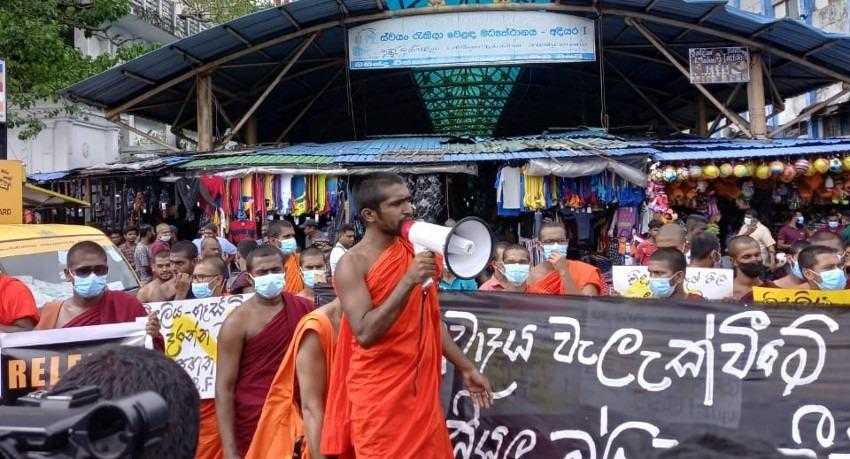
Student Monks protest against PTA; Demand release of IUSF activists

The Inter-University Bhikku Federation gathered in Pettah on Thursday (8) evening to protest demanding the immediate release of student activists who are held under the Prevention of Terrorism Act.

Sri Lanka Police informed the monks and the other student activists who gathered opposite the Pettah Bo Tree, to disperse immediately, however, the group led by the Monks started a protest campaign.

Ven. Udenigama Gunarathne Thero, a member of the Inter-University Bhikku Federation said those in government who committed murder, theft, and sold off public property should be arrested.

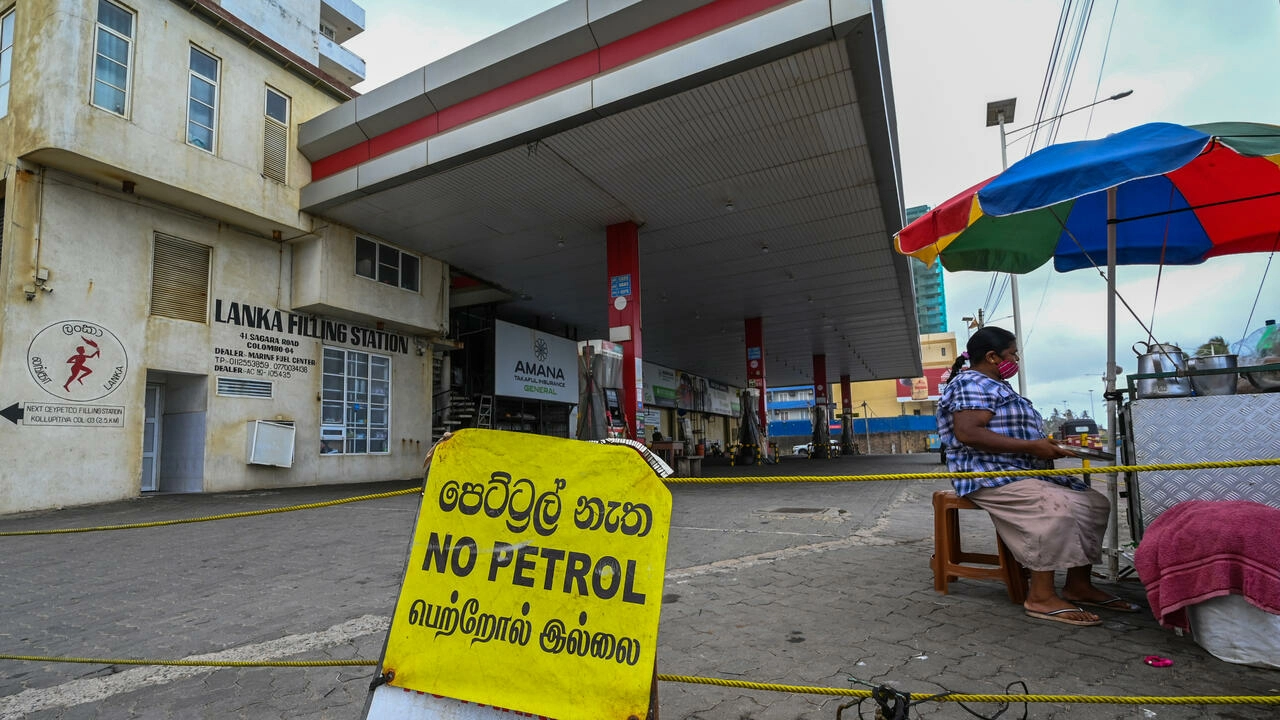
“Although there are no queues for fuel, people have not gotten fuel. The same goes for the price of goods. Electricity and Water tariffs were increased and the prices of goods also continue to increase,” said the Venerable Thero

The protesters dispersed after about an hour.

Source: News 1st

Posted in Uncategorized

Sri Lanka would be able to use new IMF funding for budget: CB Governor

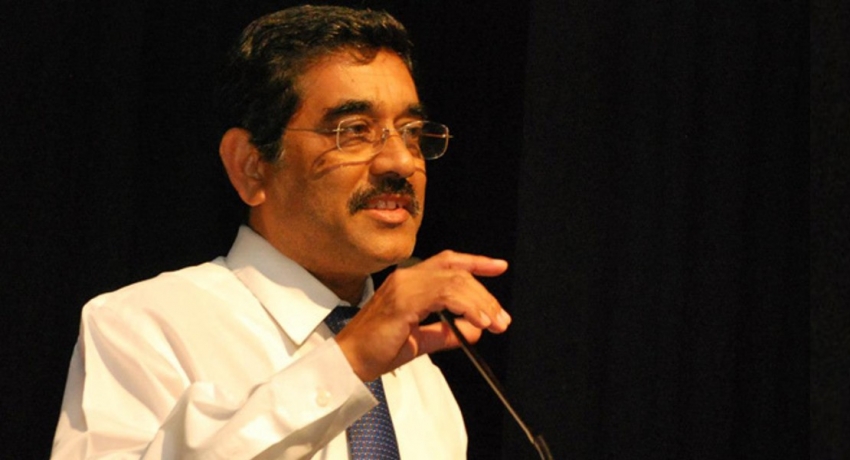
Sri Lanka would be allowed to use funds from the next International Monetary Fund for budget finance, and not only to boost foreign reserves, Central Bank Governor Nandalal Weerasinghe said.

Sri Lanka has gone to the IMF 16 times in the past after printing money to boost domestic demand and losing foreign reserves.

“In all the earlier programs IMF money was available to the Central Bank for balance of payments purposes,” Governor Weerasinghe told Sri Lanka’s Newsfirst television.

“Those funds were not available to the government to finance the fiscal deficit.

“But this time, because of this special situation that money can be used to finance the fiscal deficit as well.”

IMF disbursements are usually made directly into the central bank’s balance sheet without disturbing domestic reserve money. The money is invested in US securities (effectively the US budget deficit) in the case of a dollar peg.

By the time IMF money comes, the economic activity and credit had been slowed by higher interest rates and a float of the currency is done to end sterilized interventions (money/exchange policy conflicts) and restore monetary stability.

This is the reason why IMF programs work and borrowing or bridging finance only makes the problem worse.

Budget finance usually comes from other development partners such as the World Bank and Asian Development Bank.

Strong reform programs in the past have qualified Sri Lanka for program loans, where disbursements are made when growth-promoting reforms are done.

This time the IMF is expected to give 2.9 billion US dollars over 4 years roughly averaging 750 million US dollars.

“So that is an additional support IMF is giving directly into budget finance by which the government can bring down the domestic borrowing requirement,” Governor Weerasinghe said.

“Now 100 percent of the deficit is financed through domestic borrowings.

“Whereas once we get this IMF money, the government can reduce domestic borrowings. The government can get less debt from the domestic market so that more money would be available for private sector development.”

However IMF funds given for central bank reserves also technically ease pressure on the domestic market, analysts familiar with the IMF theoretical process say.

Foreign reserves, under Net International Reserve Target, are savings taken away from the domestic credit system through a higher interest rate by blocking domestic credit.

An IMF program reverses the process a pegged central bank engages in to create a currency crisis, which is to inject liquidity into a banking system by purchasing Treasury bills, allowing banks to give loans without raising deposits, making outflows more than inflows.

To rebuild reserves typically current inflows are taken away from the domestic credit system by selling down the central bank holdings of Treasury bills into the banking system after floating the currency and re-pegging the currency to allow the central bank to buy dollars.

By making disbursements into the central bank, especially front-loaded disbursements, the sell downs of bills into the banking system can be reduced, creating space for either budget finance or private sector credit.

Instead, foreign reserves can be built over a longer period, including after other external flows also resume with increased confidence.

However, in the current crisis, investors have been spooked over fears that domestic debt would be re-structured exposing a weak link in the current IMF strategy to restore debt sustainability to countries with monetary instability.

Source: Economy Next

Posted in Uncategorized

Rebel SLPP MPs demand equal time to speak

Rebel Sri Lanka Podujana Peramuna (SLPP) MPs today demanded equal time to speak in Parliament.

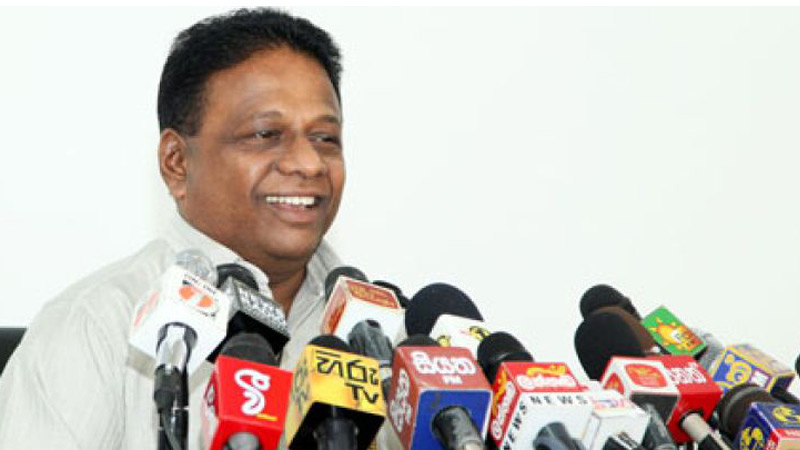
Former Minister Dullas Alahapperuma said that the 13 MPs who crossed over to the opposition benches have not been allocated time by the Government to speak in Parliament.

Alahapperuma said that there are 4 groups from the SLPP that are now sitting as independent MPs in Parliament.

However, he said that only their group has not been given time to speak in Parliament.

He appealed to Speaker Mahinda Yapa Abeywardena to speak to the party leaders and resolve the issue.

Opposition Leader Sajith Premadasa also agreed that the rebel SLPP group must be given time to speak in Parliament.

Leader of the House Susil Premajayantha said that he will look into the matter.

Source: Colombo Gazette

Posted in Uncategorized

USAID Administrator to visit Sri Lanka this week

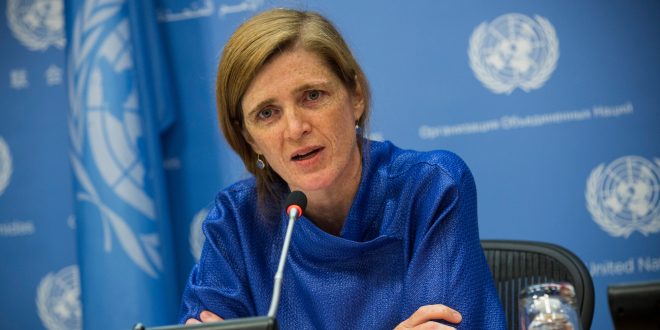
Administrator of United States Agency for International Development (USAID) Samantha Power is planning to engage in a two-day official visit to Sri Lanka this week.

According to reports, Power is expected to arrive on the island on September 10.

She will be holding discussions with President Ranil Wickremesinghe and other government officials during her visit.

USAID administrator’s visit comes after U.S. Treasury Secretary Janet Yellen informed the Sri Lankan government that the United States, as a creditor nation, would participate in restructuring Sri Lanka’s debt.

The U.S. Treasury Department, welcoming President Wickremesinghe’s proposal for a coordination platform for Sri Lanka’s official bilateral creditors, has urged engagement in this regard.

The United States also pledged to continue to engage with their other government agencies, as well as the World Bank and Asian Development Bank, to assist the people of Sri Lanka.

Source: Adaderana

Posted in Uncategorized

New State Ministers sworn in

The swearing-in of new State Ministers was held at the Presidential Secretariat in Colombo, under the patronage of President Ranil Wickremesinghe this morning (Sep 08).

Accordingly, a total of 37 parliamentarians took oaths in their new state ministerial portfolios.

1. Jagath Pushpakumara – State Minister of Foreign Employment Promotion

2. Ranjith Siyambalapitiya – State Minister of Finance

3. Lasantha Alagiyawanna – State Minister of Transport

4. Janaka Wakkumbura – State Minister of Provincial Councils and Local Government

5. Mohan Priyadarshana de Silva – State Minister of Agriculture

6. Rohana Dissanayake – State Minister of Sports and Youth Affairs

7. Lohan Ratwatte – State Minister of Plantation Industries

8. Indika Anuruddha – State Minister of Power and Energy

9. Sanath Nishantha – State Minister of Water Supply

10. Dilum Amunugama – State Minister of Investment Promotion

11. Vijitha Berugoda – State Minister of Piriven Education

12. Siripala Gamlath – State Minister of Highways

13. Shantha Bandara – State Minister of Mass Media

14. Kanaka Herath – State Minister of Technology

15. Shehan Semasinghe – State Minister of Finance

16. Thenuka Vidanagamage – State Minister of Economic Development and Housing

17. Pramitha Bandara Tennakoon – State Minister of Defence

18. Arundika Fernando – State Minister of Urban Development and Housing

19. Tharaka Balasuriya – State Minister of Foreign Affairs

20. Anuradha Jayaratne – State Minister of Justice and Prisons Reforms

21. Sathasivam Viyalanderan – State Minister of Trade

22. Sisira Jayakody – State Minister of Indigenous Medicine

23. Piyal Nishantha de Silva – State Minister of Fisheries

24. Prasanna Ranaweera – State Minister of Small- and Medium-Scale Enterprise Development

25. D.V. Chanaka – State Minister of Conservation of Wildlife and Forest Reserves

26. D.B. Herath – State Minister of Livestock Development

27. Shasheendra Rajapaksa – State Minister of Irrigation

28. Dr. Seetha Arambepola – State Minister of Health

29. Kader Masthan – State Minister of Rural Economy

30. Ashoka Priyantha – State Minister of Home Affairs

31. Aravindh Kumar – State Minister of Education

32. Geetha Kumarasinghe – State Minister of Women and Child Affairs

33. Sivanesathurai Chandrakanthan – State Minister of Rural Road Development

34. Suren Raghavan – State Minister of Higher Education

35. Diana Gamage – State Minister of Tourism

36. Chamara Sampath Dasanayake – State Minister of Primary Industries

37. Anupa Pasqual – State Minister of Social Empowerment

Source: Adaderana

Posted in Uncategorized

Anger over bloated new Sri Lanka government

The country of 22 million has suffered months of rampant inflation, severe shortages of essential goods and widespread protests, pushing it to default on its foreign debt in April.

The 37 new state ministers will not accept their modest salaries, but they are entitled to three cars each with fuel, state housing, bodyguards, salaries for personal staff and free stamps, the government said.

On social media, some Sri Lankans vented frustration over the use of public funds.

“No pot to pee… but 37 state ministers!” tweeted user Soraya Deen.

Mirhani Rahees added on the platform: “Spending on these useless state ministers… we have to tighten our belts. There goes my tax money in flames.”

Another user, Krishna Perera, accused the government of having “no commitment to human rights, economic reform, or accountability”.

The new members all come from the coalition of former president Gotabaya Rajapaksa, who fled Sri Lanka in July after protesters overran his official residence, but he returned to the country last week.

Among the new ministers is Rajapaksa’s nephew, Sashindra, who takes the irrigation portfolio.

The 37 new posts are in addition to the 20-member cabinet of President Ranil Wickremesinghe, who took over in late July following Rajapaksa’s exit.

Wickremesinghe, a six-time prime minister, has only one seat in the 225-member parliament and depends on Rajapaksa’s Sri Lanka Podujana Peramuna (SLPP) party, the largest bloc.

Officials close to Wickremesinghe said his attempts to form a broad unity government were yet to materialise as the main opposition Samagi Jana Balawegaya (SJB) had refused to join.

Sri Lanka is in talks with the International Monetary Fund to finalise a $2.9-billion bailout that requires Colombo to raise taxes and privatise loss-making state enterprises — both politically unpopular moves.

In a new report released Tuesday, the UN Human Rights Council urged Wickremesinghe to prosecute those responsible for economic crimes that bankrupted the country.

The report said a culture of impunity for war-time atrocities during the decades-long civil war that ended in 2009 had led to the economic crisis which has undermined the rights of all communities.

Source: RFI

Posted in Uncategorized

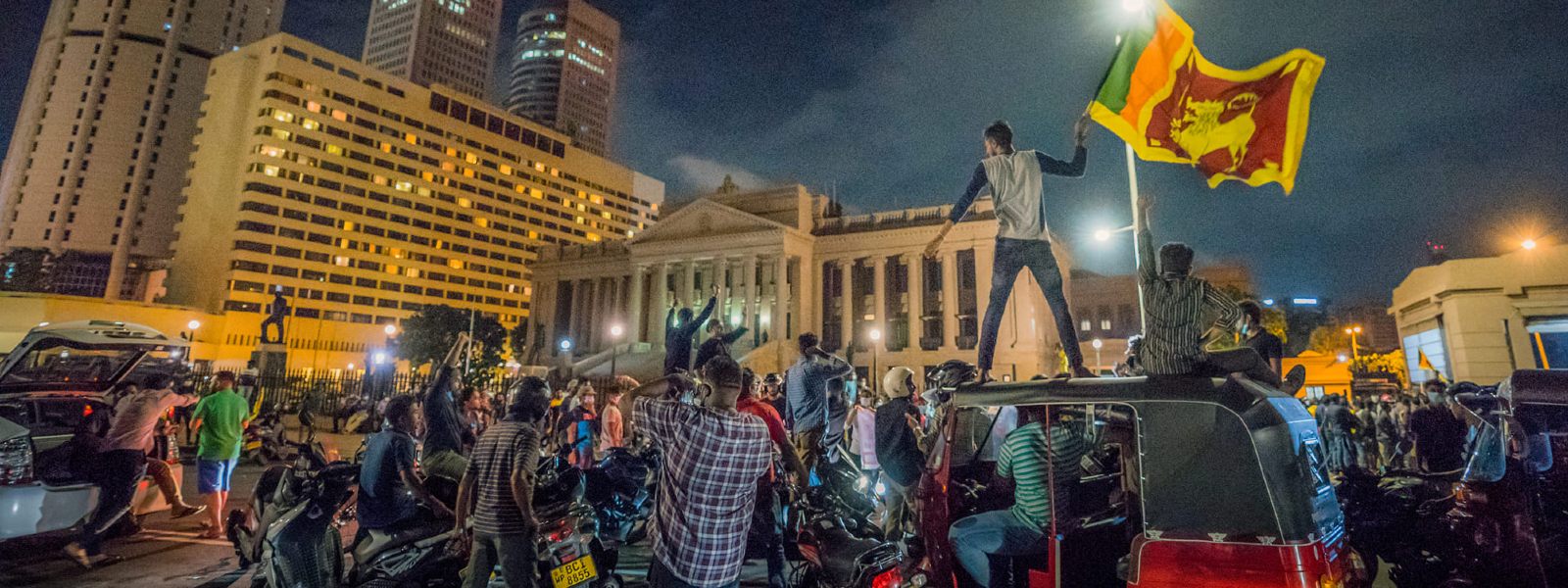
‘Aragalaya’ plans to enter P’ment

The next objective of the “aragalaya” (struggle) should be to build new leaders to be sent to Parliament, stated “aragalaya” leaders.

Dr. Pathum Kerner, a prominent figure amidst the “GotaGoHome” campaign, which sought to hold former President Gotabaya Rajapaksa accountable for his perceived mistakes, said that the next struggle should be to build new leaders to be sent to Parliament.

“The country is the most valuable. Let’s make 100 brand-new faces. It’s up to you. Before the next vote, prepare your leadership,” he urged the public on social media.

Meanwhile, a satyagraha protest titled “black hour” was organised against the Government urging the latter to step down at the Diyatha Uyana yesterday (7).

Elsewhere, in the backdrop of key members of the “aragalaya” reorganising themselves for another commitment, President Ranil Wickremesinghe blamed frontline groups for turning violent from within the “aragalaya” or the people’s protests.

“The youth of this country demanded change without taking up arms. But, continuing such peaceful struggles is not easy and the frontline groups started turning violent from within the struggle. Eventually, the youth left the struggle and the violent protestors took charge. Between 9 and 13 July, they stopped State governance and attempted to take over the Parliament.

“When they did not succeed, the struggle faded. Due to the bad side of the struggle, even the good that came about was forgotten,” said the President at the United National Party’s (UNP) 76th anniversary held at the Sugathadasa Indoor Stadium in Colombo on Tuesday (6).

The President invited all political parties to join without any differences and said that it is not for him but for the next generation to succeed in the programme of building a powerful country.

Among those who have been targeted in the recent spate of arrests of the “aragalaya” protest movement’s members is Catholic priest Fr. Amila Jeewantha Peiris. Fr. Peiris has filed a petition in court seeking protection from arrest but said: “We always remained peaceful and non-violent. However, they are now targeting all the protest co-ordinators and accusing us of committing terrorist acts, which is false. This President is undemocratic.”

The United Nations Office of the High Commissioner for Human Rights (OHCHR) said that accountability and deep reforms must be implemented in order to prevent human rights violations from recurring in this country. This is stated in the report released by the said office.

According to the report, the new Government of Sri Lanka should engage in a national dialogue to advance human rights and reconciliation.

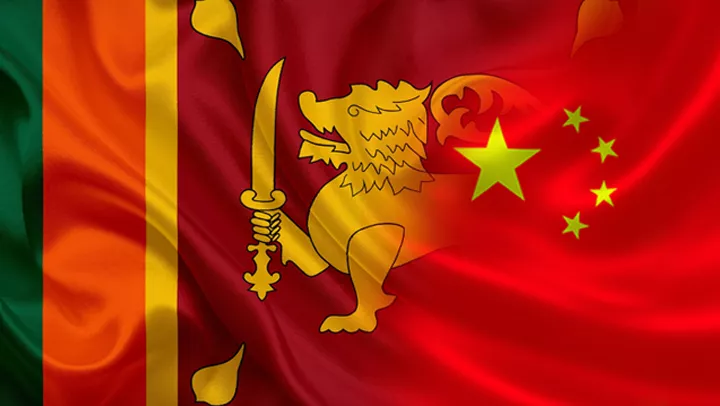
China holds key to Sri Lanka’s debt restructuring to ease economic crisis

China may become the key factor in deciding the timing of the International Monetary Fund (IMF)’s loan disbursement for Sri Lanka to ease the ongoing unprecedented economic crisis, local and international analysts say.

China has agreed to help Sri Lanka in facing the economic crisis, but so far has not committed for any debt restructuring plan, government officials who are dealing with the debt structuring told EconomyNext.

The completion of debt restructuring – either through a haircut or rescheduling the debts – is mandatory for the approval for the IMF loan from the global lender’s Executive Board.

China has, instead, proposed a refinancing strategy: more lending by China to Sri Lanka in order to repay Beijing’s own debts in the past.

However, this move is not accepted by Western nations that are members of the Paris Club – a group of mostly Western nations which have a well defined and unified process accepted by the IMF for dealing with defaulted nations.

Following the preliminary staff level agreement with Sri Lanka, the IMF last week said even if one creditor does not agree to restructure debt, it would “indeed deepen the crisis here in Sri Lanka and would undermine the repayment capacity”.

Japan is the only country in the Paris Club among Sri Lanka’s main creditors. Other key creditors like India and China are not members.

“The IMF executive board is not likely to agree to disperse the funds until the [Sri Lankan] government is able to present a plan to get its debt back to sustainable levels, which means coming to an agreement with creditors, both private and bilateral,” Akhil Bery, Director of South Asia Initiatives at Washington-based think tank Asia Society Policy Institute, told EconomyNext.

“That means Sri Lanka needs to make progress with its negotiations with China before the executive board votes to release the funds.”

Bery said the worst case scenario for Sri Lanka on debt restructuring with China is that no agreement is reached and Colombo continues to be frozen out of international markets and the economy continues to stagnate with inflation soaring further.

“In a best case scenario, China comes to an agreement with the Paris Club and other creditors on a debt restructuring framework which would unlock the IMF programme as well as additional bilateral and multilateral financing which can help bridge the financing gap,” he said.

Clue from Zambia’s debt restructuring

International analysts say China’s conduct with Zambia’s debt restructuring offers insight on what Sri Lanka can expect in a debt restructuring deal with China.

Zambia defaulted in November 2020 and got an IMF staff-level agreement in December 2021, but got the IMF Board approval only last week with China agreeing only to reschedule its over 5 billion US dollars of loans.

“The two key factors important for the recovery of Sri Lanka’s economic crisis are when will the IMF lend and what does China do,” a London-based debt market analyst told EconomyNext asking not to be named as he is not allowed to speak to the media.

He said China was involved in lending to Ethiopia, Zambia, and Suriname – all of whom defaulted sovereign debts in the last two years.

“China has dragged it in all these other places,” the analyst said.

Beijing has consistently rejected accusations by the US that it had pushed poor countries into a debt trap and says it works out solutions with individual governments when they struggle to repay loans.

“As a traditional friendly neighbor of Sri Lanka and a major shareholder of the IMF, China has been always encouraging the IMF and other international financial institutions to continue to play a positive role in supporting Sri Lanka’s response to current difficulties and efforts to ease debt burden and realise sustainable development,” a spokesman for Chinese Embassy in Colombo said after the IMF comments last week.

“As to the bilateral financial cooperation, shortly after the Sri Lankan government announced to suspend international debt payments in April 2022, Chinese financial institutions reached out to the Sri Lankan side and expressed their readiness to find a proper way to handle the matured debts related to China and help Sri Lanka to overcome the current difficulties,” he said.

“We hope Sri Lanka will work actively with China in a similar spirit and work out a feasible solution expeditiously.”

Chinese Foreign Ministry Spokesperson Zhao Lijian responding to questions raised by journalists at a media briefing last week said China has paid close attention to the difficulties and challenges faced by Sri Lanka.

“We have provided help to Sri Lanka’s socioeconomic development to the best of our capacity. China supports relevant financial institutions in consulting with Sri Lanka for proper solutions. We are ready to work with relevant countries and international financial institutions to continue to play a positive role in supporting Sri Lanka’s response to current difficulties and efforts to ease debt burden and realise sustainable development,” Lijian said.

However, analysts and Western diplomats say Beijing has not committed itself to debt restructuring.

“This means the whole debt restructuring process will get delayed and Sri Lanka may not get the IMF support it desperately needs,” a Western diplomat said.

“If China is going to be stubborn about refinancing, then other creditors also will not agree on a common platform to restructure Sri Lanka’s debt. That will result in more and more consultative processes and time, but more importantly it is going to delay Sri Lanka’s speedy recovery from the economic crisis.”

Sri Lanka has already hired financial and legal advisory firms Lazard and Clifford Chance LLP to support its debt restructuring programme as the country is on the brink of bankruptcy. Lazard was the legal advisor in Zambia’s debt restructuring programme where creditors included China, which did not agree to a haircut.

Local analysts say delay in debt restructuring by China could compel the government to go for a restructuring of local rupee-denominated bonds. They say the government may use maturity extensions, coupon reductions, and principal haircuts in local debt restructuring if they are compelled.

“The principal haircut could trigger a collapse of the banking sector as most of the banks have invested a significant chunk of their savings in government securities,” Sanjeewa Fernando, head of Research at CT CLSA Securities said.


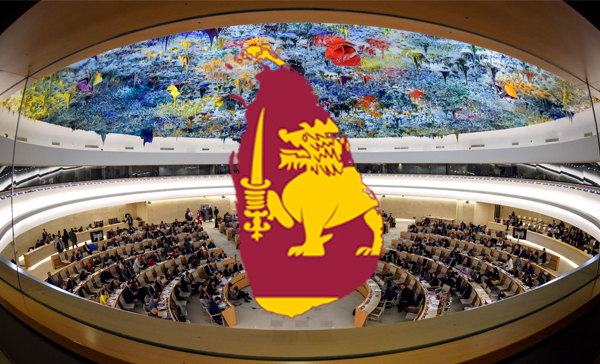
Sri Lanka expects less votes in upcoming UNHRC session, if resolution vote held

Sri Lanka is expecting to receive lesser votes in the event of a resolution that is not agreed upon with core-sponsors in the upcoming United Nations Human Rights council (UNHRC) due to a change in member countries, Foreign Minister Ali Sabry said on Monday.

The 51st UNHRC session will be held from Sept. 12 – Oct. 7 in Ganeva and diplomats have said Sri Lanka is likely to face a new resolution from the same core sponsors who tabled the resolution in March 2021.

“When we compare the current composition and the 2021 composition, we might mostly get fewer
votes than what we got in 2021,” Minister Sabry told a media briefing on Monday held at the ancient Foreign Ministry building.

In the 2021 UNHRC session, 22 countries voted in favor of passing the resolution which allowed the UN to gather evidence on the past human rights violations committed by Sri Lanka against 11 including China, Pakistan and Bangladesh while 14 countries including India, Nepal and Japan abstained.

Sri Lanka has refused to cooperate with the resolution citing the external evidence gathering is against the country’s sovereignty and thus against the constitution.

Sabry said the island nation will cooperate with resolution as long as they would not compromise with the Sri Lanka’s sovereignty.

“Our focus is to bring lasting solutions and, in that regard, our final program will be a truth seeking
mechanism that is transparent and acceptable by both the victims and alleged perpetrators.” he said.

Sri Lanka’s credibility in addressing the past human rights violations has been questioned as it has repeatedly failed to fulfill South African-style truth seeking mechanism which it originally promised in 2016.

Successive Sri Lankan governments have bought time to address the concerns raised by the international community over its alleged human rights allegations mainly in the final stage of a 26-year civil war in which thousands of ethnic minority Tamils were killed, but the country is yet to fulfill those promised measures.

“We are looking at lasting and wholistic solutions to the grievances of all those who have suffered due
to the conflict,” he said referring to all ethnicities.

Since the last UNHRC session in March, Sri Lanka has gone through a political crisis with the uprising of anti-government protesters that has resulted in the change of government amid resignation of then present Gotabaya Rajapaksa and his brother, then Prime Minister Mahinda Rajapaksa.

The new President Ranil Wickremesinghe has been now alleged of cracking down on protesters.

Experts have previously warned that Sri Lanka will face a tougher session in September as the UNHRC because it has failed to protect and ensure the rights of its citizens.

Posted in Uncategorized