Pope grants €100,000 to victims of 2019 Easter Sunday attacks

Pope Francis has granted 100,000 Euros as aid to the victims of the 2019 Easter Sunday attacks.

The aid will be disbursed among the affected families tomorrow and on Sunday at the St. Sebastian’s Church in Katuwapitiya and St. Anthony’s Shrine in Kochchikade.

The two sites were among the several locations that were bombed by terrorists on the 21st of April 2019.

Over 250 people were killed in multiple bomb attacks on the day.

Posted in Uncategorized

Chinese ship at Lankan port: More than meets the eye By N. Sathiya Moorthy

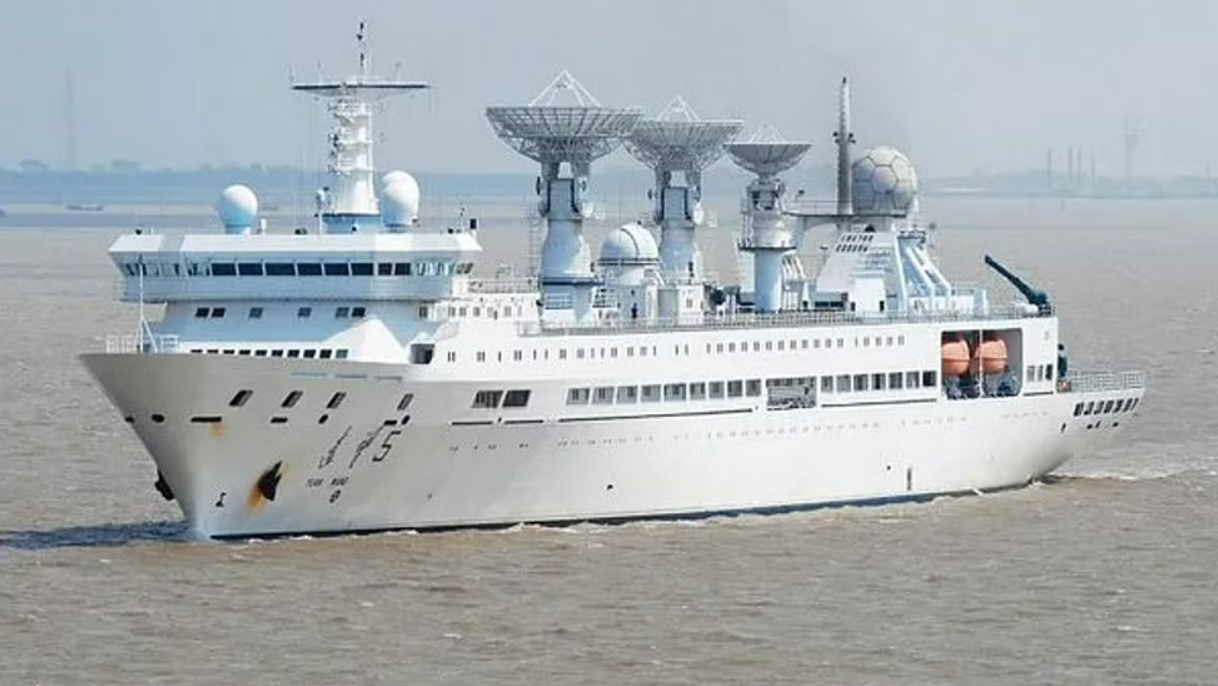
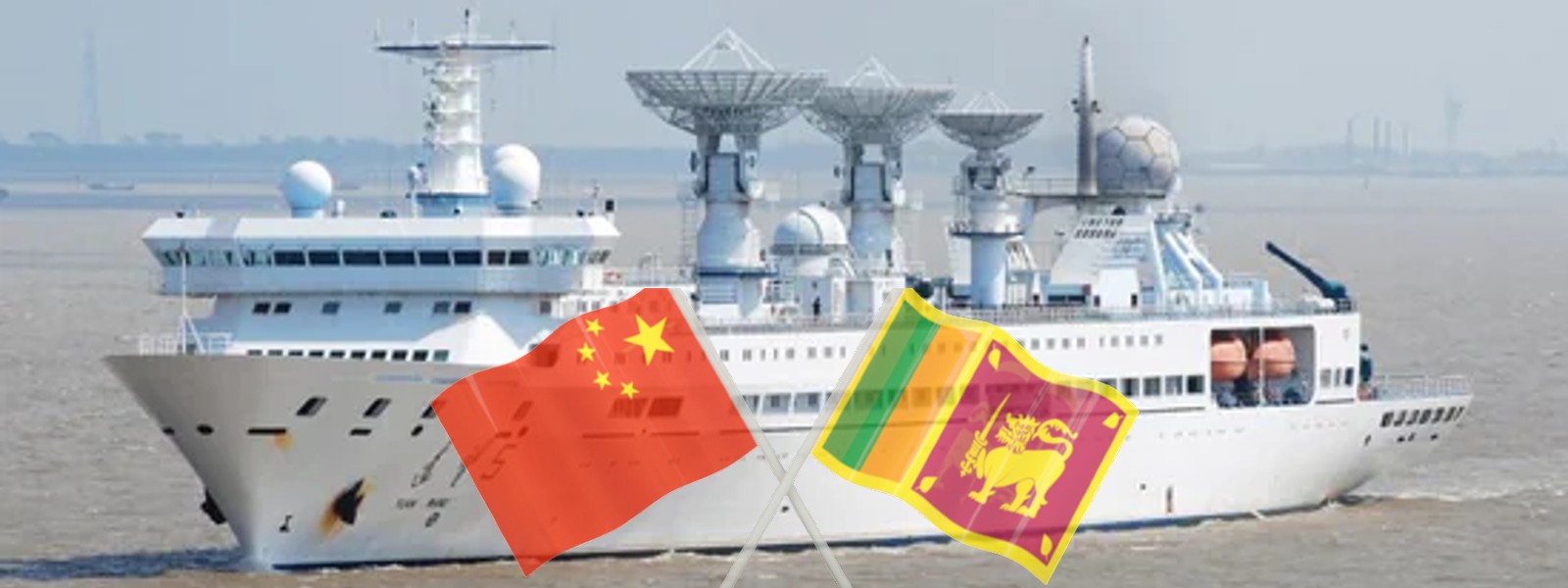
Beijing’s “senseless” criticism of reported Indian reservations to dual-purpose Chinese naval ship Yuan Wang 5 docking at Sri Lanka’s Hambantota Port notwithstanding, there is a lot more to the incident than meets the eye. The concerns are as much economic as they are strategic, considering that the US-led West is as nervous about China as they are about Russia in the aftermath of the ongoing Ukraine War.

To begin with, as the host member of the Colombo Security Conclave (CSC), Sri Lanka has to be more circumspect than in the past over continuing commitments to co-operative maritime security in the Indian Ocean waters, as it now involves the concerns of all member nations and not just its larger Indian neighbour. This is so even if the CSC has no mandate as yet over traditional security issues. However, the commitment to cyber security co-operation, reaffirmed at the July meeting in Kochi, should apply to Yuan Wang 5.

The CSC is a calibrated take-off from the India-Maldives bi-annual, to which Sri Lanka was included in 2012, after the conclusion of the decades-old war against the Liberation Tigers of Tamil Eelam (LTTE) in the island nation. Anti-terror cooperation is amongst the mandates of the CSC, as rechristened in 2020 and expanded, with Mauritius as the fourth member now, and Bangladesh and the Seychelles as “observers”.

At Kochi, on 8 July 2022, India too reiterated that the CSC “remains central” to regional co-operation on cyber security, trafficking, organised crime, terrorism, and maritime safety and security. In a broad sense, the inclusion of “maritime safety and security” should include the current Indian concerns and future expectations/demands from such other members.

Though Dhaka or any other CSC member has not raised India-like concerns over Yuan Wang 5, Bangladesh has denied a port-of-call facility to the China-built Pakistani frigate, PNS Taimur, on its maiden trip from Shanghai to a home base. Dhaka has cited the death anniversary of Prime Minister Hasina’s father, Bangabandhu Sheikh Mujibur Rehman, who was massacred by Pakistani-linked groups on 15 August 1975, and how it could upset the local population if the Pakistani naval vessel was to dock around the time.

Moreover, legitimate Indian concerns might have been weighed by the Bangladesh authorities ahead of Sheikh Hasina’s New Delhi visit in September. Against this, Sri Lanka has granted permission for PNS Taimur to dock at Colombo Port. This too has caused the Indian strategic community to raise their eyes.

Responsibility to protect

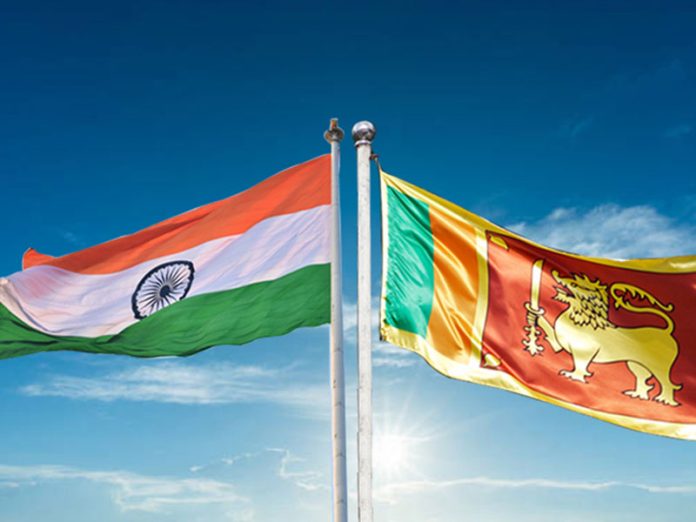
Historically and otherwise, India-Sri Lanka strategic relations have been predicated by mutual suspicions, though not outright animosity. Over and above the mainline Sinhala depiction of Tamil Nadu’s Chola rulers as plunderers, who allegedly ransacked their palaces and Buddhist viharas over a thousand years ago, Sri Lanka fears that post the Bangladesh War, India would seek to carve out a “separate Tamil homeland”.

This found skewed justification in New Delhi’s funding, training, and arming militant Tamil youth groups in the aftermath of the anti-Tamil “Pogrom-83” in which thousands of Tamils were killed and tens of thousands risked their lives to seek refuge in Tamil Nadu.

The Indian experience with the creation of Bangladesh more than a decade earlier showed that accommodating ethnic refugees had demographic consequences nearer to home. Equipping them, instead, to defend themselves against an unkind State back home was tantamount to India invoking the “Responsibility to Protect” (R2P) doctrine, which the UN waited to adopt in 2005, after atrocities in the Balkans and Rwanda, a decade earlier.

The clouded Sri Lankan memory would be cleared if they considered the induction of the Indian Peace-Keeping Force (IPKF), at the insistence of President J.R. Jayewardene, as provided for under the Indo-Sri Lanka Accord of 1987, to maintain peace in the Tamil areas. However, the IPKF ended up fighting the LTTE instead, clearly indicating the changed Indian priority on the ground. In a way, the IPKF was defending Sri Lanka, fighting its war against the LTTE. In this case, the IPKF and India received brickbats from both the Sinhalese (for induction) and the Tamils (for alleged excesses).

Who made the decision?

Against this backdrop, Sri Lanka’s decision to permit China’s Yuan Wang 5 to dock at Hambantota, purportedly for replenishment, raises questions. India wants Sri Lanka to find out the “real purpose” of the ship’s visit, implying that it was open to evidence-based arguments. China, without naming India, has reacted harshly.

The Chinese Foreign Ministry Spokesperson said that Beijing had taken note of the reports and asserted that “the co-operation between China and Sri Lanka is independently chosen by the two countries and meets common interests. It does not target any third party”. Without naming India, he said, it was “senseless to pressure Sri Lanka” by citing the issue of security concerns.

“Sri Lanka is a sovereign state. It can develop relations with other countries in the light of its own development interests,” he said.

There is no denying the “love triangle” involving India and China, in which Sri Lanka has developed a knack for getting caught in recent decades. Earlier, it used to be the India-Pakistan adversity and acrimony that Colombo found difficult to handle.

Yet, in this case, there may be external justification for the Wickremesinghe Government to ask China to “put off” the ship’s visit, whether expressed or otherwise. According to media reports, Sri Lanka gave permission on 12 July 2022, when there was a vacuum in the presidency, though technically Gotabaya Rajapaksa continued in that position after having fled the nation on 9 July but had not quit as yet.

The question thus arises as to who made the decision for Sri Lanka. Was then-Prime Minister Wickremesinghe in the know? After all, he had commenced taking certain decisions without Cabinet authorisation, especially on the law and order front, after President Gotabaya Rajapaksa fled.

Strategic co-operation

Sri Lankans often believe that New Delhi was overreacting in such situations involving a third nation that is adversarial to India. Many in the Sri Lankan strategic community also feel that India could take on China militarily – as much in the Indian Ocean waters at present as across their shared land borders. Indian security veterans endorse the view without batting an eyelid – and they should know.

Yet, Sri Lanka’s strategic thinkers also do not want any third nation fighting, whether real or strategic, around their waters. Hence, they support instruments such as CSC that aim at giving Indian Ocean neighbourhood nations a sense of security from “extraterritorial” powers. This may puncture their own argument about perceived Indian “overreaction” viz. Beijing, which India had first expressed years earlier when two Chinese submarines called at the Colombo Port in quick succession in 2014.

However, Wickremesinghe, then the Prime Minister, is also credited with denying permission for a third Chinese submarine from visiting Sri Lanka in 2017. At the time, the denial did not seem to affect Sri Lanka’s relations with China.

In the CSC context, such commitments of mutual security and respecting mutual security concerns is a password for credibility and hence for the longevity and strengthening of the arrangement, which is still taking toddler steps. Though not mentioned in specific terms at present, the CSC may owe its origins to Sri Lanka’s suggestion for a bilateral defence co-operation agreement with India. The underlying spirit would have to go on to find multiple expressions in the drafting and implementation of the CSC now. Moreover, an upgraded defence co-operation agreement would have to provide “respect for mutual concerns”, and not unilateral concerns of select member nations.

This could then place an equal, or at least an equitable burden on India. There may be a collective CSC acknowledgement, even when expanded, that India, despite its size is placed in a unique and unenviable position of having to deal with two historic adversaries along its land borders. These adversaries also have maritime capabilities, and one of them has greater maritime/naval ambitions matching the current and future capabilities of the US, the sole superpower.

If India has concerns about China, what if Sri Lanka, for instance, has problems with the US, whose military is present in the shared Indian Ocean neighbourhood at Diego Garcia, for decades now? Under certain circumstances, Colombo too may want New Delhi to keep Sri Lanka, and maybe the CSC, in the loop on India’s defence and military co-operation agreements with a third nation.

Otherwise, too, Yuan Wang 5, reportedly with a long reach for satellite tracking, may not require to dock at Hambantota or anywhere nearby for studying India’s strategic assets. However, if it were Beijing’s way of asserting access for Chinese naval vessels to Hambantota Port and more than one Chinese naval vessel could berth at the same time or at least around the same time, that would be a different story altogether.

Such possibilities of China wanting to remind Sri Lanka and the rest of the world that it has a lease-hold over Hambantota and thus should have free access for its naval vessels may also have triggered the Indian concerns, long before they became more frequent, and in turn graver, too.

(The writer is a policy analyst and commentator, based in Chennai. This article was first published by the Observer Research Foundation on 11 August)

……………………………..

The views and opinions expressed in this article are those of the author, and do not necessarily reflect those of this publication.


U.S. strongly pressured Colombo over Chinese vessel’s planned visit: reports

The U.S. and Indian officials have strongly pressured the Sri Lankan government to revoke the planned visit of the Chinese satellite-tracking vessel Yuan Wang 5, which set sail from China to Sri Lanka’s strategic Hambantota Port.

The Washington Post said the Chinese research vessel has been “the source of rising tensions and a symbol of the mounting geopolitical tug-of-war between India and the United States and China over Sri Lanka at a time when the economically devastated island nation is caught between major financial supporters.”

The 730-foot-long ship was scheduled to dock at the Hambantota Port between August 11 and 17, however, Sri Lanka made a request from Beijing to defer the arrival.

The request for deferment came after India voiced strong concerns on the matter and said it carefully monitors any developments having a bearing on its security and economic interests, and takes all necessary to safeguard them.

China, in response to India’s concerns, said it hoped “relevant parties” would refrain from interfering with its legitimate maritime activities and stressed that it was “senseless to pressure” Colombo by citing the issue of security concerns.

Amidst growing diplomatic tensions, Sri Lanka clarified that permission and clearance were given to the Chinese vessel for “replenishment”. The vessel will conduct satellite control and research tracking in the north-western part of the Indian Ocean region through August and September, the Sri Lankan government said further.

The Washington Post said, while a Chinese navy ship arriving at Hambantota is not strategically significant, Indian and U.S officials argue that it would be viewed as Sri Lanka giving special treatment to China, a major creditor of the island nation.

The news agency noted that the planned visit of the Chinese vessel comes at a time when the embattled Sri Lankan government needs to renegotiate its debt with a host of international lenders and obtain a bailout from the International Monetary Fund.

“The dispute reflects the jockeying between the United States and its partners and China that is taking place across the world. Since taking office, President Biden has ramped up previous U.S. administrations’ efforts to curtail Chinese expansion into the Indian and Pacific oceans and has rallied countries such as India and Australia to help in that effort. For its part, India has sought American help to counter China, a regional rival with which it has ongoing border disputes,” the news agency further pointed out.

As of Thursday (Aug 11), the day Chinese research vessel was originally scheduled to dock in Colombo, it was reported that although the ship has slowed down and turned around following the request for deferment, it was still heading towards the island.

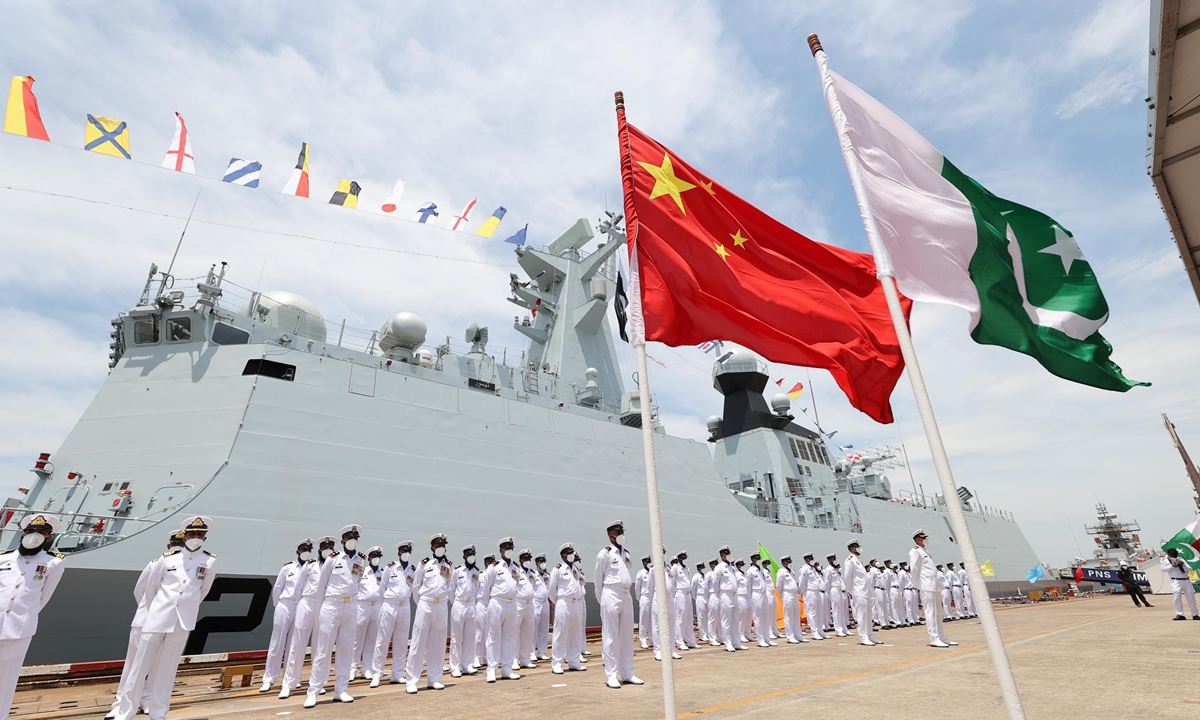
Amidst the row over the Chinese research vessel, Sri Lanka allowed a Pakistani warship PNS Taimur to make a port call in Colombo today. According to Sri Lanka Navy, this Pakistani-guided missile frigate built by Hudong-Zhonghua shipyard in Shanghai, is in Colombo for a formal visit.

The warship made a stop in Colombo during its maiden voyage to Pakistan while exercising en route with Cambodian and Malaysian navies.

2,000 days of struggle for Tamil mothers of disappeared citizens in Sri Lanka

Since the end of the war, thousands of Tamil families in the north and east have been concerned about enforced disappearances

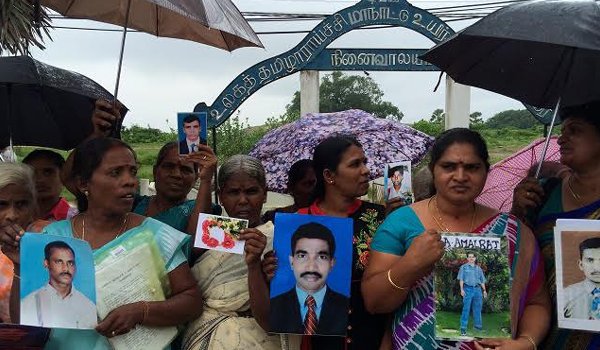
Hundreds of Tamil mothers on Friday took out a rally in Sri Lanka’s northern Kilinochchi district to mark 2,000 days of their relentless struggle, seeking truth and justice for their loved ones who forcibly disappeared during and after the civil war.

Women wearing black sarees and headbands marched in Kilinochchi carrying photographs of their missing relatives. “Where are children who surrendered to the army?”, “Arrest Gotabaya who was involved in a genocide”, “We want justice”, they chanted.

“We’ve been agitating for 2,000 days now, but justice has not been served. We want to draw attention to our struggle and highlight this long-pending issue before the Human Rights Council session meets in Geneva next month,” Kadirgamanathan Kohilavani, leader of a Kilinochchi-based group of families of disappeared told The Hindu. “We really hope they [Council] will do something to ensure justice for us,” she said.

Major concerns

Enforced disappearances have been among the chief concerns of thousands of Tamil families in the north and east lingering for over 13 years since the war ended. Families are relentlessly seeking information on the whereabouts of those who surrendered to the army. Their ongoing struggle, led by women, is among the longest agitations seen in Sri Lanka.

Sri Lanka has one of the world’s highest numbers of disappearances, according to rights watchdog Amnesty International. There is a backlog of 60,000 to 1,00,000 complaints, it notes, including from the island’s Sinhala-majority south where thousands of youth went missing around the armed insurrections led by the leftist Janatha Vimukthi Peramuna (JVP) in the early 1970s and late 1980s.

Several groups of families, spread across Sri Lanka’s northern and eastern districts that were the site of the nearly three-decade war, have been persisting with their agitations, braving frequent intimidation by the military.

The groups have at times had differences, in their demands and as well as the strategy for their struggle, but are bound by a shared resolve to continue seeking answers to the troubling questions that haunt them every day. At least 138 people, mostly mothers of these disappeared children, have died during the struggle, according to the women involved in the demonstrations.

Face enormous hardships

“Many of the mothers of these disappeared children, especially those depending on a daily wage job, are facing enormous hardships while continuing to agitate for justice. Some of them are eating only one or two meals instead of three because of the current situation,” Kohilavani said, pointing to the impact of the island’s harrowing economic crisis on the women. “No matter how hard things get, we will not stop demanding justice for our children,” she said.

The families have engaged with several domestic mechanisms, but to no avail, Amnesty International said in a tweet on Thursday.

Pointing to “many incidents of state repression” including “intimidation, harassment, and surveillance, restrictions on peaceful protests”, that are “long time challenges” for the families of the disappeared, the global human rights organisation urged the Sri Lankan government to “urgently and genuinely” take account of the demands of families of the disappeared, “prioritise, respect and facilitate” the families’ rights to truth, justice, and reparations without exerting pressure on them to close the cases on their missing loved ones.

Meera Sreenivasan is The Hindu Correspondent in Colombo

SLFP opposes increasing ministers for national Government

While welcoming many aspects of the 22nd Amendment to the Constitution Bill presented to Parliament this week, both the Sri Lanka Freedom Party (SLFP) and Sri Lanka Podujana Peramuna (SLPP) “independent” MP Gevindu Cumaratunga have however opposed the provisions allowing for the increase of the number of Ministerial portfolios, in the context of the formation of a national Government.

The SLFP has meanwhile planned to appoint a committee to study the said Bill, which was presented by Minister of Justice, Prisons Affairs, and Constitutional Reforms Dr. Wijeyadasa Rajapakshe PC on Wednesday (10).

Speaking to The Morning yesterday (11), SLFP Senior Vice President Prof. Rohana Luxman Piyadasa said: “We have, for now, no criticism regarding the 22nd Amendment to the Constitution Bill, which has been submitted to Parliament. It includes almost all the provisions that were included in the 19th Amendment to the Constitution. However, the SLFP has decided to appoint a committee for further study in this regard.”

However, he said that if the number of ministerial and deputy ministerial portfolios is to be increased under a national Government that will be established based on the provisions of the 22nd Amendment to the Constitution, it cannot be approved. He said that instead of such anti-public activities, a people-friendly governance system should be established, adding that the 22nd Amendment to the Constitution should be used to help the country recover from the current situation.

Meanwhile, Cumaratunga, who recently left the SLPP and is currently sitting independently in Parliament, told The Morning that although many provisions contained in the 22nd Amendment to the Constitution Bill are progressive, the provision that allows the increase in the number of Ministerial posts after the formation of a national Government is “unacceptable”.

He also mentioned that the three people to be appointed representing the civil society to the Constitutional Council that is to be established under the 22nd Amendment to the Constitution, should be appointed in a way that represents groups such as professionals, the business community, and the academic community.

The 22nd Amendment to the Constitution Bill, which had been referred to as the 21st Amendment to the Constitution Bill thus far, is now being referred to as the 22nd Amendment to the Constitution Bill, as another draft of the 21st Amendment to the Constitution Bill prepared by the main Parliamentary Opposition, the Samagi Jana Balawegaya (SJB), has already been gazetted. However, the Supreme Court determined that many of the SJB’s Bill’s clauses were unconstitutional, and therefore required a public referendum in addition to a Parliamentary supermajority.

Posted in Uncategorized

SLAF to receive first ever Maritime Patrol Aircraft from India

The first of two maritime patrol aircrafts that Sri Lanka is acquiring from India after a protracted negotiation process will arrive at Katunayake Air Force base next Monday (15) The Sunday Morning reliably learns.

The Dornier 228 Maritime Patrol Aircraft (MPA), a licensed built aircraft by the Hindustan Aeronautics Limited (HAL) of India will be ferried to Sri Lanka by a Sri Lanka Air Force crew, it is understood. The SLAF had dispatched a 15-member crew for training on the aircraft to India in April 2022 who have completed their training and qualified to fly and maintain the aircraft. The aircraft is to be maintained by a trained SLAF ground crew under the supervision of Indian engineers.

It is understood that the arrival of the (MPA) will be witnessed by senior government officials including the President and Indian diplomats.

Sri Lanka has been pursuing the acquisition of a fleet of dedicated MPA since the mid 1990’s. Sri Lanka is also expected to acquire a Beechcraft King Air 360ER maritime patrol aircraft from the United States in the future. Earlier, the Ministry of Defence had considered acquiring surplus Lockheeed Martine P-3C Orion MPA’s from Australia and Japan. However, the plans had failed to move forward.

The Dornier 228’s entry into the Sri Lankan armed forces service, comes following a government-to-government discussion which began in 2018 when Sri Lanka requested to acquire two aircrafts from India to improve the islands’ maritime surveillance capabilities. Sri Lanka has been proactive over the last few years in capacity building to ensure it has adequate awareness and response capabilities to respond to maritime crime and security threats in its Exclusive Economic Zone (EEZ) and the high seas.

Earlier this year, the Cabinet of ministers granted approval for two Dornier 228 MPA’s to be acquired from India. The first MPA, arriving next Monday is one which was in service with Indian Naval Fleet Air Arm on gratis basis for initial two years.

According to sources at the Ministry of Defence, this is due to the production time required to manufacture a new aircraft at HAL for the program. Under the agreement between both governments, Sri Lanka will purchase one new MPA from India, while another new aircraft of the same make is to be gifted to Sri Lanka by India.

Spokesman for the Sri Lanka Air Force, Gp. Capt Dushan Wijesinghe confirmed the aircraft’s arrival next week. “The SLAF intends to effectively employ the aircraft to conduct Maritime and Coastal Surveillance Operations within the Exclusive Economic Zone (EEZ), Search and Rescue Operations (SAR), Casualty Evacuation (CASEVAC) and Maritime Pollution Monitoring and Control within Sri Lankan Search and Rescue Region (SRR), he said.

The Indian built MPA is expected to enter service with the SLAF’s No.03 Maritime Squadron which is based at China Bay, Trincomalee.

Posted in Uncategorized

Pakistan naval ship PNS Taimur arrives at Sri Lanka’s Colombo Port

Sri Lanka Navy, in accordance with naval traditions, ceremonially welcomed the Pakistan Navy Ship (PNS) Taimur, arrived at the Port of Colombo Friday (12th August).

The 134m-long ship is commanded by Captain M Yasir Tahir and it is manned by 169 as the ship’s complement.

In the meantime, the Commanding Officer of PNS Taimur is scheduled to call on Commander Western Naval Area at the Western Naval Command Headquarters today.

The ship is expected to remain in the island until 15th August and the crew of the ship will take part in several programs organized by the Sri Lanka Navy to promote cooperation and goodwill between two navies.

Further, PNS Taimur is expected to conduct a naval exercise with the Sri Lanka Navy in western seas on its departure on 15th August.

PNS Tughril an identical warship belongs to the Pakistan Navy arrived in Sri Lanka on an official visit on 13th December 2021 and conducted a successful naval exercise with SLNS Sindurala off the western coast on 16th December.

Naval exercises of this nature with regional navies will enable each partner to overcome common maritime challenges in the future, through enhanced cooperation, Sri Lanka Navy said.

Posted in Uncategorized

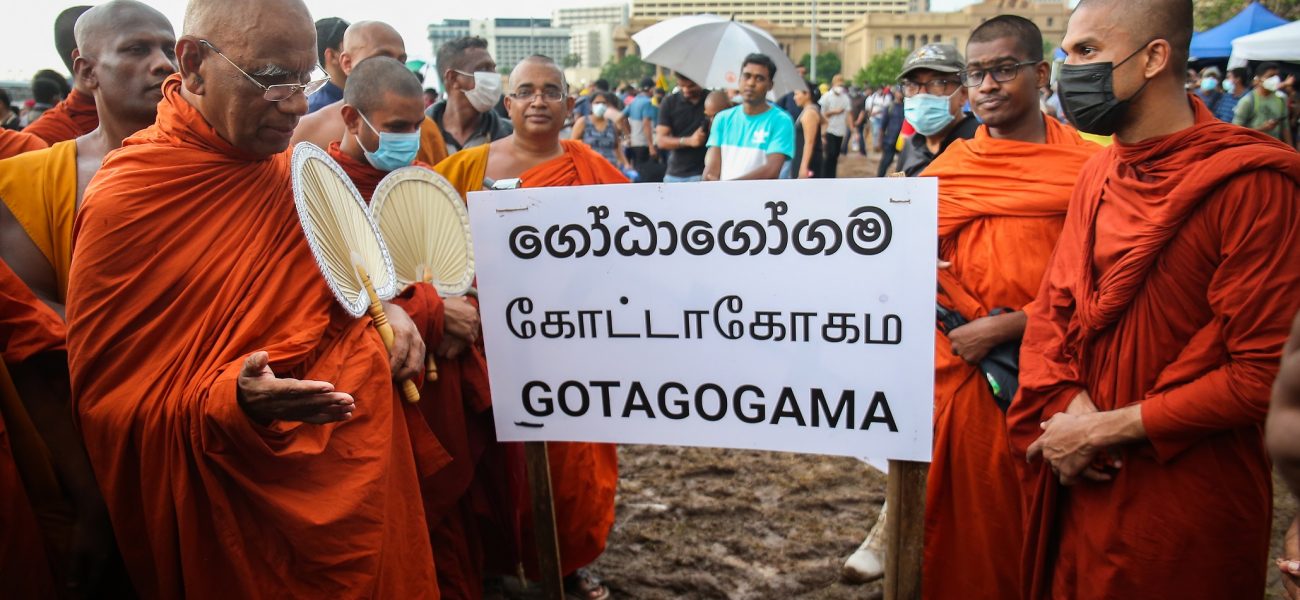
Protesters completely vacate Galle Face protest site

The protesters at the Galle Face protest site “GotaGoGama” have completetly vacated the site today after 125 days.

They dismantled their last tent from the site this afternoon.

A group of protesters who continued to stay at the protest site near the Presidential Secretariat on the Galle Face Green had already left the site on August 9.

However, several protesters stayed at the location until this afternoon.

They dismantled all the remaining canopies after police again today told the protesters who were occupying the site to leave within 15 minutes.

Four-day parliamentary debate to be held on Budget Amendment Bill

The Committee on Parliamentary Business has decided to hold a four-day debate in the House on the Budget Amendment Bill 2022.

Accordingly, the parliament will meet between 9.30 am and 4.30 pm from August 30, 31 and September 01 and 02 for the said debate.

The amendment bill with regard to the Appropriation Act No. 30 of 2021 for the year 2022 was presented to the Parliament by Prime Minister Dinesh Gunawardena on August 09

Meanwhile, the adjournment debate moved by the Opposition on the electricity tariff revision is scheduled for August 29.

Posted in Uncategorized

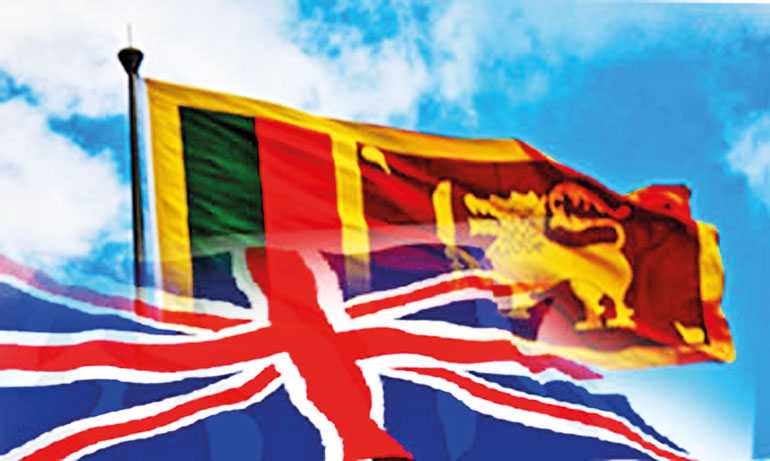
Sri Lanka appeals to UK to lift travel advisory

Sri Lanka has appealed to the United Kingdom (UK) to lift the travel advisory on Sri Lanka.

The appeal was made when Tourism Minister Harin Fernando met the British High Commissioner to Sri Lanka, Sarah Hulton.

Fernando said that he had a successful meeting with the British High Commissioner regarding the current political climate in Sri Lanka, lifting of the travel advisory for UK travellers to Sri Lanka, the promotion of tourism and the security and safety of tourists.