As Sri Lanka economic crisis worsens, daily wage workers struggle

Velu Anna Lechchami, 49, from Ratnapura village, about 100km (62 miles) from Sri Lanka’s main city of Colombo, is thankful for the smallest job she gets.

If she or her husband find work to clean, cook, or pluck tea leaves, they will be able to put food on the table that day. But with a catastrophic economic crisis in Sri Lanka, work is scarce and if they find something to do, getting to work is another challenge.

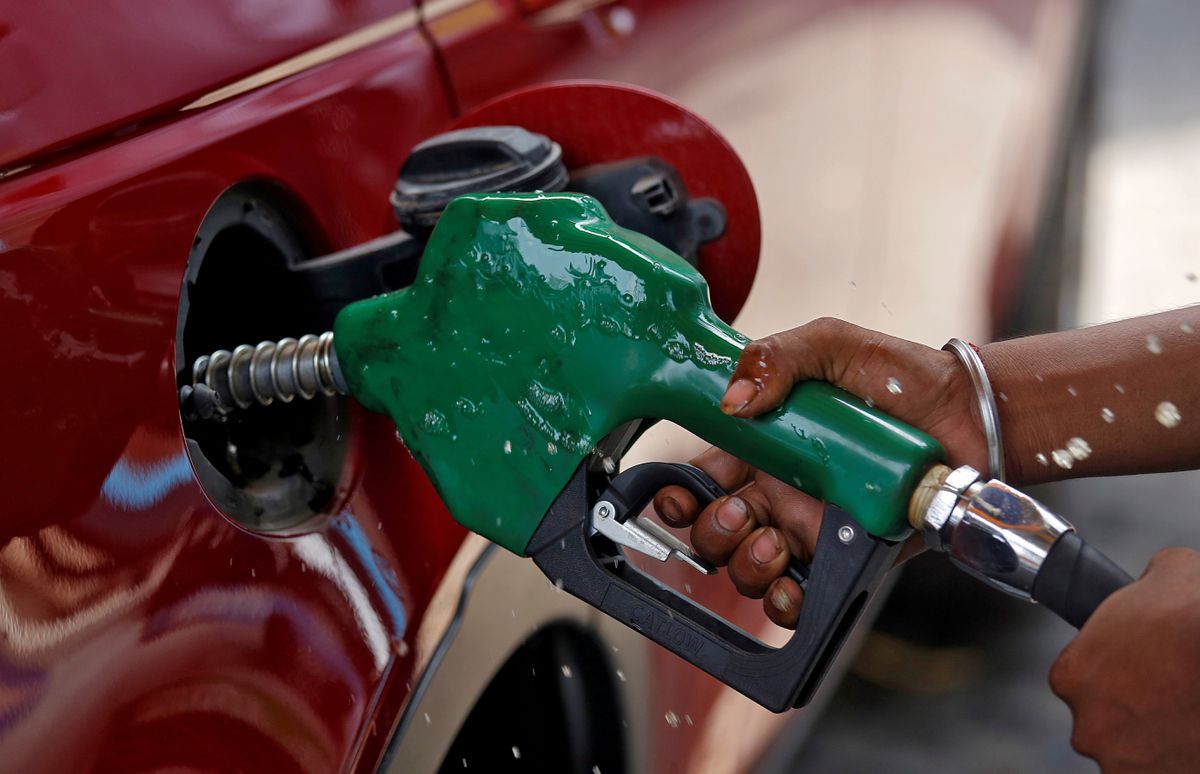
Sri Lanka restricted the sale of fuel on Monday, providing it only for essential services till July 10. The desperate move was taken as the island nation has run short of foreign currency to buy fuel.

For Lechchami, this means less work. There are days she just survives on a cup of plain tea with some sugar. On other days, she survives by boiling the jackfruit offered by her neighbour.

“There is no other option for us. We must work to buy food for the day. We are trying to survive. There is nothing else to do,” she told Al Jazeera.

Sri Lanka is facing its worst economic crisis in more than 70 years, with its economy shrinking by 1.6 percent in the first quarter of this year, according to official data.

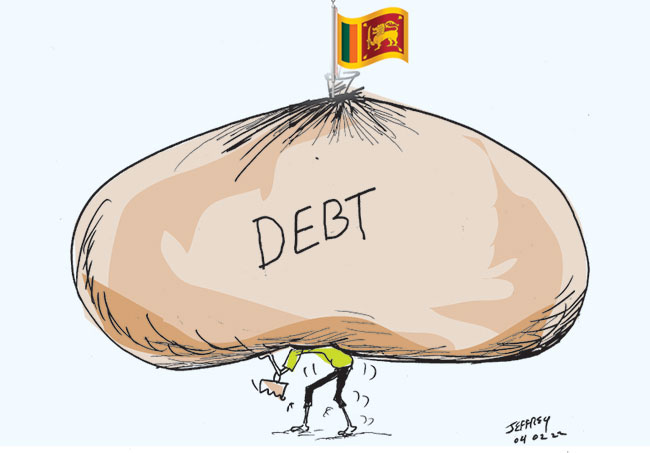
The country has defaulted on its $51bn foreign debt and is now holding bailout talks with the International Monetary Fund (IMF).

Inflation hit a record 45.3 percent last month while the rupee depreciated more than 50 percent against the dollar this year. The shortage of foreign currency required to import fuel, fertiliser and other essentials has had a devastating effect on the country’s economy.

Prime Minister Ranil Wickremesinghe told parliament last week the country was facing a record recession.

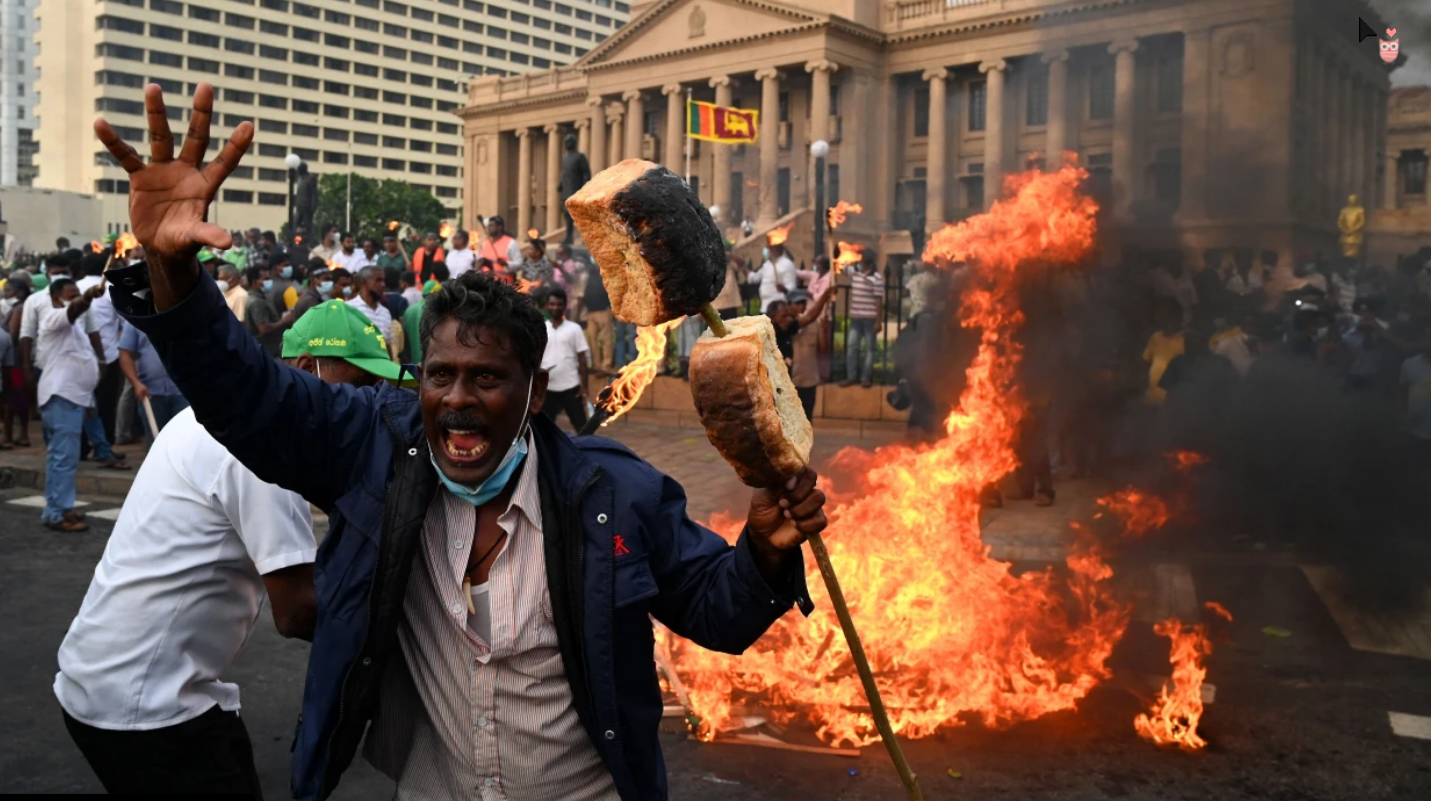
Protesters have been demanding the resignation of President Gotabaya Rajapaksa over the government’s handling of the crisis for months. The other two powerful Rajapaksas – Prime Minister Mahinda Rajapaksa and Finance Minister Basil Rajapaksa – have resigned.

‘We are done for’

The economic crisis has forced people across the island to stay in queues for days to buy essential goods such as fuel and cooking gas.

Security officials have been deployed at fuel stations to control the crowds.

In a bid to end the fuel crisis, power and energy minister Kanchana Wijesekara on Tuesday tweeted the government will allow import and retail sale of fuel to companies from the oil-producing nations.

Authorities also introduced a token system this week to stop people from queueing at filling stations. However, it has caused more chaos.

Kadireshan Selvachandran, 35, an autorickshaw driver working in Colombo, has been in a line to buy fuel for three days. He spent the last two nights in his vehicle, hoping he would be able to buy enough fuel to last a day. He did not get the token.

“We are done for. Now they say only essential services will be given fuel for the next 13 days. We are doing essential services too, we feed our children,” he said.

Selvachandran is determined not to leave the queue till he gets fuel.

Experts say the talks with the IMF could result in some drastic and deep-reaching structural reforms.

Political analyst Dr Aruna Kulatunga told Al Jazeera some of these reforms may include removing the duopoly in the energy sector, ending import restrictions, increasing income and indirect taxation and privatisation or selling of unproductive “white elephant” state-owned enterprises.

A repealing of the Paddy Lands Act, which bars development and even other agricultural work in abandoned paddy lands, is also on the table along with the transfer of non-productive state-owned lands to farmers and former estate workers, he said.

“This is a double-edged sword. On one side one can assume serious job losses while on the other hand, deep-reaching social reforms like land redistribution and allowing productive use of abandoned paddy lands will increase the bottom lines for many of the marginally affected people,” Kulatunga told Al Jazeera.

For Lechchami from Ratnapura, however, it is a long wait while having three meals a day has “become a luxury” for her. Experts warn that one of the long-term effects of the economic crisis could be chronic malnutrition for generations to come.

The United Nations World Food Programme says 22 percent of Sri Lanka’s population is “food insecure and in need of assistance”. The country’s Medical Research Institute (MRI) has launched a survey to look into the malnutrition status of the people.

“Malnutrition in the pre-economic period was high. Now with the economic crisis, it will definitely go up,” Dr Renuka Jayatissa, a nutritionist at MRI, told Al Jazeera.

Lechchami says the cost of most food has tripled from what she paid last year. The longer the government takes to ease the crisis, the worse it will get for her family.

SOURCE: AL JAZEERA
Posted in Uncategorized

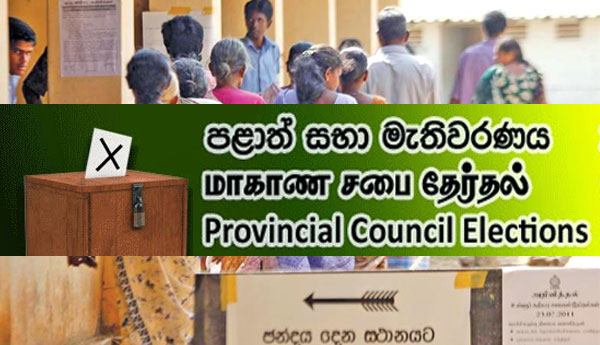
A provincial council election must be pressurized for by India: Mano Ganesan

As much as India has been supportive towards Sri Lanka and doing its best to help the nation, The Indian Government needs to also pressurize for a provincial council election to be held so that the opinion of the people is made known, says Samagi Jana Balawegaya (SJB) MP Mano Ganesan.

He made this statement while speaking to the media today (29).

“As much as an election must be pushed forward for, due to the lack of funds, the Indian government and other nations must support financially for an election to be held. The other nations of the world are reluctant to help Sri Lanka at the moment as the credibility has been lost by the Government of Sri Lanka. The international community has lost trust with the President of Sri Lanka as well. The might have not openly stated it, but this is the fact. Thus, right now an election is needed,” said MP Ganesan.

He further mentioned that despite the voices of the people being loud and clear, President Gotabaya Rajapaksa has refused to step down, thus an election was the only way forward so that the President can be ousted.

Posted in Uncategorized

Registrar General’s Department, post offices curtail services due to fuel crisis

Due to the crisis situation in the country, the Registrar General’s Department has decided to restrict the services offered by all its regional and district offices to two days a week.

Accordingly, the issuance of birth, marriage and death certificates through the divisional secretariats and land registration services will be limited to Mondays and Wednesdays.

In a media notice, the Department said the aforementioned services are provided only on Mondays and Wednesdays between 8.30 a.m. and 4.00 p.m. over the next 10 days.

However, Registrar General’s Department head office at ‘Suhurupaya’ in Battaramulla and its branches located at the Immigration & Emigration Department’s regional offices in Kandy, Matara, and Kurunegala will function on weekdays as per usual.

Meanwhile, the Post Office announced that In view of the crisis situation in the country, all post offices will be open only three days a week until the 10th of next month or until further notice.

Post Master General Ranjith Ariyaratne has issued a circular stating that the minimum staff should be called for the duties of the Central Post Office and Post Offices on Monday.

According to the circular, all post offices and sub-post offices across the island will be open on Tuesdays, Wednesdays and Thursdays and will be closed on Mondays, Fridays and Saturdays.

Diesel shipment due mid July and Petrol by July 22

Prime Minister’s advisior Sagala Ratnayake today said that a Diesel shipment containing 30,000 metric tons was due between July 11-15 and a Petrol shipment from India is due by July 22 although the government is trying to source a Petrol shipment by July 10.

Speaking at a media discussion at the Prime Minister’s Office he said only 11,000 MT of diesel, 30,000 MT of furnace oil, 800 MT of jet fuel and 5,000 MT of petrol are available at the CPC storages.

He said that a Petrol shipment is expected to arrive by July 22 from India and no permanent order has been placed before that. However he said the CPC has strong connections with a network of suppliers around the world and they were trying to secure a shipment before that. He elaborated that there was a high demand for fuel in the international market and it was one reason for the delay in securing a new shipment.

He said that 38,000 MT of diesel would be received between July 11 and 15.

Therefore, the existing diesel stocks will only be available for essential services, until the new shipment reaches the country.

There will be no issue with domestic gas supply by next month, as Litro Gas Lanka Ltd. will procure 100,000 MT of gas stock for the next four months. Another 33,000 MT of gas shipments will arrive in the country on July 6, 10, 16, 19, 21 and 31.

He said that Domestic gas will be distributed on a priority basis and the first three days after receiving the shipment on July 6 will be for the delivery of LP gas to Colombo. Thereafter necessary distribution mechanisms have been put in place to deliver domestic gas around the country in an uninterrupted manner

Posted in Uncategorized

One day service for passports extended to 3 more districts

The ‘One Day Service’ for issuing of passports will commence in three more districts from next Monday (June 04), according to Minister Dhammika Perera.

Accordingly, the One Day Service will also be carried out at the Immigration and Emigration Department’s regional offices at Kandy, Matara and Vavuniya from Monday, he said.

Hitherto passports were issued through the one-day service for urgent needs clients only at the Head Office of the Department of Immigration and Emigration at “Suhurupaya” in Battaramulla.

Posted in Uncategorized

CAN SRI LANKA SURVIVE?

1. Underlying causes for the economic collapse

a). Unsustainable fiscal deficit

Long years of allocation of money for unproductive expenditure (Eg: even long after the war was over, defense had the highest budget allocation), continually sustaining loss-making State-Owned Enterprises (Sri Lankan airlines), Capital expenditure which yielded no return (Eg: Mattala airport, Hambantota port, Nelum Pokuna tower and Convention Centre), lifelong subsidies for fuel, power, fertilizer.

b) Funding the above with Printed money

Fueling inflation and damaging the exchange rate by creating an excessive demand for dollars through cheap money

c) Decline in Revenue

Indiscriminate tax exemptions and lowering of tax rates resulted in Revenue which accounted for 20% of GDP in 1990’s and declined to 8% now, thereby resulting in unsustainable fiscal deficits.

d) Deficits in Balance of Payment (BOP).

Continual outpacing of Exports by the Imports, greatly facilitated by the low-cost supply of printed money, the Dollar continued to increase its value against the Rupee. This resulted in exports stagnating or falling due to the Rupee being pegged administratively to the Dollar, rather being allowed to find its own value in the international market. This amounted to an anti-export policy.

e) Indiscriminate foreign borrowings

Since access being given to Capital Market, ISB’s were purchased regularly for non-revenue generating projects.

2. Historical cause

One may raise the question that for 74 years since independence we have had a BOP deficit, but we never faced such a crisis, so why now? The reason lies in what happened in 2006, when Sri Lanka was granted the Middle-Income status. Prior to graduating to this status, we were the recipients of generous aid and concessionary loan packages at hardly an interest rate with very long repayment schedules. Even with long years of negative BOP, we had no debt sustainability problems because we were bailed out by the several IMF/World Bank/ ADB etc packages because countries with lower income status had no access to the Capital Market and the International Sovereign Bond (ISB). Our first ISB borrowing was in 2007 and that certainly was not the last and our Government debt soared from that point onwards funding projects which had no Return on Investment and no Pay Back period. Hence the result is the current debt unsustainability. Our entry into ISB made us come under the rating agencies which exposed our financial indiscipline.

3. Steps taken in the mismanagement of the problem

a) Fixation of the Rupee to the Dollar by using the scarce reserves to defend the Rupee.

b) Large amount of Revenue loss due to Tax exemption and reduction.

c) Placing a cap on Treasury Bill rates thereby creating an artificial interest rate. This resulted in the under subscription of the Treasury Bills leading to printing of more money to compensate for the under subscription.

d) Delay in seeking IMF support. We should have done this in December 2020 when our debt was still sustainable and debt restructuring would not have been a pre-condition to IMF assistance. IMF in the 19990’s was very prescriptive but today they adopt a far broader approach.

4. The way forward

We need to acknowledge some of the positive steps that have been taken during the last 2 months.

a) Sharp increase in interest rates to combat inflation and dampen demand both locally and for imports.

b) Removing the cap on Treasury bill rates thereby allowing the interest rates to be market based.

c) Restrictions on Open Account trading instilling financial discipline thereby discouraging the grey market.

d) Removing the fix on the exchange rate and once reached a stable level allowed fluctuation within a specified band without allowing it to be out of hand.

e) Tax increases and allowing price increase in fuel and gas.

f) Curb on government expenditure

The above are measures for the management of inflation, exchange rate and fiscal operations. What needs to be done now is:

a) Debt sustainable analysis and an IMF Staff level agreement. This will open the door to (b)

b) In view of the Reserves being virtually zero, bridging finance needs to be negotiated. The likely countries are India and Japan.

c) IMF funding.

The above should instill confidence and see more export conversions taking place, greater share of worker remittance coming into banking channels and inflows into the Stock exchange

Written by: Angelo Patrick

Indian Pm Narendra modi at Germany g7 summit

Modi discusses Sri Lankan crisis during G-7 meeting

Indian Prime Minister Narendra Modi discussed the crisis in Sri Lanka at the G-7 summit in Germany.

Modi was quoted as saying that India is helping Sri Lanka to ensure food security.

“We have dispatched about 35,000 tonnes of wheat as humanitarian aid to Afghanistan in the last few months. And even after the heavy earthquake there, India was the first country to deliver relief materials. We are also helping our neighbour Sri Lanka to ensure food security,” the Indian Prime Minister pointed out, according to the Press Trust of India.

Underlining that rising prices of energy and food grains are affecting all countries amid global tension, Prime Minister Modi suggested that for ensuring food security the focus should be on fertilisers’ availability, structured system for use of Indian agricultural talent, nutritious alternatives like millets and natural farming.

In an apparent reference to the Ukraine crisis, Modi noted that the G-7 and those invited at its summit were meeting amid an atmosphere of global tension and asserted that India has always been in favour of peace.

“Even in the present situation, we have constantly urged for the path of dialogue and diplomacy. The impact of this geopolitical tension is not just limited to Europe. The rising prices of energy and food grains are affecting all the countries,” he said in his remarks at the session on Stronger Together: Addressing Food Security and Advancing Gender Equality’ at the G-7 Summit.

Putting forward his suggestions on the subject of global food security, Modi said the focus should be on the availability of fertilizers, and keeping the value chains of fertilizers smooth at a global scale.

Source: Colombo Gazette

Posted in Uncategorized

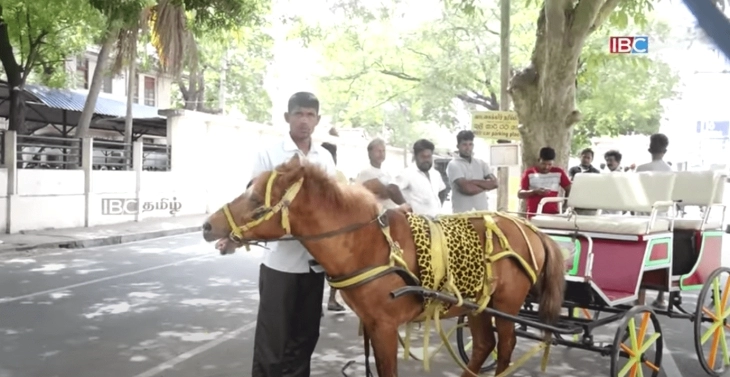
Horse Carts And Bullock Carts Are Back On Roads As Solution To Fuel Crisis

Horse carts are back in several cities including Jaffna as a solution to the current fuel crisis.

Bullock carts have also been deemed as a solution by the people severely affected by the acute fuel shortage in Sri Lanka.

Horse carts and bullock carts were widely used for transportation several decades ago. However, they became a rare sight as more and more vehicles entered the roads.

According to government sources, Sri Lanka is yet to source fuel for the next three months and the country is facing a debilitating foreign exchange crisis.

Source: Asian Mirror

Sri Lanka to open fuel import, retail sales market to foreign companies

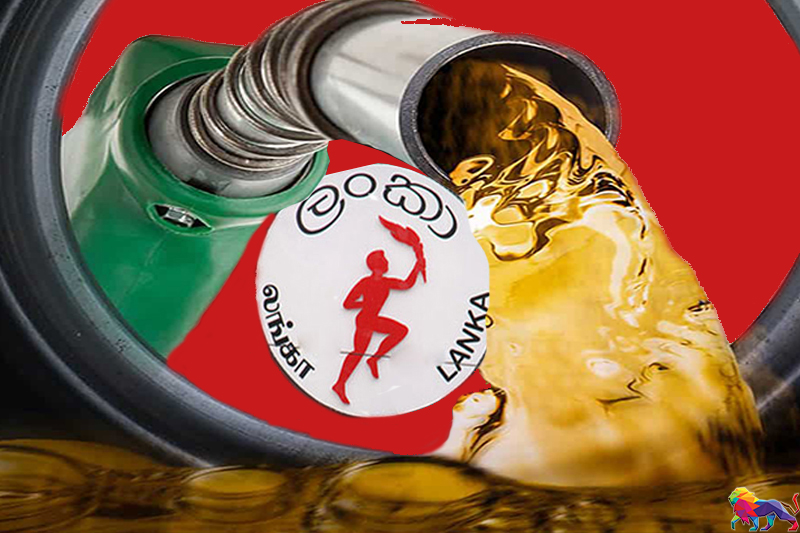
The Cabinet of Ministers has green-lighted opening up the fuel import and retail sales market to companies from oil-producing nations.

These companies will be selected on their ability to import fuel and operate without foreign exchange requirements from the Central Bank of Sri Lanka (CBSL) and other banks for the first few months of operations, Minister of Power & Energy Kanchana Wijesekara said in a tweet.

According to him, the Ceylon Petroleum Corporation (CPC) will be the service provider for logistics, stocking and distribution with a service fee charged from the selected companies.

Selected outlets of the existing 1,190 belonging to the CEYPETCO and new outlets will be made available for Lanka IOC and the new companies selected, he explained further.


The proposal for this was tabled by the Minister of Power & Energy, for entering into long-term agreements with selected companies in oil-producing countries by following the formal procedure.

Approximately, 90% of Sri Lanka’s fuel demand is fulfilled by the CPC, and the remaining 10% by Lanka IOC, the IndianOil’s subsidiary in Sri Lanka.

Ensuring an uninterrupted fuel supply to the country has become a challenge due to the current foreign exchange crisis in Sri Lanka, the Government Information Department said in a statement.

Accordingly, long-term agreements signed with selected companies in foreign oil-producing countries will allow them to import and sell fuel using their own funds, in a manner that does not put pressure on the foreign exchange issue in Sri Lanka.

Source: Adaderana.lk

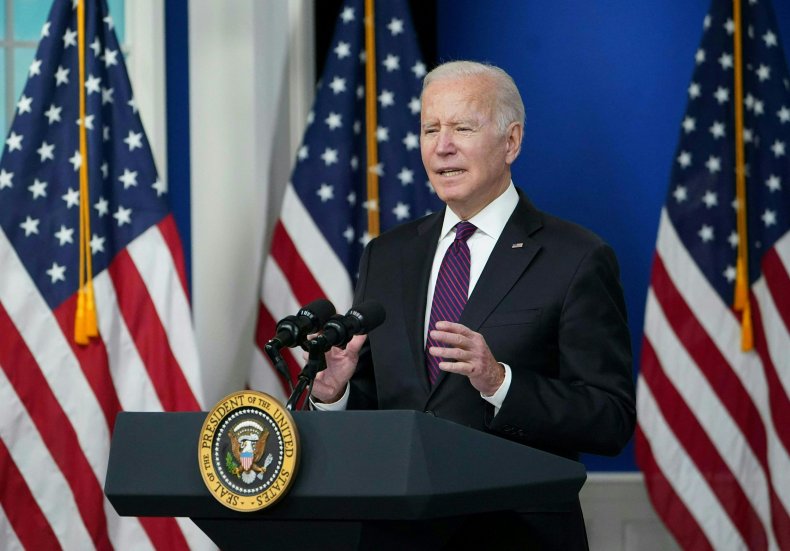
President Biden announces $20 Million in additional assistance to feed over 800,000 Sri Lankan children

At the G7 Summit today, President of the United States Joe Biden announced $20 million in additional assistance to strengthen food security in Sri Lanka. Building on other recent funding announcements from the United States, this newly posted assistance will target Sri Lankans most in need during the current economic crisis. The funding aims to support a school nutrition program that will feed over 800,000 Sri Lankan children and provide food vouchers for over 27,000 pregnant and lactating women over the next 15 months. The effort also plans to support approximately 30,000 farmers through the contribution of agricultural assistance and cash in order to increase food production in vulnerable Sri Lankan communities.

“President Biden’s announcement of $20 million in additional assistance to Sri Lanka demonstrates the United States’ ongoing commitment to food security, public health, and the economic well-being of all Sri Lankan people,” said U.S. Ambassador to Sri Lanka Julie Chung. “The United States will continue to support Sri Lankan efforts to promote economic stability and will ensure this assistance reaches the communities – and children – who need it most.”

The $20 million of humanitarian assistance announced today builds on nearly $12 million in recent U.S. commitments in economic and humanitarian assistance, totaling $32 million in U.S. support for the Sri Lankan people since June 16, 2022. Funding is provided through the U.S. Agency for International Development (USAID) and will be awarded to partners that adhere to globally recognized monitoring and evaluation standards. This ensures that funding is accounted for and assistance reaches those identified as most vulnerable to food insecurity.

Source: US Embassy in Sri Lanka