SJB signs No-Confidence & Impeachment motions

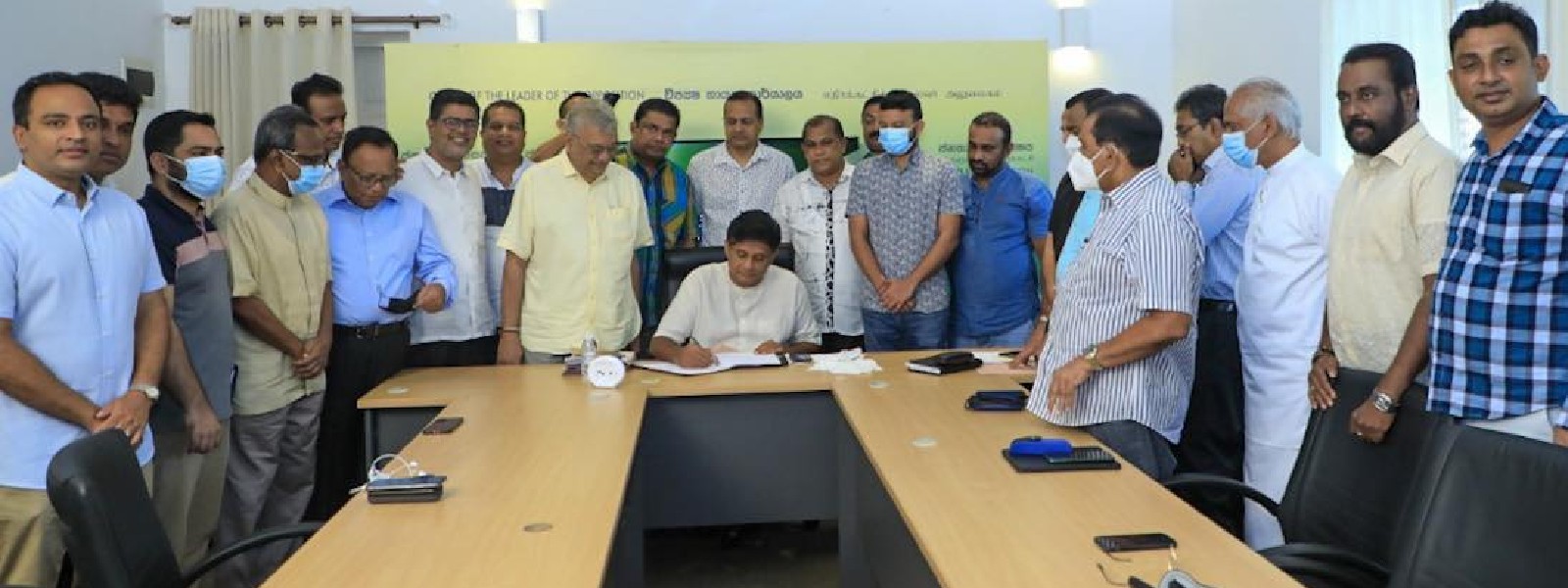
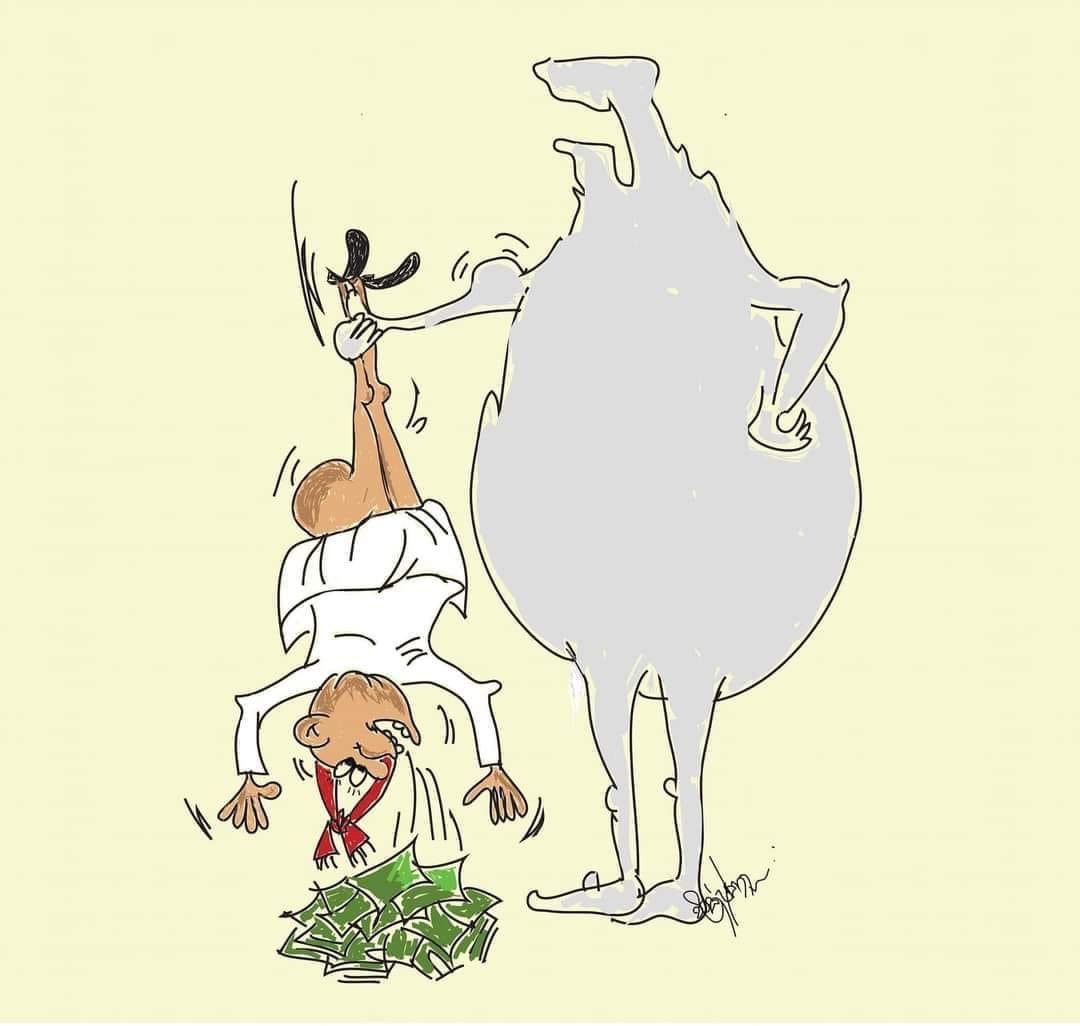
The Samagi Jana Balawegaya signed a no-confidence motion against the government and an impeachment motion against the President on Tuesday (12).

Thus, the Opposition Leader Sajith Premadasa, with his group of parliamentarians, signed them at the Office of the Leader of the Opposition, according to a Facebook post.

The Leader of the Opposition said that the Samagi Jana Balawegaya stands together with the people fighting on the streets against the government and will work for all possible democratic victories in Parliament to realize it.

He added that, in addition to the no-confidence motion and the impeachment, they will continue a fight for the reversal of the 20th Amendment and re-enactment of the 19th Amendment and for all democratic victories by constitutional means.

13 Sri Lankan banks placed on Rating Watch Negative – Fitch

Fitch Ratings has placed has placed 13 state and private banks in Sri Lanka under watch for possible downgrade (rating watch negative) due to forex shortages in the banking system.

The rating watch negative “reflects heightened near-term downside risk stemming from constrained access to foreign-currency funding and the resulting indications of stress experienced by the banks in the system,” Fitch said.

“This risk is exacerbated by the sovereign’s credit profile (Long-Term Foreign-Currency Issuer Default Rating (IDR): CC, Long-Term Local-Currency IDR: CCC) and the ensuing risks to the stability of the financial system.”

The full statement is reproduced below:

Fitch Places 13 Sri Lankan Banks on Rating Watch Negative

Fitch Ratings – Colombo – 12 Apr 2022: Fitch Ratings has placed the National Long-Term Ratings of 13 Sri Lankan banks on Rating Watch Negative (RWN). The banks are:

-People’s Bank (Sri Lanka) (PB)

-Commercial Bank of Ceylon PLC

-Hatton National Bank PLC

-Sampath Bank PLC

-National Development Bank PLC

-DFCC Bank PLC

-Seylan Bank PLC

-Nations Trust Bank PLC

-Pan Asia Banking Corporation PLC

-Union Bank of Colombo PLC

-Amana Bank PLC

-SANASA Development Bank PLC

-Housing Development Finance Corporation Bank of Sri Lanka (HDFC)

A full list of rating actions is at the end of this rating action commentary. Fitch will review the National Ratings of Sri Lankan financial institutions that are not mentioned in this commentary separately. Fitch has also taken rating action on Bank of Ceylon; please see Fitch Places Bank of Ceylon on Rating Watch Negative.

KEY RATING DRIVERS

The RWN reflects heightened near-term downside risk stemming from constrained access to foreign-currency funding and the resulting indications of stress experienced by the banks in the system. This risk is exacerbated by the sovereign’s credit profile (Long-Term Foreign-Currency Issuer Default Rating (IDR): CC, Long-Term Local-Currency IDR: CCC) and the ensuing risks to the stability of the financial system.

We believe mounting currency stress increases the likelihood of restrictions being imposed on banks’ ability to service their obligations in foreign currency – excluding
HDFC, as the bank does not have any outstanding foreign-currency obligations – and local currency in the event of a sovereign default, or prior, should confidence deteriorate.

We aim to resolve the RWN in the next six months, depending on the evolution of the banks’ funding and liquidity positions, which could result in multiple notch downgrades.

We believe the domestic banks’ foreign-currency funding and liquidity positions are prone to sudden changes amid already weak creditor sentiment. Loan and deposit dollarisation for the sector was at 18% of total loans and 17% of total deposits as at end-2021.

Sri Lanka’s operating environment remains challenging and our negative outlook on the score reflects the significant near- to medium-term downside risk presented by the weakening sovereign credit profile, as spillover effects could damage the country’s economic performance.

This has lead us to revise our 2022 outlook on the banking sector to ‘Deteriorating’, from ‘Neutral’.

Macroeconomic challenges are likely to be greater than we initially anticipated which could result in a sharp deterioration in asset quality and impaired profitability metrics that expose the banks to capital deficiencies.

The RWN on the ratings of the banks’ senior unsecured debentures, where assigned, stem from the RWN on the corresponding banks’ National Long-Term Ratings. Sri Lanka rupee-denoted senior debt, where applicable, is rated at the same level as the National Long-Term Rating in accordance with Fitch criteria. This is because the issues rank equally with the claims of the banks’ other senior unsecured creditors.

SUBORDINATED DEBT

The RWN on the ratings of subordinated debt, where assigned, also stems from the RWN on the corresponding National Long-Term Ratings. Sri Lanka rupee-denominated subordinated debt, where applicable, is rated two notches below banks’ National Long-Term Ratings. This is in line with our baseline notching for loss severity for this type of debt and our expectations of poor recovery.

RATING SENSITIVITIES

Factors that could, individually or collectively, lead to negative rating action/downgrade:

The RWN reflects rising risks to the banks’ ratings from funding stresses, which could lead to multiple notch downgrades. We expect to resolve the RWN in the next six months once the impact on the banks’ credit profiles becomes more apparent. Potential triggers that could lead to a multiple notch downgrade include:

– funding stress that impedes banks’ repayment ability

– significant banking-sector intervention by authorities that constrain banks’ ability to service their obligations

– a temporary negotiated waiver or standstill agreement following a payment default on a large financial obligation

– where Fitch believes a bank has entered into a grace or cure period following non-payment of a large financial obligation.

A downgrade of the sovereign rating stemming from a default event could also lead to a downgrade of the banks’ ratings.

Senior and subordinated debt ratings will move in tandem with the National Long-Term Rating

Factors that could, individually or collectively, lead to positive rating action/upgrade:

There is limited scope for upward rating action given the RWN.

PB has a 1.78% equity stake in Fitch Ratings Lanka Ltd. No shareholder other than Fitch, Inc. is involved in the day-to-day rating operations of, or credit reviews undertaken by, Fitch Ratings Lanka Ltd.

REFERENCES FOR SUBSTANTIALLY MATERIAL SOURCE CITED AS KEY DRIVER OF RATING

The principal sources of information used in the analysis are described in the Applicable Criteria.


China says doing ‘utmost’ to help debt-ridden Sri Lanka but silent on specifics

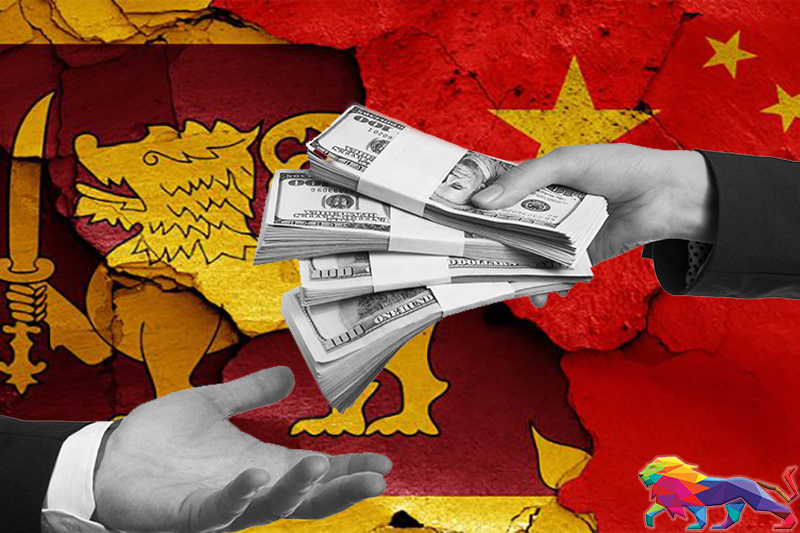
BEIJING: China on Tuesday reiterated that it is doing its “utmost” to provide assistance to debt-ridden Sri Lanka, even as Beijing maintained a steady silence on Colombo’s request for debt rescheduling as well as extending the promised $2.5 billion assistance.

Saddled with a huge forex crisis, Sri Lanka on Tuesday suspended servicing external public debt pending the completion of its discussions with the International Monetary Fund (IMF) and the preparation of a comprehensive debt restructuring program covering the obligations.

The policy shall be in effect for all international bonds, all bilateral loans excluding swaps between the Central Bank and a foreign central bank, all loans with commercial banks and institutional lenders, the Sri Lanka finance ministry said.

Asked about the reported request of Sri Lanka to China for monetary help to tide over the present crisis, Chinese foreign ministry spokesman Zhao Lijian on Tuesday reiterated his ministry’s previous remarks that China has been doing its utmost for Sri Lanka and will continue to do so.

“Since the establishment of diplomatic ties between China and Sri Lanka, the two countries have lent mutual support and understanding to each other,” Zhao told a media briefing here.
“China has been doing its utmost to provide assistance for the socio-economic development of SL and we will continue to do so going forward,” he said, reiterating what his ministry said on March 9.

Last month China acceded to Pakistan’s request to rollover $4.2 billion debt repayment to provide a major relief for its all-weather ally, which is reeling under major economic crisis.

Though there was no official announcement, the then Pakistan foreign minister Shah Mahmood Qureshi said this after talks with his Chinese counterpart Wang Yi during his visit to China on March 30.

Beijing is yet to react to last December’s request by Sri Lankan President Gotabaya Rajapaksa to reschedule debt owed by his country to China.

China is also silent on last month’s announcement by Chinese ambassador Qi Zhenhong that China is considering a $2.5 billion credit facility to Sri Lanka.

Qi’s announcement came close on the heels of an announcement by India to extend $1 billion line of credit to Sri Lanka as part of its financial assistance to help the country deal with the economic crisis.

India had extended a $500 million line of credit to Sri Lanka in February to help it purchase petroleum products.

“Sri Lanka has asked for $2.5 billion that includes a $1.5 billion buyer’s credit. It (the request) is under consideration,” Qi told reporters here.

“Both the countries now have to discuss how the loan and buyer’s credit will be used,” he added.

Qi, however, did not give any direct answer to questions on whether China would be restructuring the debt owed by Sri Lanka.

In his meeting with Chinese foreign minister Wang Yi in December in Colombo, Rajapaksa raised Sri Lanka’s deepening forex crisis and spiralling external debt and sought Beijing’s assistance.
Rajapaksa pointed out that it would be a great relief to Sri Lanka if attention could be paid on restructuring the debt repayments as a solution to the economic crisis that has arisen in the face of COVID-19 pandemic.

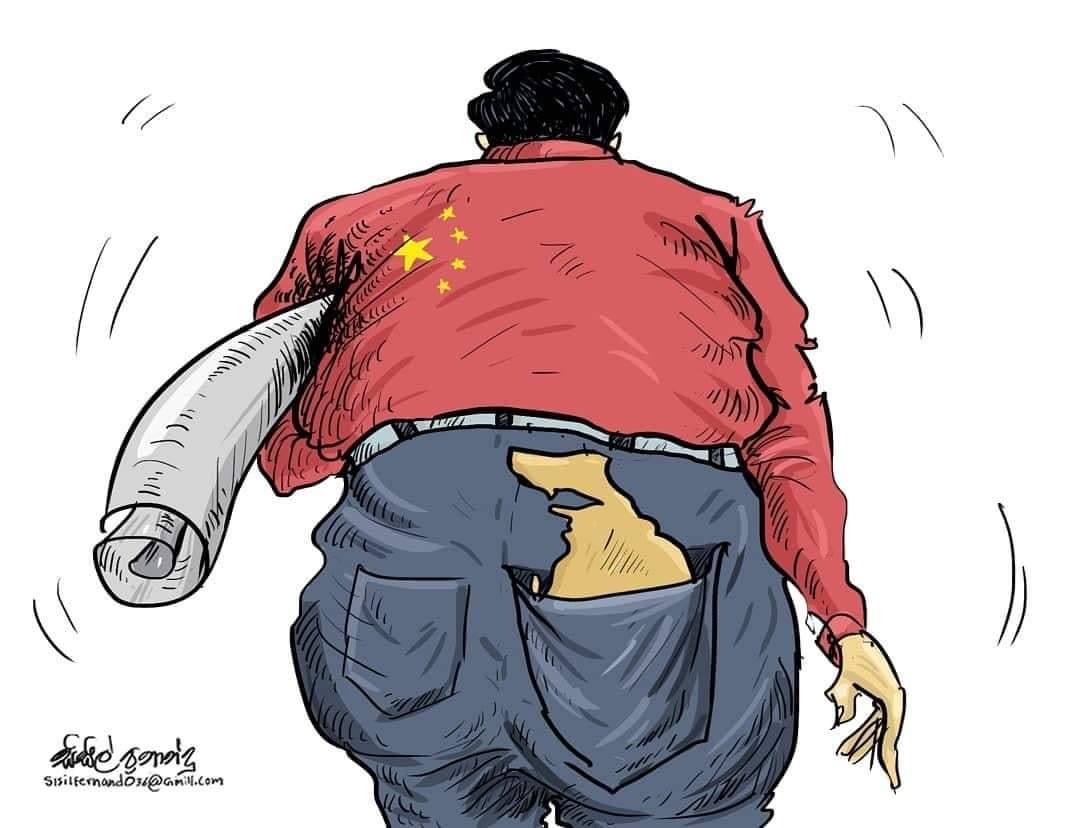
It is estimated that Sri Lanka owes debt payments to China in the region of USD 1.5 to 2 billion this year. Over all China’s loans and investments in Sri Lanka was estimated to be more than $8 billion in the last few years.

China’s takeover of the Hambantota port on 99 years’ lease for $1.2 billion debt swap drew international concerns over Beijing acquiring strategic assets far away from home by providing heavy loans and investment to smaller nations.

The Hambantota port together with Colombo port city project, where China is building a new city with reclaimed land in the sea, were viewed with concern, especially in India as Beijing solidified its footing in Sri Lanka, strategically located in the Indian Ocean.

Source:TOI

Posted in Uncategorized

Tamils in the Homeland and the Diaspora Must Stand United

Markham, Canada – The current political crisis and the peoples uprising in Sri Lanka have caught the attention of the world in recent days. The Sri Lankan citizens on ground are calling on President Gotabaya Rajapaksa and his 225-member legislature to step down, with the expectation that a regime change will salvage the country. However, in a televised address to the nation yesterday evening, the Prime Minister Mahinda Rajapaksa – who is the former President and a brother of the current President – not only made it clear that the ruling Rajapaksa family will not be giving up power but also proceeded to make ominous references to how anti-government protests have been suppressed in the past.

While undoubtedly the economic mismanagement, entrenched corruption, and the downturn in tourism caused by the COVID-19 pandemic can all be attributed toward precipitating this crisis, one of the major underlying factors has been the vast and unjustified military spending used to oppress the Tamil people and the devastation caused by the 26-year long war that has contributed to the decimation of growth and stability in Sri Lanka.
The Tamil Rights Group (TRG) wishes to highlight to the world the following as major underlying causes among others for Sri Lanka’s present crisis.
• The total military spending by the Sri Lankan Government from 1983 to 2020 has been a staggering USD 33.76 Billion. This total amount constitutes of USD 14.91 Billion spent during the war period of 1983 to 2009 and then the USD 18.85 Billion spent during the period of 2010 to 2020, an increase even after the military conflict had ended.
• Even for 2022 before the dire state of the economy was fully exposed, the government had proposed a defence budget of USD 1.86 Billion for 2022, a 14% increase over the allocation for 2021. This plan was contained in the appropriation bill for 2022 (as presented to parliament during October) and according to the bill would have accounted for 15% of total expenditure.
• The total capacity of the Sri Lankan military is over 300,000, with active personal deployed being around 255,000. This capacity makes the Sri Lankan military the 17th largest in the world, bigger than countries such as Japan, Mexico, Ukraine, France, Iraq, Germany, Israel and UK.
The war perpetrated on the Tamils ravaged Sri Lanka’s environment, economy and physical and social infrastructure, with the cost of the 26-year war being estimated at USD 200 Billion. (Note: The above data is from reliable reports attributed to World Bank, Janes, World Population Review and studies done by Asian Development Bank and other economic institutes in Asia.)
The situation in Sri Lanka is so desperate with people suffering without food, fuel, electricity and medicines, the Sinhalese masses are turning out on the street in unprecedented numbers for the first time to protest vehemently against the President and Government that, earlier today, began defaulting on its foreign debt payments. They are demanding his resignation and a regime change which they think will resolve the problems. While TRG stands in solidarity with these people suffering in all parts of the island, we want to highlight the fact that inflicting grave sufferings on people is not a new phenomenon for this government. Successive Sri Lankan governments, including the ones led by the Rajapaksa brothers, have subjected the Tamil people continuously to severe oppression and hardships, perpetrating untold atrocity crimes including genocide of the Tamils for decades. Even after more than 12 years have past since the end of the military conflict which culminated with the mass killings of Tamils through the “Mullivaikkal massacre”, the Tamils are continuing to be persecuted by the security forces who are conducting a de-facto military occupation of their traditional homeland in the North and East of the island.
As such the current uprising and unrest in the island nation was something expected. As a group advocating for Tamils’ rights in the island of Sri Lanka, the TRG urges all the Tamil politicians on ground and all the organisations in the Diaspora, to be vigilant at this critical time and join hands to take combined action as required to ensure that any steps being taken to resolve this crisis are built upon a solid foundation and political reform that will deliver a just resolution to the Tamil national question.
In this context, we also emphasize that the current crisis in Sri Lanka is one that, the successive governments of the island nation have precipitated since independence in 1948, through anti-Tamil government policies, incitement of hatred, human rights violations, corruption, and mismanagement of public funds. The need to find this just resolution is now extremely urgent, due to the authoritarian and corrupt rule by a president militarising civilian functions and bringing Sri Lanka to this desperate financial crisis, which may push the country irretrievably into the hands of powers employing coercive diplomacy. This is not only creating a disastrous scenario for the future wellbeing of everyone in Sri Lanka, but also creating a serious threat to the security and stability of the region.
TRG urges the Tamils and the international community to stand in unison, in calling on the governments of India, the QUAD nations and other institutions such as IMF to suspend any planned aid programs to Sri Lanka; until effective measures to address the following critical issues are negotiated and implemented prior to the commencement of any rescue program in Sri Lanka.
1. Accountability for surrenderers to the Army.
2. Demilitarisation with immediate withdrawal of troops from the North and East.
3. Immediate halt to land grabs and return of all confiscated land to the Tamils.
4. Repeal of the Prevention of Terrorism Act (PTA).
5. Immediate release of all political prisoners detained and convicted under the PTA.
6. Recognize Tamils’ Right to Self-determination and initiate dialogue with stakeholders to find a just political solution for the Tamil National Question with guarantees of non recurrence under the auspices of India and the international community.
7. Ensure that as part of the resolution, the respective government must agree to an International Criminal Tribunal of Sri Lanka to progress justice for the victims of atrocity crimes in Sri Lanka, including Transitional justice and institutional reforms based on guarantees of non-recurrence.
We also call upon the UN bodies and the international community to fulfil their obligations of Responsibility to Protect (R2P) under the UN Charter and take immediate action to prevent any brutal crackdowns on the protesting masses by the Government and Armed Forces of Sri Lanka.
For media inquiries: Katpana Nagendra, + 1 (778) 870-5824 | katpana@tamilrightsgroup.org

Tamil Rights Group (TRG) is an international not-for-profit organisation, headquartered in Markham, Canada, that seeks to further strengthen advocacy efforts for transitional justice and accountability for the Tamils of Lanka through international law measures, expanded global diplomacy, and defending their civil liberties within Sri Lanka. To this new chapter, TRG brings together a multigenerational team, deep networks within civil society in the traditional homelands and across the diaspora, and activists directly connected to the struggle for Tamil rights since the early 1970s.

Tamil Rights Group respectfully acknowledges that we are situated on the traditional territories of the Haudenosaunee, Huron-Wendat, Anishnabeg, Seneca, Chippewa, and the current treaty holders Mississaugas of the Credit peoples. We thank you for allowing us to continue our work in your territory.

Sri Lanka defaults on entire $51 billion external debt

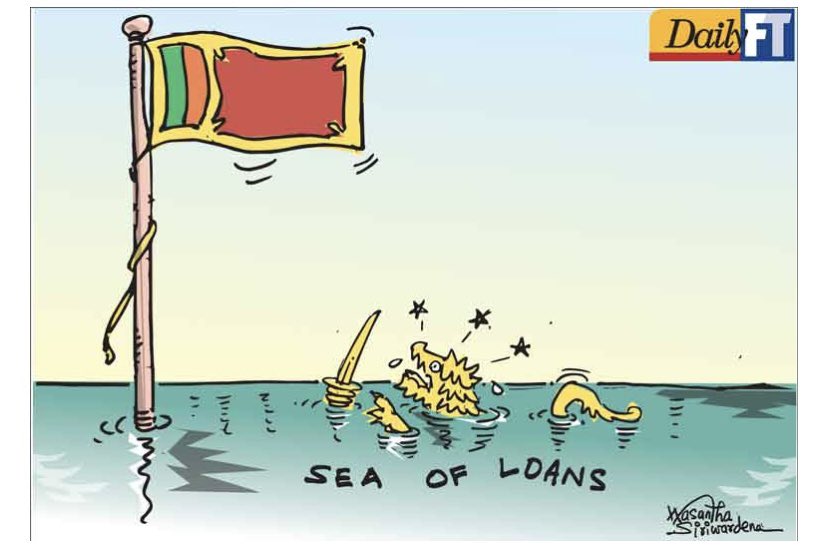
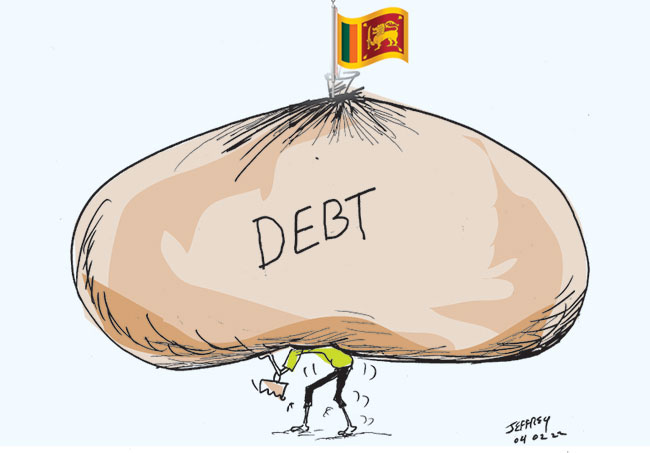
COLOMBO: Crisis-stricken Sri Lanka defaulted on its $51 billion external debt on Tuesday, calling the move a “last resort” after running out of foreign exchange to import desperately needed goods.

The island nation is grappling with its worst economic downturn since independence, with regular blackouts and acute shortages of food and fuel.

Sri Lanka’s finance ministry said in a statement that creditors, including foreign governments, were free to capitalise any interest payments due to them from Tuesday or opt for payback in Sri Lankan rupees.

“The government is taking the emergency measure only as a last resort in order to prevent further deterioration of the republic’s financial position,” the statement said.

It added that the immediate debt default was to ensure “fair and equitable treatment of all creditors” ahead of an International Monetary Fund assisted recovery programme for the South Asian nation.

The crisis has caused widespread misery for Sri Lanka’s 22 million people and led to weeks of anti-government protests.

International rating agencies had downgraded Sri Lanka last year, effectively blocking the country from accessing foreign capital markets to raise much-needed loans to finance imports.
Sri Lanka had sought debt relief from India and China, but both countries instead offered more credit lines to buy commodities from them.

Posted in Uncategorized

Omalpe Sobhitha Thera joins ‘Gota-Go-Gama’ protestors

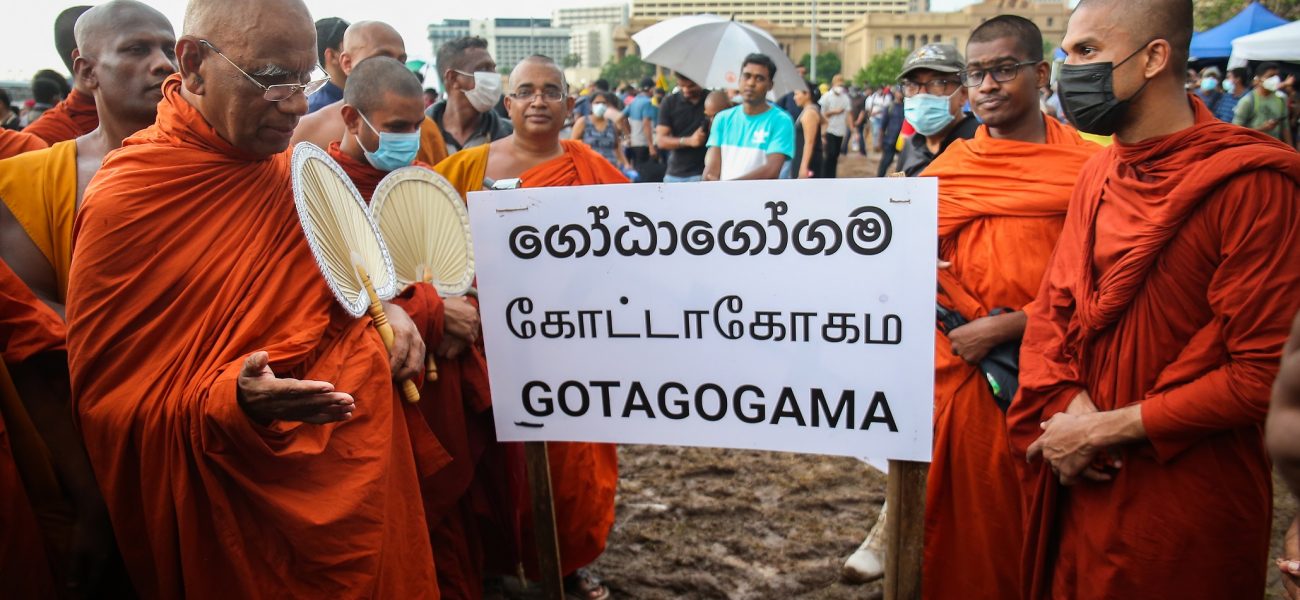
Amarapura Sect Chief Sanghanayake Ven. Omalpe Sobhitha Thera showed his solidarity with protestors at the newly-established village dubbed “Gota-Go-Gama” at the Agitation Site near Galle Face, by joining the protest being staged against the President and the Government, along with a group of monks.

The group of monks handed over a petition with their demands to the Police officers deployed on security duty at the entrance of the Presidential Secretariat, as they were denied entrance to the premises.

Ven. Omalpe Sobhitha Thera urged the Government to implement the proposals put forth by the Mahanayake Thera.

Protestors, who have occupied Galle Face and its surroundings since Saturday (9), in a massive protest against the President and the current Government, have set up a camp in the Agitation Site close to the Presidential Secretariat dubbed “Gota-Go-Gama”, with dozens of tents.

“Gota-Go-Gama” offers free food, water, toilets, and a makeshift medical camp for health emergencies, through the support of protestors.

In what may have been the largest crowd witnessed at a protest not organised by a political party or a trade union in recent decades in Sri Lanka, tens of thousands of people converged on Galle Face and its surrounding areas on Saturday (9) to demand the resignation of President Gotabaya Rajapaksa, increasing the pressure on the Government and the President himself.

Estimates of the attendance ranged from 100,000 to over 500,000, although no official count is available. The protestors were seen still standing outside the Presidential Secretariat yesterday (12), having commenced the protest on Saturday (9) morning. As the day went on, the protestors who had left returned to the site to boost the numbers.

Protestors have vowed to continue their protests until their demands are met. However, Chief Government Whip Johnston Fernando stated in Parliament that the President would not be resigning under any circumstances.

Posted in Uncategorized

SLFP MPs boycott talks with President after protests outside office

Following protests staged by people outside the Sri Lanka Freedom Party (SLFP) headquarters on Darley Road, Colombo 10, the parliamentary group of the SLFP boycotted the second round of discussions with President Gotabaya Rajapaksa scheduled to be held yesterday (12) to discuss the possibility of the formation of an Interim Government.

SLFP National Organiser MP Duminda Dissanayake said that the decision to boycott yesterday’s meeting was taken in protest over the issue that two MPs from their group, representing the SLFP, still serve in State Ministerial portfolios in the Government.

The protestors outside the headquarters expressed their anger and agitation about MP Shantha Bandara accepting the portfolio of State Minister of Promoting the Production and Regulating the Supply of Organic Fertiliser on 11 April from President Gotabaya Rajapaksa, replacing Shasheendra Rajapaksa.

The main demand of the protestors was to not “provide oxygen” to the Rajapaksa family or the Government by joining forces with the Sri Lanka Podujana Peramuna (SLPP). Following the protests, addressing a District Representatives’ meeting of the SLFP at the same venue, SLFP Leader and former President Maithripala Sirisena and the party’s General Secretary Dayasiri Jayasekera both stated that it would not support a Government which includes the Rajapaksas, mainly referring to the fact that Prime Minister Mahinda Rajapaksa could not remain as PM in any interim Government. However, there was no insistence on the resignation of President Gotabaya Rajapaksa, which has been the primary demand of protestors islandwide.

The SLFP MPs recently decided to sit independently in the Parliament.

MP Shantha Bandara accepted the portfolio of State Minister of Promoting the Production and Regulating the Supply of Organic Fertiliser on 11 April, replacing Shasheendra Rajapaksa who resigned, despite the SLFP Parliamentary group’s departure from the ruling SLPP, and its decision to sit independently in the Parliament and not accept Ministerial posts.

Meanwhile, it is reported that President Rajapaksa has refused to accept the resignation of MP Piyankara Jayaratne as the State Minister of Foreign Employment Promotion and Market Diversification.

Posted in Uncategorized

Sri Lankan Envoy Confident China Will Provide Debt Relief – Bloomberg

Sri Lanka’s top diplomat in Beijing said he’s very confident that China will come through on $2.5 billion in financial support as the island nation’s inflation-driven crisis becomes more dire.

Ambassador Palitha Kohona said that he’d received reassurances as recently as last week from authorities in China that arrangements for loans and credit lines were progressing. Sri Lanka is looking to borrow $1 billion from Beijing so that it can repay existing Chinese loans due in July, as well as a $1.5 billion credit line to purchase goods from the world’s No. 2 economy such as textiles needed to support the apparel export industry, he said.

“For us, it can’t come any sooner,” Kohona said, adding that it could be a matter of weeks. He wasn’t able to give a precise timeframe, and didn’t disclose the terms of the funding.

“Given the current circumstances, there aren’t that many countries that can step out to the pitch and do something,” he said. “China is one of those countries that can do something very quickly.”

Sri Lanka is embroiled in its worst economic crisis in decades, as consumer prices rose the fastest in Asia at about 19% last month. Soaring costs, widespread power outages, and shortages of food and medicine have fueled street protests and left President Gotabaya Rajapaksa with a minority in parliament.

Beijing has long enjoyed warm relations with Colombo but has yet to deliver a much needed lifeline to Sri Lanka. Rajapaksa had recently written to Chinese President Xi Jinping directly to seek credit support, Kohana said, and Sri Lanka officials are still encouraging Beijing to address the issue as soon as possible.

“Our request will be honored, but they have to go through the Chinese system,” he said. “We are very confident that sooner than later, these two facilities will be made available to us.”

Kohana said that Sri Lanka had also sought China’s help to buy items such as fuel that it was struggling to secure because of the nation’s foreign-currency shortage. He said he was unsure whether China could provide such support, given that it is a net importer of such goods.

Separately, Sri Lankan officials will meet with counterparts from the International Monetary Fund later this week to iron out details of a potential financial package to help it meet $8.6 billion worth of debt payment due this year. Kohana said he was hopeful to secure Chinese support that would enhance its chances for closing the deal.

“Given the nature of our relationship — this very close and warm relationship — and Sri Lanka’s dire situation, I would say that I am confident that China will respond positively to our request,” Kohona said of his nation’s overall efforts to secure funding from Beijing.

Posted in Uncategorized

Sri Lanka Announces Defaulting On All Its External Debt

Sri Lanka defaulted on its $51 billion foreign debt Tuesday as the island nation grapples with its worst economic crisis in memory and widespread protests demanding the government’s resignation.
Acute food and fuel shortages, alongside long daily electricity blackouts, have brought widespread suffering to the country’s 22 million people in the most painful downturn since independence in 1948.

Public anger has flared in recent weeks with crowds attempting to storm the homes of government leaders and security forces dispersing protesters with tear gas and rubber bullets.

Sri Lanka’s finance ministry said the country was defaulting on all external obligations, including loans from foreign governments, ahead of an International Monetary Fund bailout.

“The government is taking the emergency measure only as a last resort in order to prevent further deterioration of the republic’s financial position,” a statement from the ministry said.

Creditors were free to capitalise any interest payments due to them or opt for payback in Sri Lankan rupees, the ministry added.

Sri Lanka’s snowballing economic crisis began with an inability to import essential goods, after the coronavirus pandemic torpedoed vital revenue from tourism and remittances.

The government imposed a wide import ban to conserve its foreign currency reserves and use them to service the debts it has now defaulted on.

Economists say the crisis has been made worse by government mismanagement, years of accumulated borrowing and ill-advised tax cuts.

Public frustration with the government is widespread, with long queues around the island nation forming each day to buy scarce supplies of petrol, gas and kerosene for cooking stoves.

Thousands of people were camped outside President Gotabaya Rajapaksa’s seafront office in the capital Colombo in the fourth straight day of protests calling for him to step down.

Rating downgrade

International rating agencies also downgraded Sri Lanka last year, effectively blocking the country from accessing foreign capital markets to raise new loans and meet demand for food and fuel.

Sri Lanka had sought debt relief from India and China, but both countries instead offered more credit lines to buy commodities from them.

Official figures show that China and Japan, two key bilateral sovereign creditors, hold about 10 percent each of Sri Lanka’s foreign debt while India’s share is under five percent.

Just under half of Sri Lanka’s debt is market borrowings through international sovereign bonds and other similar instruments.

Estimates showed Sri Lanka needed $7 billion to service its debt load this year, against just $1.9 billion in reserves at the end of March.

Sri Lanka suspends normal debt servicing of all affected debts for an interim period

Sri Lanka has decided to suspend normal debt servicing of all affected debts for an interim period.

The Ministry of Finance said the suspension is pending an orderly and consensual restructuring of those obligations.

The Ministry further said the orderly and consensual restructuring will take place in a manner consistent with an economic adjustment program supported by the International Monetary Fund (IMF).

The policy of the Government in this regard applies to amounts of affected debts outstanding on 12th April 2022.

However, new credit facilities after that date are not subject to this policy and shall be serviced normally, the Ministry added.

The Finance Ministry’s interim policy regarding the servicing of Sri Lanka’s external public debt is as follows: https://www.treasury.gov.lk/api/file/54a19fda-b219-4dd4-91a7-b3e74b9cd683