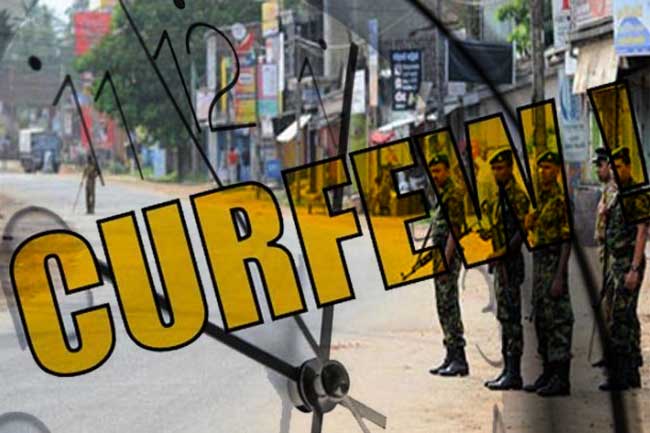
An islandwide curfew has been declared ahead of an ‘Arab Spring” style protest scheduled to be staged tomorrow (Sunday).
The curfew has been enforced from 6pm this evening (Saturday) to 6am on Monday.
A major protest was scheduled to take place tomorrow (Sunday) against the Government.
Some had claimed the protest will be similar to the Arab Spring protests in the Arab world.
The Arab Spring was a series of anti-government protests, uprisings, and armed rebellions that spread across much of the Arab world in the early 2010s. It began in response to corruption and economic stagnation and was first started in Tunisia.
From Tunisia, the protests then spread to Libya, Egypt, Yemen, Syria, and Bahrain, where either the ruler was deposed or major uprisings and social violence occurred including riots, civil wars, or insurgencies.
Sustained street demonstrations took place in Morocco, Iraq, Algeria, Iranian Khuzestan,[citation needed] Lebanon, Jordan, Kuwait, Oman, and Sudan. Minor protests took place in Djibouti, Mauritania, Palestine, Saudi Arabia, and the Moroccan-occupied Western Sahara.
Anger is boiling over in Sri Lanka at the country’s worst economic crisis since independence in 1948, much of it directed at the island nation’s all-powerful Rajapaksa family.
Late Thursday hundreds of people tried to storm the home of Gotabaya Rajapaksa, the current president and one of four politically active brothers. In a night of violence one person was injured and 45 were arrested.
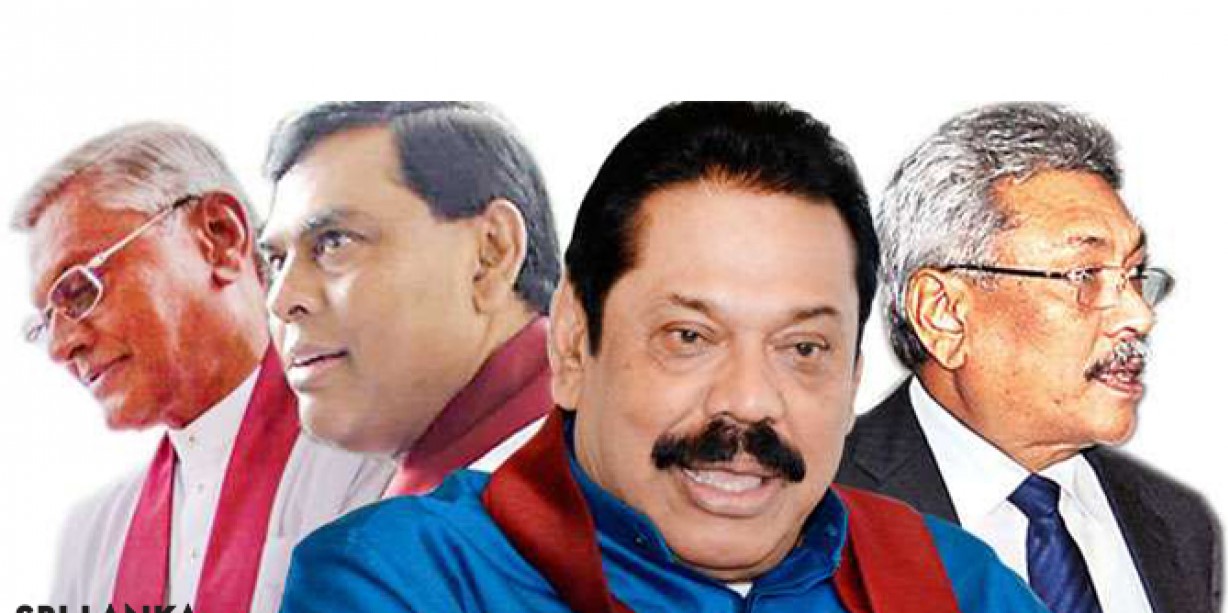
AFP profiles the clan, which has held sway over the nation’s politics for decades and which returned to power after a brief hiatus in 2019 when Gotabaya was elected president.
‘The Chief’
Mahinda Rajapaksa, 76, is the charismatic head of the group and the current prime minister. He previously held the post in 2004, and was then president from 2005 to 2015.
Gotabaya appointed him to the prime ministership a second time three years ago.
Mahinda is adored by the Sinhala-Buddhist majority for crushing separatist Tamil rebels in May 2009 following a brutal military offensive that ended a decades-long civil war.
The bloody final weeks of the civil war ended with — according to UN estimates — the deaths of around 40,000 civilians, who were herded into so-called no-fire zones that were then bombed by the Sri Lankan armed forces.
Rajapaksa denied the toll and refused an international probe into alleged atrocities. A series of local enquiries have failed to yield either a proper war crimes investigation or prosecutions.
During his rule Sri Lanka also moved closer to China, borrowing almost $7 billion for infrastructure projects — many of which turned into white elephants mired in corruption.
Critics say he also did little to bridge the divide with Sri Lanka’s Tamils after the war. The community is barred from commemorating their war dead and remain largely marginalised.
‘The Terminator’
President Gotabaya Rajapaksa, 72, was Mahinda’s main lieutenant during his time as head of state, holding the influential post of secretary to the defence ministry with day-to-day control of the armed forces and police.
He denies accusations that he was behind death squads that abducted and “disappeared” dozens of opponents in notorious white vans.
Dubbed “The Terminator” by his own family, he is feared by foes for his short temper.
As president he has presided over Sri Lanka’s spiralling economic crisis.
A dire shortage of foreign currency — needed to pay down Sri Lanka’s debt — forced the government to ban swathes of imports, causing severe shortages of essentials.
Sri Lanka’s heavily tourism-dependent economy was first hit by the Easter Sunday Islamist attacks of 2019 and then torpedoed by Covid.
But many experts say that economic mismanagement by the Rajapaksas is also to blame including years of chronic budget deficits and ill-advised tax cuts.
‘Mr. Ten Percent’
Basil Rajapaksa, 70, is a political strategist who managed the economy under Mahinda and is now finance minister.
He was called “Mr. Ten Percent” in a BBC interview in reference to commissions he allegedly took from government contracts.
Subsequent administrations failed to prove any charges he syphoned off millions of dollars from state coffers. All cases against him have been dropped since Gotabaya became president.
‘The Bodyguard’
Chamal Rajapaksa, 79, was speaker of parliament when Mahinda was president and is also a former minister of shipping and aviation. He currently holds the irrigation portfolio and is number two in the defence department under Gotabaya, who is also defence minister.
Formerly a police officer, he once served as a personal bodyguard to Sirimavo Bandaranaike, the world’s first woman prime minister.
The Scion
Namal Rajapaksa, 35, a lawyer, is the scion of the family dynasty and the eldest son of Mahinda, who is thought to be grooming him to be president one day.
He entered parliament in 2010 aged just 24, and is now minister for sports and youth.
During his father’s decade in power, Namal was highly influential although he did not hold any portfolio.
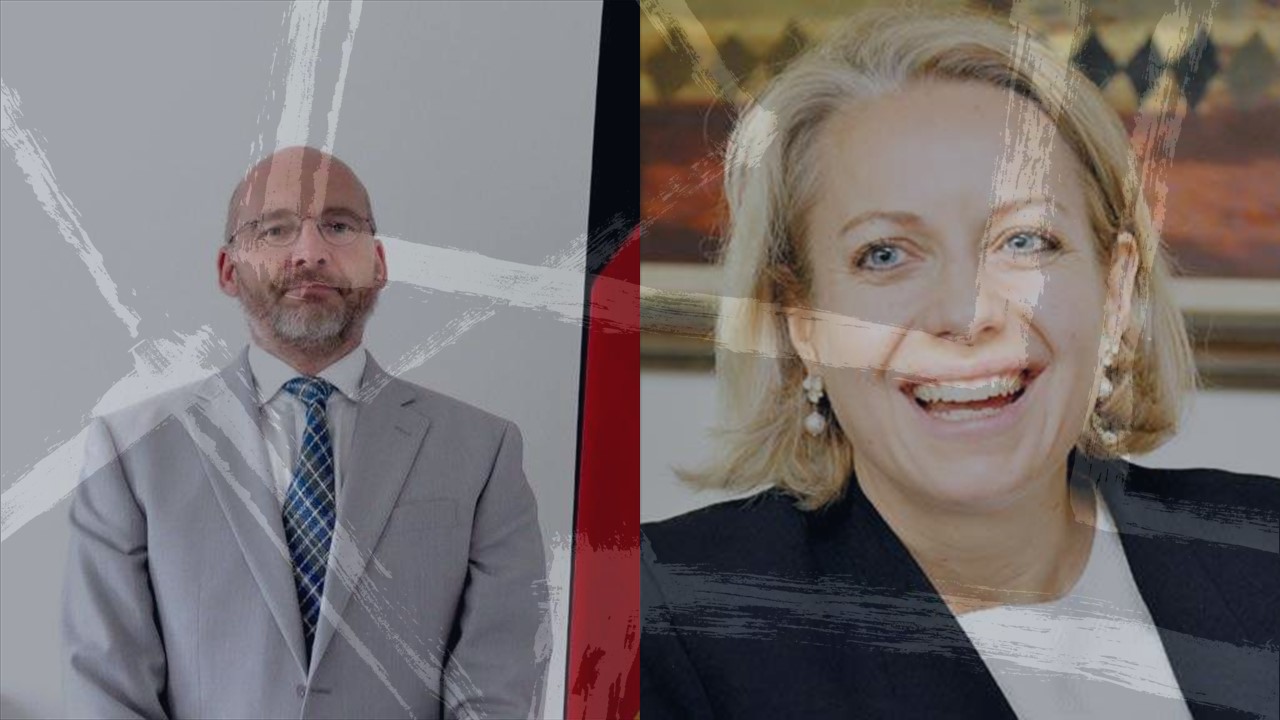
People demonstrating their rights is no emergency, however it is the emergency that brings them to the streets, says the Ambassador of Germany in Sri Lanka, Ambassador Holger Seubert.
In a tweet, the Ambassador had underlined that although there is an emergency in the country, the cause and effect should not be confused.
Meanwhile, the High Commissioner of the United Kingdom in Sri Lanka, Sarah Hulton she is concerned with regard to the use of force against journalists and protesters, and the recently imposed Emergency Laws.
A citizen’s right to protest peacefully is an essential part of democracy, she added.
True, there is an emergency in 🇱🇰. However, let’s not confuse cause and effect: People demonstrating for their rights are no emergency. It’s the emergency that brings them to the streets. https://t.co/sSr8sdD2qK
— Ambassador Holger Seubert (@GermanAmbColo) April 2, 2022
Concerned by reports of the use of force against journalists and protesters, and the recently imposed Emergency Laws.
A citizen’s right to protest peacefully is an essential part of democracy.
The Newly appointed US Ambassador to Sri Lanka Julie Chung emphasized that Sri Lankans have the right to protest peacefully.
She pointed out that it was essential for democratic expression.
In a tweet, she stated that she was closely monitoring the situation.
Sri Lankans have a right to protest peacefully – essential for democratic expression. I am watching the situation closely, and hope the coming days bring restraint from all sides, as well as much needed economic stability and relief for those suffering.
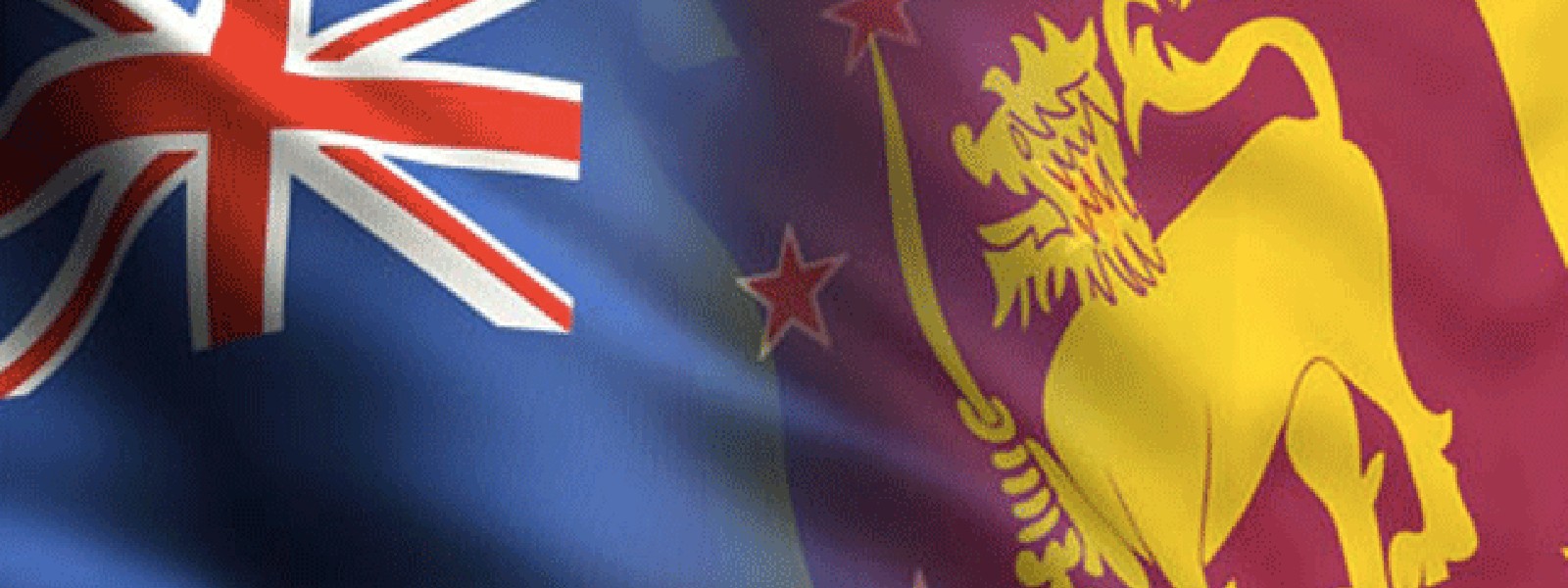
The High Commission of New Zealand in Sri Lanka has issued a notice with regard to the current economic situation.
Accordingly, the News Zealand High Commission has pointed out that as the economic situation continues to deteriorate, leading to shortages of basic necessities such as fuel and some food products, rationing of electricity has also resulted in lengthy power outages, which will likely continue for some time.
“There have been a number of recent protests relating to the economic situation. A protest in Colombo yesterday resulted in a curfew being imposed. Further protests and demonstrations are anticipated in Colombo and other parts of Sri Lanka, including on Sunday (3).
Kiwis in Sri Lanka are advised to avoid protest sites and demonstrations, as even those intended to be peaceful have the potential to turn violent. NZers are also advised to monitor local media for developments and comply with instructions, including curfews, issued by local authorities,” the High Commission said in a statement.
Moreover, New Zealanders in Sri Lanka have been encouraged to register at http://safetravel.govt.nz, and if consular assistance is needed, they have been urged to contact +94112174717 or email NZHCColombo@gmail.com.
For emergency consular assistance please contact the 24/7 New Zealand consular assistance line on +6499202020, it added.
Colombo, Sri Lanka – Police in Sri Lanka have lifted an overnight curfew in the country’s capital after arresting dozens of people and quelling unrest that saw large crowds attempt to storm President Gotabaya Rajapaksa’s private residence amid anger over a worsening economic crisis.
At least 54 people were detained in Colombo’s Mirihana district in the early hours of Friday, the police said, branding the protesters as “organised extremists” trying to “create anarchy in the country”.
Some of them “carried iron bars, sticks and sharp weapons” and tried to incite protesters to storm the president’s residence, it added.
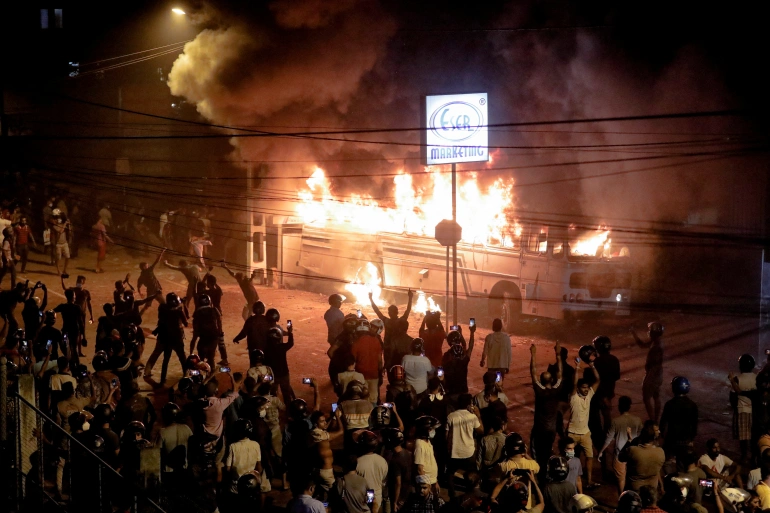
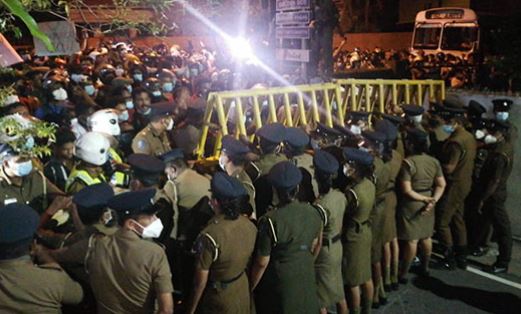
Earlier on Thursday night, Al Jazeera witnessed hundreds of protesters in Mirihana throwing stones and clashing with police as they pushed through the first line of barricades blocking the road to Rajapaksa’s home.
The police responded with tear gas and water cannon as the crowds chanted “Go home Gota, go home!” and “Gota is a dictator”.
Videos from the protest site, posted by the News Wire outlet on Facebook, later showed a police bus on fire and protesters tending to a man with a bloodied face. Police said two military buses and a four-wheel drive were set ablaze.
It was not clear if the president was at his residence at the time.
A spokesperson for the police declined to comment.
The calls for Rajapaksa’s resignation came as Sri Lanka struggles with an economic downturn sparked by a foreign exchange crisis that has left the government unable to pay for imports of fuel, food, medicine and other essentials. The shortages have resulted in daily rolling blackouts for up to 13 hours in the island nation of 22 million people, and led to some state-run hospitals suspending routine surgeries.
Sri Lanka has turned to the International Monetary Fund for a bailout and is also seeking financial help from China and India. Beijing and New Delhi are reportedly each considering offering $1.5bn in credit facilities, on top of loans worth billions of dollars requested by Rajapaksa’s government.
The protests on Thursday were the latest in a series of nightly demonstrations in Colombo’s suburbs over the past week. The gathering began peacefully, with hundreds of people rallying a few streets away from Rajapaksa’s home.
“We came to protest the unbearable cost of living, fuel shortages and electricity cuts,” said 26-year-old Ajith Perera, who spoke to Al Jazeera before the police cracked down. “The decision to come to the president’s house was spontaneous. We want the president, who has caused so much destruction, to go home.”
Mohamed Asri, a 21-year-old protester, told Al Jazeera he travelled to Mirihana from another Colombo district after seeing coverage of the protest on local television channels.
“The economy is so bad that we can hardly eat two meals a day,” he said. “Things were never this bad in my lifetime. Gota has to go.”
‘Everyone is angry’
After the Mirihana gathering devolved into violence, protests spread throughout the city, with demonstrators using burning logs to block the main highway from Colombo to Sri Lanka’s second-biggest city, Kandy.
“I am angry, everyone is angry,” said protester Saman Wanasinghe. “Who knows what will happen now? There will be protests all over.”
But police – who were deployed to the capital’s streets in force – quickly quelled the unrest and Colombo was calm by dawn on Friday.
Analysts have said the economic crisis in Sri Lanka – which only emerged from a 26-year-long civil war in 2009 – stems from mismanagement by the Rajapaksa government during the COVID-19 pandemic. Despite an ill-timed tax break that depleted government coffers and border closures that resulted in the disappearance of tourism revenues, the government delayed seeking IMF help, they said.
Amid the inaction, Sri Lanka’s foreign exchange reserves dropped by 70 percent in two years, and annual inflation soared by up to 55 percent, according to some estimates.
Alan Keenan, a senior consultant at the International Crisis Group, said Thursday’s protest outside Rajapaksa’s house “was an unprecedented show of anger and defiance” against the president, who is feared by many, partly because he – as the former defence minister – spearheaded a bloody campaign that quashed a separatist rebellion by Sri Lanka’s ethnic Tamil minority.
The United Nations says Sri Lankan forces killed at least 40,000 Tamil civilians in the last days of the war, while rights groups also accuse Rajapaksa and his elder brother Mahinda, who was the president at the time, of overseeing a crackdown against those who opposed the military’s brutal tactics, including journalists and dissidents from the country’s Sinhalese Buddhist majority.
The Rajapaksas, who deny the allegations of rights abuses, lost power following an election in 2015 due to increased public anger about authoritarianism, nepotism and corruption. But they returned to power just four years later, with Gotabaya Rajapaksa winning the presidency after campaigning on a platform of improving security and tackling what he called “Muslim extremism” in the wake of a series of deadly ISIL-claimed attacks on churches and hotels in the country.
His brother Mahinda then became the prime minister. And their eldest brother was appointed agriculture minister while the youngest brother became the finance minister.
Keenan said Thursday’s protests indicated “a sea change in attitudes and willingness to take action” on the Sri Lankan public’s part.
But he cautioned that it was virtually impossible to remove Gotabaya Rajapaksa, as constitutional reforms in 2020 have given the president extraordinary powers while his party’s grip on parliament remained firm.
“With anger growing and inhibitions against violent protest falling away, the current situation is a very dangerous one, even as it contains potential seeds of democratic change,” Keenan said.
“Many fear the government could resort to violence – either directly or through a staged incident, perhaps designed to redirect popular anger against Muslims. Vigilance from influential governments and international bodies like the United Nations is thus essential.”
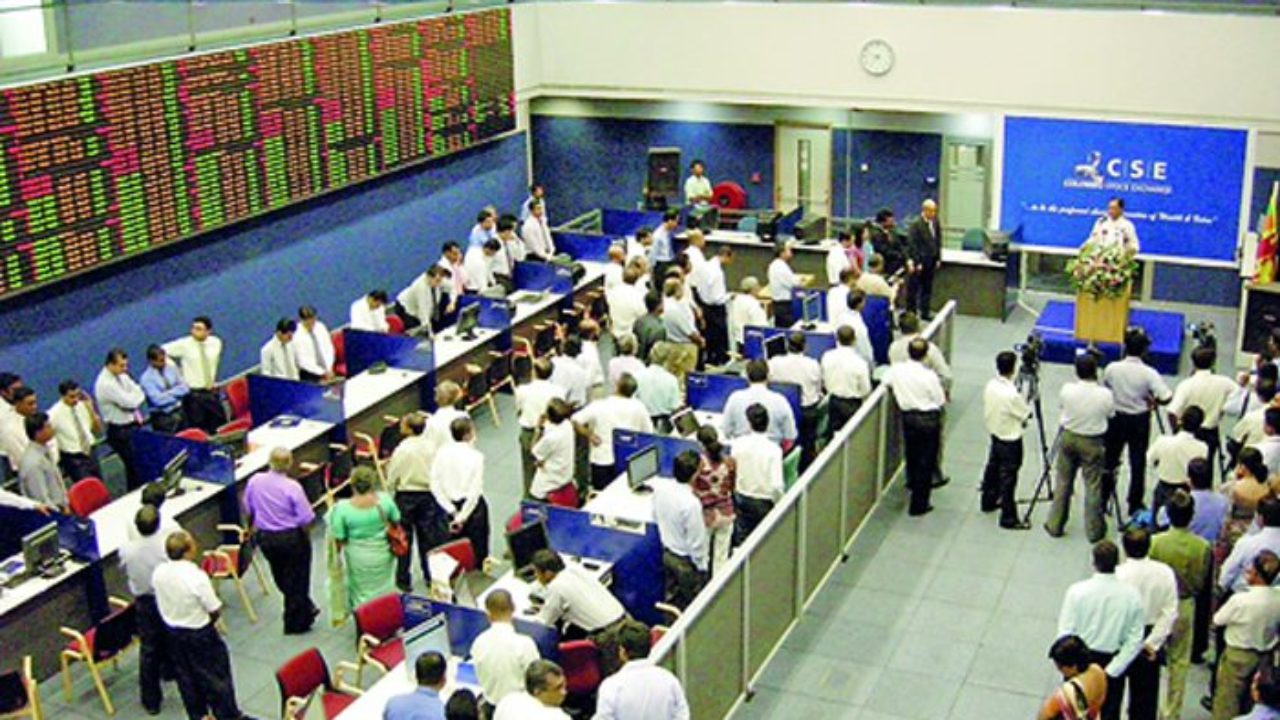
Sri Lanka’s stock trading was for 30 minutes for the second time on Friday as an index of liquid stocks dropped 9.6 percent, after a trading re-started from a earlier fall of 5.0-pct extending a rout seen over recent days.
The market has “been halted for 30 minutes due to the S&P SL20 index dropping over 7.5% from the previous close,” the Colombo Stock Exchange said. The halt will be lifted at 11.33am.
“..the Market has been halted for 30 minutes due to the S&P SL20 index dropping over 5% from the previous close,” the Colombo Stock Exchange said.
Sri Lanka’s stock have been moving up with money printed to keep interest rates low which has de-stabilized an unstable flexible exchange rate or soft-peg.
Prices were partly driven by inflation expectations, with export firms in particular promoted with currency depreciation expected due to money printing.
Overnight there were protests near President Gotabaya Rajapaksa’s residence.
Protestors were peaceful but there was a sudden violence. It is not clear who triggered the violence.
Public outrage against President Gotabaya Rajapaksa, Prime Minister Mahinda Rajapaksa and Sports Minister Namal Rajapaksa has seen a rapid rise on social media
Anger against the Rajapaksas has being growing on social media after the power cuts, fuel and gas shortage continued.
Social media users, including a number of prominent personalities have openly criticized the Rajapaksa administration on social media over the current state of affairs.
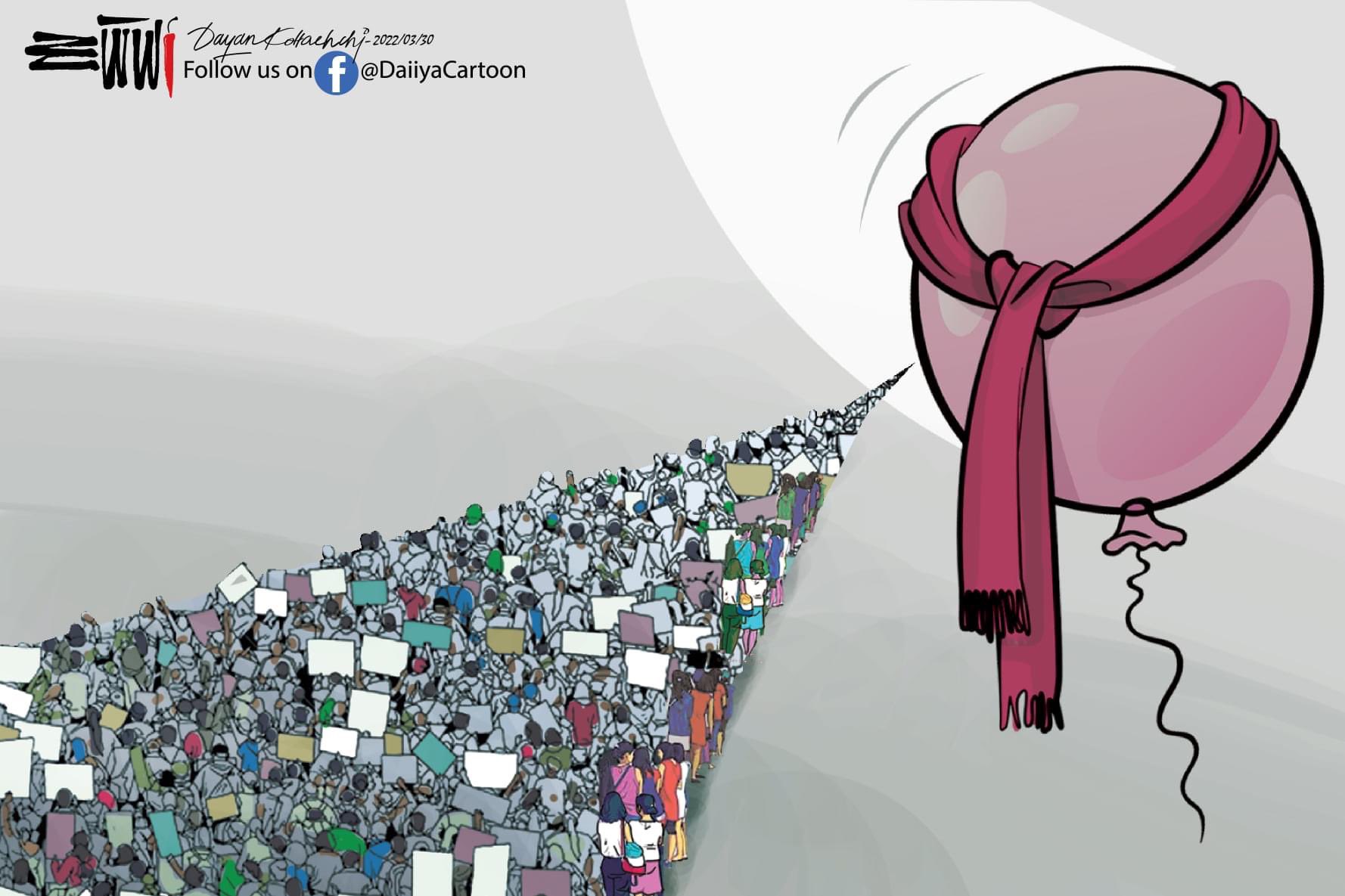
Meanwhile, public demonstrations are set to continue against the Government with a ‘white cloth’ campaign to be launched tomorrow.
The white cloth campaign being launched outside the Nelum Pokuna theater will see white cloth being tied on the side mirrors of vehicles.
Organisers said that the campaign, to be launched at 5pm tomorrow (Saturday), will see a chain reaction with more and more motorists tying white cloth on the side mirrors during the coming week, as a mark of protest.
Candle light protests are also continuing in several parts of the country.
On Wednesday night motorists tooted their horns in protest against the Rajapaksa administration.
Meanwhile, some shopping malls and supermarkets were in complete darkness yesterday after they ran out of fuel to operate their generators.
Liberty Plaza, a leading mall in Colombo was without power last morning with shop owners being informed that there was no diesel to operate the generators.
Shop owners at Liberty Plaza told Daily Mirror that their businesses took a serious hit as a result of the power crisis
People in Sri Lankan capital Colombo, suffering for weeks under a terrible economic crisis, erupted in protest late this evening. More than 5,000 people held a protest march in the Lankan capital near the President’s house demanding that he step down, and clashed with the police. The paramilitary police unit, a Special Task Force, had to be called in to quell the protests.
There has been a critical shortage of food and essential items, fuel and gas for weeks as the country grapples with the worst economic downturn since its independence.
This evening, diesel was no longer available, leaving the country’s 22 million people under a 13-hour power blackout and keeping transport off the roads. The blackout had spin-off effect on state-run hospitals which already had stopped surgeries due to shortage of medicines.
The electricity rationing hit mobile phone base stations and affected the quality of calls. The Colombo Stock Exchange had to limit trading by half to two hours, and offices asked non-essential staff to stay home.
Street lights were being turned off to save electricity, news agency Reuters reported, quoting a minister.
By evening today, the people started converging on the road near the house of President Gotabaya Rajapaksa, demanding that he and his family “Go home”.
The President’s elder brother Mahinda Rajapaksa serves as prime minister while the youngest, Basil Rajapaksa, holds the finance portfolio. The eldest brother Chamal Rajapaksa is agriculture minister while nephew Namal Rajapaksa holds the cabinet post for sports.
The trouble started when the police attempted to disperse the protesters, who were waving posters and shouting slogans. The mob threw bottles and stones at the police and the crowd could be controlled only with tear gas and water cannons.
Visuals from the spot showed the mob encircling two policemen on bikes. The slogan shouting was punctuated by sounds of shattering glass and crashing stones. A police bus was set on fire.
Mr Rajapaksa was not at home during the protests, reported Agence France-Presse quoting official sources.
Nandakumar, the Deputy Inspector General of Colombo, said the mob was “not unruly”. “It is fine… nothing to worry,” he told NDTV. Asked how they plan to disperse the crowd, he said, “We cannot say anything to them now”.
Since yesterday, local television channels and NDTV have reported protests erupting in various parts of the country. In several towns, motorists blocked main roads.
The current crisis has its roots in the Lankan government’s move to ban imports back in March 2020. The move was meant to save foreign currency for the government’s $51 billion debt. But this led to a widespread shortage of essential items and skyrocketing prices.
The government has said it is seeking a bailout from the International Monetary Fund. It has also sought loans from India and China.
** The captain was holding the vessel in international waters till the payment was released
** The President had given a guarantee that funds would be released for the shipment, but the captain has refused to accept this guarantee
**The government is liable for demurrage fees for the delay in clearing the shipment but right now no immediate funds are available for the shipment to be unloaded.
**This will lead to the diesel shortage presently existing in the market, to be extended by a few more days
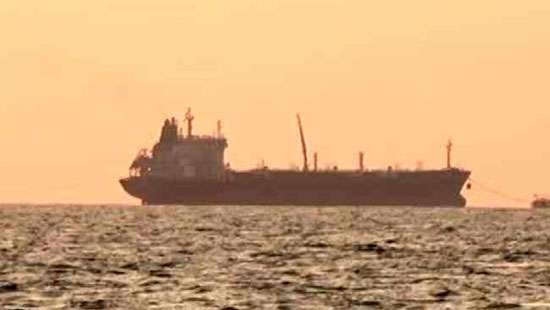
A ship carrying the much required diesel shipment for this week is currently in international waters and the captain of the vessel is refusing to enter local waters, till such time the payment for the shipment is made upfront, senior sources in the industry told Daily Mirror last evening.
It is still unclear how many tonnes of diesel the vessel is carrying but sources said the captain was holding the vessel in international waters till the payment was released.
President Gotabaya Rajapaksa had given a guarantee that funds would be released for the shipment, but the captain has refused to accept this guarantee. He also fears that if his vessel enters local waters, it will be kept lying for several days with the Sri Lankan government being unable to clear it.
The government is liable for demurrage fees for the delay in clearing the shipment but right now no immediate funds are available for the shipment to be unloaded.
Once the government confirms that the payment is ready and has been made the vessel will enter the Colombo Port for unloading.
This will lead to the diesel shortage presently existing in the market, to be extended by a few more days.
The Ceylon Petroleum Corporation has requested the public not to queue at filling stations for diesel as no stocks are available.
However from the shipments already received, diesel will be distributed for essential supplies only.