Sri Lanka shipping agents seek dollarized payments amid forex trouble

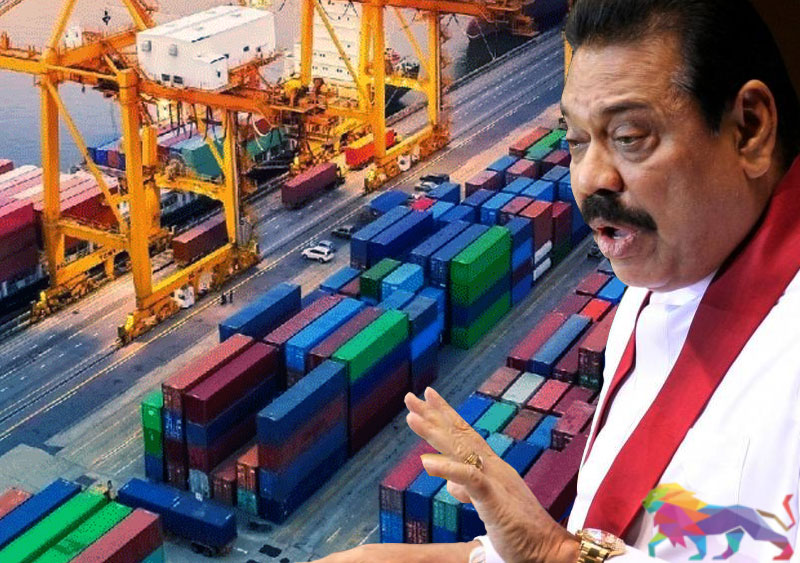
Sri Lanka’s shipping agents have asked for dollarized freight charges, a report said as foreign exchange shortages intensified amid low interest rates and liquidity injections.

“The current US dollar shortage in the banking system has made it difficult to convert any rupee collections of freight to US dollars in order to make the remittances to principals,” Sri Lanka’s The Sunday Times newspaper quoted the Ceylon Association of Shipping Agents representing lines as saying.

“Hence shipping lines are forced to request exporters to pay freight in US dollars.”

Exporters have been told by shipping lines to pay freight in dollars and they in turn have raised the matter with Sri Lanka’s Export Development Board.

CASA had warned that delays in paying principles could reduce freight allocations for Colombo compared to other countries where payment are made faster, and this may make it difficult for exporters to meet customer deadlines, the newspaper said.

“The average value of export freight per month is US$ 100 million and it is vital for shipping agents to retain foreign funds held in Principals’ accounts to meet on going disbursements as well as remit funds to Principals in accordance with the Agency Agreements between Principals and Shipping Agents,” the CASA was quoted as saying.

Sri Lanka has printed around 1.6 trillion rupees from January 2020 to November 2021 and lost 5.6 billion US dollars in balance of payments deficits up to October 2021.

About 350 billion has been absorbed in a reserve money expansion and inflation.

Holders of rupees now find it difficult to convert to dollars at the 200 to the US dollar soft-peg as its credibility has been lost due to two years of money printing to maintain low interest rates.

Parallel exchange rate are now around 250 to the US dollar.

Under severe monetary instability involuntary market dollarization takes place.

Analysts have suggested that dollarization be encouraged to get over the barrier of converting dollars to rupee and back again, especially for the government.

Related

Sri Lanka should prepare to float, and promote parallel dollarization: Bellwether

Allowing dollarized settlement of contracts avoid ‘jumping the hoop’ between Sri Lanka’s and US monetary bases, at a time when the peg has lost credibility, EN’s economic columnist Bellwether has said.

Parallel Dollarization

However parallel dollarization in the form of taxes being paid in US dollars, utility and energy bills being paid in US dollars would also allow both the government and importers to get US dollars without disturbing domestic reserve money.

The central bank has ordered banks to sell 25 percent of their dollars to it, which analysts had warned tends to create more rupees and further undermine the peg, which is on its weak side.

Key points

*One part of the surrender rule, allowing exporters to buy SLDBs is correct. That will directly transfer dollars to the government without having to go through the rupee credit system. However since some SLDBs were earlier repaid in rupees, their attractiveness is now less than before.

*In the same way the exporters should be allowed to pay taxes in dollars. The government can give the same two rupee extra (a discount) for paying taxes in dollars now given to expat workers.

*Exporters and hotels can also pay electricity bills in dollars. This will keep the power flowing to their factories and hotels. They can also pay dollars for fuel. This will keep fuel flowing to their factories and trucks.

*Exporters and hotels should also be allowed to pay their suppliers in dollars. That way the problem that is there with some inputs to the export industry will disappear.

*This includes tea exporters. Plantations have to buy some chemicals and other inputs for which suppliers can no longer get dollars. Some export manufacturing firms also get inputs from local importers including specialist chemicals where the agencies are held by locals.

*In fact SLDB bond auctions should be held weekly like Treasury bill auctions.

*Governor Nivard Cabraal’s suggestion of allowing car imports for dollars and taxes to be paid in dollars is absolutely correct.
Sri Lanka food prices hit record highs as shortages bite -AFP

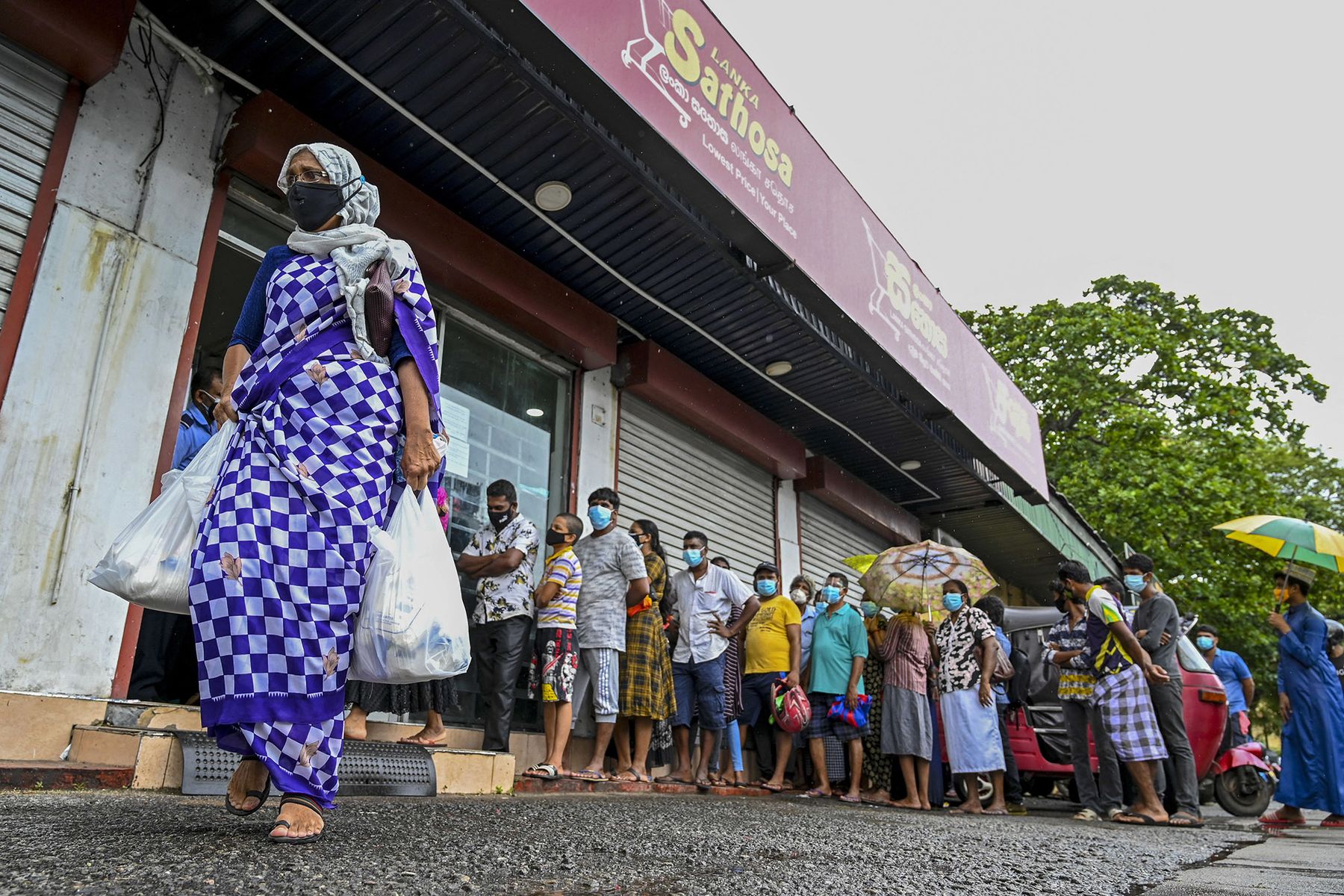
Sri Lanka’s food prices rose by a record 22.1 per cent in December, official figures showed Saturday (Jan 1), as the country struggles to finance urgent imports to tackle an acute shortage of essentials.

The census and statistics department said food inflation hit an all-time high last month on a year-on-year basis since the Colombo Consumer Price Index (CCPI) was launched in 2013.

The price increases in December compared to a figure of 17.5 per cent in November, the previous record, the department said.

It added that overall inflation was also at a record 12.01 per cent in December, the highest since the CCPI index was launched.

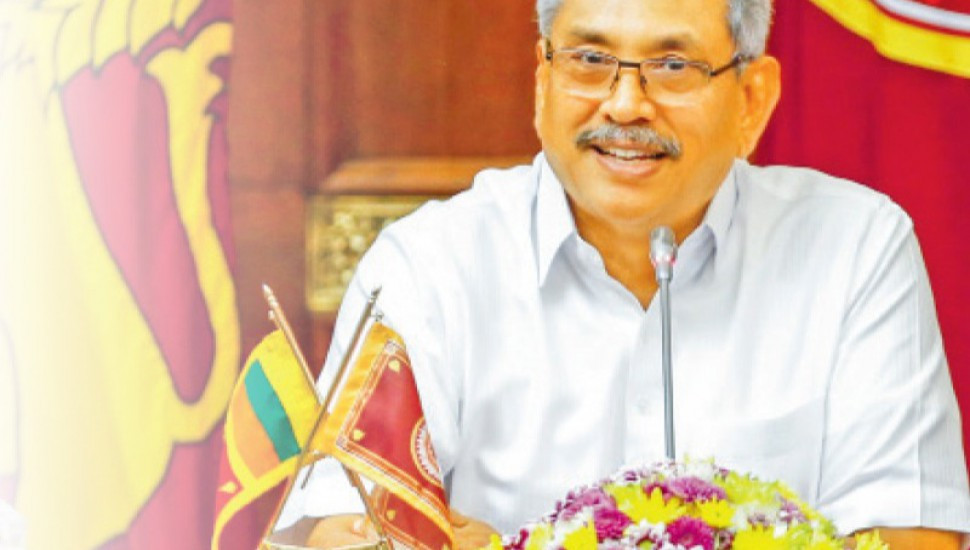
President Gotabaya Rajapaksa in his New Year message expressed hope of reviving the cash-strapped economy but did not announce measures to address the crippling foreign exchange crisis.

“I am confident that the new year will provide an opportunity to further the steps taken by the government to pursue and overcome challenges and strengthen the people-centric economy,” he said.

International rating agencies have downgraded Sri Lanka and raised concerns about its ability to service its debt of US$26 billion.

The latest inflation figures were released a day after the government increased the price of milk powder by 12.5 per cent following a similar rise in fuel prices last month.

The island’s tourism-dependent economy has been hammered by the pandemic and the government was forced to impose a broad import ban to shore up foreign exchange reserves.

Supermarkets have for months been rationing milk powder, sugar, lentils and other essentials as commercial banks ran out of dollars to pay for imports.

A top agricultural official warned last month of an impending famine and asked the government to implement an orderly food rationing scheme to avoid such a scenario. He was fired within hours of making the appeal.

Food shortages have been worsened by the government’s ban on agrochemical imports, which was lifted in November after widespread crop failures and intense farmer protests.

Sri Lanka had foreign reserves of just US$1.58 billion at the end of November, down from US$7.5 billion when Rajapaksa took office in 2019.

This week the government drew down a US$1.5 billion Chinese loan and claimed reserves had nearly doubled to US$3.1 billion by the end of 2021.

The central bank has appealed for foreign currency – even loose change that people may have after returning from overseas trips.

Sri Lanka’s Finance Minister Basil Rajapaksa to visit India to attend the ‘Vibrant Gujarat’ summit

Sri Lanka’s Finance Minister Basil Rajapaksa would lead a delegation to the ‘Vibrant Gujarat’ summit to be held from January 10 to 12, The Hindu reported quoting official sources.

He is likely to hold talks with Prime Minister Narendra Modi during this visit, his second to India in about a month.

The report said the Minister would travel to India a day after Chinese Foreign Minister Wang Yi concludes his two-day visit to the island nation, signaling Colombo’s intensive engagement with both New Delhi and Beijing at a time when it faces one of its worst economic meltdowns in history.

Mr. Basil Rajapaksa was in New Delhi from November 30 to December 2. Despite officials indicating that he was scheduled to call on Mr. Modi, the meeting did not take place, reportedly due to scheduling issues – something that Sri Lankan media highlighted prominently in their coverage of the high-profile visit.

He, however, held talks with External Affairs Minister S. Jaishankar and Finance Minister Nirmala Sitharaman. They drew up a “four pillar” initiative, as part of which India agreed to extend emergency Lines of Credit for import of food, medicines and fuel, and a currency swap to help the island nation tide over its relentless dollar crisis.

Sri Lanka’s external reserves stood at $3.1 billion at year-end, the Central Bank of Sri Lanka said on Wednesday — an increase from the $1.6 billion reported last month — although some have challenged the claim, asking if the bank was including the $1.5 billion currency swap cleared by China earlier this year.

Colombo-based think tank Pathfinder Foundation has warned of a “a very real possibility of a sovereign debt default” next year, citing the $ 1 billion due in debt-service payment in January 2022, and a total $ 7 billion to be served through the next year.

American credit rating agency Fitch on December 17 downgraded Sri Lanka to ‘CC’ rating, the lowest before default.

Mahinda Rajapaksa’s request
A month since Mr. Basil’s last visit seeking assistance from New Delhi, Colombo awaits news. In fact, New Delhi is yet to move on Prime Minister Mahinda Rajapaksa’s request for a debt freeze, made personally to Mr. Modi almost two years ago, as well as President Gotabaya Rajapaksa’s request for a “special” $1.1 billion currency swap made in May 2020.

Going by diplomatic signals, the operative part of the recent bilateral initiative of the “four pillars” appears centered on bilateral energy pacts, especially the “early modernization” of the Second World War-era oil tanks in the eastern Trincomalee district, a long-stalled project coveted by India for decades.

Sri Lanka’s Energy Minister recently told The Hindu that the agreement to jointly develop the Trincomalee oil tank farm with India would be inked in a month’s time, and that a special purpose vehicle had been set up for the purpose.

It is unclear if Mr. Basil Rajapaksa’s likely meeting with Mr. Modi will be held in Gujarat on the sidelines of the summit, or if he would fly to New Delhi for talks. Colombo-based sources indicated that the meeting with Mr. Modi would be firmed up based on developments in the next week. “We are looking at an ambitious timeline,” an official remarked, requesting not to be named given the sensitivity of bilateral negotiations. “Both sides are keen to take discussions forward swiftly,” the official added.

Sri Lanka had been identified as one of the “partner countries” for the ‘Vibrant Gujarat’ summit, where participants would explore investment and networking opportunities, and strategic partnerships, an official statement said.

Posted in Uncategorized

Ready to take any tough decisions that need to be taken – President

President Gotabaya Rajapaksa says that the government has assured through actions that Sri Lanka’s ancient Buddhist heritage sites are safeguarded and that it will continue to provide patronage to protect the country’s values, traditions and customs.

He made these observations while addressing the Maha Sangha during a ceremony held on Sunday to bestow him with the honorary title of “Sri Lankadheeshwara Padma Vibhushana” by the Kotte Sri Kalyani Samagri Dharma Maha Sangha Sabha.

“Before I became the President, we all knew how the condition of our Buddhist sites like Kuragala, Muhudu Maha Vihara and Deeghawapi was, how the monks who lived there were treated and the fate of the lands belonging to those temples. We all can be happy about the current state of those temples.”

“During my tenure, we have assured with action that our ancient Buddhist heritage sites are safeguarded,” he said.

The President said they were able to successfully control the pandemic that engulfed the world for two years. “However, even if some people insulted me because of the economic and social hardships the pandemic has caused to the people of this country, I have the strength to endure such insults with equanimity.”

“Also, those who insult me have not been able to do an iota of the service I have performed to the country in my lifetime,” he stressed.

He pointed out that the ‘Kroda Wagga’ in Dhammapada says that there is no person in this world who has received either only insults or only praise.

President Rajapaksa pledged to protect and nurture the Buddhist philosophy in this country. “We must always protect the Sinhala culture and heritage that has a history of thousands of years. Therefore, the government will continue to provide patronage to protect our values, traditions and customs.”

He said he will always uphold the right of all Sri Lankans to live in peace and harmony by preserving their religious identities and to live with dignity in association with the main culture of this country that persisted throughout the history.

“I am ready to embark on a new journey by overcoming the obstacles we have encountered so far, and to fulfill the aspirations of the people who elected me as President of this country.”

“I responsibly declare before this Most Venerable Sangha community that I am ready to take any tough or bold decisions that need to be taken in this regard,” he emphasized.

Long distance train services on hold indefinitely?

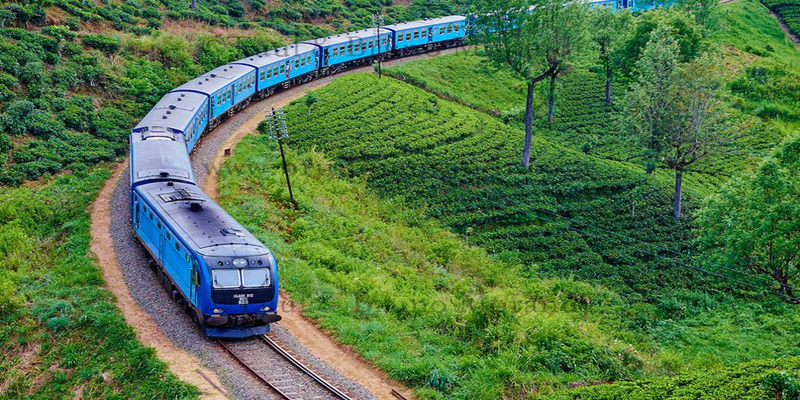
The Sri Lanka Railway Station Masters’ Union (SLRSMU) has alleged that the Railways Department is continuing to postpone the resumption of long-distance train services that were suspended due to the Covid-19 pandemic situation, thus causing great inconvenience to passengers.

Speaking to The Morning yesterday (2), SLRSMU General Secretary Kasun Chamara charged that the Railways Department has not yet taken action to resume long distance train services which had been cancelled for a prolonged period due to the Covid-19 pandemic.

“Due to the pandemic situation in the country, long distance train services have not been operational for more than a year. As the Railways Department was covering up the matter under the guise of Covid-19, we had to even engage in a trade union action demanding the resumption of long distance train services,” he said.

Chamara said that despite the Railways Department’s announcement that long distance train services would be resumed from 1 January 2022 in the face of the SLRSMU’s trade union action, it was postponed to 2 January and the Railways Department has failed to resume the said service on that day as well. He claimed that the resumption of long distance train services has once again been postponed till 9 January.

“It has become a joke for the Railways Department to provide transport facilities to the passengers. Even though the Department has announced that they would be resumed on 9 January, we cannot believe what the authorities are claiming,” stated Chamara.

Claiming that the Railways Department had stated it was unable to operate long distance train services due to a shortage of engine driving assistants, he said that it is the responsibility of the Railways Department to address the issues, if any.

“The Railways Department from time to time announces the start dates of long distance train services. After hearing such, the people come to the railway stations to make seat reservations. At that time, it is us who have to answer the passengers,” Chamara further charged.

When contacted by The Morning to inquire about the plans to resume long distance train services, Railways General Manager Dammika Jayasundara said that there was a shortage of railway guards and engine driving assistants which has resulted in the delay in resumption of the said services. However, he said that immediate steps will be taken to recruit the railway guards and engine driver assistants under contract basis, after which the long distance services will be resumed.

Posted in Uncategorized

If reserves increased, why not issue dollars? – MP Dr Harsha de Silva

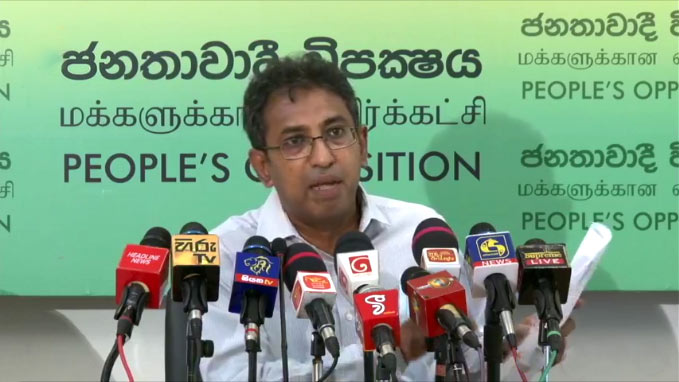
Samagi Jana Balawegaya MP Dr Harsha de Silva questioned as to why the Government cannot issue dollars to release the containers with essential items which are halted at the Port.

Speaking on the current economic crisis in the country, MP Dr de Silva said that the public is currently suffering due to the shortage of essential items and medicines, and since the Central Bank of Sri Lanka (CBSL) announced that the country’s reserves have grown to 3.2 billion US $, why it is not possible to import goods now.

” Why are they hiding the country’s dollars? To whom are they going to issue dollars? The market price of the bonds that were to be matured in January has dropped so much that the return on investment is 800% now.,” the MP stated.

Mentioning that people are suffering due to shortages in medicine, gas and fertilizer, the MP pointed out that even Importers have stated that they will not import goods again, in addition to shipping companies demanding payment in dollars.

Posted in Uncategorized

Sri Lanka reports 24 Covid-19 deaths on Sunday, toll exceeds 15,000

Sri Lanka Sunday reported 24 deaths due to COVID-19 after the figures were confirmed by the Director General of Health Services on Saturday, January 01.

Among the deaths reported today, 20 are of males and 04 of females. While 13 deaths are of elderly people in the 60 years and above age group, 11 people in the 30-59 years age group have also succumbed to the disease.

According to the data reported by the Government Information Department, the total deaths due to Covid-19 since the pandemic began last year has now risen to 15,019.

Posted in Uncategorized

Mahinda hasn’t indicated that he will step down as Prime Minister – Muruththetuwe Ananda Thera

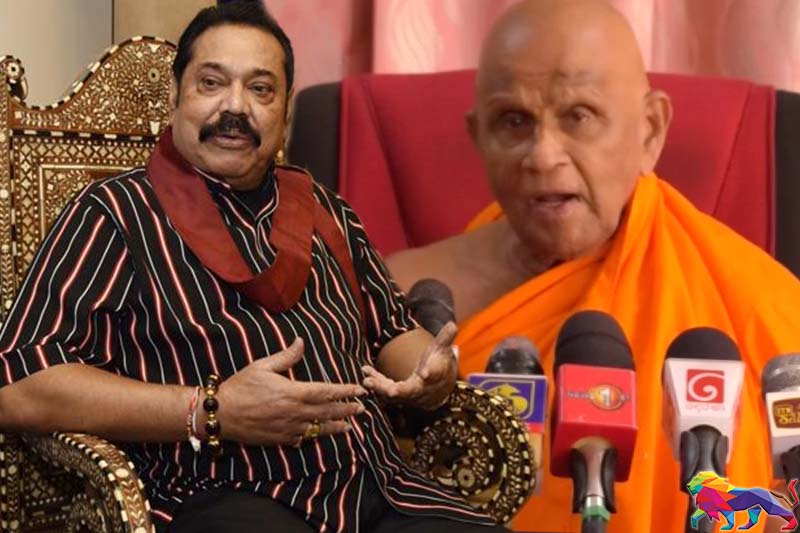
If Mahinda Rajapaksa was to step down from the post of Premiership, he would notify me about his decision, Vice Chancellor of the University of Colombo and Chief Incumbent of Abayaramaya in Narahenpita Ven. Muruththetuwe Ananda Thera said.

Refuting rumours that Mahinda Rajapaksa will vacate the Premiership, he reiterated that if there were any such moves in the offing, he would advise the Prime Minister to immediately reevaluate his decision.

Ven. Ananda Thera made these remarks at a media briefing held at the Abayaramaya in Narahenpita on Wednesday (29).

“If the Prime Minister is going to leave, he will inform us about his decision. There could be a conspiracy to oust him. There are issues within the government but the country cannot be governed properly due to certain individuals around President Gotabaya Rajapaksa,” he said, adding that one such individual was recently asked to resign.

Pointing out that the public is disgruntled due to the wrong advice given to the President regarding the government’s organic fertiliser drive, he said that all problems can be resolved if the government focused on appointing the right people instead of directing all its attention on the dollar crisis.

Posted in Uncategorized

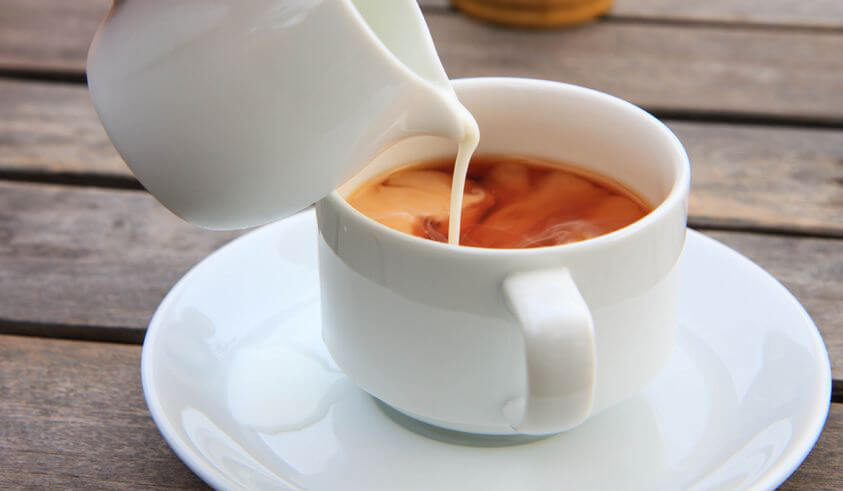
Restaurant Owners’ Association Decide To Suspend Selling Milk To Customers Due To Massive Price Hikes

The All Ceylon Restaurant Owners’ Association says that it has decided to suspend the supply of milk tea to customers from restaurants.

Commenting on this, President of the Association Asela Sampath said that this decision was taken as it was not possible to further increase the price of milk tea further with the increase in the price of milk powder.

He also stated that the government is waiting to allow the milk powder companies to do what they want.

Asela Sampath said that about 3,000 restaurants have been closed due to the economic situation in the country.

Jaffna is too far from Beijing By M.S.M Ayub

The war between the Armed forces and the Liberation Tigers of Tamil Eelam (LTTE) played a decisive role for over three decades in shaping the current Sri Lankan Tamil psyche. The roles played by Beijing and New Delhi in respect of that war has ruled that the former cannot replace the latter in the hearts of Tamils

China has not shown any interest in political, economic or social activities in the northern and eastern regions of the island in the past while its political and economic arch rival in the region, India has been playing a major role in those activities there

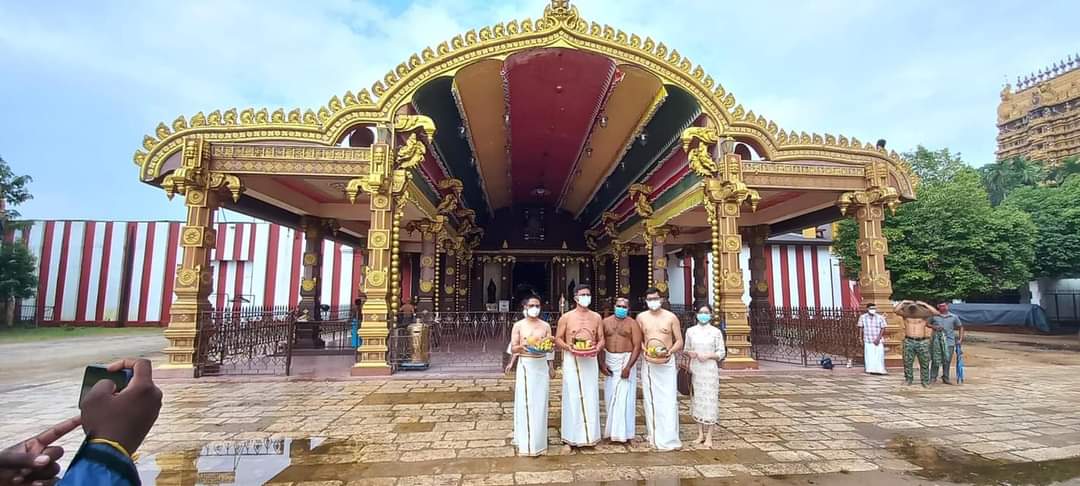
The visit by Chinese Ambassador Qi Zhenhong to Nallur Kandaswamy Temple on December 16 and that of Prime Minister Mahinda Rajapaksa to Tirumala Venkateswara Temple in Tirupati, in Southern Indian State of Andra Pradesh on December 24 did not weigh equally on the scale, despite both temples being Hindu and very famous among people of others faiths as well.

One visit was of mere faith relevance while the other being seemingly public diplomacy. One was in the interest of one’s self salvation while the other in the interest of his country’s business.

However, it would be easy for one to perceive at least somewhat the nature of the diplomacy involved in the Ambassador’s visit, by looking at two photographs that had been taken during the visit to North and gone viral due to their symbolical significance – the picture of the Ambassador and his delegation entering the Nallur Temple attired in pure Tamil traditional costumes (veshtis) and bare-chested and the one where a drone operated by a Chinese official was seen in the background of the Chinese delegation in Point Pedro, the northern most tip of Sri Lanka.

China has not shown any interest in political, economic or social activities in the northern and eastern regions of the island in the past while its political and economic arch rival in the region, India has been playing a major role in those activities there. Interestingly, China had to withdraw recently from the only major economic project it had shown interest in, in northern Sri Lanka – three hybrid renewable energy projects in three islands off the northern coast of the country, apparently due to opposition on the part of India and the local Tamil leaders.

However, the Ambassador’s visit to the Jaffna Peninsula this month was an indication that China has not abandoned its interests in the Tamil dominated north despite its unsuccessful bid to secure those projects. The public diplomacy segment of the visit underscores it further. He, during the tour had visited the Jaffna public library, a major cultural centre in the north and had donated several laptops to it. Also, he had expressed his country’s keenness in developing fisheries industry in the region, a sector that has been hit hard by the long drawn civil war that ended twelve years ago and by the highhanded activities of Indian poachers. Fisheries Minister Douglas Devananda while talking to media in Kilinochchi recently had told that China was in competition with India to win a project for the development of fisheries harbour and surrounding areas in Point Pedro.

China might be feeling that this kind of diplomacy is sine qua non in order to bolster its future interests in the Tamil dominated region, in the light of the mass protests that swept Gwadar, the Chinese-dominated Pakistani port city which is at the core of the China-Pakistan Economic Corridor (CPEC), in the past several months. The CPSC is considered the crown jewel of China’s Belt and Road Initiative (BRI). One can even argue that the northern Sri Lanka is more susceptible to such anti-China protests given the political, cultural and psychological proximity between the Tamil people and India. Already Tamil leaders have expressed their aversion to China’s newfound love towards their compatriots. Almost all articles on the Ambassador’s visit in Tamil media had negative views.

Some analysts had been of the view that some of the items on the Ambassador’s itinerary for the tour was ill-planned and even provocative of India and it amounts to challenging a person while being in another man’s garden. In fact, the purpose of the Ambassador’s boat ride up to a point very close to the maritime border of India is something incomprehensible. He had even questioned the distance to India across the Palk Strait. Sri Lanka’s former Permanent Representative to United Nations in Geneva Dr. Dayan Jayatilleka had criticized the Sri Lankan government for allowing the Chinese envoy to resort to such a trip, disregarding India’s sensitivities.
Winning hearts and minds of Tamil people in Sri Lanka seems to be a gigantic task for Chinese.

China has a long way to go in that direction, given certain historical, cultural, political and even psychological realities involving Sri Lankan Tamil people. India is the second homeland to many Tamils in Sri Lanka owing to the geographical and linguistic proximity between the northern Sri Lanka and the southernmost State of India. The Mahathma Gandhi statues in many Tamil dominated areas in Sri Lanka attest to it. The Tamil Nadu media, especially the electronic media, more importantly the television channels owned by the Tamil Nadu politicians make a tremendous psychological and political impact on Sri Lankan Tamils. During the Sino-Indian war in 1960s and the three wars between India and Pakistan Sri Lankan Tamils and Tamil media clearly sided with India.

The war between the Armed forces and the Liberation Tigers of Tamil Eelam (LTTE) played a decisive role for over three decades in shaping the current Sri Lankan Tamil psyche. The roles played by Beijing and New Delhi in respect of that war has ruled that the former cannot replace the latter in the hearts of Tamils. Despite India having supported the government’s war efforts in a subtle manner, it always stood for the rights of Tamils in the island. And what the Tamils have achieved for the past seven decades in their search for a political solution to the national question was only the provincial council system of 1987, a result of much arm-twisting by India against the Sri Lankan government. Tamil leaders, still bank on India’s diplomacy in their quest for greater devolution of power, in spite of India’s stance towards her southern neighbour having mellowed and changed following the end of the Cold War in 1990s.

Although the livelihood practically topped the priority list of Tamils after the end of the war, Tamil leaders and media have replaced it with the political solution and human rights. Again Beijing and New Delhi took diametrically opposite sides when the Sri Lankan government was accused of human rights violations during the war at the UN Human Rights Council in Geneva.

Tamil leaders have been campaigning for an investigation against the Sri Lankan leaders by the International Criminal Court (ICC). However, it is no secret for them that it is an unachievable target in the light of the process having to go through the UN Security Council where China has the veto power. All in all, Jaffna is too far from Beijing.