

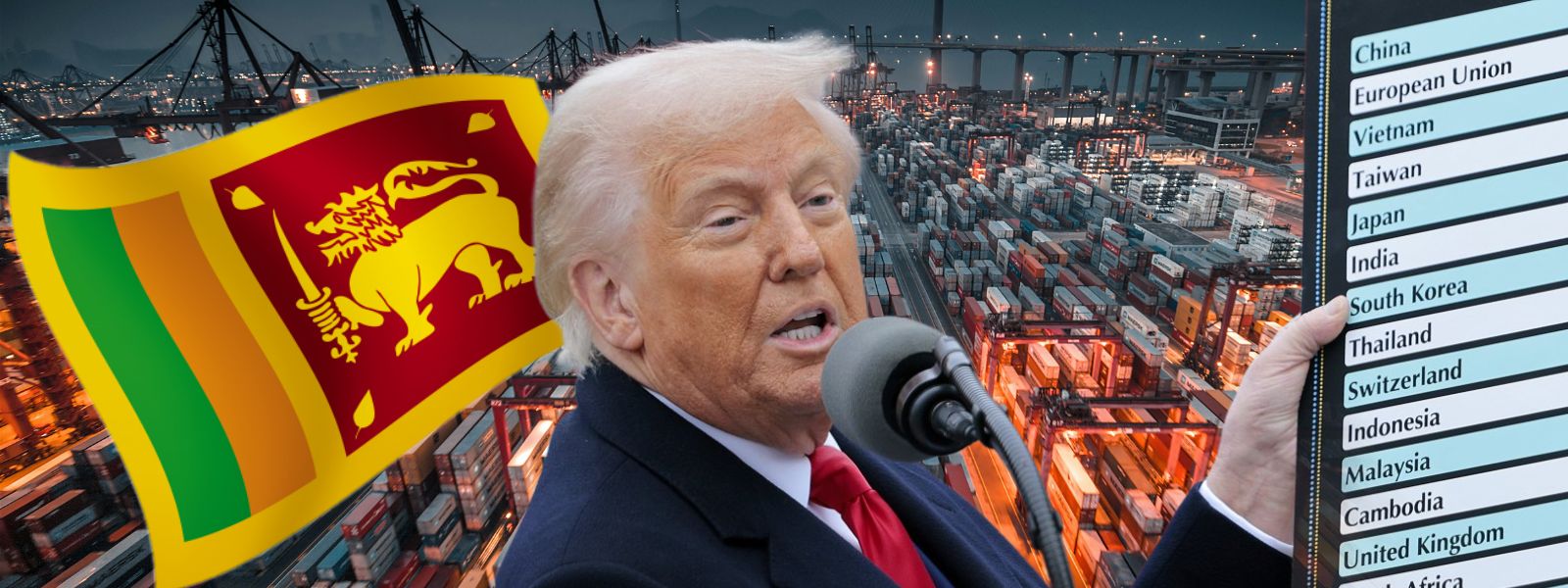
Sri Lanka, which has been having ongoing discussions with the US over worrisome, rising import tariffs, is heading for a tough round of negotiations with the US next week after a proposed new 12.5 per cent tariff increase on exports was announced earlier this week. The US is Sri Lanka’s biggest buyer of garments.
The US said a public hearing will be held in this regard on July 7. Ahead of this public hearing, Sri Lanka is next week sending a high-level delegation inclusive of Treasury officials for another round of negotiations with the US authorities.
This week, the US brought 60 countries under the scanner for buying goods manufactured by countries that use forced labour. These concerns were raised by the US in its latest statement on trade with these countries that it says could be slapped a 12.5 per cent tariff on future exports if they don’t prohibit these goods into their countries.
Industry analysts point out that this will be a tough round of negotiations and the outcome of these bilateral discussions will decide whether Sri Lanka will be imposed an additional 12.5 per cent tariff or not.
It was noted that there is a possibility of these negotiations ensuring that Sri Lanka could make a fair deal that could be favourable to the US as well in order that such tariffs are not imposed.
The Ceylon Chamber of Commerce in a statement on Thursday in this respect highlighted that such a tariff if it were to be imposed on Sri Lanka would entail an uneven playing field in trading with the US. This 12.5 per cent is not applicable to all nations trading with the US.
In light of this new arrangement by the US, countries are once again scrambling to carry out negotiations with the US in order to ensure that they are able to cut a good deal.
The negotiations with the US mainly want to ensure that Sri Lanka purchases more goods from the US in a bid to improve the trade deficit between the two countries.
One of the key concerns is that Sri Lanka purchases cotton from the US, which is more expensive compared to the purchases made from other countries. However, it was pointed out that these were being worked out in line with the US buyers’ request if this will be given concessions on landing in the US. US President Donald Trump first imposed tariffs of 25 per cent on imports from Canada and Mexico on March 3, 2025 and then on April 2, 2025 announced “Liberation Day” tariffs with a baseline 10 per cent tariff on nearly every country with some countries given higher rates.
Sri Lanka was initially imposed tariffs of 44 per cent that was reduced to 30 per cent and then brought down to 20 per cent. This kind of reciprocal tariff regime on countries was invalidated by the US Supreme Court on February 20, 2026. Thereafter the US imposed a 10 per cent global tariff under Section 122 of the US Trade Act of 1974 that is due to expire on July 24, 2026.
It is against this backdrop that the US has now proposed a 12.5 per cent tariff.