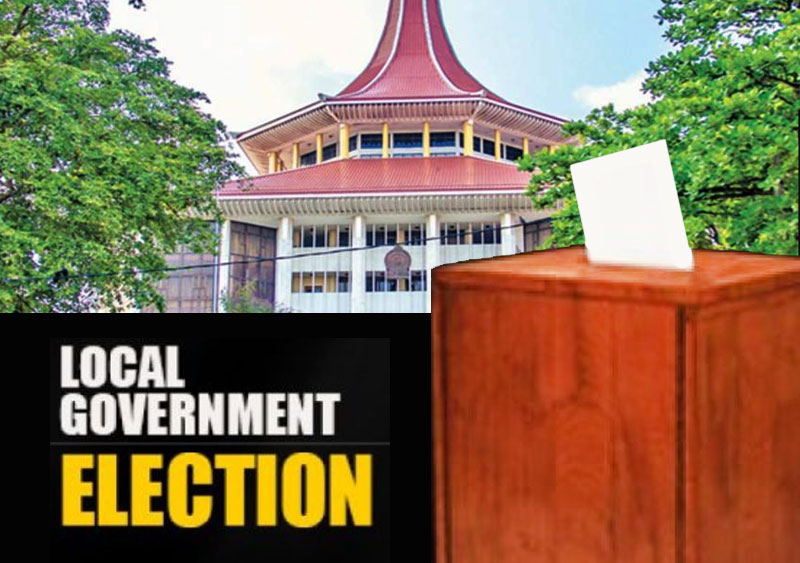
Supreme Court issues Interim Order on funding Local Government Election 2023

Sri Lanka’s Supreme Court on Friday (3) issued an interim order on the country’s Finance Secretary, and the Attorney General who represents the Finance Minister preventing them from withholding any funds allocated by the 2023 Budget for the Local Government Poll 2023.

The interim order was issued after permission was granted to examine an application that was filed by General Secretary of the Samagi Jana Balavegaya Ranjith Madduma Bandara.

The application was taken up in the presence of Supreme Court Justices P. Padman Surasena, Janak De Silva, and Priyantha Jayawardena.

The Supreme Court issued another Interim Order preventing the withholding of any funds from the Government Printer.

The application will be taken up for examination from the 26th of May 2023.

Posted in Uncategorized

EC still keen on holding election

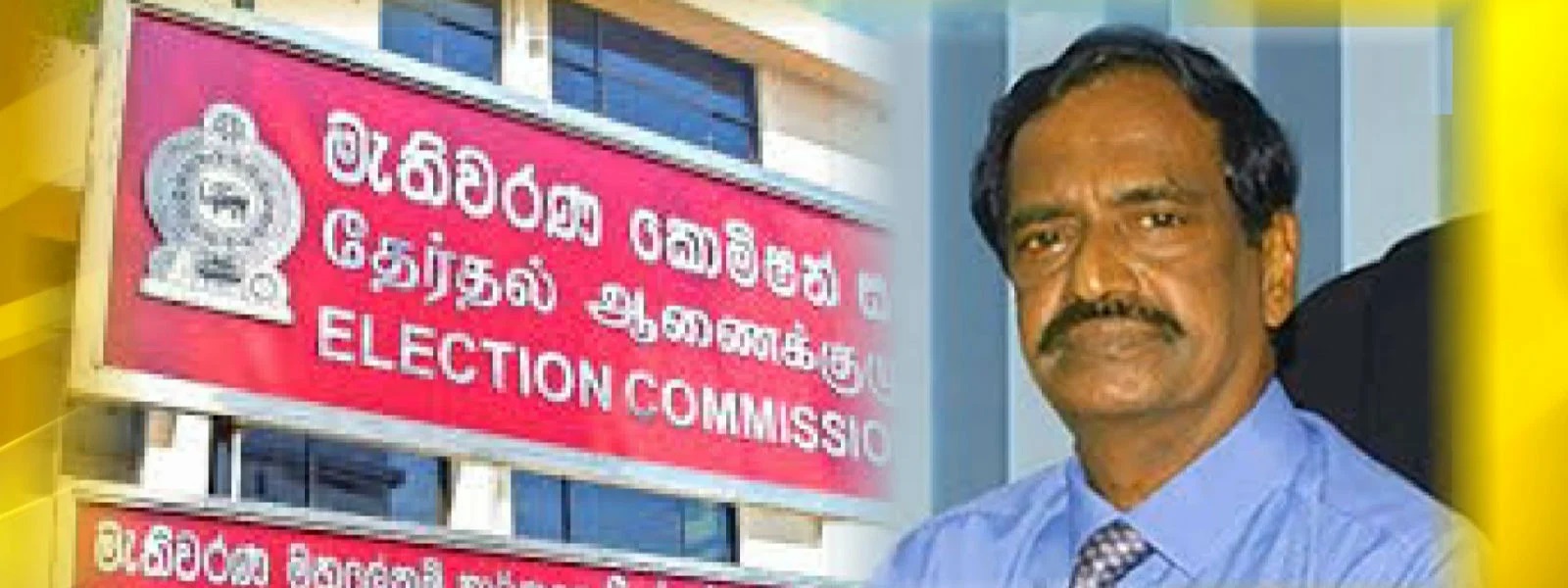
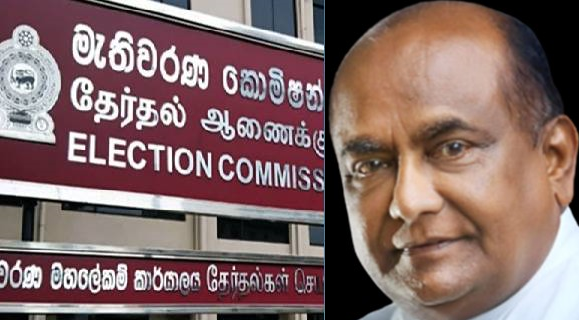
While stating that the primary objective of the Election Commission (EC) is to hold the Local Government (LG) poll, EC Chairman Attorney Nimal G. Punchihewa stated yesterday (2) that at today’s (3) Commission meeting, the members will discuss on a suitable date to hold the postponed election, whereafter, the Returning Officers would decide to schedule the specific date depending on the situation and thereafter gazette the same.

Speaking to The Daily Morning, Punchihewa said: “Returning Officers decide the date of the LG poll, not us. The EC advises them that a particular date is suitable and they make the final decision accordingly and gazette it. However, the scheduling of a suitable date would depend on the prevalent environment”.

When queried regarding whether the election would be scheduled for May as claimed by National People’s Power Leader and Opposition MP Anura Kumara Dissanayake recently or whether it will be further delayed, he said: “Some political parties want to expedite the election and some parties want to delay. These are the requirements of the political parties. But, our role in the EC is to consider a suitable date for the election. We cannot comment on the particular month or date without discussing it.”

Last week, Punchihewa wrote to Speaker of Parliament Mahinda Yapa Abeywardana, requesting him to intervene to urge the Treasury to release the funds required to conduct the LG election. The EC decided at a meeting held last week, to not hold the LG poll on 9 March as scheduled due to reasons beyond the control of the Commission. The EC further stated that a new date for the LG poll would be declared today.

Meanwhile, a two-day adjournment debate has been sought by the Opposition on 9 and 10 March with regard to the postponement of the LG election while the main Parliamentary Opposition, the Samagi Jana Balawegaya (SJB) will submit a resolution to Parliament to take up a vote regarding whether the funds for the LG poll should be released or not.

Indian State Bank of completes first commercial trade in Sri Lankan Rupees

The State Bank of India has completed its first non-dollar transaction with Sri Lanka, by paying for exports in Sri Lankan rupees.

The move comes as India looks to bring countries that are short of US dollars into the trade mechanism.

Sri Lanka is still grappling with its worst economic crisis since its independence, triggered by a shortage of dollars.

Sri Lankan banks were allowed to open ‘vostro accounts’ with the State Bank of India to conduct bilateral trade in rupees in recent weeks.

The Reserve Bank of India granted approval to open five vostro accounts for trade in rupees with Sri Lanka.

It is reported that India’s rupee trade settlement mechanism, a means of using rupees instead of US dollars and other big currencies for international transactions, is attracting interest from a number of countries.

Sri Lanka to consider Russian proposal for offshore nuclear power plants

The Sri Lanka Atomic Energy Board said that Russia has put forward a proposal to build a nuclear power plant in Sri Lanka, and has also put forward an agreement for this purpose.

Professor S.R.D. Rosa, the Chairman of the Sri Lanka Atomic Energy Board, said this is a government to government program.

Cabinet approval was given to consider nuclear energy as an alternative to meet Sri Lanka’s future energy needs. In accordance with that decision, a steering committee and 09 action committees have been appointed to study matters related to electricity generation using nuclear energy.

The proposal put forward by Russia for a nuclear power plant in Sri Lanka come in such a backdrop.

It is yet to be decided if this nuclear power plant will be constructed on land, or if it would a barge mounter power plant.

According to a proposal put forward by Russia, a team of Russia experts will operate the power plant, and would also train Sri Lankans within three years in operating the nuclear power plant.

Rosatom, also known as Rosatom State Nuclear Energy, has put forward the proposal and it is a Russian state corporation.

Professor S.R.D. Rosa, the Chairman of the Sri Lanka Atomic Energy Board, said it is possible that Sri Lanka would opt for three small offshore nuclear power plants that would each generate 100 MW.

He added that Sri Lanka is currently studying the agreement Russia has with Bangladesh in order to determine the investments, grace period and repayment period.

Posted in Uncategorized

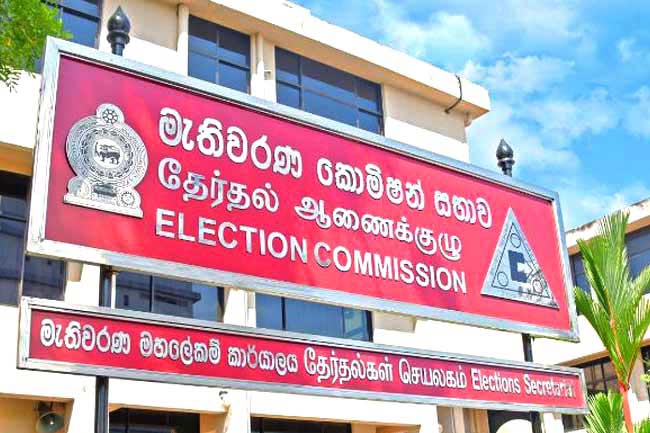
Election Commission, Other Commissions to get new members this month?

The Constitutional Council (CC) is planning to finalize the appointments of members to the independent commissions including the Election Commission before the end of this month, a top source said.

The CC, a parliamentary body headed by Speaker Mahinda Yapa Abeywardane, called for applications to select nominees to the commissions in keeping with the 21st Amendment to the Constitution. The source said the applications are sorted out for the selection of candidates at the moment.

“New commission members are to be appointed within the course of this month,” the source said on condition of anonymity.

The commissions to be constituted are the Election Commission, the National Delimitation Commission, the Police Commission, the Public Service Commission, the Human Rights Commission, the Finance Commission, the National Audit Services Commission, the National Procurement Commission and the Bribery Commission.

Posted in Uncategorized

Mahanayake Theras urged to issue ’’Sanga Order’’ against Govt.

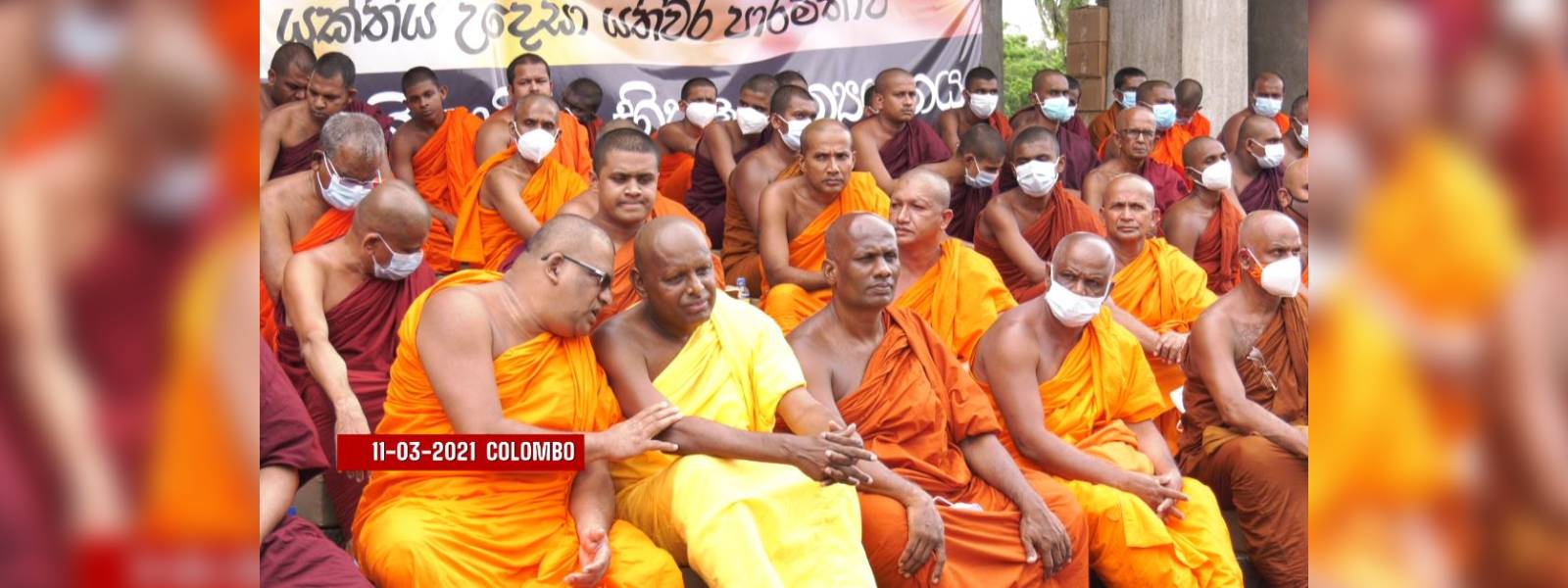
The National Bikkhu Front (NBF) today requested the Mahanayake Theras to issue a “Sanga Order” to force the government to hold the Local Government election, which was postponed indefinitely, at a closer date convenient to the Elections Commission.

NBF Secretary Ven. Vakamulle Uditha Thera told reporters that they paid a visit to the Mahanayake Theras today and handed over a four-point letter.
The prelate said they brought to the notice of the Mahanayake Theras about the undemocratic and dictatorial actions of the government and indefinite postponement of the LG polls and suppressing people’s protests to win their democratic right.

Ven. Uditha Thera said as the first demand, they requested the Chief Prelates to convene Karaka Sangha Sabha of the three Chapters and take an immediate decision against the government’s undemocratic, suppressive actions and moves to postpone elections.

The Thera said they also requested the Mahanayake Theras to convene provincial and divisional level Nayake theras of the three chapters including other Bikkhus and hold a Sanga convention.

“We also urged the Nayaka Theras to issue a “Sanga Order” to the government to hold the indefinitely postponed LG polls at a closer date convenient to the elections commission. And reveal what action people should take against the government, if the government fails to adhere to the order of the Maha Nayake Theras, ” the Thera said.

HALF OF FAMILIES REDUCING CHILDREN’S FOOD INTAKE AS THE COUNTRY SLIPS FURTHER INTO HUNGER CRISIS – SAVE THE CHILDREN

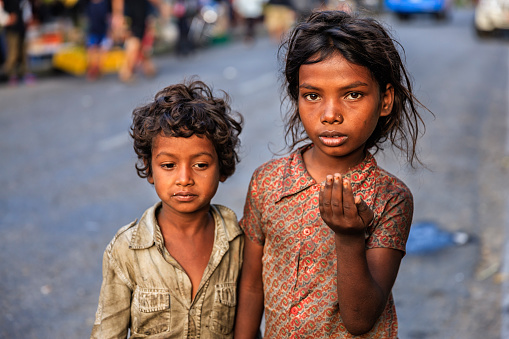
Half of families in Sri Lanka are forced to reduce the amount they feed their children, according to a survey by Save the Children, as the country’s economic downturn spirals further into a full-blown hunger crisis nearly a year after the government defaulted on its debt.

The government and international community must act now to prevent the country’s children from becoming a lost generation, the child rights organisation said.

Since the Sri Lankan government defaulted on its debt nearly a year ago, soaring inflation and food, medicine and fuel shortages as well as a lack of stable employment have left families unable to cope. The country has the seventh highest nominal food inflation rate in the world, according to the World Bank[i] , with year-on-year inflation in the country more than 50%.

Save the Children’s latest survey of 2,308 households across nine districts in Sri Lanka found that due to this inflation, average household expenditure increased by 18% between June and December last year. During this time there was a 23% increase in households unable to meet most or all of their general basic needs, Save the Children said[ii].

Because of this, over the past six months, more families have had to resort to desperate measures to survive, with a 24% increase in households saying they had resorted to borrowing money in order to cover household expenses[iii] ; a 24% increase in households saying they had to purchase food on credit[iv]; and a 28% increase in households selling household items for cash[v].

Female-headed households are particularly vulnerable, Save the Children said, as women are increasingly at risk of trafficking or exploitation, working overtime and in some cases migrating for work. This in turn puts children at risk as they are left alone, according to the child rights organisation.

While half of households said they are cutting their children’s food intake, 27% reported adults skipping meals to feed their children. Nine out of ten households said they cannot guarantee nutritious food for their children.

Suren* and Preethika*, from Colombo, struggle to provide a well-balanced meal for all three of their children. Even simple nutritional foods, such as eggs and yoghurt, have become too expensive for the family to afford, limiting the items they are able to feed their children. On most days, they are forced to prioritize their toddler’s nutrition.

Their 11-year-old daughter Thisuri* said that she and her 8-year-old sister Ayama* now often go without things like yoghurt because their parents can only afford to provide it for their one-year-old sister, Hiruni*.

Thisuri* said: “We really like to eat yoghurt too, but most of the time my parents can only afford to buy yoghurt for my youngest sister. Whenever they have extra and can afford it, they buy the two of us yoghurt too.”

“Things are so expensive in shops now. It was never like this before.”

The survey also found that 70% of households lost all or most of their sources of income between June and December last year. Among these, more than half of households (54%) now source their main household income from jobs that are seasonal and irregular. This instability is putting children in the precarious position of not knowing where their next meal is coming from, Save the Children said.

Julian Chellappah, Save the Children’s Sri Lanka Country Director said: “These figures show how the crisis in Sri Lanka continues to spiral out of control and how, as with any crisis, children are bearing the brunt with their physical and mental health, nutrition and education all at risk. These children were born into hope as the country’s post-war generation – but we are in grave danger of failing them once again.”

“Parents should never have to choose who in their family gets to eat a meal. Everything we are seeing here points to a very real danger of a full-blown hunger crisis. The Sri Lankan government is giving much-needed support to some families through welfare schemes, but we need a rapid build-up of social protection systems with support from the international community. This is an emergency situation that requires an emergency response.”

All humanitarian interventions must factor in patriarchal gender dynamics of communities in order to best meet needs, Save the Children said.

Posted in Uncategorized

Govt MPs tell Speaker to act in accordance with the Constitution & Standing Orders

Leaders of the political parties affiliated with the government have requested the Speaker of House to discharge his duties in accordance with the Constitution and Standing Orders of Parliament, following a request made by a group of opposition to release the funds allocated through the 2023 Budget to conduct the Local Authorities Election.

A meeting was held between the Speaker of the House, Prime Minister Dinesh Gunawardena, several Ministers and Members of Parliament affiliated to the government.

During the meeting, Prime Minister Gunawardena has informed the Speaker to act in accordance with the Constitution and Standing Orders of Parliament.

The development comes after a group of opposition MPs met with the Speaker on Tuesday to discuss the postponement of the Local Authorities Election.

The opposition MPs had requested that a proposal be tabled before Parliament to ensure the finances allocated for the Election Commission be released, and that the Secretary to the Ministry of Finance be summoned to Parliament.

A statement issued by the Office of the Chief Government Whip of Parliament meanwhile states, the Speaker had indicated to the opposition that he does not have the authority to summon the Secretary to the Treasury and that decision on presenting proposals to allocate funds should be taken following discussion with party leaders.

According to the statement, the Speaker has also stressed that the Executive, Legislature and the Judiciary are three institutions that are not subordinate to each other and the respective powers cannot be undermined.

China to play positive role to help Sri Lanka navigate the current situation – Spokesperson

China says it will work with relevant countries and international financial institutions to jointly play a positive role in helping Sri Lanka navigate its current situation, ease its debt burden and achieve sustainable development.

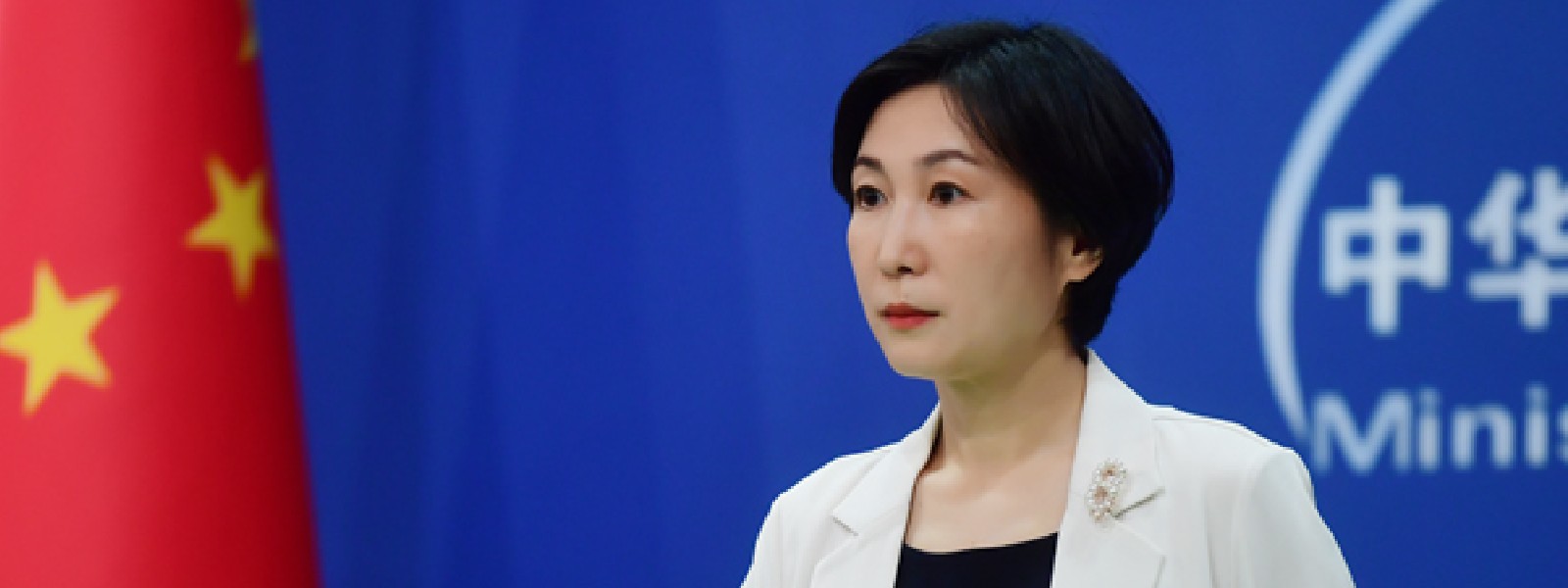
Chinese Foreign Ministry Spokesperson Mao Ning on Tuesday (28) said the Export-Import Bank of China provided a financing support document to the Ministry of Finance, Economic Stabilization and National Policies of Sri Lanka, saying the Bank is going to provide an extension on the debt service due in 2022 and 2023 to help relieve Sri Lanka’s short-term debt repayment pressure.

“The Bank also noted that it will support Sri Lanka in its loan application to the IMF and continuously call on commercial creditors (including the International Sovereign Bondholders) to provide debt treatment in an equally comparable manner, and encourage multilateral creditors to do their utmost to make corresponding contributions,” she added.

“What China did is first based on China’s existing policy and position on debt issue. At the same time, as a special arrangement, it also reflects the traditional friendship between China and Sri Lanka. China’s action fully demonstrates its sincerity and efforts to support Sri Lanka in achieving debt sustainability,” she noted.

“We will work with relevant countries and international financial institutions to jointly play a positive role in helping Sri Lanka navigate the situation, ease its debt burden and achieve sustainable development,” said the spokesperson.

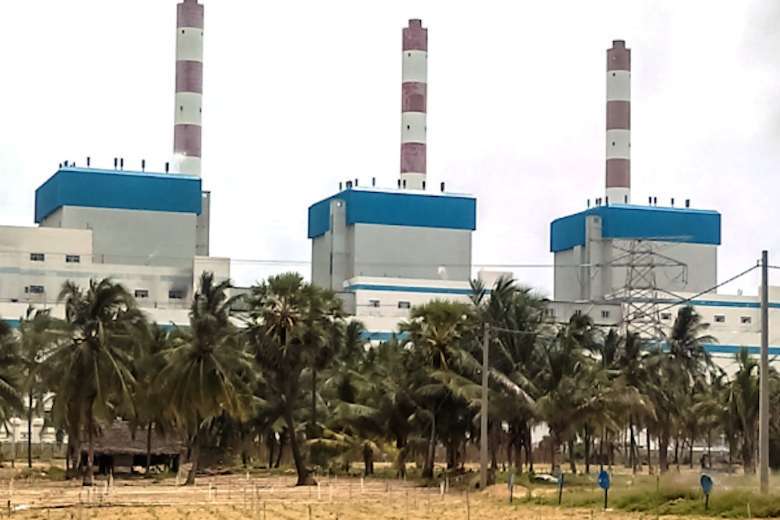
In the Chinese-built coal power plant of Norchcholai, there are more questions than answers.

Waste management causes issues

Hydropower was Sri Lanka’s primary energy source when it gained independence from the British.

The first ever hydropower project, Laxapana, was commissioned in 1950 and is described as an innovative design by Engineer D.J. Wimalasurendra.

Since then, there have been several hydropower projects initiated in Sri Lanka. Under the Mahaweli multipurpose hydro scheme, there are four main hydropower projects. They are Victoria, Kotmale Upper, Kotmale, and Randenigala.Nevertheless, with time and population growth, Sri Lanka could not cope with the available power volume and had to depend on thermal power generated from fossil fuels.

As per CEB’s 2016 generation report released in mid-2017, the country has a total combined installed generation capacity of 4,017 megawatts (MW), of which 2,115 MW (52.6%) was from thermal (900 MW (22.4%) from coal and 1,215 MW (30.2%) from fuel oil), 1,726 MW (42.97%) from hydroelectricity, and the remaining 176 MW (4.38%) from other renewable sources such as wind, biomass, and solar. These generation sources produced a total of 14,149 GWh of electricity during that year, of which 9,508 GWh (67.20%), 4,220 GWh (29.83%), and 421 GWh (2.98%) were from thermal, hydro, and other renewables, respectively.

By the end of 2016, the demand for electricity had increased many times, requiring the government to invest in other energy sources.

Sri Lanka could not opt for more hydro-power projects, mainly due to geographical reasons since most of the waterfalls in the highlands have been exploited for this purpose. As a result, Sri Lanka had to turn to alternative energy sources.

At times, the government was compelled to set up thermal power plants in collaboration with the private sector. In addition, several other thermal power plants have been built solely by private sector firms. In these cases, the government had to enter into power purchase agreements with the private sector in order to provide electricity.

With increasing energy costs, the government looked for cheaper sources of energy and chose coal power.

There are many coal power plants in the world, but most of them are facing closure due to environmental concerns. However, Sri Lanka opted for coal power to provide people with cheap power.

At the time, policymakers ended up choosing coal as a substitute without taking the risks to the environment or society into account. This is because they were only concerned with profit. When they started the project in 2006, it resulted in significant public protests in the Norochcholai area. Due to the area’s cultural and environmental sensitivity, civil society and environmental organizations fiercely opposed the idea of building a coal power plant in Norochcholai.

There was no avail, and the state pushed ahead despite protests by various organizations. These included environmental organizations, the Chilaw Bishop, and the Catholic Church of the Chilaw diocese. The Church pointed out that the damage could be enormous to the environment and could also be harmful to the well-being and health of the people. Despite all that, the government made a decision to move ahead with the project under a Chinese loan facility provided by the Exim Bank. This loan facility was provided to the government of then-President Mahinda Rajapaksa.

The government completed the construction of the power plant in 2011, but experts in the field pointed out that the technology used was fairly outdated and not suitable. The technology used in the power plant was not designed to generate the maximum output of electricity efficiently. Therefore, it was not able to produce the amount of energy that the government expected. Additionally, the technology was becoming obsolete, so it was not cost-effective for the government to maintain the power plant. This is like trying to drive a car that uses outdated gas: it’s not designed to take you very far, and it’s not designed to be very cost-effective. After power generation began, there were so many breakdowns, and the breakdowns sometimes added to the additional power outages.

People in the area were of the opinion that technical errors could of course be repaired, but if power generation affects the health of residents, that is less forgivable.

A few months following the commissioning of the plant, an unidentified skin disease spread among children living near the power plant. In addition, residents have complained about respiratory ailments, kidney disorders, and other health issues occurring near the power plant. In addition, residents have complained about respiratory ailments, kidney disorders, and other health issues. Health issues prevented people from returning to their usual habitats and sometimes affected their occupations.

If a power plant violates standards during construction, it poses a threat to nearby human settlements. All over the world, coal power plants have been identified as sources of environmental and health hazards, no matter where they are located. The Chinese construction of Norochcholai using inferior technology caused irreparable damage to the people in the area and the country as a whole. This prompted the government of President Maithripala Sirisena to give an undertaking that the government would terminate its plans to construct a second coal power plant in Sampur.

Ground Views, a citizens’ journalism website, published an article that listed the environmental and other hazards caused by the Chinese-built coal power plant.

The ground view article is under the caption.

types of pollution as a result of coal power generation, states

Typically, a coal power plant releases tons of ash every day as sludge. There were serious allegations that there were no mechanisms allowing for safe storage and disposal in Norochcholai in particular. If wind-borne, the particles from this sludge can lead to respiratory diseases among nearby residents. It appears that this phenomenon is emerging in Norochcholai. Harmful chemicals such as arsenic, chromium, mercury, and cadmium may be present in the sludge, leading to the spread of diseases. At worst, overexposure could affect nearby residents’ nervous systems, paving the way for memory-related neurological disorders.

Cooling water discharge

Billions of gallons of water are used in the cooling systems of power plants. This water is generally four to five degrees Celsius hotter than normal. Whenever this water is released into any water source, marine life in that area will be threatened. The hotter temperatures affect the environment’s temperature, leading to an increase in algae growth. This can deplete the oxygen in the water and cause fish and other marine life to die. The warmer water can also cause a decrease in the quality of the habitat, making it difficult for marine life to survive. Essentially, heated water affects the heart rate of fish, putting their lives at risk as a result. In February 2017, the National Aquatic Resources Research and Development Agency (NARA) raised serious concerns about whether the Norochcholai power plant was disposing of polluted water into the sea.

Heat waste

A considerable percentage of the heat produced by thermal power plants is wasted. Above all, gas emissions of sulfur dioxide and carbon dioxide can lead to global warming and acid rain. In Sri Lanka, we have not experienced acid rain yet. But, in the future, we may also have to deal with it.

Meanwhile, the North Western Provincial Environmental Authority has noted that the Norochcholai power plant has not applied for an environmental license for 2017. This is necessary to continue their operations.

Currently, Norochcholai generates a significant amount of power that is supplied to the national grid. Hence, it would be rather difficult to shut it down abruptly.

However, the lesson from Norochcholai should be that there should be no more commissioning of coal power plants in Sri Lanka in the future. The Environmental Foundation Limited (EFL), along with other environmental experts, filed a Fundamental Rights (FR) Application against proposed coal power plants in Sampur and Trincomalee based on the adverse effects caused by the Norochcholai coal power plant. It was seen that the state took notice of health hazards that could adversely affect the community.

At the latter stage, the state, acting responsibly, gave an undertaking to the Supreme Court that it would not go ahead with any such project.

The Daily Mirror in 2018 quoting Ecologist Dr Ranil Senanayake said:

The toxic acids that evaporated from the Norochcholai Coal Power Plant could pose a threat to Jaya Sri Maha Bodhi. “This is the oldest living tree in the world with a written history,” ecologist Dr. Ranil Senanayake said.

He said there is a possibility of clouds with toxic acid deposits traveling towards Anuradhapura, where the sacred Bo tree (fig tree) is standing, with southwest monsoon conditions developing.

Sulfur (S), sulfur dioxide (SO2), and nitrogen oxide (NO) are released when coal is burned, as well as heavy metal particles. These elements form acids such as sulfuric acid (H2SO4) and nitric acid (HNO3), which would reach the clouds through condensation.

He said that it can be observed that the leaves of tall trees have turned yellow due to the emissions of these gases.

The Ground View website further said Power and energy are vital for a country to function. Sri Lanka has rich potential in terms of sustainable power. How well have we capitalized on this potential? The Hambantota wind power plant only produces 3 MW of electricity, while the only operational commercial-scale solar-powered facility is the Buruthakanda Solar Park, with 1.2 MW, operated by the Sri Lanka Sustainable Energy Authority (SLSEA). There have been many projects to promote the utilization of renewable energy in this country, but many of them have not been implemented yet. The time has come to end the era of thermal and coal power and transition to an era of renewable energy. The government’s decision to establish a wind power plant is an excellent step and should be appreciated. According to an Environmental Effects Report (EER) that was released recently, there are also environmental issues related to this project. Constructive criticism is needed. However, all stakeholders should support projects such as these, which are relatively eco-friendly, instead of playing devil’s advocate.

Source:ColomboGazette