UN calls for accountability on violence during JVP uprising

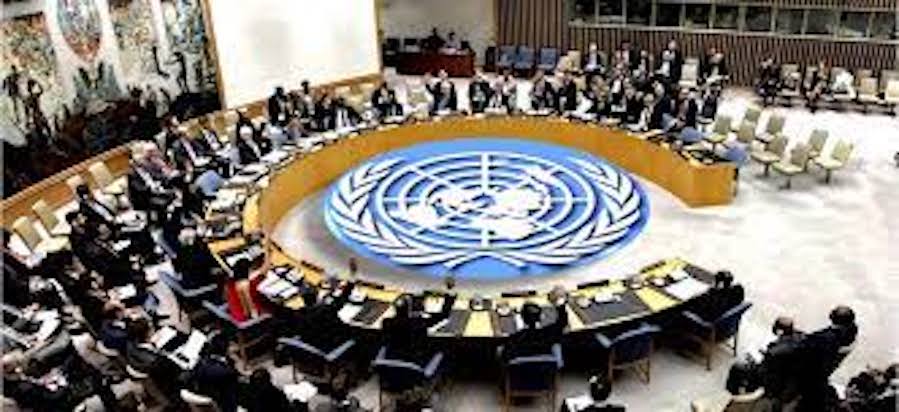
The United Nations (UN) has called for accountability on the violence committed by state officials during the Janatha Vimukthi Peramuna (JVP) uprising in 1989.

Human rights activists have welcomed the joint communication sent by United Nations bodies to the Government of Sri Lanka regarding its failure to hold accountable officials in charge of Matale District when enforced disappearances, arbitrary detentions, torture, and extra-judicial killings, were reportedly committed by the security forces in 1989 during the JVP uprising.

The UN statement from four bodies expressed concern about what it called a complete lack of accountability and judicial action against the State authorities identified as the main perpetrators of the violations committed.

In their public version of the communique, the UN redacted the name of the official in charge of Matale District in 1989 when more than 700 people disappeared there.

However it is well known that it was former President, Gotabaya Rajapaksa, who served in Matale from May 1989 to January 1990 as the district coordinator, controlling the army, police, intelligence services and the local administration in the district.

Human rights groups were delighted by the UN statement:

“We welcome this and it will invigorate us all. Families of the disappeared desperately need to see accountability and this sort of acknowledgement from abroad by the UN gives them a glimmer of hope after so many decades of disappointment and suffering,” said disappearance activist, Brito Fernando.

Just the day before the UN statement was released, Brito Fernando led a group of activists in Matale town who handed out leaflets calling for truth and justice and held a meeting with the families of the disappeared.

Among those still campaigning for justice are those who survived detention and torture in 1989 like this survivor, who withheld his name for his safety:

“I was arrested in December 1989 and held at Matale Technical College. I was only held for 30 hours as they had to release me after some influential people intervened. But while being held, I was severely beaten and they threatened that they will kill me. I knew well that Gotabaya Rajapaksa was the commanding officer in the area while Shavendra Silva also functioned as a junior officer under him. Many who were held with me were executed as it was the final stage of the state counter-insurgency campaign, where scores were summarily executed. I knew that many parents whose children were abducted by the military approached the opposition MP Mr. Nandimitra Ekanayake, who contacted Gotabaya Rajapaksa through his politician brother Mahinda Rajapaksa to get those youth released. But only few survived while hundreds or thousands of arrested were killed under his command.”

On 10 May 2022, Journalists for Democracy in Sri Lanka (JDS) and the International Truth and Justice Project (ITJP) published a joint report, Gotabaya Rajapaksa: the Sri Lankan President’s Role in 1989 Mass Atrocities. This revealed that Gotabaya Rajapaksa, was named in a secret list by a Sri Lankan government inquiry as a suspect in an enforced disappearance case in 1989.

Based on the JDS and ITJP report, lawyers say universal jurisdiction can be applied to former President, Gotabaya Rajapaksa, for alleged crimes committed as district military coordinator in late 80s.

On 30 June 2022, JDS and the ITJP submitted further information on the role played by Gotabaya Rajapaksa and key members of the security forces in Matale in 1989 to the UN Working Group on Enforced and Involuntary Disappearance. The submission included some of the underlying evidence against Gotabaya Rajapaksa.

The ITJP and the JDS particularly applaud the UN joint communication’s recognition of the lack of accountability and judicial action against the alleged perpetrators of these human rights violations.

ITJP said that former President, Gotabaya Rajapaksa, the Chief of the Defence Staff, General Shavendra Silva, and the Secretary to the Ministry of Defence, General Kamal Gunaratne – are all veterans of the 1989 counter-insurgency operation in which tens of thousands of Sri Lankans were extrajudicially killed. Notably, all three also held key positions of command during the 2009 war, in which thousands of Tamils were enforcedly disappeared, killed, tortured, and subjected to various forms of sexual violence in violation of international law.

Since then, all have had positions that oversaw – thus could have prevented, stopped and sanctioned, the ongoing arbitrary detention, torture and sexual violence targeting Tamils, as well as socioeconomic rights violations affecting all Sri Lankans.
Canada sanctions Mahinda, Gota

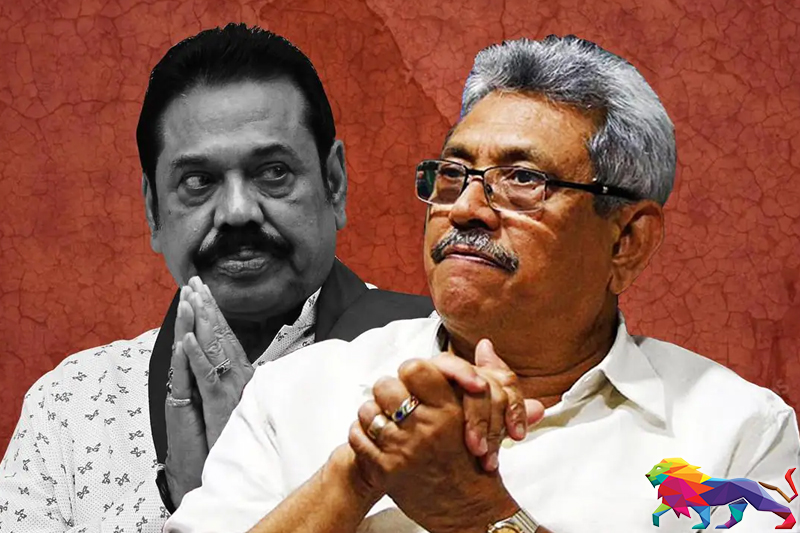
Canada has imposed targeted sanctions on four Sri Lankans including former Presidents Mahinda Rajapaksa and Gotabaya Rajapaksa.

Other two Sri Lankans sanctioned are staff sergeant Sunil Ratnayake and Lieutenant Commander Chandana Hettiarachchi.

A statement from the Canadian government said Foreign Affairs Minister Mélanie Joly, Minister of Foreign Affairs, announced Canada imposed targeted sanctions under regulations pursuant to the Special Economic Measures Act against four Sri Lankan state officials responsible for gross and systematic violations of human rights during armed conflict in Sri Lanka, which occurred from 1983 to 2009.

“The regulations pursuant to the Special Economic Measures Act impose on listed persons a dealings prohibition, which would effectively freeze any assets they may hold in Canada and render them inadmissible to Canada under the Immigration and Refugee Protection Act.

Despite continued calls from Canada and the international community to address accountability, the Government of Sri Lanka has taken limited meaningful and concrete action to uphold its human rights obligations. This jeopardizes progress on justice for affected populations, and prospects for peace and reconciliation.

Victims and survivors of gross human rights violations deserve justice. That is why Canada continues to call on Sri Lanka to fulfill its commitment to establish a meaningful accountability process.

These sanctions send a clear message that Canada will not accept continued impunity for those that have committed gross human rights violations in Sri Lanka.

Canada will continue to collaborate alongside international partners, including through relevant multilateral bodies to advocate for human rights and accountability in Sri Lanka, which is an important step toward securing a safe, peaceful and inclusive future for the country. Canada, as part of the Core Group on Sri Lanka at the United Nations Human Rights Council will continue to advocate for the full implementation of resolution 51/1 and support efforts towards attaining accountability and peace on the island.

Canada supports efforts towards urgent political and economic reforms to alleviate the hardships faced by the people in Sri Lanka. We strongly encourage the Sri Lankan government to promote democracy, human rights and maintain the rule of law as it works to address this crisis,” the statement said.

Fully implementing Constitution, political solution to feature during TNA – Prez talks tomorrow

The Tamil National Alliance (TNA) will meet with President Ranil Wickremesinghe tomorrow evening for a discussion aimed at fast tracking the release of military occupied lands in the north, full implementation of the provision of the Constitution and evolution of a political solution, a party spokesman said.

the TNA delegation would comprise ITAK MP Sumanthiran,TELO Leader and Wanni District MP Selvam Adaikkalanathan and PLOTE Leader & Jaffna District MP Dharmalingam Sitharthan.

TNA said two meetings were conducted with the president previously, and talks would continue on three counts. TNA said the president is expected to brief the TNA on the progress made related to the release of lands to their original occupants.

The full implementation of the provisions of the present constitution is another area under discussion.

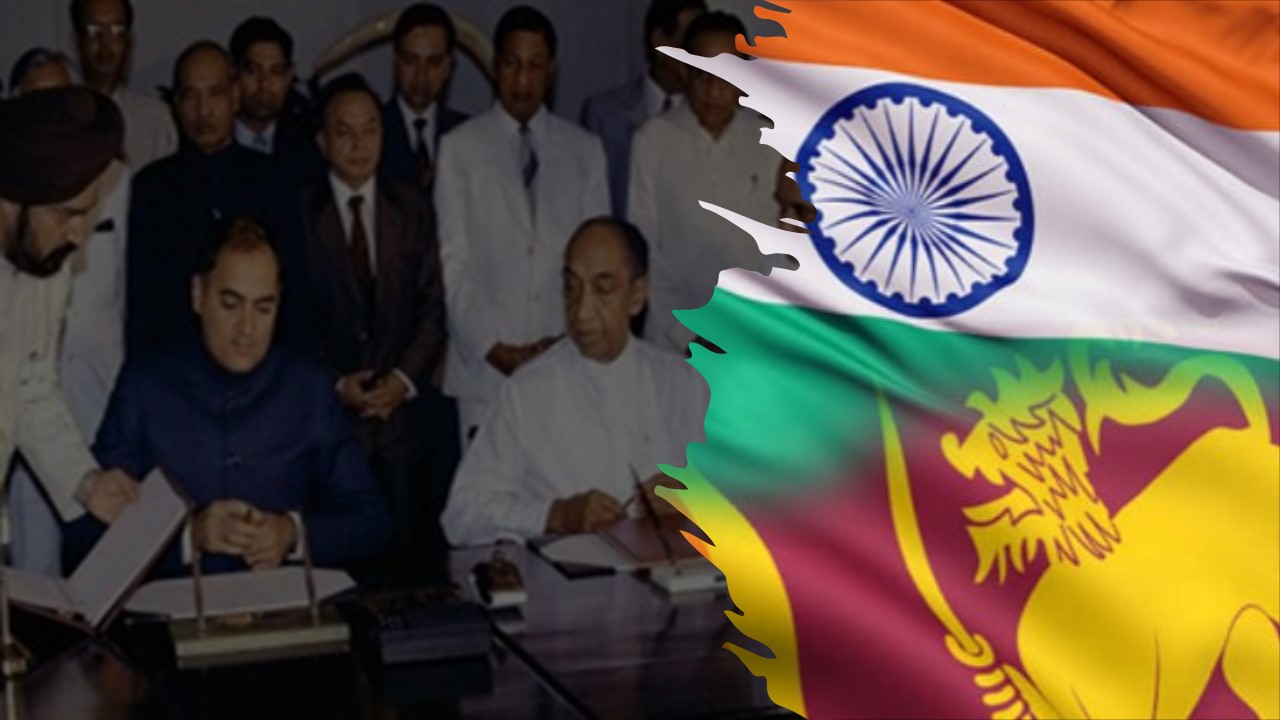
Currently, the provincial councils set up in terms of the 13th Amendment to the Constitution have remained defunct since 2017 over a legal snag. The 13 the Amendment was incorporated consequent to the 1987 Indo-Lanka Accord. India has persistently asked for the full implementation of it.

Posted in Uncategorized

Cancel Sri Lanka’s debt, global economists tell creditors

Sri Lanka’s recovery from last year’s devastating economic crisis will need its creditors to “share the burden” of debt restructuring, leading global economists have said, calling all lenders to cancel the debt of the cash-strapped island nation.

In a statement issued on Sunday, eminent economists and scholars world over observed that amid Sri Lanka’s crucial debt negotiations, “all lenders — bilateral, multilateral, and private — must share the burden of restructuring, with assurance of additional financing in the near term.”

However, Sri Lanka own cannot ensure this on its own, they noted. “It requires much greater international support. Instead of geopolitical manoeuvring, all of Sri Lanka’s creditors must ensure debt cancellation sufficient to provide a way out of the current crisis,” the statement said.

The nearly 200 signatories to the statement included economists Jayati Ghosh, Thomas Piketty, Yanis Varoufakis, Prabhat Patnaik, Utsa Patnaik, Jean Drèze, Ha-Joon Chang, Jomo Kwame Sundaram, and writer Amitav Ghosh.

Their call comes months after Sri Lanka embarked on debt restructuring talks with its diverse group of creditors, including China, Japan and India, its three major bilateral lenders. Their financing assurances are crucial to Sri Lanka obtaining a $2.9 billion package from the IMF.

As the import-reliant island nation’s Balance of Payments crisis spiralled and led to a painful economic crash last year, the government opted for a preemptive default on its $51 billion foreign debt in April 2022.

The senior academics held Sri Lanka’s private creditors responsible for the country’s first ever default, arguing: “Such lenders charged a premium to lend to Sri Lanka to cover their risks, which accrued them massive profits” and contributed to the default. Private creditors own nearly 40% of Sri Lanka’s external debt stock mostly in the form of International Sovereign Bonds (ISBs), but higher interest rates mean that they receive over 50% of external debt payments, they pointed out.

The default move came while crippling shortages sparked mass street protests across the island. The agitations spanned months and ousted former President Gotabaya Rajapaksa in July 2022. President Ranil Wickremesinghe was elected in his place, through a Parliament vote. In September 2022, Sri Lanka reached a staff level agreement with the IMF for a provisional bailout package, that the Fund made contingent on adequate financing assurances from Sri Lanka’s creditors. His government has pinned its hopes on IMF support, mainly to qualify for more credit that it deems necessary for reviving its battered economy.

However, Sri Lanka missed the December deadline to obtain the IMF Board’s approval, and is still in talks with creditors to obtain assurances. Governor of the Central Bank of Sri Lanka Nandalal Weerasinghe told The Hindu in December 2022, that Colombo had provided “all information possible” to its bilateral creditors” and was awaiting assurances from India and China.

Source – The Hindu

GL denies EC split, says poll gazette was signed by all

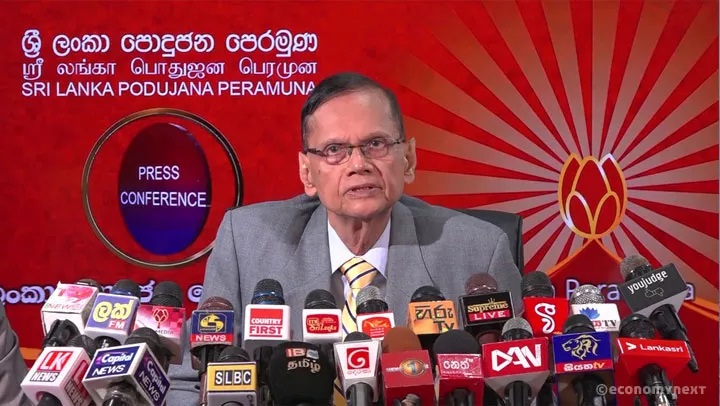
Sri Lanka Podujana Peramuna (SLPP) Chairman and incumbent Opposition MP Prof. G.L. Peiris claimed that the Government is attempting to postpone the Local Government (LG) election by propagating an opinion that there is a division among the members of the Election Commission (EC) regarding the holding of the LG election, and also engaging the Attorney General’s (AG’s) Department for LG election-related work.

Speaking at a media briefing today (9), he said: “Now, news is being published that the EC is divided over the holding of the LG election, and that EC members are holding differing views regarding it. Representatives of the Government are propagating an idea that the EC members should first come to a common position on the LG election. If not, they say that there is a serious issue regarding the conduct of the said election. This is completely false and there is no such division among the EC members.”

Presenting the gazette notification issued by the EC in December 2022 regarding the conduct of the LG election, he said that it is evident through it that there is no division among the EC members. He said that the relevant gazette notification, which is the official declaration of the LG election, has been signed by all EC members including its Chairman and Attorney Nimal G. Punchihewa, S.B. Divaratne, M.M. Mohamed, K.P.P. Pathirana, and P.S.M. Charles, and added that the same confirms that the EC members are of one view.

Speaking further, Prof. Peiris said: “The next misconduct of the Government is involving the AG in this matter. The AG does not have any regular powers to cross examine the members of the EC and to examine documents, etc. Simply, the AG has no role in this entire process, and has absolutely no ability to express a binding opinion.

“There are countless cases where the AG’s opinion was completely rejected by the Supreme Court. If an impression is created in the minds of the people that the AG is being used as a pawn, it is unfortunate. We don’t have a problem with individuals, but it will cause great damage to the post of the AG.”

While several Opposition parties have charged that the Government is attempting to postpone the LG election, and have even gone to court over the same, the EC is currently making necessary arrangements for the holding of the said election.

However, it was recently reported that the EC members hold differing views regarding the conduct of the said election, and that President Ranil Wickremesinghe had, during a recent meeting with the EC members, told them to reach a common decision concerning the same.

Posted in Uncategorized

Sri Lanka out of intensive care, but still in the trauma ward

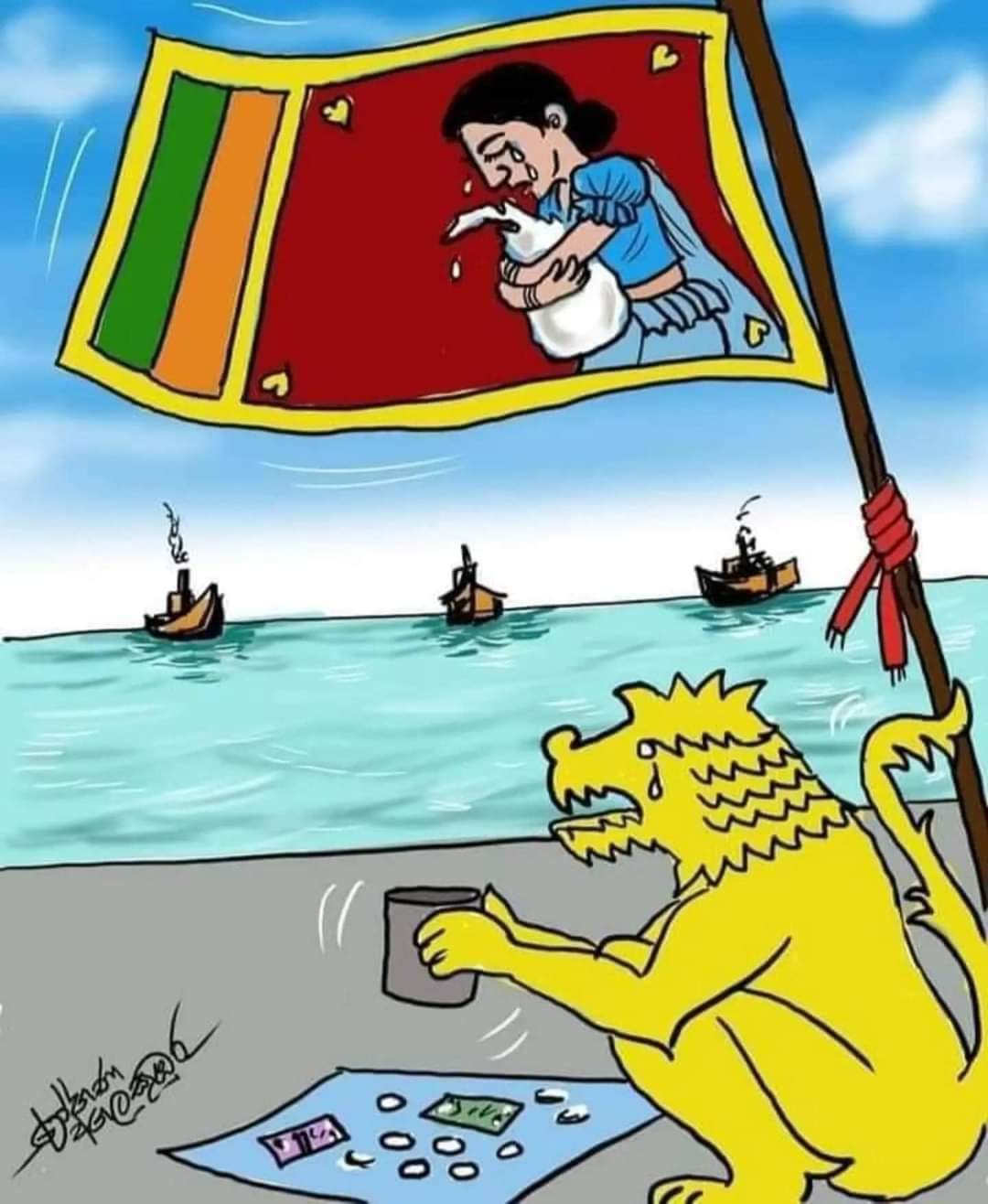
If you think your New Year hangover was bad, spare a thought for Sri Lanka. In 2022 what was once a dynamic economy on its way to high middle-income status became a cautionary tale of how rotten politics, and the bad policy it produces, can trump otherwise promising economic prospects.

As Dushni Weerakoon writes in this week’s lead article, a continuation of our Year in Review series on the major developments of the year across the region, Sri Lanka has set out on a hard road to recovery in a political environment not conducive to the structural reforms the country needs to achieve its potential.

In the short term, ‘Sri Lanka is banking on an IMF bailout to facilitate access to bilateral and multilateral financial support to get the economy back on track.’ Progress is being made in securing a deal, with the IMF agreeing access to US$2.9 billion under its Extended Fund Facility and the World Bank confirming Sri Lanka has ‘reverse graduated’ to be eligible for concessional finance under the International Development Association. But with Sri Lanka having an unwieldy mix of private and official creditors, the IMF program will require financing assurances and a good faith effort from creditors to restore debt sustainability before Sri Lanka is able to get the support it seeks.

Further bad news, Weerakoon says, is that ‘the standard IMF policy prescription that demands stringent financial discipline means that adjustment costs will be front-loaded, preventing the government from spending its way out of recession. Accordingly, taxes are being hiked and expenditures are being cut’ to get the Fund’s money in the door.

From the IMF’s perspective, this is a feature of the Extended Fund Facility, rather than a bug. The IMF program is intended to help Sri Lanka restore macroeconomic stability and implement necessary reforms, including anti-corruption reforms, to address medium-term balance of payments challenges — rather than subsidising the government’s day-to-day expenses. ‘Even if everything goes according to plan, it will be another two or three years before the Sri Lankan public feels any real improvement in economic conditions.’

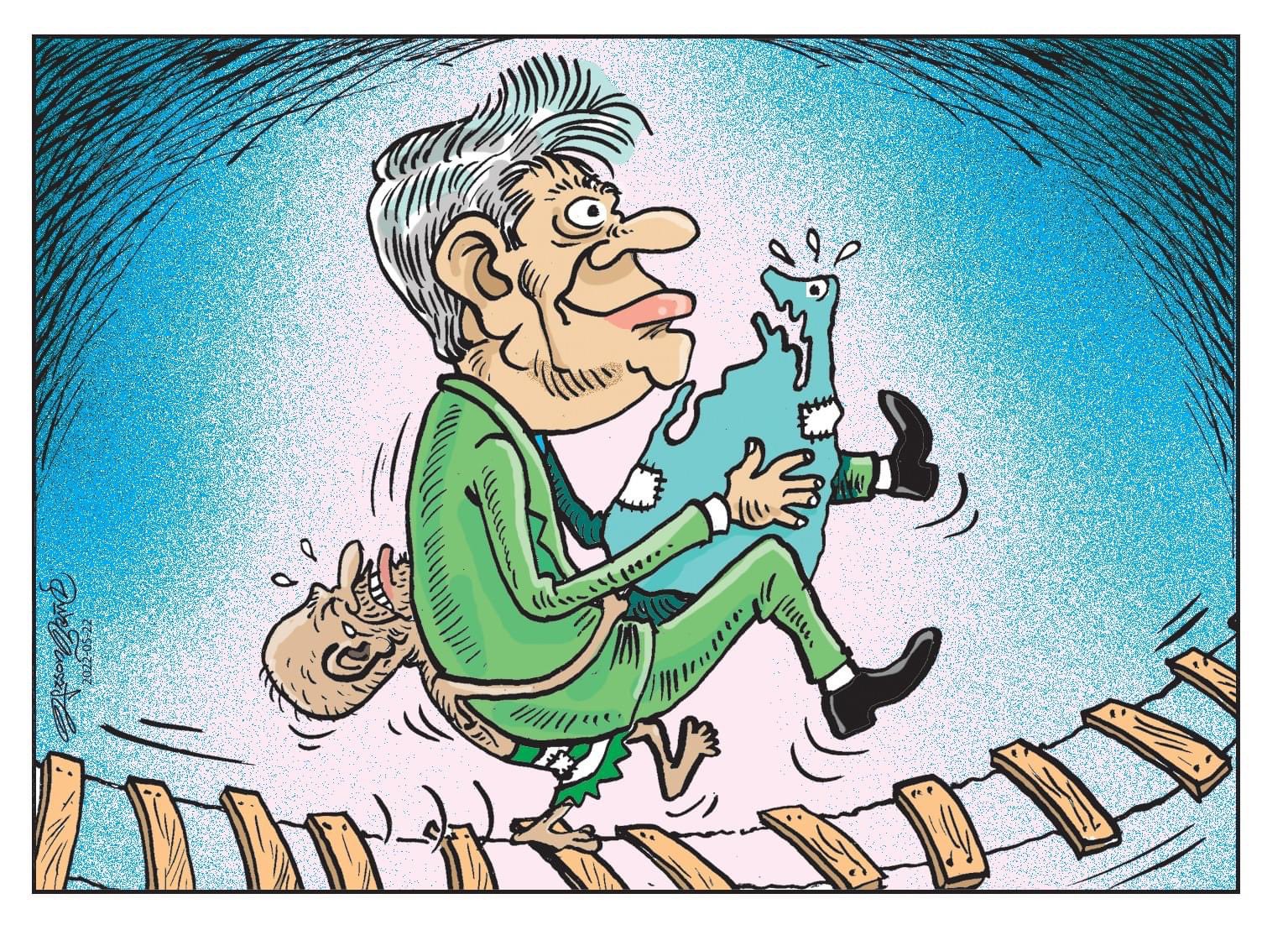
That timeframe could be of great importance. As Weerakoon notes, ‘[w]ith all the uncertainties, next year will be crucial for Sri Lanka as it gears up for the all-important presidential elections in 2024.’ Until then President Ranil Wickremasinghe — an ally of the ousted Rajapaksa brothers who was installed by parliament after they fled the country in July 2022 — will navigate both the international debt restructuring negotiations and the domestic policies they entail without any electoral mandate.

For this reason, as Weerakoon says, ‘[a]n economic crisis can sometimes be the catalyst of a major economic overhaul, but in the absence of political stability the downside risks are significant. Governments have far fewer resources in hand to compensate those who are bound to lose out from reforms.’

The Sri Lanka situation occurs against the backdrop of the need for new modes of global debt governance as the international landscape of sovereign creditors becomes more diverse, with China, the Gulf states and India, and private and state-owned creditors based in these countries, all claiming larger roles as development financiers abroad.

As the role of non-traditional creditors grows, governance frameworks for global debt need to change. Recent controversies over the role that Chinese lenders have played in the debt crises afflicting Tonga and Tanzania haven’t substantiated the ‘debt trap’ narrative — nor has China’s role in Sri Lanka’s current problems. Rather, they’ve obscured a more mundane but equally concerning reality: that Chinese lenders got out over their skis in extending loans abroad, driven by a complex mixture of domestic commercial and bureaucratic interests. It’s in everybody’s interest, including China’s, that its overseas lending practices are guided by more clearly-articulated policy principles and are executed with more transparency that has been the case so far.

The impulse to make the developing-world’s debt problem the object of geopolitical rivalry shouldn’t distract from a more worthwhile goal: to fold China, as well as the other emerging non-traditional leaders into fit-for-the times coordination — and, if necessary, adapting those frameworks to the reality that business as usual is increasingly an anachronism. As the World Bank’s chief economist warned in a recent interview, ‘we are applying a restructuring model that was devised for another time’, when Western governments or multilateral lenders were dominant. The Paris Club creditors’ coordination group no longer reflects the creditor mix in emerging economies.

Change is in the interests of all the stakeholders in this mix. The need for multilateral economic coordination through bodies like the G20 couldn’t be clearer. The beleaguered G20 Common Framework for Debt Treatments beyond the DSSI has had only one country achieve debt restructuring in two years. One significant improvement could be expanding eligibility to middle-income countries: until its December ‘reverse graduation’ under the World Bank, Sri Lanka was ineligible — as alluded to in the 2022 Bali G20 Leaders Declaration which noted that members were ‘concerned about the deteriorating debt situation in some vulnerable middle-income countries’.

Sri Lanka will likely face economic pressures for much of the decade ahead, but it would do well to take inspiration from the experience of the region in moving past the Asian Financial Crisis. Indonesia was forced to ‘reverse graduate’ in 1999 in order to access concessional finance but proceeded to graduate again in 2008 and is now a powerhouse economy in the region, whose sustained run of sound macroeconomic management can in no small part be put down to the memories of the traumas of the crisis and its aftermath.

If there’s a silver lining to the hard years ahead for Sri Lanka, it is to be found in the hope that its elites will never allow a repeat of the abysmal policymaking that its people are now paying for with their economic livelihoods.

EAF (Source)

Posted in Uncategorized

Indian rail company’s track rehabilitation work between Maho and Omanthai inaugurated

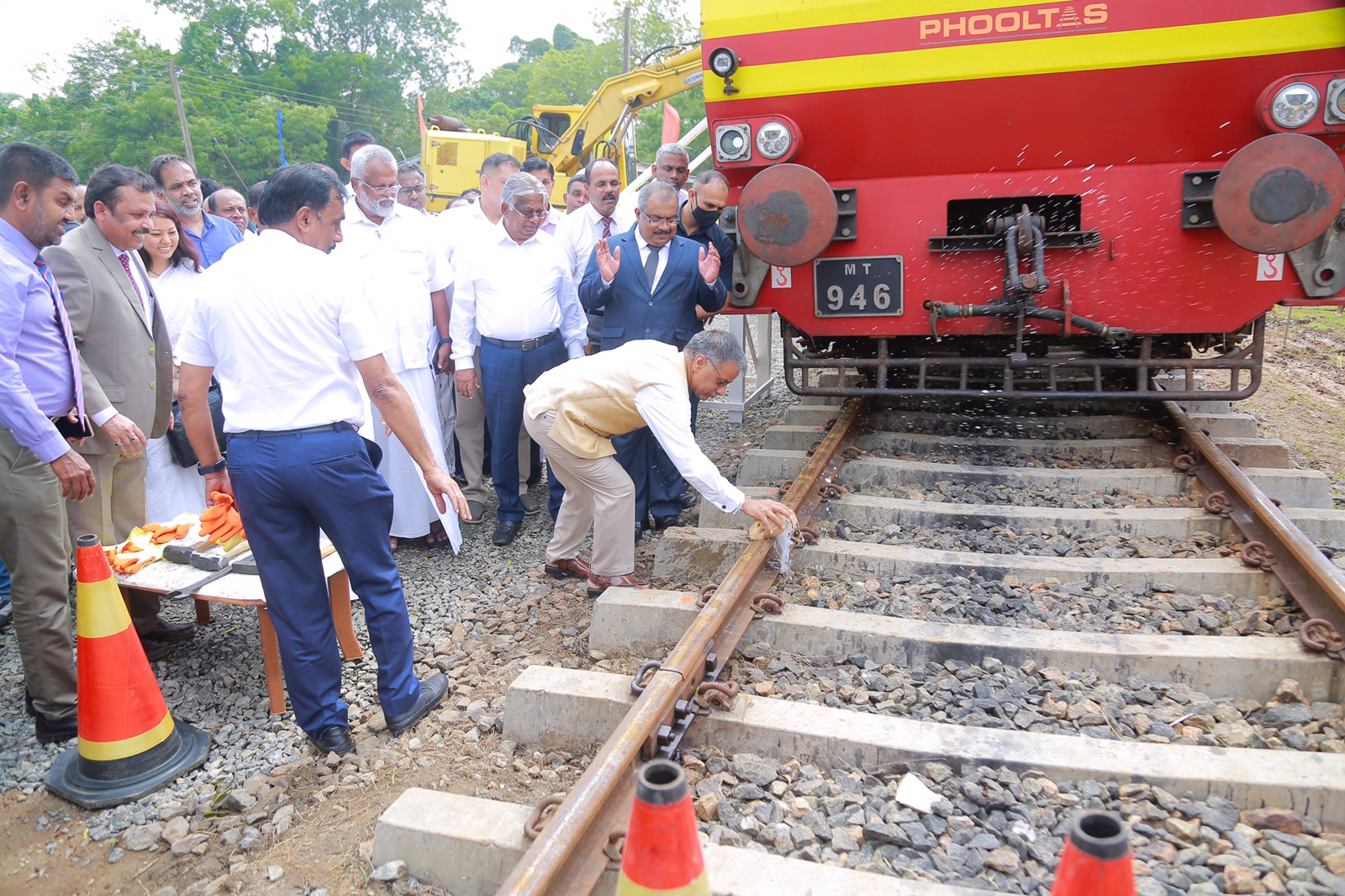
On January 8 (Sunday), the Sri Lankan Minister of Transport of Sri Lanka Dr. Bandula Gunawardane and High Commissioner of India to Sri Lanka, Gopal Baglay ceremonially launched track rehabilitation work at Medawachchiya for upgrading the railway line and ancillary works from Maho to Omanthai (128Km) being undertaken by an Indian Public Sector company, IRCON, under an existing Indian Line of Credit (LOC) of USD 318 million at a cost of USD 91.27 million.

The Minister of Fisheries Douglas Devananda, State Minister of Finance Shehan Semasinghe, State Minister of Highways Sirapala Gamlath and senior officials from the Sri Lankan Ministry of Transport were present at the event.

In his remarks, the Minister of Transport thanked India for the support extended to Sri Lanka, especially in the transport sector. Appreciating the work done by IRCON in Sri Lanka in the past few years, he called for greater cooperation in railways between the two countries.

The High Commissioner highlighted that India has executed projects of over USD 1 billion in the railways sector under 5 Indian LOCs. In addition, projects of about USD 180 million are either ongoing or in the pipeline under existing LOCs. He underscored the importance of modernization of the railways in enhancing mobility of goods and services in Sri Lanka thereby boosting economic activity.

The High Commissioner also stressed the importance of strengthening connectivity internally as well as with India for enhancing pilgrimages, tourism, trade and economic benefits for the people of both countries. He stated that India will work with Sri Lanka to introduce green and sustainable transport solutions.

As a long-standing development partner of Sri Lanka, the Government of India has executed several projects in Sri Lanka under its concessional loans and grant schemes. Of the different sectors of cooperation under these facilities, the upgrading and modernization of the Sri Lankan Railways have been one of the priority areas.

IRCON started its operations in Sri Lanka in March 2009 and has contributed to the modernization of the Sri Lanka Railways by reconstructing the entire railway network in th Northern Province (253 Km) and upgrading the Southern line (115 km). It has also contributed to ensuring safety and reliability through a modern signaling & telecommunication system on a 330 km stretch of the railway line.

India’s support to Sri Lanka under various LOCs has continued even after April 2022. Recently, 125 out of the 500 India-made Mahindra SUVs being supplied under an LoC were handed over to Sri Lanka Police. Similarly, 75 out of the 500 Ashok Leyland buses being supplied under an LoC were handed over to the Sri Lanka Transport Board last week.

Posted in Uncategorized

UNP, SLPP may contest Local Government elections together- UNP General Secretary

United National Party Secretary General Palitha Range Bandara said that the United National Party and the ruling party, Sri Lanka Podujana Peramuna have considered contesting the Local Government elections together under a common symbol.

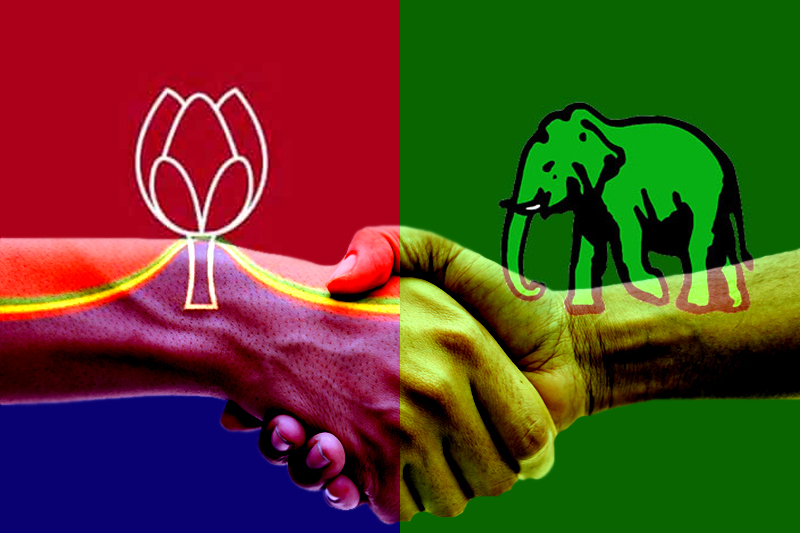
The UNP General Secretary said that the two parties will contest together with the elephant symbol for some local government institutions and the Pohottuwa (lotus bud) symbol for some others and mentioned that they will contest with a common symbol for some of the local government institutions.

Mr. Range Bandara said a decision on which institutions will contest under which symbol will be taken at a discussion to be held Tuesday (10) with the participation of the high level leaders of the two parties

The top officials of the two parties have held a discussion in Colombo today (8) to make a decision on how to contest in the local government elections and contesting under a common symbol was also discussed at the meeting today, the UNP General Secretary said.

On behalf of the United National Party, Deputy Leader Ruwan Wijewardena, Deputy Leader Akila Viraj Kariyawasam, Chairman Vajira Abeywardena, Vice Chairman Sagala Ratnayake, General Secretary Palitha Range Bandara and Ravi Karunanayake participated in the discussion.

On behalf of the Sri Lanka Podujana Peramuna chairman Basil Rajapaksa, General Secretary of the party Sagara Kariyawasam, MPs Sanjiva Edirimanna, Johnston Fernando, and Mahindananda Aluthgamage participated.

Posted in Uncategorized

India wants humanitarian approach to fishermen issue with Sri Lanka

India is seeking a humanitarian approach to resolve the fishermen issue with Sri Lanka, the Indian High Commissioner to Sri Lanka Gopal Baglay said.

He also said that India will try to assist the Sri Lankan fishermen in every way possible.

The Indian High Commissioner expressed these views while speaking to the Buddhist clergy at the Jaya Sri Maha Bodhiya in Anuradhapura.

The High Commissioner was in Anuradhapura to take part in religious activities ahead of the commencement of renovation work on the Maho-Omanthai stretch of the Northern railway line.

The Buddhist clergy thanked India for all the assistance it has provided to Sri Lanka during the time of crisis.

The clergy had also noted the concerns raised on Indian fishermen poaching in Sri Lankan waters.

Baglay said that India’s approach was to address the issue in a humanitarian manner.

“For Sri Lanka’s fishermen there have been a number of difficulties in the past year or so. We have tried to help whether it is kerosene supply or food. We will continue to help,” he said.

Upgrading of the railway tracks of the Maho-Omanthai stretch of the Northern railway line is being handled by India’s state-run Indian Railway Construction International (IRCON), under an Indian credit line of USD 91.27 million.

CBK holds special meeting with several MPs

A special discussion has been held at former President Chandrika Bandaranaike Kumaratunga’s official residence in Torrington this evening (Jan.08).

Future political activities were reportedly taken up for discussion during the meeting.

National Organizer of the Sri Lanka Freedom Party (SLFP) Duminda Dissanayake, Ministers Nimal Siripala de Silva, Mahinda Amaraweera, Parliamentarians Jagath Pushpakumara and Lasantha Alagiyawanna were also present at the meeting, the political sources said.