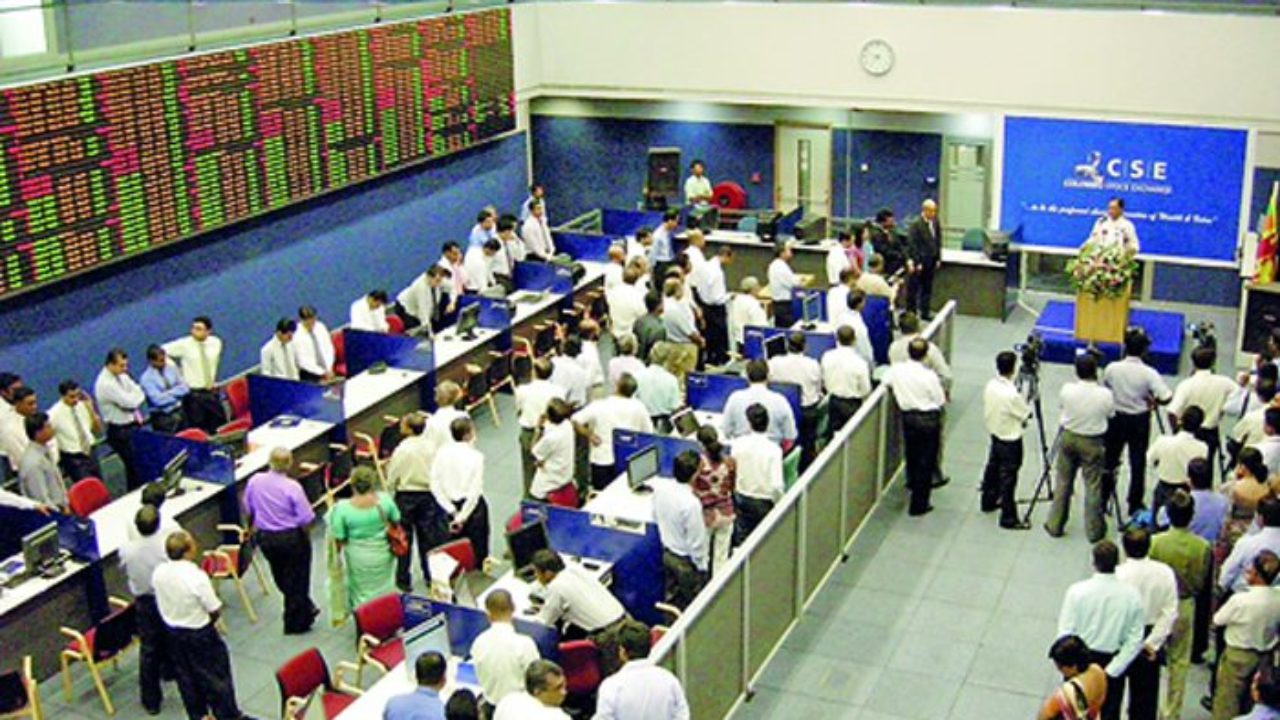
Sri Lanka stock trading halted after 9.6-pct drop

Sri Lanka’s stock trading was for 30 minutes for the second time on Friday as an index of liquid stocks dropped 9.6 percent, after a trading re-started from a earlier fall of 5.0-pct extending a rout seen over recent days.

The market has “been halted for 30 minutes due to the S&P SL20 index dropping over 7.5% from the previous close,” the Colombo Stock Exchange said. The halt will be lifted at 11.33am.

“..the Market has been halted for 30 minutes due to the S&P SL20 index dropping over 5% from the previous close,” the Colombo Stock Exchange said.

Sri Lanka’s stock have been moving up with money printed to keep interest rates low which has de-stabilized an unstable flexible exchange rate or soft-peg.

Prices were partly driven by inflation expectations, with export firms in particular promoted with currency depreciation expected due to money printing.

Overnight there were protests near President Gotabaya Rajapaksa’s residence.

Protestors were peaceful but there was a sudden violence. It is not clear who triggered the violence.

Posted in Uncategorized

Public outrage grows on social media against the Rajapaksas

Public outrage against President Gotabaya Rajapaksa, Prime Minister Mahinda Rajapaksa and Sports Minister Namal Rajapaksa has seen a rapid rise on social media

Anger against the Rajapaksas has being growing on social media after the power cuts, fuel and gas shortage continued.

Social media users, including a number of prominent personalities have openly criticized the Rajapaksa administration on social media over the current state of affairs.

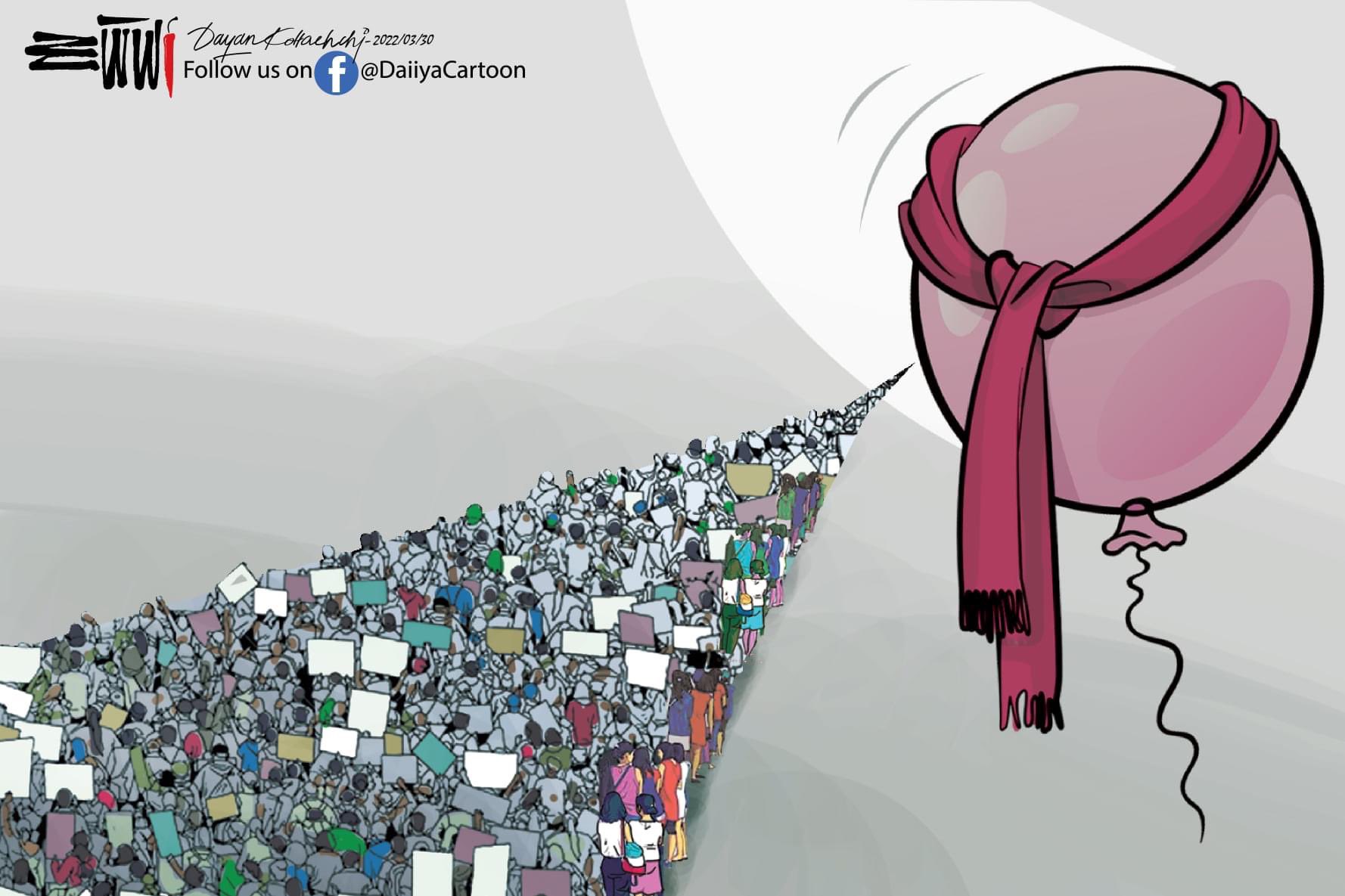
Meanwhile, public demonstrations are set to continue against the Government with a ‘white cloth’ campaign to be launched tomorrow.

The white cloth campaign being launched outside the Nelum Pokuna theater will see white cloth being tied on the side mirrors of vehicles.

Organisers said that the campaign, to be launched at 5pm tomorrow (Saturday), will see a chain reaction with more and more motorists tying white cloth on the side mirrors during the coming week, as a mark of protest.

Candle light protests are also continuing in several parts of the country.

On Wednesday night motorists tooted their horns in protest against the Rajapaksa administration.

Meanwhile, some shopping malls and supermarkets were in complete darkness yesterday after they ran out of fuel to operate their generators.

Liberty Plaza, a leading mall in Colombo was without power last morning with shop owners being informed that there was no diesel to operate the generators.

Shop owners at Liberty Plaza told Daily Mirror that their businesses took a serious hit as a result of the power crisis

Late-Night Protest By Thousands Near Lanka President Home, Cops’ Bus Burnt

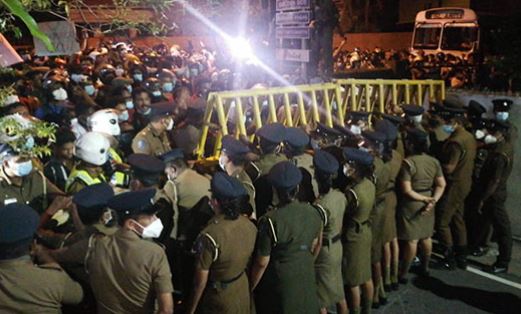
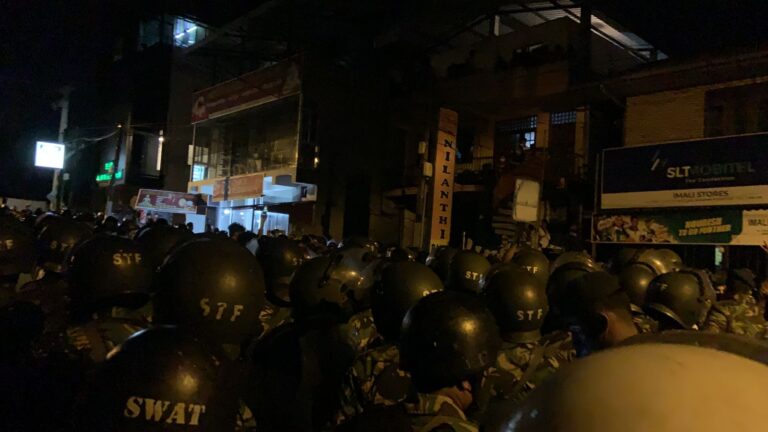
People in Sri Lankan capital Colombo, suffering for weeks under a terrible economic crisis, erupted in protest late this evening. More than 5,000 people held a protest march in the Lankan capital near the President’s house demanding that he step down, and clashed with the police. The paramilitary police unit, a Special Task Force, had to be called in to quell the protests.
There has been a critical shortage of food and essential items, fuel and gas for weeks as the country grapples with the worst economic downturn since its independence.

This evening, diesel was no longer available, leaving the country’s 22 million people under a 13-hour power blackout and keeping transport off the roads. The blackout had spin-off effect on state-run hospitals which already had stopped surgeries due to shortage of medicines.

The electricity rationing hit mobile phone base stations and affected the quality of calls. The Colombo Stock Exchange had to limit trading by half to two hours, and offices asked non-essential staff to stay home.

Street lights were being turned off to save electricity, news agency Reuters reported, quoting a minister.

By evening today, the people started converging on the road near the house of President Gotabaya Rajapaksa, demanding that he and his family “Go home”.

The President’s elder brother Mahinda Rajapaksa serves as prime minister while the youngest, Basil Rajapaksa, holds the finance portfolio. The eldest brother Chamal Rajapaksa is agriculture minister while nephew Namal Rajapaksa holds the cabinet post for sports.

The trouble started when the police attempted to disperse the protesters, who were waving posters and shouting slogans. The mob threw bottles and stones at the police and the crowd could be controlled only with tear gas and water cannons.

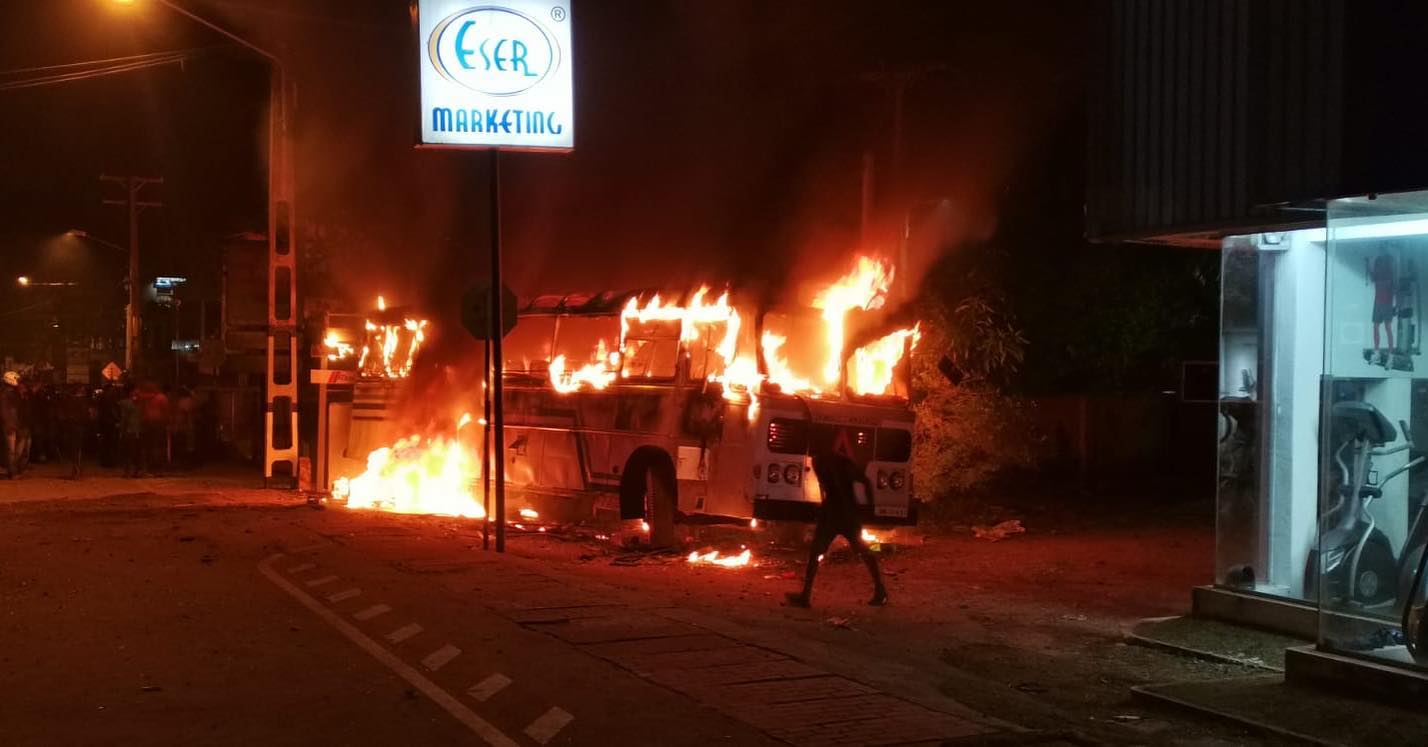
Visuals from the spot showed the mob encircling two policemen on bikes. The slogan shouting was punctuated by sounds of shattering glass and crashing stones. A police bus was set on fire.

Mr Rajapaksa was not at home during the protests, reported Agence France-Presse quoting official sources.

Nandakumar, the Deputy Inspector General of Colombo, said the mob was “not unruly”. “It is fine… nothing to worry,” he told NDTV. Asked how they plan to disperse the crowd, he said, “We cannot say anything to them now”.

Since yesterday, local television channels and NDTV have reported protests erupting in various parts of the country. In several towns, motorists blocked main roads.

The current crisis has its roots in the Lankan government’s move to ban imports back in March 2020. The move was meant to save foreign currency for the government’s $51 billion debt. But this led to a widespread shortage of essential items and skyrocketing prices.

The government has said it is seeking a bailout from the International Monetary Fund. It has also sought loans from India and China.

Source:NDTV.COM

https://www.ndtv.com/video/news/news/sri-lanka-economic-crisis-massive-late-night-protests-near-lanka-president-s-house-ndtv-ground-repor-626460

Diesel shipment in international waters, refuses to enter local waters till payment made

** The captain was holding the vessel in international waters till the payment was released

** The President had given a guarantee that funds would be released for the shipment, but the captain has refused to accept this guarantee

**The government is liable for demurrage fees for the delay in clearing the shipment but right now no immediate funds are available for the shipment to be unloaded.

**This will lead to the diesel shortage presently existing in the market, to be extended by a few more days

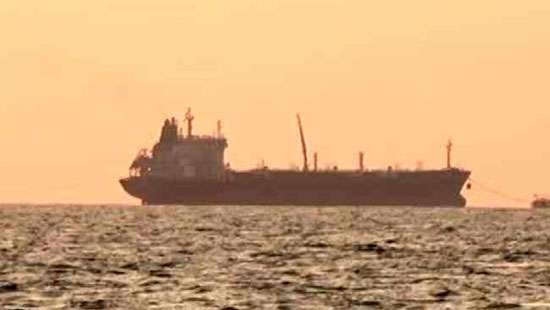
A ship carrying the much required diesel shipment for this week is currently in international waters and the captain of the vessel is refusing to enter local waters, till such time the payment for the shipment is made upfront, senior sources in the industry told Daily Mirror last evening.

It is still unclear how many tonnes of diesel the vessel is carrying but sources said the captain was holding the vessel in international waters till the payment was released.

President Gotabaya Rajapaksa had given a guarantee that funds would be released for the shipment, but the captain has refused to accept this guarantee. He also fears that if his vessel enters local waters, it will be kept lying for several days with the Sri Lankan government being unable to clear it.

The government is liable for demurrage fees for the delay in clearing the shipment but right now no immediate funds are available for the shipment to be unloaded.

Once the government confirms that the payment is ready and has been made the vessel will enter the Colombo Port for unloading.

This will lead to the diesel shortage presently existing in the market, to be extended by a few more days.

The Ceylon Petroleum Corporation has requested the public not to queue at filling stations for diesel as no stocks are available.

However from the shipments already received, diesel will be distributed for essential supplies only.

Posted in Uncategorized

Sri Lanka Telecom takes three channels temporarily off PeoTV citing payment difficulties

Peo TV, Sri Lanka Telecom’s internet protocol television (IPTV) service, has taken three international sports channels off its network citing difficulties in making payments for the service providers in US dollars, officials said.

Three channels owned by the Indian multinational Star Sports network have not been on air on Peo TV from Monday (28) due to payment difficulties, a Sri Lanka Telecom (SLT) official told Economy Next on Thursday (31).

SLT is Sri Lanka’s national telecommunications provider, with the government owning 50.5 percent of the company.

“A few channels aren’t being aired because we are unable to make some of the payments. However, we are working with the bank to get this problem solved. It will most likely be resolved by today or tomorrow,” the official said.

There are issues with remitting payments and restrictions revolving around payments and that is the only barrier in providing the service to consumers, the official said.

The privately owned Dialog Axiata Plc, however, has so far not experienced such issues, a spokesperson said.

Sri Lanka is facing a severe dollar shortage amid a debt crisis, as indiscriminate money printing and dwindling forex reserves take a toll on the island.

Posted in Uncategorized

Colombo rocked by Arab Spring-like protest

Agitated by price hikes, shortages of essential items and lengthy power cuts, Sri Lankans without the backing of any political parties, today took to the streets in numbers to express their anger at the present administration’s handling of the economy and the country in general.

Protests have been a regular occurrence in recent days with several political parties and civil society groups also holding demonstrations in Colombo and across Sri Lanka.

A group today decided to hold a demonstration in the vicinity of the private residence of President Gotabaya Rajapaksa.

However, Police were deployed to the areas to maintain law and order.

The demonstration got out of hand after clashes broke out with protesters and law enforcement officers.

Subsequently, Special Task Force personnel officers were deployed while water cannons were also used to control the protesters who had gathered outside the road leading to President Rajapaksa’s residence.

NewsRadio correspondents confirmed that some protesters were seen lying along the road.

Protesters who gathered in Mirihana also hurled stones and bricks at a Sri Lanka Army bus and set the bus on fire.

The bus was parked, blocking the entrance to the Pengiriwatte Road, which leads to the President’s private residence.

Meanwhile, Police curfew has been imposed with immediate effect within the Colombo North, Colombo South, Colombo Central, Nugegoda, Mount Lavinia and Kelaniya Police Divisions until further notice.

The Police Media Unit informed NewsRadio that the directive has been issued by the Inspector General of Police.

Bus set on fire as large crowds gather in Mirihana

A bus has been set on fire as large crowds gathered in Mirihana following a clash between protesters and the Police.

The bus had reportedly been placed to block access to the private residence of President Gotabaya Rajapaksa.

Protesters had set fire to the bus increasing tensions in the area.

The Police had earlier fired tear gas after the protest staged near President Gotabaya Rajapaksa’s private residence in Mirihana turned violent.

What began as a large silent protest, later turned violent as the people attempted to advance near the President’s house.

The protesters made several attempts to push the barricades placed by the Police down.

Eventually one line of barricades was pushed down and the Police fired water cannons and tear gas.

Angry protesters pelted stones at the truck which fires water.

A tense situation continued in the area for several hours.

The protest was staged against the current situation in the country with power cuts, and a shortage of gas and fuel continuing.

Posted in Uncategorized

Police curfew imposed in Colombo North, South, Central, Nugegoda

Police curfew has been imposed in Colombo North, South, Colombo Central and Nugegoda police areas until further notice due to the tense situation that erupted outside the private residence of President Gotabaya Rajapaksa today evening.

Line of credit, loan, medicines — India-China rivalry finds new ground in Lanka economic crisis

India-China rivalry in Sri Lanka has been playing out for years now but the unprecedented economic crisis in the island nation has given it fresh impetus. Over the last few months, New Delhi and Beijing have both been going out of their way to help Colombo through loans, credit lines and even medicines to ensure surgeries, hoping to gain more influence in return.

The island nation is in the throes of food and fuel shortages, power cuts, inadequate supply of medicines and other items.

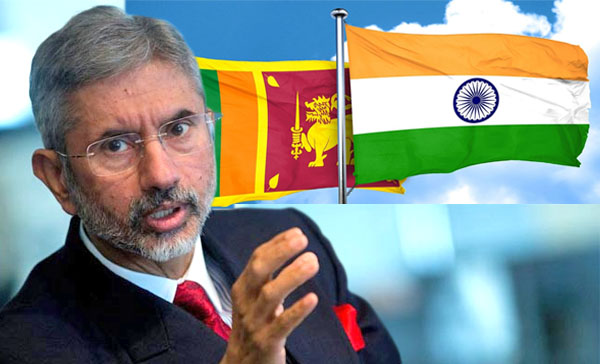
External Affairs Minister S. Jaishankar, who is currently visiting Sri Lanka, has met almost all key political leaders of that country in a span of two days, while also extending help in addressing some local issues there. He met Sri Lankan President Gotabaya Rajapaksa, Prime Minister Mahinda Rajapaksa, Finance Minister Basil Rajapaksa and Minister of Fisheries and Aquatic Resources Douglas Devananda.

Earlier this month, New Delhi provided Colombo with a $1 billion line of credit (LoC) for procuring food, medicines and other essential items.

While Jaishankar went to Sri Lanka mainly to attend the Bay of Bengal Initiative for Multi-Sectoral Technical and Economic Cooperation (BIMSTEC) summit and secure the country’s maritime domain, he even attempted to help with their daily needs, to give out the message that India truly believes in ‘Neighbourhood First’.

China is trying “to gain maximum advantage out of this crisis” and is “following up” on the measures that India is announcing, diplomatic sources told ThePrint.

The sources said that while New Delhi is mostly giving LoCs to help Sri Lanka, China is providing loans, which will be difficult for Sri Lanka to pay later.

On Tuesday, Jaishankar stepped in to resolve a crisis in one of Sri Lanka’s renowned hospitals — Peradeniya Hospital — where all surgeries had to be stopped due to shortage of medicines.

“Disturbed” by the situation, External Affairs Minister Jaishankar instructed India’s High Commissioner to Sri Lanka, Gopal Baglay, to resolve the issue.

The Indian High Commission subsequently reached out to the Peradeniya University vice-chancellor in order to understand “their requirements for medicines to continue regular and scheduled surgeries”.


Jaishankar also visited the 1990 Suwa Seriya ambulance service in Colombo Tuesday, which he said has responded to 5 million calls to date.

“The Indian External Affairs Minister assured the support of the Government of India to ensure economic stability in Sri Lanka, and reiterated that India understands the real issues of Sri Lanka being a close neighbour,” the Foreign Ministry of Sri Lanka said in a statement after Jaishankar’s meeting with his Sri Lankan counterpart G.L. Peiris.

Jaishankar Tuesday also met Sri Lanka’s former prime minister and arch rival of the Rajapaksas — Ranil Wickremesinghe — and discussed India’s help to Sri Lanka.

Tamil reconciliation, fishermen issues
While India is trying to help Sri Lanka tide over the current crisis, it is also ensuring that its interests in terms of the Tamil reconciliation and fishermen issues are effectively addressed.

During Jaishankar’s meeting with Peiris, the former was assured that the Sri Lankan government will work towards the Tamil reconciliation issue.

“Minister Peiris briefed Minister Jaishankar on the successful discussion the President of Sri Lanka and the Government had with the Tamil National Alliance (TNA, main Tamil party in Sri Lanka) last week, during which the President had acknowledged the concerns of the people of the North and East in terms of reconciliation,” the Sri Lankan Foreign Ministry’s statement said.

“Minister Jaishankar welcomed the positive developments that the Government of Sri Lanka has made towards resolving issues concerning Tamils in Sri Lanka and achieving (a) long-lasting solution,” it added.

At the BIMSTEC ministerial meeting, which took place Tuesday, Jaishankar spoke about cooperation between all members in connectivity, maritime security and countering terrorism.

BIMSTEC comprises as members India, Bangladesh, Bhutan, Myanmar, Nepal, Sri Lanka, and Thailand. Prime Minister Narendra Modi will Wednesday address the BIMSTEC summit virtually.

China’s outreach
A day after India announced the $1 billion LoC, China’s Ambassador to Sri Lanka Qi Zhenhong said that Beijing is considering a request from Colombo for a $2.5 billion assistance package, including a $1.5 billion credit line and $1 billion loan.

China is also pushing Sri Lanka to immediately conclude the China-Sri Lanka free trade agreement (FTA), which the Chinese claim will benefit Colombo’s local market and products.

“Ambassador Qi, while stating that China had signed over 26 FTAs, expressed that finalising the proposed FTA between Sri Lanka and China would immensely benefit the Sri Lankan local market and products. He also urged the Sri Lankan authorities to resume the 7th round of FTA negotiations at the earliest,” said a statement issued after Qi’s meeting with Peiris last week.

The Chinese have also expedited some of their small and medium projects there, especially a few road projects in the rural provinces of the Indian Ocean island.

It even gifted 2,000 tonnes of rice worth $2.5 million to Sri Lanka last week to help address the growing food crisis there.

‘India can do more’
Sumith Nakandala, senior director, Bandaranaike Centre for International Studies, told ThePrint from Colombo that “India can do more” to help the country.

“Sri Lanka is in a state of major economic crisis. India has reached out with assistance, but this is not enough. It is important to understand that India can do more. India’s helping hand at this moment will strengthen our case. India will have to understand our problems. These are accumulated problems,” Nakandala said.

“We want India to expedite the projects it was handed over a long time back. For example, the LNG (liquefied natural gas) project that was given to India and Japan in 2017. The plan was to develop three power plants having a capacity of 100 MW,” he added.

“If that project was up and running today, we wouldn’t have faced such massive power cuts. Then there are long queues to get food and medicines. India can help us through the Food Corporation of India and SAARC food reserve.”

Nakandala said that China had also extended help, “but these are loans unlike a line of credit”.

“We do understand that countries have their own limitations and we have to do domestic arrangements in terms of cost of living adjustments, balance of payments, currency rate management etc,” he added.


Posted in Uncategorized

‘Can we eat money?’: Prices high, supplies low, despair in Lanka

Written by Arun Janardhanan

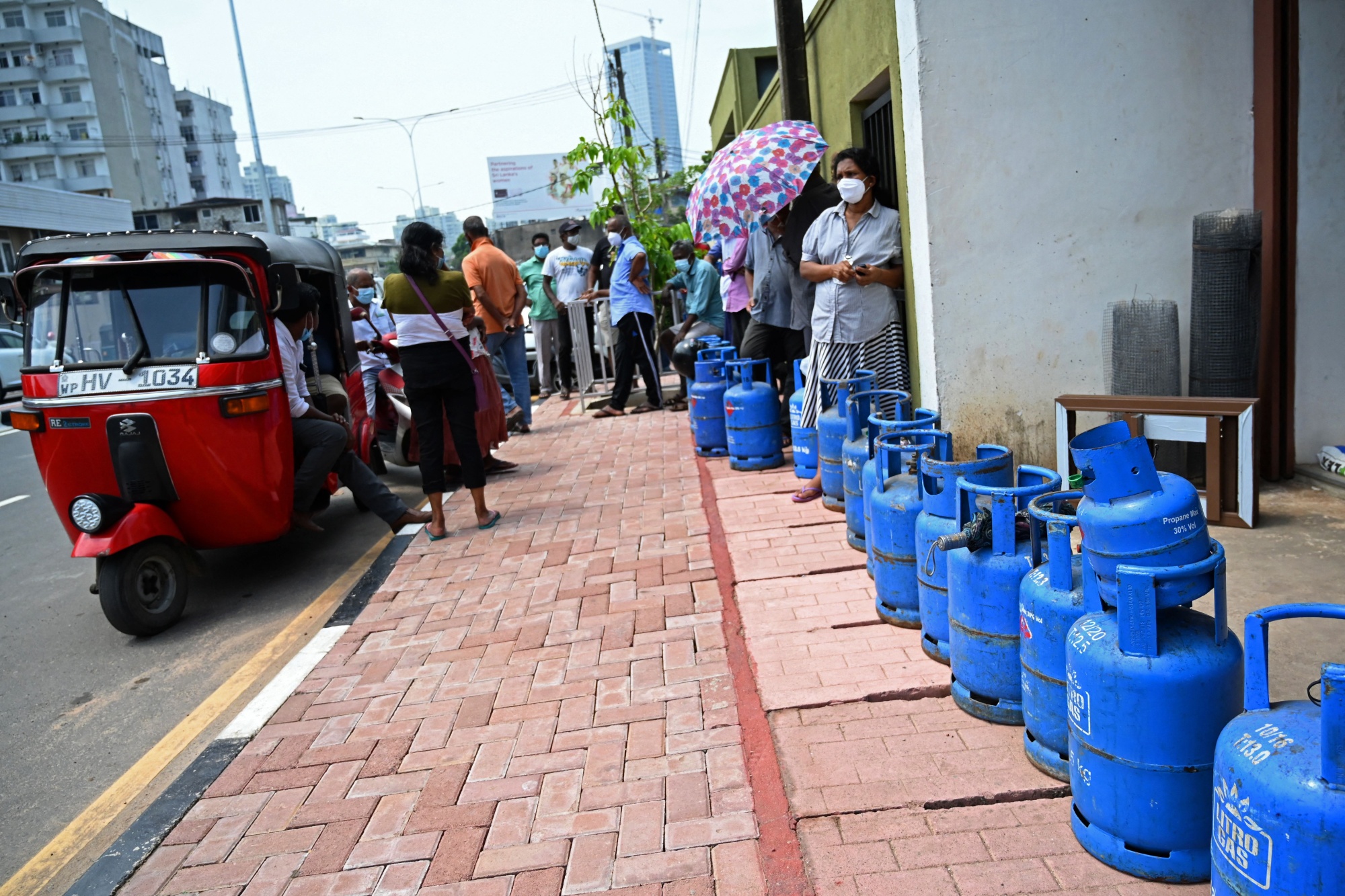
Vani Susai, a 31-year-old school teacher working in Batticaloa in Sri Lanka’s eastern province, recalls the first signs of the economic crisis in the last week of January. “That Sunday morning, I ran out of gas. I called the agency to check for a cylinder and was told they could not deliver it for several days. I went in search for one, going shop to shop. I finally found a cylinder after three hours.”

Two months later, the cooking gas supply is down to once a week. “Everybody goes to this one place on Sunday and stands in a queue that starts forming at 4 am.

They give 300 tokens at one time, while the queue has over 1,000 people,” says Susai, adding that as a working woman and mother, she can’t spare the time to stand in a queue. Her husband works in the Gulf. “If I get a chance, I will leave.”

Last week, Tamil Nadu received more than a dozen people who had fled Lanka under similar economic duress. The country is facing one of its worst economic crises, battered by the Easter Sunday blasts of April 2019, two Covid waves and now the Russia-Ukraine war. The setbacks have hurt the tourism industry that is the bedrock of the Lankan economy. The island country that imports almost everything from outside has been struggling to manage supplies.

Susai says that her usual expense on essentials for a family of three, her mother, daughter and her, was around Sri Lankan Rs 30,000 a month. “But this month, I have already spent Rs 83,000. There is a shortage of milk powder. One has to struggle for rice and daal. There is seven hours of load shedding but there are no candles. A strip of 12 paracetamol tablets costs Rs 420 and many medicines have disappeared. My salary is Rs 55,000 and we can manage with cash sent by my husband. But can we eat money?”

Dr Samantha Kumara, a dental surgeon from the Kurunegala northwestern province, is in a similar situation. His son is studying in Australia and he has not been able to send money to him. “All dollar accounts have been frozen,” says Dr Kumnara.

Rahaman Thasleem, who worked as a taxi driver, has taken up carpentry work now in Negombo, a western coastal city. He wonders whether India will give him asylum or he should try for Dubai. Thasleem, who has changed five jobs in the last three years, says they are struggling to manage. “I was able to get some firewood due to gas and fuel shortage, but my wife has never cooked on firewood. And cooking on firewood takes too much time; she also works.”

Hussain Mohammed, who plies a taxi in Colombo, says they are bracing for a further impact from rising fuel prices. “Many private buses have stopped services, government services have become erratic, some train services have been affected.”

Batticaloa Bishop Joseph Ponniah says “people are suffering from north to south, east to west”. “I hear stories of misery everyday.” The bishops across the country held a meeting in Colombo on Tuesday to discuss the situation.

Dilith Jayaweera, a Colombo-based business tycoon, says he feared such a situation ever since President Gotabaya Rajapaksa appointed P B Jayasundhara as his secretary. He was referring to a controversial official who worked with previous regimes and is being blamed for many decisions leading to the financial mismanagement. Jayaweera’s businesses include an advertising company that worked for the Rajapaksas during the war against the LTTE, a popular TV channel, FM stations, dailies, and a leading mercantile establishment, George Steuart and Co.

“My company (George Steuart) recently found it difficult to import some life-saving medicines. My newspapers are facing problems. We have reduced the number of pages,” Jayaweera says.

Raza Akram, a film producer based in Colombo, says the crisis has hit at a time when Hollywood was increasingly looking to Lanka for shooting. “I can see at least a 30% increase in budgets of my two ongoing productions,” he says.

A senior official in Colombo says “every person is suffering”. “The government is trying to make people work from home, but the load shedding is a challenge. Hospitals are affected as there is no diesel for generators.”

The official adds that that the government hopes to announce some financial assistance for everyone, ahead of the coming New Year festivities. Attempts are being made to get a few shipments of rice from China, and petrol and gas supplies.

United National Party leader and former Prime Minister Ranil Wickremesinghe, however, warns that the crisis will last at least five years. Blaming this on the “reversal of economic policies” by the Rajapaksa government, he says it has shaken the confidence of investors.

Milinda Rajapaksa, Additional Director General, Ministry of Information, says they are banking on Indian and Chinese credit lines. “In April first week, the Finance Minister will meet chiefs of the World Bank and IMF. Talks have been held already with the IMF on a restructuring plan.”