Senthil Thondaman becomes new CWC Leader

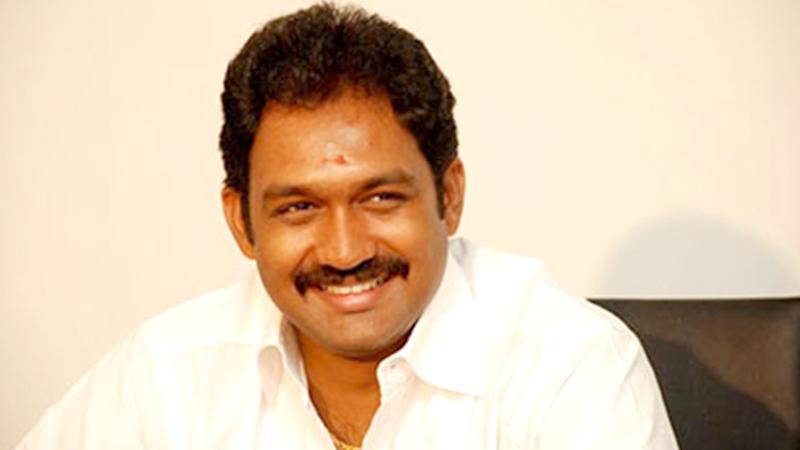
Senthil Thondaman has been appointed as the new leader of the Ceylon Workers Congress.

The CWC Working Committee convened today at the Party headquarters in Kotagala to elect the new officer bearers.

Accordingly, former Vice President of the party Senthil Thondaman was elected as the new CWC Leader while State Minister Jeevan Thondaman has been elected as the General Secretary.

Meanwhile, Parliamentarian Marudapandy Rameshwaran has been elected as the Chairman, PP Sathyawel as the National Organizer, and Anusha Sivaraja and Kanapathy Kanagarajah as Deputy Chairpersons of the CWC today.

State Minister Thondaman said 14 other Vice Presidents were also appointed during today’s meeting.

Posted in Uncategorized

Indian High Commission seeks applications for scholarships from children of estate workers

Applications are invited from the children of estate workers, for award of scholarships by the Ceylon Estate Workers’ Education Trust (CEWET).

These scholarships are available for G.C.E. Advanced Level, Undergraduate courses and for students undergoing Vocational/Technical education in any other Government Technical Colleges in Sri Lanka.

Students who have passed G.C.E. Ordinary Level (with minimum 6 credit passes) or Advanced Level examination and below 25 years of age are eligible to apply for this scholarship. The completed application forms must be attached with photocopies of birth certificate, result sheet of G.C.E ‘O’ Level or ‘A’ Level, latest salary slip of parents and Estate Superintendent’s certificate regarding parent’s occupation. Application forms could be downloaded at the High Commission of India, Colombo website www.hcicolombo.gov.in

Application forms could also be obtained from High Commission of India, 36-38, Galle Road, Colombo-03 and the Assistant High Commission of India, 01A, Mahamaya Mawatha, P.O.Box 47, Kandy.

Duly completed forms should reach the Honorary Secretary, CEWET c/o High Commission of India, P.O. Box 882, Colombo-03 on or before 29 April 2022.

Posted in Uncategorized

NO Fuel – NO Transport; School service providers give an ultimatum

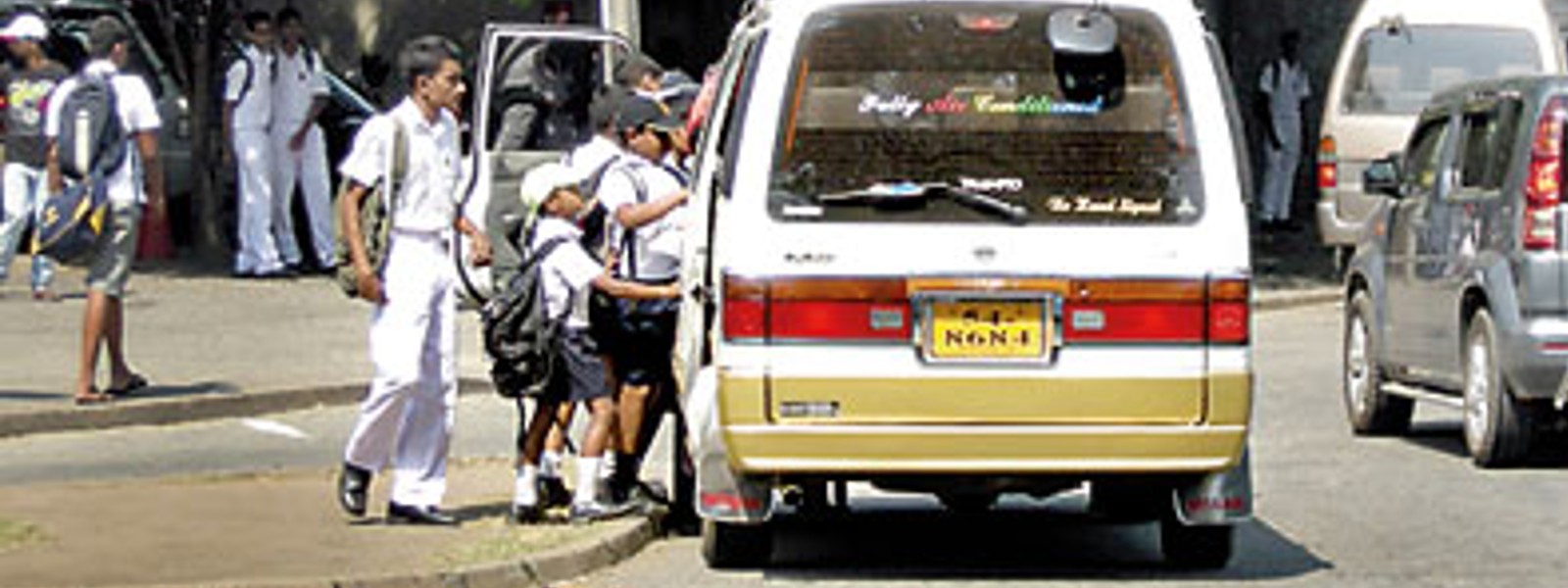
The All Ceylon Inter-District School Transport Services Association said that they will refrain from providing services from next Friday (1st April) if the fuel crisis is NOT resolved immediately.

The Chairman of All Ceylon Inter-District School Children Transport Services Association, N.M.K Harishchandra Padmasiri said despite not receiving any support, they are engaged in transporting school students considering the fact of examinations and academics.

He warned that if a favorable solution is NOT provided by Friday (1), they will refrain from their services.

Sri Lanka and India sign Jaffna power deal initially awarded to China

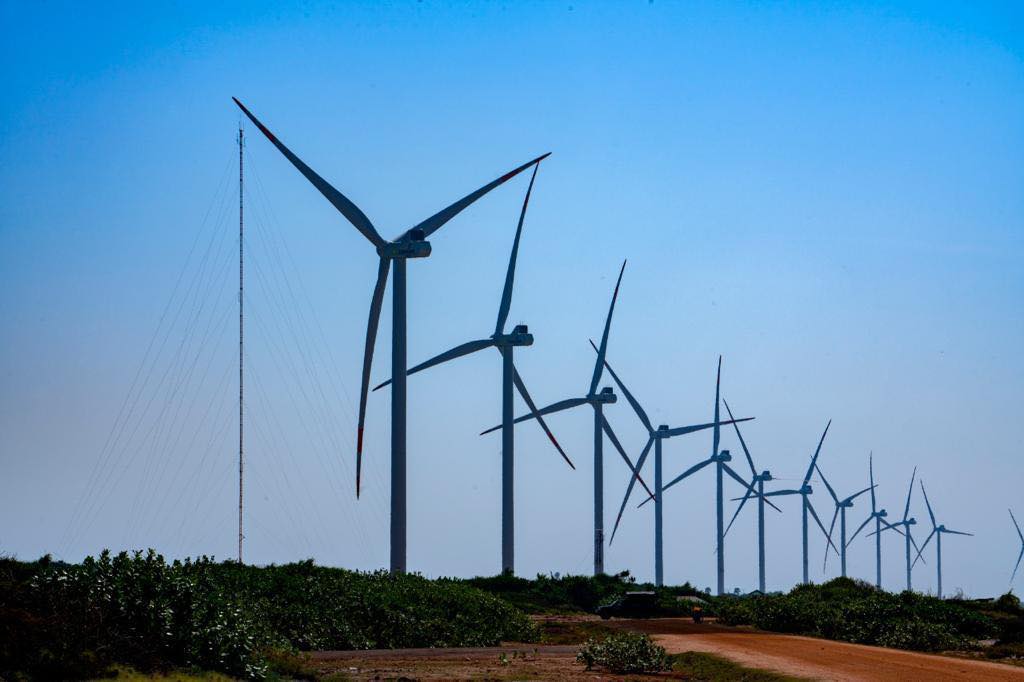
Sri Lanka and India have signed a Memorandum of Understanding (MoU) on implementing hybrid power projects in Jaffna, which was initially awarded to China.

The project was initially awarded to MS/Sinosar–Etechwin Joint Venture in China but was reconsidered following objections raised by India.

Visiting External Affairs Minister (EAM) Dr. S.Jaishankar and Foreign Minister Prof. G.L Peiris witnessed the signing of the MOU on implementation a hybrid power projects in three Islands off Jaffna.

India and Sri Lanka also signed an MOU on the implementation of a Sri Lanka Unique Digital Identity (SL-UDI) programme with India’s grant assistance. MOU for providing Maritime Rescue Coordination Center, MOU on cooperation in development of Fisheries Harbours in Sri Lanka, MOU for the establishment of Modern Computer Labs and smart boards with customized curriculum software in 200 schools in Galle District and an MOU between the Sushma Swaraj Institute of Foreign Service and the Bandaranaike International Diplomatic Training Institute.

During the ongoing visit, Dr. S. Jaishankar assured India’s continued support in Sri Lanka’s economic recovery process.

The EAM reiterated that India’s partnership with Sri Lanka was rooted in the ‘Neighbourhood First’ approach and S.A.G.A.R (Security And Growth for All in the Region) doctrine and that India has stood by Sri Lanka in the hour of its need.

Posted in Uncategorized

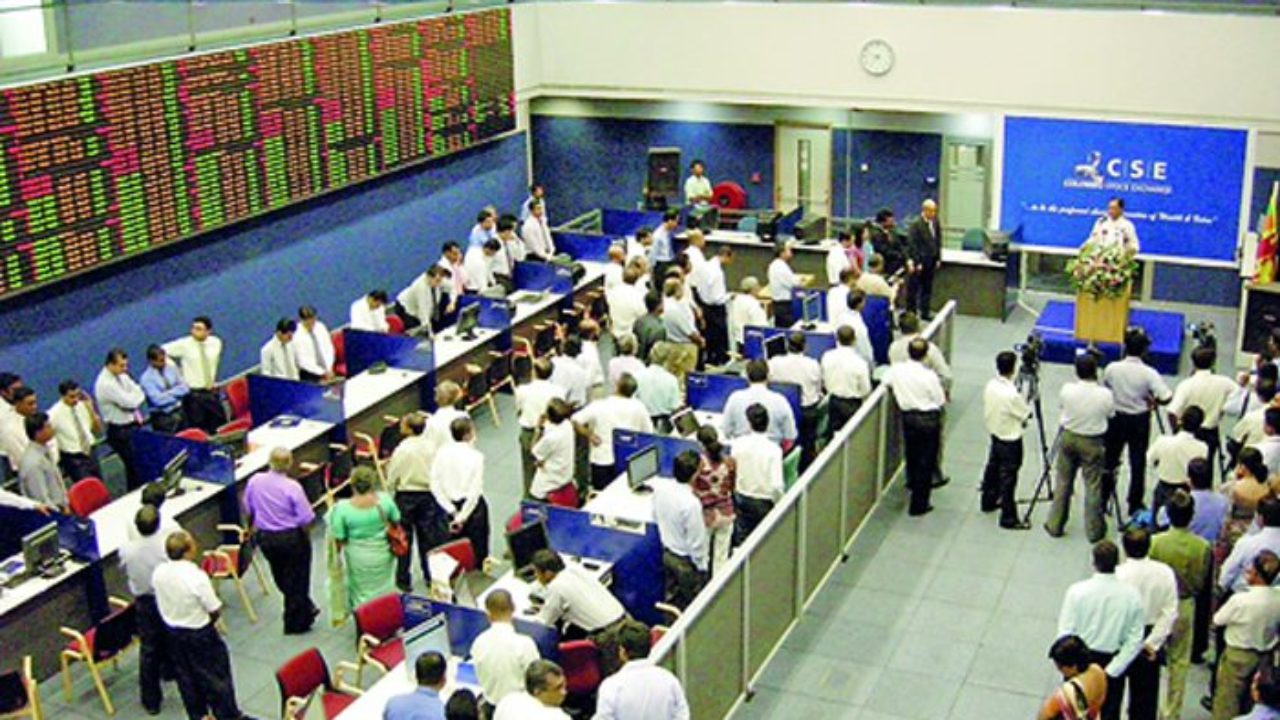
Sri Lanka stock trading halted as market plunges 5.0-pct

Sri Lanka’s Colombo Stock Exchange halted trading at 10.38 am as an index of liquid stocks plunged more 5 percent in intra-day trading.

The broader All Share Index was down 3.72 percent.

“Please note that the Market has been halted for 30 minutes due to the S&P SL20 index dropping over 5% from the previous close, as set out in SEC Directive dated 30th April 2020,” the Colombo Stock Exchange said in its website.

“The halt will be lifted at 11.08 A.M.”

Sri Lanka stocks have been on the decline since the central bank allowed flexibility in the currency. The currency has fallen over 50 percent so far since it was allowed flexibility on March 7.

Market analysts have expected a long-overdue correction, amid macro-worries.

The stock has been driven by loose monetary policy both at home and abroad. Some stocks have been bought as an inflation hedge with the rupee expected to fall.

Others have also benefited from imports controls.

Sri Lanka’s loose monetary policy however has led to increasing external weakness which has translated into disrupted supplies.

Posted in Uncategorized

No diesel today, don’t queue up: Sumith Wijesinghe

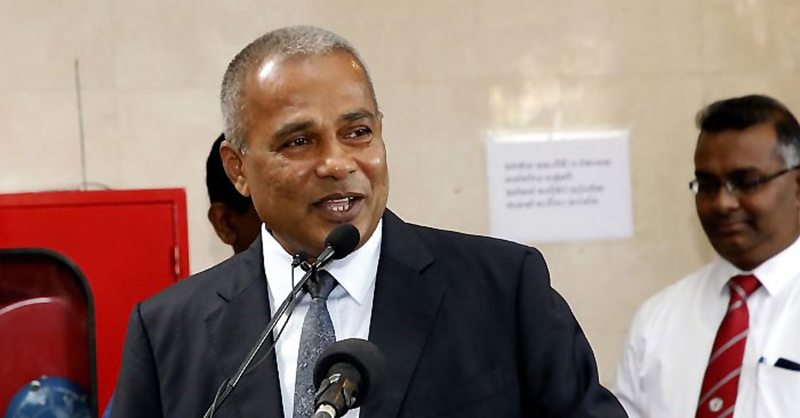
Ceylon Petroleum Corporation (CPC) Chairman Sumith Wijesinghe last morning (30) appealed to the public not to wait in queues near fuel stations as they had no capacity to supply sufficient stocks of diesel to fuel stations yesterday and today (31).

Addressing a media briefing held at the Presidential Media Centre yesterday, he said: “I urge the public not to wait in queues at fuel stations, as we are not able to meet the demand for diesel for these two days. However, with the receipt of the Indian credit line in April, we expect stocks of fuel to be available in the country without any shortage.”

He also commented on the huge increase in the cost of fuel imports due to the recent rise in fuel prices in the world market. “By 2020, we had to spend a limited amount of money on fuel imports, and in 2021, about $ 2.5 billion was spent on fuel imports. However, in the three months of January, February, and March 2022 alone, between $ 1.1 and 1.2 billion had to be spent on fuel imports. If we are going to face the same situation for the rest of the year, we will have to spend more than $ 5 billion on fuel imports.”

Commenting on the fuel prices in the world market, Wijesinghe said that while the price of a barrel of fuel was around $ 87 by January 2022, by February, it had risen to $ 110. By 12 March, it had risen to $ 176, he said, adding that the current price of a barrel of fuel is $ 144.

“Last year, we spent only about $ 24-27 million to buy a fuel tanker, but now we have to spend $ 45-55 million for it. We had to work hard to manage this situation. However, we were able to manage the situation with the co-operation of all the institutions, including the Energy Ministry, the Finance Ministry, the banks, the Central Bank of Sri Lanka (CBSL), and the Presidential Secretariat.”

Meanwhile, he said that the fuel consumption in the country has increased abnormally from 2021 to date. “Diesel consumption in January 2021, was 139,000 metric tonnes (MT). By January 2022, it had increased to 198,000 MT. Diesel consumption in March was 201,500 MT. If fuel can be supplied without a shortage, this amount will increase to 225,000 MT by the end of March. This is an abnormal consumption and is 30-35% higher than in previous years.”

He added that despite the Government having restricted the importation of vehicles with the Covid-19 pandemic, a significant increase in fuel consumption in this manner should be looked into.

Meanwhile, addressing a media briefing on Tuesday (29), Energy Minister Gamini Lokuge stated that while 8,000-9,000 MT of fuel are being distributed to fuel stations daily at present, which is 1,000-2,000 MT more than the average daily fuel stocks released to fuel stations prior to the shortages, the fuel runs out at stations due to people purchasing fuel in large quantities.

He said: “In the past, an average of about 7,000 MT of fuel was distributed to fuel stations, but now 8,000-9,000 MT of fuel are being released. However, that amount is not enough, as people buy fuel in large quantities. People are carrying fuel in cans and stockpiling fuel these days. We have not imposed restrictions on fuel sales.”

He further said that a fuel bowser, which is usually sent to a fuel station, was enough for two or three days in the past, but that these days, a fuel bowser is only enough for a few hours. Responding to a question on the stock of fuel distributed to fuel stations, he added that one bowser of diesel, petrol, and kerosene each were sent to every fuel station last week.

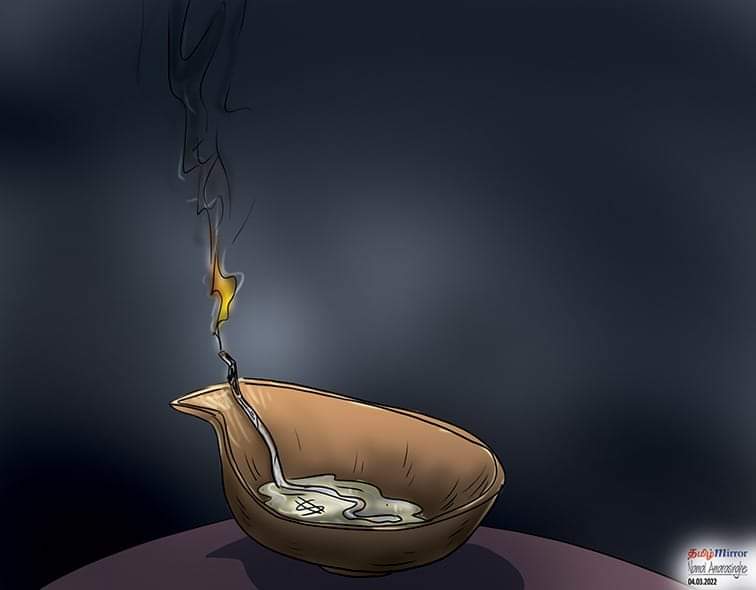
The country has been hit by a fuel crisis over the past few months, with the economy being hit hard due to the serious deficit of US dollar (USD) reserves needed for imports. Over the last few months, many arrivals of stocks of fuel have been delayed due to the said USD shortage. As a result, the country is facing a shortage of fuel – particularly diesel – these days, and people are seen waiting in long queues near fuel stations.


Thirteen-hour power interruptions tomorrow

The Public Utilities Commission of Sri Lanka (PUCSL) has approved the Ceylon Electricity Board’s request for 13-hour interruptions to the power supply tomorrow (March 31).

The CEB had sought to increase the duration of power cuts to 13 hours due to the unavailability of fuel for thermal power plants.

Thereby, the areas listed under the following groups will experience power interruptions of 13 hours as mentioned below:

• Areas A, B, C, D, E, and F – Three hours from 3.00am to 6.00am / Four hours from 12.00pm to 4.00pm / Six hours from 6.00pm to 12.00am

• Areas G, H, I, J, K, and L – Three hours from 12.00am to 6.00am / Four hours from 8.00am to 12.00 pm / Six hours from 4.00pm to 10.00pm

• Areas P, Q, R, and S – Three hours from 3.00am to 6.00am / Four hours from 12.00pm to 4.00pm / Six hours from 6.00pm to 12.00am

• Areas T, U, V, and W – Three hours from 12.00am to 3.00am / Four hours from 8.00am to 12.00pm / Six hours from 4.00pm to 10.00pm

• Areas M, N, O, X, Y, and Z (feeders supplying to industrial zones) – Three hours and 30minutes from 5.30am to 9.00am / Two hours from 4.00pm to 6.00pm

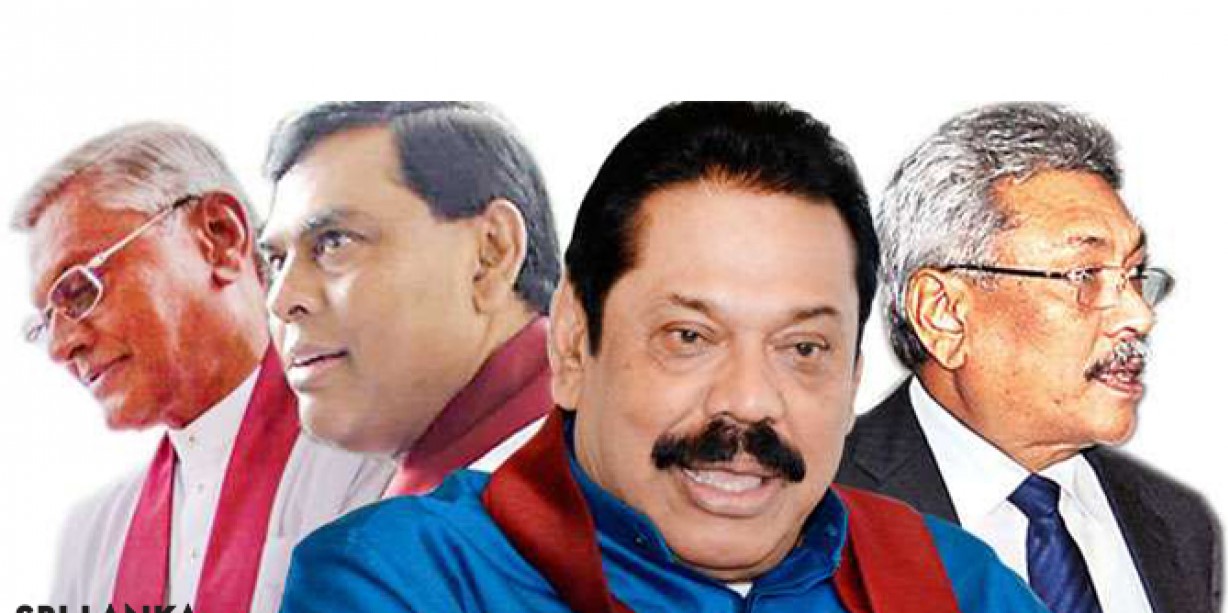
Sri Lanka’s Financial Meltdown Could Be End Of The Road For Rajapaksa Family

Is this the end of the road for President Gotabaya Rajapaksa and the powerful Rajapaksa brothers that had dominated Sri Lankan politics for decades? Going by the anger in the streets triggered by financial mismanagement and the near melt down of the island’s economy, the Rajapaksa family firm is running out of steam. Protest marches are now a daily occurrence. “Go back Gota” slogans and placards are held out by the same people who not long ago hailed the Rajapaksas as heroes.

The Russia-Ukraine war which has led to a steep hike in oil prices has further amplified Sri Lanka’s economic problems. The crisis resulting from Sri Lanka running out of foreign reserves has led to shortages of almost everything- from petroleum and cooking gas, to medicines, essential food staples, vegetables, fruits and all other items. Colombo, the thriving capital of the island state, is now a place of empty shelves and serpentine queues. Supermarket shelves are empty, there are long queues for bread.

The army had to be deployed to oversee the situation in petrol stations and kerosene distribution centres. Troops were called in after three elderly citizens dropped dead during the long wait in the queues.

Sri Lanka Deploys Soldiers At Petrol Pumps As Country Faces Worst Financial Crisis

People spend hours to collect a few litres of petrol, short-tempered drivers waiting in line are getting into scuffles with other equally tired and angry car owners. School exams are all cancelled indefinitely as the country has run out of paper. It is a nightmare for citizens. Power cuts are as long as 7.5hours daily, despite assurances from the country’s leadership that power outages would come to a halt from March 5. Summer in the island is hot and humid.

“Most of us in Sri Lanka are plagued by uncertainty and fear. Our list of uncertainties keeps rising. We will we run out of milk powder, rice or vegetables. Will there be electricity and fuel? Will the gas cooker explode because the gas supplier has fiddled with the composition of gas? Will there be water? Will there be enough supplies of medicines…..the list goes on and on,’’ Samantha Mendes (name changed because of corporate rules), a senior professional, told Outlook.

This is her description of what she saw a few days back in a posh colony in Colombo.

“I was at HSBC Bank down Flower Road when I noticed a line of gas cylinders. Did a double take and realized that the line of empty cylinders was as far as the eye could see. Apparently, people came in as early as 6 am and they were still waiting at 1 pm. This was not a one-off event but a daily routine. I talked to a young lawyer who told me that he chased a gas delivery lorry for several kilometers and finally managed to get one.’’

She blames this on the ‘lack of strategic thinking by the top leadership of the country.’

Sri Lanka’s economy depends heavily on tourism, but the pandemic had stopped all tourist inflows. The 2019 Eastern bombings in Colombo squeezed out western tourists. The government believes that nearly $14 billion was lost due to non- arrival of tourists over the last two years. The economy is estimated to have contracted by 1.5 % in July, September 2021, according to the central bank.

While the government cannot be blamed for the lack of visitors, President Gotabaya’s sudden announcement on last April of a complete ban on chemical fertislisers to make Sri Lanka the first in the world to go completely organic, wreaked havoc on the economy. Agriculture is the mainstay of nearly 70 per cent of the people, and the overnight change without careful planning backfired. Gotabaya said he took the decision because of health considerations, but also spoke of the need to cut imports due to the economic crisis. At that time, W.A. Wijewardena, a former central bank deputy governor, was reported in the local press as saying that the President’s overnight organic leap was “a dream with unimaginable social, political and economic costs”. The isla­nd’s US $1.5 billion tea industry that employs a million people was also badly affected by the fertiliser ban. Got­abaya finally had to withdraw the ban.

Gotabaya had refused to go to the IMF to bail him out of the economic mess. That was recommended by experts over three months back. Now, reluctantly, he has done so. Earlier, he appealed to India, China and Bangladesh for help.

India gave Colombo a one-billion-dollar credit line to help ease foreign exchange shortage and provide for food and medicines during finance minister Basil Rajapaksa’s recent visit. In January India had extended a $400 million currency swap and also offered $500 million credit for purchase of petroleum products.

China which had invested heavily in Sri Lanka had also extended credit and allowed a currency swap. Colombo is now approaching China for a fresh $2.5 billion to firm up its dwindling finances. Talks are on but the Chinese ambassador in Colombo had said that the loan would be in “competitive terms” the envoy was quoted by the local press as saying. Many in Sri Lanka are sceptical of Chinese terms, considering that in 2017 it had to lease the Hambantota port for 99 years, to China to convert it into equity as it failed to repay the huge loan. Despite China’s large footprints across the island state, there is growing public mistrust over Chinese credit. However a desperate government has little option at the moment and will take whatever conditions China offers.

Posted in Uncategorized

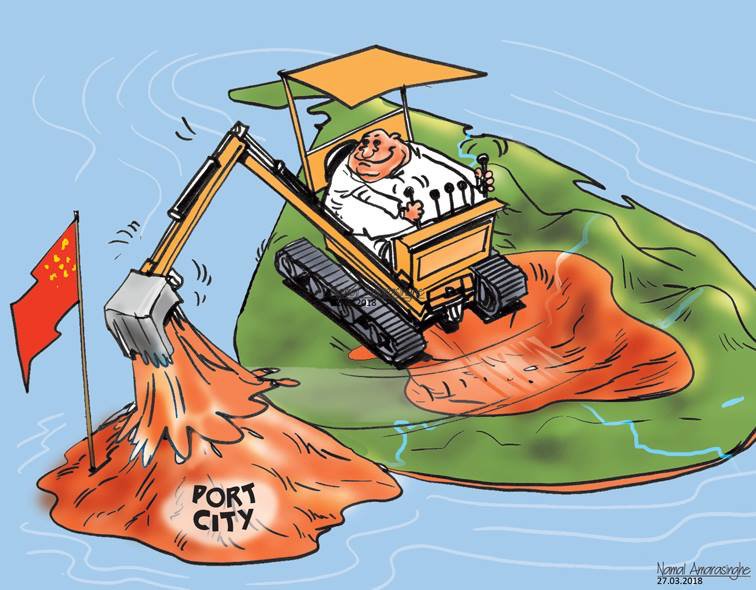
Colombo Port City: A Chinese White Elephant as Sri Lanka Desperately Seeks India’s Help to Tide Over Economic Crisis

Sri Lanka, the maritime hub in the Indian Ocean, is feeling rudderless at the moment due to a critical economic crisis. The double whammy of inflation and the crushing burden of foreign debt is leading to resentment among the public that is spilling out on the streets with chants of ‘Go Home Gotabaya’.

An opposition-led rally two weeks ago saw a huge turnout. Even youngsters were seen participating with posters voicing their anger against the Rajapaksa family. One poster said “no family should have this much power”. This unfolded as Sri Lankan Finance Minister Basil Rajapaksa was making his second visit to India in less than four months, seeking a $1 billion line of credit. After granting the economic lifeline, India’s External Affairs Minister S Jaishankar is now travelling to Colombo both for bilateral meetings and to participate in the BIMSTEC ministerial meeting ahead of the BIMSTEC summit on March 30. The repeated visits of Basil Rajapaksa earlier were meant to seek financial help from India. However, this time the need was even more pressing with Sri Lanka too strapped to even afford essentials like food items. Last week, the price of milk powder for a 400 gm pack was hiked in one go by 250 Sri Lankan rupees. A young protester holds up a poster opposing the Rajapaksa family. However, Sri Lanka’s larger economic problems have been in the making. And the debt trap is largely blamed on the Rajapaksas and their proximity to China. From Hambantota to now the proposed Port City of Colombo, the Chinese footprint is all over.

The Chinese Harbour Engineering Company (CHEC) has created a piece of land from the Indian Ocean for Sri Lanka just south of the Colombo port. A 269 hectares of land has been reclaimed but what next? Sri Lanka is desperately seeking investors to build the critical infrastructure needed to make it a multi-services hub in Asia much on the lines of Dubai or Singapore. However, the Port City Commission hesitates from drawing that parallel.Saliya Wickramsuriya, spokesperson, Port City Colombo Economic Commission, Government of Sri Lanka, says that more than tax holidays, they want to use Sri Lanka’s strategic location as a transit between Asia and the West as a unique selling proposition. It is here that the desire that Sri Lanka is seeking Indian investors becomes very clear. The Commission argues that since 70% of the trans-shipment business on the Colombo port is India’s, investing in the Port City Colombo project will be advantageous to the neighbour.

However, India had a bitter experience with Sri Lanka not too long ago. In early 2021, Sri Lanka unilaterally dissolved a deal between itself, India and Japan. The speculation was that it was done at China’s behest. Later, after much protest, West Container Terminal now has Indian investment. However, while the East Container Terminal was a government to government deal, the West Terminal has commercial investments from private players. The Indian and Japanese governments were extremely upset at the turn of events only last year. Despite the turbulence in relations due to the container terminals, the Sri Lankan side is pushing for more Indian investment now for the ambitious Port City Colombo which at the moment is like a white elephant for the Sri Lankans. The Port City Commission claims there is no Chinese control over the projects. Wickarsuriya also adds, “The Chinese company has taken all the risk. The government of Sri Lanka has nothing to lose with the failure of the project, on the other hand it has a lot to gain from its success and so do the others. That’s what we are hoping we can convince the investors from India about.”

However, out of the 269 hectares of land, 43% or 116 hectares has been leased to CHEC, which is a subsidiary of the Chinese state-owned Chinese Communication and Construction Company (CCCC). On the ground as well, the Chinese involvement is ubiquitous. Photos of Chinese President Xi Jinping with Sri Lankan Prime Minister and former President Mahinda Rajapaksa find a prominent place as you enter the auditorium that runs a promotional film of the model port city.Photos of Xi Jinping with Mahinda Rajapaksa find a prominent place at the auditorium. The model presents a futuristic picture of what Sri Lanka wants the port city to be like. Yamuna Jayaratne, Director, Sales and Marketing, Port City Colombo says, “On the long term, to realise the full vision and for it to reach its maturity, it will take about 20 years as per our estimate.”

Right now, a high-end, but only a small portion called the Marina has been sold, but the rest of the plan needs massive investment for building the infrastructure on the reclaimed land. The opposition in Sri Lanka has been sceptical of the project due to an Act that gives the Commission a free hand to develop the project. Some believe the Port City would turn into a province of China as it has its own jurisdiction too. The general public is increasingly viewing such projects as wasteful when the country is struggling with basics like food and electricity. The project also ran into rough waters with environmentalists and fishing communities. Twenty cases against the project had reached the Supreme Court. The project was finally given a go-ahead after a 30-member committee gave a green signal but with 72 conditions.The project also ran into rough waters with environmentalists and fishing communities.

The Commission says they have done a thorough impact assessment and cost-benefit analysis. WADD Wijesooriya, Head of Environmental Management, Port City Colombo cites examples from the Netherlands to Dubai to Changi Airport to say land reclamation is not a new concept. He explains that the concerns regarding coastal erosion and the fear that the north and south of Colombo will be washed away due to reclamation work have also been addressed. The land reclamation has been done in record time of 30 months by China, but now the process has slackened due to lack of investors. Sri Lanka hopes that India, which does a bulk of its shipment through this route, will find value in investing.
They also say that inquiries have been made by the US and German embassies about the Port City Project. They claim the project doesn’t fall under China’s contentious Belt and Road Initiative, but the overt involvement of China in Sri Lanka under the Rajapaksas remains a hurdle that the island nation well realises.