UN chief tells GR to protect minority rights

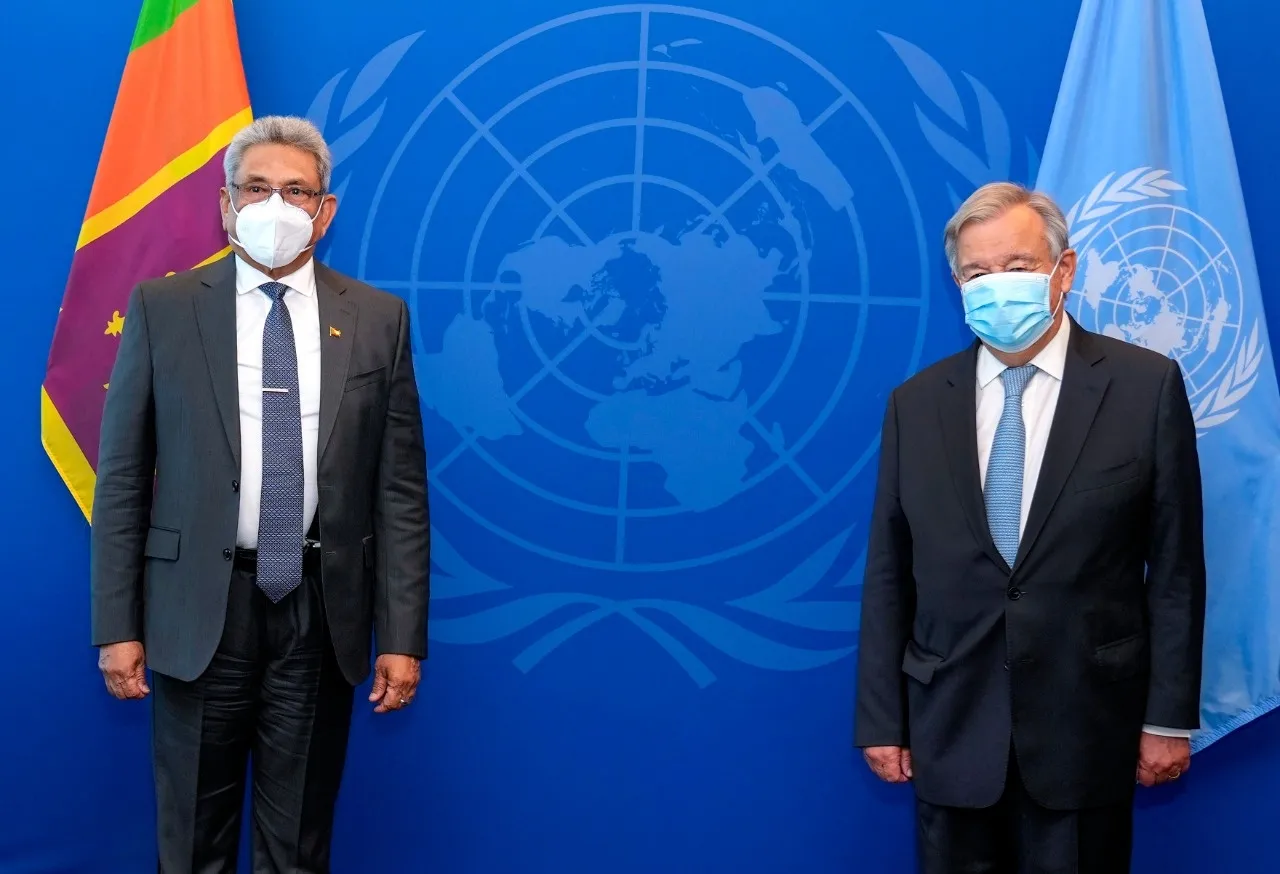
UN Secretary-General António Guterres has told President Gotabaya Rajapaksa about the need to protect minority rights in Sri Lanka.

Guterres met with President Gotabaya Rajapaksa at the UN Headquarters on the sidelines of the UN General Assembly.

The Secretary-General expressed solidarity with Sri Lanka for ongoing challenges related to COVID-19.

The President briefed the Secretary-General on domestic issues, including the reconciliation process.

The United Nations Secretary-General Antonio Guterres has told President Gotabaya Rajapaksa that the UN will provide its full support to Sri Lanka in moving forward to promote unity among different communities.

The UN Chief gave this assurance when he met President Gotabaya Rajapaksa at the UN Headquarters yesterday, the Presidential Media Division (PMD) said.

Mr. Guterres warmly welcomed President Rajapaksa when he arrived at the United Nations Headquarters and reminisced about his visits to Sri Lanka in 1978 representing the Inter-Parliamentary Union and his visits to Kandy, Anuradhapura, Polonnaruwa and Trincomalee.

Mr. Guterres also recalled his dealings with Sri Lanka during his tenure as the United Nations High Commissioner for Refugees and his meeting with then President Mahinda Rajapaksa in 2006.

The Secretary-General noted that Sri Lanka, as a country which plays a more active role in social and economic spheres in the Indian Ocean region, the UN is expected that Sri Lanka would continue to do so in the future too, despite the crisis that has plagued it for nearly 30 years.

President Rajapaksa said that he was pleased to have the opportunity to hold a bilateral discussion with the Secretary-General of the United Nations, and congratulated him on leading the United Nations during a difficult period facing the world as well as on his re-election as the Secretary-General.

President Rajapaksa briefed the UN Secretary-General on the challenges facing a country like Sri Lanka with a small economy in the face of the COVID pandemic. President Rajapaksa spoke at length on the impact of the COVID-19 epidemic on education and the economy of Sri Lanka and thanked the World Health Organization for its support to overcome the pandemic.

The President pointed out that more than half of the total population has been fully vaccinated and that all arrangements have been made to fully vaccinate all those over the age of 15 before the end of November, by showing the statistics. The Secretary-General commended the progress made by Sri Lanka in the vaccination drive.

The President pointed out that the Covid-19 pandemic was a major obstacle to fulfilling the pledges made to the people when he became the President in 2019. Even amidst this situation, the President elaborated on the steps taken to address the issues arose in the aftermath of defeating terrorism that lasted for 30 years.

The President explained the compensation paid to the victims, the transfer of lands back to the owners and the massive development carried out in the North and East Provinces since 2009 under the guidance of President Mahinda Rajapaksa and the opportunity given to democratically elect the representatives to the Northern Provincial Council.

The President informed the Secretary-General that the government would take immediate action with regard to missing persons and expedite the efforts such as issuance of death certificates. The President pointed out that many youths who were arrested as suspects over terrorist activities were released after he came to power. The President informed the Secretary-General that legal action would be expedited with regard to rest of the personnel who could not be, released, and that he would not hesitate to grant a presidential pardon to the Tamil youths who have been in custody for a long time, taking into account their long-term detention and after the
legal process was completed.

The President stated that his objective is to strengthen the democracy in Sri Lanka and accordingly, there are no baton attacks or use of water cannons on protesters under his government, and that a separate area has been set aside for protesters near his office.

President Rajapaksa also explained the engagement with civil society organizations to bring about development and reconciliation in the country. The President said that the internal issues of Sri Lanka should be resolved through an internal mechanism of the country and said the Tamil Diaspora would be invited for discussions in this regard.

President Rajapaksa said that he was always ready to work closely with the United Nations and added that though he could assure that there is no room for separatism to re-emerge in Sri Lanka,Sri Lanka as a government as well as other states should be vigilant about religious extremism.

Struggling for justice, not for funds: Families of the Disappeared

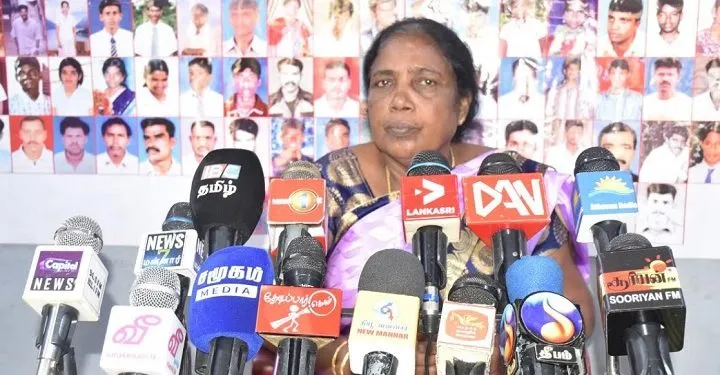
As the 48th session of the United Nations Human Rights Council commenced in Geneva, Mannar district coordinator of Association for Relatives of the Enforced Disappearances, Manuel Uthayachandra, has requested the international community to deliver justice for the families of the disappeared.

While addressing the press yesterday, Manuel Uthayachandra says, “Today we are protesting in the streets to get back our children who have been handed over to the Government of Sri Lanka.”

“The 48th session of UN Human Rights Council is happening now in Geneva. At this time, we request the international community to deliver justice for us.”

“A solution is needed for our disappeared relatives. Parents have been protesting on the streets for about 1,500 days to find their missing children. Not only the Geneva, entire world knows that we are protesting to get back our children. We are struggling for justice, not for funds,” she added.

Posted in Uncategorized

UN’s ad-hoc mechanisms in SL not in line with charter: Foreign Minister

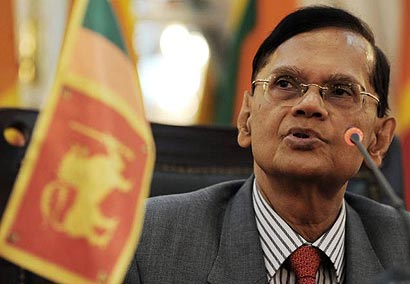
The ad-hoc mechanism that the Office of the High Commissioner for Human Rights is trying to establish in Sri Lanka is not in line with the spirit and letters of the UN Charter, and is not acceptable, Foreign Minister Prof. G.L. Peiris says.

Speaking at a virtual meeting with the Commonwealth Secretary-General Patricia Scotland in New York, the Foreign Minister reaffirmed Sri Lanka’s active commitment to dialogue and engagement with the Commonwealth.

Foreign Minister Peiris said that Sri Lanka looks forward to further collaboration with the Commonwealth in a number of areas including commerce, education, vocational training and climate change. The Minister stated that Sri Lanka has been successful in Mangrove restoration and has emerged as a Commonwealth Blue Charter leader.

Sri Lanka recently initiated a “climate and green economy” focusing on food security centric agricultural production and renewable energy, the Minister said.

All Commonwealth Members have the advantage of a common law background but have followed different avenues of development, the Foreign Minister said.

The Foreign Minister also briefed Secretary-General Scotland on the steps taken by local institutions in the country with respect to reconciliation. This is an on going process, and the country requires sufficient space for the local institutions to deliver on their mandates, he emphasized.

Secretary-General Scotland warmly recalled her visits to Sri Lanka in 2018 and 2019 and appreciated the close engagement that Sri Lanka has consistently maintained with the Commonwealth. She thanked Sri Lanka for hosting the Commonwealth Law Ministers Conference in 2019 and stated that the Commonwealth appreciates Sri Lanka’s continued collaboration with the Commonwealth in a wide spectrum of areas including trade, sports, youth and countering violent extremism.

Three more lands in Colombo to be leased for 99 years

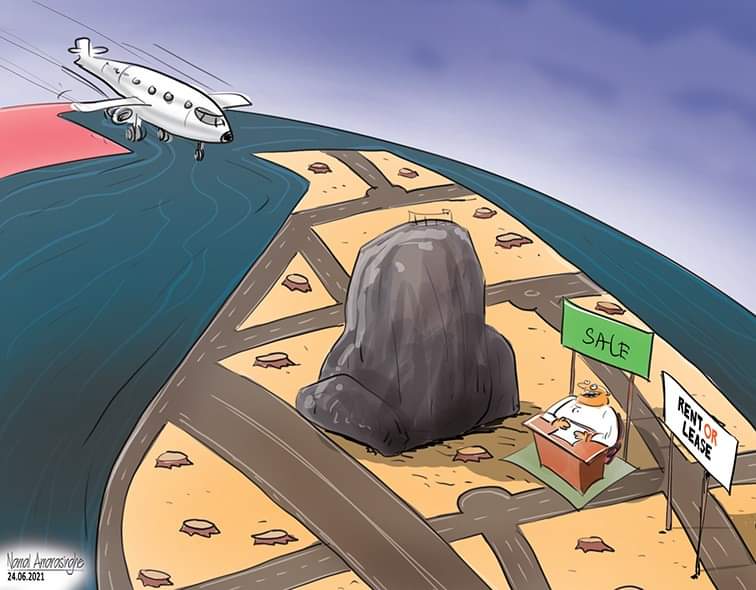
Newspaper advertisements published in newspapers to lease three more valuable plots of land in the city of Colombo for investment projects on a 99 year lease basis.

The advertisement was published by the Urban Development Authority.

Tenders have been called for three plots of land on DR Wijewardena Mawatha in Colombo for mixed development projects.

The following three sites are to be leased, as per the advertisement :

– Sri Lanka Exhibition and Convention Center

– People’s Bank Queens Branch

– Sathosa Warehouse Complex

The base value of the land where the Sri Lanka Exhibition and Convention Center is located is Rs. 3.7 billion.

The base value of the land where the People’s Bank Queens Branch is located is Rs. 1.3 billion and the base value of the land where the Sathosa Warehouse Complex is located is Rs. 1.6 billion.

A special feature is investors are only given month to submit proposals for projects implemented on these lands.

Meanwhile, proposals have already been made to provide a number of valuable properties in the city of Colombo, including the Ministry of Foreign Affairs building, the Hilton and the Grand Orient Hotel, for investment projects through Selandiva Investments.

Posted in Uncategorized

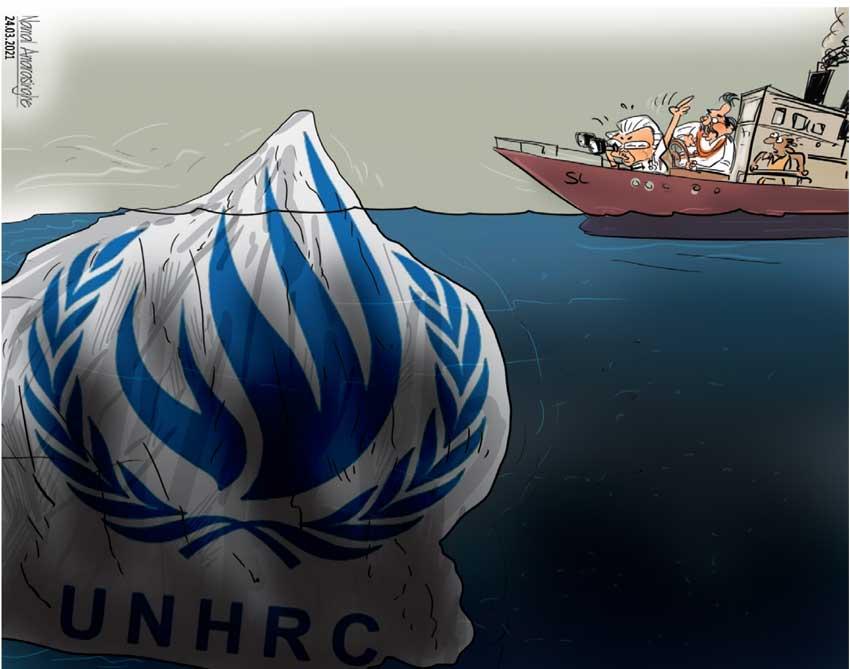
Lack of strategy puts Sri Lanka in Geneva quagmire – Sunday Times.LK

Sri Lankans let down by Foreign Ministry’s failure to respond effectively to the UNHRC chief’s charges
Bachelet declares Council has an information and evidence repository of 120,000 items regarding human rights violations
Govt. falls back on former administration’s human rights achievements to show progress
Cardinal alleges PM tries to mislead Pope, but Papal diary shows pontiff was in Hungary and Slovenia
Foreign Minister, Prof. G. L. Peiris had to draw deep from the arsenal left behind by the previous yahapalana government on the “post-war domestic process” to fight the oral report of UN High Human Rights Commissioner Michelle Bachelet on Monday.
She made a string of damning indictments on the Sri Lanka Government at the 48th sessions of the UN Human Rights Council sessions in Geneva.

Other than that, Prof. Peiris rejected “any external initiatives purportedly established by Resolution 46/1 while domestic processes are vigorously addressing the relevant matters.” “Without the co-operation of the country concerned,” he said, they cannot “achieve their stated goals, and will be subject to polarisation.”

That in essence is the position of the Sri Lanka Government. A recorded video explaining it was played out in the halls of Palais de Naciones on Tuesday. Prof. Peiris was then in Bologna in northern Italy accompanying Prime Minister Mahinda Rajapaksa. This was his perceived response to damning remarks High Commissioner Bachelet offered in her oral update on Monday on the human rights situation in Sri Lanka. Thus, the statement did not deal with some strong remarks from the UN High Commissioner, except a few.

Prof. Peiris singled out a few of the foreign policy initiatives of the yahapalana government at the UNHRC, creditably due to the efforts of the late Mangala Samaraweera, the then Foreign Minister. He fell victim to the deadly COVID-19. The “domestic processes,” Prof. Peiris referred to and initiated by the late minister Samaraweera, included the setting up of the Office of the Missing Persons (OMP), the Office for Reparations (OR), the Office of National Unity and Reconciliation (ONUR), the National Human Rights Commission, measures to do away with the Prevention of Terrorism Act (PTA) and a “vigorous engagement” with civil society.

Prof. Peiris’ rejection of “external initiatives” is the Government’s pointed response to High Commissioner Batchelet’s announcement that her Office work to implement the accountability related aspects of Resolution 46/1 (adopted in March this year) had begun, pending recruitment of a start-up team.” Batchlet declared, “We have developed an information and evidence repository with nearly 120,000 individual items already held by the UN, and we will initiate as much information-gathering as possible this year. I urge Member States to ensure the budget process provides the necessary support so that my Office can fully implement this work.”

This is apart from the exercise by the West led by the Core Group to stampede Sri Lanka into the abyss of universal jurisdiction. The stage is being set to move this process during the year ahead. It is therefore incumbent upon the Government of Sri Lanka to arrest the trajectory, as it would be the military personnel who were central to the conduct of the war against separatist terrorism, who would be on the frontline in being prosecuted internationally.

President Gotabaya Rajapaksa, who left for New York last night, is expected to delve into these aspects in his speech to the 76th session of the UN General Assembly. He is accompanied by Foreign Minister Peiris, Senior Advisor Lalith Weeratunga and Foreign Secretary Jayanath Colombage among others. Ahead of his departure, he named parliamentarian Mahinda Samarasinghe, a former Minister, as Sri Lanka’s Ambassador to the United States. Samarasinghe has also served earlier in the Sri Lanka missions in Geneva and in Canberra. His brief, a government source said, was to ensure better relations with the US and draw more foreign investment from there. He will resign from his parliamentary seat after the budget to take up the appointment. Earlier, Dr Lalith Chandradasa, who lives in Los Angeles, was tipped for this position.

Although Prof. Peiris has “rejected any external initiatives,” the question that begs answer is whether this will hold vis-à-vis the Council. Firstly, the Sri Lanka Government has not been able to even ensure a rejection of Resolution 46/1 when it was adopted in March by the Human Rights Council. Thus, the rejection, other than spelling out the Government position, is of little use except with a handful of countries. More importantly, the external mechanism has evolved even against the stated reluctance on the part of Sri Lanka.

On the issue of member states raising the necessary funds for the external initiatives to proceed, there indeed is a revelation from High Commissioner Bachelet. Months earlier, the then Foreign Minister Dinesh Gunawardena publicly declared that such funds had been only partially revised by the Fifth Committee of the United Nations in New York. Bachelet’s remarks indicate that it is not so, and the budgetary requirement submitted originally needs to be met.

Therefore, the question is whether the Government of Sri Lanka will be powerful enough to lobby member countries not to provide the necessary funds. The answer it is clear is a firm no, considering Sri Lanka’s weakness in lobbying countries — and in this case, it needs to obtain a majority support of the 193 member states.

High Commissioner Bachelet’s oral update was generally based on the trends and issues identified in her last report presented at the 46th session in February/March this year. That report set the pace for the envisaged action by the core group in terms of Resolution 46/1 and now provides the basis for the oral update during the current sessions.

Shrinking on democratic space

The Sri Lanka Government for its part has committed to work with the UN to ensure accountability and implement necessary institutional reforms. High Commissioner Bachelet acknowledged it in terms of expecting concrete action to this end, that too in line with the recommendations made in OHCHR (Office of the High Commissioner for Human Rights) Reports and various human rights mechanisms. Hence from the outset, she has established the UN’s involvement in the domestic process of accountability, reconciliation, and reconstruction.

With the accountability issue secured by her last report and the resulting resolution, this oral update’s central feature was the shrinking of civic and democratic space since the 46th session. To this end, expectedly there was reference to “the corrosive impact that militarisation and the lack of accountability continue to have….” that too on fundamental rights, civic space, democratic institutions, etc. The declaration of a new State of Emergency to ensure food security and price controls was observed by the High Commissioner as a move that may further expand the role of the military in civilian functions. This has already come to pass with the new appointment of the Commissioner General of Essential Services being an officer of the Army. Surveillance, intimidation, and judicial harassment of categories of persons were outlined by her, especially excessive use of force and arrest of demonstrators.

The new regulations being drafted on civil society groups were deemed by the High Commissioner as a move to further tighten restrictions on fundamental freedoms. Bachelet expressed concern on the developments in judicial proceedings in several emblematic human rights cases, with a specific reference not to proceed with charges against former Navy Commander, Admiral of the Fleet Wasantha Karannagoda on the enforced disappearances of 11 youths. The recent presidential pardon of former MP Duminda Silva which could risk eroding confidence in the rule of law and judicial process had reference in the oral update. The call by religious leaders for truth and justice on the Easter Sunday attacks also found its way into the oral update. Deep concern was expressed on the deaths in Police custody, reports of torture and ill treatment by law enforcement officials and police encounters with alleged drug criminal gangs.

One wonders on what basis she made the reference to the Government having proscribed or listed over 300 Tamil and Muslim groups and individuals for alleged links to terrorist groups. It is inappropriate for High Commissioner Bachelet to simply make a loose reference to an aspect related to national security of a sovereign nation. Should not there have been some elucidation? The oral report is also damning and has sought to build more allegations on the violations of human rights, which the Government has heaped on itself some through arrogance and the other due to flippancy.

Prof. Peiris’ statement to the UNHRC was also bland and not engaging. This was compounded by the fact that it was recorded rather than delivered live virtually. Much of the progress Prof. Peiris recounted was roll over from the yahapalana times. On the other hand, the Human Rights High Commissioner outlined some details of the delivery of the mandates by each mechanism, while also highlighting shortcomings. She referred to the National Policy of Reparation, being approved last month, with reparation payments and reconciliation programmes being continued. However, she emphasised that reparations programmes must be accompanied by broader truth and justice measures. The continued operation of the Office of the Missing Persons with a sixth regional office operating in Kilinochchi was acknowledged by her.

As for the National Human Rights Commission, Prof. Peiris only noted that “it is carrying out its mandate.” However, High Commissioner Bachelet announced that the Global Alliance of National Human Rights Institutions has initiated a special review of the National Human Rights Commission of Sri Lanka to determine its compliance with the Paris principle. The alliance has indicated its concerns on the appointment process of the Commission and its effectiveness in discharging its human rights mandate. These aspects appear to have flown above the Foreign Minister, judging from his statement.

Prof. Peiris’ touting of the release of 16 Tiger guerrilla cadres convicted of terrorist crimes as progress, was noted by High Commissioner Bachelet as those who were being held under the controversial PTA and were nearing the end of their sentences being pardoned. The Government is now officially faced with an information and evidence repository with nearly 120,000 individual items already held by the UN, following HC Bachelet’s revelation. She has declared that her office has begun its work to implement the accountability related aspects of Resolution 46/1, pending recruitment of a start-up team. This is the sting in the oral update which the Government must take cognisance of.

Prof. Peiris simply rejecting “the proposal for any external initiatives established by Resolution 46/1 while domestic process is vigorously addressing the relevant matters,” is not likely to shelve the action approved by the Council. Yes, as upheld by the Foreign Minister, “external initiatives embarked upon without the co-operation of the country concerned cannot achieve their stated goals……“ but in the UN and Council parlance this amounts to rhetoric, when other coercive measures also could be resorted to by the proponents of the action.

Sri Lanka’s Permanent Representative at the UN in Geneva, C.A. Chandraprema, pointed out that the “UN General Assembly never authorised the UNHRC to assign to any party, or the OHCHR to carry out tasks such as the collection of criminal evidence for use in judicial proceedings.” At the outset, he seemed to have forgotten that the Human Rights Council mandated this aspect through its Resolution 46/1 adopted in March this year. Hence, according to the process, the UN General Assembly will be dealing with the issue during the forthcoming sessions due to third and fifth committee budgetary implications of the Human Rights Council Resolution. The required budget is to facilitate this aspect of the collection of criminal evidence for future judicial proceedings.

High Commissioner Bachelet’s appeal to member states “to ensure the budget process provides the necessary support” to OHCHR “to fully implement the work” is evidence that the required budget has yet to be processed. This mantle falls on the Fifth Committee and the General Assembly in New York. The question is whether any action has been initiated by the Sri Lanka’s Permanent mission in New York.

As stated by Prof. Peiris in his appeal to the member states of the UNHRC that “the resources expended on this initiative are unwarranted, especially when they are urgently needed for humanitarian and other constructive purposes in many parts of the world.” That should resonate far and wide in New York.

A proper strategy to dent the required budget in New York is the need of the hour. The absence of a well-thought-out strategy in Geneva during the 46th session has got Sri Lanka into this present quagmire. For instance, an initiative to have requested a separate vote on operative paragraph 6 in Resolution 46/1 may have been successful in its elimination, considering that many countries do not support external initiatives vis-à-vis a sovereign nation. For instance, this is true of India, which in 2013 held with Sri Lanka on a separate vote of a paragraph based on this very aspect.

In this hour Sri Lanka needs to adopt a strategy of engagement with countries across all hemispheres, basic to which is a time-bound action plan on initiatives covering accountability, reparation, and reconciliation issues. The buy in of Sri Lanka’s closest neighbours on the initiatives is paramount, to go further afield. Both Geneva and New York need to be proactive to ensure Sri Lanka’s betterment and secure its position at international level. The people of this nation cannot be let down due to the misconduct of the country’s foreign policy.

PM’s Italy visit

On the foreign affairs front, the visit by a delegation led by Prime Minister Mahinda Rajapaksa to Bologna in northern Italy also drew flak. This visit ran into controversy. Following Cardinal Malcolm Ranjith’s news briefing where he said that the Catholic church of Sri Lanka would be compelled to present to the international community the issue of legal action yet to be taken by the Government on the incidents of bombing during Easter in 2019. Cabinet spokesperson Dr Ramesh Pathirana was to declare that the Premier while in Italy would meet the Pope and explain the status on the issue.

The upshot of this position was for Cardinal Malcolm Ranjith to deliver a tirade of opposing such a meeting by the Premier as he believed the Holy Father would be misguided. There were some church authorities who were unhappy with what they saw as churlish behaviour. In fact, it was surprising and regrettable that the Cardinal who had served in the Vatican did not deem it fit to first check the Holy Father’s diary which is in the public domain. If he had done it, it would have been evident that the Pope was scheduled to visit Hungary and Slovenia from September 12 to 15. The tirade the Cardinal launched into would have not been necessary, as it only brought into question his own bona fides on this issue.

As regards the purported visit to the Vatican, both the Prime Minister’s Office and the Foreign Ministry scrambled to issue media statements to put the record right. The statement from the Premier’s Office was professional, while that from the Foreign Ministry was simply not in keeping with the standard expected from such an institution. The Foreign Ministry news release categorically stated that the Premier had not requested nor received an invitation to visit the Vatican for an audience with His Holiness the Pope. To defuse the confusion that has arisen from the articulation by the Cabinet spokesperson, the Premier’s Office very correctly spelt out that PM Mahinda Rajapaksa was undertaking a visit to Italy and he delivered the keynote address at the inaugural session of the G20 Inter-Faith Forum 2021. After the event ended Premier Rajapaksa flew to Singapore for medical reasons and returned to Colombo thereafter.

However, the Foreign Ministry announcement of the same occasion was extremely tardy. While it sought to equate the Premier and the Foreign Minister by stating that “the Prime Minister and the Foreign Minister will shortly make a visit to Bologna, Italy, “the purpose of it was merely “to participate in an international event…..” It is basic to make a reference to the details of the visit, rather than simply stating it being an “international event.” Further, the statement dubs the occasion as “international symposium.” There was no reference that the meeting was a G20 forum. The most telling was the last sentence of the statement where it was spelt out “the PM and FM will be leaving Italy, at the conclusion of the event in Bolonga.” Is that a point that needs to be made, as the return of such political hierarchy to their homeland is given.

Much of the lack of professionalism in the Foreign Ministry, as of late, is being demonstrated through the unseemly content of the media statements. The responsibility for such content is in the hands of the Foreign Minister and the Ministry Secretary. After all, the correct usage of language is the bedrock of diplomacy and the mandate of the Foreign Ministry.

One is not wrong in saying that the Premier’s participation in the function in Bologna is a non-event. While it was envisaged for the Premier to have “several high-level diplomatic meetings” as stated in the media release, the absence of photographs and statements in this context, indicates that they did not materialise. This visit was at Italian Prime Minister Mario Draghi’s invitation. It is most regrettable that even the host did not seem to have afforded a brief meeting.

Sadly, the visit to Bologna disturbed a hornet’s nest with the diaspora, particularly in Italy and Germany turning up to protest the issue of the Easter Sunday incidents. Expectedly there were the friendly diaspora elements too who sought to at least get a glimpse of Premier Rajapaksa outside his hotel. Footage doing the rounds in the social media had an unanswerable question over whether some depicted cheer or jeer.

Ratwatte affair

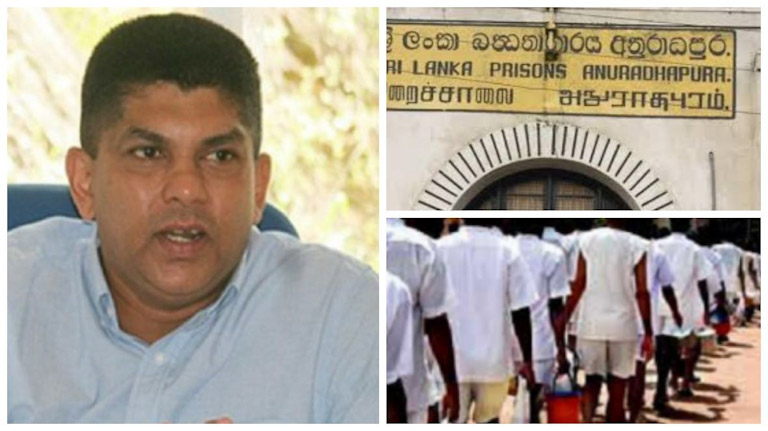
The world marked the International Day of Prisoners on Sunday, a day ahead of the commencement of the Human Rights Council sessions. Providing a grizzly spectacle to the world was Sri Lanka with the Minister of State for Prisons, Lohan Ratwatte, armed with his pistol, walking into the Anuradhapura Prison and ordering two prisoners – Ganeshan Dharshan of Hatton and Mathiarasan Suklakshan from Nelliady (Jaffna) – to kneel before him. He had allegedly threatened to shoot them after pointing the pistol at them. Both prisoners were held under the Prevention of Terrorism Act.

State Minister Ratwatte later sent in his letter of resignation only from the post of Prison Reforms. Dated September 15, the two-paragraph letter said:

“Firstly, I am thankful for having faith in me and giving me the State Ministerial post of Prison Management and Prisoners Rehabilitation Affairs at a time when the Prisons Department was in a crisis.

“Up to now I have successfully carried out the ministerial tasks. For the purpose of avoiding government facing a difficulty regarding the matters published in the media about the ministry, today (September15, 2021) I voluntarily resign from the State Ministry of Prison Management and Prisoners Rehabilitation Affairs. Therefore, with respect I seek your approval to resign.”

However, on Thursday he took up another position – that he had visited the Anuradhapura prison to resolve an issue and declared if he had not gone there, the premises would have been on fire. Tamil National Alliance (TNA) parliamentarian Abraham Sumanthiran called upon the Government to conduct an inquiry into the incident. Jaffna district parliamentarian Gajendrakumar Ponnambalam said that the two prisoners should be transferred to a prison in a “Tamil-speaking area.”

Both President Gotabaya Rajapaksa and Prime Minister Mahinda Rajapaksa have ventured into the field of foreign affairs at a time when the country is facing its worst crisis over economy and the still spreading COVID-19 pandemic. No doubt, Sri Lankans will be called upon to further tighten their belts amidst dwindling foreign reserves, shortage of food items and the fear of the coronavirus.

Posted in Uncategorized

CPC to borrow $ 1 b from America

A lender from the US is expected to lend $ 1 billion to Sri Lanka’s debt-ridden, state-owned oil company, the Ceylon Petroleum Corporation (CPC), to help repay the colossal sums of debt the corporation owes to state banks, The Sunday Morning Business exclusively learns.

The loan is said to be received by the end this year at an interest rate of 3% per annum.

The decision to seek for an international lender who would lend money at a lower interest rate to partially rescue CPC from its debt to state banks was prompted by the fact that the entity has to pay higher interests to Bank of Ceylon (BOC) and People’s Bank for the money it owes to these banks.

Speaking to us, CPC Deputy General Manager of Finance Varuna Nilanga Weerasooriya stated that after the Cabinet of Ministers evaluated all loan offers it had received, it granted approval to proceed to obtain $ 1 billion from the US at an interest rate of 3%.

The Sri Lankan authorities initially requested credit from the Bank of Japan and the State Bank of China at a comparatively lower interest rate. However, speaking to us in June, Minister of Energy Udaya Gammanpila stated that after evaluating Sri Lanka’s loan request, both said international banks refused to grant the loan of $ 1 billion at an interest rate lower than the existing rate of 5.5%.

“We are in debt to BOC and People’s Bank. Therefore, we asked the Chinese and Japanese Ambassadors if they could provide loans to replace the existing loans with a lower interest rate. However, after the calculation and evaluation, they said they can’t lower the interest rate,” Gammanpila said at the time.

Commenting further, he said that the Cabinet-appointed committee, which comprises Ministry of Energy Secretary K.D.R. Olga, Deputy Secretary to the Treasury Saman Fernando, and CPC Managing Director Buddhika Ruwan Madihahewa, would study the existing proposal in depth and come to a decision on whether to acquire a $ 1 billion loan at the interest rate offered by these two lenders.

However, later on it was reported that CPC had received loan offers from several other countries including Australia, Singapore, and China.

Speaking to us, CPC Chairman Sumith Wijesinghe stated that the officials are currently negotiating and in the middle of working on issuing the Letter of Intent (LOI). Subsequently, when inquired by when the $ 1 billion loan will be received, he said it will hopefully be received within this year.

All attempts to reach Minister of Energy Gammanpila for further insights proved futile.

Meanwhile, Petroleum Corporation National Employees’ Union Chairman Samika Asithanja last Monday (13) opposed this decision and stated that as a trade union, they do not feel it is ideal for the Government to allegedly forgo the Minister of Finance and the Treasury to obtain such a loan.

“So far, we have not been notified of obtaining loans or contracts from foreign nations. We suppose they are attempting to amend the CPC Act in a bid to meet a requirement in this deal,” he alleged.

Weerasooriya in February emphasised that CPC’s debt problem would be solved if it could convert its dollar loans into rupee loans. According to Finance Ministry statistics, CPC’s total debt due to state-run People’s Bank and BOC had reached Rs. 592.7 billion by end-April 2020, in comparison to Rs. 566 billion in December 2019.

However, to overcome the debt situation CPC is facing right now, several discussions are being held with the Ceylon Electricity Board (CEB) and SriLankan Airlines in order to repay the large sums both said institutions owe in outstanding debt to the CPC.

Commenting with regard to this, Weerasooriya said: “SriLankan Airlines has had an outstanding payment from last April 2020 (after the Easter Sunday attacks) to date, and since March last year, the CEB has only been paying marginal figures; they are not paying at all. There are individual power plants that are also waiting for CEB to pay.”

Posted in Uncategorized

CID probe into ‘harmful’ Chinese fertiliser?

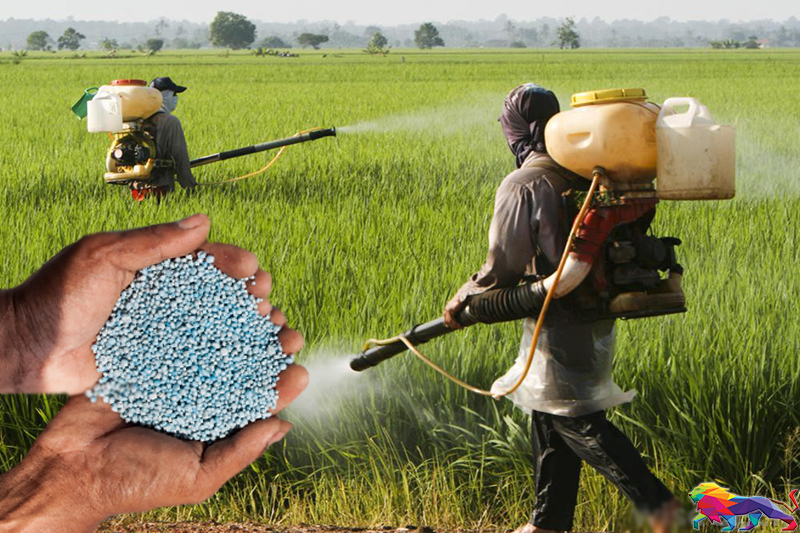
Minister of Agriculture Mahindananda Aluthgamage has stated that he hopes to request the Criminal Investigations Department (CID) to conduct an investigation following the discovery of harmful microorganisms in the samples of organic fertiliser made in China, which are to be imported to Sri Lanka.

Addressing a media briefing last Friday (17), he said that the relevant samples were brought into Sri Lanka on an “unofficial” level and that the Agriculture Ministry has some concerns with the process of bringing the samples into the country and distributing them for testing.

“The Sri Lanka Standards Institution (SLSI) has named an independent laboratory in China and they carried out tests on these fertilisers. According to those tests, these organic fertilisers were found to be free of microorganisms. Thereafter, some samples of these fertilisers were unofficially brought here for testing. However, they came in a plastic bag. So anyone can inject something into it and doing so would completely change the quality of these fertilisers. This deal is a major deal. So I hope to request the CID to investigate this incident,” he said.

Aluthgamage also said that tests have so far identified the samples as containing the bacteria called Erwinia spp, which makes the fertiliser not suitable for potato, cabbage, and carrot cultivations. He further stated that such fertiliser will not be permitted to be imported.

“Fertiliser has arrived in Sri Lanka, oil has arrived in Sri Lanka, but it will be sent back if it is not of good quality. So there is nothing to worry about. We will not bring any garbage. All this fertiliser is made from seaweed. These fertilisers are to be imported to Sri Lanka in five consignments and the company has given a deposit of $ 5 million to the Agriculture Ministry for the first consignment of about 20,000 metric tonnes (MT) coming into the country,” he elaborated.

Meanwhile, when asked by journalists if there is any methodology to test the fertiliser when it is imported into the country, he said: “Fertiliser imported into the country is not unloaded all at once. Random samples will be tested and allowed to be unloaded only if they do not contain any harmful substances.”

Recently, a tender was awarded to import 99,000 MT of organic fertiliser made in China and its value is approximately $ 63 million. The mandatory tests carried out by the SLSI, the National Plant Quarantine Service (NPQS), and the Sri Lanka Atomic Energy Board (SLAEB) on its samples failed.

According to the testing agencies, the stock of fertiliser could contain harmful microorganisms, pathogens, and even diseases harmful to the soil, plants, and humans.

A letter sent to the Fertiliser Secretariat by the NPQS on the test results of the samples, which was seen by The Morning, states that both fertiliser samples they received contain harmful bacteria. According to the letter, two samples of solid organic fertiliser bearing numbers 388 and 389 have been referred to the NPQS by the National Fertiliser Secretariat on 31 August 2021. The samples have been subjected to standard microbiological tests to find out whether they are contaminated with culturable microorganisms. Accordingly, the letter sent by the NPQS read: “Sample No. 388 was found to be highly contaminated with gram-positive and gram-negative bacteria. Preliminary studies revealed the bacteria to be Bacillus spp and Erwinia spp, which can be pathogenic to plants. Similarly, sample No. 389 was found to be contaminated with gram-positive bacteria, which is also a Bacillus spp.”

Following reports that the mandatory tests carried out by the said institutions on these samples have failed, the local agent of the said Chinese company told The Morning last week that another set of samples are to be given to the SLSI, NPQS, and the SLAEB. Aluthgamage said at the press conference that another sample had been received by the Sri Lankan authorities.

An official of the local agent claimed that the fertiliser samples were received in Sri Lanka on 21 August but were tested by the SLSI on 8 September. Against that backdrop, he claimed that if the samples were exposed to the environment during that time, their condition could change. “We do not know what happened between 21 August and 8 September. Their condition can change through exposure to the environment.”

When asked if the SLSI, the NPQS, and the SLAEB have given them the test reports, he stated that no report has been received so far. However, one of the buyers of the fertiliser stock, Ceylon Fertilizer Company Ltd., has, in a letter, informed the Chinese manufacturer that tests carried out by the SLSI have found harmful bacteria in the samples,” he said.

Posted in Uncategorized

Sri Lanka reports 103 Covid-19 deaths on Sunday, toll rises to 12,125

Sri Lanka Sunday reported 103 deaths due to COVID-19 after the figures were confirmed by the Director General of Health Services on Saturday, September 18.

Among the deaths reported today, 56 are of males and 47 of females. The majority of deaths – 77- are of elderly people in the 60 years and above age group. A males and a female below 30 years of age also succumbed to the disease.

According to the data reported by the Government Information Department, the total deaths due to Covid-19 since the pandemic began last year has now risen to 12,125.

Can Sri Lanka save GSP concessions? By M.S.M.Ayup

The whole Tamil politics seems to rely on making the government accountable to the human rights violations allegedly committed during the war between the armed forces and the Liberation Tigers of Tamil Eelam (LTTE). And the Tamil leaders have reposed their hope fully on the United Nations Human Rights Council and the UN system to achieve this end for the past 12 years – since the end of the war in 2009.

However, the pace of the UN system in this regard has not been swift as they expect. 12 years after the end of the war, and six years after the report of an investigation conducted by the UNHRC claimed that serious human rights violations have been committed by the armed forces and the LTTE during the war, it was only last March the UNHRC decided through a resolution to collect information and evidence about human rights allegedly violated in the country.

And on last Monday, during the second day of the current 48th regular session of the council the UN High Commissioner for Human Rights Michelle Bachelet while presenting her oral update to the council informed that the process of information gathering has begun.

“My Office’s work to implement the accountability-related aspects of Resolution 46/1 has begun, pending recruitment of a start-up team. We have developed an information and evidence repository with nearly 120,000 individual items already held by the UN, and we will initiate as much information-gathering as possible this year,” she said.

The Tamil Diaspora might use this opportunity to prosecute various people in various countries. It is not clear whether the Sri Lankan authorities have any plan to contribute to the information gathering against the LTTE leaders in other countries and initiate legal proceedings against them

She urged Member States to ensure the budget process provides the necessary support so that her Office can fully implement this work and requested the Council members to “continue paying close attention to developments in Sri Lanka, and to seek credible progress in advancing reconciliation, accountability and human rights.”

Hence, there is still a long way to go for something drastic to happen, if any. However, the resolutions passed and reports issued in the successive years during the past 12 years have been pestering the Sri Lankan leaders in power, through allegations which are being accumulated every six months.

Tamil political parties wanted the alleged human rights violations in Sri Lanka be referred to the International Criminal Court (ICC) through the UN Security Council. However, Sri Lanka’s friendly countries that have veto power in the Security Council might scuttle those efforts

Besides, the European Union (EU) too has teamed up with the UN human rights body with a resolution having been adopted in its Parliament on June 10, this year, based on the same Resolution 46/1 of the UNHRC. Despite the UNHRC process seemingly not being a threat to the country or to its political and military leaders in the near future, the European resolution is something like the Sword of Damocles hanging over the head. It threatens to further drain the foreign reserves which already have severely hit by the COVID-19 related issues, by removing the GSP+ concessions to Sri Lanka.

Bachelet during her oral update on Monday listed the actions taken by the government after the last session of the UNHRC which might violate human rights of the people. “In March, new ‘de-radicalisation’ regulations were issued that permit arbitrary administrative detention of individuals for up to two years without trial. I note that the Supreme Court has issued an interim stay order on their enforcement while it considers fundamental rights petitions to challenge the decree” she said. She included in her list the Emergency Regulations issued on August 30 which she said are very broad and may further expand the role of the military in civilian functions, Attorney General’s decision not to proceed with charges against former Navy Commander Wasantha Karannagoda in the case of the enforced disappearances of 11 men in 2008 and 2009, recent deaths in police custody and President’s recent pardon of former MP, Duminda Silva, who was convicted for killing Bharatha Lakshman Premachandra in 2011, which she claimed risks eroding confidence in the rule of law and judicial process.

The European resolution is something like the Sword of Damocles hanging over the head. It threatens to further drain the foreign reserves which already have severely hit by the COVID-19 related issues, by removing the GSP+ concessions to Sri Lanka

Finally, she states “Against this backdrop, my Office’s work to implement the accountability -related aspects of Resolution 46/1 has begun.” The resolution provides for the establishment of a central database at the Office of the High Commissioner for Human Rights (OHCHR) where information and evidence of human rights abuses in Sri Lanka can be stored and analyzed. This international mechanism will serve to support future trials of Sri Lankans accused of rights abuses in foreign countries and support victims of atrocities in their quest for justice.

The budgetary estimate provided to the Council by the OHCHR indicated that setting up the database would cost US$ 2.8 million over an 18-month period. Bachelet on Monday urged Member States to ensure the budget process provides the necessary support so that her Office can fully implement this work. In March, the OHCHR had estimated it will require 12 personnel to staff the mechanism, including three legal advisors, two analysts, two investigators/human rights officers, an information officer and an evidence officer, two juries-linguists, one victim support officer and one programme assistant. The budget estimate also makes provision for a high-level human rights officer for enhanced monitoring to the human rights situation in Sri Lanka.

However, according to analysts, the real test of the effectiveness of the resolution will rely largely on the commitment of UN member states to pursue justice against alleged Sri Lankan perpetrators. Amnesty International also said following the passage of the resolution “While the resolution was an important first step, the real impact will rely on UN member states using it as a basis for concrete action. Yet, the Tamil Diaspora might use this opportunity to prosecute various people in various countries. It is not clear whether the Sri Lankan authorities have any plan to contribute to the information gathering against the LTTE leaders in other countries and initiate legal proceedings against them.

Tamil political parties wanted the alleged human rights violations in Sri Lanka be referred to the International Criminal Court (ICC) through the UN Security Council. However, Sri Lanka’s friendly countries that have veto power in the Security Council might scuttle those efforts.

Unlike the UNHRC process, the EU’s reaction to the Sri Lankan human rights situation seems to be swift, as we witnessed in 2010 when the GSP+ concessions were withdrawn in response to Sri Lanka’s failure to meet the conditions laid down by the EU. A delegation from EU is scheduled to visit the country on September 27 to discuss the GSP+ issue this time, but the gap between the two parties’ stands on human rights issues is too wide.

Three Cabinet Ministers question violation of good governance principles-Themorning.lk

As predicted, Sri Lanka was in the international spotlight last week following the oral update on Sri Lanka by United Nations (UN) High Commissioner for Human Rights Michelle Bachelet, with the UK, representing the Core Group, the European Union (EU), and Japan speaking in support of the concerns raised by Bachelet.

However, Foreign Minister Prof. G.L. Peiris gave a clear indication to the UN Human Rights Council (UNHRC) that the Government, led by President Gotabaya Rajapaksa and Prime Minister Mahinda Rajapaksa, while addressing certain issues raised in UNHRC Resolution 46/1 on Sri Lanka, would not permit any form of external interventions in the country.

Nevertheless, the 48th Session of the UNHRC took a backseat in Sri Lanka due to several incidents that took place last week.

Starting from the alleged threat to detainees under the Prevention of Terrorism (Temporary Provisions) Act (PTA) at the Anuradhapura Prison by then State Minister of Prison Management and Prisoners’ Rehabilitation Lohan Ratwatte last Sunday (12) evening to the passage of a controversial cabinet paper that had resulted in three Cabinet Ministers raising objections in writing, there is never a dull moment in local politics.

Reports first surfaced recently of Ratwatte visiting the Welikada Prison with a few friends to see the gallows. It was reported that Ratwatte was under the influence of alcohol at the time of the visit.

Media reports, however, refrained from naming Ratwatte, but referred to a “drunken minister”.

Ratwatte’s name was first reported in a news report in The Morning last week following his alleged threat to PTA detainees at the Anuradhapura Prison last Sunday. MP Gajendrakumar Ponnambalam and the Tamil National Alliance (TNA) took to social media last Monday (13), condemning the State Minister’s actions and calling on the authorities to take action.

With reports of the prison break being highlighted in the mainstream media, Prime Minister Rajapaksa, who at the time was in Italy, had called Ratwatte and asked him to immediately step down. The Prime Minister had also called the President and said that Ratwatte needed to be removed from the portfolio.

Hearing reports of Ratwatte’s prison saga, the President had requested intelligence units to submit a report immediately on the alleged incident at the prison. The President had requested for reports on the two incidents – one at the Welikada Prison and the other at the Anuradhapura Prison.

After receiving the intelligence reports, the President understood the exact details of the incidents that had taken place at the prison.

The President had informed several senior government ministers that he would not tolerate such actions of members of the Government.

It was in this backdrop that Ratwatte had called and apologised to the President over the alleged incidents and news reports. Ratwatte had then offered to resign from the post of State Minister of Prison Management and Prisoners’ Rehabilitation.

The President had responded saying that it was what needed to be done, as he (the President) would have anyway sacked him (Ratwatte).

President Rajapaksa had also noted that a committee would be appointed to conduct an inquiry into Ratwatte’s conduct and necessary action in this regard would be taken upon the Prime Minister’s return to the country.

Last Wednesday (15), Ratwatte made public a letter that on the surface seemed like a letter of resignation but left a lot of room for interpretation.

In the letter, Ratwatte had explained that there had been media reports of an incident that had taken place in prison, and he had decided to step down from his post as State Minister of Prisons in order to prevent the Government from facing any difficulties.

However, in the letter, after saying he had decided to resign from the prisons portfolio, Ratwatte had asked for the President’s recommendation.

Angry at Ratwatte’s alleged threat to the detainees and his actions that had brought shame on the Government, President Rajapaksa immediately accepted the letter. Not stopping at that, the Presidential Secretariat also issued a statement to the media noting that Ratwatte had accepted responsibility for the incidents that had taken place within the prison premises and had tendered his resignation and that the President had accepted it.

However, Ratwatte continues to deny the incident at the Anuradhapura Prison and claimed he had visited the prison as part of his routine visits, and that as the minister in charge at the time, he had the right to visit the prison at any time he wished.

While the actions of the President and Prime Minister against Ratwatte were commendable, Ratwatte still remains a state minister of the Government, as he holds the portfolio of State Minister of Gem and Jewellery.

Meanwhile, several complaints were lodged against Ratwatte’s actions at the prison before the Criminal Investigation Department (CID). Minister of Public Security Sarath Weerasekera ordered the CID to conduct an investigation into the complaints.

Interestingly, the PTA detainees at the Anuradhapura Prison had requested to meet Minister of Sports and Youth Affairs Namal Rajapaksa to express their grievances.

Namal visited the Anuradhapura Prison last Thursday (16) and discussed the issues faced by the detainees and assured that he would work to ensure their release.

Letters of objection

Meanwhile, the Government was last week reminded of an issue over good governance practices in relation to a cabinet paper that was submitted by Minister of Finance Basil Rajapaksa.

Three Cabinet Ministers – namely, Vasudeva Nanyakkara, Wimal Weerawansa, and Udaya Gammanpila – last week submitted three separate letters to the Cabinet of Ministers over a cabinet paper presented by Basil on the Yugadanavi Power Station in Kerawalapitiya.

The ministers were first displeased by the manner in which Basil had presented the relevant cabinet paper out of the meeting’s agenda that day.

The cabinet paper proposed the divesting of the 40% stake in the Yugadanavi Power Station held by the Treasury to US-based New Fortress Energy Inc.

Interestingly, many cabinet ministers were unaware till last week that the relevant cabinet paper was passed at the meeting on the 6th.

It is learnt that Basil had presented the cabinet paper after the meeting had concluded discussing all official matters and had even fixed the next date for the meeting. Most ministers were in the process of leaving the Zoom meeting (cabinet meetings are currently held via Zoom in line with Covid-19 health guidelines) when Basil had presented the cabinet paper.

The ministers were not aware of the content of the paper since they had not received a copy of it earlier, as is usually done with other cabinet papers.

Basil’s Yugadanavi cabinet paper now stands as having received cabinet approval, with the minutes of the meeting being approved at last Monday’s (13) meeting.

However, Nanyakkara, Weerawansa, and Gammanpila had, in writing, expressed their objections to the manner in which the relevant cabinet paper was adopted as well as concerns over issues that had arisen as a result of awarding the deal to New Fortress Energy.

The ministers had noted that it was the first time in cabinet history that a key cabinet paper was presented out of the meeting’s agenda and pushed through without the cabinet ministers being aware of the document’s content.

The three ministers had written three separate letters more or less outlining the same issues.

Other issues raised by the ministers were the monopoly that would be created in the supply of natural gas due to the deal and the violation of good governance principles, since the Yugadanavi deal had been awarded to a party outside the tender procedure.

During last Monday’s cabinet meeting, Basil had noted the objections raised by the three ministers and stated that he would personally meet with them and discuss the concerns raised by them.

Accordingly, Basil had requested the three ministers for a meeting at the Finance Ministry on Friday (17) afternoon.

Nanayakkara, Weerawansa, and Gammanpila made their way to the Finance Ministry for the meeting scheduled at 1.30 p.m. on Friday. The Finance Minister was accompanied by Treasury Secretary S.R. Attygalle and Ceylon Electricity Board (CEB) Chairman M.M.C. Ferdinando.

Interestingly, neither Minister of Power Gamini Lokuge nor State Minister of Renewable Energy Duminda Dissanayake were present at the meeting.

At the outset of the meeting, Basil had acknowledged the concerns and issues raised by the three ministers, and had explained the ongoing financial crisis in the country and the need for dollar inflows to the country.

Attygalle and Ferdinando had made a presentation to the three ministers and had also pointed out the need to improve the country’s dollar reserves.

The proposed deal with New Fortress is to bring in $ 250 million to the state coffers.

Basil had then noted that the prices quoted by New Fortress were anyway less than the amounts quoted by the parties that submitted tenders.

When the three ministers had pointed out that the tender conditions were different to those in the proposed deal, Basil had observed that there was an urgent need to carry out the quick transformation of diesel power plants into liquefied natural gas (LNG).

Anura slams Sajith

Meanwhile, Opposition Leader Sajith Premadasa was asked to get a “head examination” by Janatha Vimukthi Peramuna (JVP) Leader Anura Kumara Dissanayake.

Dissanayake made this comment in response to Premadasa’s statement that the Government should resign and hold a snap general election immediately.

He said the Government should resign, as it had failed to pull the country from bankruptcy.

“This Government has created an era of queues once again with its policy of closing the economy. Sri Lanka is unable to settle its debts. This is simply called bankruptcy. (The) Government had pushed this nation towards bankruptcy. Therefore, it should resign and give the people the opportunity of electing a new government of its choice. People want a new government which is capable of reviving the economy,” Premadasa said, adding: “We in (the) SJB have (the) expertise to revive the economy. (The) Government should resign forthwith. (The) people have tolerated enough.”

Dissanayake, in response to Premadasa’s statement, said it was “utterly immature and irresponsible”.

He further noted that this was not an appropriate time to conduct an election.

Hit hard

On the issue of Sri Lanka’s human rights record, UN High Commissioner for Human Rights Bachelet presented an oral update on Sri Lanka on the opening day of the 48th Session of the UNHRC.

Bachelet last Monday said that the continued surveillance, intimidation, and judicial harassment of human rights defenders, journalists, and families of the disappeared in Sri Lanka had now broadened to include students, academics, medical professionals, and religious leaders who are critical of the Government.

“I note with interest President Gotabaya Rajapaksa’s recent meeting with certain civil society leaders, and I encourage broader dialogue and steps to open up Sri Lanka’s civic space. Regrettably, surveillance, intimidation, and the judicial harassment of human rights defenders, journalists, and families of the disappeared has not only continued, but has broadened to a wider spectrum of students, academics, medical professionals, and religious leaders critical of government policies. Several peaceful protests and commemorations have been met with the excessive use of force and the arrest or detention of demonstrators in quarantine centres,” she noted.

Bachelet urged the Government to publicise the new regulations concerning civil society, which are currently being drafted, as there are widespread fears that they will further restrict fundamental freedoms.

She raised concerns over the new state emergency regulations that were imposed at the end of August “amid a deepening recession”, and stressed that her office would be closely monitoring their application since they have the potential to “further expand the role of the military in civilian functions”.

Commenting on the ongoing investigations into the Easter Sunday terror attacks, she said: “The victims of the Easter Sunday bombings in 2019 and religious leaders continue to call urgently for truth and justice, and a full account of the circumstances that permitted those attacks.”

Bachelet focused on the continued detention of Attorney-at-Law Hejaaz Hizbullah and teacher and poet Ahnaf Jazeem under the Prevention of Terrorism (Temporary Provisions) Act No. 48 of 1979, and urged an immediate moratorium on its use, adding that a clear timeline needs to be formulated for its comprehensive review or repeal.

“In June, 16 prisoners who had been convicted under the problematic PTA, and who were nearing the end of their sentences, were pardoned. An Advisory Board has been established to which detainees under the Act can apply for their cases to be reviewed, and I urge a speedy resolution to these long-standing cases,” Bachelet said.

Similarly, Bachelet raised concerns about the new “de-radicalisation” regulations which were issued in March this year.

“They permit the arbitrary administrative detention of individuals for up to two years without trial. I note that the Supreme Court has issued an interim stay order on their enforcement while it considers fundamental rights petitions to challenge the decree. The Government has also proscribed or listed over 300 Tamil and Muslim groups and individuals for alleged links to terrorist groups,” she noted.

“I urge Member States to ensure that the budget process provides the necessary support so that my office can fully implement this work. I encourage council members to continue paying close attention to developments in Sri Lanka, and to seek credible progress in advancing reconciliation, accountability, and human rights.”

Meanwhile, Special Rapporteur on the promotion of truth, justice, reparation, and guarantees of non-recurrence Fabian Salvioli had informed the UNHRC last week that Sri Lanka had witnessed a profound deterioration in its human rights situation over the past 18 months.

He had further stated that there had been insufficient progress in relation to the search for the truth, and the flagrant setback in the areas of accountability, memory, and guarantees of non-repetition.

The Special Rapporteur had added that the situation jeopardises the transitional justice process in Sri Lanka.

No external initiatives

Responding to Bachelet’s statement, Foreign Minister Prof. Peiris said last Tuesday (14) that the Sri Lankan Government rejected any external initiatives established by Resolution 46/1, which was adopted at the Council earlier this year, as it will polarise the Sri Lankan society.

“We reject the proposal for any external initiatives purportedly established by Resolution 46/1 while domestic processes are vigorously addressing the relevant matters. This will polarise our society, as we experienced with Resolution 30/1,” said Prof. Peiris.

Resolution 30/1 was adopted in 2015 by the UNHRC, by the previous United National Front (UNF)-led Government, where it was agreed to establish a judicial process which would include foreign legal personnel to promote reconciliation and accountability on human rights violations which allegedly occurred during the civil war years.

Prof. Peiris, however, informed the UNHRC that it must adhere to its founding principles and said that external initiatives embarked without the co-operation of the relevant state in question cannot lead to the achievement of their goals and are subject to politicisation.

He added that resources spent on the Sri Lankan initiative are unwarranted, especially when taking into consideration the “urgent need for humanitarian and other constructive purposes in many parts of the world”.

Prof. Peiris said that under the pressing challenges that had arisen as a result of the Covid-19 pandemic, “it is a basic duty of a government to ensure the uninterrupted supply of commodities essential to the life of the community”.

“We are open in acknowledging our challenges, and as a responsible and democratic government, we are committed to achieving tangible progress on the entire range of issues relating to accountability, reconciliation, human rights, peace, and sustainable development,” he added.

The Minister further stated that the cabinet subcommittee appointed to revisit the PTA to bring it in line with international norms will submit its report to the Cabinet of Ministers at the end of this month.

“An Advisory Board was appointed to look into cases of detention under the PTA and to make recommendations to deal with such cases expeditiously. The speedy disposal of cases under the PTA is also taking place,” he added.

Referring to other domestic processes implemented by the Government to ensure accountability and reconciliation, he said: “The Office on Missing Persons (OMP) is finalising the list of missing persons in collaboration with other agencies. The Office for Reparations (OR) has processed 3,775 claims this year. The Office for National Unity and Reconciliation (ONUR) continues its eight-point action plan. The National Human Rights Commission is carrying out its mandate. A Commission of Inquiry (CoI) headed by a sitting judge of the Supreme Court was established to address issues on accountability and missing persons and to revisit recommendations by previous commissions. The CoI submitted its interim report to the President. The final report will be submitted within the next six months.”

Prof. Peiris claimed that in the 12 years since Sri Lanka eradicated the Liberation Tigers of Tamil Eelam (LTTE) terrorist organisation, peace, stability, and security had been restored, and the country had continuously adhered to democratic traditions.

“We held firm to our democratic traditions and elections were held at regular intervals with high levels of voter participation – most recently, at the 2019 presidential and 2020 parliamentary polls. The Government is committed to holding the provincial council (PC) elections at the earliest. We are dealing with post-conflict recovery from the perspective of healing. Most recently, 16 LTTE cadres convicted of serious terrorist crimes were granted presidential pardons. The success of post-conflict demining, reconstruction, and resettlement programmes has contributed immensely to national reconciliation.”

Core Group dismayed

Meanwhile, UK Ambassador to the UN and the World Trade Organisation (WTO) in Geneva Simon Manley, in his statement last Tuesday on behalf of the Core Group on Sri Lanka at the 48th UNHRC Session, said that they were disappointed to see a regression of the limited progress made on accountability on key emblematic cases.

“Recent developments in the case involving the disappearance of 11 youths in the 2008-2009 period are of particular concern,” Manley said.

Manley made these comments in reference to Attorney General (AG) President’s Counsel Sanjay Rajaratnam’s recent decision to temporarily hold proceedings of the charges against former Navy Commander and Admiral of the Fleet Wasantha Karannagoda. The Court of Appeal had issued an interim order halting the hearing of the charges levelled against him in connection with a writ petition filed by Karannagoda. Karannagoda was named as a defendant in the Colombo Permanent High Court Trial-at-Bar case filed against a group of naval intelligence officers pertaining to the alleged abduction and enforced disappearance of 11 youths in Colombo in 2008 and 2009.

Manley also called on the Sri Lankan Government to ensure the political independence of the OMP and the Office for Reparations.

Commenting on the PTA, Manley urged the Government to bring its counter-terrorism legislation in line with international human rights obligations and raised concerns over the continued detention of human rights lawyer Hizbullah and poet Jazeem under the Act.

“We call on Sri Lanka to co-operate fully with the UN High Commissioner for Human Rights Michelle Bachelet, and remain ready to support the Government on the implementation of Resolution 46/1,” Manley stressed.

The Core Group on Sri Lanka comprises Canada, Germany, North Macedonia, Malawi, Montenegro, and the UK.

The EU, meanwhile, urged Sri Lanka’s engagement with the UNHRC on Resolution 46/1 and the need for continued efforts for reconciliation, accountability, and human rights in line with the Resolution.

The EU expressed regret over the Sri Lankan Government’s decision to no longer support the UN framework to address the legacy of the past conflict, to ensure acknowledgements for victims, and to foster accountability, reconciliation, and human rights.

The EU also noted the declared intent of the Government of Sri Lanka to maintain a sustainable reconciliation process, including by ensuring the effective work of the OMP and the Office for Reparations, and called on the Government to implement its commitments in that regard and to guarantee the independence of these institutions.

In the statement, the EU stressed on the importance of amending the PTA, bringing it in line with international norms and human rights standards.

The EU also reiterated that a fully empowered, resilient, and inclusive civil society as well as independent media are crucial for democracy.

The EU encouraged the Government of Sri Lanka to remain engaged with the UN in relation to Resolution 46/1, as well as with international partners, and will continue to support Sri Lanka’s efforts in this regard as well as with a view to further strengthen the dialogue on governance, rule of law, devolution, and human rights.

Japan also weighed in at the UNHRC Session, stating that there was room for improvement in Sri Lanka on the human rights issue.

The Japanese also underscored the importance of Sri Lanka continuing to take voluntary actions.

“With respect to Sri Lanka, while there is room for improvement in the areas of national reconciliation and human rights, we understand that the Government is taking various measures including investigation by the Commission of Inquiry and payment of compensation. It is important that Sri Lanka continues to take voluntary actions and the international community supports Sri Lanka in this effort,” Ambassador Ken Okaniwa stated last Tuesday.

Pressure on Core Group

Prior to the commencement of the UNHRC sessions last Monday, several Tamil political parties called on Core Group members to go beyond Resolution 46/1 to address the issues faced by the country.

Accordingly, the Tamil National People’s Front (TNPF) and the All Ceylon Tamil Congress (ACTC) last week called on the Core Group for more action.

TNPF President G.G. Ponnambalam and General Secretary S. Kajendren had issued the letter highlighting that Resolution 46/1 was highly problematic.

The TNPF and the ACTC pointed out that, as Tamil leaders, they were disappointed with the Resolution, stating that it did not even meet the basic expectations of the Tamil victims, especially in relation to international accountability for alleged grave violations of international humanitarian law and human rights law.

The two minority parties also highlighted concerns over the Resolution’s framing of issues, which they claim was highly problematic, as those issues were not accurately portrayed in terms of the political context.

“Six months have lapsed since the passing of Resolution 46/1 on Sri Lanka. In these six months, every single warning that we alluded to was proven to be true,” the letter noted.

In the letter, they pointed out that the Tamil political prisoners continue to languish in jail without charge or trial. This was even after key ministers, including the Minister of Justice, stated that the law under which these prisoners had been detained – the PTA – is unjust and needed to be, at the very least, amended.

The two parties also urged the Core Group to refer Sri Lanka to the International Criminal Court (ICC) and establish an independent mechanism to inquire into crimes, including crimes of genocide. In the letter, both parties also requested to appoint a UN Special Rapporteur to report on ongoing violations in Sri Lanka and the establishment of field offices of the Office of the UN High Commissioner for Human Rights (OHCHR) in the North and East.

“We pointed out that the matter being brought to the UN Security Council (UNSC) in itself would bring attention and urgency to Sri Lanka’s chronic evasion of accountability, and hence we urged that the Core Group signal their intention to bring forth a resolution to the UNSC for ICC referral without further delay,” the letter read.

Continuous violations

Meanwhile, a total of 10 religious and civil society leaders had written to UN High Commissioner for Human Rights Bachelet claiming that, despite the adoption of UNHRC Resolution 46/1, the Government of Sri Lanka had continued to commit human rights violations against minorities, especially those who engage in peaceful protests.

The group, led by Pottuvil to Polikandy (P2P) Movement Co-ordinators Velan Swamigal and Kandaiah Jagathas, had alleged that women were also being harassed by the Government’s actions.

“The leaders of the P2P march, held in February this year, are continuously harassed by State Intelligence officers, under the guise of ‘inquiry’. Leaders of peaceful protests of families of the disappeared and other victims, most of whom are women, are also harassed by State Intelligence officers, some of whom visit their households at night,” the letter stated.

The leaders had further claimed that families of the disappeared encounter numerous challenges with the OMP, as military personnel had been appointed to it by the Government, whilst ignoring numerous calls to appoint credible international experts on disappearances to its positions.

“The OMP, set up to address the disappearances, is used by successive governments to distract from the plight of the disappeared,” the letter added.

A similar memo sent by the Association for Relatives of the Enforced Disappeared (North and East) had noted that the OMP is “completely inactive” and had accused the Government of trying to “dilute” the issue by paying the families of victims compensation instead of investigating into the cause of the disappearances and finding out who the guilty party was.

The letter by the 10 civil society and religious leaders had brought attention to the plight of Tamil political prisoners held under the PTA and the issue of land-grabbing in the Northern and Eastern Provinces.

“Several government departments, including the Mahaweli Authority, the Department of Archaeology, and the Department of Wildlife Conservation, are used by this Government to grab land which traditionally belonged to the Tamil people.”

Extremist ideologies

While Sri Lanka was in the spotlight at the UNHRC, Prime Minister Rajapaksa and Foreign Minister Prof. Peiris last week expressed the Government’s stance on extremism and extremist ideologies.

Addressing the G20 Interfaith Forum in Bologna, Italy, Prime Minister Rajapaksa noted that extremist ideologies and the violence associated with it represent one of the most serious challenges of our time.

The Prime Minister recalled the tragic events of 9/11 and shared a deep sense of grief with the families of victims of this outrage.

“This is a reminder of the need for eternal vigilance against all forms of terrorist action, whoever be the offenders and whatever be their professed aims and purposes,” the Prime Minister said.

Speaking on reconciliation, he said: “Reconciliation is a critical need of our time. Conflicts and escalating tensions are all too evident around us. Peace and stability come from healthy relationships with all who live in our countries, including those with whom we have deep disagreements.”

Prime Minister Rajapaksa also identified that young minds are impressionable, and it is during the childhood years that there is the greatest chance to develop the right attitudes and values.

“While there are clearly differences embedded in the substance of different religions, there is also a core of beliefs and convictions that are common to all religions,” he explained.

Accordingly, it was noted that it is the duty of policymakers and educationists, through the curriculum and methods of teaching in our schools and universities, to emphasise what all religions share.

“Sri Lanka is trying its best to adopt a balanced approach to human development. While progress on economic issues is necessary to support rapidly growing populations, this cannot be done at the expense of the environment,” the Prime Minister expressed.

Also speaking at the same summit, Foreign Minister Prof. Peiris expressed that political parties that profess overtly to be ethnic or religious in character and complexion were a critical problem with regard to the formulation of foreign policy.

“There is no need for such parties to detach themselves from the national policy by the formation and emergence of political groupings that are sectarian. This is hugely detrimental to the solidarity and unity of our countries,” he stated.

The Minister also noted that in Sri Lanka, minority communities had reached the pinnacle of political power as members of national political parties, while adding that this had not inhibited their rise within the democratic system.

It was also mentioned that any enlightened foreign policy had to be based upon the concept of mature nationhood.

“Foreign policy is an extension of domestic policy. You cannot do it in an acrimonious and divided way,” he said.

While adding that Sri Lanka is a country where different parts of the nation speak different languages and hail from a multitude of cultural backgrounds, the Minister remarked that education plays a key role in bridging this gap.

“Different ethnic communities are being compartmentalised. There is hardly any opportunity for young people to get to know each other because of languages. Education and a link language play a key role,” Prof. Peiris highlighted.

Constitution-making

Meanwhile, the Government seems to be moving forward in its endeavour to draft a new constitution, with the Expert Committee appointed to draft the new constitution being granted a three-month extension to submit the final draft to President Rajapaksa.

However, it is learnt that an initial draft was being studied by the Legal Draftsman’s Department.

With the extension given to the Expert Committee, it is believed that the final draft of the proposed new constitution would be submitted by December to the President.

The Expert Committee is chaired by Romesh de Silva PC and includes Gamini Marapana PC, Manohara De Silva PC, Sanjeewa Jayawardena PC, Samantha Ratwatte PC, Prof. Naazima Kamardeen, Dr. A. Sarveswaran, Prof. Wasantha Seneviratne, and Prof. Peiris. The nine-member committee to draft the new constitution was approved by the Cabinet in September last year.

The Tamil National Alliance (TNA) had sought a meeting with the President to discuss the proposed new constitution. The President is yet to grant an appointment to the TNA.


Posted in Uncategorized