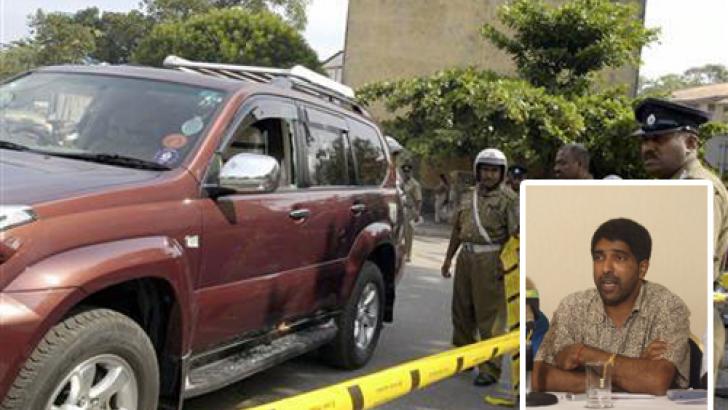
Tamil MP assassinated in ‘terror’ strike on Colombo road

The election of Mahinda Rajapaksa as Sri Lanka’s fifth executive president in November 2005 saw the war against the Liberation Tigers of Tamil Eelam (LTTE) intensifying. The new president appointed his US citizen younger brother Gotabaya Rajapaksa as the all-powerful Secretary of Defence. Gotabaya appointed retired colonel of the Sri Lankan army, his erstwhile comrade at arms and fellow Anandian, General Sarath Fonseka as the Army Commander. Thereafter the war effort progressed under the political, administrative and military leadership of the President, Defence Secretary and Army Chief respectively. Ultimately the LTTE was militarily defeated on the banks of the Nandhikkadal lagoon in May 2009.

The Rajapaksa Government believed in the credo of the end justifying the means. Therefore the Rajapaksa regime resorted to several “unorthodox” measures during the war. One of these was what is described in human rights parlance as “officially sanctioned unofficial executions”. Assassination became a weapon of the dirty war. Two of the earliest victims were two members of Parliament belonging to the Tamil National Alliance (TNA).

TNA national list MP Joseph Pararajasingham was killed in Batticaloa on 24 December 2005. He was shot dead by assassins in church after partaking of Holy Communion during service on Christmas Eve. TNA Jaffna district MP Nadarajah Raviraj was murdered in Colombo on 10 November 2006. He along with his Police bodyguard was gunned down in broad daylight by unknown killers on a public road.

President Ranil Wickremesinghe who was the Leader of the Opposition and the head of United National Party (UNP) at the time of Raviraj’s killing condemned the assassination strongly. Wickremesinghe then said, “Within a year of parliamentarian Joseph Pararajasingham’s assassination, Raviraj has been killed. This is a threat to democracy. We strongly condemn this cowardly act and urge the Government to take legal action to bring the killers to justice besides providing adequate security measures to Tamil parliamentarians.”

Pararajasingham and Raviraj

Years later, the UN High Commissioner for Human Rights (OHCHR) investigation report on Sri Lanka (OISL) presented at the 30th session of the UN Human Rights Council (UNHRC) in September 2015 made specific references to the assassination of Pararajasingham and Raviraj.

The 16th death anniversary of Nadarajah Raviraj falls tomorrow on 10 November. Nadarajah Raviraj was personally known to me. He was one of the many political leaders known to me on either side of the ethnic divide who were killed during the course of Sri Lanka’s protracted war. This column therefore re-visits the life and death of Nadarajah Raviraj this week – with the aid of some earlier writings – in a bid to revive memories of the man who was gunned down most cruelly at the age of 44, sixteen years ago.

Manningtown, Narahenpita

D-day or the day of death as 10 November 2006. The TNA parliamentarian from Jaffna district and his bodyguard Police Sgt. Lokuwellamurage Shantha Laxman Lokuwella from Gampaha were shot dead in broad daylight at 8:39/40 a.m. in Colombo. The shooting occurred close to Raviraj’s residence in Manningtown, Narahenpita.

The spot where the shooting occurred was in close proximity to the Telecommunications Regulatory Authority and the Registrar of Motor Vehicles Department. The Jaffna MP had returned home after a discussion – interview on “Derana” TV from 7 a.m. to 7:30 a.m. He had quickly changed clothes, had breakfast and started out again to his law office.

Raviraj, a lawyer by profession, had his own law firm: “Raviraj and Associates”. Though the MP had his own driver, the man was on leave. The driver had requested a further extension of leave a few days before the killing. According to Raviraj’s brother in law the MP had then told the driver good – humouredly, “Even if I die you can have your leave.” The TNA Parliamentarian had first tried to use his wife’s car but finding the battery had run down chose to use his own vehicle.

Motorcycle JE 3507

Raviraj had asked his bodyguard Sgt. Lakshman, a native of Gampaha, to get in and climbed onto the driver’s seat. The Toyota Land Cruiser Prado bearing the No. WP KE 1279 was then slowly driven along Martha Road by Raviraj. The vehicle was turning into Elvitigala Mawatte when a motorcycle numbered JE 3507 came near from the opposite side. Two men with helmets were on it. One got down from the pillion, removed his helmet, went across and stood on the pavement. He had a shoulder bag.

Raviraj’s vehicle was cruising along very slowly when the man tore apart the bag he was carrying and started firing. The weapon was a T-56. The assassin did not pull the gun out but fired while it was yet inside the bag. The assassin fired away at point blank range on Raviraj’s vehicle from the front, side and rear. An entire magazine was exhausted in the firing. He then ran quickly and climbed on to the motorcycle pillion again.

The assassins had then turned into Martha Road and sped away. The bag containing the T-56 as well as the helmet of one rider were found on the side of the road. Police also stated that a three-wheeler parked close to the spot had also driven away after the shooting. It is suspected that the three-wheeler driver was a “look-out” for the assassins and had tipped them off by mobile telephone about Raviraj’s vehicle approaching.

Colombo National Hospital

Raviraj was hit five times and Lokuwella eight times. Both victims were taken to Colombo National Hospital speedily. Lokuwella was pronounced dead upon admission. Raviraj was in critical condition and urgent surgery was done but Raviraj was dead at 9:20 a.m. Hospital sources said the MP was “clinically dead” even when admitted. Thus ended the life of Nadarajah Raviraj.

National Peace Council Executive-Director Jehan Perera described Raviraj’s political role in the following manner when the MP was killed: “Raviraj was a Tamil leader who helped to educate the non-Tamil population about the perspectives of the Tamils and their sufferings. On Tuesday November 14 he had agreed to be a speaker at a Religious-Political Dialogue organised by several civic organisations. He was friendly with all, and always prepared to engage with others, even with those of a very different political mind set. Although the Sinhala language skills at his disposal were limited, he courageously made use of them to debate the representatives of the nationalist Sinhalese political parties and provide another perspective on current and national issues. With his killing this important avenue of information is likely to close for both the general public and the international community to whom he spoke with a measure of credibility.”

Native of Chavakachcheri

Nadarajah Raviraj, born on 25 June 1962, was a native of Chavakachcheri in the Thenmaratchy sector of Jaffna. His father was a schoolmaster at Chavakachcheri Hindu College in Sangathanai. His mother taught at Hindu Ladies College, Chavakachcheri. Raviraj was an old boy of Driebergs College, Chavakachcheri and St. Johns College, Jaffna. Friends recall with affectionate nostalgia that Raviraj generally known as Ravi was also nicknamed “kilangu” (potato) in his student days.

Raviraj passed out as a lawyer and took his oaths in 1987. He joined the Attorney-General’s Dept. in 1990 and worked there till 1993. He quit the AG’s Dept. in 1993 and became a human rights lawyer attached to the Home for Human Rights. He worked there till 1996. Thereafter he began private practice and soon set up his own law office, Raviraj and Associates. Raviraj was involved in human rights work from 1984 onwards even during his law college days.

Tamil United Liberation Front

Raviraj became enamoured of democratic politics at a time when most Tamils of a younger generation were aligning with militant groups. He joined the Tamil United Liberation Front (TULF) and worked actively for the party along with other young Tamil lawyers like former Jaffna mayor Pon. Sivapalan and ex-Batticaloa MP and former Eastern Provincial Minister K. Thurairajasingham.

Raviraj owed his rise in politics to TULF leader Veerasingham Anandasangaree who regarded his younger colleague as a protégé. Sangaree promoted Raviraj within the party. Raviraj became TULF central committee member in 1990. In 1998 he was appointed legal adviser to the party. Raviraj was made TULF Politbureau Member in 2000 and in 2001 became Administrative Secretary of the party.

The TULF of an earlier era faced great danger at the hands of the Liberation Tigers of Tamil Eelam (LTTE). Other militant Tamil groups supposedly functioning as “half-democratic” parties were also not well-disposed towards the grand old democratic party of Sri Lankan Tamils. It was amidst great physical danger that the TULF contested the Jaffna Municipality in 1998. Raviraj too was on the list. The TULF with its slogan of “unarmed democracy” (Aayuthamatra Jananayagam) topped the polls in Jaffna despite not having resources like other Tamil parties. Raviraj became a municipal councillor.

Jaffna Mayor

Sarojini Yogeswaran became Jaffna mayor and was shot dead by the LTTE. Pon. Sivapalan then succeeded her. Sivapalan along with Jaffna military commander Brigadier Mendis and several others were killed when the LTTE exploded a claymore mine concealed in the ceiling. The mayoral aspirant Pon. Mathimugarajah was assassinated by the LTTE in front of the Nallur Kandaswamy temple.

In spite of the danger involved Raviraj backed up by Anandasangaree came forward to don the mayoral mantle. Raviraj was appointed deputy mayor in 1998. Instead of becoming Mayor immediately Raviraj functioned as acting mayor. He was the de-facto and not de-jure mayor for a while. Raviraj adopted this razor’s edge stance and managed to survive politically and physically. In October 2000 Raviraj contested the Parliamentary elections on the TULF ticket but failed to win a seat. In 2001 Raviraj was formally appointed as Jaffna Mayor. But within months Raviraj was elected to Parliament and resigned Mayoral office.

Tamil National Alliance

By 2001 there was a sea change in Tamil “moderate” politics. The TULF, Tamil Congress, EPRLF and TELO joined hands and formed a loose alliance known as the Tamil National Alliance. They started moving close to the LTTE and began toeing the tiger line.

Member of Parliament

The newly formed TNA did well at the polls. Raviraj too won and became a Member of Parliament for the first time in 2001 December. There was however a split in the TULF when the old warhorse Anandasangaree fell foul of the LTTE which wanted him ousted. The TNA was now fast becoming a puppet of the LTTE. Sangaree resisted LTTE domination and paid the price as most of his colleagues and followers deserted him and paid pooja to the tigers.

The unkindest cut for Sangaree was the “transformation” of Raviraj. The young MP had initially backed his political mentor but gradually parted ways with his senior colleague.

In 2004 April Raviraj was re-elected as Jaffna district MP but Anandasangaree was defeated in an “undemocratic” poll conducted through dubious means. Raviraj soon became a rising star in the TNA which contested under the house symbol of the Ilankai Thamil Arasu Katchi (ITAK).

One of Raviraj’s strong points was his fluency in Tamil, English and Sinhala. This enabled him to participate fully in Parliament debates, media discussions and interviews and public meetings. He was a forceful speaker and conveyed his views precisely and clearly. He was capable of quick repartees and often made pithy and pungent comments. He also participated in demonstrations particularly those concerning freedom of expression. Raviraj had many friends among the Colombo media. He participated in many TV shows in all three languages. He was perhaps the best known face among TNA Parliamentarians to the “Sinhala” South.

In Canada

Raviraj was in Canada many years ago and I heard him speak at a public seminar on the plight of Tamils in Sri Lanka. Raviraj was the last speaker. There were a couple of Canadian mainstream MPs at the meeting. As is usual among Western politicians, who “grace” minority community occasions just to keep up “appearances”, the two gentlemen began moving out as Raviraj was on the rostrum. The young Tamil MP was not fazed and made a public appeal that both MPs should not leave but sit and listen to his speech. Taken aback both men promptly returned to their seats, tuned in and afterwards engaged in long discussions with the Sri Lankan Parliamentarian.

I also remember that Raviraj could not have dinner with me as arranged earlier because his departure from Toronto had to be expedited due to an urgent matter. I was not at home when he called to inform me of the sudden change of plan. After returning to Colombo Raviraj was courteous enough to telephone me and apologise profusely.

The conflict in Sri Lanka began escalating after Mahinda Rajapaksa became President in November 2005. The war conducted against the Liberation Tigers of Tamil Eelam (LTTE) resulted in great hardship for the Tamil people. The basic human rights of the Tamil people were violated with impunity during those days of war. “Terror” was on the rise.

Civil Monitoring Committee

Raviraj was in the forefront of those resisting this creeping state of terror. He joined hands with those of different political beliefs and ethnicities to fight for common causes. A case in point was his active involvement in the Civil Monitoring Committee (CMC) set up to monitor extra-judicial executions, disappearances and abductions. Raviraj worked with people like Mano Ganesan, Siritunga Jayasuriya, Vasudeva Nanayakara, Dr. Vickramabahu Karunaratne, and Appapillai Vinayagamoorthy in this regard.

I also know for a fact that Raviraj was one of the few Tamil MPs in those days who interacted closely with diplomats, human rights activists and media persons about issues affecting the Tamil people. Without hogging the limelight, Raviraj worked quietly behind the scenes to keep the “world” informed about what was happening in the island. Raviraj also participated in conflict resolution workshops hosted by Institute of Federalism in Switzerland, Konrad Adenauer Foundation in Germany and Peace Institute in Austria.

UNHCR office demonstration

Raviraj along with a few other MPs was the livewire of the TNA then. The TNA then adopted a more militant yet non-violent stance in espousing the Tamil cause. After many non-violent demonstrations in Parliament the TNA began taking to the streets to articulate Tamil grievances. A demonstration opposite the UNHCR office in Bullers Road was to be the first of a new series of envisaged protests.

Once again Raviraj played a crucial role in organising and conducting the demonstration. 19 of the 22 TNA Parliamentarians participated. Apart from handling logistics Raviraj’s voice could be heard shouting slogans and demands loudly in all three languages. He also interacted with the media and obtained much publicity for the event. Given the prevailing political culture of that time where all Tamil dissent was ruthlessly suppressed a voice such as that of Raviraj’s too had to be silenced from the viewpoint of those wielding power in the Democratic Socialist Republic of Sri Lanka. And so the life of Raviraj was extinguished on 10 November.

Final media interview

Pronouncements and views expressed on one’s deathbed or prior to death are treated as sacrosanct. Raviraj did not know that he was going to be shot at 8:40 a.m. and that he would die at 9:20 a.m. on 10 November. His final media interview was between 7:30 to 8 a.m. that same morning. Some of the views he expressed then could be regarded as his last testament and will (in political terms).

What does Raviraj tell “Derana”?

“The people in the north-east aspire to live together. They aspire for the merger of the two provinces; it is a basic human right of those people. In the ancient times, there were Sinhala and Tamil kingdoms in Sri Lanka. It is not new to our people. That is mainly an area of Tamils from ancient times. It does not mean that we want to divide the country. We believe that north and east be considered as one unit. That should be the base if to find a solution to the ethnic crisis.”

“In 1947 when India achieved independence, Mohamed Ali Jinnah demanded Pakistan to be separated. We asked for 50-50 and then a Federal system and now the LTTE is fighting for separate state. However, as politicians we still believe in a united country.”

Those who knew Raviraj intimately would realise that these last words of Raviraj came from his heart. The real Raviraj was the man who boldly distanced himself from the LTTE on TV and said, “It does not mean that we want to divide the country” and also observed “now the LTTE is fighting for separate state. However, as politicians we still believe in a united country.” This then was the real Raviraj.

Connector and not divider

Nadarajah Raviraj worked with all sections of the people, involved himself in many issues and helped build bridges between the Tamils and other communities. He was a connector of people and not a divider of communities. The fact that a large gathering of people from diverse, multi- ethnic backgrounds paid their respects at his funeral, demonstrated that ordinary people understood that difference. Ravi’s death 16 years ago diminished humanity in general and Sri Lankan society in particular.

(The writer can be reached at dbsjeyaraj@yahoo.com.)
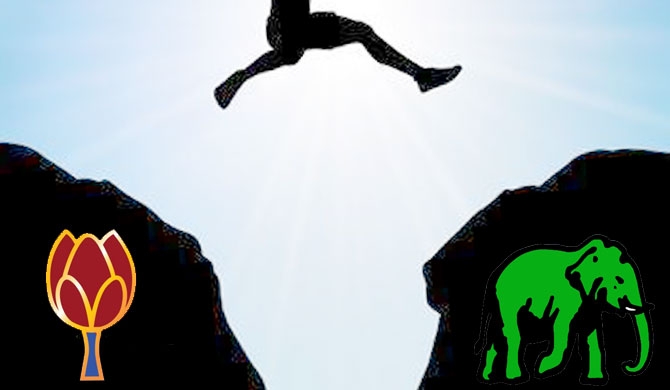
13 opposition MPs to cross over to the govt?

Preparations are underway for the parliamentarians of several political parties to join the United National Party (UNP) and to support the government in the upcoming budget, according to political sources.

Accordingly, the sources further claim that nearly 13 MPs of Sri Lanka Podujana Peramuna (SLPP) and the Samagi Jana Balawegaya (SJB) will join the UNP on the date of the Budget Speech.

It is also reported that initial discussions have been held in this regard and that further discussions are being carried out regarding the ministerial positions to be given to the MPs who will join the UNP.

The Appropriation Bill for the fiscal year 2023 will be tabled in the parliament for the second reading on November 14. President Ranil Wickremesinghe, in his capacity as the Minister of Finance, Economic Stabilization & National Policies, will deliver the opening speech of the second reading of the Appropriation Bill to Parliament at 1.30 p.m.

Posted in Uncategorized

North-East activists end 100-day protest demanding federalism

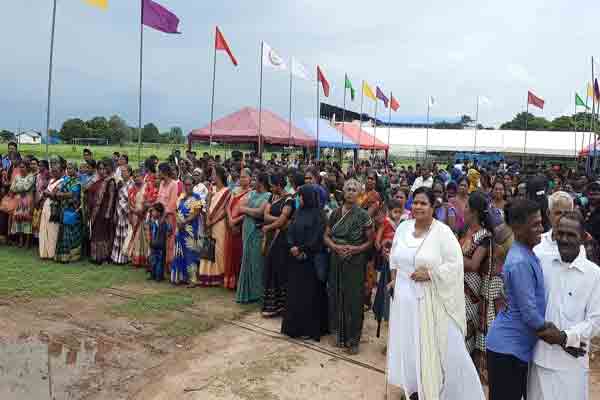
At the end of the 100-day protest staged by the North-East Co-ordinating Committee (NECC), a people’s declaration urging for a federal solution within a merged Northern and Eastern Province was delivered yesterday (8) in all eight districts of both provinces.

Speaking to The Morning, North-East District Co-ordinating Committee President Lavakusarasa Kandumani said that more than 1,000 people participated on the 100th day of protest held by his organisation, and that those from both the Tamil and Muslim communities participated in the protest that was held in both the North and the East. He further noted that many civil society organisations, relatives of missing persons, and women’s organisations collaborated in this struggle led by the NECC.

“We have been urging for an honourable political right until the 99th day of our protest, but only today, the 100th day, we declared that a federal solution within a merged North and East would be suitable,” he added.

The declaration read: “We, the Tamil-speaking people of the Northern and Eastern Provinces, today (8), the 100th day of our continuous 100 days of activism for power sharing, present the people’s declaration for a sustainable political solution for Tamil speaking people in the North and East. We have taken into consideration all the past power-sharing proposals that were presented by the rulers as a solution to the ethnic issue; analysed the content of the 13th Amendment to the Constitution; particularly explored the ‘federal model of power sharing within a united Sri Lanka’ that was agreed to by the Sri Lankan delegation headed by the then-Minister Prof. G.L. Peiris under the guidance of then-Prime Minister Ranil Wickremesinghe in the Oslo Declaration 2002, with the mediation of Norway; and we present our declaration as the voice of the people.

“The Tamil people have been living in the Northern and Eastern Provinces since the prehistoric period with their distinct identity. Along with the numerical majority Tamil people, numerical minority Muslim people are also living in these areas. The successive majoritarian Sinhala rulers who came to power based on racism, systematically oppressed the Tamil people politically, linguistically, economically, and socially, and perpetrated violence against the Tamil people. Because of these reasons, it was assured by the 13th Amendment to the Constitution that the people of the North and East must be given a provincial-level solution within a merged North-East Province and also to Constitutionally ensure that Tamil is an official language. However, in 2006, the merged North-East Provincial unit was demerged, and the North and East were created as two separate provinces.”

Accordingly, the declaration included 16 points and the important points among them are that the Northern and Eastern Provinces must be remerged, and that the North and East must become a single provincial unit; that the Central Government must ensure a federal model of power sharing for a merged North-East Province that cannot be withdrawn; for the merged North-East Province to be governed by a people’s representative council that would be democratically elected by the people; to ensure that women’s representation in this council would be 50%; that the Chief Minister shall be the head of the people’s representative council; that the Governor shall not control the people’s representative council of the Province and that he/she shall represent the Central Government as an honorary representative; and that the lands situated within the North-East Province must come under the control of the governance of the said Province.

The NECC, through the declaration, urged India, the United Nations ( Human Rights Council (UNHRC) core group of countries on Sri Lanka including the UK, the US, Germany, Canada, Malawi, North Macedonia and Montenegro, the EU, and the UN to provide the necessary assistance to the Sri Lankan Government to confirm a federal model of power sharing to the North and East areas that cannot be withdrawn.

Meanwhile, President Wickremesinghe has assured recently that a final settlement with the Tamils and the Northern population of the country would be reached within the next few months, which was then welcomed by the Tamil National Alliance representatives.

Posted in Uncategorized

Sri Lanka’s once-mighty nationalist party splits after failed economic policies

Sri Lanka Podujana Peramuna (SLPP), the island nation’s strongest ruling coalition in over four decades, is facing an imminent split into fractions after the party’s failed economic policies led to public anger, protests and the ouster of a powerful sitting president.

The party emerged into a strong political force after the 2018 local government elections before winning the presidency in 2019 in a landslide followed by the 2020 general election which gave the ‘Pohhottuwa’ (lotus bud) a stunning two thirds majority.

But now the SLPP, led by the Rajapaksa dynasty, is struggling to survive as lawmakers that represent the party have lost support at the grassroots level, the party’s top leaders say.

Infighting between members, a blame game over the party’s ongoing downfall, and dramatic betrayals just to survive have left the once-mighty SLPP in shambles and forced its ailing supreme leader Mahinda Rajapaksa, two-term president and four-time prime minister, to reach the public in a “let’s rise together” campaign.

But many in the party are aware of its fate and are in the process deciding the next stage of their personal political career, internal sources say.

At the peak of the popularity of the party, Mahinda Rajapaksa was the prime minister, his younger brother and former war-winning defence ministry secretary Gotabaya Rajapaksa was the most powerful executive president of Sri Lanka under an amended constitution backed by a parliamentary majority. Another younger brother Basil was finance minister, while elder brother Chamal held the irrigation portfolio.

Gotabaya was also the minister of defence and digital infrastructure.

Namal Rajapaksa, the son of Mahinda Rajapaksa, was the minister of youth and sports, while Chamal’s son Shasheendra Rajapaksa was junior agriculture minister. Rajapaksa’s another nephew from the southern district of Matara was the Chairman of the District Development Committee.

All was well, until a mass anti-government movement gathered momentum around March this year, forcing the Rajapaksas down from the top of Sri Lanka’s political food chain.

Mahinda Rajapaksa was forced to step down on May 09, after which he fled to a naval base in the country’s easter coast fearing for his life. President Gotabaya Rajapaksa fled the country not long after and resigned from Singapore. Basil Rajapaksa was compelled to resign from parliament, weeks after all other Rajapaksas had stepped down after the government was ousted following the protests.

“[Mahinda] Rajapaksa’s recognition as the national leader is diminishing and his efforts to keep the SLPP together will be in vain. It’s all over,” a senior SLPP lawmaker who is in talks with an opposition political party to contest the next election told EconomyNext asking not to be named.

“The SLPP was a successful model to win the last election giving priority to national security and Sinhala Buddhist nationalism. But the failure of the Rajapaksas in economic policies led to the current situation. They (the Rajapaksas) did not listen to party members including ministers on their economic policies.”

Failed economic policies

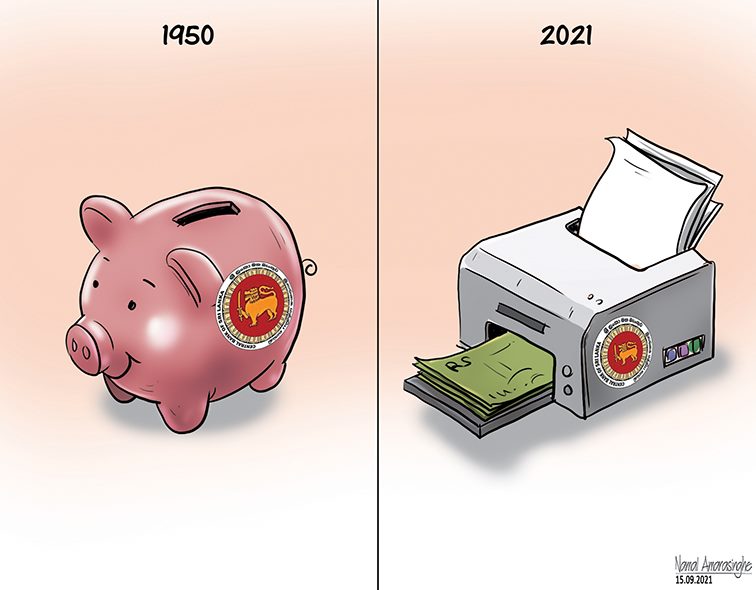
Under the SLPP government, Sri Lanka’s rupee collapsed after excess money printing by the central bank to keep interest rates artificially low.

Inflation has skyrocketed to over 70 percent, forcing the country to join the list of failed economies in the world like Zimbabwe, Lebanon, Syria, Venezuela, and Argentina.

Gotabaya Rajapaksa’s strategy to reduce taxes to boost consumer spending backfired with record low government revenue, which also led the country to declare sovereign debt default on April 12.

President Rajapaksa’s stubborn decision to ban chemical fertilizer has also resulted in making most foods unaffordable to the average Sri Lankan amid a food shortage.

His economic experts’ decisions have led to Sri Lanka’s sovereign debt crisis and lack of foreign inflows after migrant workers switched to informal money transactions like Undiyal and Hawala after witnessing lower rates in the formal banking system.

The island nation is now facing a risk of a collapse of the local banking system in the event of a restructuring of domestic debt.

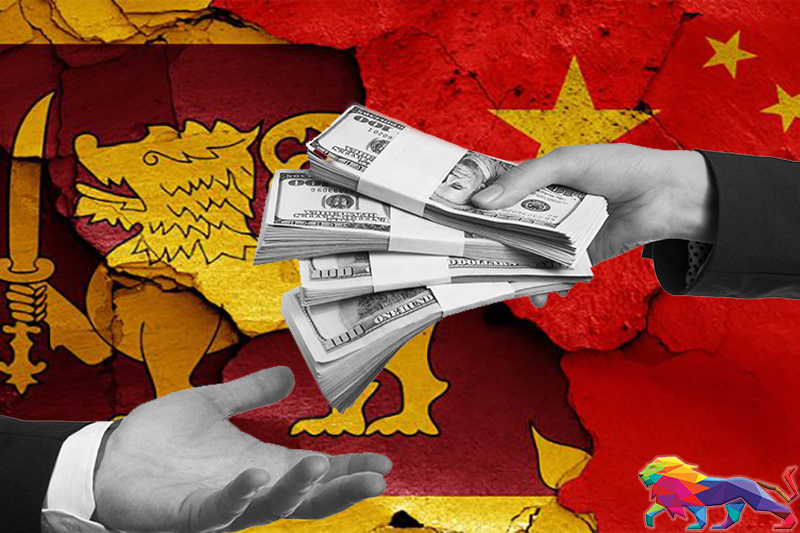
The previous Mahinda Rajapaksa administration’s (2010 to 2015) heavy Chinese borrowings for infrastructure projects that are not giving a sizable return on investment to repay such loans are also taking their toll, analysts say.

Sentiment-driven policies

The SLPP coalition was started in 2016, a year after Mahinda Rajapaksa’s surprise defeat at the 2015 presidential polls.

The new party campaigned against higher taxes, high cost of living, a perceived neglect of the majority Sinhalese Buddhist interests, and on the then government’s alleged compromises on national security.

The Easter Sunday attack, a series of suicide bombs by Islamist extremists in April 2019 targeting high-end hotels and Catholic churches, helped the SLPP prove its point on national security and prompted the Rajapaksas and their backers to launch a strong campaign against the government.

The party was overwhelmingly backed by Buddhist clergy, professionals, majority Sinhala Buddhists, and government servants who claimed that the 2015-2019 government had failed to address the key issues faced by the country.

The SLPP was silent on anti-Muslim riots after the Easter Sunday attack and backed the Gotabaya Rajapaksa-led government’s decision to cremate dead bodies of Muslim and Christian victims of COVID-19. For many months, international calls for a reversal of the decision would fall on deaf ears.

The party also disregarded a request by the West-led rights group to address past human rights violations attributed to the Sri Lankan state.

The SLPP was known for its China bend until last year before it was neutralised.

The party was seen as a group of extremists because of the racism its individual members indirectly espoused to win votes from majority Sinhala Buddhists. “Sri Lanka is a Buddhist country” seemed to be theme of the party stalwarts, with little or no concern for minorities like Tamils, Muslims and Christians.

Some of SLPP members had a hand in peddling conspiracy theories to win votes. One of these was the false allegation that forced sterilisation of Sinhalese women was performed by a Muslim doctor. Adding sterilization chemicals to food and undergarments was also a common, unproven allegation.

Now all of this has backfired to the point that SLPP members cannot go to their voters. The Rajapaksa government’s economic failures and fabricated stories in the last election cycle have come back to haunt them.

And the blame game has already started.

“We chose Gotabaya Rajapaksa assuming he would work with our guidance to take the country on a corrective path,” Channa Jayasumana, a prominent member of Viyathmaga, a group of professionals who backed the former president at the last presidential election and also, incidentally, a key figure in the campaign of dubious news spread on forced sterilization.

“He worked like that at first, but as the months passed, Gotabaya Rajapaksa stopped listening to us. That is the reason for the current suffering,” said Jayasumana.

“Not only us, he didn’t even listen Mahinda Rajapaksa,” he said.

Speaking at a public gathering last week, Jayasumana also blamed Namal Rajapaksa for the failures of the former president.

“This damage is the result of heeding Namal Rajapaksa’s advice. Had he (Gotabaya Rajapaksa) worked the way we’d advised him, he wouldn’t be in this situation,” he said.

“Now Namal Rajapaksa is trying to blame us. The whole country is suffering due to his wrong advice. We as professionals cannot take this blame. We would like to tell him (Namal Rajapaksa) that the country would not have suffered like this if our advice was heard.”

Split into factions

The SLPP has split into at least four groups, party sources said.

“One group is with President Ranil Wickremesinghe who has given more space to young SLPP parliamentarians to prove themselves and showcase their talents with ministerial posts. Most of these young SLPP members are likely to end up in the president’s party,” an SLPP state minister told EconomyNext asking not to be named.

A second group is with Dullas Alahapperuma, former media minister who challenged Wickremesinghe at the July 19 presidential vote in parliament. Another group has become independent now, the state minister said.

“Finally, there is a group with Mahinda Rajapaksa, but they don’t see eye-to-eye because of the past differences. Some are core Basil Rajapaksa supporters while some are with Namal Rajapaksa,” he said.

“Those who are with Mahinda Rajapaksa are the people who are struggling now because they are concerned about their future in the event Mahinda Rajapaksa retires from politics.”

Two other sources who are closely aligned with the Rajapaksas said lawmakers backing Sri Lanka’s biggest political dynasty are divided because they are uncertain over their personal political future after Mahinda Rajapaksa.

“The SLPP as a political party is likely to remain only until the death of Mahinda Rajapaksa,” one source said.

“This is why the MPs backing the Rajapaksas have started separate political campaigns using Mahinda Rajapaksa. They are in a hurry to organize the grassroots level political machinery. But we hardly see real and genuine backing from lower level SLPP supporters.”

The second source said there are also SLPP lawmakers who are in discussions with the main opposition Samagi Jana Balawegaya (SJB) and the leftist Janatha Vimukthi Peremuna (JVP).

“The real split can only be seen only in the next parliamentary election,” the source said.

“Not new in Sri Lanka politics”

Namal Rajapaksa, who is seen as a potential leader of the SLPP, shrugged off the split in the party.

“Basically these kind of divisions are not new in Sri Lankan politics or even in global politics. But as long as you believe in your policies, it will not have a major impact,” Rajapaksa told EconomyNext.

“We believe we have a very strong national programme or policy framework that will cater to the national interest and the interest of Sri Lankan people,” he said.

The biggest challenge faced by the SLPP is changing itself as a party for all Sri Lankans instead of the current go-to nationalist or Sinhala Buddhist party.

“Podujana Party never accepted racism. However, it’s most unfortunate some people who were associated with SLPP worked otherwise. Some Tamil parties we worked with also had narrow agendas. I agree at times mistakes were made, considering the situation, but this has been rectified,” Namal Rajapaksa tweeted this week in response to a request to change the SLPP’s ethno-religious supremacy ideology.

Many of the SLPP members who spoke to EconomyNext said the only reason they are still in the party is Mahinda Rajapaksa who gave political leadership to win a 26-year war against Tamil Tiger separatists in one the Asia’s longest civil conflicts.

Mahinda Rajapaksa, despite many setbacks, is still hailed as a leader who saved the country from division, though his popularity is waning, analysts say.

The SLPP is exploiting the soft corner people have for Mahinda Rajapaksa in a last-ditch effort to revive its party machinery, gradually and steadily.

“We have seen a downfall in the last couple of months as a political party, but we believe that the people will also realise and we have also understood where things have gone wrong from our end and we will correct them,” Namal Rajapaksa, who is also involved with the party revival, said.

“We are also looking at formulating a think tank, especially to see what sort of changes we should bring in not only to the party’s structure but also to our policies or how we can modernise some of our policies and make it more flexible so that we can address more current needs and demands of the youth,” he said.

“Most of these groups who have broken away do not represent the policies of SLPP, even though they were claiming to do so. You can see their alliances, their groups aligning with the SJB or the JVP whose policies are totally different from SLPP’s.

“So as a political group that believes in policies, it doesn’t matter if individuals leave or not. We will reach out to the people and we will do politics with our grassroots and we will be with our people and we will be with the party and we will look at a modern approach on the national issues,” he said.

Posted in Uncategorized

President holds talks with IMF chief and other leaders on sidelines of COP27

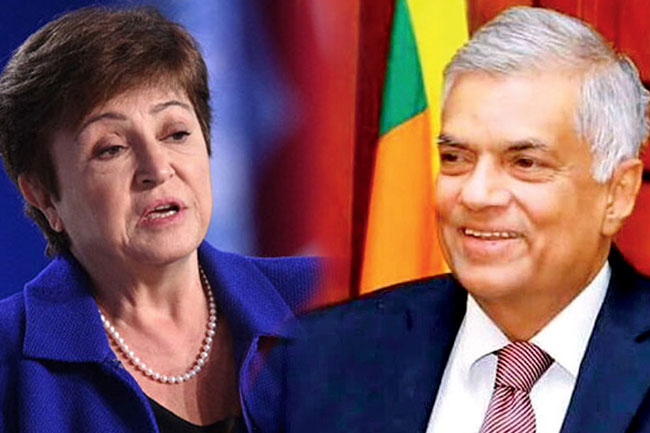
President Ranil Wickremesinghe has held discussions on debt management with the Managing Director of the International Monetary Fund (IMF) Kristalina Georgieva on the sidelines of COP27 in Egypt, the President’s Media Division reported.

He has also held discussions with Finance Minister of Ghana Ken Ofori-Atta and the Speaker of the People’s Majlis of the Maldives Mohamed Nasheed on the sidelines of the UN climate change summit, the PMD said.

Posted in Uncategorized

UN mission warns of worsening food crisis in Sri Lanka

The United Nations (UN) team in Sri Lanka and non-governmental organisations on Tuesday revised and extended their joint Humanitarian Needs and Priorities (HNP) Plan, which aims to provide life-saving assistance to 3.4 million people amid Sri Lanka’s worst economic crisis since independence.
Since June, the HNP has been responding to the Government’s request for UN-backed multi-sector support for Sri Lanka’s debt and food and medicine shortages.

“Governments and donor agencies have helped the humanitarian community reach over 1 million of the country’s most vulnerable people with cash, food, school meals, medicine, protection, and livelihood support,” the UN mission in Sri Lanka said in a statement.
The HNP–aligned with appeals from other UN agencies–has raised USD 79 million for Sri Lanka thanks to landmark support from several countries and agencies.

The HNP’s revision extends the plan through 2022 and requires USD 70 million in additional funds to reach a total of USD 149.7 million.

“We are immensely appreciative of the solidarity the international community has shown with the people of Sri Lanka, including through their generous contributions to the HNP. This solidarity must be sustained if we are to insulate the most at-risk people from the impacts of the ongoing crisis,” said UN Resident Coordinator in Sri Lanka, Hanaa Singer-Hamdy.
In response to the humanitarian community’s updated estimates on the number of people in need across all 25 of Sri Lanka’s districts, the extended appeal will improve nutrition for children, pregnant women, and breastfeeding mothers; secure safe drinking water; and protect vulnerable farming and fishing households. Ms. Singer-Hamdy stressed the importance of strengthening local food production and delivery.

“At this point, safeguarding livelihoods is safeguarding lives in Sri Lanka,” Ms. Singer-Hamdy said.

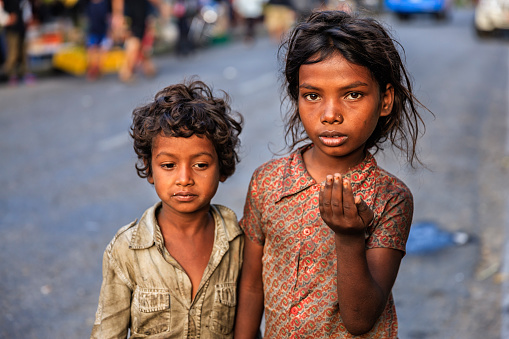
Food insecurity in Sri Lanka has increased dramatically due to two consecutive seasons of poor harvests, foreign exchange shortages, and reduced household purchasing power. With a poor harvest season forecast for 2023 and food inflation of 85.6 per cent in October 2022, many Sri Lankans are struggling.

Twenty-eight per cent of the population–or 6.3 million people–face moderate-to-severe acute food insecurity. According to the World Bank’s 2022 Development Update, the poverty rate rose from 13.1 percent to 25.6 percent between 2021 and 2022.

The revised HNP complements existing emergency operations carried out by the UN and humanitarian partners. Among its targets are immediate food assistance for 2.4 million vulnerable and food-insecure people; provision of support and fertilizers for 1.5 million farmers and fishers to revive food systems that have been severely disrupted.

The appeal also seeks to provide nutrition support for 2.1 million people, including pregnant women and schoolchildren; safe drinking water for over 900,000 people; and essential medicines and healthcare, including sexual and reproductive healthcare, for 867,000 people.

(ANI)

Posted in Uncategorized

UNHRC must get SL rulers to work according to Intl. norms: Cardinal

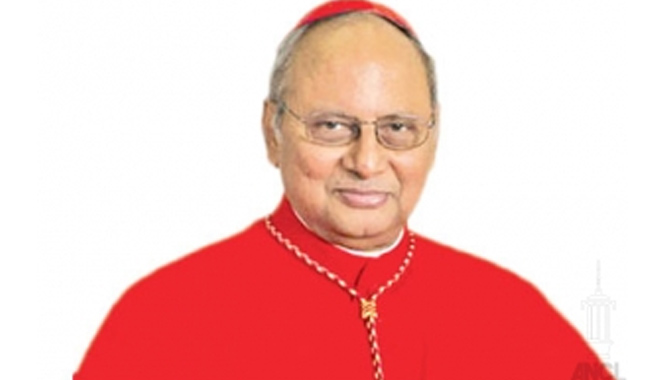
Whilst highlighting that cruel and intolerable suppression is exercised by the government, and expressing his surprise over the alleged attempts to hide evidence and save those who are responsible for the Easter Sunday attack, Archbishop of Colombo Cardinal Malcolm Ranjith yesterday said he hopes UNHRC takes notice of the situation and get Sri Lankan rulers to work according to international norms.

“We hope that in the light of what our leaders are doing to those who are struggling to achieve a true sense of democracy and justice to the Easter Sunday victims even at the risk of being persecuted, the United Nations Human Rights Commission takes due notice if this and takes steps to get those responsible to follow internationally accepted norms and procedures in order to ensure a true sense of freedom and justice in this country,” Cardinal Ranjith said in a special statement.

“We wish to express our surprise at the lackadaisical manner in which people arrested and detained under various allegations with reference to the Easter Sunday attack are being recommended for release by the Attorney General’s Department without any seriousness, making the whole exercise appear to be a drama enacted to mislead people. It is surprising that Attorney General’s Department without carrying out recommendations made by the Presidential Commission appears to be carrying out the terms of the agenda proposed to it by political forces ruling the country. We condemn this biasness of that department,” the cardinal said.

“Indeed the government continues to suppress with arrogance the freedom of speech, expression and holding of such peaceful protests, a right guaranteed by the constitution. We wish to condemn the government for this abusive use, in an unjustified manner of Prevention of Terrorism Act and alienating social leaders and those engaged in peaceful resistance to such policies. We cannot accept the arrest of the Convenor of the Inter-University Students’ Federation Wasantha Mudalige and Convenor of Inter-University Bhikkhu Students’ Federation Venerable Galwewa Siridhamma Thera,” he added.

Posted in Uncategorized

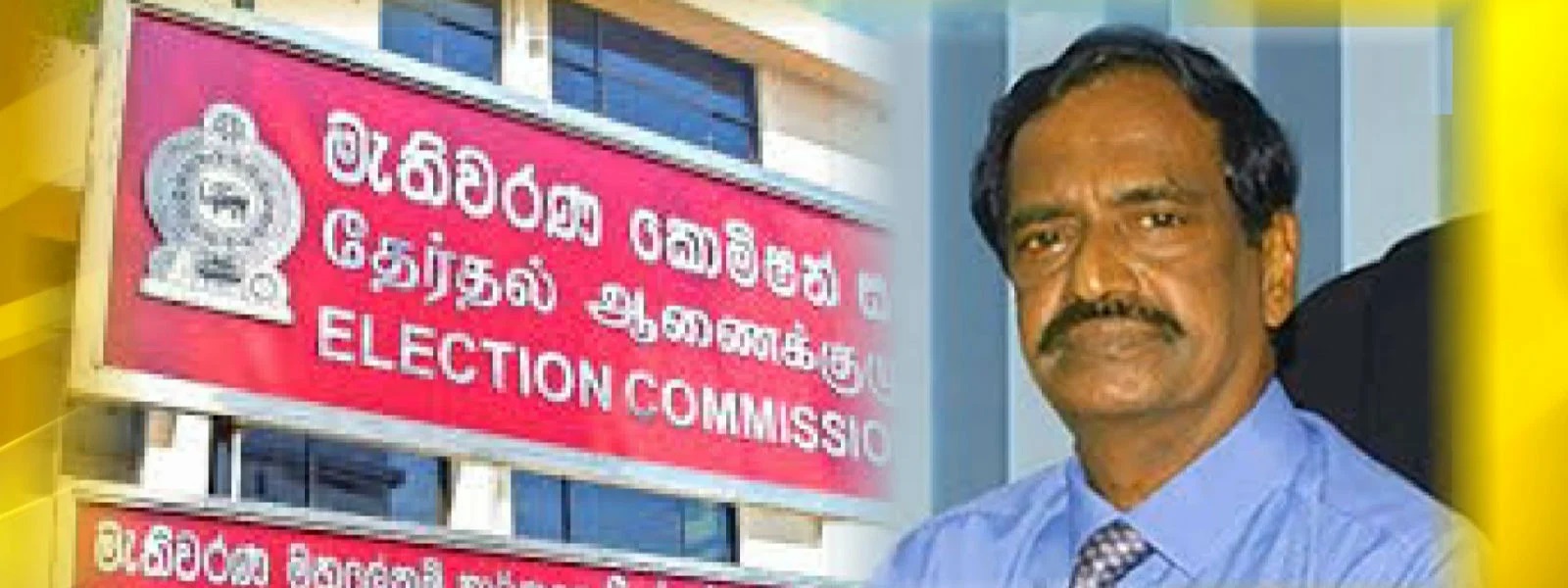
EC to seek AG’s advice whether it can call LG Polls

The Election Commission (EC) is to seek legal advice from Attorney General (AG) President’s Counsel Sanjay Rajaratnam on whether it has the power to declare the Local Government (LG) elections following the adoption of the 21st Amendment to the Constitution.

Speaking to The Morning, Election Commission Chairman and Attorney Nimal Punchihewa yesterday (7) stated: “There are some legal problems regarding which we have to get advice on from the AG. Under the 21st Amendment to the Constitution, the tenure of all Independent Commissions will expire. Then, for an interim period, administrative matters could be carried out. However, declaring of the election is a major matter. We have the power to take decisions on major matters. Regardless, we have to get the legal view of the AG as to whether, under the 21st Amendment to the Constitution, we can declare elections,” he added.

Earlier, Punchihewa told The Morning that a declaration regarding the date of the LG elections will be made by early next year (2023) by the Election Commission. He noted: “Our expectation is to hold the local government elections before 20 March 2023.”

China reiterates its support to Sri Lanka’s economic revival

China has reiterated its continuous support to the recovery of Sri Lanka’s economy.

The assurance was given during a meeting between State Minister of Finance Shehan Semasinghe and Ambassador of China in Colombo Qi Zhenhong.

State Minister Semasinghe said he had an extensive discussion on the debt treatment process of Sri Lanka with Ambassador Qi Zhenhong.

During the meeting, the Ambassador has reiterated China’s continued and concrete support to Sri Lanka to overcome various challenges.

Sri Lanka money printing reversed in Sept 2022

Sri Lanka’s central bank credit (printed money) was a negative 8.7 billion rupees in September 2022 and private sector was also de-leveraging for the fourth straight month, official data shows.

Net Central Bank credit contracted 8.7 billion rupees to 3,302 billion rupees in September, down from 47.2 billion a month earlier.

Credit to government from the banking system was 53.3 billion rupees down from 163.7 billion rupees a month earlier.

Sri Lanka’s central bank has purchased some government securities from auctions outright in recent weeks but with high rates and private sector de-leveraging the money is not moving into the broader economy.

Private credit contracted by 37.3 billion rupees to 7,576.9 billion rupees in September, the fourth straight month of de-leveraging. Private credit contracte 58 billion rupees a month earlier. In June and July private credit contracted 40 billion rupees.

As a result money injected outright into the banking system, usually triggers a fall in overnight injections and not new credit which hit the balance of payments as import demand.

Related

Sri Lanka key current inflows exceed imports for fourth month in Sept

Sri Lanka’s central bank allowed market interest rates to move up with credit demand from around April 2022 to help the worst currency crisis created in the history of agency which was set up in 1950 in the style of a Latin America style intermediate regime with extensive sterilization powers in both directions.

A sterilizing central bank will usually print money to keep interest rates down, purchase maturing Treasury bills from past deficits injecting capital, and blame the budget deficit for its policy rate.

It will also buy Treasury securities from banks after intervening to maintain the peg, injecting what 19 century classical economists called ‘fictitious capital’ into the banking system to extend a credit cycle, build up imbalances and worsen a currency crisis by boosting bank credit without deposits.

Up to June the central bank also got Asian Clearing Union dollars from India to intervene and print money.

Latin America style central banks were set up especially to extend a credit cycle and resist a slowdown from the tightening of the anchor currency (the US Fed or the Gold area generally) by post 1931 macro-economists, creating unusually intense balance of payments crises. Such tightening is automatic in hard pegs.

A central bank is the only agency which can create high inflation or balance of payments deficits by suppressing rates through its policy rate and it is also the agency which can end them.

Sri Lanka in April allowed rates to go up to reduce credit, hiked taxes to reduce credit to government and also hiked utility rates to reduce credit to state enterprises.

State enterprise credit grew 3.2 billion rupees in September after falling 54 billion rupees in August.

Sri Lanka got into serial currency crises from 2015 by injecting liquidity into the banking system in the course of operating a ‘data driven’ flexible inflation targeting regime, a type of soft-peg with unusually aggressive open market operations to target an output gap (stimulus).

The regime has an inflation target as high as 6.0 percent, about twice the rate of other central bank allowing interest rates to be mi-targeted for a longer period. Policy errors are then compensated by currency collapses called a ‘flexible exchange rate’.

Posted in Uncategorized