

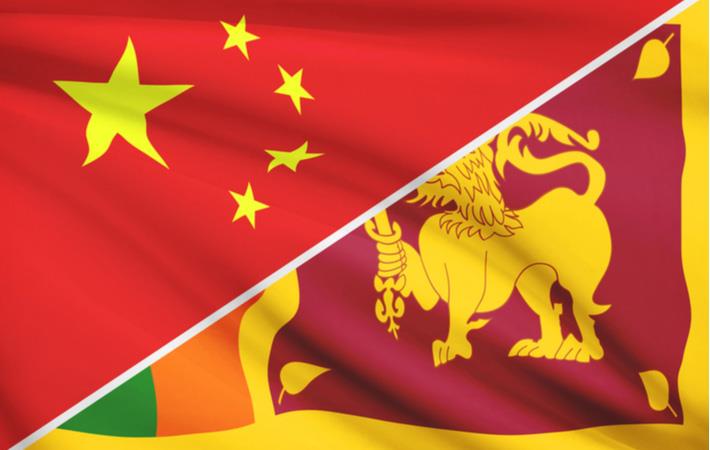
Sri Lanka has halted the importation of a China-manufactured organic fertilizer after laboratory tests proved it contained harmful bacteria for a second time, an official said.
Ajantha De Silva, Director General of Agriculture at the Department of Agricutlure said in an with the privately owned NewsFirst network that the fertilizer samples collected last Friday (24) proved to have the harmful bacteria known as Erwinia.
On September 17, Minister of Agriculture Mahindananda Aluthgamage said the samples that were tested earlier were imported unofficially and therefore samples that only officially obtained samples will be tested for the second time.
“Earlier, nine samples were obtained unofficially and out of those, two samples were confirmed to have this Erwina bacteria in them”, Aluthgamage told reporters.
“Since it was obtained unofficially, our ministry had doubts about the results we got because if anyone wanted they could have injected the bacteria into those samples,” he said.
Farmers in Sri Lanka are banned from using chemical fertilizer and insecticides, amid import controls.
Since the release of the results, the agriculture ministry has suspended the 63 million US dollar tender that was awarded to Qingdao Seawin Biotech Group, a China based company to bring in organic fertilizer.
The opposition National People’s Power (NPP) raised concern over the matter in parliament on September 21.
NPP MP Vijitha Herath sought explanation from the government on what fertilizer was made of, warning that municipal waste fertilizer could contain harmful residue.
Herath said a sample was collected, supposedly tested and was found to contain Erwinia, though the government had said organic fertilizer was supposed to be sanitized or sterilized.
Some species of Erwinia are plant pathogens which destroy crops.
Media reports showed that with no fertilizers available to them, farmers are reluctant to start planting seeds for the upcoming ‘Maha’ season.
No further decisions have been announced so far by the ministry.
Critics of the fertilizer ban have said farming is supposed to be done under a globally accepted system which specifying safe levels of chemical residues which are updated from time to time and the sudden ban is creating an economic crisis.
Sri Lanka’s tea farmers are saying crops will fall sharply as time goes on due to the lack of specific chemical fertilizers, which are needed at specific times of the growth cycle and other sectors have also expressed similar fears.
Farmers have also periodically protested the lack of chemical fertilizer.