The Economist : Prediction on Sri Lanka

Elections are likely to be held in Sri Lanka well before the 2024 deadline, the British weekly newspaper, The Economist has predicted.

According to the prediction, Sri Lanka’s economy will contract, but by less than in 2022.

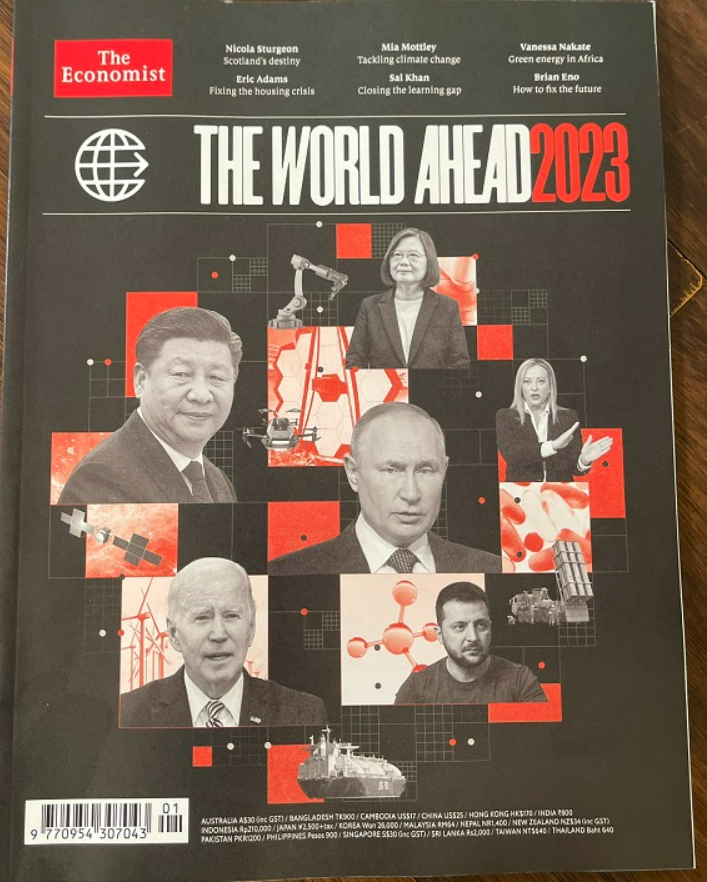
The prediction has been made in The Economist’s new publication, “The World Ahead 2023”.

“President Ranil Wickremesinghe, who assumed the presidency in July 2022, will struggle to confront the public discontent that forced the resignation of his predecessor Gotabaya Rajapaksa,” the report said.

The report also points out that protesters see Ranil Wickremesinghe as a stooge for the Rajapaksa clan, particularly since he chose Dinesh Gunawardena as the Prime Minister, an ally of the Rajapaksa family.

“Protests and strikes will weigh on the government and elections are likely well before the 2024 deadline” it added.

The Economist’s other predictions include:

GDP growth : – 0.2%

GDP per head : US$ 4,230

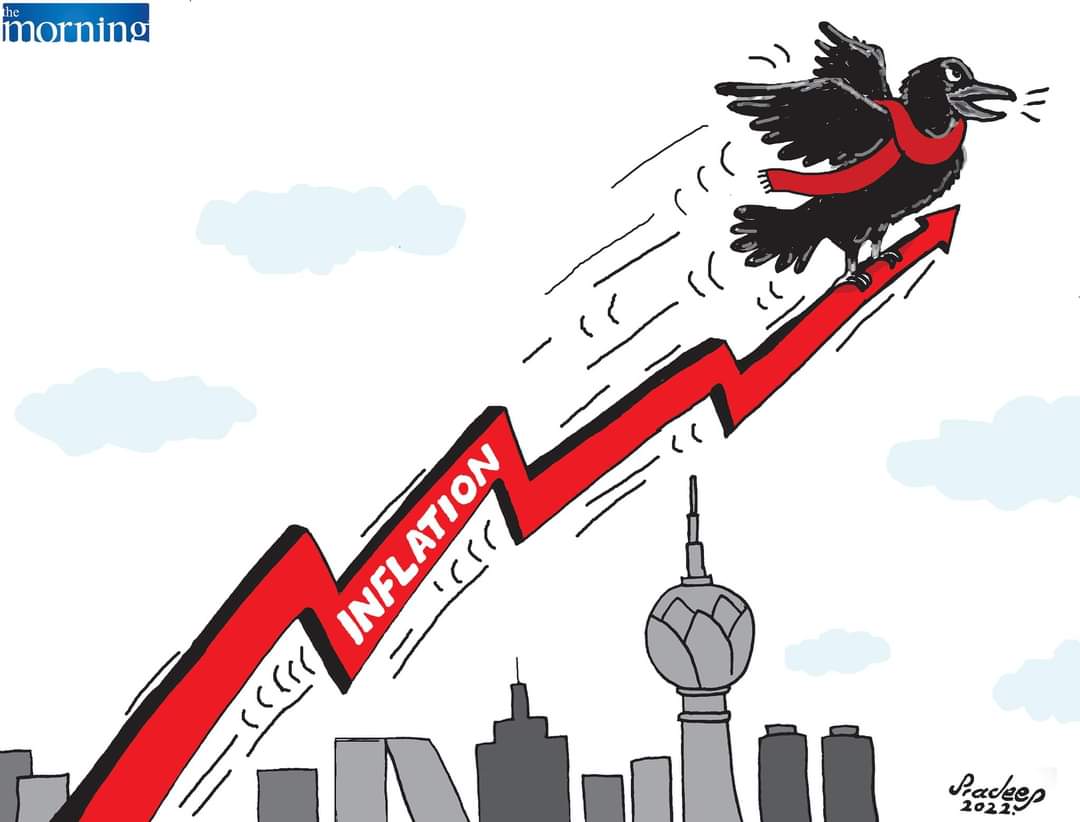
Inflation : 66.4%

Budget Balance (%GDP) : – 4.2

Population : 21.7m

Source: Newswire

Posted in Uncategorized

President invites for talks & orders land grabbing at the same time – TNPF

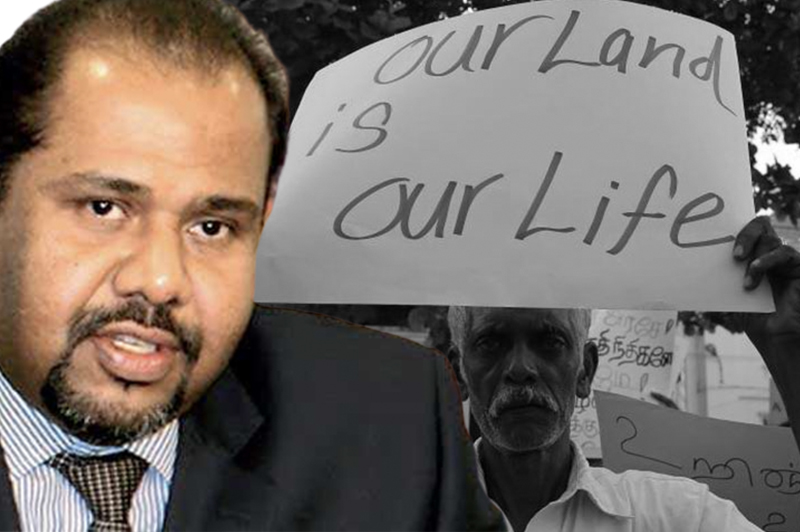
President Ranil Wickremesinghe speaks about a dialogue to resolve the national question, but at the same time orders the military’s acquisition of lands owned by the Tamils, charges Tamil National People’s Front (TNPF) leader Gajendra Kumar Ponnambalam.

The president has invited Tamil parties for talks that are expected next month.

MP Ponnambalam questioned if Tamils could expect solutions from a racist, Sinhala-Buddhist supremacist regime.

He also said public life and the economy would continue to slide under the present administration in the absence of rule of law and justice.

Wimal’s first meeting in N’eliya attacked

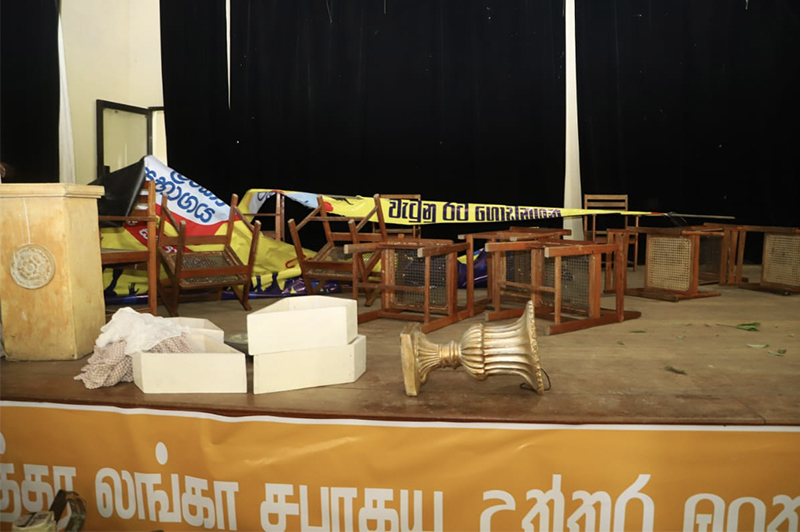
A seminar to mark the advent of the Supreme Lanka Council in Nuwara Eliya yesterday (27) came under attack hours before it was due to begin.

In the early hours of the morning, a group had come to the venue and destroyed the display boards for the event.

Organisers lodged a complaint with Hanguranketha police which accuses the SJB organiser for the area Jayalath Dissanayake, who is also the brother of SLPP MP S.B. Dissanayake, of being responsible.

Despite the incident, the SLC held the meeting with its chairman Wimal Weerawansa presiding.

Free Chinese diesel for farmers, fishermen

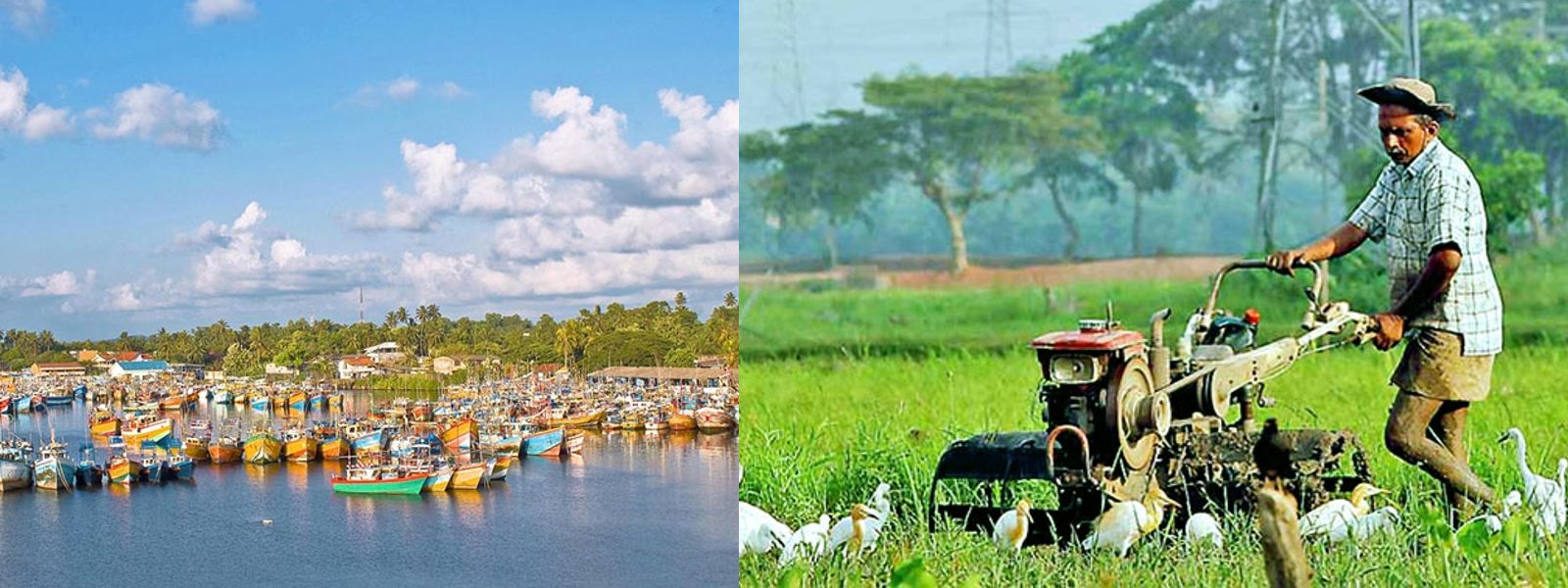
The 10.6 million liters of diesel donation by China will be provided free of charge, said the Chinese Embassy in Sri Lanka.

Fuel will be given free to 232,749 farmers for harvesting 342,266 hectares paddy fields across Sri Lanka in Maha season 2022/23 (20L/hectare)

In addition, the 3,796 fishing vessels below 40 feet in Sri Lanka (1,000L/vessel) will also be given free diesel courtesy from China.

Posted in Uncategorized

Sri Lanka opposition leader vows to bring millions to the streets

Sri Lanka opposition leader Sajith Premadasa has vowed to bring millions to the streets in defiance of a controversial statement by President Ranil Wickremesinghe that he would use the military to block another uprising.

Speaking at an event organised by the main opposition Samagi Jana Balawegaya (SJB) in Negombo on Saturday November 26, Premadasa said the SJB under his leadership would defeat efforts by the Wickremesinghe government to quell protests.

“The president and government groups are saying in parliament that if another people’s struggle comes, they will suppress it using the military. That they will use the Prevention of Terrorism Act (PTA) to suppress the struggle. We’re not prepared to be cowards,” said Premadasa.

“We’re told to obtain permission to go on a political march on the road. If this is a challenge, the SJB and the SJB alliance under the leadership of Sajith Premadasa, [are prepared] to come out to the road in the millions. We will defeat these hollow boasts of the government using the power of the people,” he said.

Addressing parliament last week, President Wickremesinghe said the authorities will block any unlawful protests aimed at toppling the government. The state forces and a state of emergency would be used for this purpose, he said. However, peaceful protests may continue as long as permission is obtained from the police, he said.

President Wickremesinghe, who had long maintained the image of a democrat and a statesman, has been under fire both locally and internationally ever since he assumed the presidency for an alleged intolerance of protest.

He has been courting controversy since his ascend to Sri Lanka’s all powerful executive presidency, with activists, civil society groups, human rights defenders and opposition legislators critcising him for what they claim has been a crackdown on peaceful protest – the same series of youth-led peaceful protests that unseated his predecessor Gotabaya Rajapaksa, landing him the highest seat of power in the land.

His recent pronouncements on human rights activists have not helped matters.

Wickremesinghe and his defenders, however, claim that he is still a liberal democrat who respects the right to free speech and peaceful assembly, and that he only wants to stop the more extremist elements that they claim have hijacked the protests with a view to toppling the government through a violent revolt. These groups, government spokesmen and other backers of the president claim, are attempting to destabilise the country at a time when stability is crucial to economic recovery.

Government members and other critics of the SJB, meanwhile, argue that the main opposition party is using the Aragalaya to their own political ends and are criticising Wickremesinghe in bad faith. They claim that Premadasa and his party have forgotten or are pretending to have forgotten how the opposition leader was almost ambushed and attack by more violent elements within the protest movement on May 09.

Critics of the SJB also question the purported popularity of the party and its leadership with the public. Analysts question the party’s capacity to bring millions out on to the streets as claimed by the SJB leadership.

The party, however, is prepared to show its strength at an upcoming election, whichever one comes first.

The president, meanwhile, has said he has no plans to dissolve parliament anytime soon. A parliamentary election, according to him, may have to wait till Sri Lanka’s economy has sufficiently recovered.

The SJB and opposition parties have condemned this announcement as an undemocratic attempt at suppressing the people’s rights.


Posted in Uncategorized

Sri Lanka hopeful of unlocking IMF deal in January 2023

If Sri Lanka misses the December target, which now appears to be bit of a stretch, the country could still activate the International Monetary Fund (IMF) rescue package to unlock US$ 2.9 billion over a four-year span as very good progress is being made in the debt restructuring front, particularly with the country’s bilateral lenders.

Speaking to media last week, Central Bank Governor Dr. Nandalal Weerasinghe shrugged off certain reports which claimed that Sri Lanka could not activate the deal till next March if the December target is missed.

“The December target appears a bit optimistic as of now. But if we miss that, we still have time until January,” he said.

Dr. Weerasinghe said that IMF Board meetings happen at least three days a week with many items in their agenda and thus missing the December target is not a big deal.

In a presentation made to creditors in September, the timelines drawn up by the Sri Lankan authorities showed that they expected to receive IMF Board approval for the staff-level agreement reached in early September by mid-December or early January 2023 after obtaining financing assurances from the bilateral creditors by mid-November.

To expedite the process, the authorities are promoting an adhoc bilateral platform for the Paris Club and non-Paris Club creditors to come together to give their financing assurances to the IMF, having debated among themselves.

The majority of Sri Lanka’s bilateral credit is held by the two non-Paris Club countries China and India.

“We are very confident in the way the discussions are going ahead in getting their assurances. So, the IMF can submit the proposal to the Board sooner,”said Dr. Weerasinghe, expecting the assurances to be forthcoming in the next couple of weeks.

Meanwhile, the financing assurances from private creditors would mean Sri Lanka is making a ‘good faith’ effort to reach a collaborative agreement with them which includes engaging in early dialogue and sharing relevant information on a timely basis.
They have formed two creditor committees – one consisting of 100 members of international investors and another consisting of eight local private banks holding slightly in excess of a billion dollars worth ISBs.

Besides obtaining creditor assurances, Sri Lanka also has to make good on some prior actions such as raising taxes, as part of its revenue-based fiscal consolidation efforts, raise interest rates to contain consumption and investments and end monetary financing, allow greater foreign exchange rate flexibility, strengthen Central Bank independence, and embark on reforming state-owned enterprises.

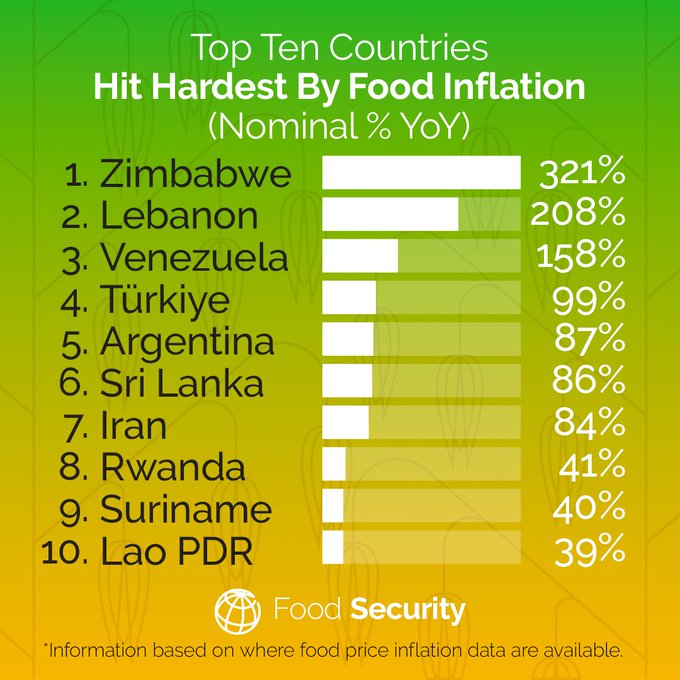
Sri Lanka has 6th highest food price inflation: World Bank

The World Bank in their latest assessment put out a list of 10 countries with the highest food price inflation. Sri Lanka was ranked at No. 6 with a percentage of 86%, while Zimbabwe was at the top spot with a staggering 321%.

Most notably according to the report Sri Lanka’s food inflation is observed to be worse than that of countries such as Suriname, Rwanda and Iran as well.

Posted in Uncategorized

Ranil-Basil discuss new political alliance!

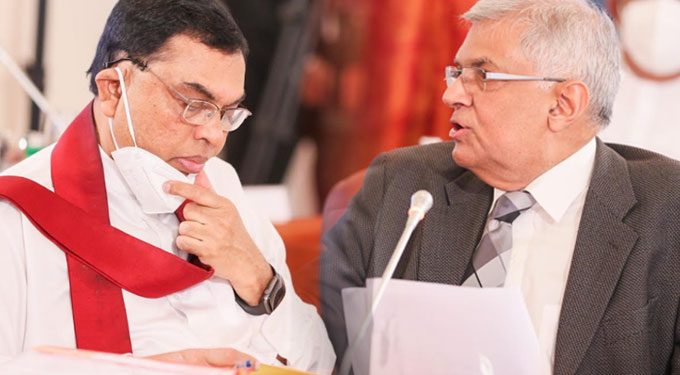
President Ranil Wickremesinghe and SLPP national organizer Basil Rajapaksa have had an initial discussion towards forming an alliance to exclusively target the next general and presidential polls, ‘Deshaya’ reports.

The SLPP and the UNP will lead the alliance that will also have senior members of other parties, including the SLFP breakaways and some SJB MPs.

Tamils mark Maaveerar Naal in Jaffna today

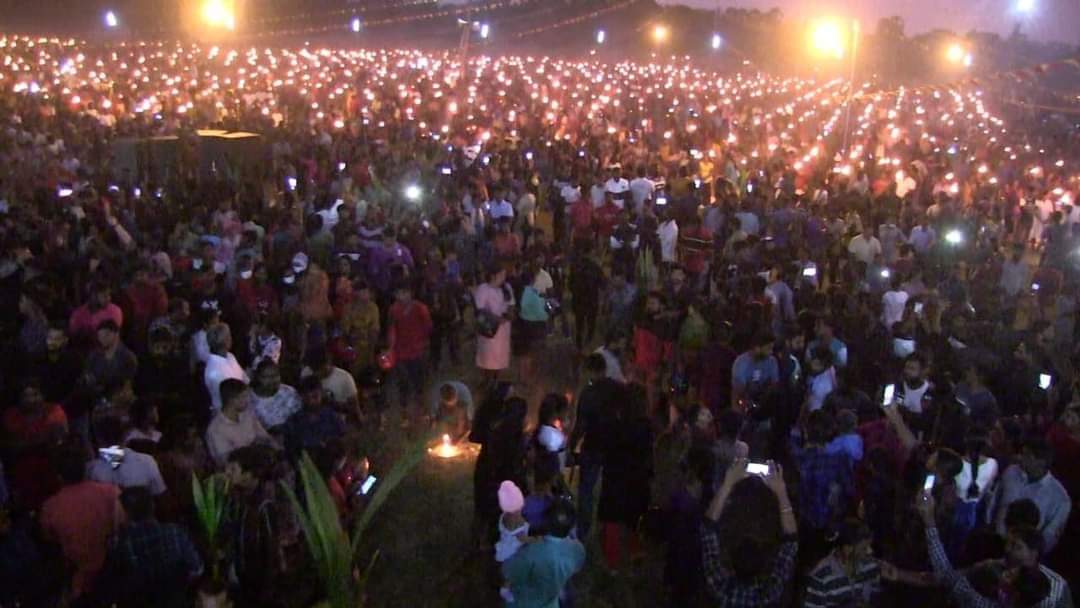
Tamils commemorated Maaveerar Naal in Jaffna today (27) to remember their relatives and friends who died in the war as members of the LTTE.

Arrangements for the remembrance were made amid disruptions by the military and the police.

At Jaffna University, students paid floral tributes to a newly-painted memorial on November 21.

Thousands of Tamils gathered in eleven LTTE cemeteries, ‘Thuyilum Illam’, and significant places across the Mullaitivu District to mark Maaveerar Naal today.

Flowers were scattered at Nandikadal lagoon at sunrise today by Former Northern Provincial Councillor T. Ravikaran to mark Maaveerar Naal.

“Nandikadal, which has been a silent witness to the atrocities subjected to the Tamil people, contains the tears and blood of our relatives,” Ravikaran said.

Posted in Uncategorized

Singapore-style death penalty for drug trafficking?

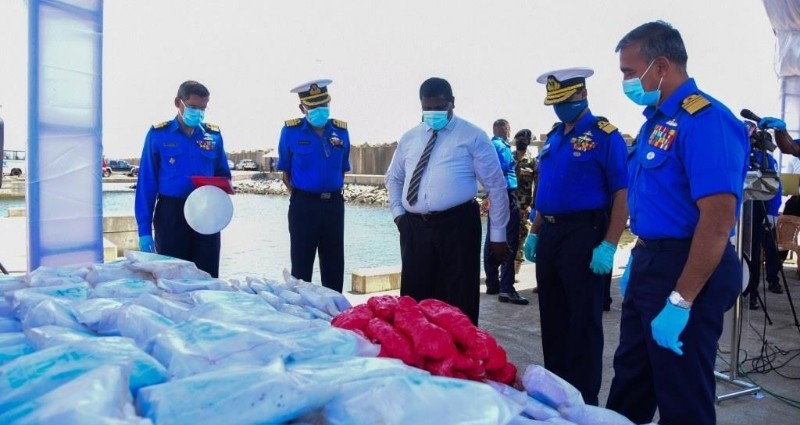
The Government of Sri Lanka is studying Singapore’s laws on drugs, particularly its Misuse of Drugs Act which includes the death penalty for drug trafficking, to bring in similar laws in Sri Lanka to combat the drug menace, The Morning learnt.

Well-placed sources told The Morning that the study is being conducted, but that no decision on the introduction of capital punishment has been taken yet.

“In order to strengthen the current laws, we must look into the Singapore model as well. Singapore also faces a similar problem, but they have very strict laws. There are other acts as well that pertain to handling drug-related matters. The types of measures that Singapore has taken are being examined,” the source said.

There has been a moratorium on executions in Sri Lanka since 1976, when the last execution took place.

The source further said that the coast guard is working diligently to curb the drug menace along with the aid of foreign agencies and intelligence services, as the Indian Ocean region has turned out to be a transit for drug trafficking.

The death penalty is one of the penalties for drug trafficking in Singapore under the Misuse of Drugs Act 1973. Accordingly, the drug class and quantity will affect the type and extent of the sentencing. An individual may either be imprisoned, caned, or receive the death penalty. For instance, if an individual is convicted of trafficking controlled drugs such as cocaine of a quantity over 200g, they will receive a mandatory death penalty.

However, convicted drug traffickers may avoid the mandatory death penalty if they provide evidence that they served as only couriers responsible for transporting, delivering, or sending the drug. They can also avoid the death penalty if they substantively assist the Central Narcotics Bureau in the disruption of drug trafficking activities in Singapore or overseas, or if they are diagnosed with a mental condition that could be argued has impaired their mental capacity to be responsible for their actions. Under these conditions, instead of the death penalty, the drug trafficker may face life imprisonment and 15 strokes from the cane.

Meanwhile, there had been a two-year moratorium for the death penalty relating to drug trafficking in 2020 and 2021. However, the Singapore Government resumed executions at the beginning of this year.

Human rights organisations, including Amnesty International, have repeatedly urged a moratorium on executions for drug offences in Singapore.

The Singapore Government announced earlier this year that a survey found that 66 per cent of Singapore residents say the death penalty was appropriate for drug trafficking.