SL player & official missing from Commonwealth Games

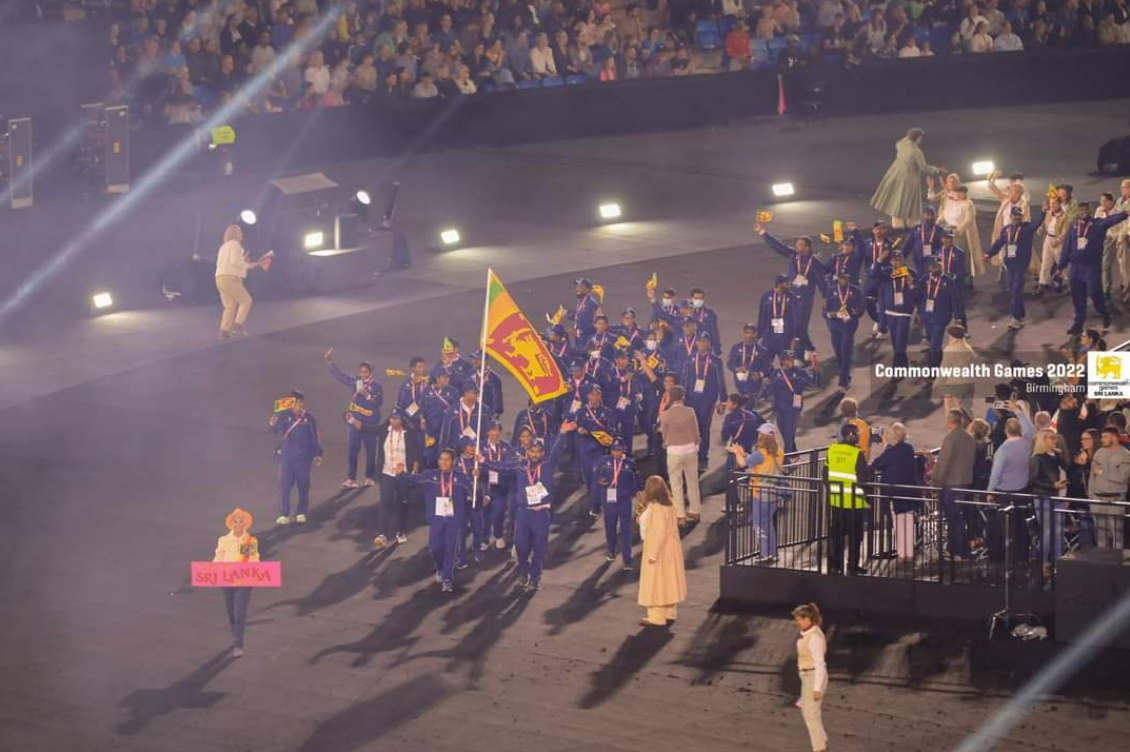
The Birmingham Metropolitan Police have started a special inquiry after a Sri Lankan athlete and a senior official went missing following the fifth day’s events of the 22nd Commonwealth Games in England on Tuesday.

According to Ada newspaper, initial reports indicate that a female judoka and the manager of the Sri Lanka Judo Team have disappeared from the Sri Lankan camp.

The two Sri Lankans are reported to have disappeared soon after the female judoka lost her first-round event yesterday.

The Sri Lankan Team Management have immediately informed the relevant authorities about their disappearance.

As a result, the Chef-de-Mission of the Sri Lankan contingent Maj. Gen (retired ) Dampath Fernando has acquired all passports of the Sri Lankan contingent to avoid further issues.

Sri Lanka are fielding a 110-member strong contingent and 51 officials for the Commonwealth Games with the Judo Team consisting of three Men and two Women.

The Sri lankan contingent has been granted a 180-day Visa for the Commonwealth Games.

Source: Newswire

Posted in Uncategorized

President Ranil addresses parliament, reiterates importance of all-party govt

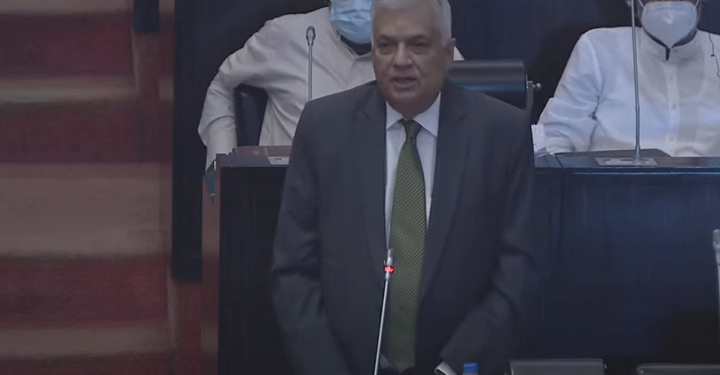
President Ranil Wickremesinghe today (Aug 03) reiterated the importance of establishing an all-party government to resolve the ongoing political crisis and bring stability to the country.

Delivering the government’s policy statement following the ceremonial opening of the third session of the Ninth Parliament this morning, the Head of State once again invited all Members of Parliament to join the establishment of an all-party government.

Stating that he took over a country that was already in disaster, President Wickremesinghe said he decided to accept this critical challenge, for the sake of the country and its people.

“Today we are facing an unprecedented situation that our country had never faced in recent history. We are in great danger,” he remarked, adding that the country could extricate and be secured from that danger, “only if we all face this challenge together as one.”

The President pointed out that it is vital that the Members of Parliament, as well as the entire populace, contribute with their own strength towards the effort of nation-building.

‘All-party govt important to resolve crisis’

“The expectation of all the citizens of the country at this juncture is for all their representatives in the Parliament to work together in order to build the country. If we come together, we will be able to invigorate the nation. If we divide, it will not only harm the people’s representatives but the entire nation.”

Accordingly, the President once again requested all political parties in the parliament to unite in the formation of an all-party government. He said he has already initiated talks with political parties in this endeavour.

He explained that an all-party government is not a government that acts on the sole opinion of one party. “It is a government that comprises the views of all parties within a common policy framework and implemented after decisions are made. I wish to reiterate to this House, the importance of an All-Party Government in order to resolve this crisis and establish stability in an expeditious manner.”

President Wickremesinghe also vowed to defend the right of everyone to maintain their cultural practices, follow their religious beliefs and use their language. “I am also constitutionally bound to give Buddhism the foremost place and accordingly protect and foster the Buddha Sasana, while assuring all other religions in the country their rights.”

‘Long-term solutions needed to overcome crisis’

Speaking on the collapse of the country’s economy, President Wickremesinghe said that although a new economic regime was introduced in 1977, Sri Lanka failed to modernize and adjust with time. “Without focusing on modernization of the economy, we were engaged in competitive, short-sighted and destructive, narrow politics.”

Unfavourable international economic factors brought about by the Ukraine war and the collapse of the world’s major economies due to the Covid-19 pandemic exacerbated and complicated Sri Lanka’s crisis, he explained further.

President Wickremesinghe added that the government has now initiated the process of revitalization, with minimized power cut duration, procurement of fertilizers for cultivation, easing queues for LP gas, safety measures to avoid food shortage, procurement of essential medicinal drugs and equipment for hospitals and reopening of schools.

The Head of State also took notice of assistance provided by India in Sri Lanka’s efforts for economic revitalization. “The Government of India under the leadership of Prime Minister Narendra Modi, has given us a breath of life. On behalf of my people and that of my own, I convey our gratitude to Prime Minister Modi, the Government and the people of India.”

With regard to riding out the fuel crisis, President Wickremesinghe stressed that it is high time that Sri Lanka initiates a system for importation from its own export earnings and foreign remittances. He said that Sri Lanka has to limit selected imports in order to balance the payments for fuel. “On the other hand, fuel supply has to be restricted. These hardships would need to be borne until the end of this year.”

President Wickremesinghe emphasized that Sri Lanka needs to move towards long-term solutions to overcome these difficulties and that a strong foundation needs to be laid to make sure that this kind of economic crisis does not re-emerge in the country.

“Economic stability should be established and transformed into a competitive export economy. In this context, we are now preparing the necessary reports, plans, rules and regulations, laws and programmes. I now seek to explain the planning framework which will be the basis for the country’s future journey. Within this framework, detailed information about the programmes we are implementing will be presented through the Interim Budget and the 2023 Budget to be presented to the Parliament.

As a preliminary step to this end, the government has initiated negotiations with the International Monetary Fund (IMF) on a four-year program and these discussions will continue from this month, the President said further. He is hopeful that these staff-level negotiations will conclude expeditiously and successfully.

The finalization of the debt restructuring plan has commenced in collaboration with Lazard and Clifford Chance, who are international financial and legal experts, he added. “We would submit this plan to the International Monetary Fund in the near future, and negotiate with the countries who provided loan assistance. Subsequently, negotiations with private creditors would also begin to arrive at a consensus.”

‘Need to strengthen export economy’

He said the government is also looking at formulating necessary policies, rules and regulations, and programmes, to strengthen the export economy. Our ultimate goal is to re-establish Sri Lanka’s past legacy as a major economic hub to create a strong and developed green economy, the President pointed out. “We need to create a strong economy that can address climate change.”

The President opined that before the end of the 21st century, the Indo-Pacific Region will be the most powerful economic domain in the world. In this context, the strategic geographical location of Sri Lanka is of extreme importance, and the island nation should make the best use of this favourable position. Accordingly, Sri Lanka’s future corporate laws and policies should be formulated to allow the country to reap maximum benefit from the Indian Ocean-centric new economic power, he commented further.

President Wickremesinghe revealed that in order to strengthen the country’s journey towards a developmental economy, the government is preparing a National Economic Policy for the next 25 years. “It lays the foundation for a social market economic system, securing development for the poor and underprivileged groups and encouraging small and medium entrepreneurs.”

The government aims to create a surplus in the primary budget by the year 2025, the Head of State stated further, mentioning the efforts to raise the economic growth rate to a stable stage, in order to establish a solid economic foundation by the year 2026. “Currently, public debt is 140 per cent of Gross Domestic Product (GDP). Our plan is to bring this down to less than 100% by the year 2032.”

President Wickremesinghe is hopeful that rebuilding Sri Lanka through a national economic policy would allow the country to become fully developed by the year 2048 when it marks the 100th anniversary of independence.

He also mentioned that he is working to establish a National Assembly consisting of political party leaders. “For the next steps, we will be able to arrange a programme with a common minimum programme with the consent of all, through the National Assembly.”

Source: Adaderana

Harbour Master yet to be informed

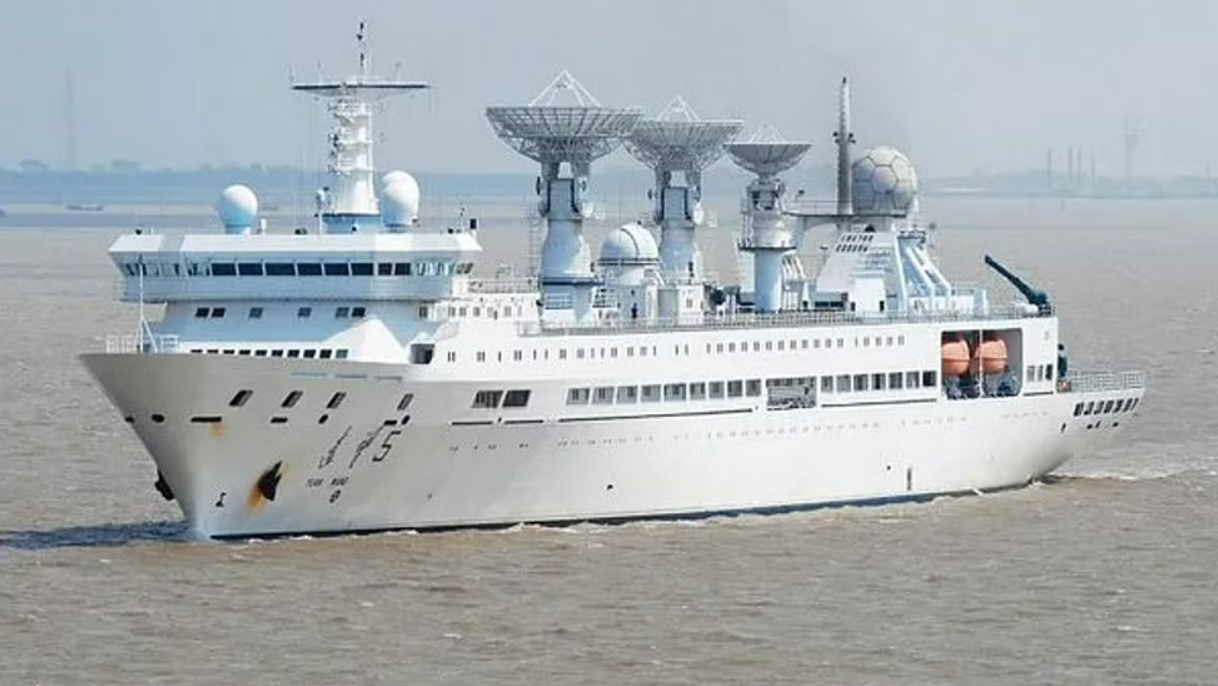
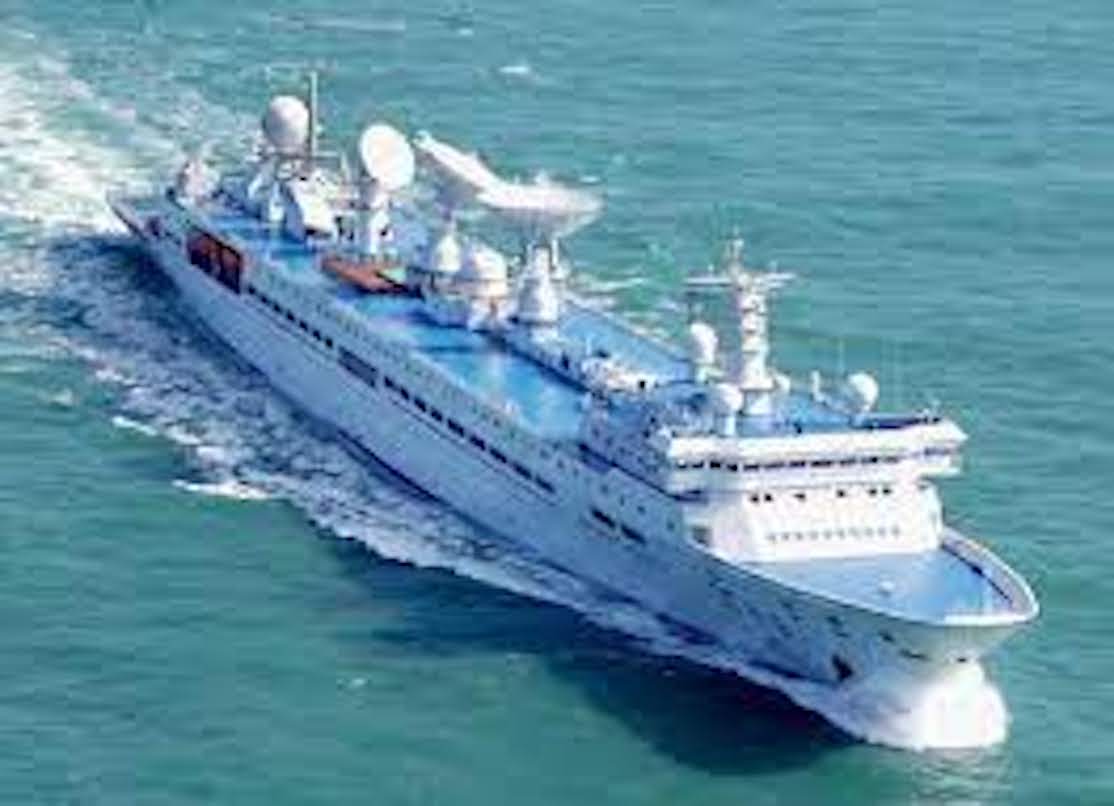
The arrival of the Chinese research vessel Yuan Wang 5 in Hambatota is yet to be communicated to the Colombo Port Harbour Master, Ceylon Today learns.

According to the Ministry of Defence, the Chinese research vessel, Yuan Wang 5, was granted permission under the ‘freedom of navigation’ principle in the Indian Ocean.

The Indian Administration is alarmed as such a vessel arrives at Hambantota Port with the permission of the Sri Lankan Government. Vessel assessment will not take place, as approval comes from the top, Ceylon Today learns. Also, the Indian Government is carefully monitoring the vessel’s movement in the Indian Ocean, a spokesperson for the Indian Government said last week.

The Defence Ministry said the vessel has high capabilities of surveillance and sea wave research and the vessel is presently in Philippine waters.

The ship is sailing from China directly to Hambantota Port before returning to China. Following its research in the North West of the Indian Ocean, it would return to Hambantota Port for replenishment, the Defence Ministry added. The Ministry of Defence and the Ministry of Foreign Affairs have officially granted approval for the high-tech surveillance vessel to be anchored at the Chinese-run Hambantota Port from 11 to 17 August.

Harbour Master of the Sri Lanka Ports Authority, Captain Nirmal de Silva told Ceylon Today, “We have not been approached by any agent so far and what I learn is that the vessel would be here for replenishment during a research operation in the North West Indian Ocean during the months of August and September.”

He said he would be informed in due course, as there is still time until 11 August, but has so far not been apprised about it.

“Research in international waters falls outside my purview. It’s up to them to decide which port to go to and obtain the clearance,” the Harbour Master said.

Source: Ceylon Today

Ranil, Sajith powwow on Friday

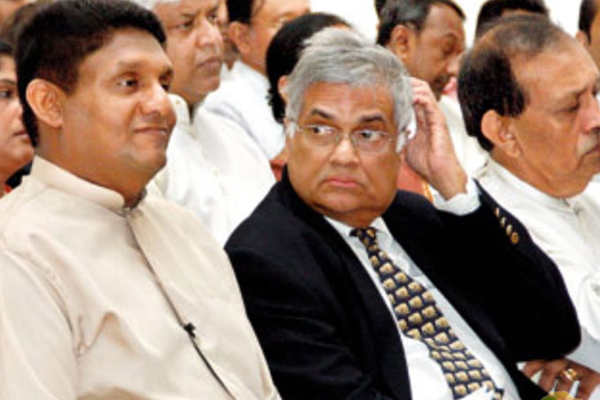
The Samagi Jana Balawegaya (SJB) led by Opposition Leader Sajith Premadasa has accepted President Ranil Wickremesinghe’s invitation to meet on 5 August to discuss the implementation of a national all-party program.

Confirming the party’s attendance, SJB General Secretary Ranjith Madduma Bandara clarified the invitation was not to hold discussions to form an all-party Government but to merely discuss the possibility of formulating a national all-party program to revive the country.

When asked if the SJB is willing to join hands with the Government, Madduma Bandara said the decision will depend on what is discussed.

Previously, the SJB had stated they are willing to consider joining a national Government depending on the proposals put forward.

As early as March this year, Wickremesinghe had stressed the need to implement a program with a national consensus to rebuild the country. At the time, Wickremesinghe noted that such a program was more important than forming a national Government.

Premadasa appeared to agree when earlier this week he suggested that a National Integration Program must be implemented to solve the crisis.

The President’s Media Division on 20 July confirmed President Wickremesinghe had extended an invitation to all parties to hold talks. In the invitation, Wickremesinghe said initial plans required to implement a systematic economic reform program are being formulated, while preliminary measures are also being undertaken for the creation of economic stability.

“However, it is my opinion that a program needs to be implemented with the participation of all political parties represented in Parliament, expert groups, civil society organisations and all related parties to overcome the challenges before us successfully,” he noted.

Meanwhile responding to President Wickremesinghe’s letter, Tamil National Alliance (TNA) Leader R. Sampanthan has expressed the party’s fullest support for the formulation and implementation of a national all-party program. “All national issues must be addressed and resolved,” Sampanthan said.

According to reports, Wimal Weerawansa’s National Freedom Front has also agreed to meet Wickremesinghe to discuss the matter.

Source: Daily FT

Sri Lanka: Heightened Crackdown on Dissent

The Sri Lankan government is using emergency regulations to harass and arbitrarily detain activists seeking political reform and accountability for the country’s economic crisis, Human Rights Watch said today. Since Ranil Wickremesinghe was sworn in as president on July 21, 2022, the police and military have sought to curtail protests through the intimidation, surveillance, and arbitrary arrests of demonstrators, civil society activists, lawyers, and journalists.

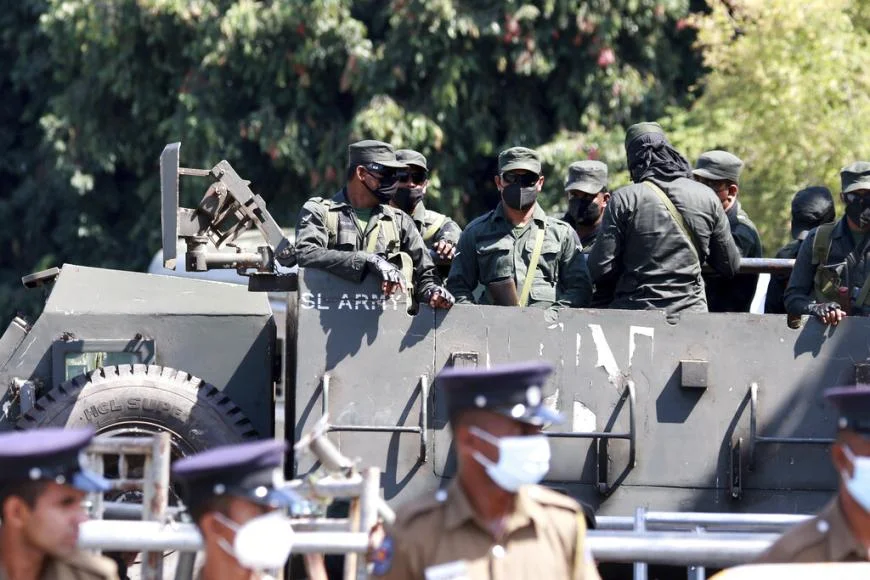
Anti-government protests in Colombo and elsewhere in the country led then-President Gotabaya Rajapaksa to flee the country before resigning on July 15. On July 22, President Wickremesinghe ordered security forces to disperse protesters and break up their main site in central Colombo. The police have subsequently targeted perceived protest leaders for arrest and detention.

“The Sri Lankan government’s crackdown on peaceful dissent appears to be a misguided and unlawful attempt to divert attention from the need to address the country’s urgent economic crisis,” said Meenakshi Ganguly, South Asia director at Human Rights Watch. “Sri Lanka’s international partners should be clear that they need to be working with a rights-respecting administration to address Sri Lanka’s deeply rooted economic problems.”

Security forces injured more than 50 people in the July 22 early morning raid on the main janatha aragalaya (people’s struggle) site in Colombo. Security forces assaulted and beat three journalists from Xposure News – Chaturanga Pradeep Kumara, Rasika Gunawardana, and Shabeer Mohammed – and at least one other journalist, Jareen Samuel of the BBC, during the raid. Wickremesinghe berated foreign diplomats for criticizing the security forces’ use of excessive force and took no action to hold those responsible to account.

A number of Buddhist monks and Christian clergy had joined the protests. The media reported that the Colombo Magistrates’ Court on July 25 had issued a travel ban on Father Jeewantha Peiris, a Catholic priest who had been prominent in the protests, and several others. Two days later police visited Father Peiris’s church and said that they had orders to arrest him. In a July 31 statement, 1,640 members of the Catholic clergy condemned targeting the priest, saying that they had all backed the protests.

On July 26, the authorities arrested another prominent protester, Dhaniz Ali, from an international flight about to depart from Colombo. On July 27, unidentified men in civilian clothes abducted Veranga Pushpika, a former student activist and journalist who had also been active in the protests, from a bus in Colombo. Police did not disclose his whereabouts to lawyers or the Human Rights Commission for several hours before acknowledging his arrest.

Human rights defenders said that the police sought to obstruct defense lawyers from meeting with four protesters who had been arrested after they handed over to the police a large sum of money taken from the president’s official residence after protesters had occupied it.

Lawyers and media organizations told Human Rights Watch that they have experienced increased intimidation, including threats of violence and surveillance. In one episode, a group of men claiming to be police officers, but not wearing uniform, visited the office of an online publication, Xposure News, on July 27 and demanded that a security guard identify people shown in photographs and show them CCTV footage.

On July 31, a student protester said in a statement on Facebook that he had been detained and interrogated for three hours by security force personnel who warned him that they could plant drugs on him and arrest him. Police summoned the social media activist Rathidu Senarathna, known as “Ratta,” on August 1 and arrested him after questioning. A Colombo magistrate also issued a foreign travel ban on Senarathna and 11 others suspected of illegal assembly and causing damage to property. On August 2, the authorities seized the passport of a British national, Kayleigh Fraser, who had posted about the protests on social media.

The authorities arrested at least seven people for the July 9 arson attack on Wickremesinghe’s private residence. Activists said that at least some of those detained were known to have been bystanders. Police are investigating a hotel that allegedly provided food to protesters and have raided, sometimes without warrants, the homes or workplaces of several protesters who are in hiding.

In a statement, 175 Sri Lankan human rights defenders and civil society organizations expressed concern about “disturbing developments of abduction, arrest, intimidation, and reprisals against protesters.” Members of the Catholic clergy said the government should “stop the repression of those involved and supporting the Aragalaya and focus on listening to grievances and aspirations of people and take actions to address both immediate and long-term problems.”

Under the state of emergency that President Wickremesinghe declared on July 18, the period that a person may be detained before being brought before a magistrate has been increased from 24 to 72 hours. The authorities have been granted sweeping additional powers of search and arrest, and the military has been empowered to detain people for up to a day without disclosing their detention. These provisions increase the risk of torture and enforced disappearance.

Under international human rights law, protections against torture, the excessive use of force, and other fundamental rights must never be violated, including during a state of emergency. Provisions of the state of emergency contrary to international standards should be immediately revoked, Human Rights Watch said.

The emergency regulations also introduce extreme new sentencing rules for several offenses, including damage to property and trespassing, which can now result in a life sentence and carry a minimum term of 20 years in prison. Among the offenses subject to harsher sentencing is a provision of the penal code that has previously been used to prosecute same-sex conduct. The decree provides that bail will not be available for those accused of offenses under the emergency regulations.

The state of emergency also gives the president and the police broad powers to ban public gatherings, allows the police or military to order anyone to leave any public place or face arrest, and makes it an offense to cause “disaffection” or to spread “rumors.” These provisions are vague, overly broad, and disproportionate in violation of the rights to freedom of expression, peaceful assembly, association, and movement.

In a statement following the assault on protesters on July 22, the European Union noted that it “expects the new Government to work in full compliance” with its human rights commitments, made in exchange for tariff free access to the EU market under the bloc’s GSP+ program. The World Bank said in a statement that the government should address “the root structural causes that created this crisis to ensure that Sri Lanka’s future recovery and development is resilient and inclusive.” Earlier, the United States Senate Foreign Relations Committee stated that any agreement with the International Monetary Fund “must be contingent on … strong anti-corruption measures and promotion of the rule of law.”

“The people of Sri Lanka are reeling under an economic crisis that has plunged millions into food insecurity, the closure of schools, and shortages of medicine, fuel, and other necessities,” Ganguly said. “The government needs to end its repressive policies and practices and act urgently to address people’s basic needs, win public trust, and uphold the rule of law by holding those responsible to account.”

Posted in Uncategorized

The View from India | A Chinese ship comes to Sri Lanka

Understand international affairs from the Indian perspective with View from India
(This article forms a part of the View From India newsletter curated by The Hindu’s foreign affairs experts. To get the newsletter in your inbox every Monday, subscribe here.)

Days after denying reports about the arrival of a Chinese research vessel, and following India’s “clear message” about “carefully monitoring” the development, Sri Lanka’s Ministry of Defence on Saturday confirmed that the vessel had sought clearance to call at the southern Hambantota Port in August.

The Chinese vessel’s arrival, as The Hindu’s Meera Srinivasan reports from Colombo, could potentially leave Colombo caught between New Delhi and Beijing’s interests once again. While the Ministry of Defence in Colombo did not explain why it had earlier denied the vessel’s arrival, it said “such vessels periodically come from various countries such as India, China, Japan, Australia” and it was “nothing unusual.” However, strategic analysts are closely watching the development, given past tensions between Colombo and New Delhi, especially after Colombo allowed a Chinese nuclear-powered submarine Changzheng 2 to dock at its port in 2014.

Meanwhile, on a visit to New Delhi, Samantha Power, Administrator of the United States Agency for International Development (USAID), said “opaque” loans for “headline-grabbing” infrastructure projects, were among the factors behind the current crisis that has engulfed Sri Lanka. Delivering a speech at the IIT-Delhi, Ms. Power praised India’s “swift” action in response to the emergency in Sri Lanka.

Posted in Uncategorized

Passport of British national seized by immigration officials

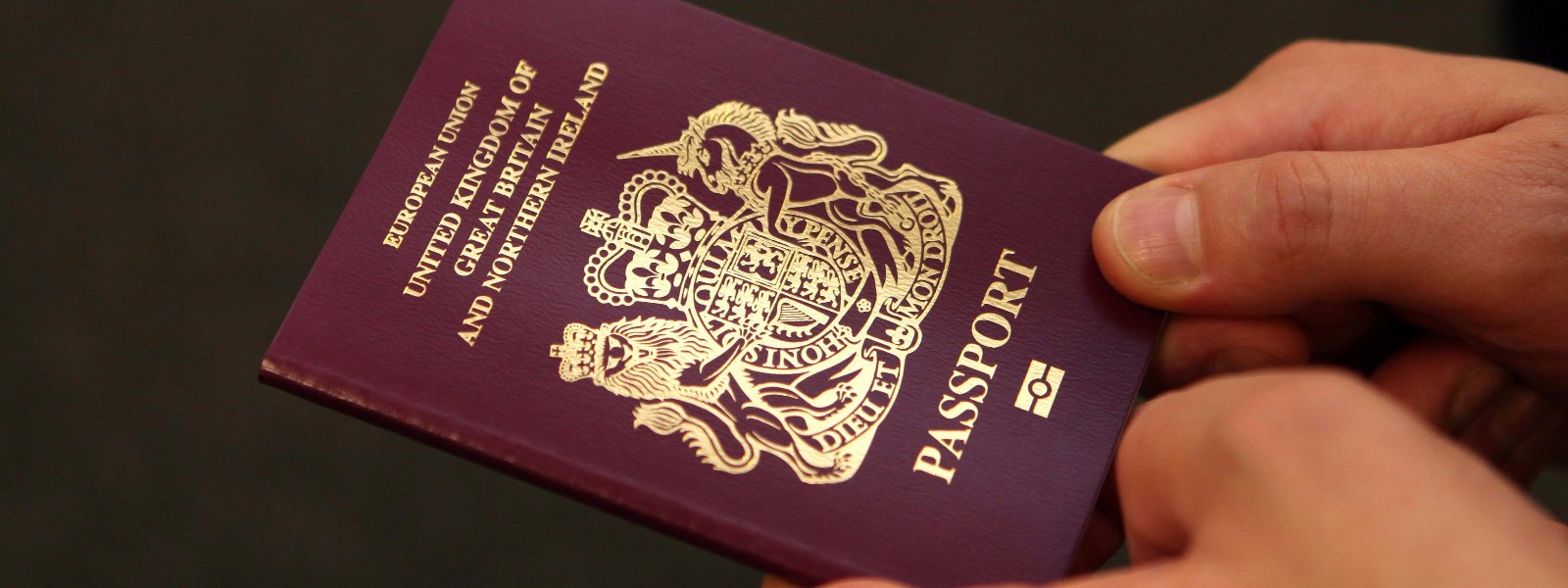
The immigration department has seized the passport of a young British national, accusing her of sharing information about the peoples protest through social media.

The department said that her passport was taken into custody for violating visa conditions.

Accordingly, she has been informed to visit to the Immigration and Emigration Department within 07 days for an investigation.

The Immigration Department mentioned that the next course of action will be decided after the investigation.

The young woman, Kayleigh Fraser, had posted information about the peoples protest via Instagram.

Norway concerned about crisis in Sri Lanka: Norwegian Foreign Minister

Norway is concerned about the food and nutrition crisis witnessed in Sri Lanka, Minister of Foreign Affairs Anniken Huitfeldt said.

‘I am concerned about the food and nutrition crisis we are now witnessing in Sri Lanka. The grave humanitarian situation has a severe impact on women and children. Norway is providing NOK 13 million to address the acute needs,’ she said.

She said unless rapid action is taken, the situation could become even worse in the coming months.

‘Norway’s allocation of NOK 13 million will address the acute need for food, nutrition and protection in Sri Lanka. The support will be channeled through the UN and targeted towards food security and protection efforts,’ said Ms Huitfeldt.

The UN fears that the situation could deteriorate due to failed harvests and the ongoing economic and political crisis in the country, and could evolve into a full-scale humanitarian crisis. The Sri Lankan people are contending with extreme price increases for basic items such as rice and wheat, and a lack of fuel and medicine. The fuel shortage is making it difficult for food to reach markets. Even before the current crisis, Sri Lanka had one of the world’s highest percentages of malnourished children.

Children and pregnant/lactating women are being especially hard hit by the food and nutrition crisis. Furthermore, women and children are increasingly vulnerable to abuse and sexual and gender-based violence. In light of this, the UN has developed a humanitarian response plan.

Norway will provide NOK 5 million to the World Food Programme (WFP), targeted towards vulnerable groups. Additionally, NOK 5 million and NOK 3 million will be provided to United Nations Children’s Fund (UNICEF) and the UN Population Fund (UNFPA), respectively, for their work to protect children and women.

Norway gives priority to combating sexual and gender-based violence and providing protection for children, and these efforts are sorely needed in Sri Lanka. The support provided by Norway will be taken from the humanitarian reserve, which has been set aside to make it possible to respond rapidly to new acute crises or underfunded crises, as the need arises throughout the year,” a statement issued by the Foreign Ministry of Norway said.

Posted in Uncategorized

Govt issues statement on Chinese vessel Yuan Wang 5

The Ministry of Defence says the Chinese research vessel, Yuan Wang 5, was granted permission to enter the Hambantota Port after a thorough assessment.

Defence Ministry Spokesman Col. Nalin Herath speaking to the BBC said the Defence Ministry on the 30th of July confirmed that the vessel had sought clearance to call at the Hambantota Port in August.

Col. Herath said the vessel will be in Hambantota from the 11th to the 17th of August, mainly for replenishment, including fuel.

Col. Herath said such vessels periodically come from various countries such as India, China, Japan, and Australia terming it as nothing unusual.

India’s External Affairs Ministry spokesman Arindam Bagchi last week said that India carefully monitors any development having a bearing on its security and economic interests.