Sri Lanka to canvass support from like-minded countries

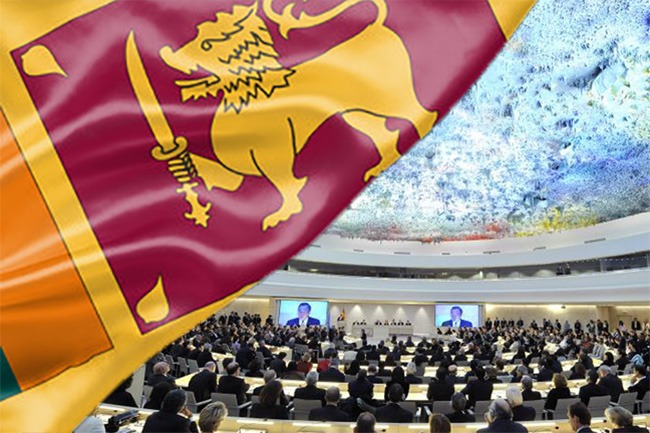
Sri Lanka is planning to canvass the support of the like-minded countries to present its case at the next session of the United Nations Human Rights Council (UNHRC), an official said yesterday.

Sri Lanka is listed to come under scrutiny by the UNHRC during its 46th session scheduled for between February 22 and March 19 in terms of performance on the implementations of matters outlined in the resolution 30/1 adopted in 2015 and the two subsequent rollover resolutions.

The core group in Geneva- the UK, Canada, Macedonia, Germany and Montenegro- is working on a consensual resolution at the moment. Sri Lanka insists that the text of it should be acceptable to it.

Foreign Secretary Admiral Prof. Jayanath Colombage told Daily Mirror there had been some indication about the content of this resolution. He said the government had appointed a core group to work on measures to face the UNHRC this time. Asked about the support from the like-minded countries, he said,“we are going to canvass for it.we want to tell them our narrative.we want to tell that today it is us, and it will be you tomorrow. Therefore, we need to have a unified stand against this bullying tactic of supranational organisations.” Ahead of the session, Sri Lanka has also worked out a dossier containing details about the atrocities committed by the LTTE and dispatched copies of it to the authorities of the respective countries where the Tamil Diaspora groups were glorifying the cause of Tamil Eelam.

UK raises human rights concerns with SL

UK has raised human rights concerns with Sri Lanka, including forced cremation of COVID-19 victims.

High Commissioner to Sri Lanka, Sarah Hulton OBE said in Tweeter message that the UN report in this regard is to be published next week and she would inform the approach to UN Human Rights Council.

“UK raising human rights concerns with Sri Lanka, including forced cremation of #COVID19 victims. UN report to be published next week, will inform the approach to @UN_HRC,” she tweeted.

Posted in Uncategorized

Sri Lanka facing Indian invasion, warns Ven. Medagoda Abhayatissa

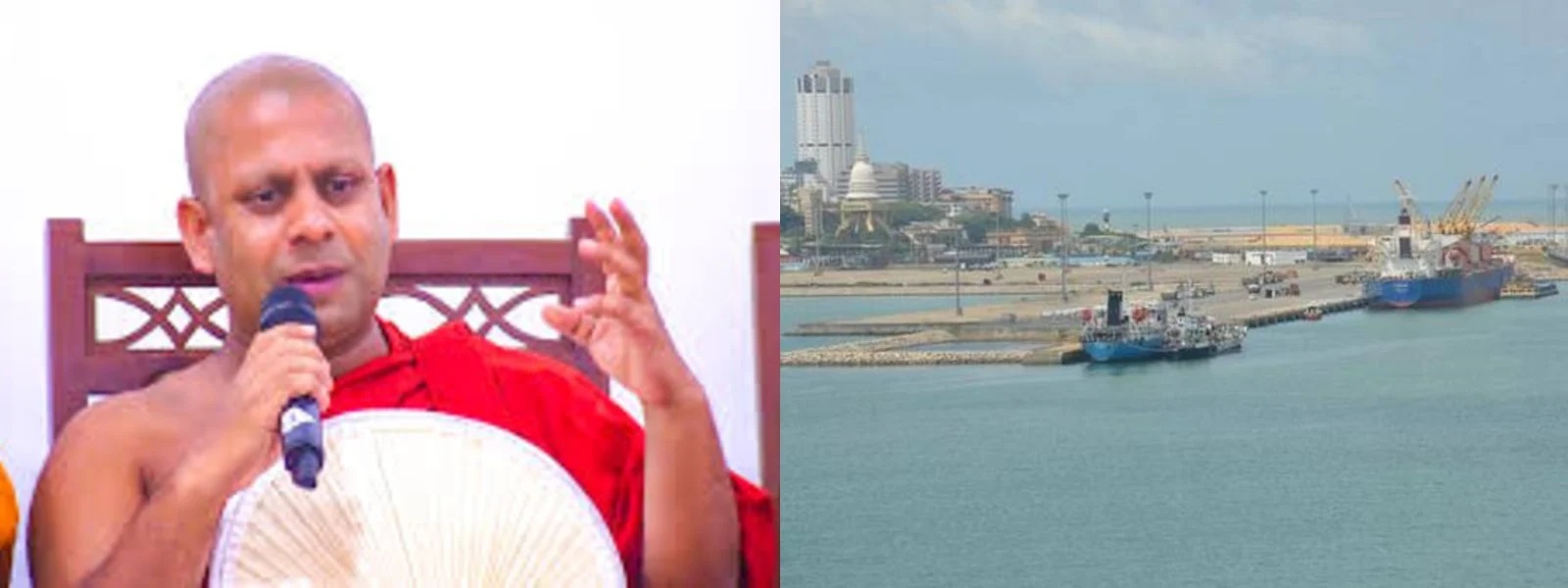
Involving an Indian company for the implementation of the East Container Terminal of the Colombo Harbour, is part of an Indian invasion, warned Venerable Professor Medagoda Abhayatissa Thero.

On Monday (25), representatives of the Port Joint Trade Union called on the Venerable Thero to hand over their report on protecting ECT.

It is evident a program is in play for a prolonged period to make Sri Lanka an Indian state, said the Venerable Thero adding a victory for Indian Prime Minister Narendra Modi over ECT would be similar to Rama’s win over Ravana.

When this happens, Sri Lanka will become a failed state, he said adding Indian does not like to see Sri Lanka prosper.

If Sri Lanka loses the East Container Terminal, the government will never be able to raise its head again, warned the Venerable Thero.

Shyamal Sumanaratne, the General Secretary of the Progressive Trade Union on Commerce, Industry, and Services following the meeting with the Venerable Thero said if the government does not respond positively to the ECT issue, it would face strong opposition from the entire population.

ECT will be a turning point for Sri Lanka, he said adding the President and Prime Minister must give due consideration to the matter.

EU-Sri Lanka Joint Commission: Joint Press Release

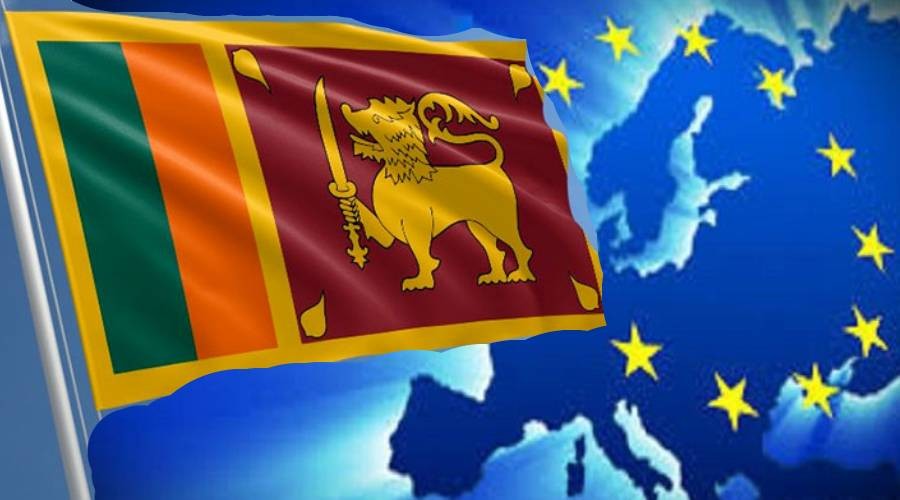
The European Union (EU) and the Democratic Socialist Republic of Sri Lanka held their 23rd meeting of the Joint Commission on 25 January 2021, via video conference. This was the first Joint Commission under the new leadership in both the European Union and Sri Lanka.

The Joint Commission meeting, was held in a cordial and open atmosphere and the EU and Sri Lanka exchanged views on a wide array of subjects, reaffirming the deep cooperation ties and the willingness to strengthen the relationship between the people of the EU and Sri Lanka further. The EU and Sri Lanka agreed on the importance of enhancing trade ties and continuing to work closely together on human rights and reconciliation issues which were on the agenda of the meeting.

Sri Lanka thanked the EU for its contribution of €22 million (5,279 million Sri Lankan Rupees [LKR]) in grants to support the Sri Lanka Governments efforts to deal with the COVID 19 pandemic targeting the health, agriculture, and tourism sectors. The EU and Sri Lanka highlighted the role played by the World Health Organisation (WHO) and noted the importance of an effective multilateral system in addressing the challenges related to the pandemic.

Sri Lanka and the EU concurred that the EU’s unilateral tariff preferences granted under the Special Incentive Arrangement for Sustainable Development and Good Governance (GSP+) have made a significant contribution to Sri Lanka’s economy. Exports from Sri Lanka to the EU have increased to reach €2.3 billion (over 552 billion LKR), thus making the EU Sri Lanka’s second largest export market.

The Joint Commission acknowledged that there was potential for Sri Lanka to make even better use of the tariff concessions granted. In this regard, among other things, the EU also stressed that open and fair trade requires a level playing field, and expressed its strong concerns about Sri Lanka’s import restrictions imposed since April 2020, following COVID-19, which have a negative impact on European businesses. The EU urged Sri Lanka to notify these measures to the World Trade Organisation. The EU and Sri Lanka committed to further enhance the regular EU-Sri Lanka Investor Dialogue to address impediments affecting trade and investment from the EU.

Sri Lanka reaffirmed the commitments made to effectively implement the 27 international Conventions covered by the GSP+ scheme on human and labour rights, environment and good governance. In this context, the EU reiterated the need for Sri Lanka to amend the Prevention of Terrorism Act and bring it in line with international standards. The Sri Lankan government confirmed its intent on revisiting the provisions of the PTA with a view to making the appropriate amendments.

The EU regrets Sri Lanka’s withdrawal from its co-sponsorship of the UN Human Rights Council Resolution 30/1and subsequent resolutions that incorporated and built on it. Sri Lanka explained how it would advance national reconciliation and action taken in accordance with its Constitution and laws. Sri Lanka announced the appointment of a Commission of Inquiry to investigate alleged human rights violations. The EU reiterated the importance of fostering reconciliation, justice, accountability and peaceful coexistence among Sri Lanka’s diverse communities, and underlined the important role of the independent institutions established in recent years, notably the Office on Missing Persons, the Office for Reparations and the Human Rights Commission. The EU stressed the value of a fully empowered and resilient civil society, in all its diversity for any democracy. The EU expressed its continued readiness to support Sri Lanka in these efforts.

Regarding the use of the death penalty, the EU welcomed Sri Lanka’s record on maintaining its moratorium on executions and encouraged it to legally abolish the death penalty. The EU also reiterated its opposition to the use of the death penalty in all circumstances.

The Joint Commission was informed about the proceedings of the fourth EU-Sri Lanka Working Group on Development Cooperation held in Brussels on 28 October 2020. In addition to the support for Sri Lanka’s COVID-19 response, the Working Group appraised positively another three grants from the European Union worth €35.75 million (currency equivalent), which will support Sri Lanka’s justice sector, help improve food safety, and strengthen efforts to mitigate climate change. Implementation is planned for 2021 and beyond. The EU and Sri Lanka committed to working together in the coming years on the preparation of possible new actions aiming at addressing green recovery, promotion of inclusive and peaceful society, and water management.

The European Union and Sri Lanka explored possibilities for future cooperation on climate change, in particular on the implementation of the Paris Agreement. It was agreed that recovery from the global COVID-19 crisis should be used as an opportunity to rebuild the economies in a sustainable manner. The EU welcomed Sri Lanka’s commitment to the implementation of the environmental and climate change conventions, notably the revision of the Nationally Determined Contributions, which will be submitted timely to the UN Framework Convention on Climate Change (UNFCCC) in February 2021. The EU also appreciated Sri Lanka’s positive approach towards a Global Agreement on Plastics and President Rajapaksa’s commitment to reversing biodiversity loss by 2030 through the Leader’s Pledge for Nature at the UN Summit for Biodiversity. The EU stressed its recent actions to enhance its climate ambition, including climate neutrality by 2050 and the increased 2030 targets of reducing its greenhouse gas emissions by at least 55% compared to 1990. Sri Lanka confirmed its commitment to taking ambitious action to ensure a sustainable, low-carbon and climate resilient development. The EU and Sri Lanka agreed that the upcoming UN conferences – the UN Conference of the Parties (COP26) to the UNFCCC and the 15th Conference of the Parties (COP15) to the Convention on Biodiversity (CBD) will present vital opportunities for the international community to make ambitious, meaningful commitments.

The European Union and Sri Lanka took note of the ad-hoc Counter-Terrorism Dialogue, which took place in Colombo in July 2019 and reviewed on-going cooperation provided through an EU funded project with UN Office on Drugs and Crime (UNODC) and Interpol. The EU stressed the importance of applying international human rights standards in the fight against terrorism. Sri Lanka looks forward to continuing the Counter Terrorism Dialogue and Security Cooperation.
Issues related to mobility and migration were also on the agenda. Ways to enhance cooperation on higher education, with a particular reference to the Horizon 2020, the EU framework programme for research and innovation, were also addressed.
Cooperation in the framework of the Indian Ocean Tuna Commission (IOTC) and towards the common goals of preservation of healthy oceans, conservation and sustainable use of marine living resources was discussed.

The EU and Sri Lanka agreed on a series of actions for follow-up before the next Joint Commission meeting in Brussels in 2021.

The meeting was co-chaired by Ms Paola Pampaloni, Deputy Managing Director for Asia and the Pacific at the European External Action Service, and Mr A.M.J Sadiq, Additional Secretary of the Foreign Ministry of Sri Lanka.

The Joint Commission, which oversees the 1995 EU-Sri Lanka Cooperation Agreement on Partnership and Development, deals with a broad range of bilateral and multilateral issues of mutual interest. Its tasks are to: ensure the proper functioning and implementation of the Agreement; set priorities; and make recommendations.

All three Working Groups established under the terms of the Joint Commission reported back from their respective meetings: the Working Group on Governance, Rule of Law and Human Rights in August 2019; the Working Group on Trade and Economic Cooperation Issues in October 2019; and the Working Group on Development Cooperation on 28 October 2020.

Nabila MASSRALI(link sends e-mail)
Spokesperson for Foreign Affairs and Security Policy
+32 (0) 2 29 88093
+32 (0) 460 79 52 44
Adam KAZNOWSKI(link sends e-mail)
Press Officer for Foreign Affairs and Security Policy
+32 (0) 2 29 89359
+32 (0)460 768 088

Posted in Uncategorized

Sri Lanka gears up for a hard battle at UNHRC By P.K.Balachandran

UNHRC resolutions are not binding, but powerful countries could use them to arm-twist targeted States into submission or wrest political and economic concessions from them.

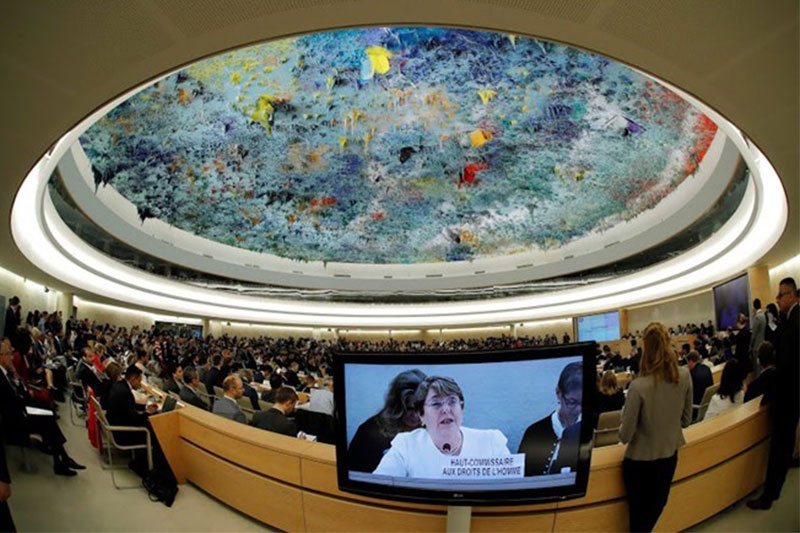
Sri Lanka is gearing up for a hard battle at the 46 th.,Session of the UN Human Rights Council (UNHRC) in Geneva in February –March. While the core group, comprising UK, Canada, Macedonia, Germany and Montenegro, are working on a draft “consensual resolution”, the High Commissioner for Human Rights, Michele Bachelet, has sent a draft of her report to the Sri Lankan government for its comments.

Sri Lanka is presently working on Bachelet’s report to rebut its claims point by point. In Colombo’s view, the High Commissioner’s contentions are based on one-sided reporting by interested parties and are not substantiated by hard evidence.

With Sri Lanka having declared that it will not co-sponsor any resolution against itself, the core group and Sri Lanka have agreed that the text of the consensual resolution will be decided by both sides.

In all probability, the High Commissioner’s final report will be a somewhat modified version of the original. But it will still be a bitter pill for Sri Lanka to swallow. Besides, it is inconceivable that Sri Lanka and the core group will arrive at a “consensual draft resolution” when most of the core group of countries (UK, Canada and Germany) are hosts to a large and politically influential pro-LTTE Diaspora.

Reasons for UNHRC’s Tough Stand

One of the main reasons for the UNHRC’s tough stand is the Gotabaya Rajapaksa government’s hard posturing on the human rights issue and its forthright opposition to meddling by foreign governments and agencies like the UNHRC in Sri Lanka’s internal affairs.

Colombo has told the Office of the High Commissioner of Human Rights (OHCHR) in no uncertain terms, that it will no longer co-sponsor any resolution against itself. Such an assertion, by itself, would weaken any chance of a compromise. Earlier, co-sponsorship had led to a significant dilution of the resolution, cushioning Lanka against hard demands on sensitive matters like setting up war crimes accountability mechanisms with foreign participation.

The second factor toughing the resolution will be the Tamils’ newfound unity. For the first time, the Tamil political parties in Sri Lanka have submitted a joint list of demands to the international community. These demands are the most radical, to date. The Tamil parties have demanded that Sri Lanka be hauled up before the International Criminal Court (ICC) which means taking its case to the UN Security Council.

The third factor is the heightened role of the Tamil Diaspora ensconced in Western democracies. The well-to-do and well-connected Diaspora is not only lobbying with the powers-that-be in various Western countries but are also financially backing the Tamil parties back home in Sri Lanka. According to Tamil political sources, money is no issue in the anti-Sri Lanka campaign both in the island and overseas. Over 500 websites and blogs propagate the Tamils’ case worldwide.

The fourth factor is the change of guard in the White House. Donald Trump, who cared little for human rights, has been replaced by Joe Biden who has put promotion of human rights on top of his agenda. The Biden Administration will bring the US back into the UNHRC. At any rate, it will play a key role from behind the scenes with the core group as its proxy.

Current Draft Report

The current draft of the High Commissioner’s report is very hard hitting. It says that it is “vital that the Human Rights Council takes further action on Sri Lanka for three important reasons: Firstly, the failure to deal with the past continues to have devastating effects on tens of thousands of survivors — spouses, parents, children, and other relatives — from all communities who continue to search for the truth about the fate of their loved ones, to seek justice and are in urgent need of reparations. Secondly, the failure to advance accountability and reconciliation undermines the prospects for sustainable peace, human and economic development in line with the 2030 Agenda and carries the seeds of repeated patterns of human rights violations and potential conflict in the future. Finally, the trends highlighted in this report represent yet again an important challenge for the United Nations, including the Human Rights Council, in terms of its prevention function.”

The draft points out that “by withdrawing its support for resolution 30/1 and related measures, and by repeatedly failing to undertake meaningful action across the full scope of that resolution, the (Lankan) government has largely closed the possibility of genuine progress being made to end impunity through a domestic transitional justice process.”

It goes on to state that the members have the option of referring Sri Lanka to the International Criminal Court. They can investigate and prosecute international crimes committed by all parties in Sri Lanka before their own national courts, including under the principles of extraterritorial or universal jurisdiction, it added.

“The High Commissioner encourages Member States to work with OHCHR, victims and their representatives to promote such avenues for accountability, including through opening investigations into possible international crimes, and to support a dedicated capacity to advance these efforts.”

“Member States can also apply targeted sanctions, such as asset freezes and travel ban against State officials and other actors credibly alleged to have committed or be responsible for grave human rights violations or abuses, as well as support initiatives that provide practical benefits to victims and their families,” the draft said.

Further, the draft calls upon all Lankan security agencies to immediately end all forms of surveillance and harassment of and reprisals against human rights defenders, social actors, and victims of human rights violations; promptly, thoroughly, and impartially, investigate and prosecute all allegations of gross human rights violations and serious violations of international humanitarian law; and remove from office security personnel; and other public officials credibly implicated in human rights violations; establish a moratorium on the use of the Prevention of Terrorism Act for new arrests until it is replaced by legislation that adheres to international best practices; and establish standard procedures for the granting of pardons or other forms of clemency by the President, including subjecting it to judicial review and excluding grave human rights and international humanitarian law violations.

Not Mandatory but Potent

However hard UNHRC resolutions may be, they are not mandatory. Principally, they serve to name and shame recalcitrant countries. Member States’ actual policies or executive decisions will be based on political, economic and geo-political factors and compulsions and not on the resolutions per se.

Nevertheless, a tough resolution helps twist a recalcitrant State’s arm and wrest various concessions from it in the political, economic and geo-political sphere. The March 2021 resolution on Sri Lanka may be made to hang like the Sword of Damocles on the country. It could be used to squeeze various kinds of concessions from it. A variety of sanctions imposed by individual countries are possible.

An important factor in this regard will be the attitude of the Biden Administration. President Biden will in all likelihood put moral pressure on Sri Lanka while abjuring abrasive threats. India’s stand too will be a critical factor. India is a regional power and Sri Lanka’s immediate and only neighbor. It has issues with Sri Lanka, the most important of which is its bid to get the Colombo Port’s East Container Terminal (ECT) in the face of nationalist opposition and the Lankan government’s hesitancy. Currently, there is an uneasy stalemate on this matter.

India has political issues too with Sri Lanka. There is a strong move in Sri Lanka to dilute or do away with the system of devolution which was introduced in 1987 following the India-Sri Lanka Accord to solve the Tamil question. Indian Foreign Minister, Dr.S.Jaishankar, had personally conveyed to the Lankan President last month, New Delhi’s view that Sri Lanka should abide by the devolution system as contained in the 13 th. Constitutional Amendment “in its own interest” and as a bilateral treaty obligation.

If India-Lanka relations deteriorate, New Delhi’s support for Sri Lanka in international forums will be in doubt. Sri Lanka can, of course, turn to China and Pakistan for succor, and these two countries will definitely come to the island nation’s aid. But this may further exacerbate tension with India. And China might use Sri Lanka’s vulnerability to wrest more economic and geopolitical rights than it already has. Sri Lanka will thus have a lot of tight rope walking to do in the coming months. The scenario calls for deft diplomacy rather than bravado.

Source:counterpoint.lk

Posted in Uncategorized

Sri Lanka’s Covid-19 death toll hits 283

Three more persons who were infected with Covid-19 have fallen victim to the virus, the Director-General of Health Services confirmed a short while ago.

Following the new development, the total number of novel coronavirus-related deaths reported in Sri Lanka has climbed to 283.

One of the victims is a 77-year-old woman who was residing in Colombo 14 area. She was transferred from Colombo National Hospital to Mulleriyawa Base Hospital after testing positive for the virus. She passed away yesterday (January 23), while suffering from Covid-19 pneumonia, high blood pressure, liver infection and kidney disease, the Department of Government Information said.

The second victim was identified as an 84-year-old woman from Maradana area. She died on Thursday (January 21) while receiving treatment at the Colombo National Hospital. The cause of death was cited as severe blood poisoning, Covid-19 pneumonia and heart disease.

In the meantime, a 65-year-old woman who was living in Pujapitiya area fell victim to the virus today (January 24). Upon testing positive for the virus, she was transferred to the Theldeniya Base Hospital from Kandy National Hospital. The cause of death was recorded as Covid-19 pneumonia and blood poisoning.

Posted in Uncategorized

Lanka tightlipped over Indian protest over deaths of fishermen

Colombo has not responded, and is unlikely to respond, to New Delhi’s strong demarche earlier this week over the death of four fishermen on board an Indian poaching vessel which sank off

Sri Lanka’s northern Delft Island after a mid-sea collision with a
Sri Lanka Navy boat. The Foreign Ministry said it had no statement and that the matter would be under the Attorney General’s (AG’s) Department, the Defence Ministry or the Fisheries Ministry. The AG’s Department also had no response. The Defence Ministry said its position was contained in Navy media statements which largely offered details of the incident.

“The death of the fishermen is a very tragic incident,” Fisheries Minister Douglas Devananda told the Sunday Times. “We need to resolve this urgently to ensure the livelihood and safety of the fisher communities of the two countries without aggravating the issue with incidents like this.’

He was assigned his portfolio to bring about a solution to the longstanding dispute, the Minister pointed out. But despite several attempts and discussions, there has been no finality. The matter was even raised during the visit to Colombo earlier this month of Indian External Affairs Minister S. Jaishankar.

Minister Devananda, too, had no specific reply to India’s demarche. But his office this week appointed a three-member committee headed by the Ministry Secretary to look into illegal fishing activities by Indian fishermen in Sri Lanka’s territorial waters and to suggest measures to protect the fish stock from harmful fishing methods–mainly bottom trawling, a fishing method designated as illegal, unreported and unregulated (IUU).

The contents of the demarche, which is a petition or protest presented through diplomatic channels, were identical to the statement subsequently released by the Indian Ministry of External Affairs (MEA), authoritative sources said. It was delivered via Sri Lanka’s Acting High Commissioner in New Delhi while the Indian mission in Colombo also lodged a protest with the Foreign Ministry in Colombo.

The Indian statement expressed shock at the unfortunate loss of lives of three Indian fishermen and one Sri Lankan national following a collision between their vessel and a Sri Lanka naval craft. (The Sri Lankan national was a refugee resident in South India who was working on the Indian boat).

“Our strong protest in regard to this incident was conveyed by our High Commissioner to the Sri Lankan Foreign Minister today,” it continued. “A strong demarche was also made to the Sri Lankan Acting High Commissioner in New Delhi.”

It expressed “deep anguish” over the incident and called for issues pertaining to fishermen to be dealt with in a humanitarian manner. “Existing understandings between the two governments in that regard must be strictly observed. Utmost efforts should be made to ensure that there is no recurrence,” it said.

The Navy earlier said there were around 50 trawlers in Sri Lankan waters that night. One of these “with aggressive manoeuvres resisting the arrest” collided with the Navy craft, lost stability and sank. The Navy vessel was also damaged. The clash occurred just 15km North-East of Delft Island.

“It is quite evident that Indian fishing trawlers poaching in Sri Lankan waters are making aggressive manoeuvres resisting their arrest by SLN [Sri Lanka Navy] units time and again,” the Navy said. “In such backdrop, Sri Lanka Navy on a number of early occasions had informed Indian authorities to make the Indian fishermen aware of the vulnerability attached to such acts performing with scant regard.”

Meanwhile, agitating Indian fisher groups in Rameswaram have cancelled a planned march to Katchchativu Island yesterday after an Indian Union Minister, Dairying Giriraj Singh, assured them there would be no recurrence of such incidents. He told fisher leaders that India took up the issue with the Sri Lankan Government in ‘strong terms’ and assured safety in the future.

Fishermen were to go towards the island with black flags, protesting the continuing arrests of Indians by the Sri Lankan Navy and claiming they had a traditional right to fish around that area.

Rameswaram Fishermen’s Association President P. Sesuraja told the Sunday Times: “This is totally unacceptable. We have strong suspicions on the death of our fishermen. That’s why we have requested that those bodies should be subjected to re-post-mortem here in India after we saw their condition.”

The Sri Lankan refugee who died is 28-year-old Samson Darvin from Gurunagar in Jaffna. His family was displaced to India during the final phases of the war in 2009 and lived at the Mandapam refugee camp in Rameswaram. They have requested Indian authorities to have his body repatriated to India. Jaffna Magistrate A. Peter Paul issued a directive to conduct post-mortem examinations on all the deceased before the bodies were sent back to India through the Indian Coastguard yesterday morning.

Posted in Uncategorized

UNHRC Chief warns of asset freezes and travel bans for Sri Lankans

The United Nations Human Rights High Commissioner’s latest report on Sri Lanka goes so far as to suggest targeted sanctions such as asset freezes and travel bans for Sri Lankans “credibly accused of human rights violations”.

The report is with the Sri Lankan Government and it has till January 27 to respond, said Foreign Secretary Admiral (Prof) Jayanath Colombage. High Commissioner Michelle Bachelet even recommends starting criminal proceedings in the International Criminal Court (ICC) and the setting up of an international mechanism to look into allegations of and gather evidence on war crimes.

“It refers to people against whom nothing has been proven,” Admiral Colombage said. “They are accused. There are certain things in the report that we feel are completely not required at this juncture. We feel Sri Lanka is a much more peaceful and stable than any of the countries trying to discredit us.”

The Government would go public with its position once it was finalised, the Secretary said.

According to him, there are discussions every day in preparation for this. Apart from support from domestic experts, volunteers in some other countries are also sending their observations and input which is all being collated.

“To me, this is worse than previous reports because they are referring also to last year with passing reference to the war, saying there is now a dangerous trend emerging,” he said. Sri Lanka has fulfilled nearly all the commitments made by the previous administration to the UN Human Rights Council (UNHRC) through resolution 30/1 except a judicial mechanism with, among others, foreign judges.

“We believe these reports [of the High Commissioner] are based on shadow reporting from here and the Tamil diaspora’s influence,” Admiral Colombage said. “They are not bona fide.”

Meanwhile, Colombo has still not decided to grant consensus to a new resolution that will be presented at the UNHRC sessions in February-March by the Sri Lanka Core Group led by Britain. The Government has already maintained that it has withdrawn from resolution 30/1 and will not co-sponsor any others. But a consensus will see Sri Lanka refrain from objecting at the UNHRC.

The draft resolution is also now with the Sri Lanka Government and it intends to respond “paragraph by paragraph” by early this week, the Secretary said. A position has not been decided on yet but Colombo has maintained that a consensus can be agreed upon only if the text could categorically be agreed upon by both sides.

“We have to go through the meat of the resolution now,” he pointed out. “The onus is on our side”.

Sri Lanka Seeks Diversion, Not Justice, Over Wartime Abuses

Sri Lanka’s grim record is under scrutiny at the United Nations Human Rights Council in Geneva, so the government of President Gotabaya Rajapaksa has announced yet another internal inquiry. Foreign governments should not be swayed by this disingenuous attempt to avert urgently needed international action.

There have been at least a dozen domestic commissions of inquiry during the decades of Sri Lanka’s civil war, often created to forestall international pressure on human rights. None has led to prosecutions, or helped families trace missing relatives. Their findings have often gone unpublished, and recommendations never implemented. International observers, UN experts, and the UN high commissioner for human rights have repeatedly highlighted deep systemic problems in Sri Lanka’s judicial processes.

The Human Rights Council has engaged on Sri Lanka for years. Atrocities at the end of the war with the Liberation Tigers of Tamil Eelam shocked the world in 2009, and a series of UN reports found evidence of war crimes and crimes against humanity. In 2012 the council passed a resolution calling on Sri Lanka to implement recommendations of an earlier inquiry. When that did not happen, it recognized the need for an international role to address international crimes.

In 2015 Sri Lanka joined a consensus resolution of the Human Rights Council with commitments to ensure truth, justice, reparation and guarantees of non-recurrence including an accountability mechanism involving international judges, prosecutors, investigators, and defense lawyers. There was progress, albeit slow, which encouraged the council to extend the mandate.

But in November 2019, Gotabaya Rajapaksa was elected president and quickly reversed that progress. Last February, the government said it would no longer honor its commitments in the council resolution. This is not surprising. As defense secretary between 2005-2015, Rajapaksa is implicated in many of the worst abuses. As president he has appointed alleged perpetrators to senior positions, and even pardoned one of the few soldiers ever jailed for killing civilians.

Fear has returned to Sri Lanka as victims of past abuses, activists, journalists, lawyers, and even police investigators and are silenced. Rajapaska’s government has persecuted vulnerable minorities, and this month it demolished a monument to Tamil civilian victims of the war.

The warning signs are obvious. It is crucial that the Human Rights Council adopts a new resolution to ensure continued monitoring, as well as the collection, analysis, and preservation of evidence for future prosecutions. Member countries should not be swayed by the latest outrage or false promises of Sri Lanka’s government.

Your tax deductible gift ca

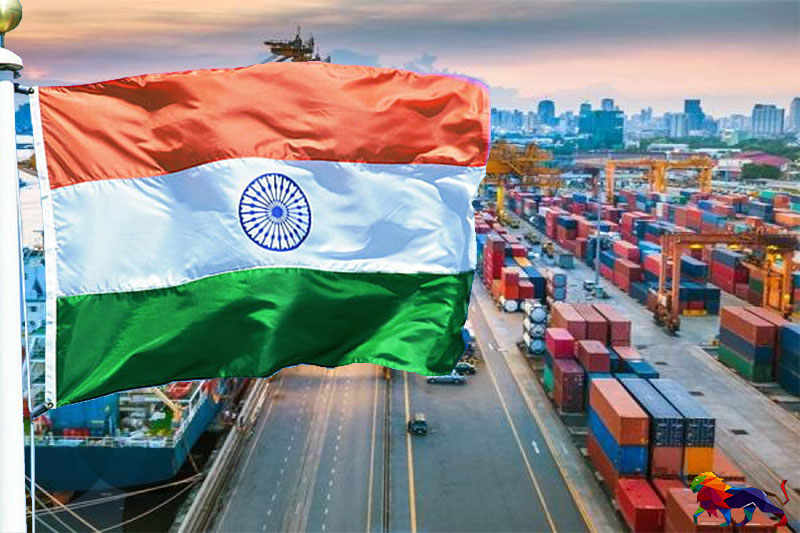
Trade unions redouble efforts to keep India out of ECT

A selection of trade unions yesterday doubled down on attempts to keep the East Container Terminal (ECT) ownership and development completely under the Government with a new proposal to a Cabinet sub-committee.

The National Movement for the Protection of the Colombo Port East Jetty (NMPCPEJ) yesterday handed over their proposals for the development and management of the ECT to the head of a recently appointed Cabinet sub-committee.

The sub-committee is responsible for discussing ECT investment with a number of Colombo Port trade unions and organisation which want to the Government to develop the terminal without foreign stakeholders. The NMPCPEJ proposal was prepared after consultation between the 23 affiliated organisations.

According to Prassana Kalutharage, a trade union leader of the Sri Lanka Independent Port Employees’ Association (SLIPEA), the proposal was handed over the Ports Ministry Secretary U.D. Jayalal, who also heads the Cabinet sub-committee. The proposal includes two options for the Government to consider, with the first option expected to be complete in two years and the second, in three.

The proposal indicates that new equipment worth $ 65 million is needed to fully equip the terminal and claims that the funds for the new equipment has already been allocated in the Sri Lanka Ports Authority (SLPA). The proposal by the NMPCPEJ estimates the cost of construction and equipping the ECT at $ 486 million.

The proposed first option envisages the ECT completed in three stages within a two-year period. The proposal states that $ 74 million has already been allocated for the project by the SLPA and that a $ 125 million shortage can be accommodated by a commercial loan from the Bank of Ceylon (BOC) or another local bank at a 4.25% interest rate, to be repaid in six years.

The second option presented by NMPCPEJ proposes a three-phase development plan by changing the investment duration in order to avoid any loan facility. The new proposal will also be presented to President Gotabaya Rajapaksa and Prime Minister Mahinda Rajapaksa, unions assured.

Earlier this month, President Rajapaksa told trade unions ownership of ECT will be retained by the Government while a 49% stake will be held by India’s Adani Group. The President pointed out that after the present Government negotiated with India on the contract, it was possible to reach an agreement to retain 51% of the ownership and the control of the terminal under the Sri Lanka Ports Authority (SLPA).

Under the former Government, a tripartite memorandum of understanding (MoU) was signed between the SLPA, Japan and India to develop the ECT. Japan was to provide a loan of $ 500 million while India was to undertake the construction. However, the United National Party (UNP) this week denied that the MoU was designed to take ownership away from the Government.

Posted in Uncategorized