Many Sri Lankans and the international community seem to think that Sri Lanka, once considered as a tiny paradise in the world; home to a diverse population with a high literary rate, tolerant, democratic, and law abiding; is in a mess again since facing a devastating separatist war for 30 years before 2009. The latest bad news that flashed across international media was the uncivilised fight between two beauty queens.
What motivated me to write this article soon after my 83rd birthday, when my health is failing and my fingers are faltering on the keyboard, is my gratitude to the country I was born in, though I no longer live there, a country that gave me a free education and training both local and foreign, and a country I was fortunate to represent at the UN Economic and Social Council for over three years, the Ministerial meetings of SAARC and Colombo Plan, and other international forums where I came to know that Sri Lanka was a country highly respected by the international community, thanks to the earlier generation of diplomats and the political leadership prior to early 1990s.
I am happy that I was able to repay my debt to Sri Lanka to some extent, by serving as a public servant for 38 years and as a consultant for another two years. No political affiliations influenced my thinking. My sadness about the present plight of Sri Lanka prompted me to write this essay.
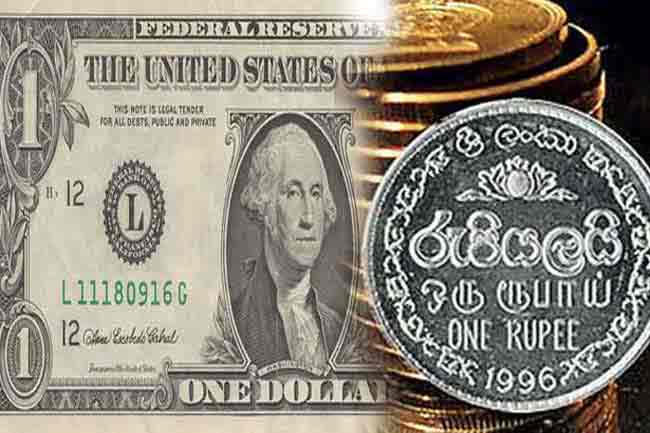
The country’s economy has deteriorated to an alarming level and reached a breaking point with total external debt being equal to almost 55% of GDP. Economic growth is only 3% and expected to go down further with unwise Government policy and the pandemic. Prices of commodities are skyrocketing pushing up the cost of living making it hard for the masses to buy the daily necessities. Corrupt business owners continue to exploit the consumers due to complacency of authorities. Sri Lankan rupee has depreciated against the dollar with adverse effects on industries and businesses.
Due to wrong policies and decisions of the rulers, there is a danger that Sri Lanka may not be able to get concessionary funding for development at 2% or less with pay back periods of 25 to 50 years from both bilateral and multilateral sources and keep the largest market for our exports, namely the USA and EU open for Sri Lanka. Concessionary foreign aid and foreign private investments are necessary for Sri Lanka as the availability of local funds and dollar earnings from abroad are insufficient.
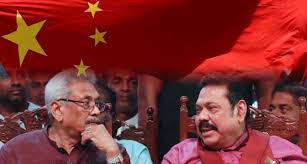
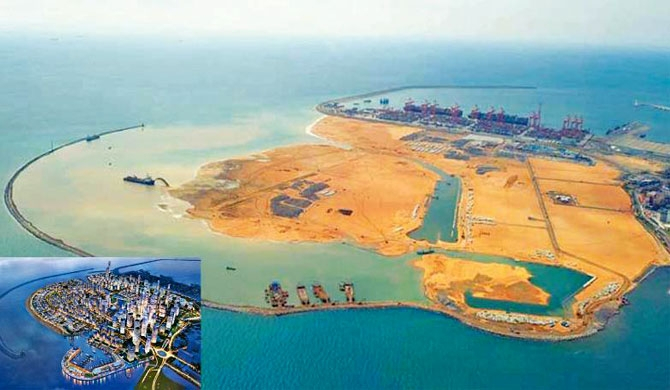
Foreign loans at market rates such as loans from China will worsen the current debt problem leading to bankruptcy. The decisions by Sri Lanka to go back on international agreements already entered with other countries further compounded the problems by eroding the trust of foreign investors and lenders.
Recent trends in the country show that democracy in the country is only in name, people’s trust in the impartiality of the police seem to have been seriously eroded. The situation as regards law and order and rule of law in Sri Lanka, is hardly acceptable in a free society. Incidents of crime against children and women have become a common occurrence. Lawlessness, police atrocities, and politicisation of everything are destabilising society. Corruption is rampant both in Government and society in general. There is degradation in society in every aspect of life. Extremist Buddhist monks used by politicians are making it worse. They are a disgrace to the pious monks venerated by Buddhists. Reconciliation after a 30-year conflict has made little progress and distrust among communities has increased threatening peace and security in the country.
Inadequate attention is given to the need to sustain natural resources required for the survival of man and animals. Indifference or giving only lip service to environmental pollution and destruction of forests in Sri Lanka will not only have adverse effects on the present generation, but also the future generations. They may not have clean air or freshwater. In short Sri Lanka is in a mess today. When the country is in flames of destruction and speeding towards total failure, politicians and others aspiring to get power and influence, and some partial media are blissfully pursuing their personal agendas.
Future of Sri Lanka and its children
Unless Sri Lankans wake up to these alarm bells and cast aside personal agendas for power and money or influence and make a united effort to lead the country in a different direction, the future of Sri Lanka and its children will be ruined. Sri Lankan voters should stop thinking in terms of race, blind loyalty to any dynasty or party, and stop being misled by myths and lies of politicians and use the vote to elect mature leaders with far sight who think of the country’s interest first, and command respect among the international community for being honest and capable. We need to realise that we live in an age of global supply and demand where countries are woven together inextricably and a country cannot survive in isolation or leaning on one foreign power.
In addition to the economic and social instability in the country and the hardships caused by the pandemic, Sri Lanka now has to face the fallout from the recent UNHRC resolution. This resolution is agonising the masses indebted to the armed services for saving the country and their lives. However, this resolution is not against the people of Sri Lanka but against the impunity shown towards human rights violations and the failure of successive governments to take prompt action to investigate impartially such human rights violations and bring the perpetrators before the law.
The objective of the resolution is to provide a mechanism through which Sri Lankan victims of human rights violations could seek justice in a member country with competent jurisdiction, as the Government has failed to provide them justice. It also calls upon the Government to ensure prompt and credible investigations and if justified, prosecute all crimes committed after the war. Besides, the resolution provides resources to strengthen the secretariat to collect evidence of violations to assisting the victims to seek justice.
Correct perspective
To understand the gravity of the present situation in Sri Lanka and the implications of the UNHRC resolution on Sri Lanka, it is important to have a correct perspective of the following:
Democracy or democratic governance means the government of the people for the people. For democracy to prevail, it is essential that voters are able to elect their representatives freely, and the Elections Commission, the judiciary, and the public service including the police, are independent. A clear separation of power among the three bodies of governance namely parliament, the executive, and the judiciary is needed to ensure the supremacy of parliament and independence of the judiciary as well as the electoral process. The 19th Amendment to the Constitution adopted during the previous Government tried to achieve these by reducing the President’s power and establishing the independent Commissions including the Constitutional Council to ensure the independence of the judiciary and the public service.
The 20th Amendment adopted by the present Government abolished the 19th Amendment and gave back all the powers to the President making democracy a mockery. This also enabled the President to appoint a large number of retired and serving military personnel to key posts in the ministries and district administration.
Democracy requires an active and civic conscious electorate capable of exercising the vote intelligently after considering the policies offered and the past performance of the candidate or party. If the voters are swayed by considerations of loyalty to a party or a dynasty, empty promises of free handouts or employment, racism, blind faith in myths, the voters cannot take enlightened decisions. They will be electing unsuitable candidates while rejecting the suitable ones. They will be the losers.
For the layman, economic development virtually means the following: the availability of jobs, goods, and services, b) Improvements in the infrastructure necessary for education, training, health, transport, communication, business, power generation, and general welfare, etc. If there is no improvement in these areas, (for example improvements in schools, hospitals, roads, etc.) then there is no development. Per capita income (income per person), GDP (Gross National Product, are measures used to calculate growth in an economy. The accuracy of these depends on the credibility of data used.
To bring about development it is necessary to have appropriate policies, investment funds, technology, skilled manpower, and free markets for the products. The present policies in Sri Lanka can hardly create an enabling environment necessary for obtaining foreign concessionary funds and private investments or keep trade concessions given by the West. These policies erode the trust of foreign investors and the international community. Sri Lanka has skilled manpower, but has to depend on other countries for training and technology. The best source for these is the West, but there is competition for these from other developing countries and appropriate policies are necessary to overcome this competition.
Rule of law means: Every citizen is equal before the law and has all the fundamental rights such as freedom of religion, speech, assembly, movement, freedom from arbitrary arrest and detention and torture, etc. They cannot be violated by anyone without following a legal process. Every citizen can seek justice from an independent court. Rule of law also implies there is no political interference in the country’s judicial system and the public service. The present situation in Sri Lanka highlights the opposite.
Reconciliation among communities; development of north and east
Reconciliation among communities and development of the north and east is essential after a 30-year-long destructive separatist war. It paves the way to heal old wounds and enable the affected people to rebuild their lives. The majority of Tamils did lose everything they owned during the war, it is the upper middle class and the diaspora that did not lose much of what they possessed as their property and interests were spread across the south and foreign lands.
Unlike in the south where private homes and property were not destroyed, in the north and east, not only government buildings, but property, and houses of civilians were destroyed, making the masses refugees. The most affluent fled the country to seek better lives, making it difficult for the Government to account for the missing civilians. Prabhakaran could build an army of terrorists because of the conditions created by frustration and poverty of the masses particularly the poverty among the youth. Neglect and racism could create a similar situation.
Both Government and the LTTE are responsible for the destruction, but it is left to the Government to restore normalcy to the north and east by developing these provinces as Tamils living in Sri Lanka are its citizens. The sovereign and unitary state of the country can be protected only by promoting peace and harmony among ethnic groups. A multiethnic, multi-religious country cannot advance economically or socially without such harmony. Sadly, both Tamil and Sinhala politicians play politics with reconciliation efforts.
Some Tamil politicians and part of the diaspora try to sweep under the carpet reconciliation efforts to perpetuate Tamil grievances before the international community to advance their own agenda. Much of the budgetary allocations for these areas during the previous regime had to be returned to the treasury for the failure of Tamil politicians to make use of them while some Sinhala politicians ignore the genuine grievances of the ordinary Tamil people. They try to use political strategies that harm the interest of the country. An example is giving prominence and power to ex LTTE carders capable of suppressing public opinion of the Tamil masses instead of addressing the problems faced by the masses. Some Sinhala politicians criticise the large budgetary allocation for the development of the north and east by the previous regime, to further their own political interests.
UNHCR resolution: Different insinuations are being made when criticising the UNHRC resolution by some analysts in Sri Lanka. The UN and its subsidiary bodies like the UNHRC do not function as agencies of an individual country or a power block. Russia introduced a resolution in the Security Council to block the entry of China to the UN in 1950 and it was defeated. When a member with veto power introduces a resolution, there is a provision to defeat it if there is a consensus of the four remaining members with veto power. Russia boycotted the UN, for this reason, it boomeranged on Russia when it could not prevent the UN intervention in North Korea and Russia returned to attend UN meetings. This shows that UN cannot be used by any country to achieve their political agendas. Being a member of the UN is important and beneficial to a country.
It is a mistake to think that a country can be protected against military and other measures of the UN if it has the support of one member with veto power in the UN Security Council. UN General Assembly consisting of all member countries passed the UNGA resolution 377 to overcome the problems of the veto power of the five permanent members in the Security Council (US, UK, France, China, Russia) which prevented it from taking military and other measures to preserve world peace and security. Resolution 377 enabled the UN General Assembly (UNGA) to call upon groups of member countries to take measures including military, to overcome threats to world peace and security.
Usually, countries with military capability like the US, France, UK, Germany take the lead when military interventions are called for by the UNGA. An example of such an occasion was the military intervention in the Middle East when ISIS aggression was considered as a threat to world peace and security.
Those who can surf the internet may know all this, but the masses can be misled to believe that the UN takes arbitrary actions to violate the sovereignty of member countries and take leaders who defeat terrorists to the electric chair. Serious acts of military aggression against another country or threat of using weapons of mass destruction give reason for the UN to take military and other measures against a country to protect world peace and security. Therefore there is no danger of military action or any violations of the sovereignty of Sri Lanka by the UN as long as Sri Lanka’s actions do not provide the reasons for UN military action.
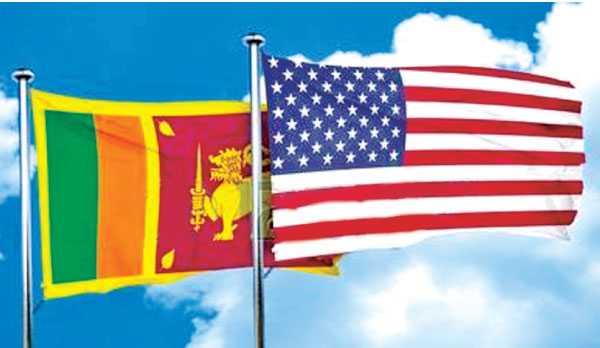
It is good to remember the strategic importance of Sri Lanka in the rivalry among big powers for supremacy and the importance of not becoming a colony or stooge of any country in its dealings with other countries especially in the present context of advanced military technology and global inter-dependence.
Today the UN is the supreme international organisation with a membership of 193 countries. The mandate given to the UN under the UN Charter agreed upon by the leaders of 50 war weary nations in 1945 to prevent a third world war, included:
- Maintenance of international peace and security
-
Provide humanitarian assistance to those in need
-
Protect human rights
-
Uphold international law
Forty years later the scope of the work of the UN came to include economic and social development necessary for world peace and environment protection and climate change. No country can give up the benefits of being a UN member because of the UN goals which are beneficial to all. The pandemic showed the world that this interdependency and the UN can save humans.
Political motives
It is a mistake to think that the UNHRC resolutions are drafted with political motives. In the case of UN subsidiary bodies like the UNHRC, draft resolutions are initiated by members, but are always based on the contents of the report submitted by the head of the relevant UN secretariat. The UN High Commissioner’s report on Sri Lanka in 2021 analysed the human rights situation in Sri Lanka making specific references to recent violations and government policies that could lead to future violations.
The report of the Abeyratne commission that recommends reversing court decisions already given on criminal cases including human rights violations, the militarisation of the civil administration by appointing nearly one hundred military personnel to high positions in civil administration, incidents of human rights violations after the war, arbitrary arrests and disappearances of people, arrest, and prosecution of the chief investigator of high crimes and human rights violations (Shani Abesekare) were specific references in the report. The 2021 UNHRC resolution is the outcome of all these and not a political witch hunt.
If the subject matter discussed in the report is of great importance to an individual member or group of members either in terms of their government policy including foreign aid policy, security, or economic advantages to the country, they co-sponsor and play an active role in the drafting and negotiations of the text. Co-sponsors involved in the drafting interact with the secretariat for secretarial support. A member can co-sponsor a resolution if it furthers the country’s interest even at a later stage of negotiation. Members can change the text marginally at informal negotiations if others agree, although the main thrust of it cannot be changed as it is based on the arguments and recommendations given in the report. If credible counter evidence is provided, these arguments and data in the report can be proved as misleading and the text can be changed with majority consent.
By co-sponsoring the UNHRC resolution in 2015, Sri Lanka managed to water down the text of the resolution marginally and avoid an entirely foreign judicial mechanism. However, the government failed to take advantage of this as there was no compliance with the resolution afterwards. It is self-defeating for Sri Lanka to make wild accusations of political motives behind the 2021 resolution or criticise the head of UNHRC as the UN was discharging its responsibility under its mandate.
Sri Lanka had agreed in 2009 to investigate possible human rights violations during the war as required under the international law on human rights. This matter had been dragged over a decade due to noncompliance. The Government could have complied with the agreement made in 2009 had it pursued credible investigations of incidents of human rights violations by military personnel which were not related to the war.
The Government under Chandrika Bandaranaike did this during the war and some military personnel were prosecuted for a murder of a civilian. Had the Government followed this policy, the image of the Sri Lankan military could have been protected. Sri Lanka cannot move forward without sincere leaders who show far sight and an enlightened perspective of international relations and use of diplomacy.
The reality in the world is that Western democracies consider communism as a threat and try to promote democratic practice and their ideals such as protecting human rights and freedoms, free choice, in the rest of the world as a means of ensuring peace and security of their countries and advancing their trade interests. There are indeed incidents of human rights violations in these countries, but there is credible jurisdiction available to seek justice.
China and Russia on the other hand, try to advance their influence on the developing world to further their interests in trade and as a means of curbing western influence to gain supremacy in the world, pushing the US to a secondary place. China invests its surplus capital profitably in the developing countries by providing loans at market rates recoverable in the short term, to finance projects in developing countries which are executed mainly with Chinese personnel including Chinese labour. So there is a slight difference in aid policies of the West and the other two super powers.
Developing countries (G 77 Group) usually stand together in UN forums unless political or country specific considerations push individual countries to differ. Example: India’s decision to refrain from voting when UNHRC resolution 2021 came up for voting, and some countries that are already under UN scrutiny for human rights violations voting against the resolution. Enlightened perspective and diplomacy are the tools to navigate all these blocks on the road.
The end of the road has not yet come
In conclusion, one could say that the end of the road has not yet come and Sri Lankans still have a chance to look at things with open eyes and close the book on racial politics and other divisive politics, as well as change the attitude and come together to fulfil their civil obligations to select the right leaders and pressure the leaders to protect the interests of the country and not their own interests. Government still can follow more enlightened policies and correct its mistakes. Credible investigations of human rights violations not related to the war, reversing decisions that adversely affect human rights and the independence of the judiciary and public service need immediate attention. This will enable Sri Lanka to free itself from the burden of the UNHRC resolution, avoid the loss of western markets for export and sources of foreign funding as well as isolation among the international community.
The need of the hour is an experienced leader, mature and farsighted, a leader respected by the international community as honest and dependable, who considers the country’s interest and not the popular vote as his first priority, to lead Sri Lanka out of this mess.